REVIEW · MARRAKECH
Marrakesh Food Tasting Adventure With Dinner
Book on Viator →Operated by guide tour marrakesh · Bookable on Viator
Jemaa el-Fnaa is the appetiser to Morocco. This 3-hour Marrakesh food tasting starts at Café de France and keeps you moving street to souk to square, sampling classic bites like Harira soup, msemen, and even snail soup. You also get a short food-culture lesson along the way from local guide Ali, and the experience ends with a sit-down dinner.
I especially like the way the plan mixes warm and cold foods so your palate stays awake. You’ll go from soup to pastries to dried fruit and olives, then finish with dinner, so it feels like a real evening meal rather than random snacks. I also like that vegetarian alternatives are available, so this tour is easier to enjoy even if you want to skip the more adventurous dishes.
One consideration: two of the stops include bolder items like sheep’s head tasting and snail soup. If that’s not your thing, you’ll still have plenty to eat, but it helps to come in with an open mind (or a quick question for your guide).
In This Review
- Quick Hits You Should Know
- Why This Marrakech Street-Food Adventure Works at Night
- Meeting Point at Café de France: Simple, Central, and Easy to Find
- Jemaa el-Fnaa: Harira Soup and Shabakia, Plus the Sheep’s Head Stop
- A practical note here
- Mouassine Fountain for Msemen and Mint Tea
- Why this stop is more than a snack
- Souk Semmarine: Nuts, Figs, and Dates in a Sweet-Salty Parade
- Rahba Kedima Square Olive Market: Olives and Preserved Lemon
- Souk Laksour: Snail Soup and the Herb-Spice Logic
- Herbalism Marrakech: A Brief Look at Spices and Medicinal Herbs
- Dinner at Tiznit: Tajines and Tanjia Marrakechia
- What you should know about dinner expectations
- Vegetarian Alternatives: How This Tour Stays Fair to Different Eaters
- Price and Value: Why $38 Can Feel Like a Deal
- Who This Tour Fits Best
- Small Logistics That Matter in Real Life
- Should You Book This Marrakech Food Tasting Adventure?
- FAQ
- What time does the tour start?
- How long is the experience?
- Where do I meet the guide?
- What’s included in the price?
- Are vegetarian alternatives available?
- Is hotel pickup or drop-off included?
- How many people are in a group?
- Does the tour require good weather?
Quick Hits You Should Know
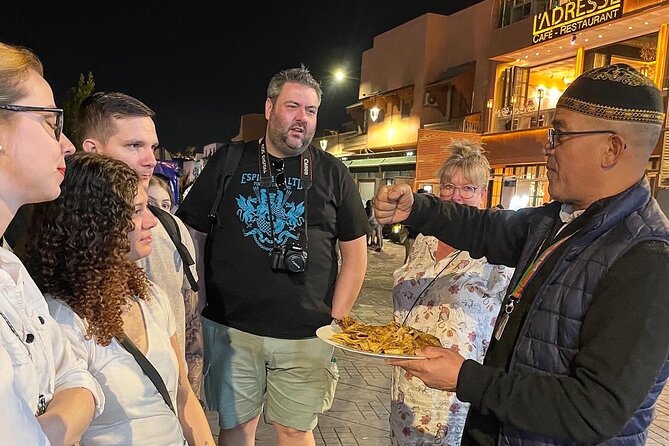
- Local guide Ali with food-culture explanations, not just a food list
- Jemaa el-Fnaa warming stop with Harira soup and Shabakia pastry
- Dry fruit and olive market tastings across multiple squares and souks
- Msemen paired with mint tea at Mouassine fountain
- Snail soup and herbalist stop for a closer look at Moroccan herbs and spices
- Dinner included with Tajines and Tanjia Marrakechia to end the night
Why This Marrakech Street-Food Adventure Works at Night
Marrakesh at 6:00 pm has a different rhythm. The evening start matters because the city’s food scene is in full swing, and you’re not just sightseeing while hungry. This tour is designed as an eating route, so each stop nudges your cravings in the right direction.
I like that it is built around Morocco’s everyday food logic: mix salty, sweet, hot, and herbal so nothing gets boring. You’ll taste soups, pastries, fruit, olives, breads, and a full dinner, which is a lot for a single evening.
You can also read our reviews of more food & drink experiences in Marrakech

Meeting Point at Café de France: Simple, Central, and Easy to Find
You meet at Café de France, 72 Rue des Banques. That’s helpful because it’s a clear anchor point when you’re navigating busy streets in the medina. The tour ends back at the same meeting spot, so you don’t have that awkward, late-night scramble afterward.
You’ll get a mobile ticket, and the group size is kept to a maximum of 20. That’s a sweet spot: small enough for the guide to manage the pace, big enough that you’re not stuck waiting forever at every stall.
Jemaa el-Fnaa: Harira Soup and Shabakia, Plus the Sheep’s Head Stop
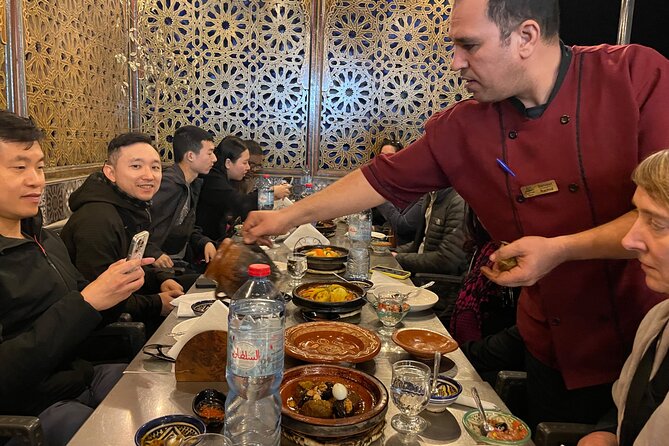
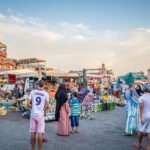
Jemaa el-Fnaa is the kind of place where smells hit first, then the food. Your first tastings center on Harira soup, a Moroccan staple known for warmth and spice. You pair it with Shabakia pastry, so you get that savory-leaning comfort plus a sweet, spiced bite from the pastry.
Then the tour adds a more traditional, hardcore-Morocco moment with a sheep’s head tasting. This is not for everyone, but it’s one of the most real things about how people eat there. The guide’s role is important here: you’ll be able to understand what you’re looking at and why it matters in local food culture, rather than just guessing.
A practical note here
If you’re sensitive about textures or offal-style dishes, go in with a plan. You can still enjoy the rest of the tastings because the route keeps returning to classic crowd-pleasers like soup, bread, and sweets.
Mouassine Fountain for Msemen and Mint Tea
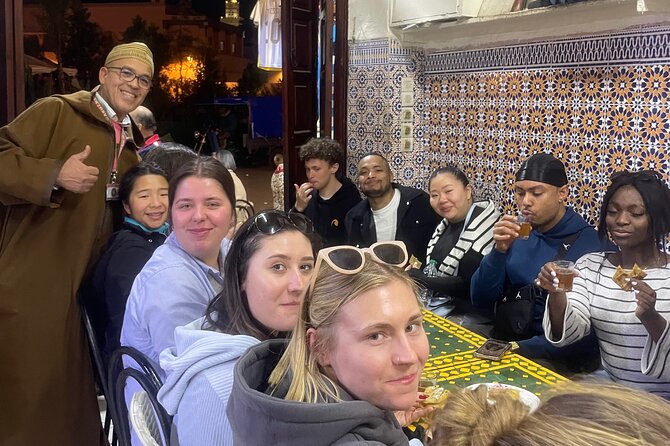
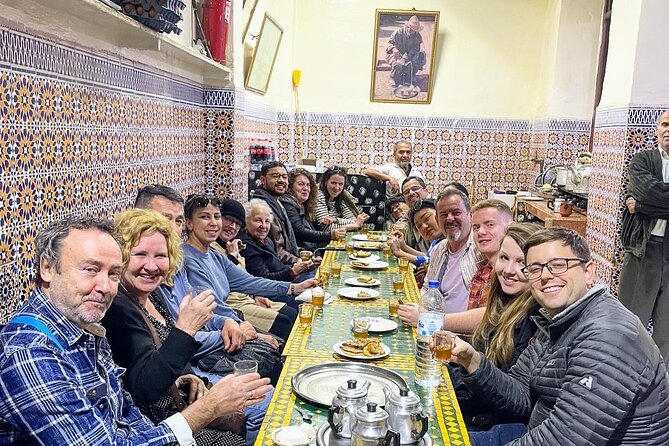
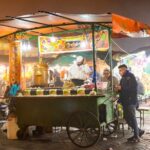
After you’ve warmed up at the square and souks, the tour shifts to comfort food with msemen at Mouassine fountain. Msemen is a layered Moroccan flatbread, and the key is the contrast: crisp outside and tender inside. You’ll also see how it’s served as a filled, satisfying bite rather than just bread.
Mint tea is paired in a way that actually makes sense. Tea isn’t just a drink here. The aroma helps reset your mouth between savory bites and keeps the experience from feeling heavy.
A few more Marrakech tours and experiences worth a look



Why this stop is more than a snack
Msemen is one of those foods that teaches you how Moroccan bread can be both simple and skilled. One good tasting tells you why locals treat bread like a craft, not a side dish.
Souk Semmarine: Nuts, Figs, and Dates in a Sweet-Salty Parade
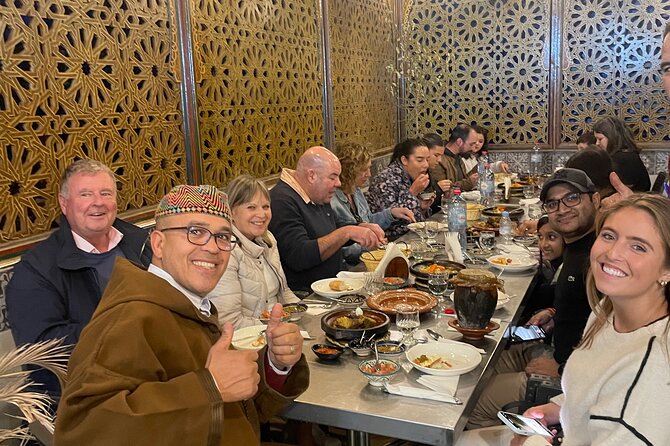
At Souk Semmarine, the focus turns to dried fruits and nuts. You start with crunchy peanuts, then move through almonds for a buttery feel, and walnuts for deeper, earthy flavor. Then come figs and dates, which bring chewy sweetness to balance the saltier bites.
This stop is valuable because dried fruits and nuts are a big part of how Moroccan sweetness gets structured. It’s not just sugar. It’s texture, roasting, and flavor layering.
Rahba Kedima Square Olive Market: Olives and Preserved Lemon
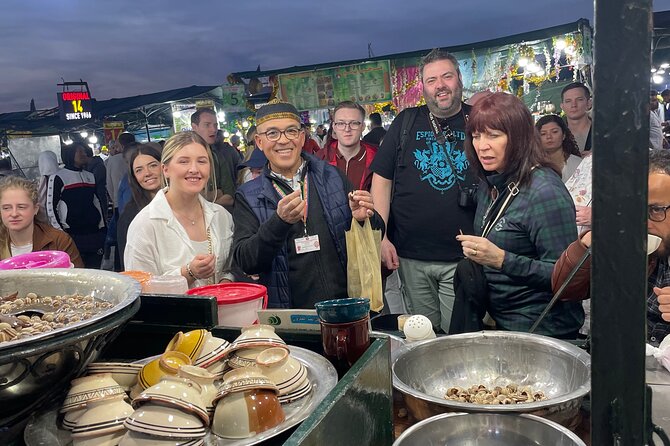
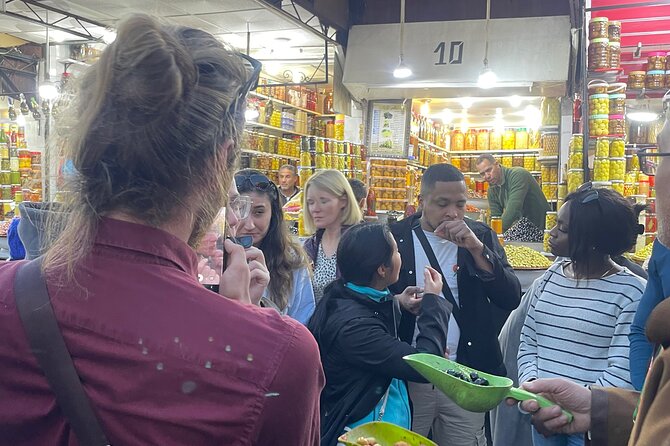
In Rahba Kedima Square, you hit the olive market. Expect a range: tangy green olives, a subtle sweetness from pink olives, and richer black olives. Preserved lemons also show up, and that salty, zesty edge makes your taste buds pay attention.
If you’ve only had olives from jars back home, this tasting can change your expectations. The flavors feel brighter and more intentional, especially when you’re eating a variety back-to-back.
Souk Laksour: Snail Soup and the Herb-Spice Logic
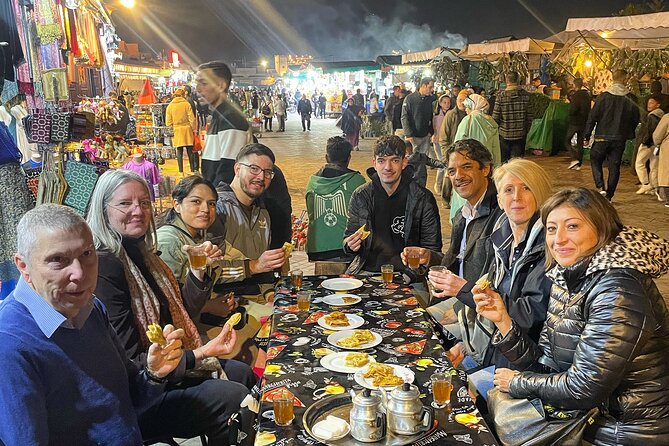
Next comes one of the more adventurous items: snail soup at Souk Laksour. The broth is infused with spices and medicinal herbs, and the idea is less about novelty and more about how Moroccan cooking treats herbs as part of everyday nourishment.
You’ll notice how the flavor builds from earthy depth to aromatic warmth. It’s also a reminder that Moroccan cuisine often balances comfort with medicinal storytelling, and your guide helps connect those dots during the evening.
Herbalism Marrakech: A Brief Look at Spices and Medicinal Herbs
A herbalist visit turns the food walk into a mini lesson. You’ll meet a Moroccan herbalist and learn about spices and medicinal herbs, and how those ingredients connect to traditional cooking and belief. This is the point in the tour where you start thinking like a cook, not just a diner.
This section is also where the tour’s “food culture” promise becomes real. You’re not memorizing facts. You’re getting a framework for why flavors in Morocco taste the way they do.
Dinner at Tiznit: Tajines and Tanjia Marrakechia
All the tastings set you up for a proper meal, and the dinner part is where the evening lands. At the end, you’ll have a sit-down dinner with local specialties including Tajines and Tanjia Marrakechia.
Tajines bring that recognizable Moroccan spice-and-stew comfort, usually with tender meat and a sauce that tastes like it has all day to work. Tanjia Marrakechia is slow-cooked and fragrant, and it’s the kind of dish that makes you understand why Moroccan cooking often relies on time, not shortcuts.
What you should know about dinner expectations
Dinner is included, but extra food and drinks are not. So if you want something beyond tea or water, plan to pay separately. Also, vegetarian alternatives are offered, so you can keep the night enjoyable without feeling left out.
Vegetarian Alternatives: How This Tour Stays Fair to Different Eaters
This tour includes vegetarian alternatives, which matters because not every stop is naturally vegetarian. The biggest question for a veggie eater is how the guide adapts the route when omnivore dishes appear.
In practice, you’ll still enjoy the structure: soups, breads, olives, and nuts are easy to adjust. If you’re strict about avoiding animal products, ask early and be clear so your experience matches your comfort level.
Price and Value: Why $38 Can Feel Like a Deal
At $38 per person, this tour can be good value because you’re paying for more than a walk. You get:
- a local guide (including food-culture explanations),
- multiple tasting stops across the medina’s key food areas,
- and an included dinner.
You also get a group size capped at 20, which keeps it organized enough to actually experience each stop instead of standing around. The main thing that can change your total cost is what you choose to buy outside the included tastings and dinner, since extra food and drinks are not part of the price.
If you’re arriving in Marrakesh and want a fast, tasty intro to Moroccan flavors without guessing what to order, this is one of the more efficient ways to spend an evening.
Who This Tour Fits Best
You’ll likely love this tour if you:
- want a guided way to eat your way through Jemaa el-Fnaa and nearby souks,
- like trying classic Moroccan foods in a logical order (soups, bread, fruits, olives, then dinner),
- appreciate learning from a local guide like Ali rather than just following a checklist,
- and want an experience that includes vegetarian alternatives.
It may feel less ideal if you hate strongly flavored dishes or prefer to avoid offal-style items. The tour does include sheep’s head tasting and snail soup, so your best move is deciding what level of adventurous you want before you meet.
Small Logistics That Matter in Real Life
No hotel pickup is included, so you’ll want to navigate to the meeting point on your own. The tour starts at 6:00 pm and runs about 3 hours, so you should plan your evening around it.
This experience requires good weather. If conditions are bad, the plan can change (you’d be offered another date or a full refund). Also, you’ll want to wear comfortable shoes. The whole evening is built around moving between squares and market areas.
Should You Book This Marrakech Food Tasting Adventure?
I’d book it if you want one evening that teaches you Morocco through food, not just photos. The guide-led explanations, multiple tastings across different food types, and the included dinner make it feel like a real meal journey from start to finish.
I’d skip or rethink it if you know you won’t eat snail soup or sheep’s head. Even with vegetarian options, those stops are part of the route, so your enjoyment depends on being flexible.
If you’re a first-time visitor, this is also a smart way to avoid the common problem of standing at stalls thinking, what do I order and where do I even start. With Ali guiding the choices, you can eat confidently.
FAQ
What time does the tour start?
It starts at 6:00 pm.
How long is the experience?
The duration is about 3 hours.
Where do I meet the guide?
You meet at Café de France, 72 Rue des Banques, Marrakech 40000, Morocco.
What’s included in the price?
The tour includes dinner, a local guide, and vegetarian alternatives.
Are vegetarian alternatives available?
Yes. Vegetarian alternatives are included.
Is hotel pickup or drop-off included?
No. Hotel pickup and drop-off are not included.
How many people are in a group?
The tour has a maximum of 20 travelers.
Does the tour require good weather?
Yes. It requires good weather, and if it’s canceled due to poor weather, you’ll be offered a different date or a full refund.