REVIEW · MARRAKECH
4 Day Sahara Desert Trip From Marrakech: Marrakesh – Sahara Desert – Marrakesh
Book on Viator →Operated by Deep Morocco Tours · Bookable on Viator
Four days, one long road to the Sahara. This trip is interesting because you’re not racing. You move from Marrakech over the High Atlas to UNESCO kasbahs, then down through valleys and oases, and finally into the sand with a proper overnight camel safari.
I really like two things here. First, the private driver/guide setup makes the stops feel human-sized instead of herd-style. Second, all accommodation plus breakfast and dinner are wrapped into the price, including the desert camp night. One thing to plan for: lunches aren’t included, so you’ll want to budget a little extra each day.
In This Review
- Key highlights worth getting excited about
- Day 1: Marrakech to Ouarzazate over the Tizi-n-Tichka Pass and Kasbahs
- Ait Ben Haddou and the UNESCO effect (without the museum vibes)
- Day 2: Draa Valley to Merzouga with Berber pizza and your first desert glow
- A night in the dunes: what the camp setup actually gives you
- Day 3: Todra Gorge cliffs, fossil stops in Erfoud, and Dades Valley’s rock oddities
- Day 4: Rose petals in Kelaa M’Gouna, Skoura palms, and back over Tizi n Tichka to Marrakech
- Private guide value: why this feels better than a rushed desert checklist
- Price and what you actually get for $550 per person
- Pacing and comfort: what the four-day format changes
- Best-fit traveler: who will love this trip most
- Should you book this 4-day Marrakech to Sahara trip?
- FAQ
- How much is the 4-day Sahara trip from Marrakech?
- Is pickup included, and is this a private tour?
- What’s included for the Sahara camel safari and desert camp night?
- Are lunches included in the price?
- Is there a child rate, and do kids need an adult?
- Can I get a full refund if I cancel?
Key highlights worth getting excited about
- High Atlas Pass timing: you cross the Tizi-n-Tichka Pass with big views at 2260 m altitude
- UNESCO kasbah stop: Ait Ben Haddou is included and is a top Morocco film location
- Draa Valley route: you travel along Morocco’s longest valley road, with oases and mud kasbahs along the way
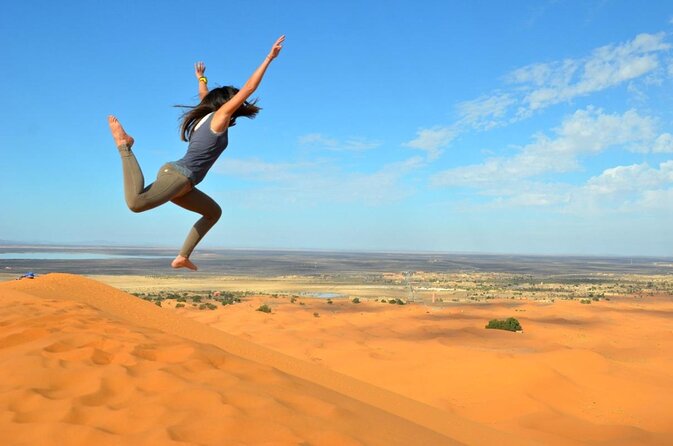
- Camel safari with a real night in sand: guided ride to a luxury camp near Merzouga
- Todra Gorge scale: a narrow canyon with cliffs reaching about 300 m high
- Day 4 rosewater and Skoura palms: Kelaa M’Gouna rose production and Skoura’s kasbah-lined palm grove
Day 1: Marrakech to Ouarzazate over the Tizi-n-Tichka Pass and Kasbahs
Your trip starts with hotel pickup in Marrakech, then you get rolling south toward Ouarzazate. The driving isn’t just transit. It’s part of the experience. The big moment is crossing the High Atlas via the Tizi-n-Tichka Pass, sitting at 2260 m. Expect wide outlooks over mountain bends, and chances to spot Berber villages tucked into the slopes.
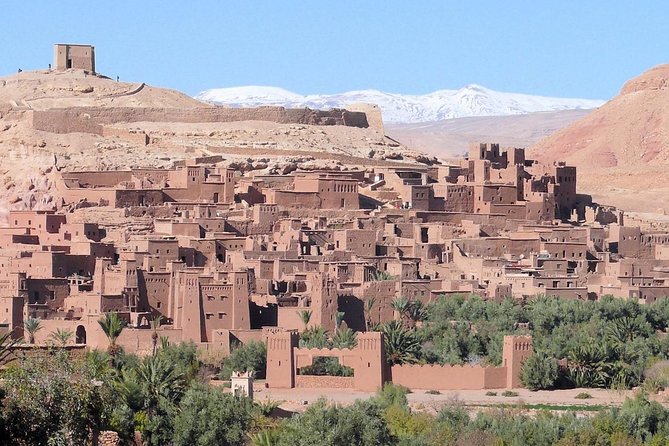
On the way, you stop for kasbahs that helped shape Morocco’s southern history. One highlight is the Telouet Kasbah, once the residence of the pasha of Marrakesh. You also head to the star attraction: Kasbah Ait Ben Haddou. This is the most celebrated, filmed, and photographed kasbah in Morocco, and it’s a UNESCO World Heritage Site. In other words, it’s not just scenic. It’s the kind of place where you can understand why movie crews keep coming back.
If you like atmosphere, Ouarzazate is a good landing point for the night. You’ll stay in a hotel or riad, with the area known for Atlas Film Studios and nearby kasbahs such as Taourirt and Tiffoultoute. This first day has a satisfying rhythm: mountain views, kasbah stops, then a comfortable bed before the desert.
Practical note: this is a full day on the road. If you’re the type who hates long drives, bring snacks and plan for a slower pace than your Marrakech walking days.
A few more Marrakech tours and experiences worth a look
Ait Ben Haddou and the UNESCO effect (without the museum vibes)
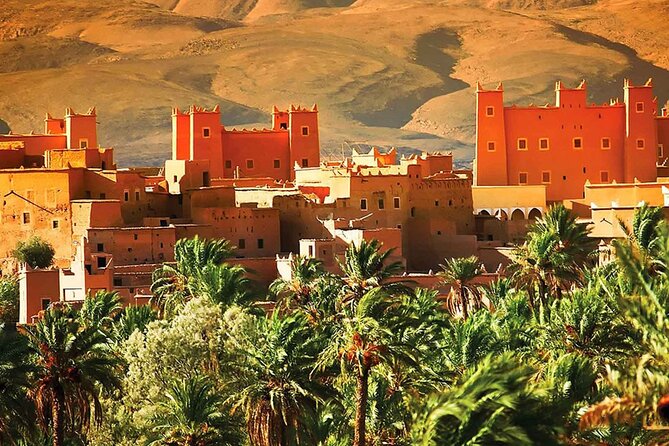
Ait Ben Haddou can feel like stepping into a film set, but the payoff is more than pictures. The kasbah layout and materials tell you how people built for defense, heat, and daily life. You’re not looking at a single monument from one angle—you’re seeing a whole fortified community shape.
This stop also matters because it’s a clean marker between regions. Before you reach the Sahara, you pass through a string of places tied to trade, agriculture, and the crossroad culture of southern Morocco. Ait Ben Haddou gives you that context fast.
Also, admission is included for the key ticketed portion of the day. That means fewer last-minute questions and less time wasted digging for entrance details.
Day 2: Draa Valley to Merzouga with Berber pizza and your first desert glow
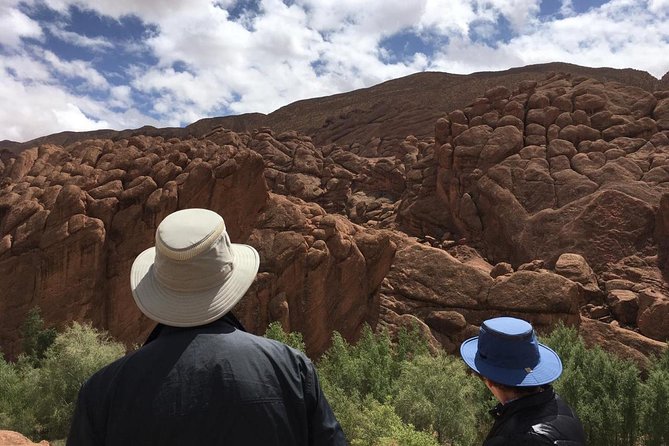
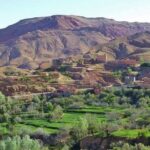
After breakfast, the trip aims you down the Draa Valley, traveling along a road known as the longest in Morocco. That detail isn’t just trivia. The Draa Valley feel is stretch-out-and-stop. You pass Berber mud-built kasbahs and watch how oases break the journey into livable pockets.
You’ll make your way toward Rissani for lunch. This is where you can try traditionally baked Berber pizza, a local option that’s simple but memorable. You don’t need to hunt for anything fancy. You’re eating in a place built for everyday life along the route.
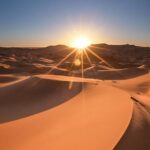
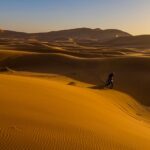
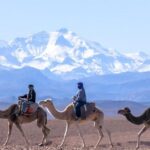
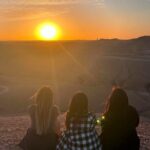
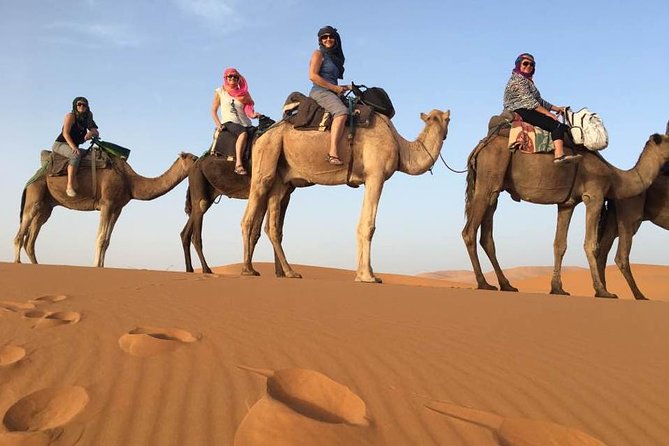
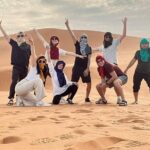
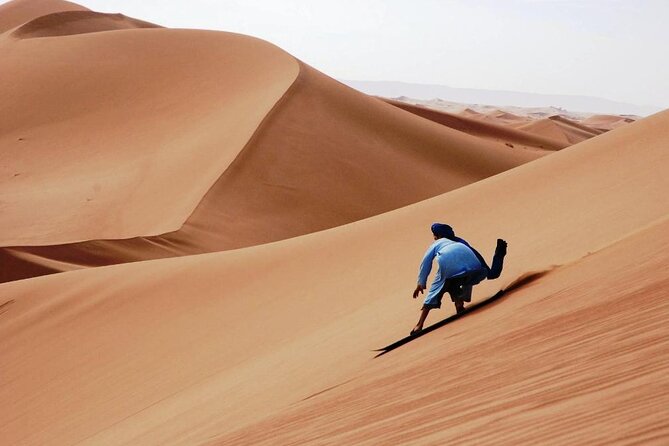
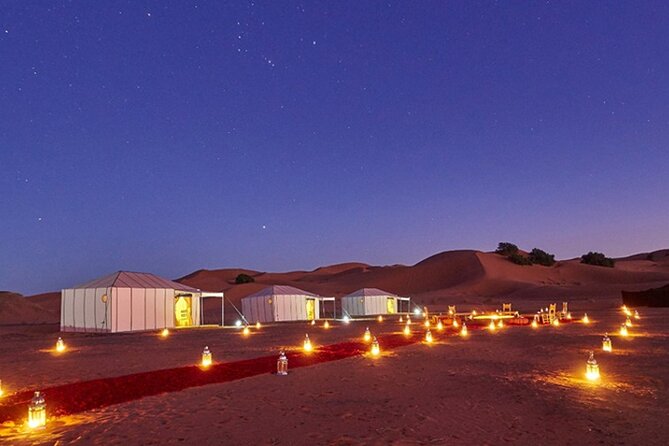
By late afternoon, you reach Merzouga and meet your camel guide. This is the start of the classic desert change of pace. You’ll ride across the dunes and continue to a Bedouin luxury camp for an overnight stay.
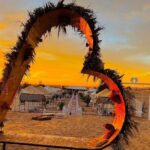
The desert camp is one of those moments that’s hard to fake. You get the spectacular star views after dark, and you also get a dinner-and-breakfast setup that keeps the night relaxed instead of logistical. This is exactly why spreading the trip into four days helps: you’re not doing desert on a sprint.
One small reality check: the camel ride is part ride, part effort. If you’re sensitive to bumps or you get sore easily, you’ll appreciate choosing comfortable clothing and taking your time adjusting once you’re on the dunes.
A night in the dunes: what the camp setup actually gives you
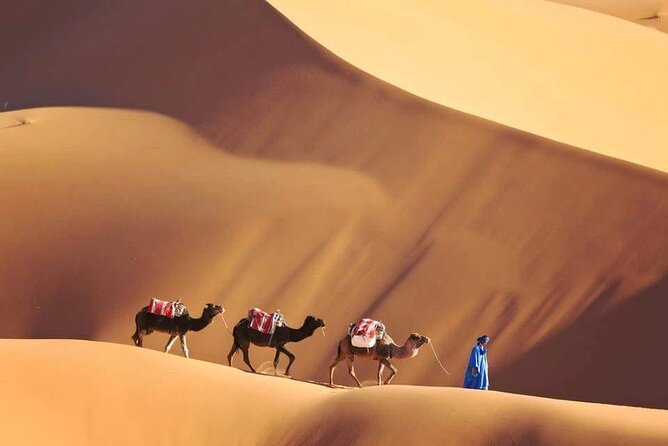
Your overnight isn’t just a novelty photo stop. You’re there for the atmosphere and the timing. You get dinner and breakfast at the camp, so you’re not hungry and waiting around in the dark. And because the next morning starts early, you’re positioned for the kind of sunrise experience in the desert that Morocco does well.
The camp setup also gives you a practical perk: on Day 3, after sunrise and breakfast, you get a shower at the camp before moving on. That single detail makes the whole experience feel more comfortable, especially after a day of travel and sand.
Day 3: Todra Gorge cliffs, fossil stops in Erfoud, and Dades Valley’s rock oddities
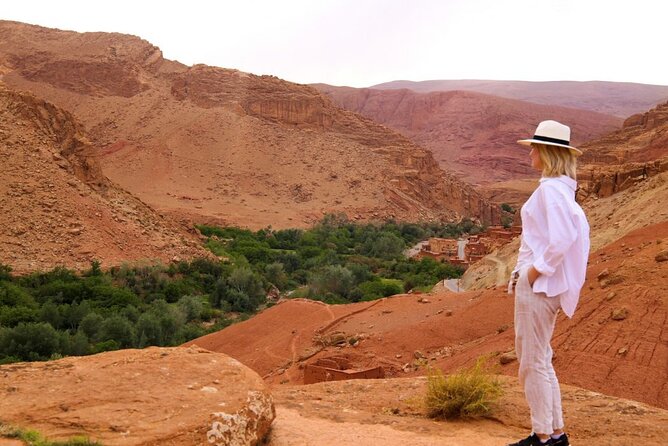
Day 3 starts with desert time: a magical sunrise before you settle into a leisurely breakfast. Then you reset with that shower and head toward Erfoud.
Erfoud is known as a fossil town, and the tour includes time to see stalls with crystals, semi-precious stones, and fossils. There’s also a workshop open to visitors called Usine de Marmar. Even if you’re not a geology nerd, it’s a neat way to see how local industries connect to the region’s natural materials.
Lunch happens around Todra Gorge, then you travel into the canyon. The Todra Gorge is a narrow corridor with cliffs around 300 m high on each side. It’s the kind of scale that’s hard to capture fully in a single frame—you feel it when you walk or pause inside the gorge. This is why the stop feels like more than a roadside photo. It has vertical drama.
From there, you head to the Dades Valley. Expect mud kasbahs and distinctive rock formations locals call monkey toes. That name makes more sense when you see the shape. It’s one of those “how did that form?” moments that makes this day feel like a real mix of geology and culture.
You’ll sleep in a hotel or riad overlooking the Dades Valley, which helps you wind down instead of arriving somewhere and immediately turning into another busy afternoon.
Day 4: Rose petals in Kelaa M’Gouna, Skoura palms, and back over Tizi n Tichka to Marrakech
Day 4 shifts from desert and canyon drama to something sweeter and more fragrant. Your first stop is Kelaa M’Gouna, where up to 4000 tonnes of rose petals are picked every spring to be processed into rosewater or exported for the perfume industry. If you’re traveling around May, the Rose Festival is held here, so the energy can be extra lively.
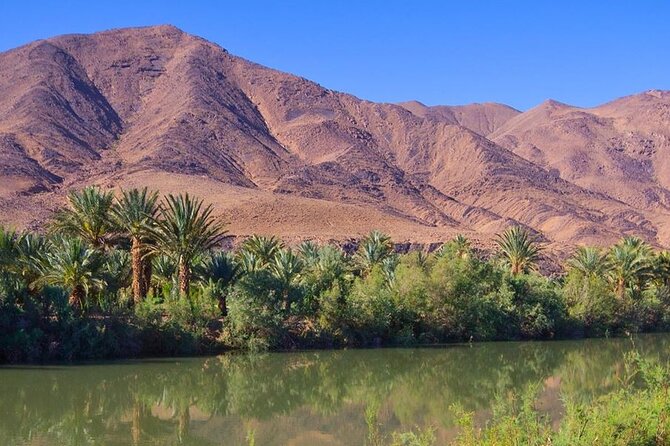
Then you continue via Skoura, famous for its palm grove and for some of southern Morocco’s kasbahs. This part of the route is gentler than the gorge day. It feels like a slow unwind—green pockets, palms, and a sense of agriculture and shade.
Later, you cross back over the mountains via the Tizi n Tichka pass and arrive back in Marrakesh to end the trip. It’s a satisfying full-circle finish: from Marrakech streets, out into kasbahs and canyon cuts, into dunes and stars, then back home again through the same mountain line.
Private guide value: why this feels better than a rushed desert checklist
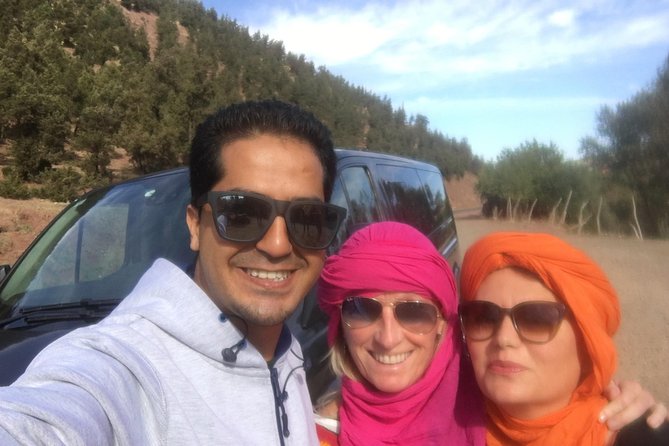
This tour is private, meaning your group only travels with your group. That matters in Morocco, where road time can be intense and where good guides make the difference between seeing places and understanding them.
Guides from Deep Morocco Tours have been singled out in past trips for being professional and flexible. Names you may see come up include Said, Omar, Amar, Ibrahim, and Younes. The useful part isn’t the names. It’s the pattern: people liked that the trip ran smoothly, with planning that felt responsive and a guide who could adjust to the flow of the day.
Also, the schedule gives breathing room for photos. That sounds minor until you’ve done the fast versions of Sahara trips and realized you spend half your time stepping off a vehicle for 30 seconds and then leaving.
Price and what you actually get for $550 per person
At $550 per person for roughly four days, the real question is: what’s included versus what you’ll pay later?
Here’s the value picture:
- Private transport in a modern, comfortable vehicle
- Accommodation all the way through, including the desert camp overnight
- Breakfasts (3) and dinners (3) included
- A guided camel safari to the desert camp
- All taxes and VAT included
- Admission tickets included for key stops on Day 1 and Day 3
- Plenty of time for photos, without tight squeeze tactics
What’s not included is mainly lunches, plus travel insurance and anything not explicitly listed. In practice, that means you’re not constantly budgeting for dinners and hotels during the trip. That can make the total feel more manageable than shorter, cheaper options that quietly charge you extra once you’re on the road.
If you’re comparing to group tours, private often costs more. But for this route—High Atlas passes, major kasbahs, Merzouga dunes, Todra Gorge—the included lodging and meals can shift the value math quickly in your favor.
Pacing and comfort: what the four-day format changes
Most Sahara itineraries feel like three days of motion with one desert night. This one spreads things out into four days, which changes your comfort level in two ways.
First, you don’t feel crushed by the drive from Marrakech down to Merzouga. You’re stopping at major sites along the way instead of just aiming for the dunes.
Second, you get time for desert moments that are hard to schedule when everything is rushed. Sunrise in the sand, a relaxed breakfast, shower time, then a canyon day—this flow is easier on your body and your mood.
Also, this tour asks for moderate physical fitness. That doesn’t mean you need to be an athlete. It does mean you should be comfortable with long days of driving, walking at stops, and the camel ride.
Best-fit traveler: who will love this trip most
This is a great match if you:
- Want a private feel with real stops (kasbahs, valleys, gorge) instead of nonstop driving
- Prefer desert travel that includes sleeping overnight in a camp with dinner and breakfast
- Like mixing big sights with smaller, local touches like the Draa Valley road and the fossil town in Erfoud
- Care about comfort after hard travel days, thanks to included lodging and that camp shower on Day 3
It may not be the best fit if you hate long car days. This is a road trip tour. The Sahara here is reached the traditional way: by bus-like comfort in a vehicle, then camel over dunes.
Should you book this 4-day Marrakech to Sahara trip?
If you want the Sahara, but you also want Morocco’s kasbahs, valleys, and canyon drama without feeling rushed, I’d book this. The big deciding factors for me are the included desert camp night, the fact that meals and accommodation are covered, and the calmer pacing that makes the desert feel like a destination, not a stop.
If you’re counting every dollar, remember lunches are on you. Also, if you’re very sensitive to bumps or long travel days, plan for it. Bring the basics, take your time on the camel ride, and treat the days like a slow road, not a checklist.
FAQ
How much is the 4-day Sahara trip from Marrakech?
The price listed is $550.00 per person.
Is pickup included, and is this a private tour?
Pickup is offered from Marrakech, and the experience is private for your group.
What’s included for the Sahara camel safari and desert camp night?
You get a guided camel safari in the Sahara Desert and an overnight in a luxury desert camp. Dinner and breakfast are included for that night.
Are lunches included in the price?
No. Lunches aren’t included.
Is there a child rate, and do kids need an adult?
A child rate applies only when sharing with two paying adults, and children must be accompanied by an adult.
Can I get a full refund if I cancel?
Yes, you can cancel for a full refund up to 24 hours in advance of the experience start time.