REVIEW · MARRAKESH
Marrakesh: Arabic Calligraphy Class
Book on GetYourGuide →Operated by Ateliers d'Ailleurs · Bookable on GetYourGuide
Arabic calligraphy is a skill you can feel with your hand. In a traditional workshop in the Medina, you’ll practice real lettering techniques with an artist who’s been teaching for decades. I especially like the side-by-side coaching and the chance to slow down with a local, tea in hand. The class also includes materials and translation support, so you’re not stuck guessing what to do. The one thing to consider is that some sessions may run a bit shorter than the 4-hour block listed, depending on how your lesson flows.
This works for both beginners and people who want polish. You’ll learn basic strokes, try different writing styles, and get time to work on writing names or words in a more finished way. If you’re aiming for a lot of finished calligraphy in one afternoon, plan to use the practice time wisely and don’t expect a fast, one-shot result. You’ll leave with the satisfaction of doing the craft, not just watching it.
In This Review
- Key things I’d focus on before you book
- Entering A Traditional Calligraphy Workshop in the Medina
- How the Lesson Works: Strokes, Letter Styles, and Flow
- Meeting Your Teacher: Noureddine and the Translator Team
- What’s Included: Tools, Materials, and Time to Practice
- The Tea and Pastry Break That Makes It More Than a Lesson
- Timing and Practical Reality: 4 Hours, But Plan Flexibility
- Price and Value: Why $81 Can Be a Smart Use of Your Time
- Meeting Point in Jamaa el Fna: Easy to Find, Still Give Yourself Time
- Who This Class Is Best For (And Who Might Want a Different Plan)
- Should You Book This Marrakesh Calligraphy Class?
- FAQ
- How long is the Arabic calligraphy class?
- Where do I meet the instructor?
- What languages are used during the class?
- What’s included in the price?
- Is it suitable for beginners?
- Is there a dress code?
- Is the workshop wheelchair accessible?
Key things I’d focus on before you book
- 40 years of teaching experience from a calligraphy artist in a traditional workshop
- Hands-on practice with ink, nib, nib holder, and practice paper included
- Translation support throughout, so you can understand the corrections
- Moroccan pastries and tea built into the pace of the lesson
- Your personalized work, often including writing names in styles you learn
- Private group setup, making it easier to get individual help
Entering A Traditional Calligraphy Workshop in the Medina
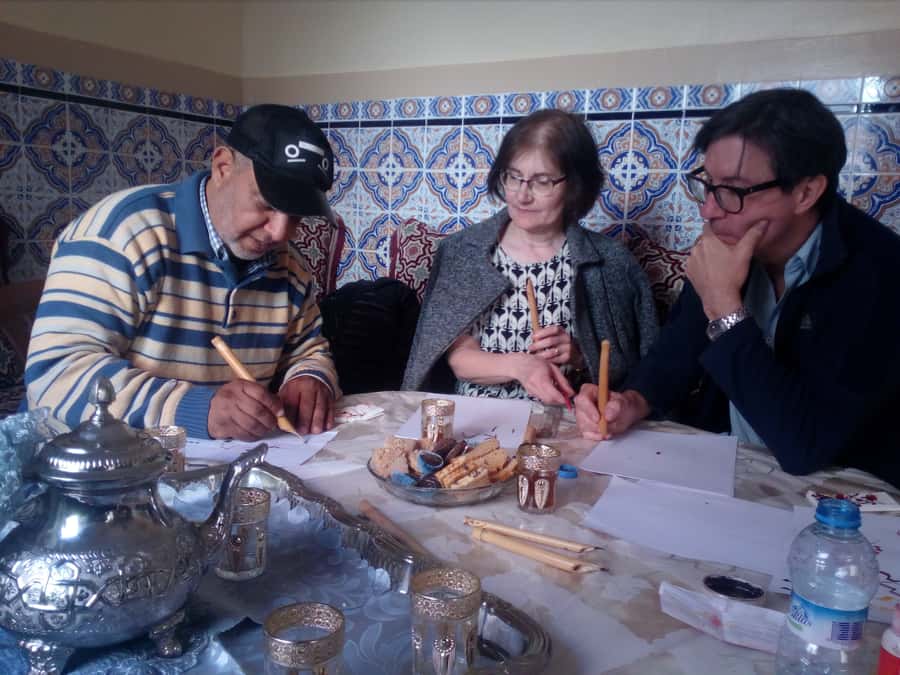
Marrakesh rewards you when you choose one hands-on activity instead of stacking another sight on top of a sight. This class gives you that kind of focus. You meet at the edge of Jamaa el Fna square, in front of Poste du Maroc (Rue Beni Marine, Medina), then you head into the workshop setting where the lesson actually happens.
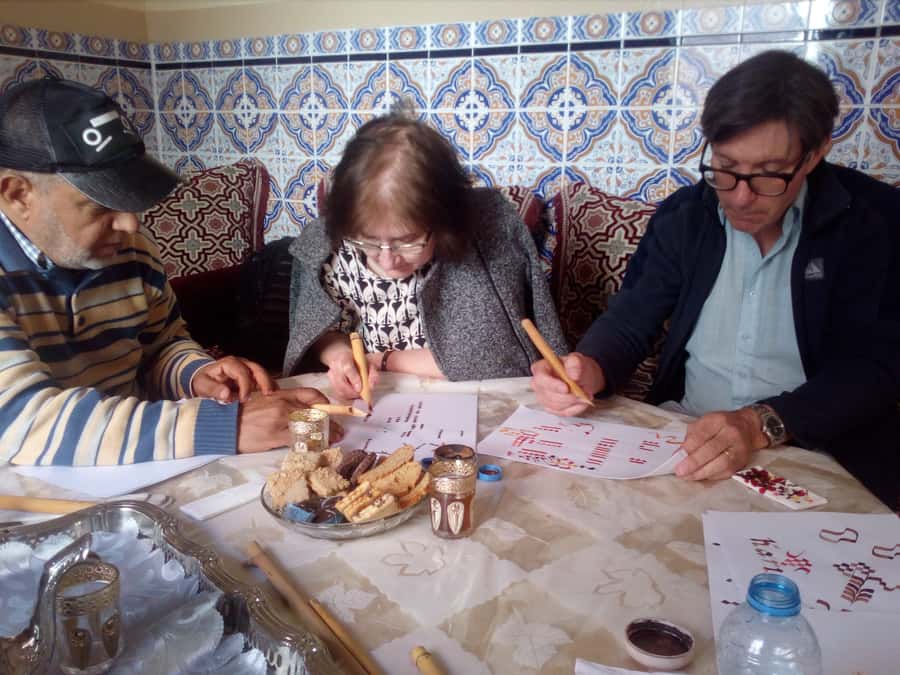
Inside, the tone tends to be calm and practical. The goal isn’t to impress you with fancy explanations. It’s to get your pen moving correctly so your letters start to look like they belong together. Expect a mix of instruction and time at your desk, because calligraphy is muscle memory as much as it is art.
One of the smartest parts is the translator/assistant support. Your instructor teaches through Arabic, French, and English depending on your group, and the assistant helps keep the back-and-forth clear. In real terms, that means you can ask questions when you’re stuck, not just nod politely.
A few more Marrakesh tours and experiences worth a look


How the Lesson Works: Strokes, Letter Styles, and Flow
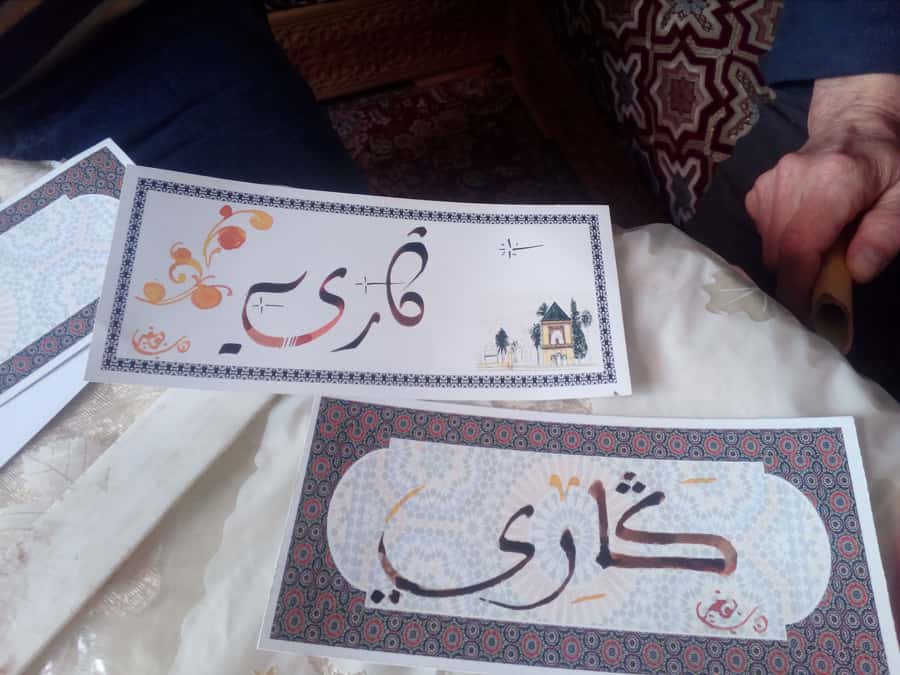
The structure is built around the fundamentals. You’re not only learning what calligraphy looks like. You’re learning why certain curves, spacing, and pressure changes make the lettering read well.
You’ll cover different letter writing styles, then spend time practicing the technique that makes letters flow into each other. This matters because Arabic calligraphy isn’t just about drawing shapes. It’s about rhythm: how the nib moves, where you lighten or press, and how the letter joins stay consistent.
You can usually go as deep or as shallow as you want. Some people come with zero experience and just want to learn how to write to the point where their work looks clean. Others want to expand beyond the basics and refine. The class is designed to fit both situations.
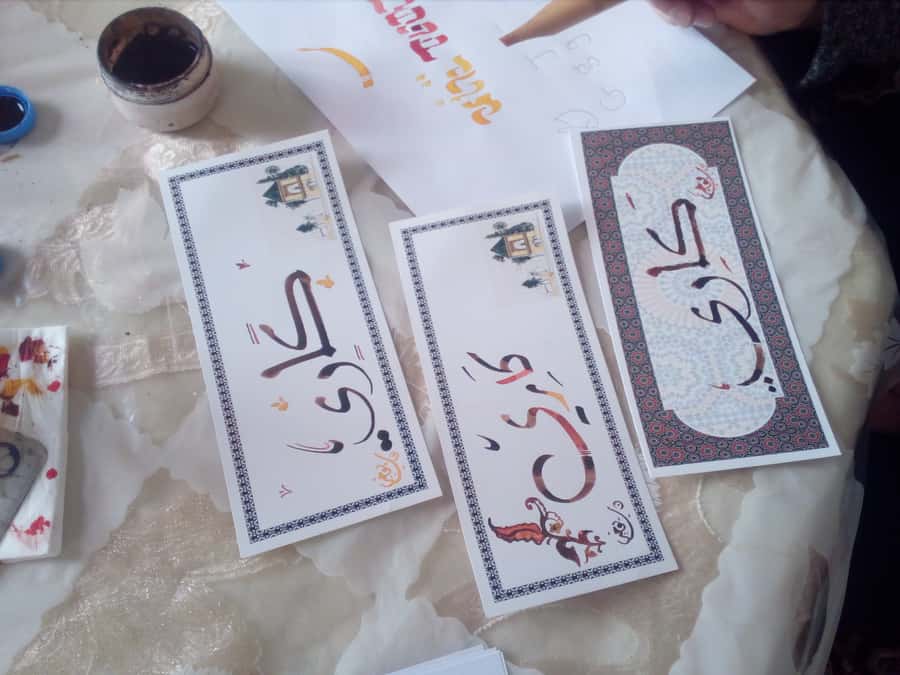
A pattern I noticed from feedback is that many students come away with their names written in calligraphy styles. That’s a great souvenir, but it’s also a useful learning tool. When you practice real letters that you care about, corrections stick faster than abstract exercises.
Meeting Your Teacher: Noureddine and the Translator Team
The class is led by Noureddine, an experienced artist and painter with about 40 years of calligraphy instruction. That level of time matters. You can feel it in how he corrects technique and how he adjusts teaching for your skill level.
The translator/assistant is a big deal too. In different sessions, you may work with support people such as Khaoula or Ouiam, who help translate the instruction and keep the conversation moving. That makes the class feel less like a lecture and more like a real workshop conversation.
And the teacher’s style tends to be patient. Feedback often highlights how the instructor slows down for first steps and then builds confidence. If you worry you’ll be overwhelmed by a new script, you’re not alone. Plan to take your time. Calligraphy teaches you that small corrections matter.
What’s Included: Tools, Materials, and Time to Practice
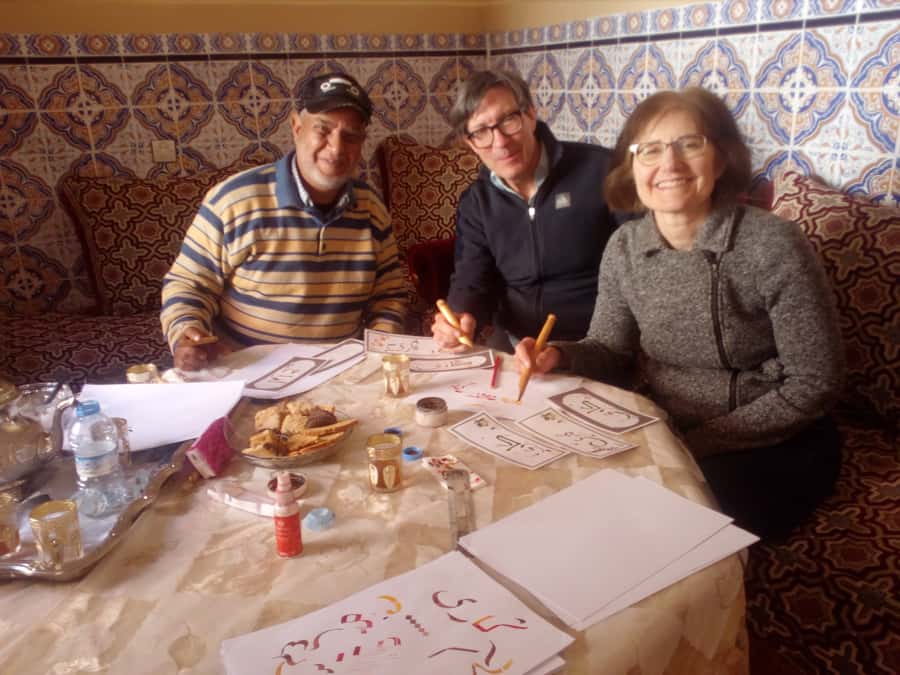
One of the best value points here is that you’re not asked to bring gear. You’ll get the essentials for the practical part of the lesson:
- Ink
- Nib
- Nib holder
- Practice paper
Those details matter. The nib controls line thickness and angle. Without the correct setup, calligraphy practice can feel frustrating. Here, you’re using the right tools so you can focus on technique instead of troubleshooting equipment.
You also get photos of the experience, which helps you capture the day without needing to constantly stop to take pictures mid-practice. Some groups may also end up with extra take-home items like bookmarks, small pieces of calligraphy, or a written version of their name in more than one style—but that part isn’t guaranteed every single time. Still, the lesson often includes a personalized output that feels meaningful.
The Tea and Pastry Break That Makes It More Than a Lesson
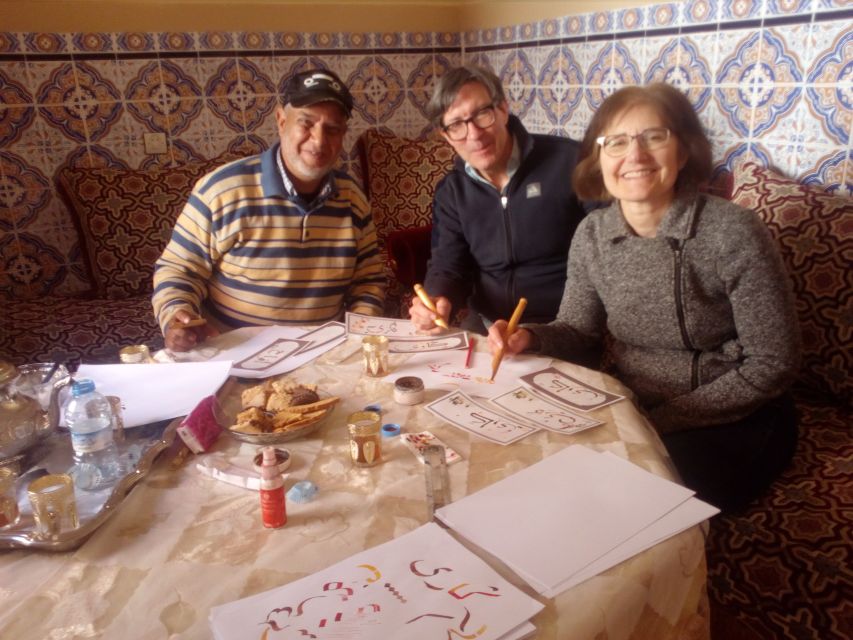
A good workshop has a rhythm. This one slows you down with Moroccan pastries and tea during the class. It gives your wrist a break and your brain time to digest what you practiced.
It also makes the experience more human. You’re not just producing letters for a grade. You’re sharing a moment with the host, asking questions, and learning what the art means in everyday culture. Even if your Arabic is limited, the conversation support helps you understand the themes behind the strokes and styles.
One nice bonus: some students describe the workshop setting as peaceful and creative, not rushed. That atmosphere helps beginners relax enough to try without fear.






Timing and Practical Reality: 4 Hours, But Plan Flexibility
The class is advertised as 4 hours. In practice, lessons can sometimes finish a bit earlier depending on how much hands-on time your group needs and how the instructor structures the session.
So here’s my practical advice: don’t schedule another major activity right behind it with zero buffer. Leave space for a slower finish, extra practice questions, or a longer tea break. You’ll enjoy the lesson more when you’re not watching the clock like it owes you money.
Also, note the class is a private group. That’s great for getting personal corrections, especially if you’re learning from scratch. Private setups often run more smoothly because the instructor can focus on you instead of splitting attention across multiple people.
Price and Value: Why $81 Can Be a Smart Use of Your Time
At $81 per person for about four hours, this can seem like a lot compared to a generic walking tour. But this isn’t just someone talking at you. You’re paying for:
- An instructor with decades of calligraphy teaching
- Hands-on tools and materials included
- Translation support throughout
- Time for practical correction, not just observation
- Moroccan pastries and tea
- Photos of the experience
In other words, the cost is tied to a real craft lesson. If you’ve ever wanted a skill you can use later, calligraphy classes are one of the better “activity souvenirs” you can buy. You’ll leave with a new way to appreciate Arabic lettering everywhere you look in Morocco.
Meeting Point in Jamaa el Fna: Easy to Find, Still Give Yourself Time
The meeting point is clear: in front of Poste du Maroc in Jamaa el Fna square. That’s a landmark most people can navigate to, even on a first visit.
Still, the Medina is busy. Give yourself a small buffer so you can orient calmly and find the exact spot. If you’re worried about walking distance, build in extra time because the route through the area can feel longer than it looks.
Also, there’s a dress guideline: no sleeveless shirts. It’s a simple rule, and it will help you blend in and feel comfortable inside the workshop.
Who This Class Is Best For (And Who Might Want a Different Plan)
This Arabic calligraphy class is a great fit if you:
- Want a hands-on cultural experience instead of another photo stop
- Like learning by doing, practicing strokes until they improve
- Enjoy meeting locals through their craft
- Want a personal souvenir like your name written in calligraphy styles
It might be less ideal if you:
- Want a high-output workshop where you leave with lots of finished pages
- Are extremely time-sensitive and won’t tolerate a lesson flow that can vary slightly
- Prefer big-group sightseeing formats where you’re constantly moving
Should You Book This Marrakesh Calligraphy Class?
If you want one afternoon that feels genuinely Moroccan and skill-based, I think this is an easy yes. You’re getting real instruction with the right tools, plus translation support so you can learn without guesswork. The pastry and tea break adds a human pace that makes the workshop feel like a shared moment, not a transactional activity.
Book it if calligraphy appeals to you at all. Even if you only remember a few stroke techniques, you’ll start seeing Arabic lettering with new respect across the city.
If you’re on the fence because of time, pick a slot and keep the rest of your schedule flexible. This kind of class rewards a slow mind and a steady hand.
FAQ
How long is the Arabic calligraphy class?
The class lasts 4 hours.
Where do I meet the instructor?
Meet in front of Poste du Maroc in Jamaa el Fna square, Rue Beni Marine, Marrakech 40000.
What languages are used during the class?
The instructor and support are available in Arabic, French, and English.
What’s included in the price?
Included items are an expert calligraphy artist/guide, materials (ink, nib, nib holder, and practice paper), an assistant for translation, homemade Moroccan pastries, and photos of the experience.
Is it suitable for beginners?
Yes. The class is suitable for both first-time practice and people looking to improve or expand their skills.
Is there a dress code?
Yes. Sleeveless shirts are not allowed.
Is the workshop wheelchair accessible?
Yes, the activity is wheelchair accessible.