REVIEW · MARRAKESH
Marrakech:2 Days tour to Sahara Zagora Desert & AitBenHaddou
Book on GetYourGuide →Operated by Morocco Daily Trips · Bookable on GetYourGuide
Desert nights in Zagora feel close. This 2-day trip pairs Ait Ben Haddou with a proper camel trek and overnight in desert Berber tents, so you get culture plus that big-sky feeling in a short time. You’ll also spend real time on the road through the High Atlas, which turns the journey itself into part of the experience.
The main thing to consider is time and expectations: it’s a long drive from Marrakech, and Zagora’s dunes are typically more modest than the tallest sand seas people compare elsewhere.
In This Review
- Key highlights I’d plan around
- From Marrakech to the High Atlas: the air-conditioned start matters
- Ait Ben Haddou: the kasbah you can actually walk through
- Ouarzazate and the movie-set vibe: real locations, not a theme park
- Tizi-n-Tichka pass: why the mountain road is part of the value
- The Draa Valley to Zagora: oasis breaks and photo stops that reset your energy
- Camel trek and desert camp night: what you get (and what to plan for)
- Food and comfort: included, but not all five-star
- Dunes in Zagora: don’t compare to the tallest sand seas
- Day two: breakfast and the return toward Marrakech
- Price and value: what your $136 really buys
- Who this tour suits best (and who should be picky)
- Practical packing tips for a smoother desert night
- Should you book this Marrakech to Zagora 2-day desert tour?
- FAQ
- How long is the Marrakech to Sahara Zagora desert tour?
- What’s the starting point and how does pickup work?
- Is transport included?
- What meals are included?
- What type of accommodation do you get overnight?
- Do you visit Ait Ben Haddou?
- Do you go to the Atlas Film Studios?
- Do you cross the High Atlas Mountains?
- How big are the dunes in Zagora?
- What’s the cancellation policy?
Key highlights I’d plan around
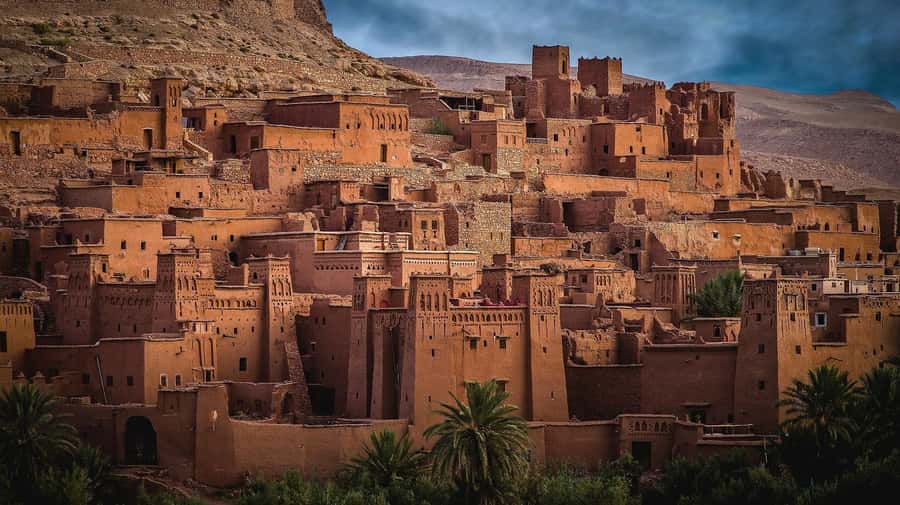
- Ait Ben Haddou (UNESCO) stop: Walled kasbah setting with multiple kasbah structures to wander through.
- High Atlas crossing via Tizi-n-Tichka: When the weather’s clear, the mountain road makes the day.
- Ouarzazate + film connection: You’ll pass through a town tied to movies like Gladiator and Lawrence of Arabia.
- Draa Valley oasis scenery: A concrete oasis-and-palm break on the way toward Zagora.
- Camel trek + desert night: One dinner and one breakfast included at the camp.
- Optional Atlas Film Studios visit: If there’s time, entry is extra (5 euros) and not guaranteed.
From Marrakech to the High Atlas: the air-conditioned start matters
This trip kicks off in a modern air-conditioned minibus, which is honestly a big deal when you’re heading into warm, dusty countryside. If you’re doing this as part of a shared group, you’re also likely to meet your driver and adjust to a pick-up window rather than a private schedule.
Then the route bends toward the Atlas Mountains. The driving day is long enough that comfort matters, and A/C gives you a calmer start before the road gets more scenic (and more stop-and-go). If your accommodation isn’t easy for a car to reach, you’ll get a meeting point in the nearest accessible area.
By the time you’re out on the main route, you’re not just commuting. You’re building context: you’ll see why Morocco’s geography makes travel feel like a sequence of worlds, not one flat trip from A to B.
A few more Marrakesh tours and experiences worth a look
Ait Ben Haddou: the kasbah you can actually walk through
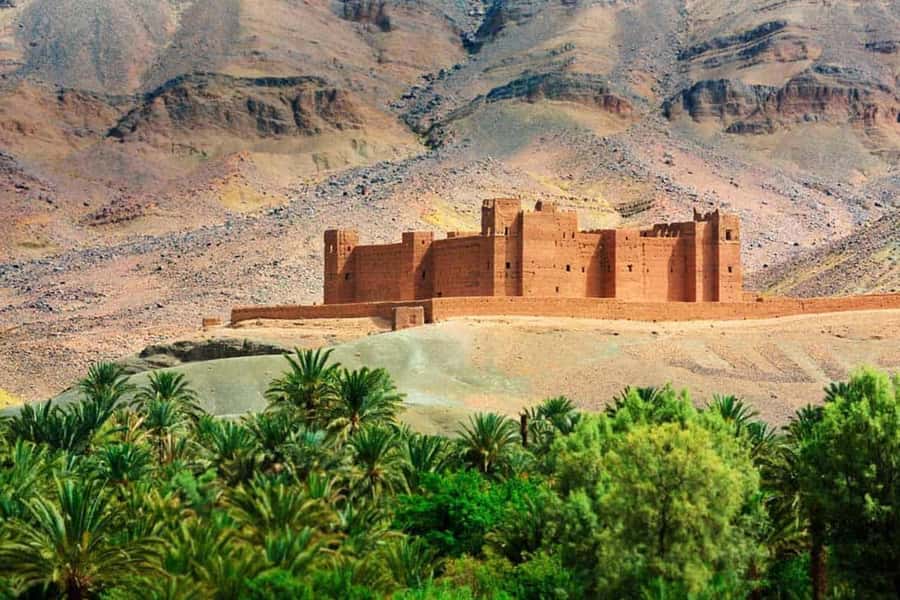
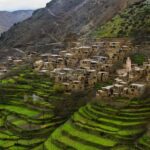
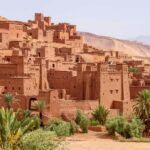
The first major cultural stop is Ait Ben Haddou, the UNESCO World Heritage site that’s famous for its fortified kasbahs. This place isn’t just a photo stop. It has a walled-city feel, and you can walk around and feel the thickness of the buildings and lanes that were designed for survival, not convenience.
One of the reasons I like this stop on a desert tour is pacing. You arrive before your brain gets tired from hours of driving, and you can still enjoy the place slowly. You’ll get time to soak in the ancient-style structure—plus the fact that Ait Ben Haddou consists of multiple kasbah areas gives you more variety than a single courtyard.
A practical tip: wear shoes with grip. The walkways can be uneven, and you’ll be on stone for at least part of your visit. If you tend to feel cold early and hot later, dress in layers too. Mountain mornings can feel different from later desert afternoons.
Ouarzazate and the movie-set vibe: real locations, not a theme park
After Ait Ben Haddou, the route heads toward Ouarzazate, Morocco’s gateway town for a lot of desert-and-film travel. Here, the big draw is the film connection. You’ll pass through a place that’s been used for major productions, including Gladiator, Lawrence of Arabia, and The Living Daylights—so even if you’re not a movie buff, the town has that in-between aura of sets and real streets.
There’s also the chance to stop at the Atlas Film Studios if the schedule allows. The important catch: entry to the studios is 5 euros and isn’t included in the tour price. That visit is also not guaranteed, because timing can shift with road conditions and group pace.
In other words, think of Ouarzazate as a context stop. You’re not just watching a desert show. You’re seeing how Morocco’s landscapes have become part of global cinema, and you’ll feel that blend of everyday life and film history in the vibe around you.
Tizi-n-Tichka pass: why the mountain road is part of the value
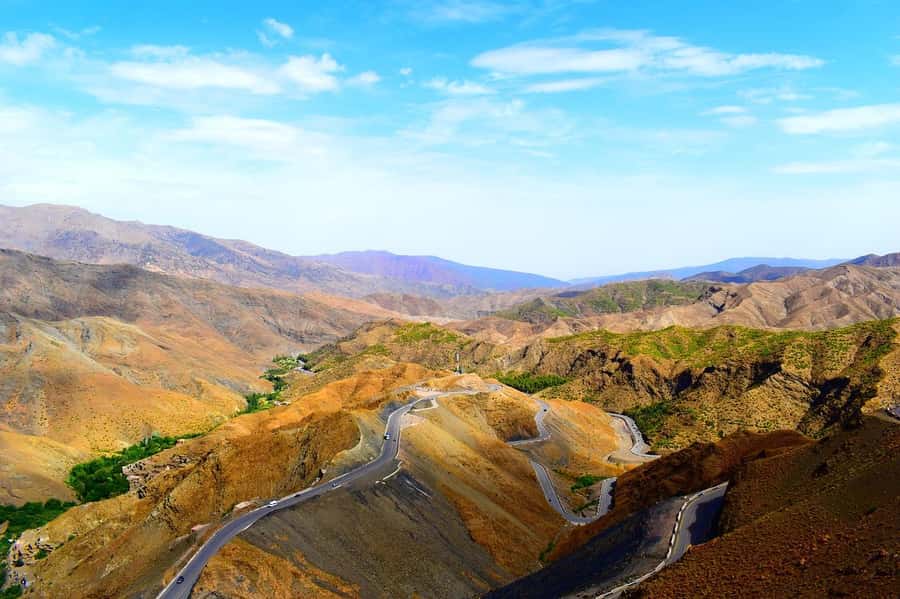
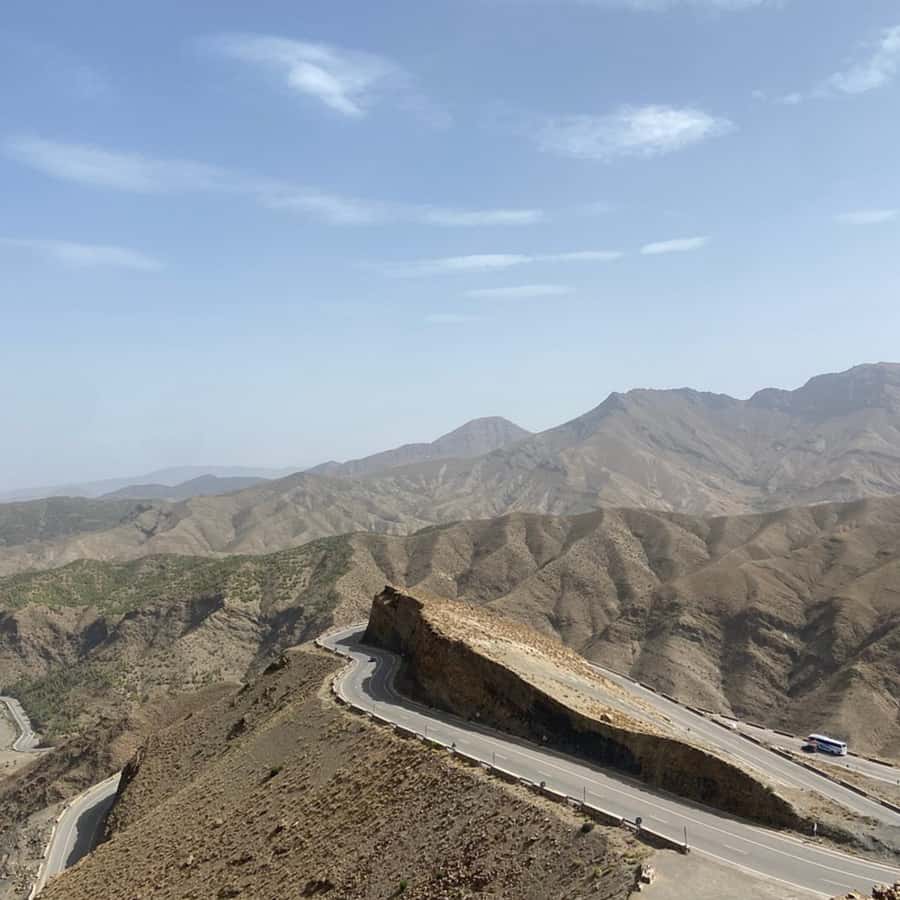
This tour includes crossing the Tizi-n-Tichka pass in the High Atlas Mountains. It’s one of those segments that can look like a simple drive on paper, but it’s often the part people remember once they’re home.
Why it works: the pass gradually changes the air and the view. You start to notice different vegetation and the way the road snakes along the mountainside. Even if you’re not stopping constantly, the moving viewpoints keep your attention from drifting during a long day.
For comfort: plan to sit facing where you get the best views, if that matters in your group setup. And bring something warm if you run cold. Mountain air can be cooler than you expect, especially if you’re in a minibus that keeps vents on.
The Draa Valley to Zagora: oasis breaks and photo stops that reset your energy
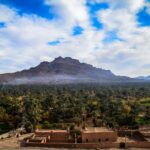
In the afternoon, you’ll head through the Draa Valley. This is where the scenery shifts from mountain-driven to desert-margin. You’ll see oasis areas and long stretches that naturally create frequent photo moments—so you don’t feel like you’re trapped on a single straight line all day.
This part is valuable because it shows you the transition zone where life adapts to water scarcity and distance. You’ll likely take photos at regular points simply because the view changes enough to justify it.
Then you move toward Zagora, and the road gets more desert-like. You’re building anticipation for the camel trek and the camp night, but you’re not skipping the scenery that makes Zagora feel real.

Camel trek and desert camp night: what you get (and what to plan for)
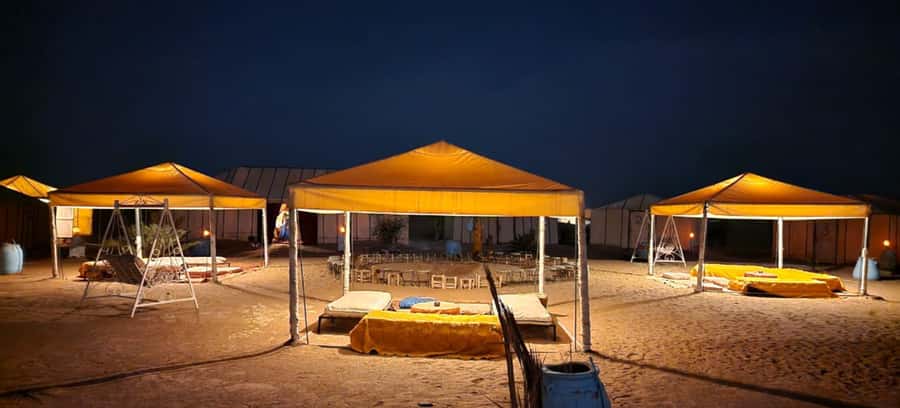
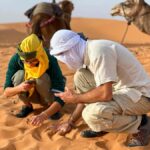
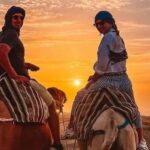
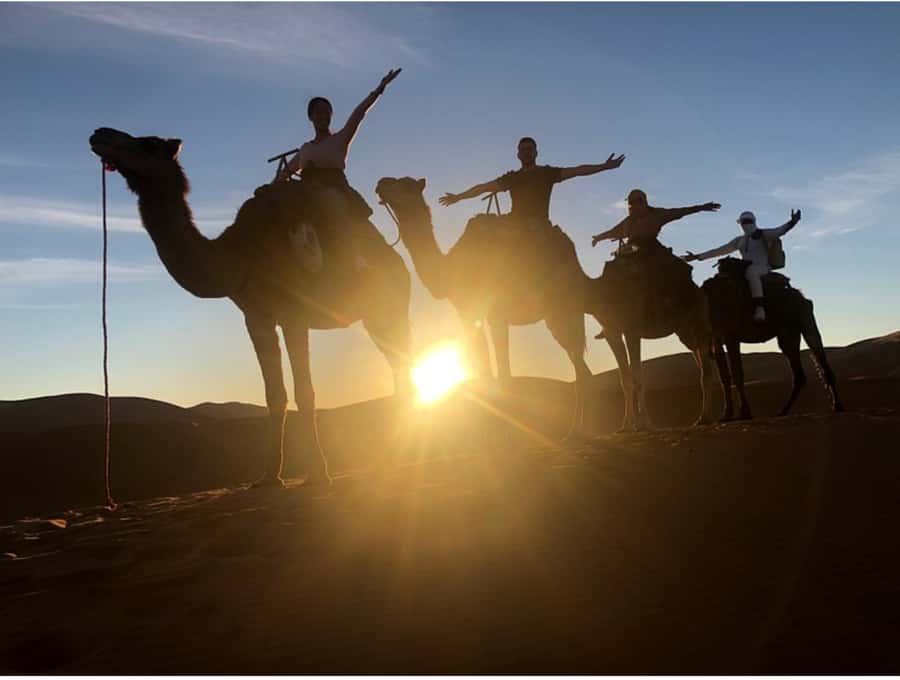
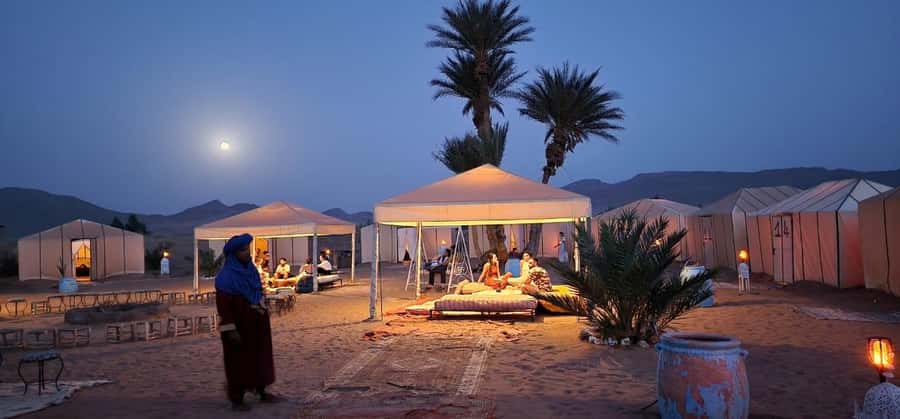
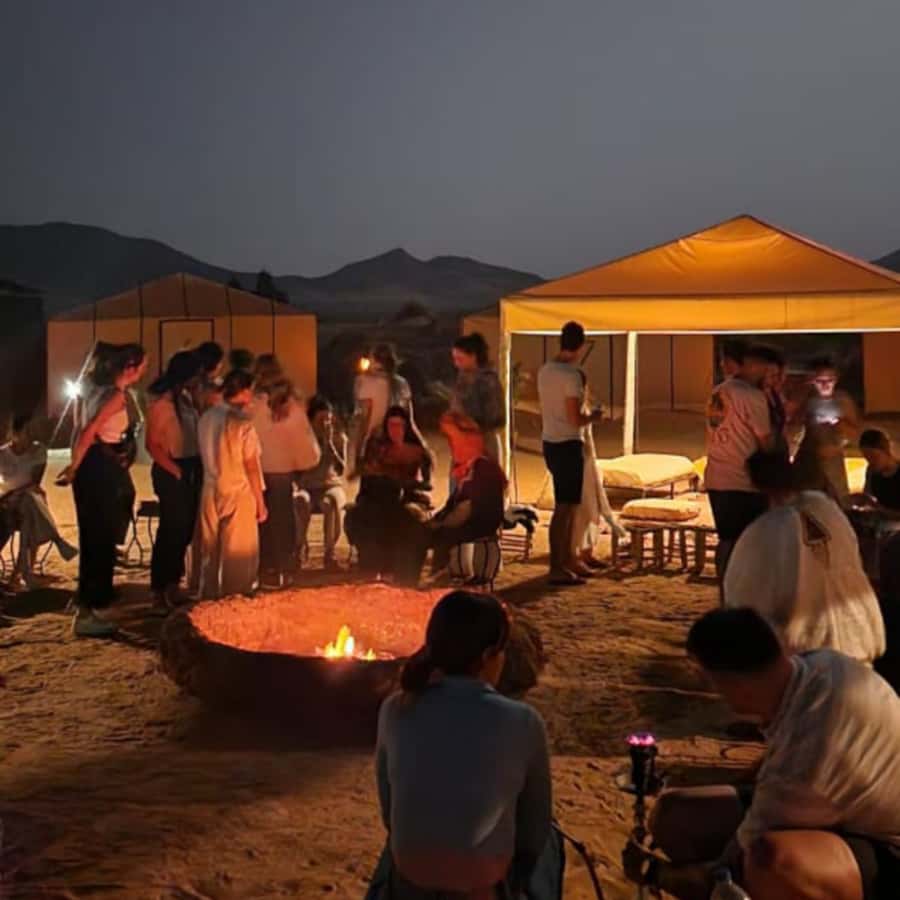
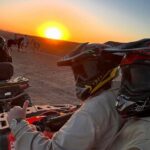
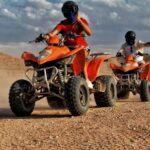
The heart of this trip is the camel experience and the overnight stay. After arriving near Zagora, you’ll meet your camels and ride into the desert environment to reach the camp.
This is where the trip earns its “worth it” reputation: there’s something uniquely calming about being on a slow-moving animal in open sand, with fewer distractions than on city streets. You’re doing travel the traditional way, even if it’s only for a short ride.
Food and comfort: included, but not all five-star
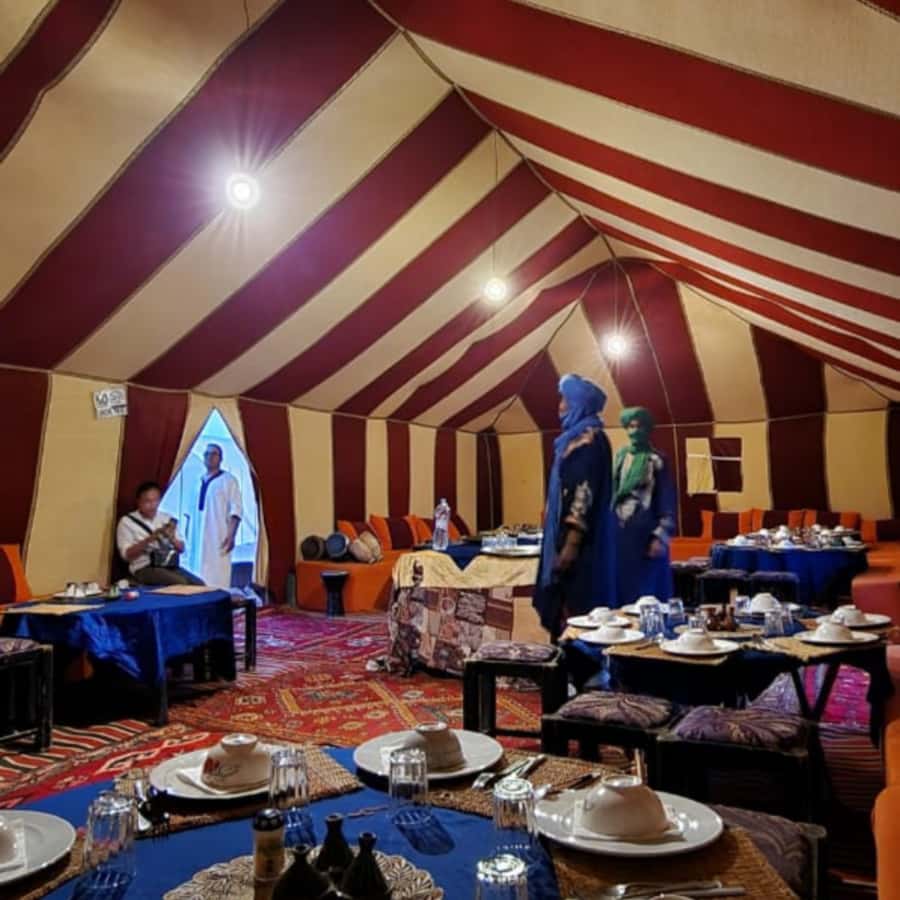
The camp includes one dinner and one breakfast. Based on what I’d take as a practical expectation, dinner and breakfast can be fairly basic in taste, but portions tend to be filling. That’s a common tradeoff in desert camps: you’re paying for the setting and the experience, not a culinary show.
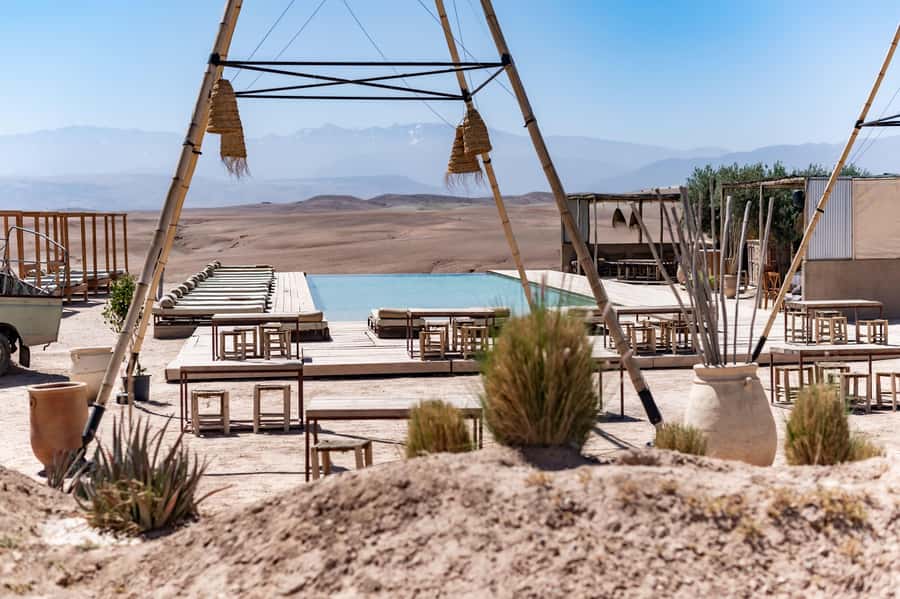
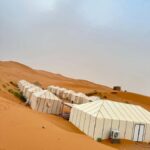
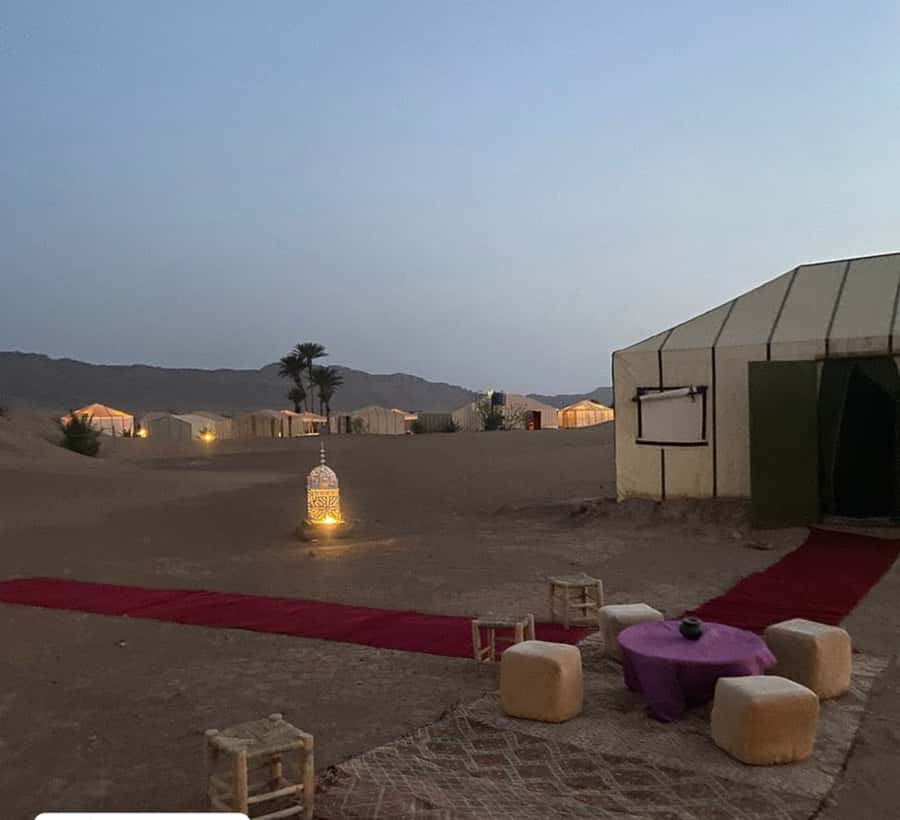
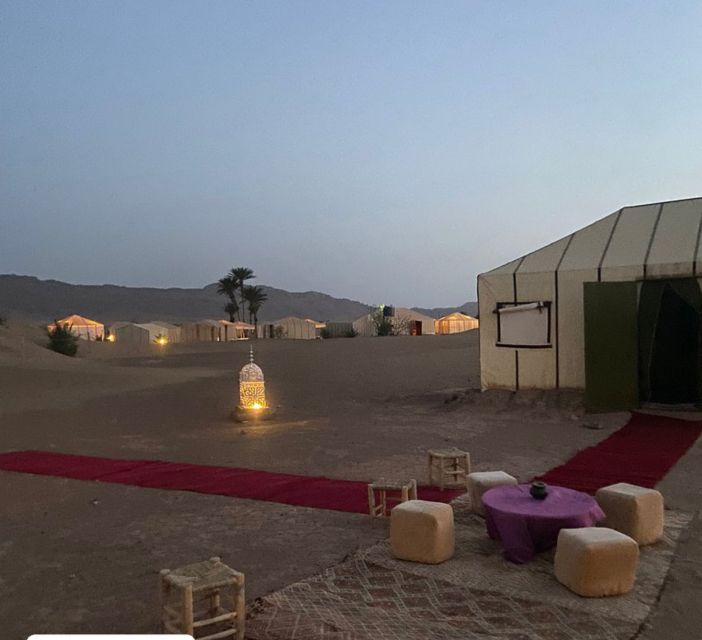
You’ll sleep in Berber tents. If you care a lot about comfort, ask about the possibility to upgrade to a luxury camp with a shower. The option isn’t built into the included price, but it’s mentioned as available.
Dunes in Zagora: don’t compare to the tallest sand seas
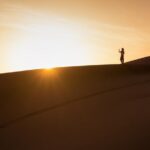
One useful reality check from real expectations: Zagora’s dunes are often not huge compared to places known for very tall sand waves. You still get the desert feeling—sunset and star views matter more than dune height for most people—but if you’re chasing big-dune drama, manage your expectations.
That said, the “not-too-tall” sand can be a plus. It often makes the camel ride and movement easier to enjoy without feeling like you’re wrestling deep dunes.
Day two: breakfast and the return toward Marrakech
After your overnight desert stay, you’ll have breakfast in the morning. Then the tour turns back toward Marrakech, completing the hotel pickup and drop-off promise.
I’d plan your second-day energy for a mostly transport-and-scenery flow. Since the itinerary details the overnight stay clearly but doesn’t spell out extra activities for day two beyond the breakfast, the safest approach is to treat it as a return day where you’ll likely pass back through some of the same mountain-and-valley scenery.
If you’re the type who loves sunrise photos: bring your charger and a small headlamp. The desert morning can be stunning even when the dunes are modest.
Price and value: what your $136 really buys
At $136 per person for a 2-day tour, the value comes from the mix of included pieces:
- Hotel pickup/drop-off
- Air-conditioned transport
- One dinner + one breakfast
- Berber camp accommodation in the desert
Lunch and drinks are not included, so you’ll want to budget for your own midday meal and anything you drink beyond what’s covered.
When you judge the price, also account for the “hidden cost” you avoid: doing this route independently means you’d still need a driver, transport, and a camp booking. This tour bundles those logistics into one package, which is exactly what shared budget desert tours are meant to do.
Two extra cost considerations:
- Atlas Film Studios entry (5 euros) if you visit and if time allows
- Optional comfort upgrades like a camp with a shower
Who this tour suits best (and who should be picky)
This is a good fit if you want:
- A short desert trip from Marrakech with real camel time
- A balanced route combining UNESCO kasbah sights, mountain driving, and a desert night
- The cultural stops plus a clear, contained itinerary
It’s also a solid choice if you don’t have many days. Two days is tight, but it’s long enough to feel you left Marrakech behind.
Where you might want to be more selective:
- If you specifically want massive dunes and the kind of sandscape that demands a longer desert stay, Zagora’s dunes may feel smaller than what you imagined.
- If you’re very sensitive to drive time, know this tour is heavy on road hours. The comfort of A/C helps, but it’s still a long day.
One other note: guides can shape the day. On a recent run, the guide Abdellatif (noted as part of Red City Tour) was described as reliable and responsive to group wishes—exactly the kind of attention that makes a long itinerary feel smoother.
Practical packing tips for a smoother desert night
I’d pack with two goals: comfort on the drive and comfort in the desert temperature swing.
- Light layers for the mountains and cooler early hours in the desert
- A warm layer for the desert night (even if days feel hot)
- Closed-toe shoes for kasbah walks
- Sunscreen and a hat for long outdoor moments
- A small scarf or buff for dust during travel and camel time
- Cash or card for the Atlas Film Studios entrance fee if you end up going
Also, plan your expectations for the included meals. They’re there, they’re filling, and they work for the setting—but don’t treat dinner like a restaurant reservation.
Should you book this Marrakech to Zagora 2-day desert tour?
Book it if you want a compact desert experience with the big three: kasbah culture at Ait Ben Haddou, dramatic driving over Tizi-n-Tichka, and a real camel trek with an overnight camp. The included dinner, breakfast, and camp accommodation make the price feel more sensible than trying to piece it together day-by-day.
Skip or reconsider if your main goal is towering dunes and you’re chasing maximum sand drama. Zagora can still deliver that desert atmosphere, but you’ll want to temper the dune-height expectations.
If you do book, your best strategy is simple: focus on the route and the night out there, not on comparing dunes. This tour is at its strongest when you treat it like a story with chapters—mountains, kasbah walls, oasis valleys, then stars in the sand.
FAQ
How long is the Marrakech to Sahara Zagora desert tour?
It’s a 2-day tour.
What’s the starting point and how does pickup work?
Hotel pickup and drop-off are included. You should wait in the hotel lobby about 10 minutes before your scheduled pickup time, and a meeting point is arranged if your accommodation can’t be reached by car.
Is transport included?
Yes. The trip uses an air-conditioned minibus.
What meals are included?
You get one dinner and one breakfast included with the desert camp overnight. Lunch and drinks are not included.
What type of accommodation do you get overnight?
You stay in a Berber camp in the desert. An upgrade to a luxury camp with a shower may be available.
Do you visit Ait Ben Haddou?
Yes. The tour includes a stop at Ait Ben Haddou, a UNESCO World Heritage site.
Do you go to the Atlas Film Studios?
If scheduling allows, you may visit Atlas Film Studios. The 5 euros entrance fee is not included, and it depends on time.
Do you cross the High Atlas Mountains?
Yes. The route includes driving through the Tizi-n-Tichka pass in the High Atlas.
How big are the dunes in Zagora?
The dunes are generally not very high. This can be a consideration if you’re expecting huge dunes.
What’s the cancellation policy?
Free cancellation is offered up to 24 hours in advance for a full refund.