REVIEW · MARRAKESH
Marrakesh: 2-Day Mt. Toubkal Trek with 1-Night Stay & Meals
Book on GetYourGuide →Operated by Omar Adventures-morocco · Bookable on GetYourGuide
This trek hits fast: Marrakech to the High Atlas, in 48 hours. I love the Toubkal summit views and the small-group feel with guides who keep everyone safe. The main drawback is the altitude and long walking hours, so it can feel tough if you are not ready for a real mountain climb.
You start with a straightforward plan, then the mountain adds its own mood. Expect early mornings, steep sections, and a night at a simple refuge where the group atmosphere is part of the deal. If you want a comfortable stroll, this is not that. If you want a genuine challenge with big payoffs, it is hard to beat.
Best moments show up early: sunrise-style timing is built into the summit day.
Meals make the pace easier: lunch stops and warm food at the refuge keep you moving.
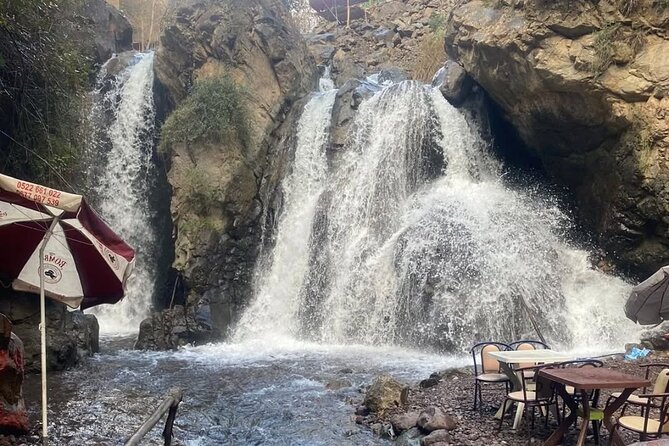
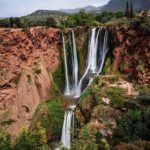
Sidi Chamarouch stops you at the waterfall: a nice break from pure uphill grind.
Refuge sleep is basic, not fancy: think dorm bunks and mountain-adventure energy.
You get local muscle: mules carry luggage during the April to November season.
Guides manage the group well: strong leadership helps when weather or energy levels vary.
In This Review
- Getting Out of Marrakech and Into Toubkal Country
- Day 1: Imlil to Aremd, Sidi Chamarouch, and Toubkal Refuge (3,207 m)
- The Toubkal Refuge Night: Cozy, Simple, and Very Real
- Day 2: Early Ascent for the Summit of Jbel Toubkal
- Descent Day: Why Coming Down Often Hurts More
- Guides, Safety, and the Small-Group Advantage (Up to 16)
- Price and Value: What $122 Really Covers
- What to Pack: The Gear List That Actually Helps
- Season, Weather, and the One Thing You Cannot Control
- Who This Trek Is Best For (and Who Should Skip It)
- Should You Book This 2-Day Mt. Toubkal Trek?
- FAQ
- What is the duration of the trek?
- What meals are included during the trek?
- Is pickup and drop-off in Marrakech included?
- Do I need to bring trekking gear?
- Is a mule provided for luggage?
- Who should not book this trek?
Getting Out of Marrakech and Into Toubkal Country
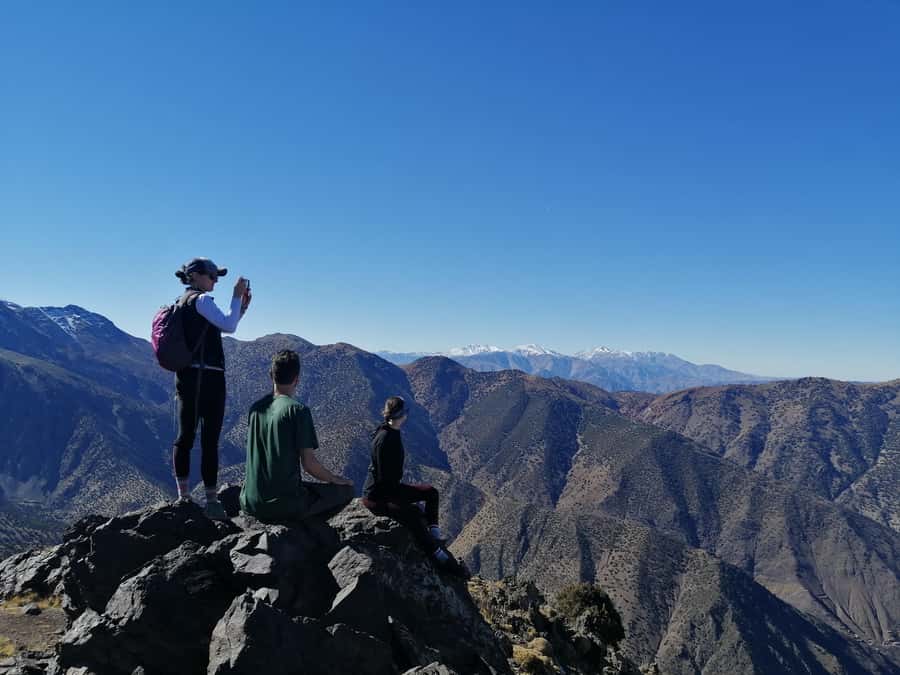
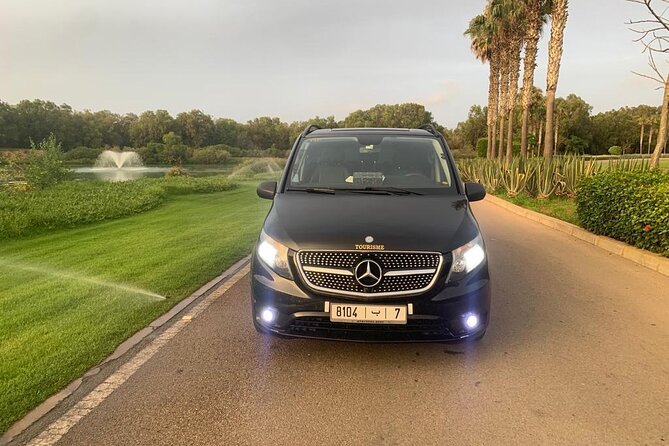
Marrakesh is loud and fast. This trek gives you a clear escape route: a pick-up from your accommodation, then a drive toward Imlil, the classic starting point for Mount Toubkal.
Once you hit Imlil, the whole trip makes sense. You are no longer thinking about logistics or maps. You are thinking about rhythm—where you can take breaks, when you should hydrate, and how to pace yourself for altitude.
One practical upside here is how the tour is structured around walking time. You are given a schedule that builds from valley trails to higher mountain paths, instead of throwing you straight into the hardest day right away.
Day 1: Imlil to Aremd, Sidi Chamarouch, and Toubkal Refuge (3,207 m)
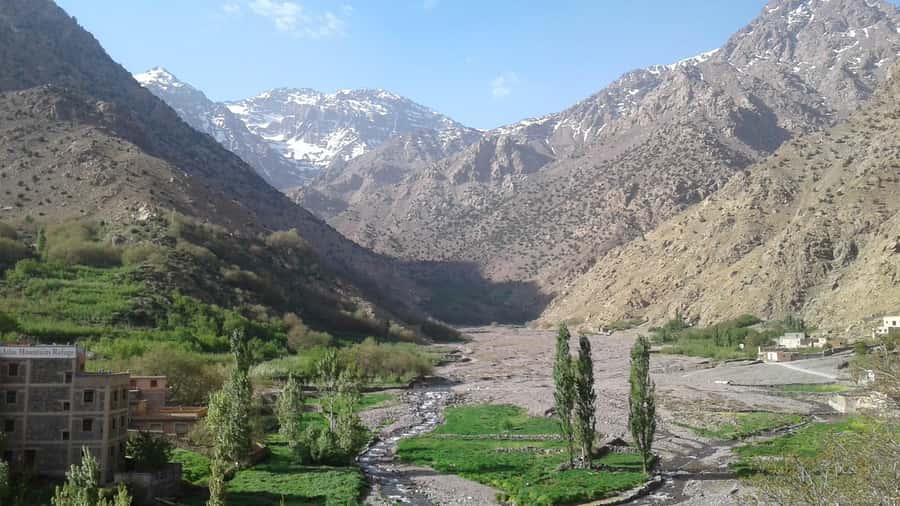
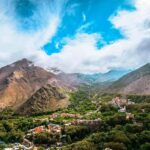
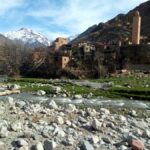
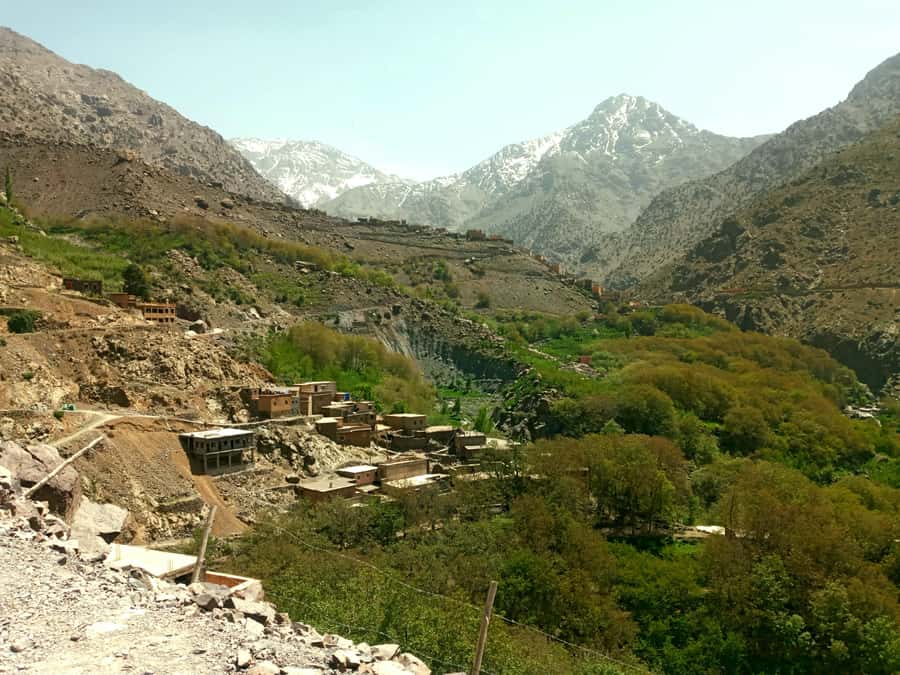
Day one is the climb up into the real High Atlas atmosphere. You set off from Imlil at about 1,740 meters, then work your way toward the refuge around 3,207 meters.
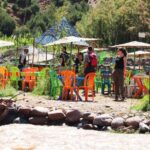
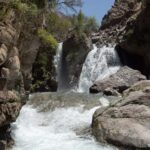
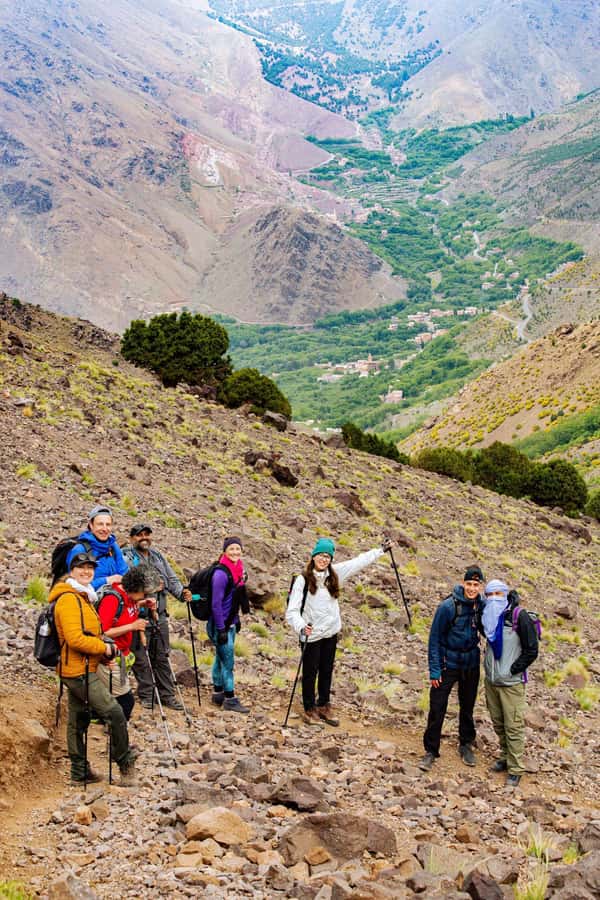
Along the way, the route is more than just uphill. You trek through the valley area toward Aremd, then continue past Sidi Chamarouch, including a nearby waterfall. That section matters because it gives your legs a mental reset. After a few hours of steady effort, you hit a scenic pause that makes the day feel earned.
In terms of workload, plan for about 5 to 6 hours of trekking on day one. That is long enough to feel it in your thighs, but structured enough that you are not totally fried before night arrives.
What I like about this day is the built-in progression. You go from valley walking to steeper mountain paths as the altitude rises. That means you can settle into your pace and stop wasting energy.
Possible consideration: day one can feel hot depending on the season. If you run warm, you will want to manage water and breaks early, not after you start fading.
You can also read our reviews of more evening experiences in Marrakesh
The Toubkal Refuge Night: Cozy, Simple, and Very Real
You reach the refuge area after the long trek, then you do the mountain-night routine: dinner, then sleep as best you can.
The refuge is simple. Think dorm-style accommodation with bunk beds and close quarters. One review tip that is painfully relatable: bring earplugs if you are a light sleeper. When you are at 3,200 meters, everyone is tired, and one snorer can take over the room.
For many people, this is also the most authentic part of the experience. You are not in a luxury lodge with perfect comfort. You are in a working mountain refuge where food is warm, the vibe is communal, and you spend the evening getting ready for the summit push.
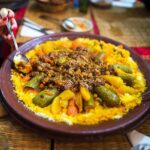
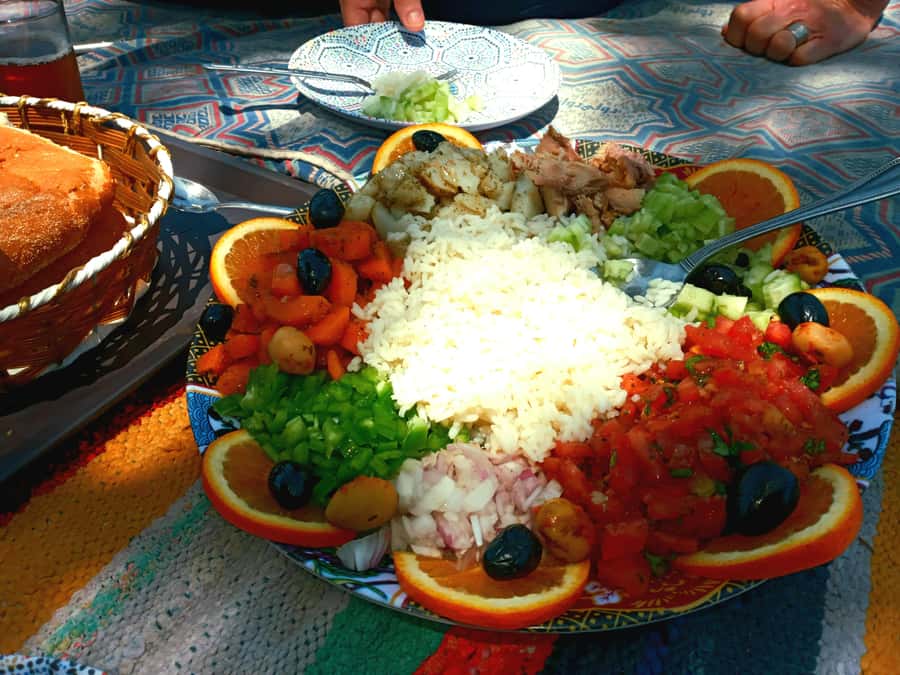
The meals here get real praise. People call out warm, filling food, and a cook-driven setup that keeps energy up. You also get dinner plus the next day’s breakfast, so you are not scrambling to find food at the exact moment your legs need it most.
Day 2: Early Ascent for the Summit of Jbel Toubkal
Day two is the one you came for. You start early—often around the 3–4 a.m. range—so you can reach the summit in the cold stretch of morning and still have time for views.
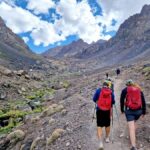
The goal is the summit of Jbel Toubkal, the highest point in North Africa. The ascent is steep and rocky, and you will cross streams while moving through sections of rock where your footing matters. This is not a hike where you can just stroll and chat the entire way.
Expect a long day. Many descriptions point to 10–12 hours of trekking total on the second day. It includes the summit time plus the descent back down toward Imlil.
Then comes the best part: the plateau area and the summit break. This is where you finally feel the effort pay off. From up there, you can see the plain of Marrakesh and the High Atlas to the north, and also the Anti-Atlas and Sahara in the south when conditions allow.
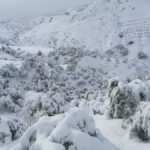
Small reality check: summiting can depend on weather. In one case, a snowstorm with extreme wind and temperatures made the summit too dangerous, and a safety decision was made hour by hour. That kind of decision is part of responsible mountain guiding, even if you hope for a perfect summit photo.
Descent Day: Why Coming Down Often Hurts More
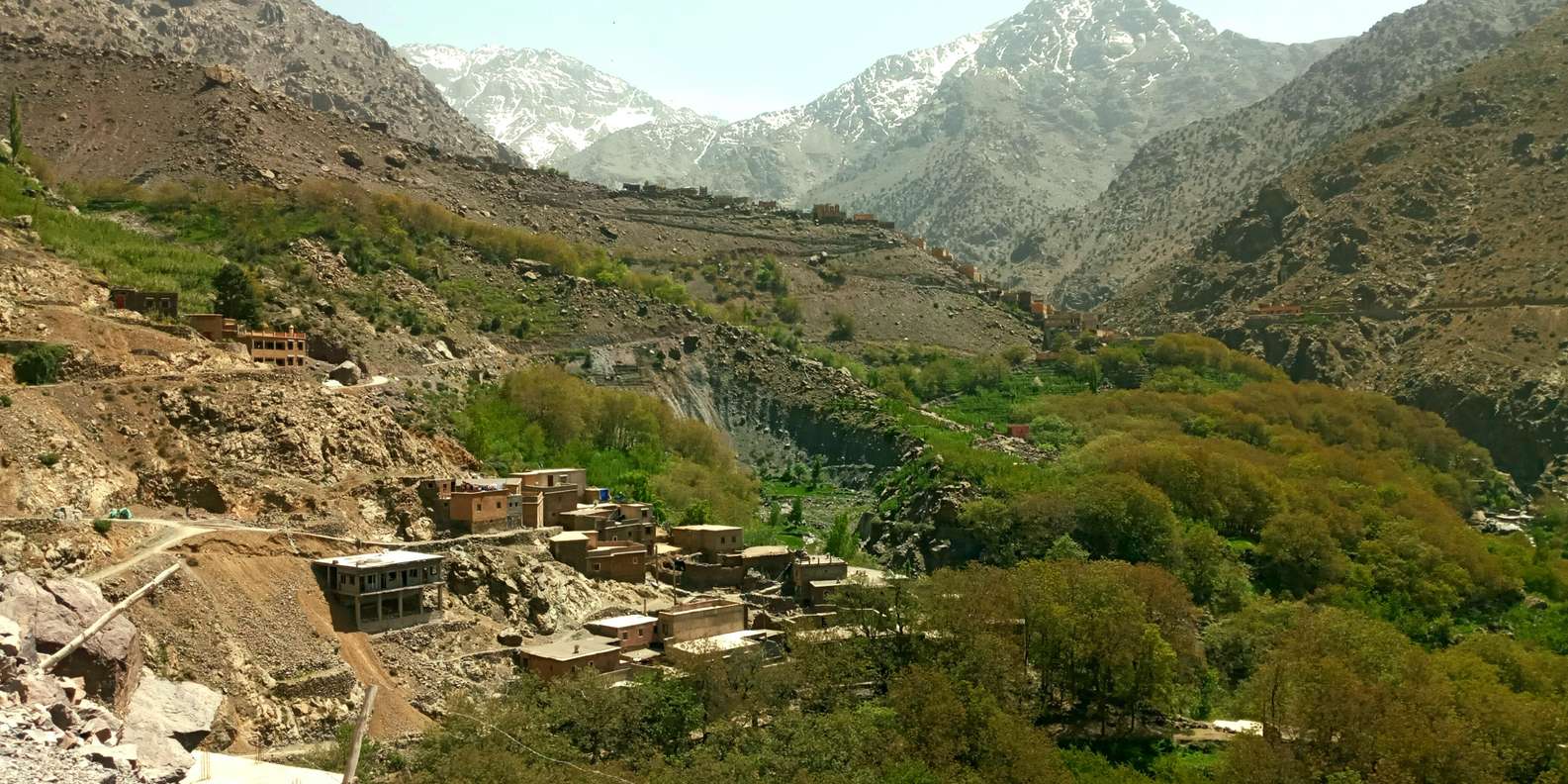
After the summit views, you head back down. The descent is gradual in feel, but it is still physically demanding.
This matters because descending uses your knees in a different way than climbing does. One review note was practical and honest: plan for sore knees, and take it seriously. If your legs are already shaky from the ascent, the descent can feel harder than the climb.
The itinerary then routes you back to Imlil (around 1,740 meters) for the meeting point and transfer back to Marrakech. That final stretch is where you feel the full mountain arc—going from high altitude back into valley air, with the trip’s biggest memory already sitting in your body.
Guides, Safety, and the Small-Group Advantage (Up to 16)
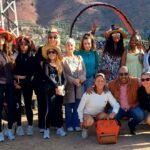
This trek’s quality shows up in how it is guided. You get a local guide and the group stays intentionally small—limited to 16 participants.
In real-world terms, smaller groups help with pace control. Reviews repeatedly highlight guides who keep everyone together, adjust when someone is struggling, and prioritize safety. Names that come up often include Hamza, Ossama/Oussama, Ayoub/Ayub, Mohamed, Mustapha/Mustafa, Mostafa, and Omar (plus other guide mentions). Different guides, similar theme: steady leadership and a sense of care.
You also get multiple languages for the live guide: English, French, Spanish, and Arabic. There is also an optional audio guide in those languages. Even if your language skills are basic, this kind of support reduces stress—especially early on when you are learning how breaks and timing work.
One more helpful detail: some groups get communication set up through WhatsApp in advance. That reduces confusion about meeting points and keeps the whole day calmer.
You can also read our reviews of more hiking tours in Marrakesh

Price and Value: What $122 Really Covers
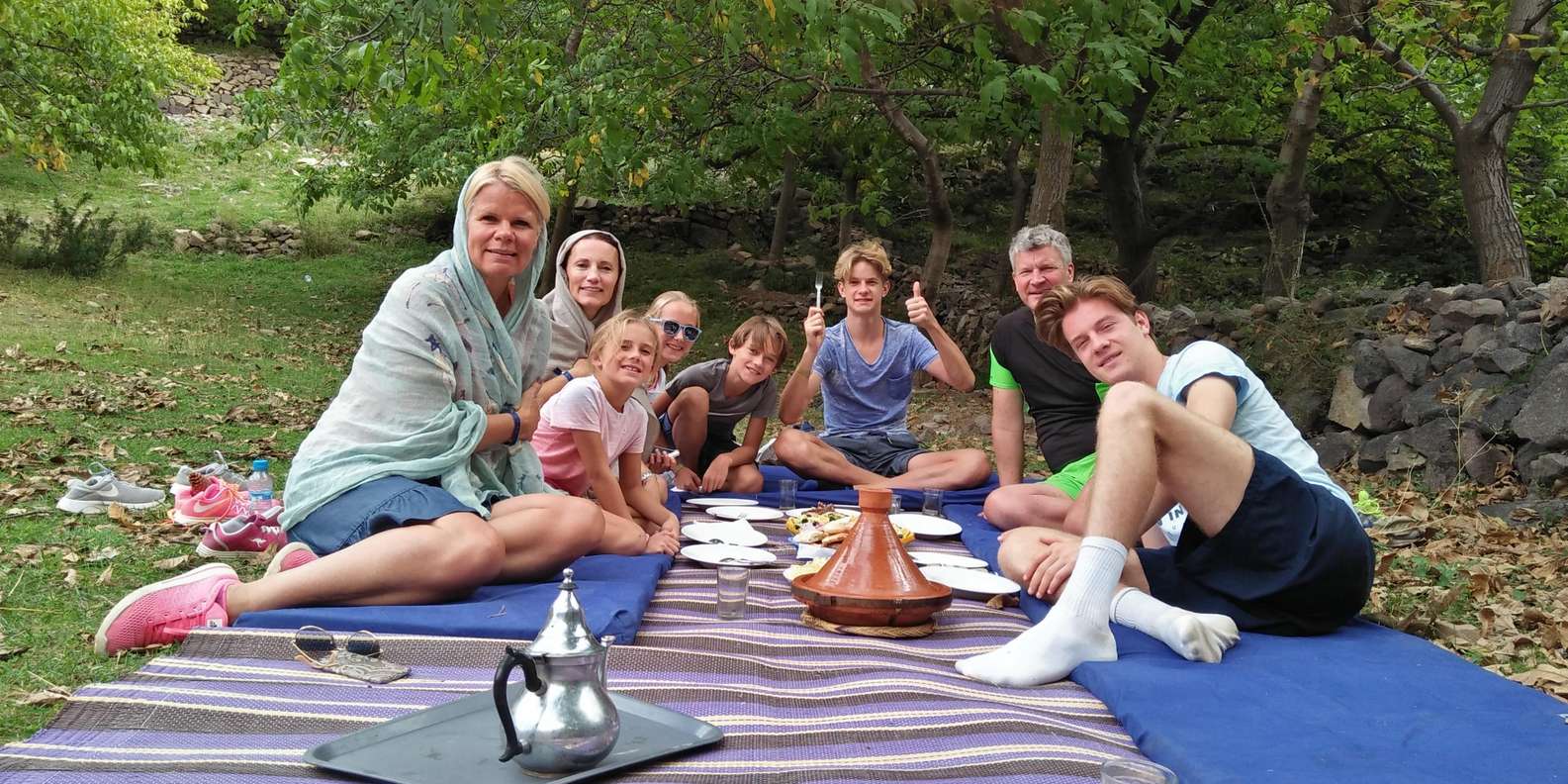
At $122 per person, you are not paying just for walking. You are paying for a full mountain-support package.
Included items that drive value:
- Hotel pickup and drop-off in Marrakech
- Transportation to and from Imlil
- Local guide for the route and pacing
- One night of accommodation at the refuge
- Meals: 1 breakfast, 2 lunches, and 1 dinner
- Mule support for luggage during April to November
This matters because Toubkal logistics can add up fast if you try to piece it together yourself. Here, you show up, hike, eat, sleep, and return—without having to organize food stops, lodging at altitude, or route navigation.
What is not included is also part of understanding value. Trekking gear is not included, drinks are not included, and you may need a sleeping bag rental depending on the season. But the good news is that people report being able to rent essentials like cold-weather items and trekking add-ons.
So the real question becomes: do you want a guided, meal-based trek that handles the hard parts of planning? If yes, $122 starts to look fair.
What to Pack: The Gear List That Actually Helps
This is where people get tripped up, because cold can show up fast at altitude—even in seasons when you expect mild weather.
Bring:
- Passport
- Comfortable hiking shoes (and warm socks if you use them)
- Hat and head covering
- Jacket and gloves
- Change of clothes
- A daypack
- Cash (useful for small purchases along the route)
- A charged smartphone
- A basic first aid kit
- Travel insurance
Also consider what the mountain demands:
- If you rent, you can often get essentials like gloves, lamps/head torches, and sleeping bags. Some people mention renting walking poles and snow clothes as needed.
- If you are prone to cold hands, bring or rent something warm enough. Cold can turn your hike into a battle of comfort more than effort.
One logistical tip from real trek experience: pack a bit lighter if you can. Even with mule support in the April to November window, you still carry day essentials.
Season, Weather, and the One Thing You Cannot Control
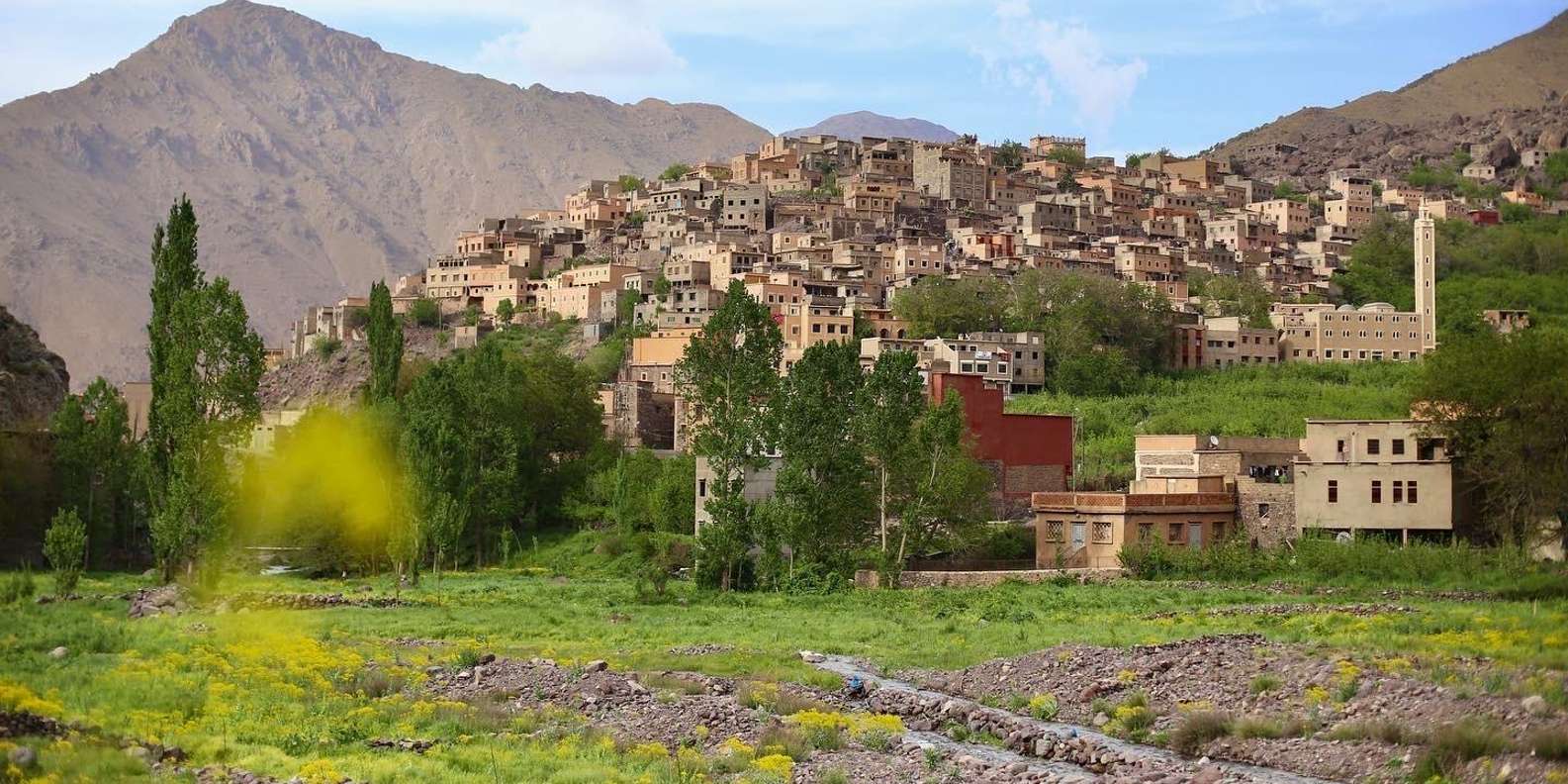
Toubkal is not a theme park. Weather is part of the experience.
If conditions are harsh—wind, snow, extreme cold—your summit plan can shift for safety. That is not a failure; it is mountain decision-making. Guides follow safety rules that can change quickly, and police can have a say in what is safe to attempt that day.
The practical takeaway: wear layers, carry warmth, and keep expectations flexible. You can still come away with a huge achievement even if summit timing changes.
Who This Trek Is Best For (and Who Should Skip It)
This tour is not suitable for children under 12 and people over 70. That already tells you the kind of commitment this trek demands.
It also helps to be honest about fitness. Most people describe the hike as challenging but manageable if you are reasonably fit and prepared. Expect long hours and steep sections. Altitude is a factor, and the change can feel sudden.
This is a strong choice if:
- you want a guided trek with meals and support
- you like early starts and big sunrise payoffs
- you enjoy mountain walking more than comfort-seeking
Consider another option if:
- you want a relaxed sightseeing walk
- you have knee issues that struggle on descents
- you are not comfortable with altitude changes and long trekking hours
Should You Book This 2-Day Mt. Toubkal Trek?
Book it if you want a real High Atlas challenge with structured support: pickup in Marrakech, a guided route from Imlil, warm refuge meals, and a summit attempt timed for sunrise. The value is strongest if you like the idea of one night handled for you and if you are ready to invest effort into the climb.
Skip it or reassess if you are unsure about long days, steep rocky sections, or sleeping in a dorm-style refuge. This trip works best when you treat it like a mountain outing, not a casual day trip.
If you’re the type who likes earning views the hard way, this is the kind of trek that can anchor your whole Morocco trip.
FAQ
What is the duration of the trek?
The trek runs for 2 days, starting with pickup from Marrakech and ending with the return transfer after the descent.
What meals are included during the trek?
Meals included are 1 breakfast, 2 lunches, and 1 dinner.
Is pickup and drop-off in Marrakech included?
Yes. You get hotel pickup and drop-off, and the pickup point will be the nearest accessible location by car. You’ll be asked for your hotel address.
Do I need to bring trekking gear?
Trekking gear is not included, but you can rent items such as a sleeping bag (sleeping bag rental is available). Drinks are not included.
Is a mule provided for luggage?
A mule is included to carry luggage from April to November.
Who should not book this trek?
It is not suitable for children under 12 years old and people over 70 years old.