REVIEW · OUARZAZATE
Marrakech: Ouarzazate Excursion
Book on GetYourGuide →Operated by INTER2010 · Bookable on GetYourGuide
A mountain road turns the trip into a story. This one-day Marrakech to Ouarzazate excursion strings together big passes, film-studio stops, and the UNESCO mud-city of Aït Benhaddou.
I love the Tizi n’Tichka photo stop and the chance to walk through Aït Benhaddou at a real human pace. The main drawback to plan for: it is a long, road-dependent day, so timing can feel tight if conditions or traffic get messy.
One good stop after another: Tizi n’Tichka, Atlas Studios, and Aït Benhaddou each get their moment.
UNESCO Aït Benhaddou takes the spotlight with a full visit plus lunch time.
Atlas Studios is a short taste—expect photos and a brief guided look rather than a full production tour.
Comfort helps on a long day with an air-conditioned van and onboard Wi‑Fi.
Bring proper shoes—you’ll be walking on uneven, historic paths and surfaces.
In This Review
- A one-day Marrakech to Ouarzazate plan built around the big sights
- The drive from Marrakech: comfort first, altitude second
- Tizi n’Tichka: your best 15 minutes for views that feel postcard-real
- Atlas Studios: a film set taste, not a full day inside the business
- Aït Benhaddou’s UNESCO visit: the most worth-it part of the day
- Ouarzazate in between stops: city context and village flavor
- Lunch, timing, and the long-day rhythm you should plan for
- Cost and value: is $26 worth it?
- Practical tips that make this day trip feel easier
- Who should book this Marrakech to Ouarzazate day trip?
- Should you book this tour?
- FAQ
- FAQ
- How long is the Marrakech to Ouarzazate excursion?
- Where does the tour start?
- Is transportation included?
- Is Wi‑Fi included?
- What is not included in the price?
- What are the main stops during the day?
- How long is the Atlas Studios visit?
- What languages are available for the live guide?
- What should I bring?
- Is this tour suitable for wheelchairs or vertigo?
- Can I cancel for a full refund?
A one-day Marrakech to Ouarzazate plan built around the big sights
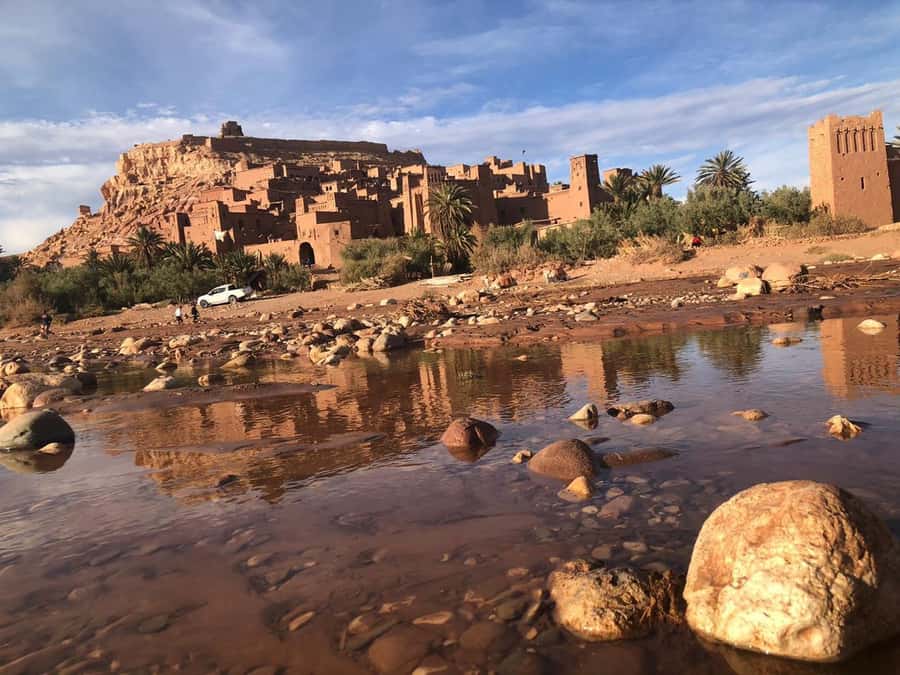
This trip is basically a fast, well-packed introduction to southern Morocco’s “gateway to the desert” vibe—without needing multiple overnights. You leave Marrakech heading southeast through the Atlas Mountains, then shift gears into Ouarzazate, a city known for Berber culture, desert-adjacent scenery, and film history.
The best part of a day like this is how the route tells a story. Early on, you’re in the altitude-and-curves world of the Atlas. By the afternoon, you’re in adobe architecture and valley views at Aït Benhaddou, a place that’s instantly recognizable from on-screen landscapes.
You should also know this is not a slow museum day. It’s a “see, walk, photograph, move” rhythm—so the value is in stacking key stops efficiently, not in lingering everywhere.
The drive from Marrakech: comfort first, altitude second
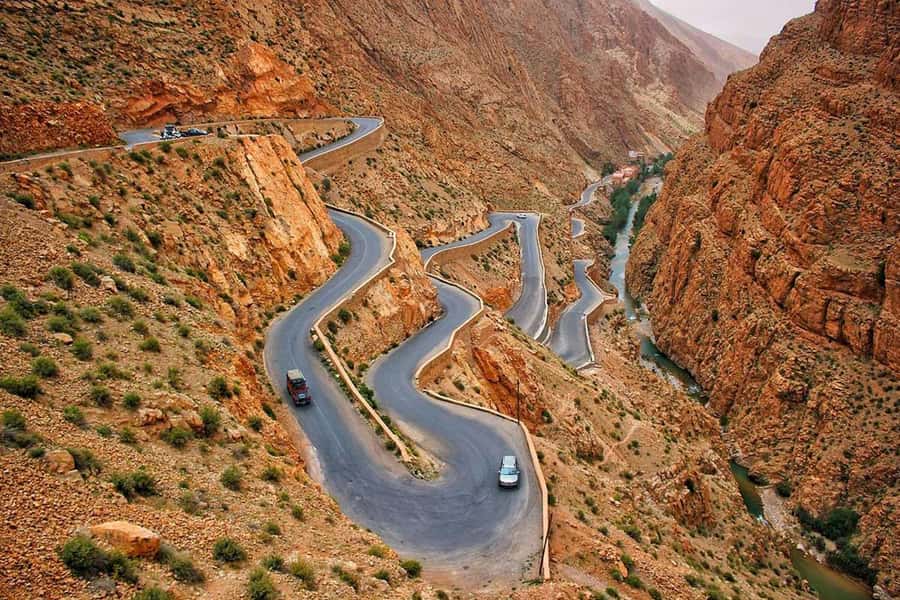
You start in Marrakech with pickup and then ride in an air-conditioned van with a professional driver. There’s also onboard Wi‑Fi, which is handy if you want to plan photos, read up fast, or just keep your phone from becoming a battery apology.
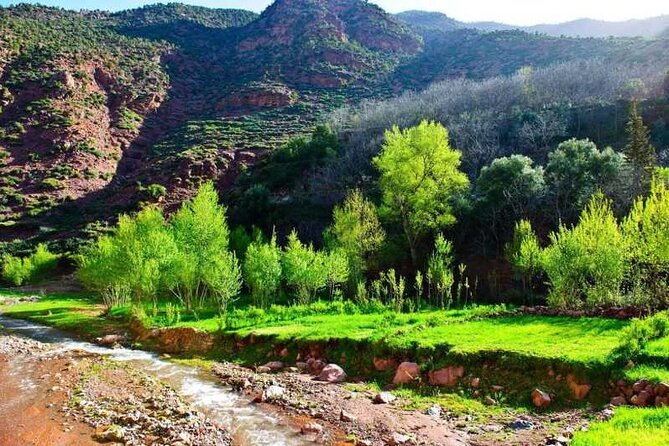
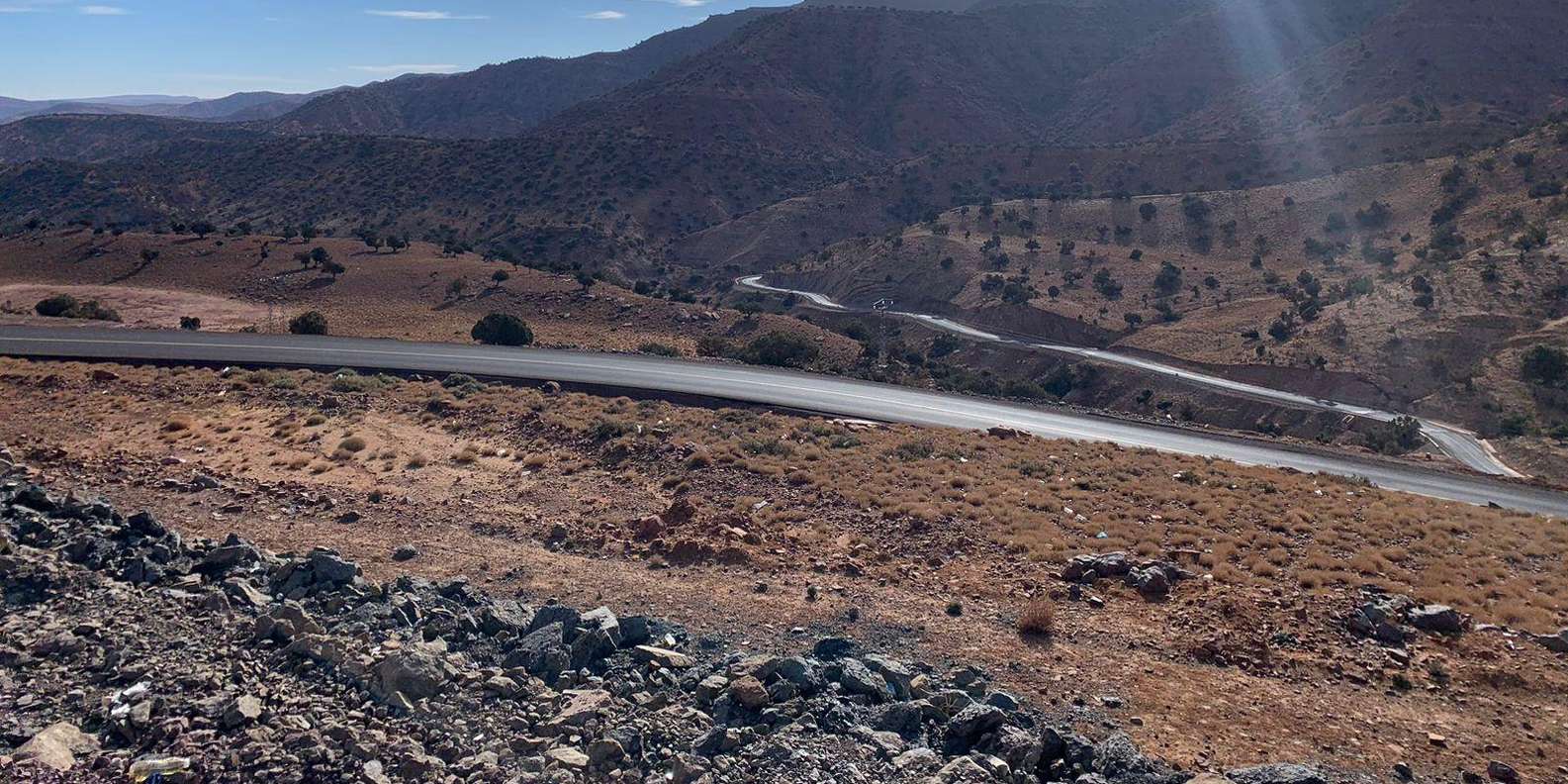
The route includes a short break and photo stop in the Atlas zone, plus a dedicated stop at the Tizi n’Tichka pass for scenic views. That pass stop matters because it’s the visual payoff for the whole early drive: sudden scale, wide views, and that classic mountain-road feeling.
Two practical notes from how this kind of day usually runs. First, plan for a long day in general—there’s a lot of time on the road between stops. Second, weather at the Atlas pass can change things. When conditions are rough, expect schedule pressure and less flexibility, because the mountains decide the pace more than your clock does.
You can also read our reviews of more tours and experiences in Ouarzazate.
Tizi n’Tichka: your best 15 minutes for views that feel postcard-real
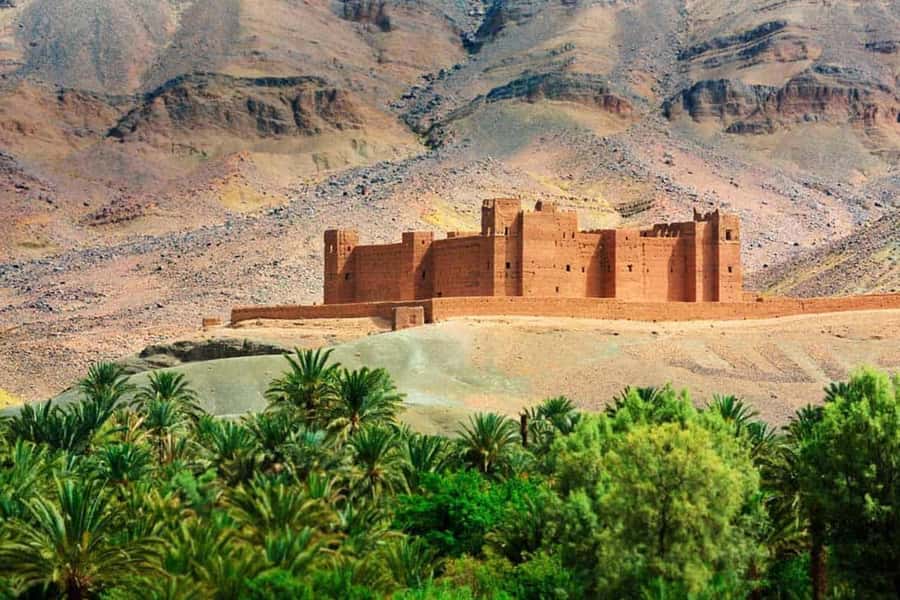
The Tizi n’Tichka stop is quick—think about 15 minutes for scenic views and photos. It’s short by design, because the day has to fit both studio time and a serious UNESCO visit.
Still, this is one of the most satisfying moments for first-timers. You get the classic high-mountain perspective, and you can usually get a few angles before the van moves on. If you’re serious about photos, treat this like a mini mission: sunglasses on, hat ready, and your camera settings sorted before you arrive.
One more thing: the air at altitude can feel cooler and sharper than Marrakech. Bring a light layer you can stash. And if you’re someone who gets queasy in windy mountain turns, this section is where that can matter most.
Atlas Studios: a film set taste, not a full day inside the business
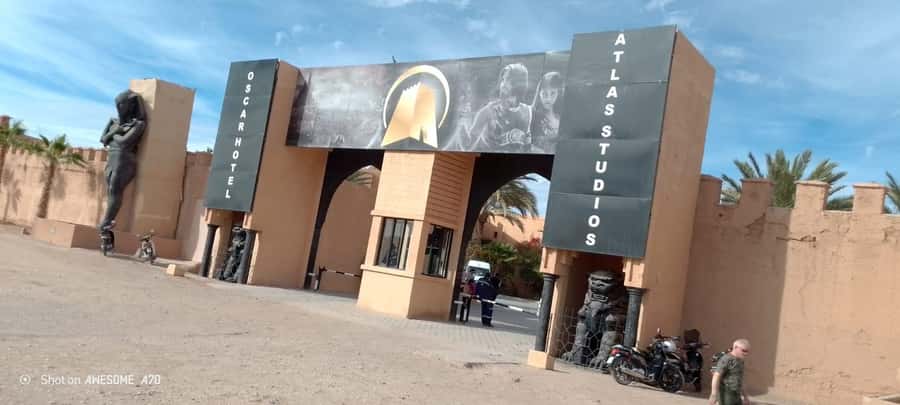
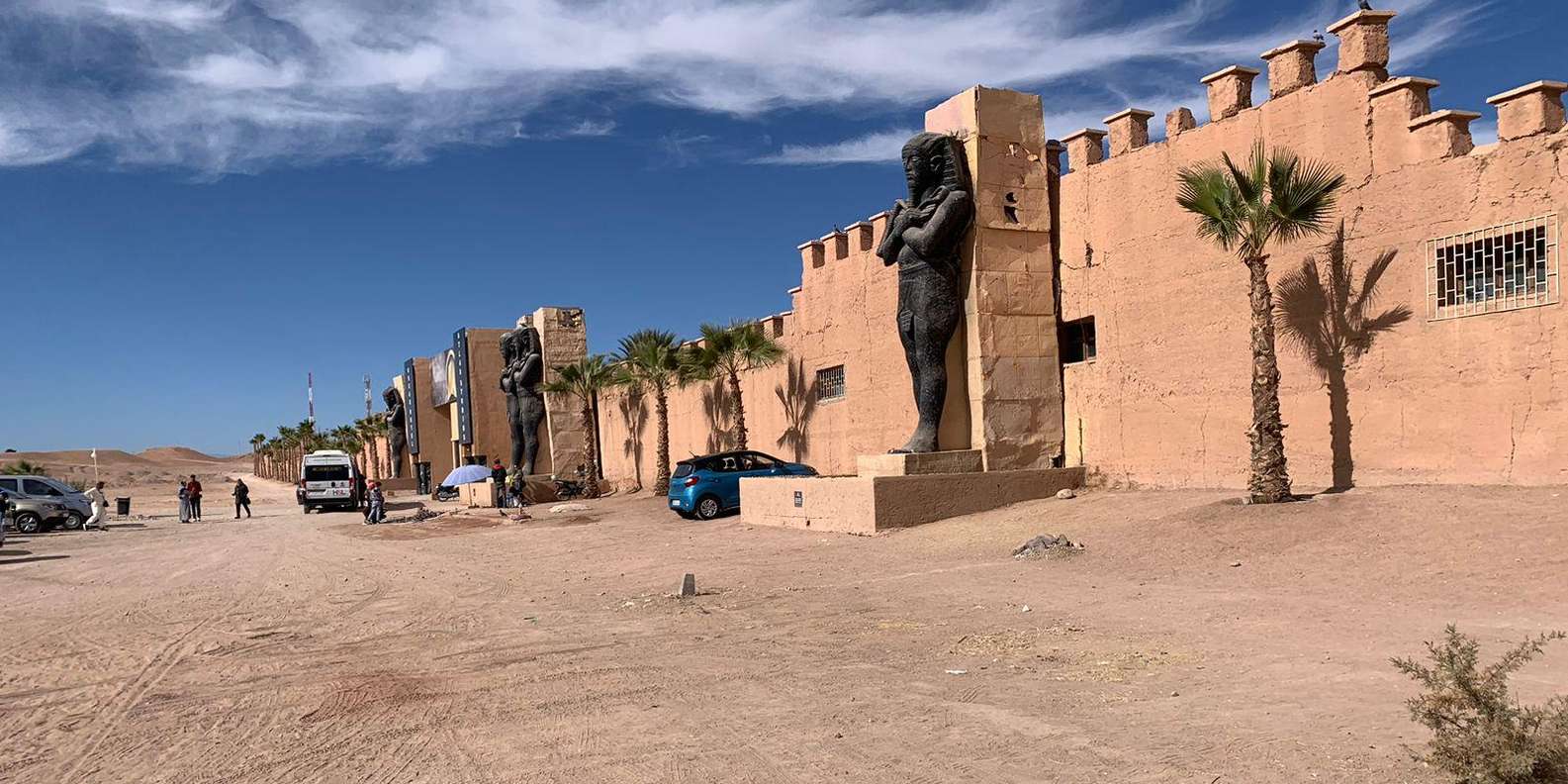
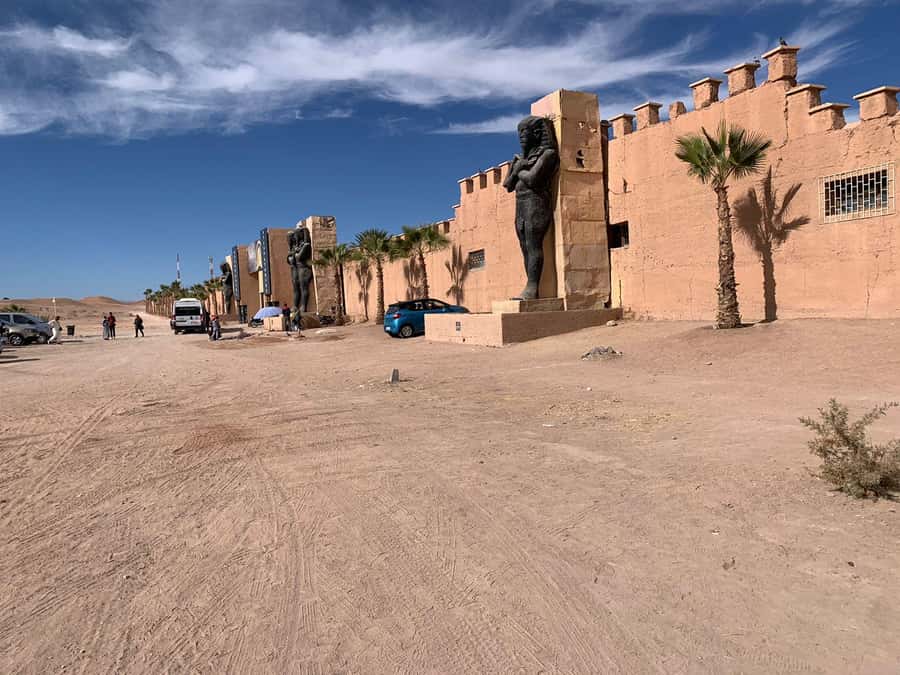
Ouarzazate is nicknamed Hollywood of the Desert, and the studios are a big reason. On this trip, you get a photo stop and a guided studio tour segment that’s set for a short window (about 15 minutes).
Here’s the honest expectation: this is not the kind of visit where you wander for hours and see every stage dressing trick. It’s more like a guided highlight plus photos. The tour description also makes it clear the studio stop is meant to be brief because the overall itinerary needs time for the rest of the day.
What you should do with that information is simple: come in knowing what you want. If your goal is to say you’ve seen the sets and understood how Moroccan studios support big productions, this stop hits the mark. If your goal is a deep, slow, behind-the-scenes production walk, you might feel like you barely touched the surface.
Also budget for the studio entrance fee mentioned for the experience (listed at €8 per person, not included). If you want to keep costs predictable, add this before you go.
Aït Benhaddou’s UNESCO visit: the most worth-it part of the day
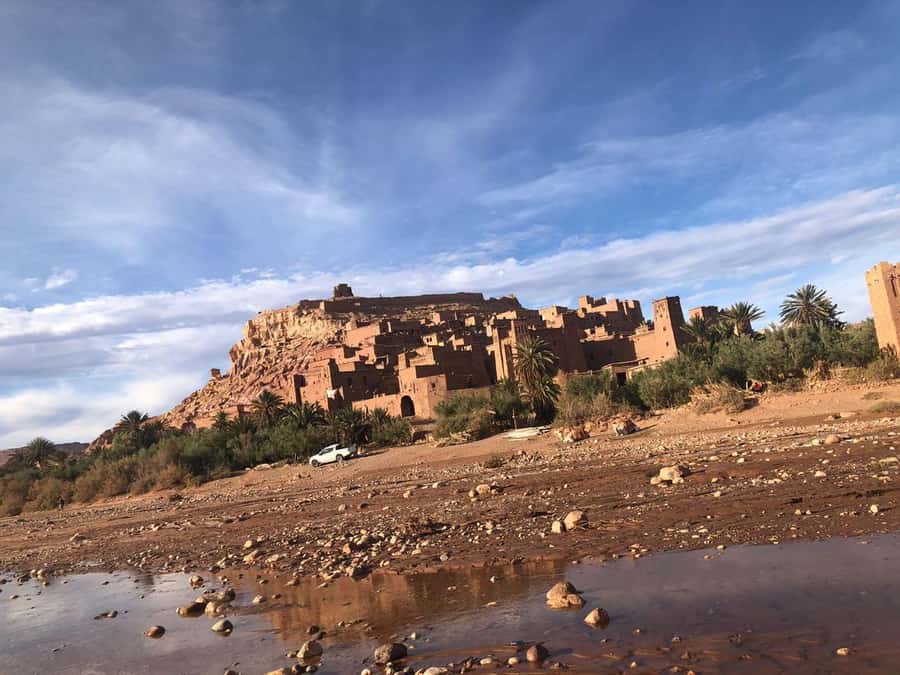
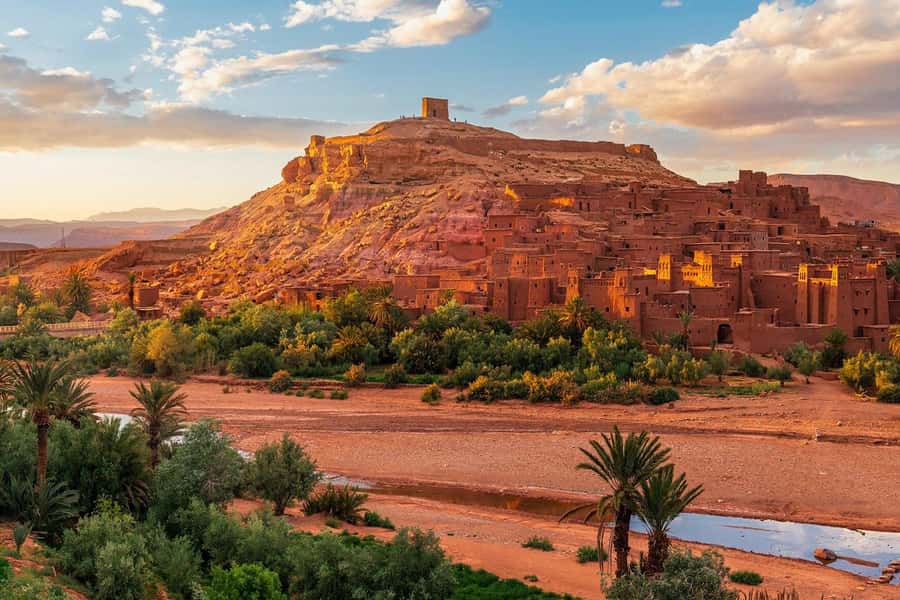
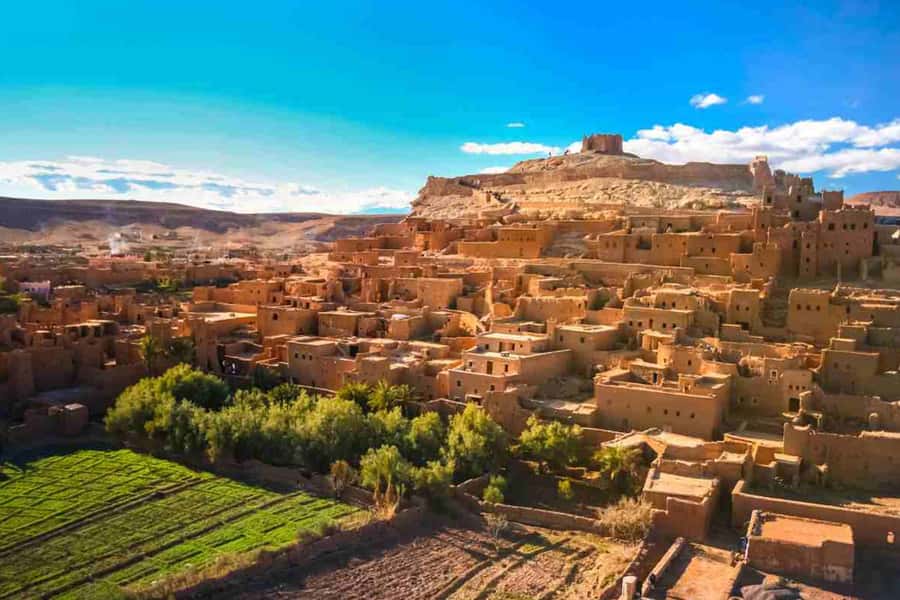
If I’m choosing one reason to do this day trip, it’s Aït Benhaddou. The visit time is about two hours, including a break and time for lunch. That’s enough to walk the main lanes, look up at the mud-brick architecture, and take in valley views without turning it into a five-minute checkmark.
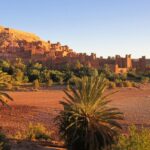
Aït Benhaddou is an ancient adobe citadel recognized as a UNESCO World Heritage Site. It’s also known for being used as a filming location for many major productions, which is why you’ll see it pop up in the mental movie montage for a lot of people.
What makes it feel real is the texture and scale. The streets are narrow, the walls are thick, and you get that slow sense of place as you move through the village. If you want deeper context, there’s an optional guide in Aït Benhaddou listed at 3 euros—worth considering if you like history and architecture details.
The main caution is physical. The area isn’t set up for people who need smooth, flat surfaces. Comfortable walking shoes are not optional. If you’re sensitive to height exposure, this is also a moment to watch your comfort level while you search for views.
Ouarzazate in between stops: city context and village flavor
Even with a packed schedule, you’re not only driving past things. The experience includes time to discover local villages, plus a broader feel for Ouarzazate as the “desert gateway” city.
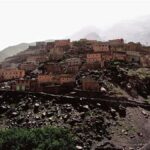
Ouarzazate is strongly tied to Berber culture, and you’ll usually notice it through markets, crafts, and the way local life mixes with tourism. The area is known for artisanal products like Berber rugs and traditional ceramics, and you’ll often see tagine and couscous on menus when you’re eating locally.
You might not get a full independent city explore on a one-day itinerary, but you’ll get enough context to understand why people come back. The studios aren’t a random attraction here—they connect to the region’s visual look, the light, the terrain, and the way filmmakers reuse the same natural and built backgrounds again and again.
This middle section is also where you’ll feel the schedule reality most. With short time windows, it’s better to focus on what’s right in front of you rather than trying to “optimize” every stop.


Lunch, timing, and the long-day rhythm you should plan for
Lunch is not included, but the Aït Benhaddou stop includes lunch time inside the day’s schedule. Because lunch isn’t included, what you actually get depends on the plan of the day and where the stop is made. The duration allocated to the Aït Benhaddou portion is substantial enough that you’re not expected to eat in 10 minutes.
That said, this kind of trip runs on timing. Some days stay smooth, and some days don’t—especially when the Atlas pass is affected by weather or road conditions. On rough travel days, you can end up waiting, and your lunch may feel less pleasant than you hoped. If you know you’re sensitive to delays, you’ll feel that stress faster than someone who’s used to flexible travel.
A good way to make the day more comfortable is to treat meals and hydration as part of your prep. Bring a small snack in your day bag if you like. It’s not listed in the included items, but it helps if you end up spending extra minutes between stops.
Cost and value: is $26 worth it?
At $26 per person, this trip is positioned as a budget-friendly day out. The key is what’s included versus what you’ll pay separately.
Included:
- Air-conditioned van
- Professional driver
- Onboard Wi‑Fi
Not included:
- Lunch
- Entrance fees (studio entrance listed at €8 per person)
- Guide in Aït Benhaddou (listed at 3 euros)
So the real cost isn’t just $26—it’s $26 plus the studio entrance and any optional guiding, and whatever lunch costs. For a one-day hit that covers the pass, a studio taste, and a UNESCO citadel, the value can still be strong because you’re paying for the big travel structure: transport across the route and guided components where time matters.
Where the value can drop is if you end up feeling rushed at the studio stop or disappointed by meal timing. The studio visit is brief by design, so your best value comes when your expectations match that format: a highlight look, not a full production deep dive.
If you want the most value, plan for the optional costs. If you don’t care about the studio and only want Aït Benhaddou, you may prefer a different format that spends more time on the UNESCO site and less on quick photo stops.
Practical tips that make this day trip feel easier
Because you’re moving all day, packing matters more than usual.
Bring:
- Comfortable shoes (you’ll be walking on uneven historic surfaces)
- Sunglasses
- Hat
And add your own practical extras:
- A light layer for cooler mountain air
- Water or small snacks if you tend to get hungry while traveling
If you’re planning photos, do two things. First, set expectations for the quick stops: Tizi n’Tichka and the studio segment are short windows, so be ready when you arrive. Second, save your bigger time for Aït Benhaddou, where you’ll have room to explore and choose angles.
Also keep in mind the experience is not described as suitable for everyone. People with mobility impairments, wheelchair users, and people with vertigo should skip this one, since the walking and viewpoints can be challenging.
Who should book this Marrakech to Ouarzazate day trip?
Book this if you want a tight, high-impact day that hits the major highlights of southern Morocco: the Atlas pass views, the film-studio connection, and Aït Benhaddou’s UNESCO architecture.
You’ll likely enjoy it most if you’re:
- Comfortable with a long day and lots of road time
- Interested in film-location scenery even if the studio visit is brief
- Happy to walk in historic terrain and take photos on the move
- Looking for a structured day trip rather than a self-drive plan
I’d think twice if:
- You need wheelchair-friendly routes or smooth surfaces
- You have vertigo or strong sensitivity to heights
- You hate schedule uncertainty and want zero risk of delays
Language is also a factor. The live tour guide is available in Arabic, English, French, and Spanish. If you have strong language preferences, plan to select the option you want when booking, so you get the explanation style you’re hoping for.
Should you book this tour?
I’d book it if your goal is a first-time, one-day overview with the most meaningful stop being Aït Benhaddou. The mix of the Atlas pass, film-studio connection, and UNESCO walking time is a strong trio for the price—especially if you’re okay with short segments and paying small add-ons like the studio entrance.
I wouldn’t book it if you’re expecting a slow, deep studio experience or a relaxed pace with lots of extra time. The studio stop is brief, lunch planning can be simple, and the mountain route can be weather-sensitive.
A smart way to decide: ask yourself whether you’re mainly chasing Aït Benhaddou or chasing the whole Ouarzazate/film-studio experience equally. If it’s the citadel, this is a solid way to do it in a single day.
FAQ
FAQ
How long is the Marrakech to Ouarzazate excursion?
It runs for one day.
Where does the tour start?
Pickup is in Marrakesh.
Is transportation included?
Yes. You travel in an air-conditioned van with a professional driver.
Is Wi‑Fi included?
Yes, Wi‑Fi is provided onboard.
What is not included in the price?
Lunch is not included. Entrance fees are not included either, including the studio entrance fee (listed at €8 per person) and an optional guide fee in Aït Benhaddou (listed at 3 euros).
What are the main stops during the day?
You’ll cross the Tizi n’Tichka pass, visit Atlas Studios, and explore Aït Benhaddou, with time also set aside to discover local villages.
How long is the Atlas Studios visit?
The studio stop includes a photo stop and a guided tour segment for a short period (listed as 15 minutes), and it’s described as mainly a visit and photos rather than a full-day studio experience.
What languages are available for the live guide?
The live tour guide is available in Arabic, English, French, and Spanish.
What should I bring?
Bring comfortable shoes, sunglasses, and a hat.
Is this tour suitable for wheelchairs or vertigo?
No. It is not suitable for people with mobility impairments, wheelchair users, or people with vertigo.
Can I cancel for a full refund?
Yes. You can cancel up to 24 hours in advance for a full refund. You can also reserve now and pay later.