REVIEW · MARRAKESH
Marrakech: Workshop for Pottery
Book on GetYourGuide →Operated by Discover Atlas Mountain · Bookable on GetYourGuide
Clay has a way of slowing you down. This Marrakech pottery workshop mixes hands-on making—especially on the pottery wheel—with a real studio atmosphere, Moroccan tea, and pastries. You get a guided look at how clay becomes ceramic the way Moroccan craftspeople actually do it.
I especially liked learning two shaping approaches: turning on the wheel to form clay, then switching to molding so you can create different shapes. And the class feels personal because the mother-daughter duo running the shop (often associated with Yoma Pottery) are hands-on and encouraging, not distant instructors.
One thing to consider: timing and wheel time can be uneven. A few past schedules have run later than expected, and you may spend more time working with clay than spinning the wheel for long stretches.
In This Review
- Key Things to Know Before You Go
- Entering the Marrakech Pottery Studio: Tools, Process, and Real Craft Work
- Wheel Turning vs. Molding: The Two Skills You’ll Actually Practice
- Moroccan Tea and Pastries: Why the Break Feels Like Part of the Lesson
- Timing and Transport: The Part That Can Make or Break Your Day
- Price and Value: Does $68 Make Sense for What You Get?
- What to Expect to See vs. What You’ll Do
- Who This Workshop Fits Best in Your Marrakech Plan
- Should You Book the Marrakech Pottery Workshop?
Key Things to Know Before You Go
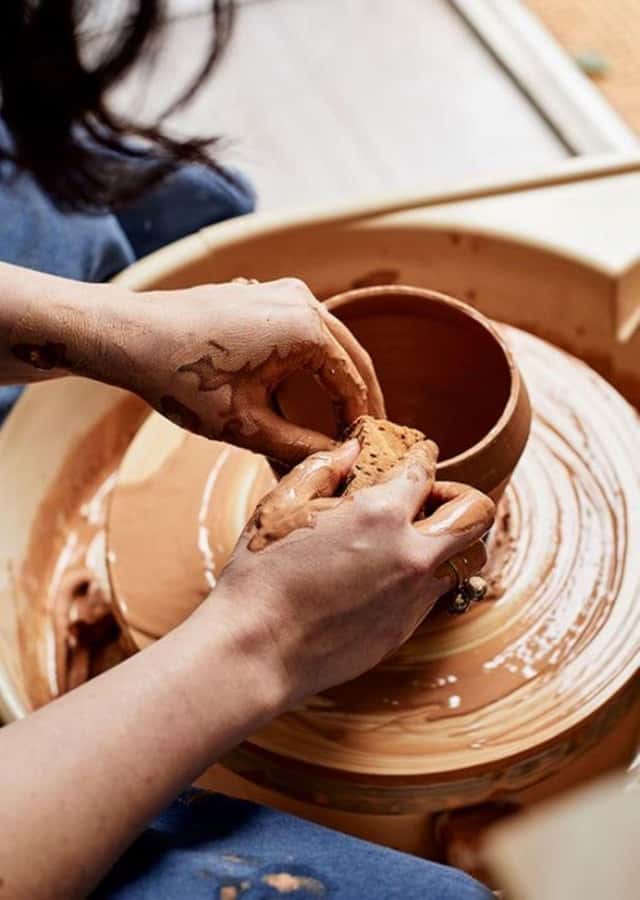
- Two shaping techniques in one class: wheel turning plus molding, so you understand more than one method.
- A working pottery studio tour: you see tools and how pieces progress toward baking/firing.
- Moroccan tea break included: Moroccan tea and pastries served right in the experience.
- Small group size (up to 10): easier for the guide to check your hands and your form.
- Guidance from a family-run shop: you’ll likely feel the “teach it slowly” pace rather than a rushed demo.
- Transport from your meeting point: pickup and drop-off are included from the designated spot (including fندق إسلان).
Entering the Marrakech Pottery Studio: Tools, Process, and Real Craft Work
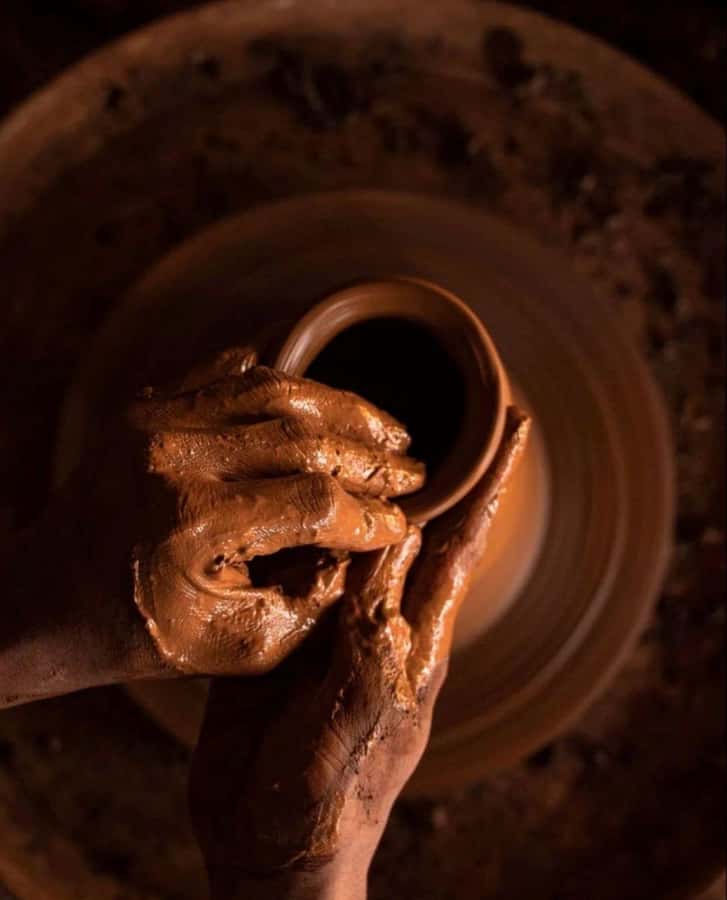
This workshop is built around the idea that pottery isn’t magic. It’s steps. Clay gets prepared. Then it gets shaped. Then it gets finished through the steps you’ll learn about during the session.
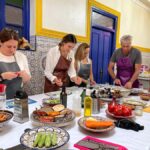
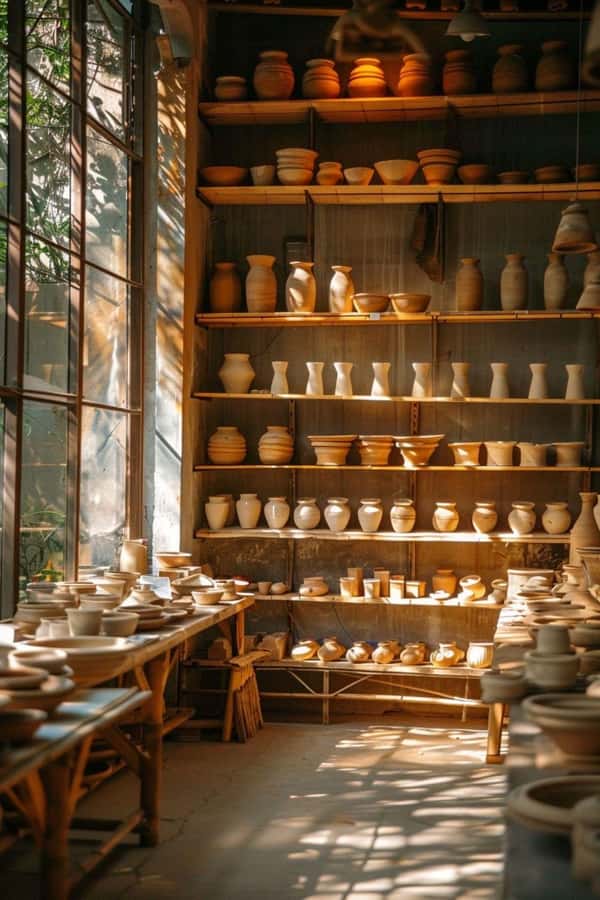
You start with a tour of a traditional pottery studio in Marrakech. Instead of only watching someone demonstrate, you’re guided through the working area and the tools craftspeople use. That matters because it teaches you what to pay attention to: clay consistency, the way tools cut or smooth, and how the form changes as you work.
You’ll also get a clear view of how the process continues beyond the hands-on part. You learn what happens before baking, and you’ll be shown how pieces go toward glazing and firing. Even if you don’t control those final steps yourself, it’s helpful to understand why a bowl, tagine dish, or ceramic cup doesn’t just appear from the wheel.
And yes, you’ll take breaks. Moroccan tea shows up as a reset button halfway through the experience, and the pastries make it feel like you’re hanging out in the studio, not just ticking a class box.
A few more Marrakesh tours and experiences worth a look

Wheel Turning vs. Molding: The Two Skills You’ll Actually Practice
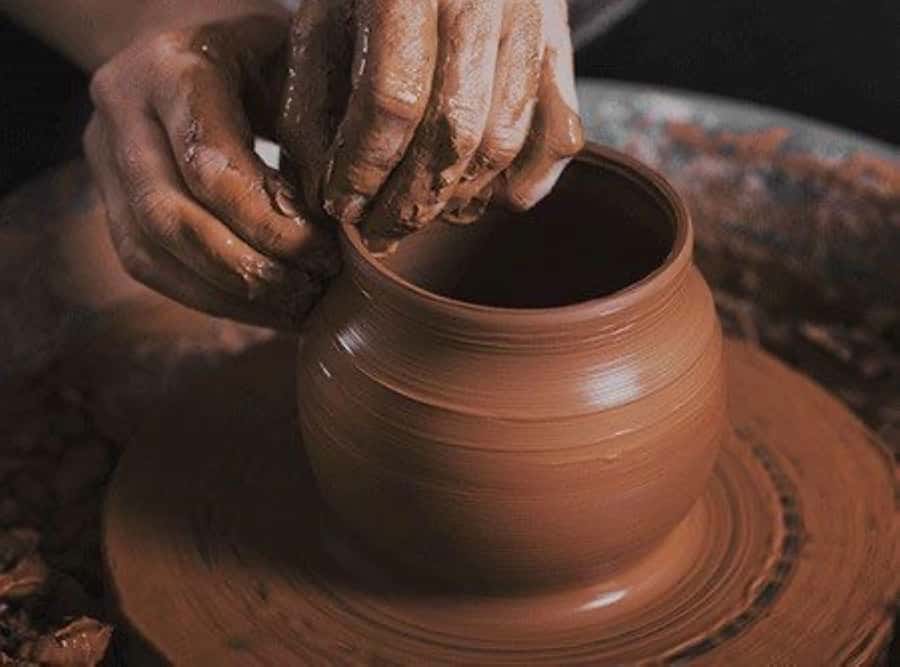
The workshop’s strongest selling point is that you don’t get stuck in only one technique.
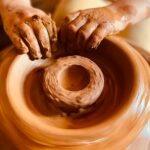
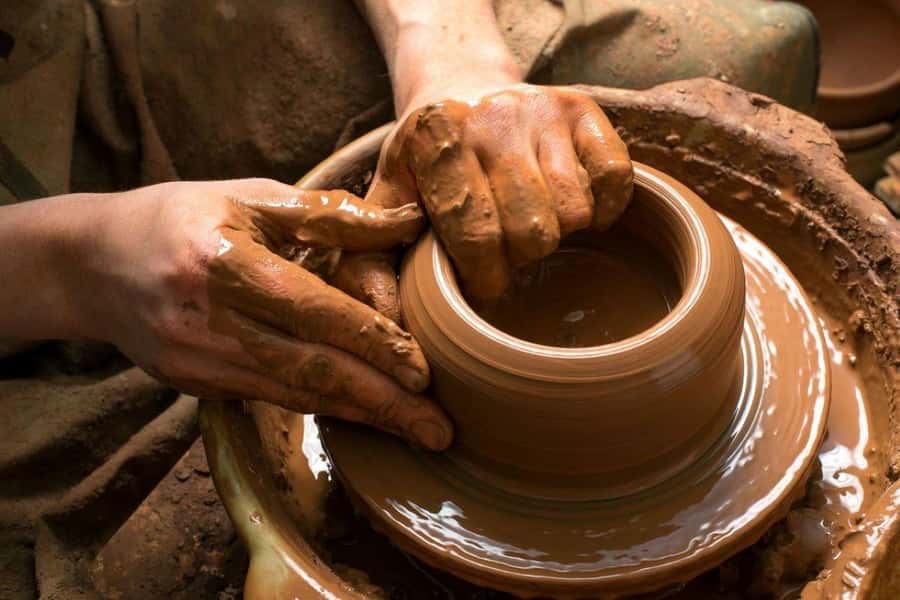
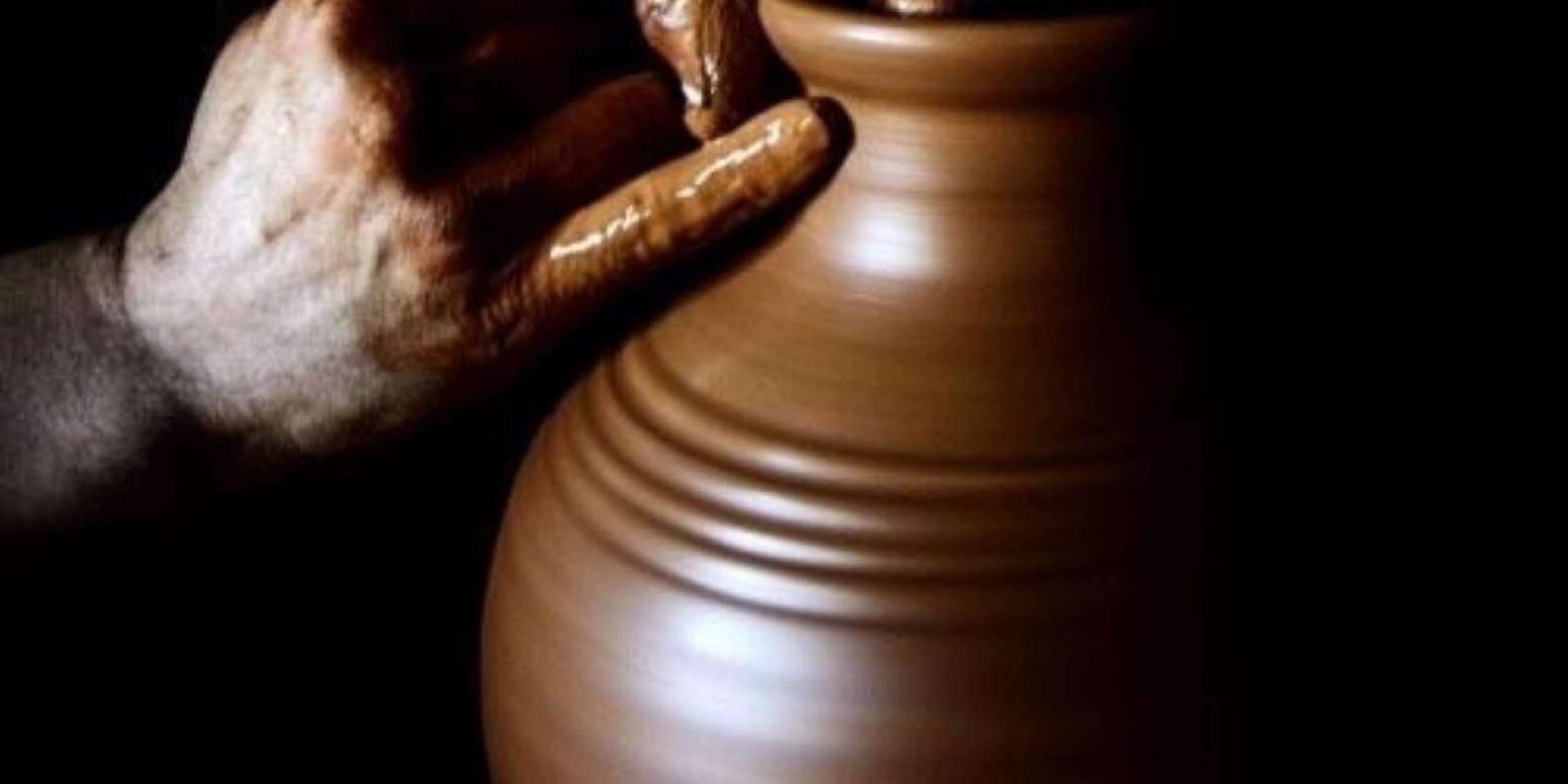
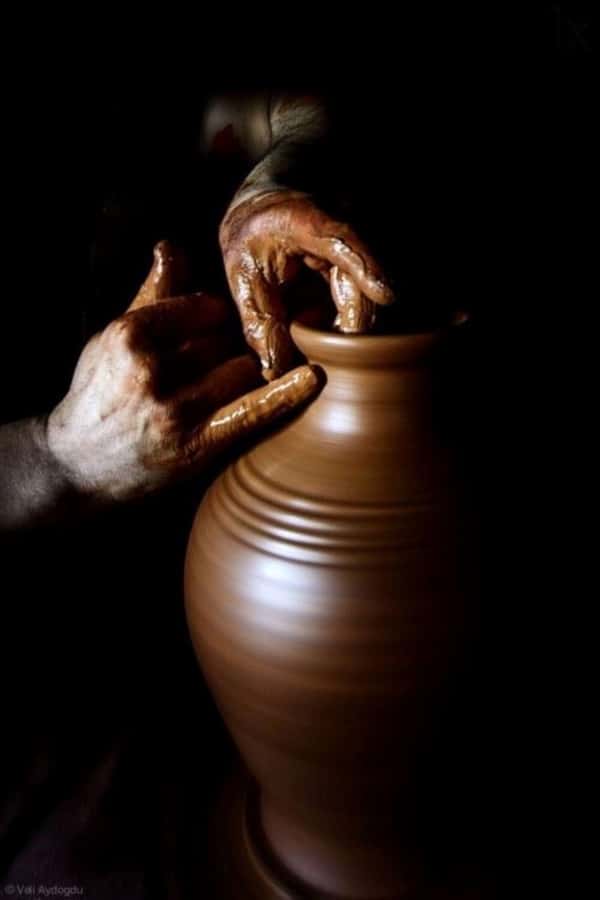
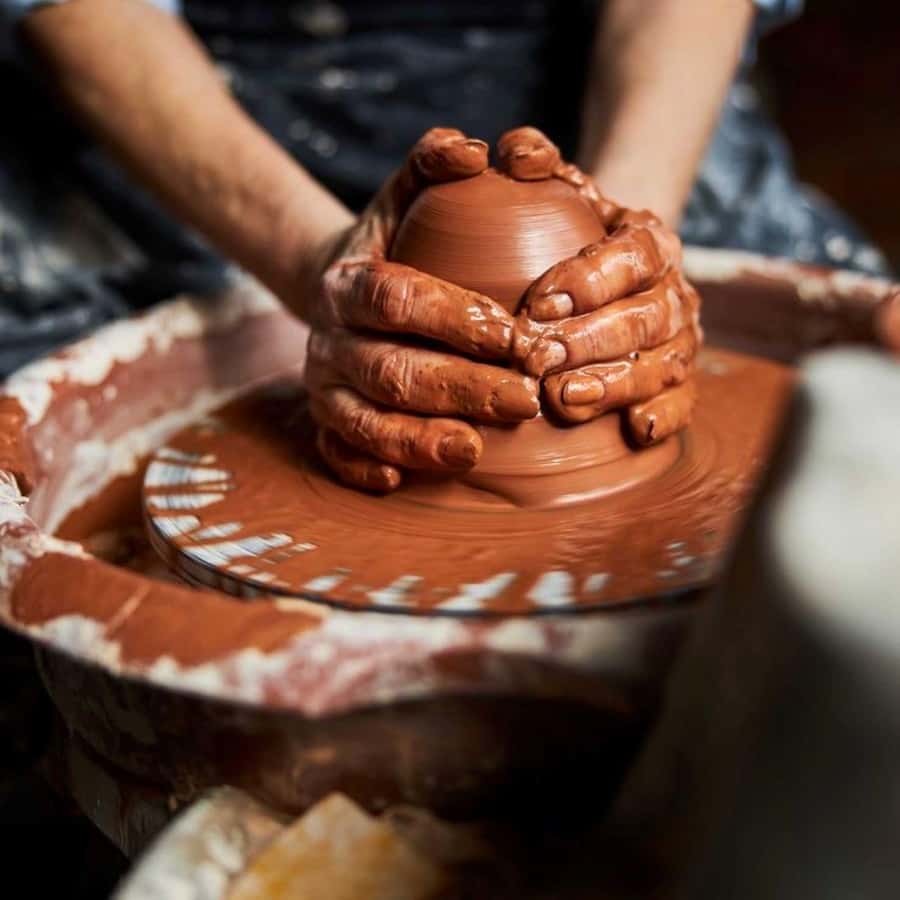
First comes the turning approach. You experiment with the pottery wheel and learn how to work the clay into a centered, rounded form. The goal here isn’t perfection. It’s learning control: how the clay responds as it spins, how pressure should feel, and how patience changes the outcome.
Then you switch to molding. That’s a different mindset. Wheel work is great for symmetrical shapes, but molding helps you build other forms and experiment with variation. By practicing both, you leave with a more complete mental picture of Moroccan ceramic technique—what you can do with rotational symmetry and what you can do when you shape clay more freely.
One practical note from experience-based feedback: the wheel time may feel short for some people, especially if you’re expecting a long rotation session. The studio may spend more of the class on getting you comfortable and moving through both methods. If you’re coming mainly for wheel time, I’d treat this as a learn-both-techniques class, not a pure wheel masterclass.
Moroccan Tea and Pastries: Why the Break Feels Like Part of the Lesson
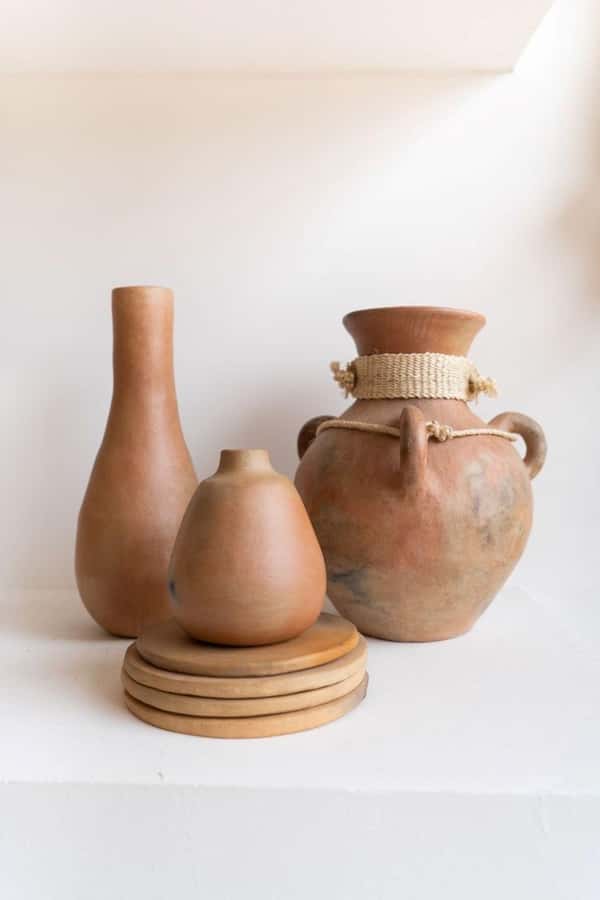
In Morocco, tea isn’t just a drink. It’s a pause that says the work matters, and people have time to talk.
Here, you get a Moroccan tea break along with water and pastries. It’s not a rushed snack between stops. It’s built into the flow of the workshop so you can slow down, ask questions, and compare what you made with what the craftspeople are aiming for.
This is also where the class becomes more human. Many classes in Marrakech feel transactional. This one leans toward relationship—especially because the shop is run by a mother-daughter team. They tend to be supportive and interactive, and that approach makes first-timers relax fast.
If you care about capturing the day (you’ll have time for photography), the studio break is a good moment to photograph tools, clay textures, and the workspace around you—without feeling like you’re constantly interrupting a teacher.
Timing and Transport: The Part That Can Make or Break Your Day
The workshop runs for 2 hours, and you’re picked up and dropped off from the meeting point. Starting point is listed as فندق إسلان, and pickup time is confirmed by the guide based on the day’s schedule.
Here’s the real-world advice: plan for some flexibility. One past booking started later than the time it was expected to begin, with notice provided the morning of. That’s not unique to this area, but it’s worth respecting so you don’t feel rushed.
Also, factor in travel time. The studio is more than 30 minutes from the old city in some cases, so don’t schedule something right on top of the pickup window. If you’re doing riad breakfast and then heading out, give yourself a buffer.
Communication is key. You’ll want to be reachable by phone and WhatsApp so you can coordinate pick-up smoothly. If you tend to lose signal or ignore messages, set your phone up before you go.
And one more thing: the drive changes the mood. It’s easier to arrive calm if you’ve already decided you’re not trying to cram Marrakech into every minute.
Price and Value: Does $68 Make Sense for What You Get?
At $68 per person for a 2-hour small-group workshop, you’re paying for more than “someone watching you play with clay.”
What makes the price feel reasonable is what’s included:
- craft supplies, raw materials, and tools and materials
- water, Moroccan tea, and Moroccan pastry
- photography time
- a live guide speaking Arabic, English, and French
- a small group capped at 10 participants
That inclusion list matters because pottery can get expensive fast if you’re paying separately for materials and instruction. Here, the cost bundles the main inputs and the teaching.
You’re also paying for the studio context. Watching the steps that lead toward glazing and firing turns this into something closer to a mini education than a souvenir factory. That’s the difference between buying a finished ceramic piece and understanding the craft behind it.
There’s also a social value that’s easy to miss. If you like what the family-run shop makes, you can support them by purchasing additional pieces after the workshop. Some people explicitly did that to help the artisans keep doing what they do.
So is it worth it? For most first-timers who want hands-on instruction plus a real studio visit, yes. For people who want only a long wheel session or a heavy focus on advanced techniques, you may feel the time is tight.





What to Expect to See vs. What You’ll Do
This class is structured around a full picture of ceramic making, not just a finished product in your hand.
You’ll work with clay during the hands-on segments—turning with the wheel and then molding. You’ll also learn about the steps before baking and the process toward glazing and firing. That means you’re not just playing; you’re building understanding of how a piece survives the jump from wet clay to finished ceramic.
But you should expect a hands-on experience that’s paced for learning. You probably won’t leave with the kind of advanced technical confidence you’d get from a multi-day course. Instead, you’ll leave knowing what it feels like to center clay, what molding changes about your shape, and why the final results depend on the later steps.
Because the workshop duration is short, you should go in with realistic expectations: come to learn and make a few forms, not to master a precise final design.
If take-home details matter to you, ask at the start of the session what happens next with the pieces you form (whether they’re glazed and how they’re handled). The data you have here confirms you’ll see the path toward baking/firing, but it doesn’t specify how or when final items are provided.
Who This Workshop Fits Best in Your Marrakech Plan
This pottery workshop works best when you want a calm, creative break from Marrakech’s hustle.
It’s a strong pick for:
- couples and friends looking for a shared activity that isn’t another market loop
- first-timers who want gentle guidance and real studio context
- people who like crafts and want to understand process, not just buy things
Because group size is small (up to 10), it’s also easier to get personal attention. A working studio environment helps too—you’re not watching a screen; you’re watching hands and tools.
There’s one caution based on experience-based feedback: parts of the experience may feel more beginner-friendly, even geared toward younger participants in some cases. If you’re an adult hoping for lots of wheel time and deeper technique talk, you might find the class rhythm shifts toward broader participation rather than advanced instruction.
That said, the tone from the mother-daughter hosts is often warm and supportive, which is exactly what first-timers need.
Should You Book the Marrakech Pottery Workshop?
Book it if you want:
- hands-on instruction with both wheel turning and molding
- a genuine studio tour in Marrakech
- Moroccan tea, pastries, and a small-group feel
Skip or reconsider if:
- you mainly want long, uninterrupted wheel time
- you have zero flexibility in your schedule and hate the idea of timing shifts
- you’re looking for advanced technical pottery training over a quick 2-hour session
For most people, $68 for a small, guided, supplies-included workshop that teaches you more than one technique feels like solid value. You’ll leave with new skills, a better respect for the craft, and a story that’s more than another photo in a marketplace.
If you want, tell me your travel dates and whether you’re more interested in wheel work or molding—I can help you decide if this is the right fit for your Marrakech itinerary.