REVIEW · MARRAKESH
Marrakech: Traditional Moroccan Crepes & Bread Cooking Class
Book on GetYourGuide →Operated by Khmisa Workshops · Bookable on GetYourGuide
Warm bread beats Marrakech souvenir shopping. In a real workshop in Bab Doukkala, you’ll learn to make three Moroccan crepe-and-bread styles and pair them with the mint tea ritual. You’re not just watching, either. You’re working the dough, cooking, and tasting what you made.
I especially love how hands-on this class is, with aprons, utensils, and ingredients provided so you can control each step. I also like the small group setup (up to 10), which makes it easier to get help while you cook. You’ll finish with mint tea and a proper moment to eat your own breads together.
One consideration: this isn’t suitable if you have gluten intolerance (or if you have food allergies), since the breads are wheat-based. If that’s you, you’ll want to skip this one and look for a different style of class.
In This Review
- Key highlights you’ll feel right away
- A Marrakech cooking class that’s about making, not just looking
- Finding 44 Der Hajra (and why the location matters)
- Inside the workshop: aprons, tools, and a very workable plan
- Making msemen, harcha, and batbout in one 2-hour session
- Msemen: Moroccan crepe-style pancakes
- Harcha: the galette-style pancake
- Batbout: flat bread
- Moroccan mint tea ritual: learn it by preparing and tasting
- What you’ll eat (and what you might bring home)
- Price and value: is $37 for two hours worth it?
- Who this class fits best (and who should rethink it)
- Practical tips so your class goes smoothly
- Should you book Khmisa Workshops’ crepes and bread class?
- FAQ
- What breads and crepes will I learn to make?
- How long is the class?
- How much does it cost?
- Where does the class meet?
- Is the class small-group?
- Are ingredients and equipment provided?
- Is mint tea included?
- Do I receive recipes?
- What languages are available for instruction?
- Is it suitable for gluten intolerance or allergies?
- Can I cancel and get a refund?
Key highlights you’ll feel right away
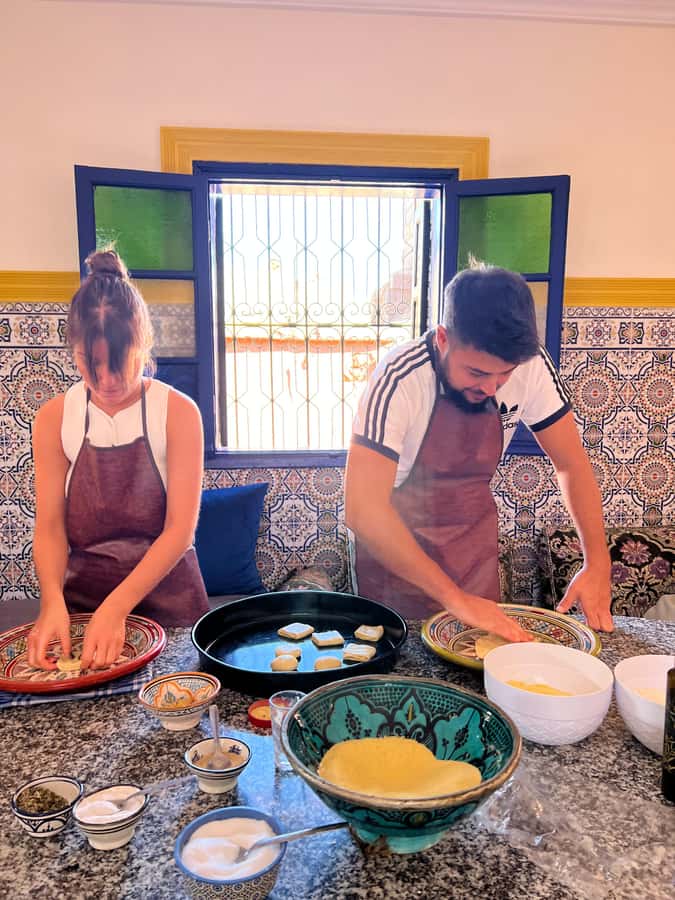
- Three Moroccan breads in one session: msemen, harcha, and batbout
- Real mint tea ritual practice: you prepare and taste it with your food
- Small group attention: limited to 10 participants
- Equipment and ingredients included: apron, tools, and what you need to cook
- Tasting, plus take-home bread in many cases: you may leave with leftovers boxed up
- Electronic recipes provided: you get the instructions after class
A Marrakech cooking class that’s about making, not just looking
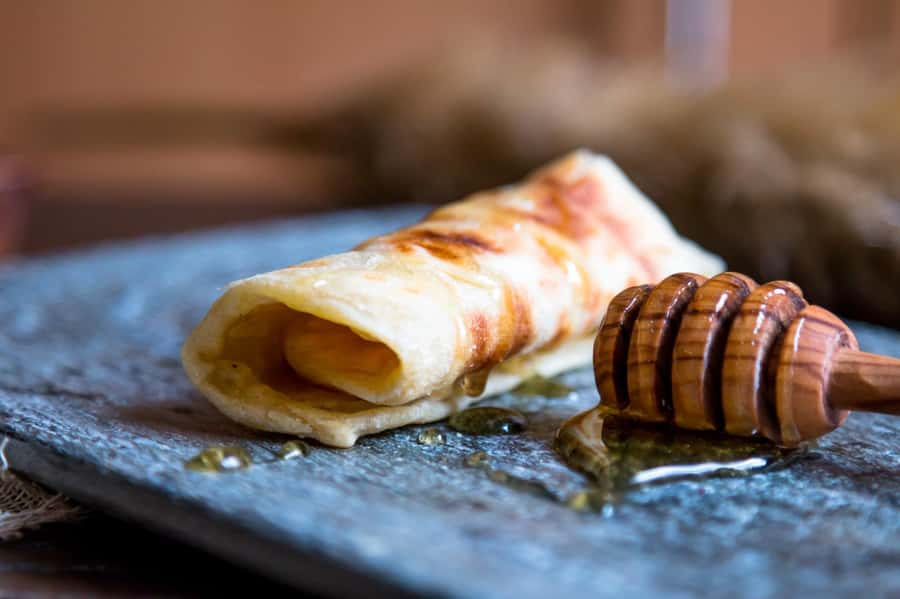
This bread-and-crepe class is a smart way to spend a couple hours in Marrakech because you leave with food skills, not just photos. The goal is simple: learn how to make msemen, harcha, and batbout, then enjoy them with Moroccan mint tea.
It also feels more local than the usual “show and tell” activities. The workshop is in the Bab Doukkala area, and the route there tends to run through food markets used by people who live nearby.
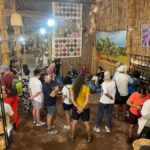
You’re in good hands from the start: hosts welcome you into their workspace, get you set up, and talk you through techniques while you cook. If your French or Arabic is limited, you still have a path through the lesson since the class is interactive and you’ll be guided step by step.
You can also read our reviews of more cooking classes in Marrakesh
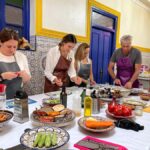
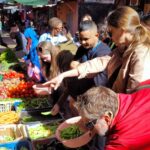
Finding 44 Der Hajra (and why the location matters)
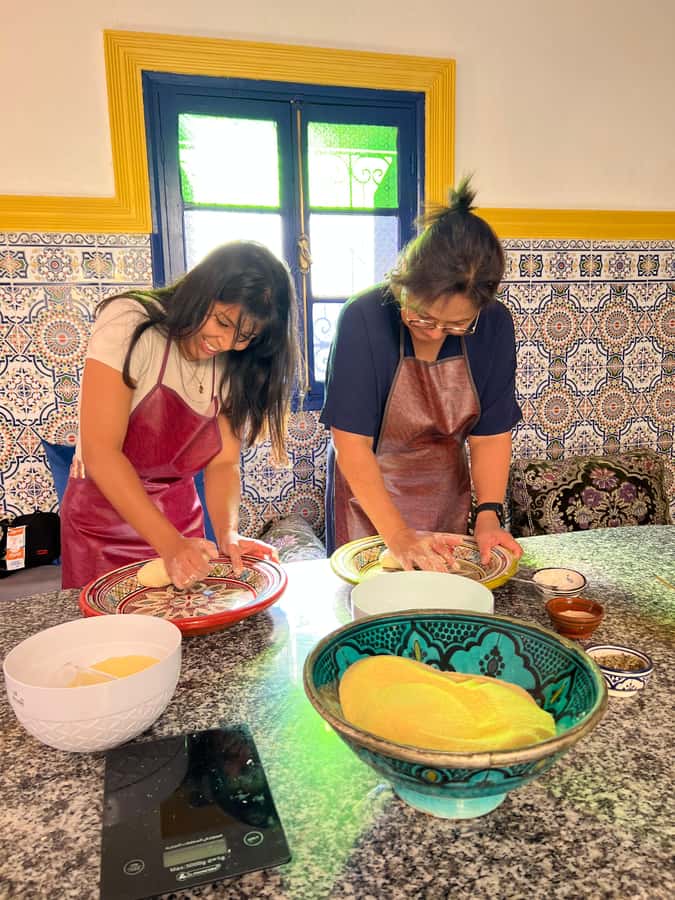
Meeting point is straightforward on paper: 44 Der Hajra, Bab Doukkala, Marrakech. In practice, this part of the city rewards an easy-going attitude. You can expect the area to be active and practical, with that market feel.
What I like about this location is that it anchors the experience in everyday Marrakech rather than a staged tourist zone. Even the short walk to the workshop helps you “get your bearings” fast, especially if you’re arriving from the main squares where everything feels crowded.
The class also runs with a small group size (up to 10), so you’re not stepping into a factory line of people. That matters because bread-making is hands-on. If you’re always waiting for the right moment to jump in, the whole experience gets less fun.
Inside the workshop: aprons, tools, and a very workable plan
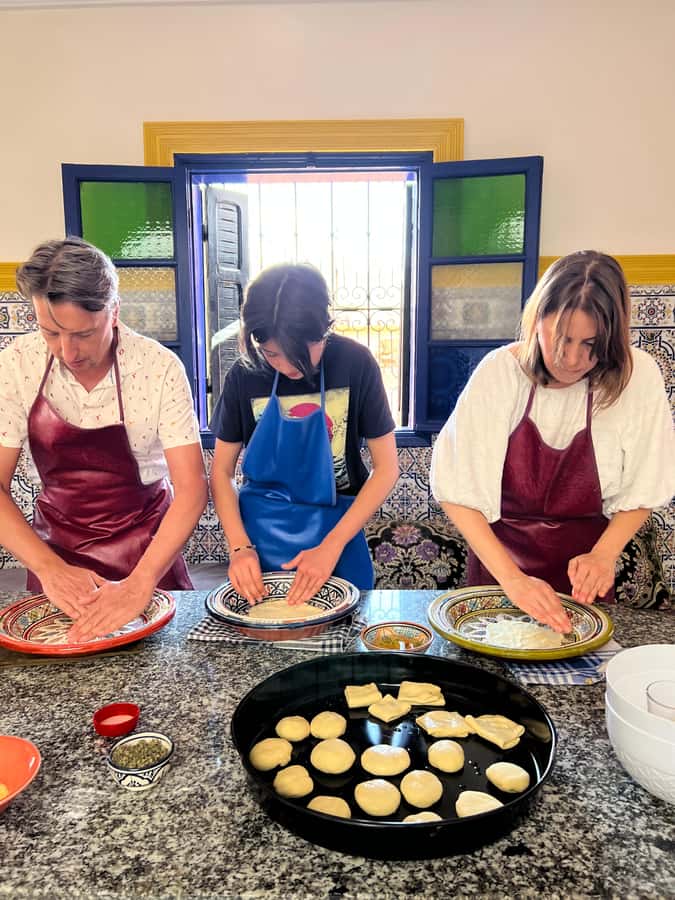
Once you arrive, you’ll get what you need to cook: an apron, plus the utensils and ingredients for the lesson. That’s not a small detail. Having everything prepared reduces stress, and it means your focus stays on technique.
The class is designed to move you from dough to cooked bread within the 2-hour window. The host guides you through what to do “from start to finish,” so you aren’t stuck with only the easy part.
Most importantly, the instruction is practical. The class format is interactive and built around explanation and technique, not just demonstration. In a few cases, people found there was extra help for understanding the steps across languages. That’s a big deal when the lesson is physical: you learn faster when you can follow the instructions clearly.
Making msemen, harcha, and batbout in one 2-hour session
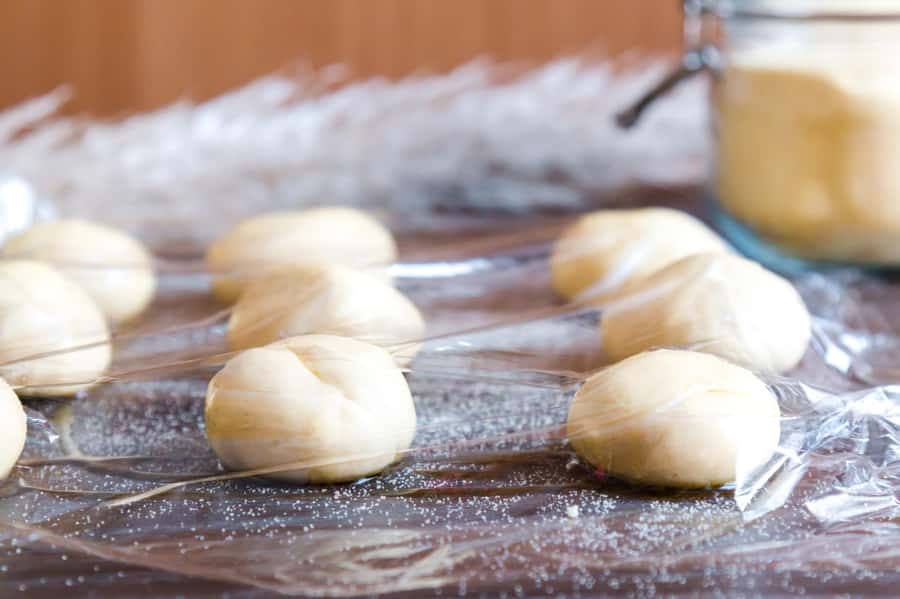
The centerpiece of this experience is learning to make three famous Moroccan varieties. Think of this as a mini “bread curriculum” with different textures and cooking approaches, all in one sitting.
Msemen: Moroccan crepe-style pancakes
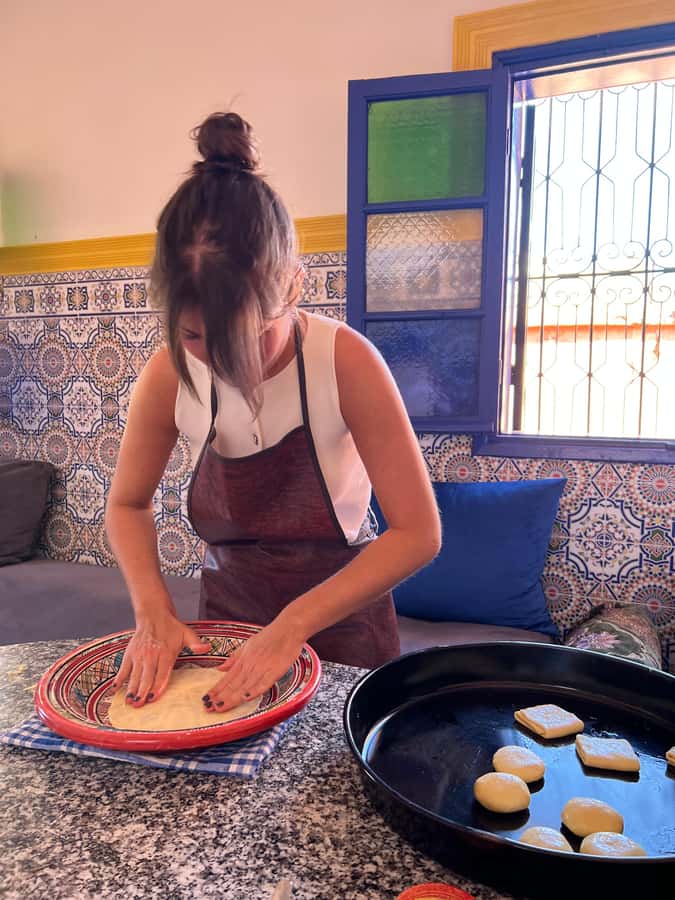
You start with msemen, which is often described as a crepe or pancake style in Moroccan cooking. In this class, you’re not just tasting it. You’re working with dough, shaping, and cooking it as part of the lesson.
What you’ll take away isn’t only the final bread. You’ll learn how the dough behaves while you shape it, which is half the learning. If you love breakfast foods or you’ve been eating msemen across Marrakech, it’s satisfying to understand how it comes together.
A few more Marrakesh tours and experiences worth a look
Harcha: the galette-style pancake
Next is harcha, described as pancake or galette style. This is a good pairing with msemen because it changes the vibe: different dough texture, different cooking result.
You’ll get to practice the steps in the same workshop flow, so you’re not constantly switching to a new “setup” or waiting for other people to finish. The class stays structured, which is helpful when you’re trying to learn fast.
Batbout: flat bread
Finally, you make batbout, a flat bread you’ll recognize from Moroccan meals. By the time you reach batbout, you’ll be more confident because you’ve already warmed up your hands and your timing on the first two recipes.
It’s also a nice variety. Crepe/pancake styles teach you shaping and cooking control, while flat bread teaches a different sense of thickness and readiness. Even if you’re a casual cook, you’ll feel the difference in your hands as you work through each dough.
Moroccan mint tea ritual: learn it by preparing and tasting
The class doesn’t treat mint tea like an afterthought. You help prepare it as part of the experience, and you learn the traditional mint tea ritual alongside your breads.
This is valuable because mint tea is how Moroccan hosts often pace a meal. It turns food-making into hospitality, not just cooking. You get to practice the ritual as a group activity, then you taste the tea with what you cooked.
You’ll also understand why the tea is paired so often with bread. It’s refreshing, and it gives the breads a different flavor context than eating bread on its own.
One practical plus: the tea moment gives you a clean break after the cooking stage. You’re not hustling the whole 2 hours. You cook, then you settle in and eat what you made.
What you’ll eat (and what you might bring home)
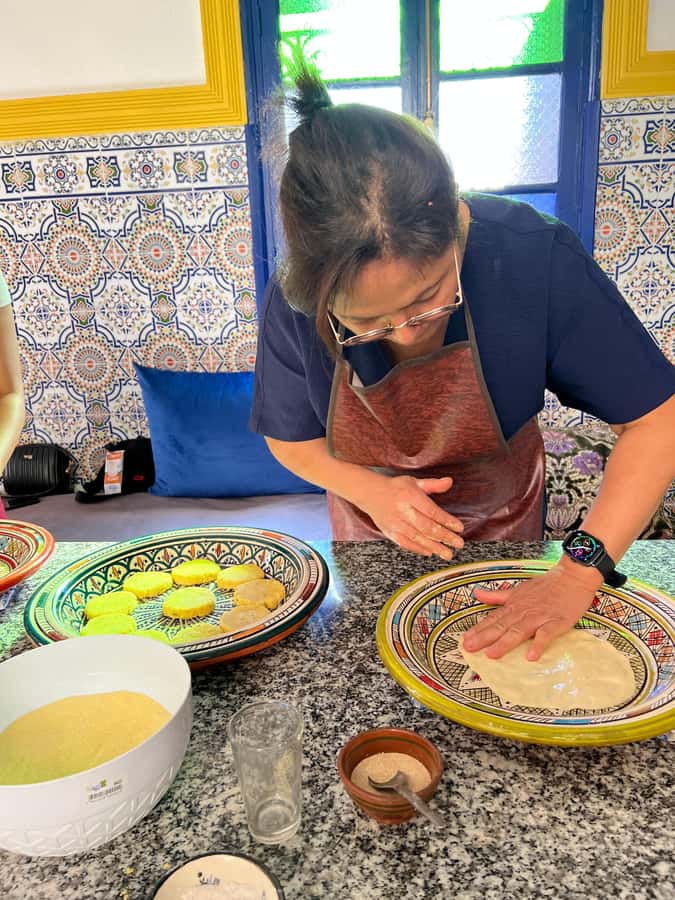
After the breads are ready, you taste your creations. In the workshop setting, you’ll typically eat them alongside mint tea, and you may get simple accompaniments like olives and jam or honey, depending on what’s being served that day.
This matters because bread in Morocco rarely tastes like a solo act. It usually comes with flavors that help you notice the structure: crisp edges, soft centers, and the way the tea changes the overall bite.
You might also be able to take some bread home. In many cases, the class provides a box for leftovers you can enjoy later. If you’re trying to keep food costs down during your stay, that can be a quiet win. Even if you finish the meal right there, having leftovers for later turns the class into multiple snacks.
Price and value: is $37 for two hours worth it?
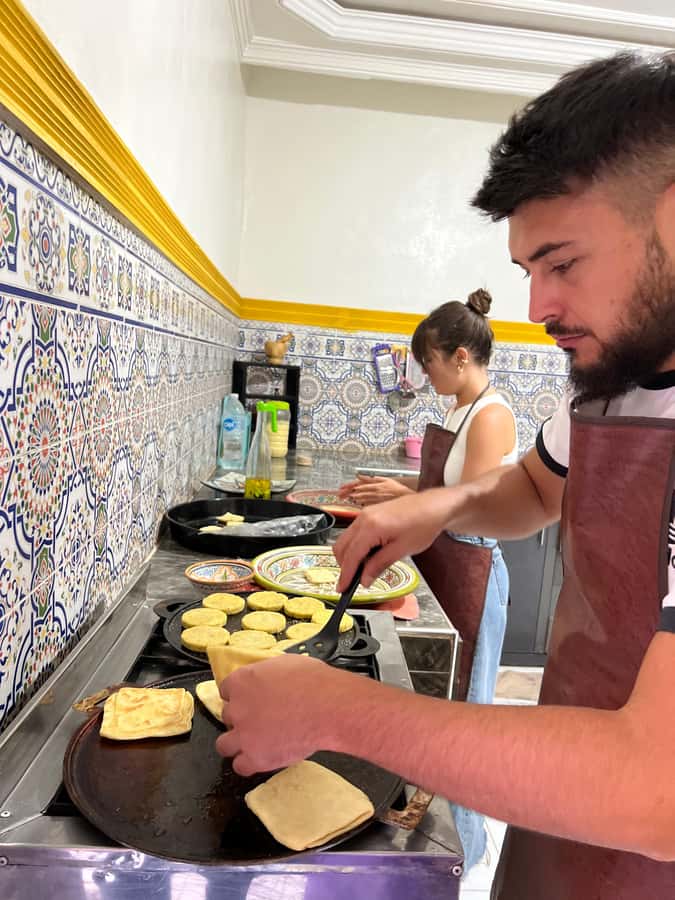
At $37 per person for a 2-hour, hands-on class, the value mostly depends on what you want from Marrakech.
If you’re looking for a quick cultural show, you might be happier with something cheaper. But if you want practical skills—how to make msemen, harcha, and batbout, plus mint tea—this price feels fair. You’re paying for instruction, ingredients, tools, and the chance to cook and eat in a small group.
Also, this isn’t just about the tasting portion. You get electronic recipes, so you can recreate the breads later at home. In a city full of experiences where you leave with memories only, recipes are how you keep the value going after your flight.
Finally, think about what you’d spend if you tried this in a restaurant. You’d eat a few items and still not learn the technique. Here, you learn the technique, then you eat the proof.
Who this class fits best (and who should rethink it)
This activity is a great fit if you:
- Want an interactive cooking break from the pace of central Marrakech
- Love bread and want to understand how Moroccan staples are made
- Enjoy small-group settings where you can ask questions and get hands-on help
- Prefer a class where you cook, then sit down and eat together
It may not fit you if:
- You have gluten intolerance or need gluten-free baking (the class is not suitable for gluten intolerance)
- You have food allergies that could be triggered by wheat-based ingredients or shared preparation areas
- You’re traveling with children under 4 (it’s not suitable for kids under 4)
If you’re somewhere in the middle—curious, but not a confident cook—this can still work because the class format is guided and practical.
Practical tips so your class goes smoothly
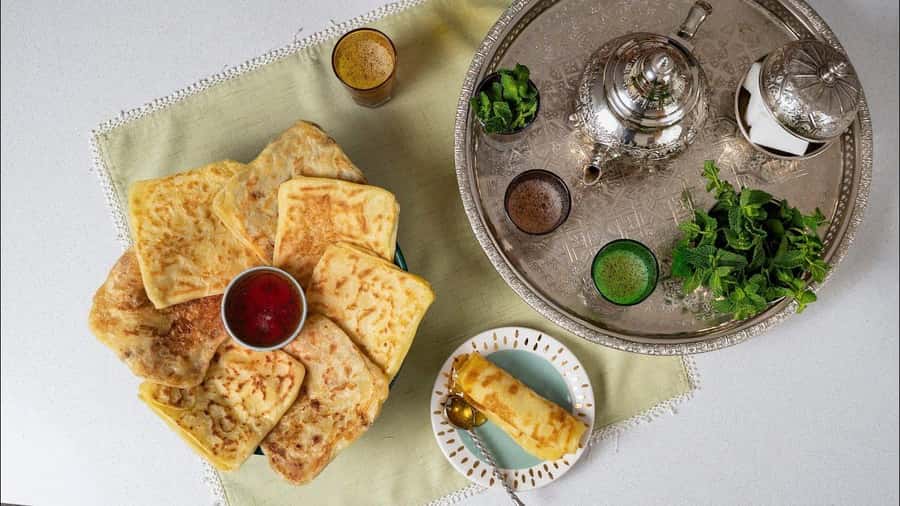
A few small choices will make the 2 hours easier:
- Wear comfortable clothes that you don’t mind getting flour or dough on.
- Bring water, especially if you’re heading straight into baking after walking around the markets.
- Come with good appetite and enthusiasm. You’re going to taste what you make, and you’ll enjoy it more if you’re ready for it.
- If you’re trying to communicate in a new language, don’t overthink it. The class is structured around doing, so you’ll get far even when vocabulary is limited.
One more tip: set aside an hour afterward to digest. Bread-making is active work. You’ll likely feel good, but you’ll also be fed, so plan a slower rest of your day.
Should you book Khmisa Workshops’ crepes and bread class?
I’d book this if you want a hands-on Moroccan food skill in two hours, with mint tea as part of the experience. The small group cap (up to 10) and the “cook then taste” structure make it feel personal, not rushed. At $37, you’re paying for real participation plus recipes, which is exactly what I look for when I want value in Marrakech.
Skip it only if gluten intolerance or food allergies are a concern. Otherwise, this is an excellent choice for couples, friends, and solo travelers who want something more authentic than another walking tour.
If you want to leave Marrakech knowing how to make msemen, harcha, and batbout (not just remembering them), this class is a practical yes.
FAQ
What breads and crepes will I learn to make?
You’ll learn to make three Moroccan varieties: msemen, harcha (galette/pancake style), and batbout (flat bread). You’ll also prepare and taste Moroccan mint tea.
How long is the class?
The class lasts 2 hours.
How much does it cost?
The price is $37 per person.
Where does the class meet?
The workshop address is 44 Der Hajra, Bab Doukkala, Marrakech.
Is the class small-group?
Yes. It’s a small group, limited to 10 participants.
Are ingredients and equipment provided?
Yes. You’ll be provided an apron, plus all the utensils and ingredients you need for the cooking lesson.
Is mint tea included?
Yes. Moroccan mint tea preparation and tasting are included, along with the traditional mint tea ritual.
Do I receive recipes?
Yes. Electronic recipes are included.
What languages are available for instruction?
The instructor languages listed are Arabic, French, and English.
Is it suitable for gluten intolerance or allergies?
No. It is not suitable for people with gluten intolerance and it is also not suitable for people with food allergies.
Can I cancel and get a refund?
You can cancel up to 24 hours in advance for a full refund.