REVIEW · MARRAKESH
From Marrakech: 3-Day Tour To Magical Desert Merzouga
Book on GetYourGuide →Operated by MOROCCO TOURS SAHARA · Bookable on GetYourGuide
Desert sunrise has a way of resetting your brain. On this 3-day run from Marrakech to Merzouga, I love the double camel trek for sunrise and sunset over the Erg Chebbi dunes, and the Bedouin camp evening with Berber drumming and Moroccan hospitality. One drawback to be honest about: you’ll spend long hours in the car, and desert nights can get cold, so comfort needs a bit of planning.
What you’re really buying here is a fast, classic Sahara circuit with the big photo stops (UNESCO Ait Ben Haddou) plus the canyon break at Todra Gorge, then a real night under the stars in the dunes. I also like that luggage service is included, and the drive is handled in an air-conditioned minivan with a driver-guide.
In This Review
- Key highlights worth getting excited about
- Marrakech to Merzouga: what this 3-day circuit is like in real life
- Ait Ben Haddou kasbah: the UNESCO stop that makes the road feel real
- The High Atlas and Ouarzazate connection: the drive that shapes the mood
- Dades Valley dinner and sleep: where comfort matters most
- Tinghir and Todgha Gorges: the canyon break that refreshes the senses
- Erg Chebbi camel trekking: sunset and sunrise, with sand in every detail
- The Berber camp at night: dinner, Tam Tam drums, and stargazing reality
- Price and value: is $173 per person a good deal?
- Guide quality and safety: the difference you’ll feel
- Who should book this Marrakech to Merzouga safari?
- Should you book this Marrakech to Merzouga tour?
- FAQ
- How long is the tour from Marrakech to Merzouga?
- What’s included in the price?
- Where do you sleep during the tour?
- Is lunch included?
- Is a local guide at Ait Ben Haddou included?
- Do you get camel trekking at both sunset and sunrise?
- What should I pack for this trip?
- Is the tour suitable for people with mobility issues?
- Final thoughts: Is it your kind of desert trip?
Key highlights worth getting excited about
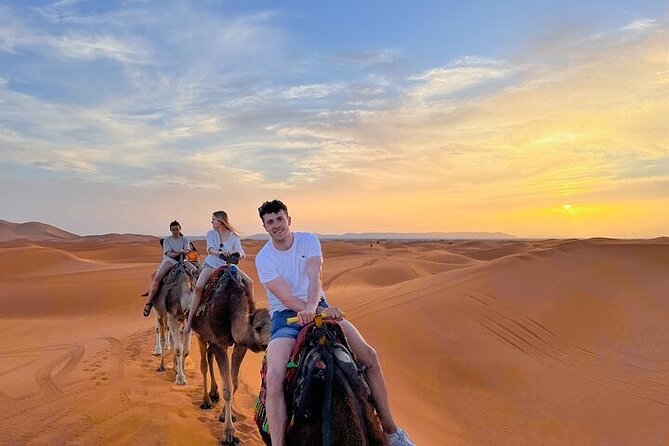
- Erg Chebbi sunrise and sunset on camelback: two very different looks at the same sea of sand
- Bedouin camp night: Moroccan dinner, night music, and stargazing time
- Ait Ben Haddou UNESCO kasbah stop: a film-famous fortified village you can walk through
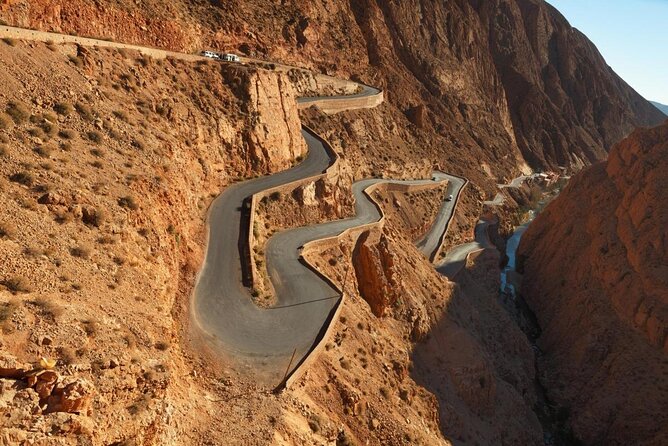
- Todgha Gorges around Tinghir: canyon views where the air feels cooler and the colors change fast
- Real “road trip Morocco” pacing: packed days with plenty of viewpoints, not a slow spa-style tour
Marrakech to Merzouga: what this 3-day circuit is like in real life
This is not a sit-still vacation. You’ll drive out of Marrakech, cross the High Atlas region, then swing south and east toward the Sahara. Expect lots of shifting scenery: villages, valleys, movie-set architecture, and finally dunes. It’s the kind of trip where you get satisfaction from motion, not from resting.
On paper, it’s “just” three days. In practice, it feels like you’re collecting Morocco in chapters. Day 1 is about crossing and arriving with a big cultural stop. Day 2 is about switching gears from mountains and gorges to the desert edge. Day 3 is the last early-morning ritual and then the return drive.
You should go in knowing what matters most on this route: timed experiences. Sunrise camel trekking and desert dinner don’t care about your jet lag. If you’re the type who hates early mornings, plan to treat sunrise as part of the deal.
A few more Marrakesh tours and experiences worth a look
Ait Ben Haddou kasbah: the UNESCO stop that makes the road feel real
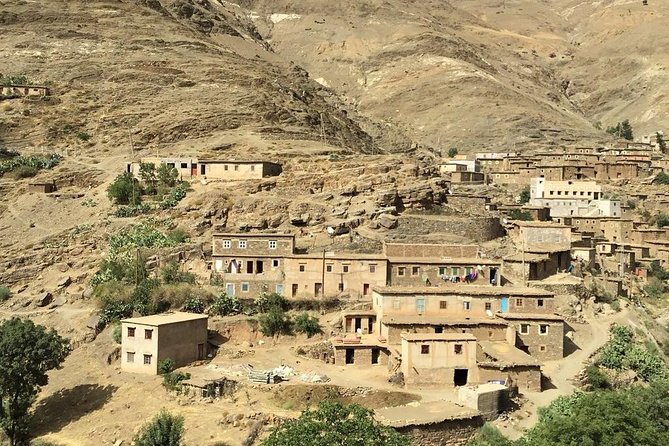
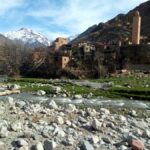
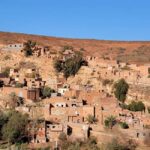
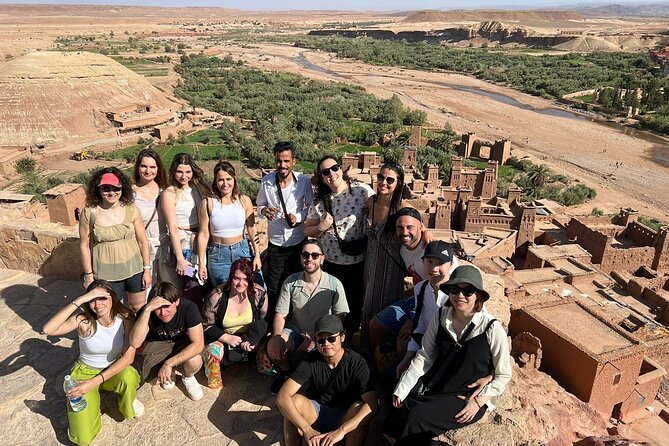
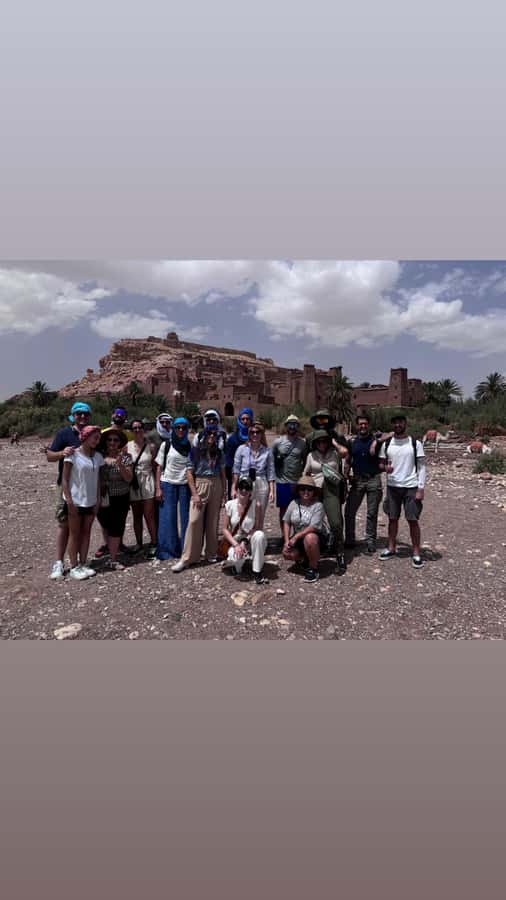
Ait Ben Haddou is the first big “wow” anchor of the trip. You head toward it by crossing the High Atlas past traditional communities, then arrive at the UNESCO-listed fortified village known for its kasbah style. It’s also a production favorite, and that shows in the way the village feels staged—even though it’s fully lived-in and historically grounded.
Here’s how this stop pays off for you: once you see the thick earthen walls and clustered buildings up close, the desert storyline makes more sense. A kasbah isn’t just a landmark; it’s how people historically controlled passage and protected trade routes in a harsh landscape.
A practical note: you’ll have leisure time to wander and take photos. If you want more depth, a local guide can be arranged for an extra charge of 2€ per person. If you love architecture and would rather not guess what you’re seeing, that small add-on can be worth it.
The High Atlas and Ouarzazate connection: the drive that shapes the mood
After Ait Ben Haddou, the drive continues through Ouarzazate, often referred to as the Gate of the Sahara. Even without a lecture, you can feel the shift. The roads open up, the colors get more sandy, and the day starts to feel less like city travel and more like moving through a giant landscape.
Lunch usually happens at roadside or local spots along the way, but lunch and drinks are not included—so plan for self-paid meals. This matters because you’ll want to stay flexible. If you’re sensitive to long stretches between meals, keep a snack handy so you don’t get stuck relying on whatever’s available.
The best part of this driving day is that it sets expectations for the next two: you’re building anticipation the whole time, not waiting until the end.
Dades Valley dinner and sleep: where comfort matters most
The overnight stop is in the Dades area. You’ll admire the scenic drive along the Dades Valley, then enjoy dinner and rest.
One reason this night is a big deal: it’s your buffer before the second day and the real desert push. You’ll want warm layers and calm expectations. The tour includes 1 night accommodation at a hotel, plus dinners and breakfasts are included (2 dinners, 2 breakfasts total across the trip).
A balanced reality check from experience on this route: hotel quality can vary. One luxury tent option exists for the desert night, but the first hotel night may not match that same comfort level for everyone. If you’re the type who needs your room to be spotless and predictable, go light on “guarantees” and pack like you’ll be in a simpler setup.
Tinghir and Todgha Gorges: the canyon break that refreshes the senses
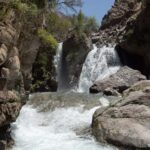
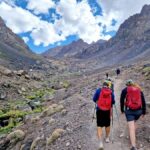
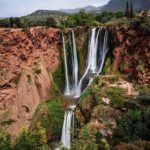
Day 2 turns from valley roads to canyon drama. You drive to Tinghir and then to the Todgha Gorges, with time to explore the canyons. This stop is more than a photo moment. It’s a mental reset between long driving stretches and the desert arrival.
Why it works: gorge walls create a natural contrast. You’ll see sharp tones—stone in different shades—plus a sense of scale that makes the desert feel even bigger later. And because you’re walking around freely for a bit, you get your legs back after the drive.
Lunch is another self-pay moment here. Again: the tour includes meals only where listed as included, while lunch and drinks are not included. I suggest budgeting for lunch and water so you’re not hunting under pressure.
From Todgha/Tinghir, you continue toward Merzouga and the start of the camel caravan. That lead-in matters because you start to see the dune edge approach, and it gets real quickly once camels are involved.
Erg Chebbi camel trekking: sunset and sunrise, with sand in every detail
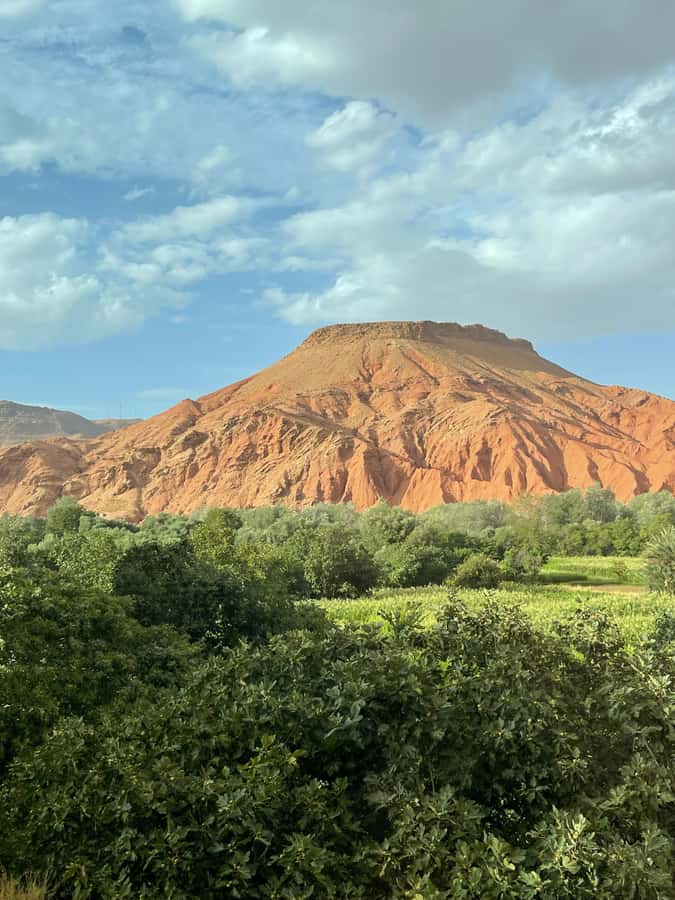
Now for the main event: Erg Chebbi dunes and camel trekking. This part is where your trip stops being “a tour” and becomes a memory you can’t easily edit.
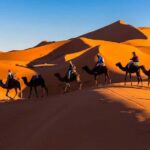
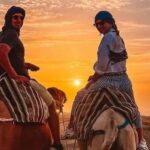
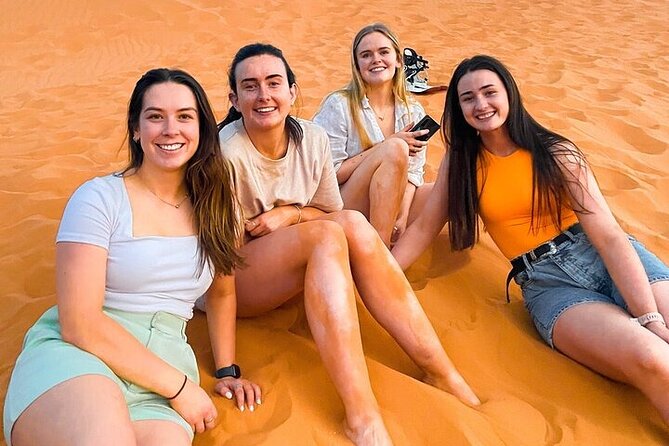
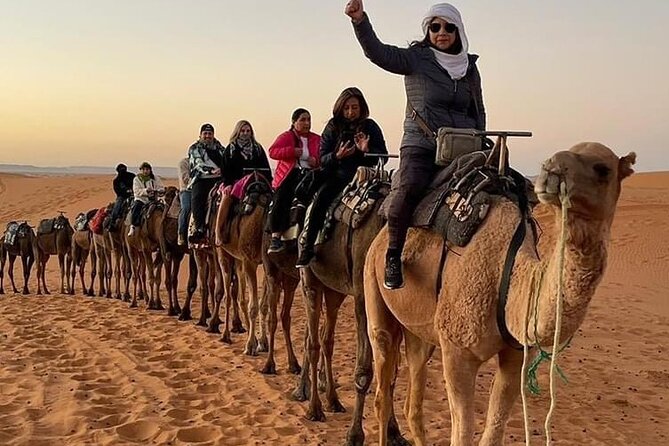
You first do the sunset trek. The dunes turn into a shifting gradient—gold to copper to shadow—while you’re moving at a slow, steady camel pace. It’s not just pretty; it’s calm. You’re not trying to cover ground. You’re watching the desert change while time slows down.
Then there’s the sunrise option on Day 3. There’s an early wake-up and pickup to watch sunrise before breakfast (optional). If you choose it, you’ll get that iconic desert glow when the sand is cool and the horizon feels endless. If you choose not to, you still get breakfast, but you miss one of the trip’s strongest moments.
Practical tips that really matter here:
- Wear layers. Desert nights can be cold, and mornings can be cool too.
- Bring comfortable footwear for walking around camp areas and viewing spots.
- Sunglasses and sun hat help more than you’d expect once you’re on sand and staring at bright horizons.
- Sunscreen is non-negotiable.
Also, camels are part of the experience, and you should feel confident the camels are treated well. From feedback I’ve seen on this kind of route, the handling can be responsible, and the route is usually planned carefully to make the trek smooth rather than rushed.
The Berber camp at night: dinner, Tam Tam drums, and stargazing reality
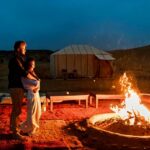
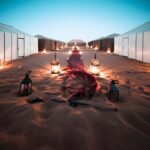
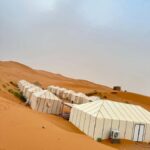
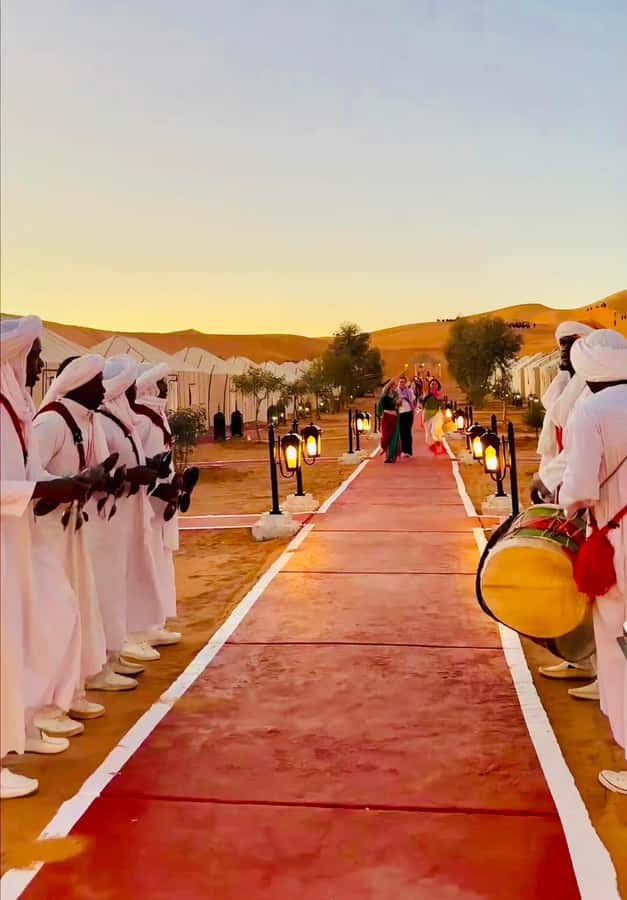
Your second overnight is at a Bedouin camp in the dunes. This is where you slow down and let the desert do the talking. You reach camp before nightfall after the sunset trek, then enjoy dinner under the stars.
One highlight is the Berber drumming and music experience, including Tam Tam style drumming. It adds energy without needing a “showy” vibe. Even if you don’t understand every tradition, the rhythm makes the moment feel shared.
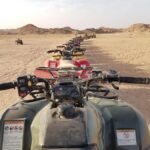
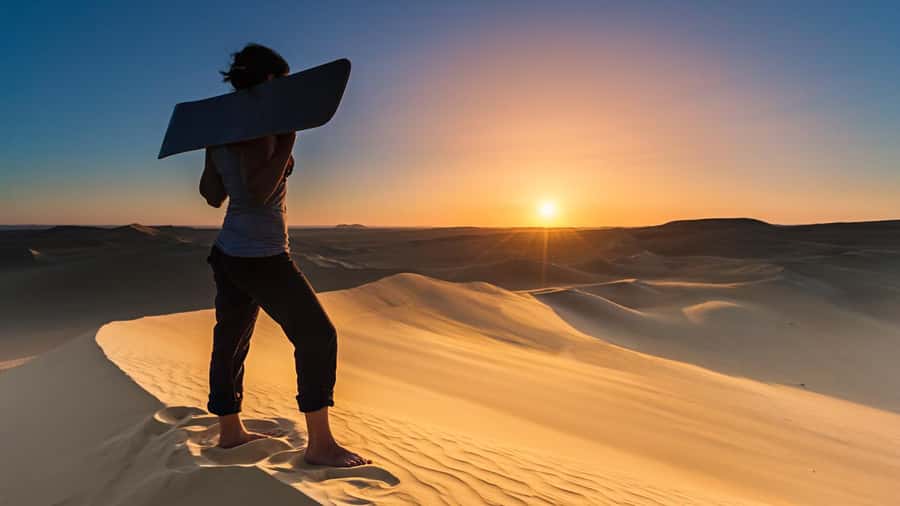
Food is included for the dinners, and the experience often includes a banquet-style setup depending on the camp. Some people also mention extras like sandboarding as part of the broader fun around the dunes, but the only guaranteed cultural component you can rely on from the package is the camp evening and music.
About the stars: you’ll want to step outside and actually look. Desert skies can feel big and immediate, and it’s the kind of night where your phone camera will struggle—but your eyes won’t.
Comfort check: if you select a luxury private tent, you might get a nicer setup. Still, even “luxury” can mean desert limitations. One common issue you might see is basic water flow quirks in tent bathrooms. It doesn’t ruin the trip, but it helps to know that desert infrastructure is different from home.
Price and value: is $173 per person a good deal?
At $173 per person, the value comes from the bundle you get—especially if you were going to pay separately for transport, hotels, and camel trekking.
Here’s what’s included that drives the cost:
- Pickup and drop-off
- Air-conditioned minivan transport
- Driver-guide
- 1 night hotel accommodation
- 1 night desert camp accommodation
- Sunset and sunrise camel trekking
- 2 dinners and 2 breakfasts
- Luggage service
- Berber drumming/music experience
What’s not included (so you don’t get surprised):
- Lunch and drinks
- Local guide at Ait Ben Haddou (optional, extra 2€ per person)
So when is it a “good value” for you? If you want the Sahara experience without assembling it yourself across multiple bookings and transfers, this price is usually competitive because it bundles the hardest parts: long-distance driving, the dunes logistics, and the overnight in the camp.
If you want luxury-only comfort every night, you may feel the trade-offs because the itinerary is active and the first hotel night can be more basic than the desert tent option. The package is about the experience, not about being pampered.
One extra practical note: the operator offers reserve and pay later, which helps if you’re still sorting flights and timing.
Guide quality and safety: the difference you’ll feel
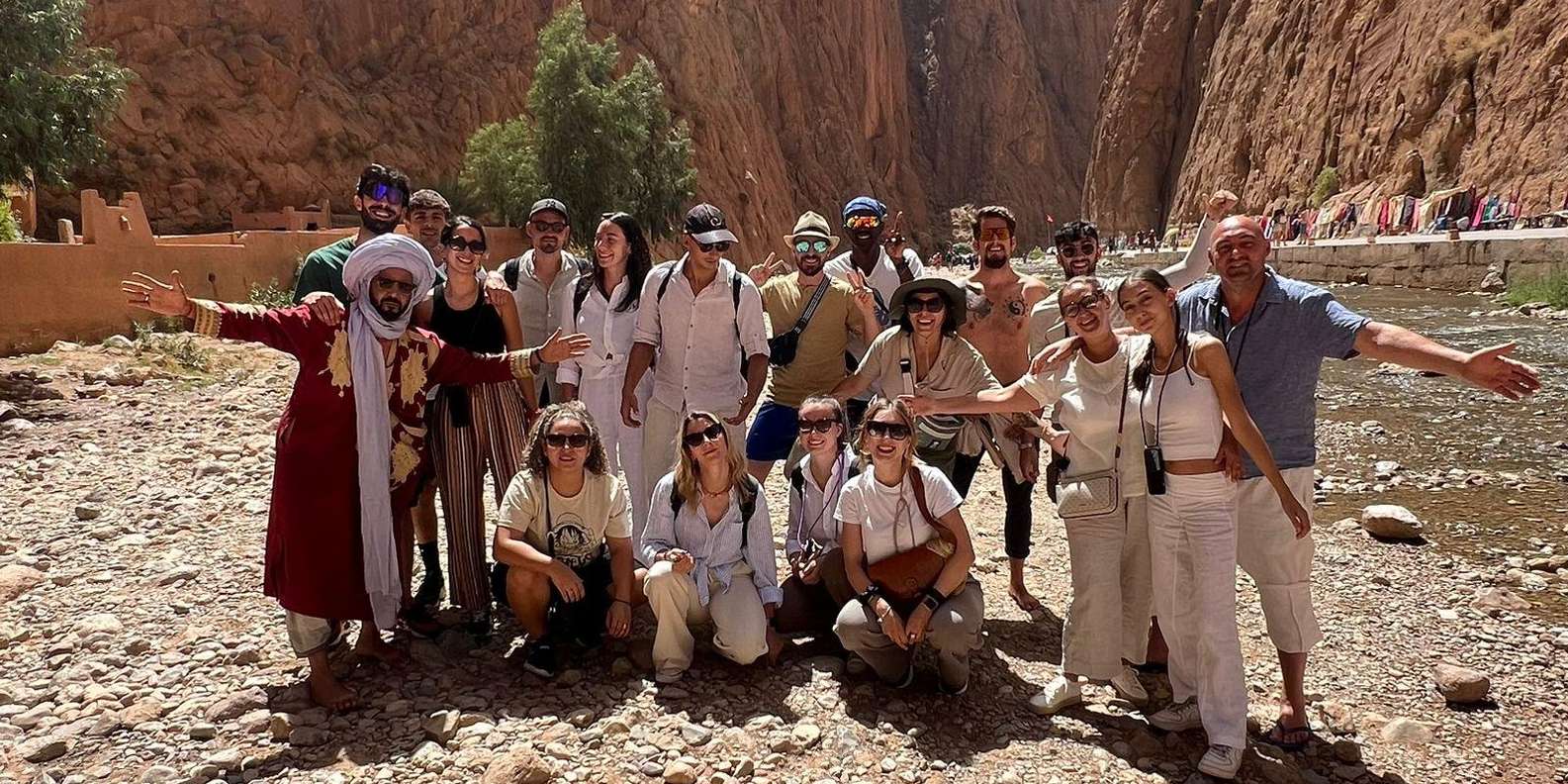
A strong part of this tour is the people doing the driving and guiding. Names that come up with praise include Farid, Ahmed, Omar, and Hamid (often connected to activities). Even when different guides handle different days, the pattern is similar: clear handoffs, attentive pacing, and safe, steady driving.
That matters on this route because you’re covering real distance. A good driver-guide helps you handle the long days without feeling lost. You’ll usually get detailed picking-point info the day before, and you’ll feel looked after when you transition from hotel to caravan to camp.
If you care about safety and smooth logistics, this is a tour type where your guide can make a visible difference.
Who should book this Marrakech to Merzouga safari?
This tour fits you best if you want:
- a classic Sahara experience in a short time
- the big cultural stop at Ait Ben Haddou
- a serious desert moment (camel trek + desert camp night)
- value-focused travel that’s organized enough to enjoy without constant planning
You might want to skip it if:
- you need mobility-friendly access (it’s not suitable for people with mobility issues)
- you’re over 70 (not recommended)
- you hate early mornings or long driving days
Also, if you’re traveling in warmer months, nights may be less intense than in cold seasons, but the trip still expects you to dress for cooler desert air at night.
Should you book this Marrakech to Merzouga tour?
Yes, if you want a straight shot to the Sahara with the main ingredients done for you: UNESCO kasbah time, canyon scenery, then sunrise and sunset camel treks plus a real Bedouin camp night with music. The $173 price is strongest when you treat this as an all-in Morocco experience, not a comfort-first hotel break.
I’d book it with a few smart expectations: pack warm layers, plan for self-paid lunch and drinks, and accept that the first hotel night may feel simpler than the desert camp setup. If you can handle that, you’ll walk away with exactly the kind of desert memories that don’t fade easily.
FAQ
How long is the tour from Marrakech to Merzouga?
It’s a 3-day tour. You travel from Marrakech to Merzouga, spend a night in the Dades area and a night in a desert camp, then return to Marrakech.
What’s included in the price?
Pickup and drop-off, air-conditioned minivan transport, a driver-guide, 1 night hotel accommodation, 1 night desert camp accommodation, sunset and sunrise camel trekking, 2 dinners and 2 breakfasts, luggage service, and Berber drumming/music.
Where do you sleep during the tour?
You sleep one night in a hotel and one night at a Bedouin camp in the Erg Chebbi dunes.
Is lunch included?
No. Lunch and drinks are not included, even though you’ll have stops for meals during the drive.
Is a local guide at Ait Ben Haddou included?
No. A local guide at Kasbah Ait Ben Haddou is available for an extra charge of 2€ per person.
Do you get camel trekking at both sunset and sunrise?
Yes. The tour includes sunset camel trekking in Erg Chebbi and sunrise camel trekking as an early wake-up option.
What should I pack for this trip?
Bring your passport, sunglasses, a sun hat, sunscreen, and plan for comfortable footwear. Warm clothing is also important for desert nights.
Is the tour suitable for people with mobility issues?
No. The tour is not suitable for those with mobility issues.
Final thoughts: Is it your kind of desert trip?
If you’re excited by motion—mountains, gorges, then dunes—and you want the Sahara experience delivered in one organized package, this is a strong choice. Just don’t plan it like a lazy getaway. Plan it like a story you’ll want to remember.