REVIEW · MARRAKECH
Marrakech to Merzouga 3 Day Desert Safari
Book on Viator →Operated by Marvels Tours · Bookable on Viator
The Sahara has a way of changing your time. This 3-day Marrakech to Merzouga trip is built around big sights, simple logistics, and a real desert night in the Erg Chebbi area. You’ll ride a comfortable air-conditioned minibus, then switch to camel trekking for those dune moments at sunset and sunrise.
I especially like how the route mixes the famous with the local: UNESCO-listed Kasbah Ait Ben Haddou on Day 1, then Tangier-free, small-city vibes in Tinghir with a typical Moroccan dinner. I also like that meals are handled for you, so you’re not constantly hunting for lunch and negotiating while you’re tired from driving.
One thing to watch: the included accommodation is listed as hotel bougafar, while the experience description also promises an overnight Bedouin camp. Before you go, confirm exactly what your night will be like on your date, so there are no surprises.
In This Review
- Key points before you go
- From Marrakech at 7am: the pace and comfort you should expect
- Kasbah Ait Ben Haddou: UNESCO stop with guided-style context
- Ouarzazate route to Tinghir: dinner, valley views, and a quieter reset
- Jemaa el-Fnaa taste and the Toudra Gorges approach to Merzouga
- Sunset camel ride and stargazing dinner at the campsite
- Day 3 in the Merzouga Desert: making sense of the 8-hour block
- What’s included, what isn’t, and where money actually goes
- Shared-tour value: is $125.56 per person a fair deal?
- One thing to double-check before you head out
- Should you book this Marrakech to Merzouga 3-Day Desert Safari?
- FAQ
- What time does the tour start in Marrakech?
- Where do I meet the tour?
- Is pickup included?
- How big is the group?
- What kind of transportation is used?
- What camel activities are included?
- What meals are included?
- What are the main items not included in the price?
- If I cancel, do I get a refund?
Key points before you go
- Air-conditioned 17-passenger minibus: long road day, with less discomfort
- UNESCO Kasbah Ait Ben Haddou: guided-style commentary instead of just a stop
- Toudra Gorges route: a classic mountain pass on the way to the dunes
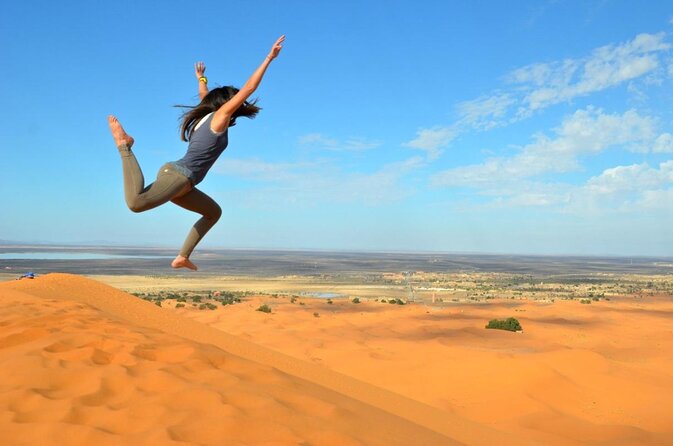
- Camel ride at sunset (1.30 hours): the timing you want for golden dunes
- Merzouga Desert time (8 hours): enough hours to see more than a quick photo stop
- Small group size (up to ~17): easier pace than giant tour buses
From Marrakech at 7am: the pace and comfort you should expect
This safari starts early: the day begins around 7:00 am in Marrakech. Your meeting point is Café de France, Place Jemaa El Fna, and pickup may also be offered depending on where you’re staying. The drive is done in a 17-passenger air-conditioned minibus, which matters on Morocco’s longer routes.
Plan for a day that runs on the road. Day 1 is packed with a major cultural stop and then an evening arrival in Tinghir, so you’ll want comfortable clothes and a light layer for the minibus. If you’re the type who likes to squeeze in photos every few minutes, you’ll enjoy the structured stops. If you hate rushing, you’ll still be okay, but you’ll feel the “safari rhythm” from start to finish.
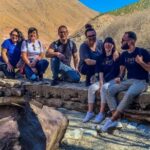
Group size is kept small. The tour is described as a shared experience capped at around 17 passengers (with a maximum noted at 15 in the details), so it stays more personal than big coach tours. That also usually means fewer delays when everyone returns to the vehicle.
A few more Marrakech tours and experiences worth a look
Kasbah Ait Ben Haddou: UNESCO stop with guided-style context
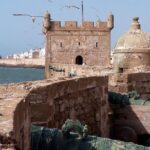
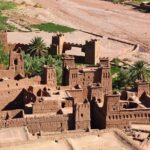
Day 1 is anchored by Kasbah Ait Ben Haddou, a UNESCO World Heritage site. You’ll travel toward Ouarzazate and make your first major stop at the kasbah, with personalized commentary so you’re not just walking through walls without any story.
What makes this stop worth your time is how cinematic the site feels. It’s the kind of place where shapes and materials tell you how communities built for defense and survival. Even if you’re not a total architecture nerd, you’ll likely appreciate the compact layout and the way the kasbah rises from the surrounding terrain.
A practical tip: if you want a deeper explanation inside the kasbah itself, local guiding is available for an extra charge. The tour doesn’t require it, but knowing that option exists helps you decide. Also, be ready for uneven steps and narrow passages, since these old kasbah streets weren’t designed for modern footwear comfort.
Ouarzazate route to Tinghir: dinner, valley views, and a quieter reset
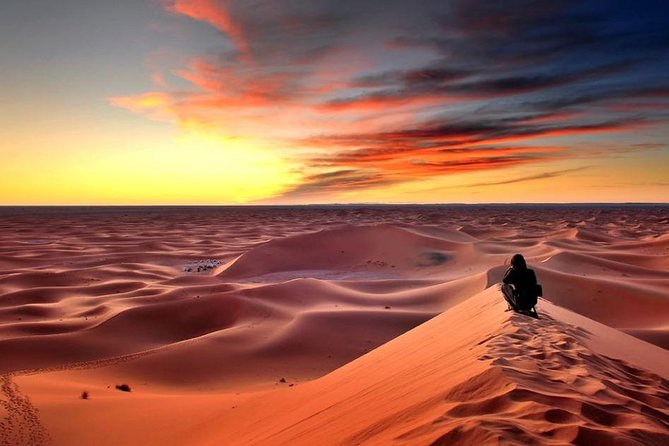
After Ait Ben Haddou, you continue toward the Atlas region and end the day in Tinghir. The plan calls for a typical Moroccan dinner and an overnight in a small hotel or hostel, with the bonus of valley views from where you sleep.
This is a smart break between big sightseeing days. Day 1 ends in a calmer setting than Marrakesh, so you have a chance to slow down before the more remote desert portion begins. You’ll likely appreciate the contrast: kasbah and driving in the day, then dinner and rest at night.
The “drawback” here is simple: you’ll be tired. It’s another long travel day, and the dinner is there to keep you from spending your evening searching. If you’re picky about timing for food, keep expectations flexible. This is a touring rhythm, not a stay-put vacation.
Jemaa el-Fnaa taste and the Toudra Gorges approach to Merzouga
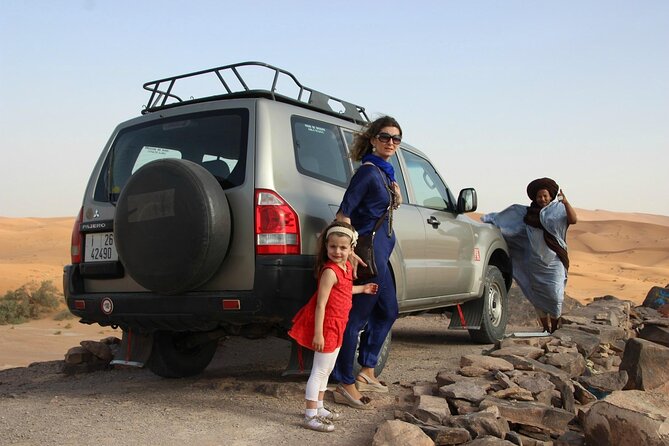
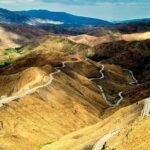
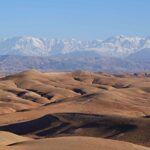
Day 2 starts with breakfast at the hostel, then you head toward Merzouga via Toudra Gorges. That route matters because it shifts you from plateau driving into a canyon-and-mountain feel. The gorges are one of the classic ways to make the journey feel like part of the destination, not just transportation.
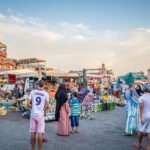
There’s also a short stop at Jemaa el-Fnaa (about 20 minutes, admission included). The timing of that stop can feel like a bonus detour on an already full day, but it does give you a quick taste of Marrakesh’s energy. Since your day is built around desert travel, treat it as a quick look, not a full Medina evening.
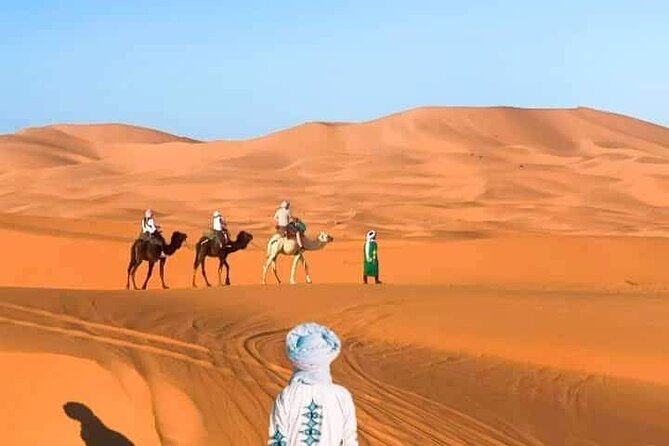
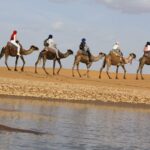
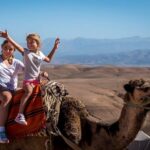
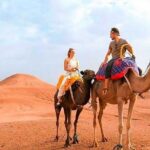
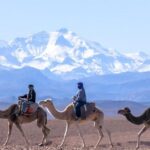
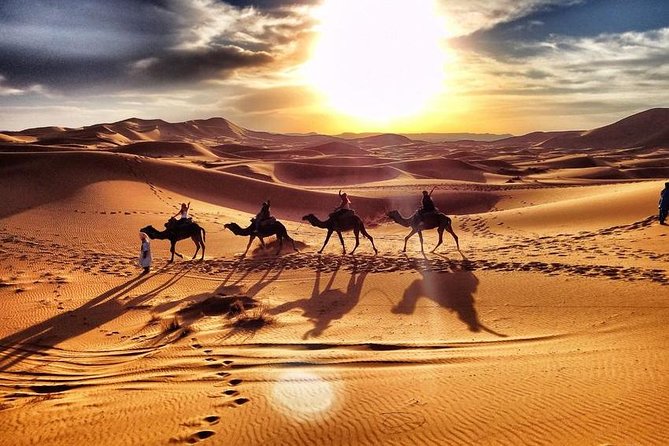
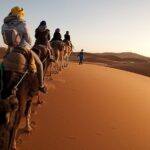
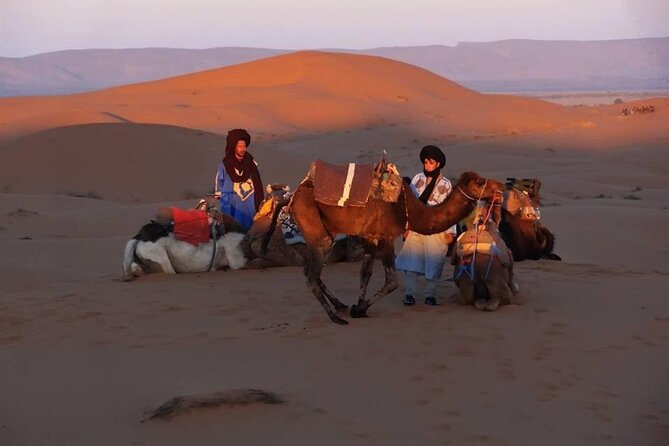
Then comes the key moment: during sunset, you’ll take a 1.30-hour camel ride. This is the kind of planned slow-down that makes the Sahara feel earned. It’s not just a ride for photos; it’s a transition from road travel to desert rhythm. If you’re sensitive to saddles or bumpy footing, consider asking when you mount and wear closed shoes for grip.
Sunset camel ride and stargazing dinner at the campsite
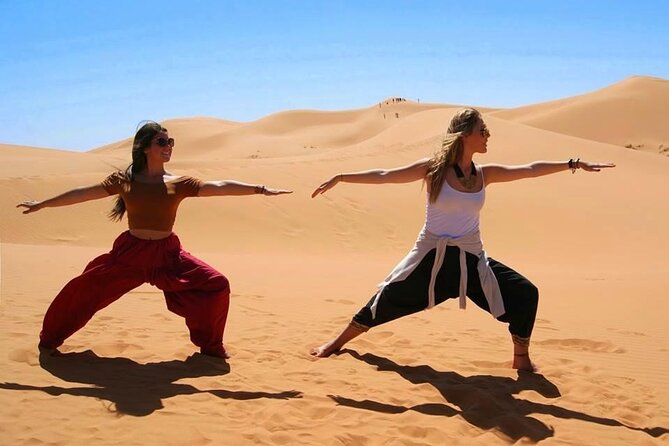
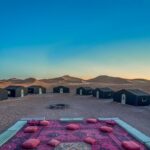
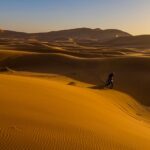
Merzouga is where the experience starts to feel truly different. After the camel ride, the day ends with dinner at a campsite under the stars of the dune sky. This is one of the best “set pieces” in the whole itinerary because it’s timed for atmosphere.
Here’s what you should take seriously: temperatures. Even though the schedule is focused on sunset and dunes, desert evenings can cool down fast once the sun drops. Bring a light layer or packable jacket even if the day is warm.
Another practical note: the tour description emphasizes an overnight Bedouin camp experience, while the included accommodation is listed as hotel bougafar. That doesn’t have to be a dealbreaker, but it does mean you should confirm what your night includes on the ground. Ask your operator (or check your booking details) so you know whether you’ll sleep in a more traditional camp setup or in a hotel with the desert portion organized nearby.
Either way, you’ll want to prioritize the evening. This is when the Sahara stops being an idea and becomes real darkness, real silence, and a clear view of stars that you don’t get in the city.
A few more Marrakech tours and experiences worth a look
Day 3 in the Merzouga Desert: making sense of the 8-hour block
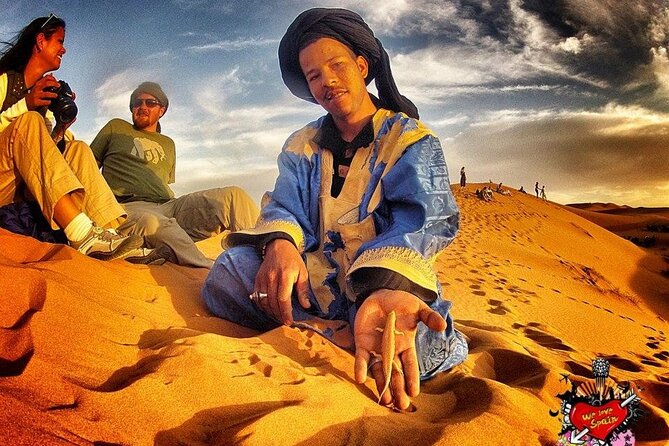
Day 3 is mostly your time in the Merzouga Desert, listed at 8 hours with admission included. This long block is valuable because it lets you do more than one quick viewing and call it a day.
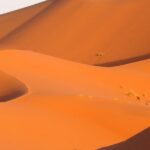
Also, your trip highlights mention seeing sunrise in the Erg Chebbi dunes. In practice, sunrise plans depend on how the desert camp schedules meals and wake-up time, but the intention is clear: you’re meant to catch the light when the dunes change color. If you prefer sleeping in, you might find this the most challenging part of the trip. If you’re chasing that early-morning magic, this is exactly why you booked.
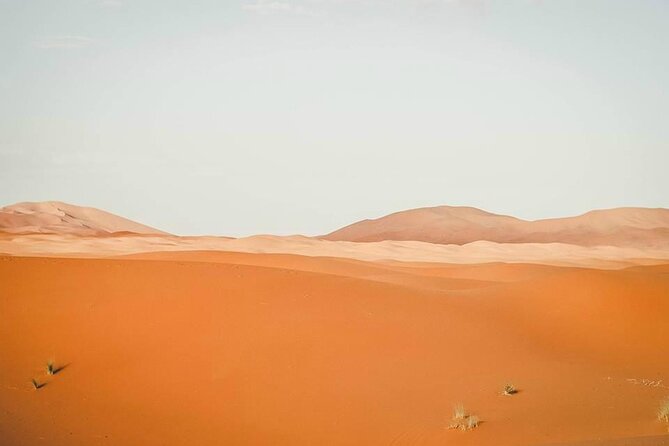
During these 8 hours, expect a mix of time outdoors and planned desert activity. The key is that you’re not rushed through the dunes for a single photo. You get enough time to walk a bit, enjoy the setting, and settle into the stillness.
What’s included, what isn’t, and where money actually goes
The inclusions focus on the essentials of a road-and-desert itinerary. You should expect dinner(s) and breakfast, plus an accommodation night listed as hotel bougafar. Pickup is offered, and you’ll receive a mobile ticket.
What’s not included is where you’ll want to budget carefully:
- Lunches
- Beverages
- Tips to the driver
- Bottled water
- Optional local guides at Kasbah Ait Ben Haddou if you want deeper in-casbah commentary
This is a tour that keeps you moving, so spending on lunch and drinks is likely your main extra cost. If you tend to buy water frequently in hot climates, plan ahead. You’ll thank yourself later if you budget for bottled water and keep your own stash when possible.
For value, this works best if you’re the kind of traveler who doesn’t want to micromanage daily logistics. Meals and major transport are handled, and you’re paying for the route, the desert timing, and the guided stops that would be harder to piece together on your own.
Shared-tour value: is $125.56 per person a fair deal?
At $125.56 per person, you’re paying for three big categories: transport, key guided stops, and the desert night portion with camel-based activities. The air-conditioned minibus and small-group setup help justify the price compared with DIY travel that would require multiple bookings and longer, less coordinated planning.
This is also a good deal style-wise. You’re not just paying for sightseeing—you’re paying for timing. The sunset camel ride and the sunrise element are the kind of details that make the Sahara feel like an experience instead of a detour. Plus, a UNESCO stop at Kasbah Ait Ben Haddou is included, and there’s commentary included in the way it’s handled.
Where the price might feel less satisfying: if you’re expecting luxury accommodations all night. The stay includes an accommodation night (and the description references a Bedouin camp style experience), but it’s still a desert-oriented trip with practical comfort. Think cozy and functional more than fancy and spa-like.
Who this suits best
This tour is a strong fit for first-timers to the Sahara, people who want a guided route without day-to-day planning, and anyone who values a structured itinerary with key timing (sunset and sunrise). It’s also ideal if you want to see the kasbah and gorge route rather than fly straight to dunes.
If you dislike early mornings or long drives, you’ll need to adjust expectations. You’ll still get the sights, but you’ll do it in a “schedule-first” way.
One thing to double-check before you head out
One practical caution from the type of issues that can pop up on shared tours: confirm the operating company branding and the exact pickup details shown on your vehicle or in your confirmation. On the day, it’s smart to match your confirmation name to what you see at the meeting point, especially when operators run multiple similar-style tours.
Also, because of the hotel bougafar vs Bedouin camp wording difference, verify your accommodation format. Ask one simple question: where will you sleep on your desert night, and what should you expect for the setup? Getting that clarified keeps the experience smooth.
Should you book this Marrakech to Merzouga 3-Day Desert Safari?
I’d book this if you want a guided Sahara experience with real timing and you prefer to let someone else handle the daily logistics. The combination of Kasbah Ait Ben Haddou, the Toudra Gorges route, and Merzouga dune time gives you variety without requiring planning work.
Skip it (or ask lots of questions first) if you’re strict about accommodation type and you need to know exactly whether it’s a traditional Bedouin camp sleep versus hotel-based lodging near Merzouga. Also consider your tolerance for early starts and long road hours.
If your priority is seeing the desert the right way—sunset camel ride, stargazing dinner, and sunrise dunes—this itinerary is built for that.
FAQ
What time does the tour start in Marrakech?
The program begins at 7:00 am from Marrakech.
Where do I meet the tour?
The listed starting meeting point is Café de France, Place Jemaa El Fna, Marrakech 2034, Morocco.
Is pickup included?
Pickup is offered, depending on your pickup arrangements.
How big is the group?
This is a shared tour in a small group. It is described as no more than 17 passengers, with a maximum of 15 travelers noted in the details.
What kind of transportation is used?
You travel in an air-conditioned 17-passenger minibus.
What camel activities are included?
You get a 1.30-hour camel ride during sunset, and the highlights also mention sunrise in the Erg Chebbi dunes.
What meals are included?
Dinner and breakfast are included. Lunches are not included.
What are the main items not included in the price?
Lunches, beverages, tips to the driver, bottled water, and optional local guides at Kasbah Ait Ben Haddou (if you want one) are not included.
If I cancel, do I get a refund?
This experience is non-refundable and cannot be changed for any reason. If it’s canceled due to poor weather or because the minimum traveler number isn’t met, you’ll be offered a different date or a full refund.