REVIEW · OURIKA VALLEY
Marrakech Day Trip to Ourika valley & Waterfalls
Book on GetYourGuide →Operated by ATLAS VERTICAL TRAVEL · Bookable on GetYourGuide
A mountain day outside Marrakech feels like therapy. This trip hits two of my favorite things in Morocco: the High Atlas drive in the morning and a guided hike to the waterfalls once you’re in Ourika Valley. I’m also a fan of the local-culture stops that add texture to the day, like mint tea with a family and visits tied to Berber home life.
One thing to weigh: lunch and drinks are not included in the base price, and the village-style stops can come with extra opportunities to buy small items (pottery and aromatic products are part of the plan).
You’ll start early with pickup from your accommodation area, ride in a shared van, then spend a focused chunk of time in the valley—long enough for photos and walking, not so long that you feel trapped in a bus all day. Plan for a moderate uphill/outdoor day and bring the basics so you’re comfortable around the river and falls.
This is a great pick if you want a structured day that still leaves room to slow down. It’s not ideal if you use a wheelchair, and if you have food sensitivities, you’ll want to flag them ahead of time.
In This Review
- Key Things to Know Before You Go
- Morning Pickup and the High Atlas Drive: Where the Day Begins
- Ourika Valley Arrival: The Views, the Timing, and the Pace
- The Berber Village Visit and Mint Tea: More Than a Photo Stop
- Pottery House and Aromatic Garden: Fragrance, Hands-On Craft, and Choices
- Waterfall Hike: The Moderate Walk That Feels Worth It
- Lunch Near the Falls: A Nice Location, But Plan for Variability
- Riverbank Relax Time: Where the Day Becomes Unhurried
- Return to Marrakech: Ending Smooth, Not Exhausting
- Who This Day Trip Suits Best
- Value Check: Is $22 a Good Deal for Ourika Valley?
- Should You Book This Ourika Valley Trip?
- FAQ
- What time does the tour depart from Marrakech?
- How far is Ourika Valley from Marrakech?
- How long do we spend in Ourika Valley?
- Is the waterfall hike included?
- What is included in the price?
- What is not included?
- What languages does the driver speak?
- What should I bring for the hike?
- Is the tour wheelchair accessible?
Key Things to Know Before You Go
- High Atlas views from the road: Expect a scenic drive that sets the tone before you even reach the valley
- Mint tea + Berber village time: A short cultural visit gives you context for what you’re seeing
- Aromatic garden stop: You’ll see how locals connect fragrance, plants, and everyday life
- Guided waterfall hike (about 1 hour): Enough walking to feel active, with guidance to keep it easy
- Riverbank free time after lunch: Time to cool off by the water and take photos at your pace
Morning Pickup and the High Atlas Drive: Where the Day Begins
Your day starts with pickup in Marrakech, typically around 9:00 AM, and you’ll head toward Ourika Valley with a shared van. The drive itself is a big part of why this works. Even before the waterfalls, you’ll be watching the terrain change as you climb—Marrakech city life fades, and the High Atlas scenery takes over: mountain slopes, terraces, and that crisp feeling that comes with getting out of the heat.
This is also where you’ll get your first hint of the tour style. A shared ride means you’re not just paying for a destination; you’re paying for a smooth handoff between activities. The driver (English, French, Arabic, and Spanish) keeps the timing moving so you can focus on the views instead of routing yourself.
Tip: If you’re prone to motion sickness, pack something for the road. The trip isn’t described as rough, but mountain roads do involve turns and elevation changes.
A few more Ourika Valley tours and experiences worth a look
Ourika Valley Arrival: The Views, the Timing, and the Pace
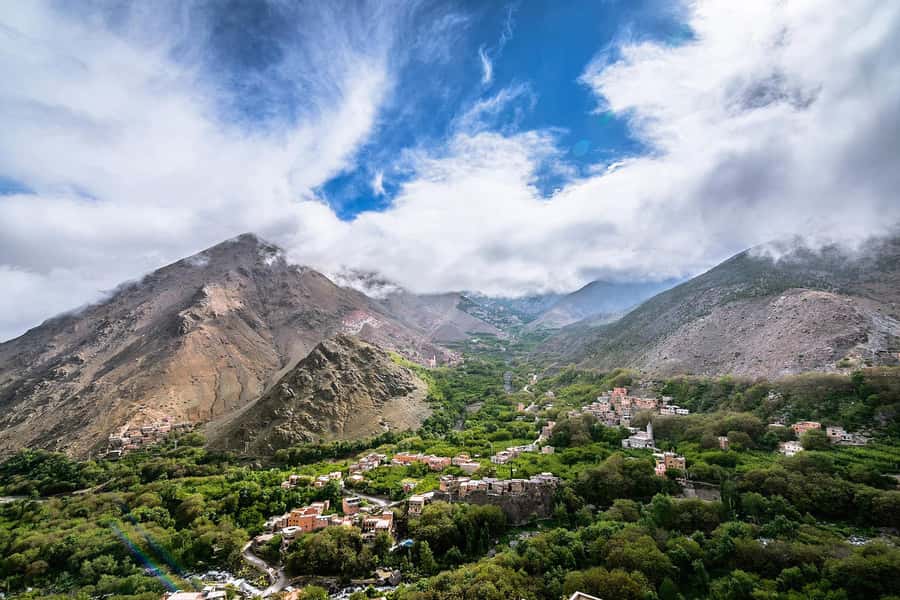
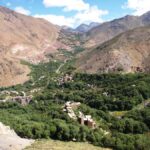
Once you arrive in Ourika Valley, the day shifts into “walking-friendly mode.” You’ll get the full picture fast: the valley sits under the High Atlas Mountains, with greenery that contrasts strongly with Marrakech. This is one of those places where the scenery changes as you move a few steps—river sounds, shaded spots, and different vantage points over the valley.
You’ll also have a clear rhythm to your time. The plan is not just waterfalls. It includes a local family visit, a pottery stop, and an aromatic garden, then a hike, then lunch and downtime. That structure matters because it turns a single attraction into a day with context.
On fitness: the hike is described as moderate and suitable for all fitness levels. Still, you should expect some uneven ground and uphill sections. Bring the basics (comfortable shoes, long pants) and you’ll be fine.
The Berber Village Visit and Mint Tea: More Than a Photo Stop
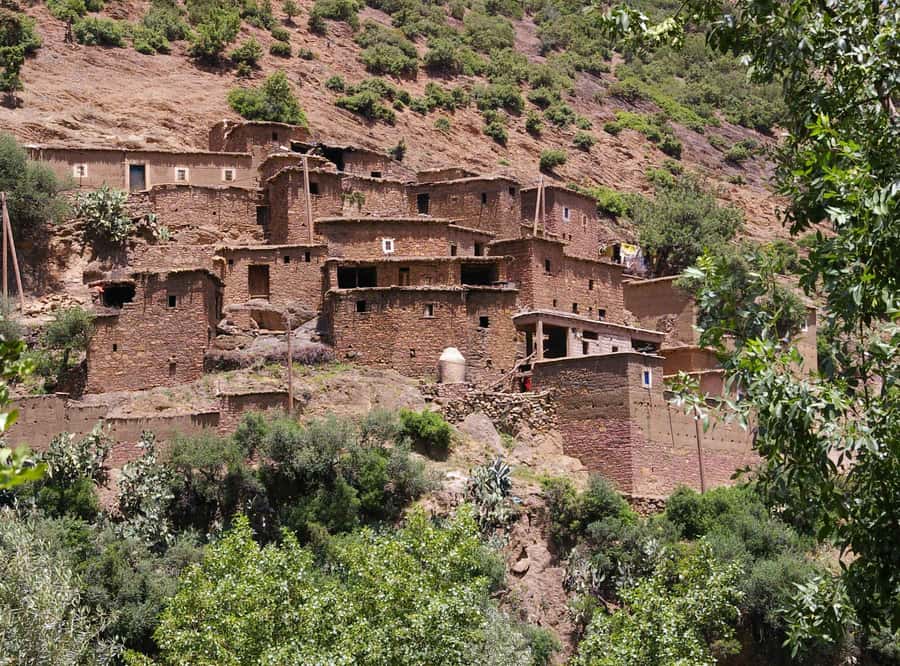
A standout part of the day is meeting a local Berber family and being welcomed with mint tea. Even when visits are short, this kind of stop changes how you read the valley. Instead of seeing terraces and houses as scenery only, you start to understand how daily life connects to water, land, and community.
Here’s what you can realistically expect from a village visit of this type:
- brief exploration time for walking around and seeing the space
- interaction with locals (this is where you can ask simple questions if you speak French/Arabic/English, or rely on the guide to help)
- a mint tea moment that’s both relaxing and culturally meaningful
The trip also includes a visit to a pottery house. That’s a good pairing with the family welcome. Pottery isn’t just an object here—it’s tied to craft and routine. If you’re the type who likes to understand how something is made, you’ll appreciate this stop.
Practical note: Many tours like this give time for browsing and buying. If you don’t want to shop, you can usually look without pressure, but you may notice the expectation of purchases. I’d go in with that mindset so it doesn’t feel awkward if someone encourages you.
Pottery House and Aromatic Garden: Fragrance, Hands-On Craft, and Choices
Two included culture stops help this day feel like more than nature: pottery and an aromatic garden.
The pottery visit is typically about showing materials, shaping, and the idea of craft passed through hands and generations. It’s worth your attention if you care about process—watching how everyday objects take form slowly, rather than buying souvenirs with no context.
Then comes the aromatic garden. This is where the day gets quietly interesting. Morocco’s plant-based traditions show up in daily life through scent, preparation, and home remedies. You’ll likely see different plants, smell strong aromas, and get explanations from the guide.
The useful takeaway: these stops can become “decision moments.” You might choose to buy something small (a bottle of scent, plant-based products, or pottery), or you might just enjoy the demonstration. Either way, you’ll understand the connection between the valley setting and the local lifestyle.
If you have allergies or sensitivities, this is the section where you should be careful and communicate. The operator asks you to inform them of dietary needs and also whether you’re allergic to camel skin/fur. That last detail is worth flagging even if you’re not expecting animal contact, because it’s explicitly mentioned as something to advise in advance.
Waterfall Hike: The Moderate Walk That Feels Worth It
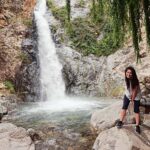
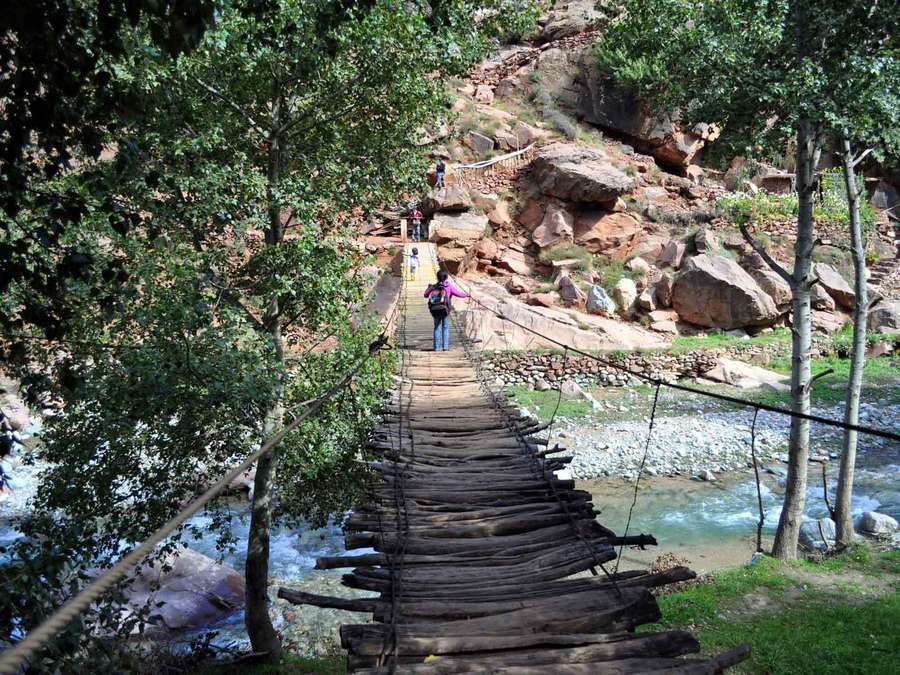
The highlight for most people is the hike to the waterfalls. You’ll go with a hiking guide for about 1 hour. That’s a smart length: long enough to earn the views, short enough to keep the day from turning into a full endurance test.
What makes the hike appealing is the combination of:
- a moving, changing view as you walk
- waterfall cascades you can hear before you fully see them
- panoramic looks back over the valley once you’re at a good spot
This is the part of the day where your photos improve immediately. You’re not just taking snapshots from a road. You’re getting angle and texture: water over stone, mist in shaded areas, and the valley opening behind you.
What to bring matters here:
- comfortable shoes with grip
- a sun hat and sunscreen
- sunglasses if it’s bright
And don’t underestimate river humidity. It can feel cooler near the water, even on a sunny day.
One caution I’d mention: in one reported case, the guide arrangement for seeing the falls didn’t go smoothly. The takeaway isn’t to panic—it’s to ask clear questions early. If the waterfall timing feels tight, confirm when you’ll reach the viewing spots and how long you’ll have there.
Lunch Near the Falls: A Nice Location, But Plan for Variability
After the hike, you’ll have lunch at a local restaurant and time to relax afterward. The trip description emphasizes a lunch near the scenery, and that setting can be genuinely enjoyable.
Still, the details here are a bit mixed in practice. Lunch and drinks are listed as not included, which means you’re paying for the meal separately, and quality can vary by the restaurant and what’s available that day.
My practical approach: treat lunch as part of the valley experience, not as the guaranteed best meal of your trip. If you have dietary restrictions, tell the local partner ahead of time so they can steer you toward options that work. The operator explicitly asks you to inform them of any dietary requirements and food allergies.
If you’re a picky eater, or if you’re sensitive to spice, consider bringing a simple plan for what you’ll order once you arrive (and speak up early through the guide so nothing gets lost in translation).
Riverbank Relax Time: Where the Day Becomes Unhurried
After lunch, you’ll have free time to relax near the river and waterfalls. This is the part I like most for recharging your brain. The walking and village visit give you stimulation, but the valley gives it back slower: sitting, listening to water, and watching people move in and out of shaded spots.
This isn’t downtime as a “filler.” It’s genuinely useful. You’ll often get the best photos when the timing is right—steam from the falls, softer light under trees, and fewer people wandering once the group pace slows down.
If you want to explore a bit more, you can take a short walk and extend your photo time. If you don’t, just find a comfortable patch near the water and let the day settle.
Return to Marrakech: Ending Smooth, Not Exhausting
The day ends with the drive back to Marrakech, dropping you at your accommodation. Because pickup and drop-off are handled as part of the package, you avoid the stress of trying to find transport back when you’re tired and hungry.
The ride back typically feels quicker than you expect, mostly because you’ve already done the main work of the day. You’ll have that calm post-hike vibe—sun on your face, water in your ears, and a head full of mountain views.
If your pickup location is outside the Medina, the plan can include arranging a private taxi to get you to the meeting point for an extra charge. That’s a reasonable solution, and it helps avoid the frustrating “you’re too far from the start” situation.
Who This Day Trip Suits Best
This tour is a good fit if you:
- want a Marrakech day trip that mixes nature + culture instead of only driving to one viewpoint
- enjoy guided walking that doesn’t require serious training
- like Berber village context, including mint tea and craft-focused stops
- want time to relax by the river afterward
It may not be your best choice if you:
- use a wheelchair (not suitable)
- dislike village stops that could lead to shopping opportunities
- have strict dietary needs and want a fully custom menu (the operator can plan if you tell them, but the lunch restaurant is still local)
Value Check: Is $22 a Good Deal for Ourika Valley?
At around $22 per person, this is priced like a budget-friendly day that still covers the essentials: transportation, pickup, guided hiking, and cultural visits (including mint tea, pottery house, and an aromatic garden).
The key is to match expectations to inclusions:
- Included: transport, village-family mint tea visit, pottery house, hiking guide (about 1 hour), and drop-off
- Not included: lunch and drinks
So the real cost depends on what you spend on lunch. If you budget for the meal and you’re happy with a moderate hike plus a structured cultural program, the value is strong. If you’re hoping lunch is included and you only want waterfall time, you may feel like you’re paying extra for stops you didn’t plan for.
My advice: decide what you care about most—views, walk time, or cultural texture—and treat the other elements as supporting acts.
Should You Book This Ourika Valley Trip?
Book it if you want a straightforward, guided day out of Marrakech with a real sense of place: mountain views, Berber hospitality, a focused hike to waterfalls, and time to sit by the river.
Skip it (or at least ask more questions before committing) if you’re sensitive to:
- unclear expectations around shopping opportunities during village stops
- variability in lunch timing and quality, since lunch isn’t included
- any special activities that you might hear mentioned separately, especially if they’re not part of your core inclusion expectations
If you do book, send your dietary/allergy info ahead of time and confirm the waterfall viewing plan in the morning. That small effort makes the day feel smoother.
FAQ
What time does the tour depart from Marrakech?
The departure time is listed as 9:00 AM, with pickup from your accommodation.
How far is Ourika Valley from Marrakech?
Ourika Valley is about 1.5 hours by van from Marrakech.
How long do we spend in Ourika Valley?
The time in Ourika Valley is listed as about 3 hours, including visits, lunch time, and the hike.
Is the waterfall hike included?
Yes. A hiking guide for the waterfall walk is included, and it’s about 1 hour.
What is included in the price?
Pickup from the meeting point, shared transportation, a visit to a local family with mint tea, a pottery house visit, a waterfall hiking guide (about 1 hour), and hotel drop-off.
What is not included?
Drinks and lunch are not included.
What languages does the driver speak?
The driver is listed as speaking Spanish, English, French, and Arabic.
What should I bring for the hike?
Bring comfortable shoes, sunglasses, a sun hat, sunscreen, and long pants.
Is the tour wheelchair accessible?
No. It is not suitable for wheelchair users.