REVIEW · MARRAKECH
3 Days Safari To Chegaga From Marrakech
Book on Viator →Operated by Marrakesh Travel Services · Bookable on Viator
Three days, one long desert payoff. This trip stitches together Morocco’s big-road icons, starting with the Tizi n Tichka pass and UNESCO Ait Ben Haddou, then pushing on toward Zagora and the Chegaga dunes. I like that the travel days come with meaningful stops, so the adventure doesn’t start only after you reach the sand.
I also like the hands-on rhythm once you’re in the desert zone. You’ll do a sunset camel ride near Zagora, then switch to a 4×4 for the dune exploration that makes Chegaga feel like a different world.
One possible drawback: you’re spending a lot of time in vehicles. On some departures, communication can be patchy if your driver’s English is limited, and the road to and from the desert can feel long.
In This Review
- Key things to know before you go
- Overland Morocco to Chegaga: the point of this 3-day plan
- Day 1: Marrakech to Zagora via Tizi n Tichka, Ait Ben Haddou, and the Draa Valley
- Camel ride at sunset in Zagora: the classic moment, done with timing
- Your desert camp night near Zagora: traditional berbere-style setting
- Day 2: Chegaga sunrise, 4×4 dune time, and the Quran library stop
- A heads-up on walking during Day 2
- The homestay night: where the culture part becomes more than a photo stop
- Day 3: early return to Marrakech via the Draa Valley and Taourirte Kasbah
- Price and value: what $400 includes, and what you’ll likely pay for anyway
- Comfort, communication, and the reality of long driving days
- What to pack for Chegaga: sneakers, layers, and small desert survival basics
- Who should book this Chegaga tour from Marrakech?
- Should you book this 3 Days Safari To Chegaga From Marrakech?
- FAQ
- What time does the tour start in Marrakech?
- How long is the safari to Chegaga from Marrakech?
- What’s included in the tour price?
- What meals are not included?
- Is pickup offered?
- How many people are in the group?
- Is there free cancellation?
Key things to know before you go
- Tizi n Tichka and Ait Ben Haddou: You’ll cross a major mountain pass and see a UNESCO site before the dunes.
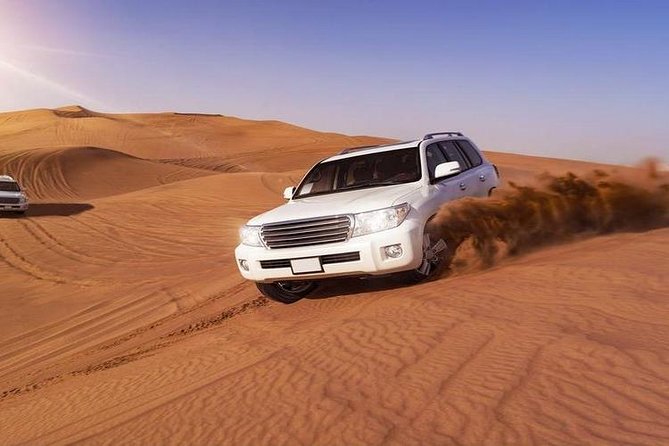
- Chegaga dunes in a 4×4: These are the big ones, with dunes reported as over 300m high.
- Sunrise and desert details: The schedule is built around early light and classic desert stops like the Quran library.
- Homestay culture is part of the design: You get more than camp photos; you’ll see daily life off the main tourist circuit.
- It’s not a short hop: Plan for long road time, and pack for comfort in heat and wind.
Overland Morocco to Chegaga: the point of this 3-day plan
If you picture Chegaga as only “sand, then bed,” this tour does something smarter. It front-loads Morocco’s highlights while you’re on the way, and then gives you enough desert time to actually feel the place.
The route is built around two big zones. First comes the mountain-to-valley run from Marrakech through Ouarzazate and the Draa Valley, where kasbahs dot the road and the scenery constantly changes. Then you shift into the sand world: Zagora for the camel ride and camp night, followed by Chegaga for sunrise and dune exploration.
This is a good “first desert trip” if you want your day-to-day to include culture stops, not just a quick ride from a pickup to a single viewpoint.
A few more Marrakech tours and experiences worth a look
Day 1: Marrakech to Zagora via Tizi n Tichka, Ait Ben Haddou, and the Draa Valley
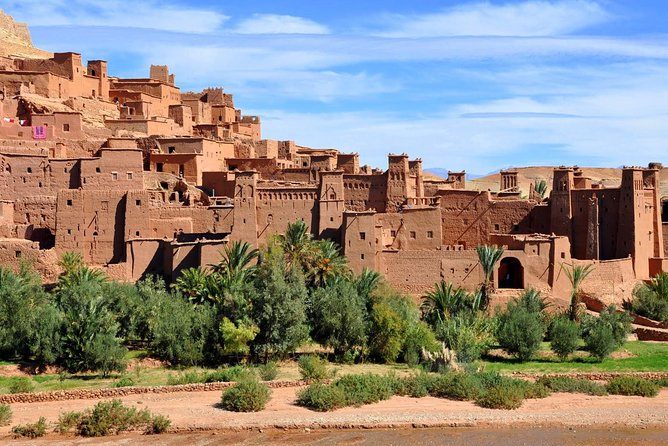
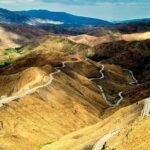
You start early, around 7:20–7:30 am, heading from Marrakech toward Zagora. The first excitement is the drive itself. You go through the Tizi n Tichka pass, a key route in southern Morocco, and that means you’ll get dramatic changes in altitude and views long before you see your first dunes.
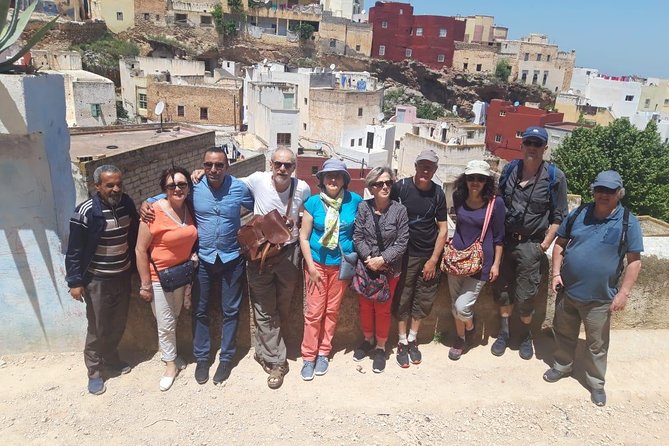
Along the way, there are cultural and historical stops, including visiting the Tamdakhte Kasbah area and then Ait Ben Haddou, the UNESCO world heritage site. Even if you don’t consider yourself a history person, Ait Ben Haddou is one of those places that works on sight alone: old walls, layered architecture, and the sense that the desert route has been “moving people” for centuries.
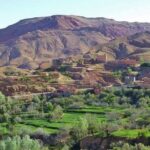
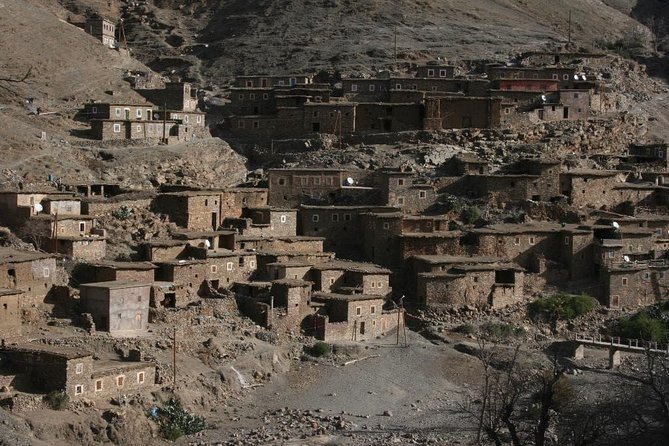
After that, the trip continues through Ouarzazate and Agdez, with a panoramic look over the Draa Valley. Then it follows the valley toward Tansikht, where you’ll pass kasbahs and typical villages along the Draa. This part matters because it helps you understand what the desert road is connected to: farming valleys, old forts, and settlements shaped by access to water.
By the time you reach Zagora, you’re ready for something slower and more sensory. The long drive is the trade-off, but the payoff is that you arrive with context, not just a check-in.
Camel ride at sunset in Zagora: the classic moment, done with timing
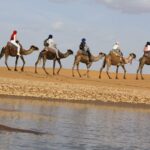
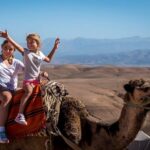
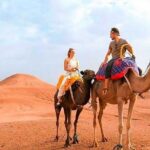
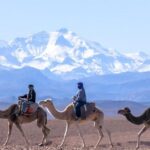
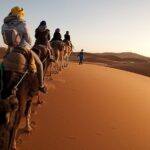
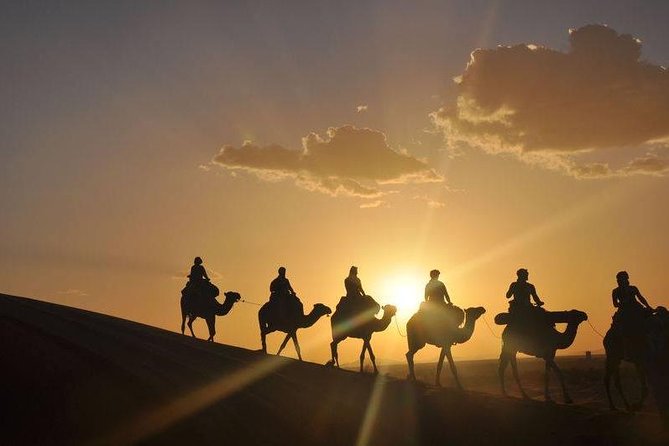
Once you get to Zagora, the trip keeps one of the most memorable desert traditions on schedule: about an hour camel ride in the sunset time. It’s a straightforward activity, but timing is everything here. Late light flattens shadows, warms sand colors, and makes it easier to take photos without the harsh midday glare.
The camel ride is also a nice pacing tool. You’ve been in a minibus for hours, then you switch to a slower rhythm. You don’t need to be an athlete. You just need to accept that camels are camels: you’ll sway, you’ll bounce, and you’ll want footwear that doesn’t hate you after walking in dust.
Your desert camp night near Zagora: traditional berbere-style setting
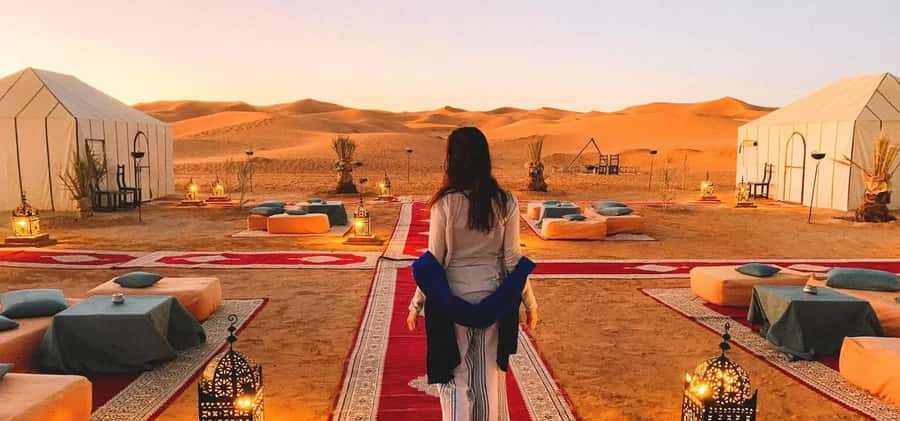
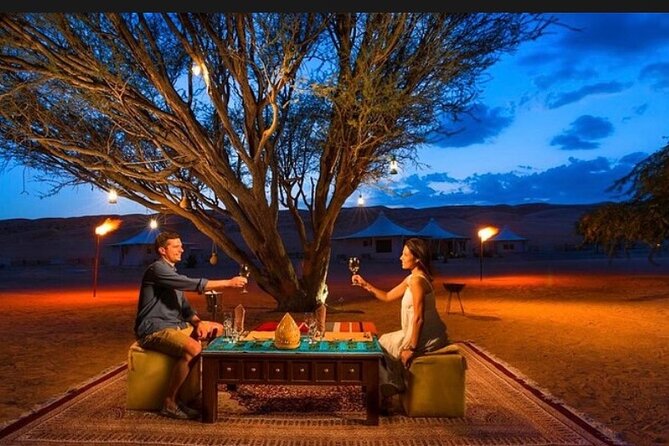
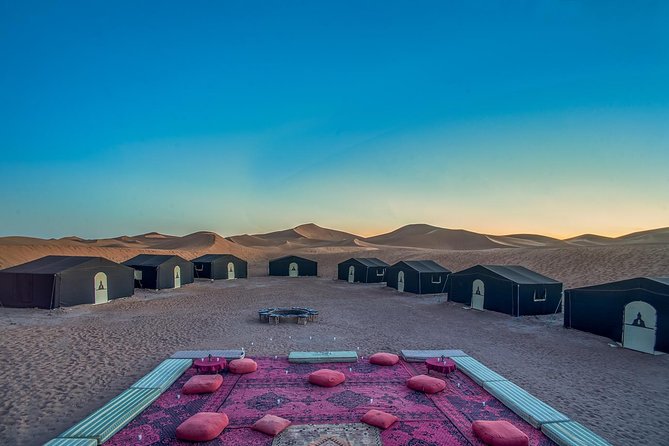
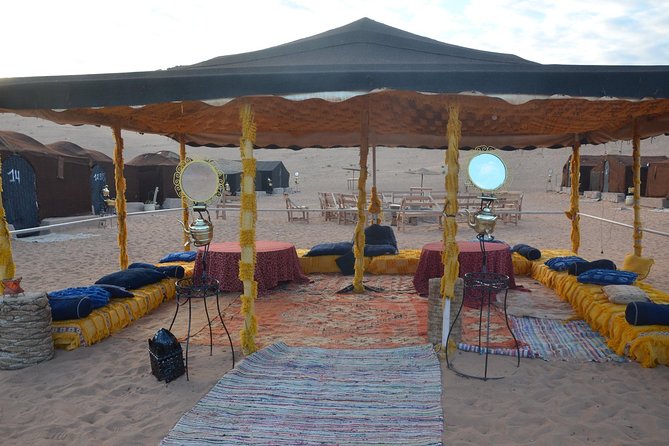
After the camel ride, you go to the Tizi desert camp, described as traditional berbere-style. This is one of those details that matters because it signals the vibe: more “traditional camp experience” than modern hotel desert getaway.
You’ll have dinner and breakfast included for two nights (so food is handled, at least for core meals). And because you’re traveling in a group of up to 15 travelers, camp life usually feels social without being chaotic.
One practical note: camp nights in the desert can feel cooler than you expect in the late evening. I’d plan layers, not just a single outfit you wore in town. Sand plus wind can turn an otherwise pleasant night into a “cover up” moment fast.
Day 2: Chegaga sunrise, 4×4 dune time, and the Quran library stop
Day 2 is where Chegaga starts to feel real.
First, you catch a sunrise over the dunes. That’s not just for photos. Sunrise changes how you read the terrain: dune edges glow, textures sharpen, and distances feel longer. If you’re thinking you might skip it for sleep, don’t. This is one of the few times the desert looks almost engineered by light.
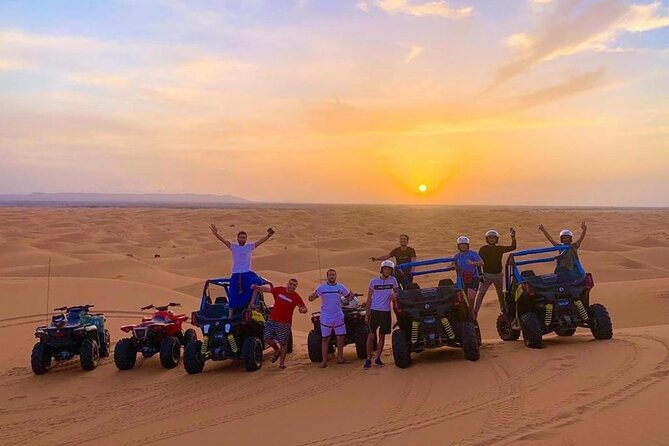
Next comes the 4×4 ride to explore the dunes around Chegaga, described as featuring the biggest sand dunes in Morocco, reported at over 300m high. The 4×4 component is key. On your own, walking would take forever and you’d get tired fast. In a vehicle, you can cover more ground and actually reach the dramatic spots without burning the whole day just getting there.
You also stop for cultural details inside the desert area: a Quran library and small underground streets. These aren’t “entertainment” stops; they help explain how communities adapted to harsh conditions. Even if you don’t have deep context ahead of time, it gives the day structure beyond sand views.
Then you travel to Mhamid, described as the last village before the desert immensity. The route includes a stretch of sandy road associated with the Paris-Dakar rally. That’s a fun mental image to keep in mind, but the bigger reason to care is that it’s a sign you’re on a serious desert track, not a paved scenic drive.
Lunch is included in this part of the day: salads, mixed meat, seasonal fruits, and tea. That’s a solid desert meal formula: something fresh, something filling, something sweet, and tea to reset you after sand exposure.
A few more Marrakech tours and experiences worth a look

A heads-up on walking during Day 2
One thing to plan for: footwear. A real example from past departures is advice to wear sneakers because there can be a proper hike of about 2 hours that wasn’t clearly spelled out in advance. So, don’t rely on flip-flops or fancy sandals. Bring shoes you’re comfortable breaking a sweat in, then you’ll enjoy the walk instead of counting minutes.
The homestay night: where the culture part becomes more than a photo stop
The tour design includes a rural homestay as part of the experience. Even though the desert day can feel event-heavy, this is the section that often makes the trip feel human.
This is the kind of setup where you get a glimpse of daily rhythms: how people live with the land, where meals fit into the day, and how hospitality works when you’re not inside a standardized tourist bubble. It also tends to create better conversation than a quick sightseeing stop.
If you’re the type who likes to ask practical questions, this is your moment. What people do every day teaches you more than what they perform for tourists.
Day 3: early return to Marrakech via the Draa Valley and Taourirte Kasbah
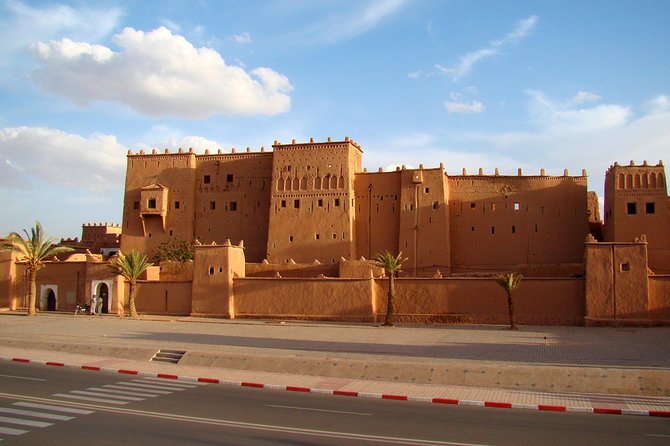
On Day 3, you start early and shift back toward Zagora by 4×4, then join the minibus for the drive back to Marrakech. The return route goes via the Draa Valley and includes a stop at Taourirte Kasbah.
The day is shorter in terms of activities, but it still matters. You’ll get a second look at the valley after the desert has cleared your head. Morning light over the Draa feels different than sunset light in the dunes, and it’s a good way to end: the trip doesn’t drop you off immediately after the sand climax.
Expect a long drive day total, with the return described as around 8 hours. It’s a “wrap and reflect” kind of day.
Price and value: what $400 includes, and what you’ll likely pay for anyway
At $400 per person, the value comes from two things: distance covered and the way the core desert logistics are bundled.
What’s included:
- Air-conditioned minivan transport Marrakech to Zagora and back
- 4×4 for the Chegaga and Zagora desert sections
- Camel ride in the sunset in Zagora
- Local guide in the Sahara
- 2 nights accommodation
- Breakfast (2) and Dinner (2)
- Lunch (included for the day it’s listed in the itinerary)
- Fuel surcharge
Not included:
- Lunch on Day 1 and Day 3
- Drinks
- Tips (optional)
- Guide at Ait Ben Haddou
So is it a bargain? It’s not a “cheap taxi to the desert” price. But compared to piecing this together yourself—driving, coordinating a 4×4, and arranging camps and meals—this package-style approach can be worth it. You pay for coordination and for having the desert transportation done for you.
My practical advice: budget a little extra for drinks, plus the lunches that aren’t included, and plan a tip for people who genuinely guide you and keep things smooth.
Comfort, communication, and the reality of long driving days
This tour lives and dies by the roads and the driver.
On one hand, the transport is described as air-conditioned. Some past experiences also mention comfort and the ability to relax even with long hours. On the other hand, other feedback points to the fact that the vehicles can still feel uncomfortable, and communication may be limited if your driver’s English is basic.
Here’s how I’d handle it:
- Bring something for motion comfort (a small travel pillow helps more than you think).
- If you care about explanations, know that the depth of commentary can vary by driver.
- When communication is thin, I still think the route is strong. Even without deep narration, Ait Ben Haddou and the Draa Valley stops give you plenty to look at.
You’ll also see different driver names in real departures. Some groups have been driven by people like Hamid, Hamid Arab, Lauchen, and Moha, and that’s a sign the experience can shift a bit depending on who you get. Still, the structure stays the same: transport, desert activities, and meals.
What to pack for Chegaga: sneakers, layers, and small desert survival basics
Based on what’s clearly stated plus common desert reality, here’s what I’d pack for this kind of itinerary:
- Sneakers or sturdy walking shoes for the hike possibility on Day 2
- Light layers (desert days can be warm; nights can feel cooler)
- Sunglasses and sun protection for dune time
- A scarf or covering for wind and sand (useful even if you think you won’t need it)
- A small water habit: even though lunch and tea are provided on Day 2, the road days are long
Also, consider asking ahead if you have a preference for tent setup. One past traveler noted requesting a private tent, which suggests customization may be possible depending on availability. If sleeping comfort is a priority, ask clearly when you book.
Who should book this Chegaga tour from Marrakech?
This works best for:
- First-time desert visitors who want more than one dune viewpoint
- People who love road-trip travel but still want real stops like Ait Ben Haddou and kasbah scenery
- Travelers who enjoy a mix of big sights (UNESCO) and smaller cultural touches (Quran library, village stops, homestay)
It may be less ideal if:
- You hate long driving days and want a very hands-off schedule
- You’re extremely sensitive to vehicle comfort and want minimal time on the road
- You need constant, detailed English narration the whole time
Should you book this 3 Days Safari To Chegaga From Marrakech?
If you want a straightforward way to reach Chegaga without organizing multiple separate transfers, I think this is a solid booking. The blend is good: mountain pass and UNESCO on the way, then real dune time with sunrise, plus a homestay-style culture component.
I’d say book it if:
- Sunrise in the dunes matters to you
- You’re comfortable with a long day or two in transit
- You’re willing to wear practical shoes for Day 2 walking
I’d hesitate if:
- You dislike road travel and expect the desert part to be quick
- Comfort expectations are very strict
- You need consistent in-depth explanations in English throughout every stop
If you go in with the right expectations, you’ll likely come away with exactly what this route is designed for: desert color, dune scale, and a cultural route that doesn’t feel like wasted time between Marrakech and the sand.
FAQ
What time does the tour start in Marrakech?
The tour start time is listed as 7:20 am.
How long is the safari to Chegaga from Marrakech?
The tour is listed as 3 days (approx.).
What’s included in the tour price?
Included are air-conditioned minivan transport between Marrakech and Zagora (round-trip), 4×4 from Zagora to Chegaga and back, a camel ride in sunset time, a local guide in the Sahara, 2 nights accommodation, fuel surcharge, and breakfast (2) and dinner (2). Lunch is included as specified in the day-by-day plan.
What meals are not included?
Lunch is specifically listed as not included on Day 1 and Day 3. Drinks are also not included.
Is pickup offered?
Yes, pickup is offered. The start point is near public transportation.
How many people are in the group?
The tour has a maximum of 15 travelers.
Is there free cancellation?
Yes. You can cancel up to 24 hours in advance for a full refund.