REVIEW · MARRAKESH
From Marrakesh: Atlas Mountains Talamrout Summit Day Hike
Book on GetYourGuide →Operated by Toubkal Hiking · Bookable on GetYourGuide
A real Atlas summit day with perfect views. This guided hike climbs from Imlil toward Adrar Talamrout, with big mountain payoffs like the High Atlas skyline and Berber valleys spreading below. I loved the real elevation work—close to 900m up and down—because it feels like a proper trek, not just a sightseeing stroll.
The other standout for me was the guide support. On my trip, the leadership felt steady and human, with guides such as Rashid, Ayoub, Abdul, and Radouane described as patient, attentive, and quick to help when the trail gets steeper. If you’re expecting an easy day, the possible drawback is that this hike can feel more challenging than the word moderate, especially with loose footing on the descent.
One more consideration: you’ll want good shoes and layers. Early starts can feel chilly, and winter snow or icy patches can make the pine-forest stretches slippery, so traction matters.
In This Review
- Key takeaways before you head to the Atlas
- Why Adrar Talamrout feels like real High Atlas trekking
- The Marrakech-to-Imlil transfer: a comfortable start, then you’re in the mountains
- Starting at Imlil (1,740m): where the trek gains purpose
- Tamatert Valley and the climb to Tizi n’Tamatert pass (2,280m)
- From the pass into pine forest to Adrar Talamrout (2,600m)
- Summit views: Toubkal, the Imenane Valley, and villages below
- Tea, lunch, and the descent back to Imlil
- Price and value: what $45 buys on a guided summit day
- Who should book this hike (and who should skip it)
- Packing list that actually helps on this route
- Should you book the Marrakech to Talamrout summit day hike?
- FAQ
- How long is the Atlas Mountains Talamrout day hike?
- What’s the highest point you reach?
- Where do you start the hike?
- How much elevation do you gain and lose?
- Is hotel pickup and drop-off included?
- What’s included in the price?
- Do I need hiking equipment?
- What languages are the guides?
- What should I bring?
- Who shouldn’t do this hike?
- Is cancellation free?
Key takeaways before you head to the Atlas
- Adrar Talamrout summit focus: You’re aiming for about 2,600m, with classic views toward Toubkal (4,167m).
- Start high, climb with intent: Trek begins around 1,740m in Imlil and gains nearly 900m overall.
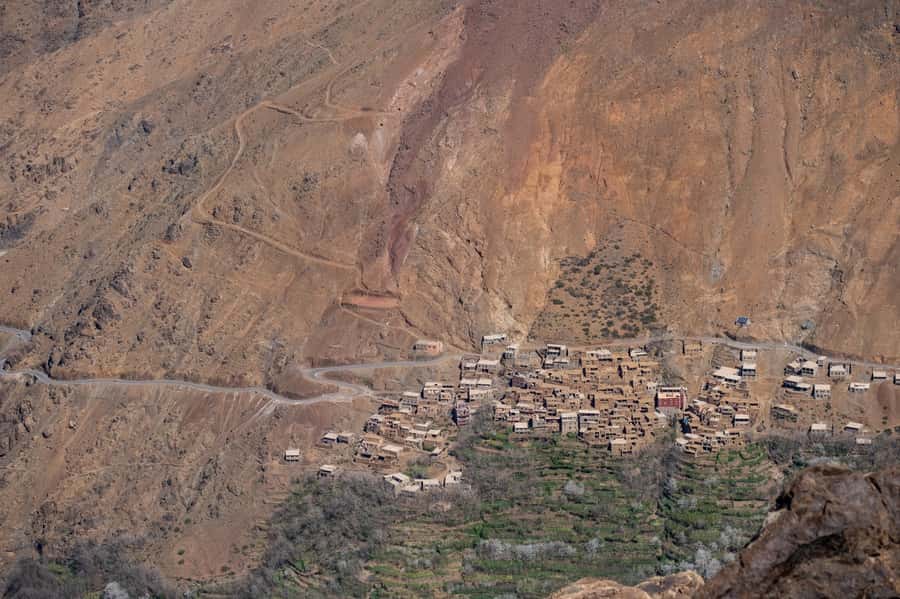
- Berber village route: You pass through areas like Ait Souka and Tamatert before reaching the Tizi n’Tamatert pass.
- Tea and lunch are part of the rhythm: Moroccan mint tea and a lunch break help you reset on the return.
- Moderate means steady, not casual: The trail includes steeper, looser sections that call for grip shoes.
- Guides make the difference: Expect safety-first pacing and real back-and-forth help on the trail.
Why Adrar Talamrout feels like real High Atlas trekking
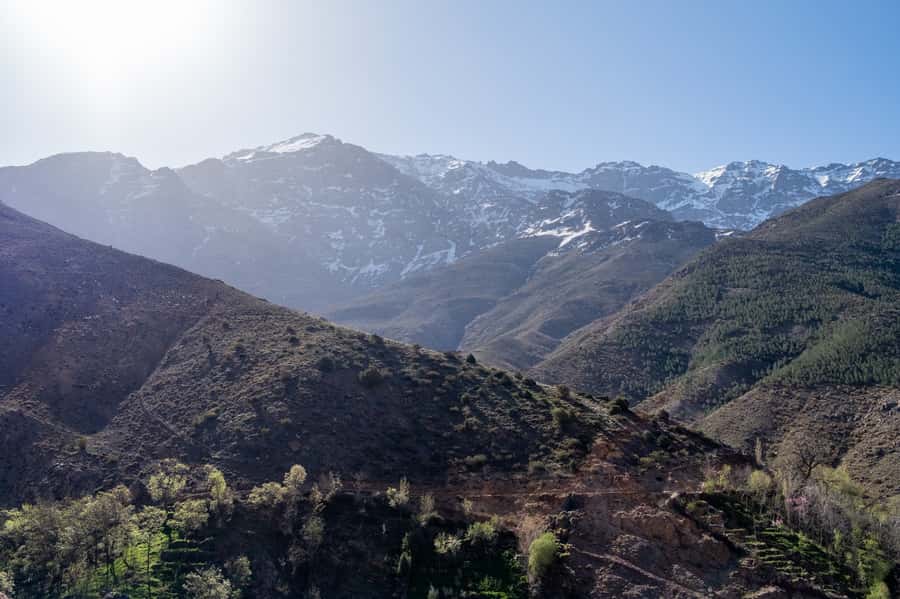
This is the kind of Atlas day hike that gives you effort you can feel and views you remember. You start in Imlil, gain altitude through Berber villages and mountain paths, and reach Adrar Talamrout for wide-open panorama time. The best part is that the day doesn’t stop at scenery. It’s about moving on foot through the High Atlas, guided by someone who knows the terrain and keeps the group together.
I also like that the route is designed around payoff. You’re not just walking uphill for the sake of walking. The climb brings you to the Tizi n’Tamatert area and then toward the pine forest and summit, where the air gets sharper and the valley views become the main event.
And yes, it’s a summit day. Even if you’re not chasing a dramatic peak like Toubkal itself, hitting 2,600m puts you in the right altitude zone for sweeping mountain lines.
You can also read our reviews of more hiking tours in Marrakesh

The Marrakech-to-Imlil transfer: a comfortable start, then you’re in the mountains
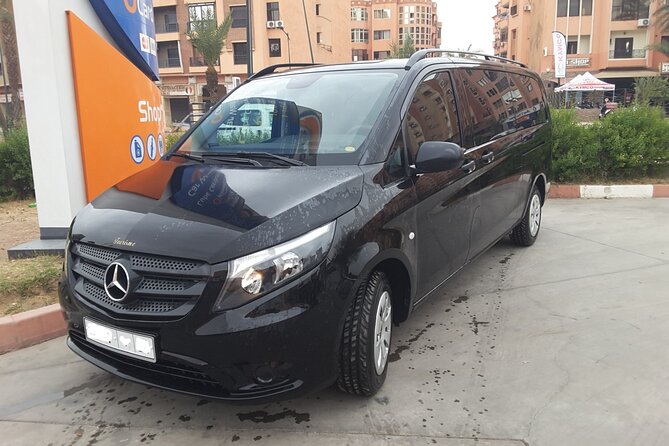
The day begins with hotel pickup in Marrakech. Then you ride in an air-conditioned car toward the High Atlas, with the drive covering roughly 64 kilometers to reach the Imlil area. It’s a practical setup: you don’t waste your morning navigating a mountain road, and you arrive ready to hike.
Before the climb, you’ll have a small morning refresh included with the experience, and the day keeps a “move, pause, move” rhythm. That matters because most of the difficulty isn’t one hard wall. It’s the steady climb plus the fact that you’ll still be descending when your legs are tired.
Plan to treat the transfer as part of the experience. In one long day like this, feeling comfortable during the ride helps you enjoy the trek when it starts demanding more concentration.
Starting at Imlil (1,740m): where the trek gains purpose
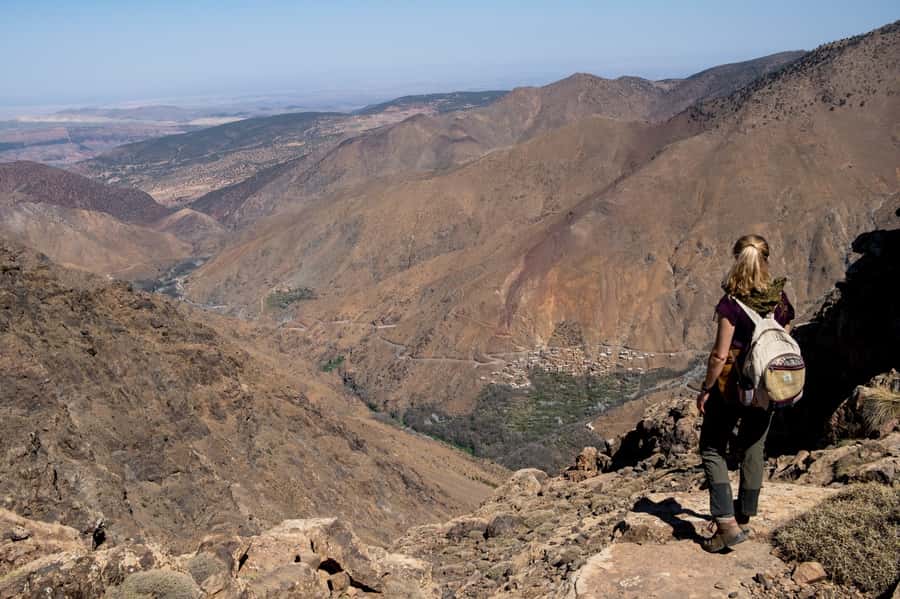
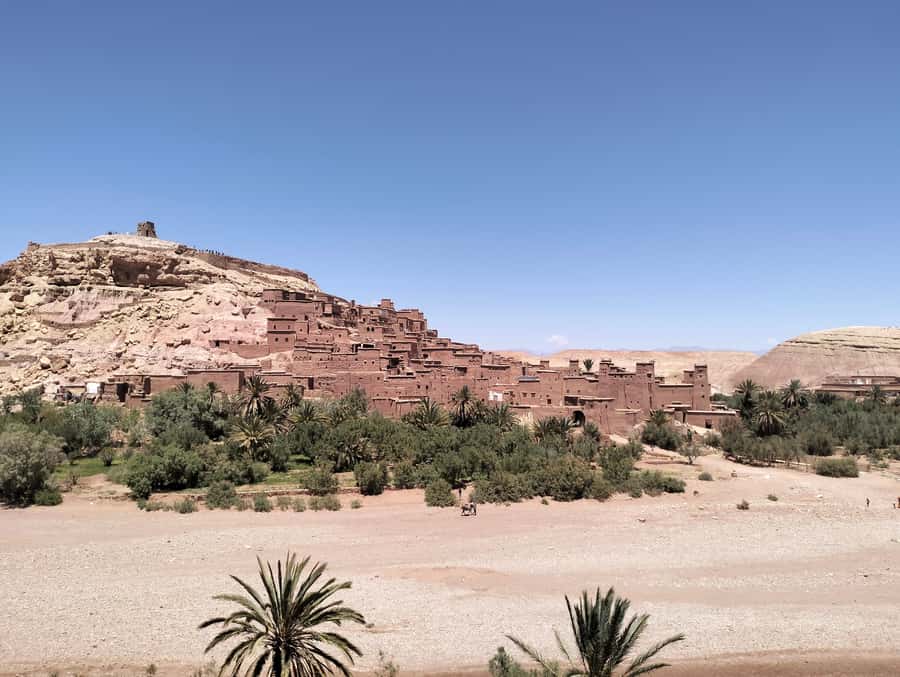
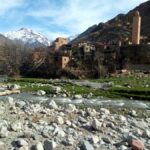
Imlil is your launchpad, at about 1,740m. This is where the hike stops being an idea and becomes a route you feel in your calves. After you meet your guide, you begin heading into the Tamatert Valley direction, using local paths that pass through Berber villages such as Ait Souka and Tamatert.
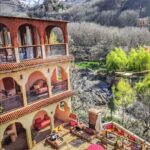
What I like here is the texture of the day. You’re not only in nature. You’re also moving through the human side of the mountains, where villages sit at the edge of high valleys and daily life is shaped by the land. Even on a short day like this, that context makes the hike more meaningful.
If you need equipment, this is also where you’ll want to handle it. Hiking shoes can be rented in Imlil, and you’ll want grips for the descent later.
Tamatert Valley and the climb to Tizi n’Tamatert pass (2,280m)
Once you’re on the trail up the Tamatert Valley, the climb becomes a steady, altitude-building grind. The pass—Tizi n’Tamatert at about 2,280m—is one of the key points that breaks the day into before and after. You’re rising through valleys, with views that gradually widen as you gain elevation.
Along the way, you pass the villages of Ait Souka and Tamatert. That’s not a random detour; it’s part of how the route connects the settlements with hiking paths. This is also where a good guide matters most, because they can pace the group through varied terrain and keep you from overcooking yourself too early.
Expect the trail to include stretches where footing changes. Some sections can feel smoother and valley-like. Other parts get steeper and looser, and that’s where shoes with real grip and a daypack you can manage without fuss become more than “nice to have.”
From the pass into pine forest to Adrar Talamrout (2,600m)
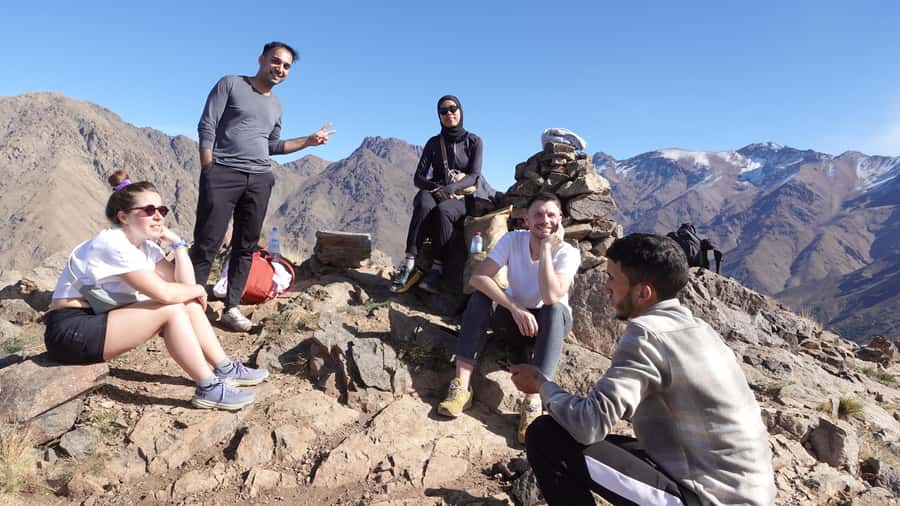
After the Tizi n’Tamatert pass, the hike transitions toward a Moroccan pine forest. That change is noticeable: you feel less exposed to wide wind and more guided by the trees, and the pace often feels more controlled.
Then comes the final push to the summit of Adrar Talamrout at about 2,600m. This is the part where you’ll likely slow down, especially if you’re new to elevation or if you’re hiking in cooler seasons. The good news is that you’re not going straight up with no breaks. Tea stops and pacing pauses are built into the day, and an attentive guide can keep the climb doable.
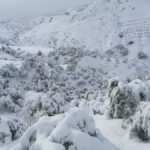
In winter or near-freezing conditions, watch for slick patches. Some days include snow or ice, and people have mentioned the value of traction like crampons. If winter hiking is on your calendar, it’s smart to assume the ground might be less forgiving than it looks.



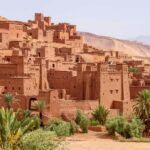
Summit views: Toubkal, the Imenane Valley, and villages below
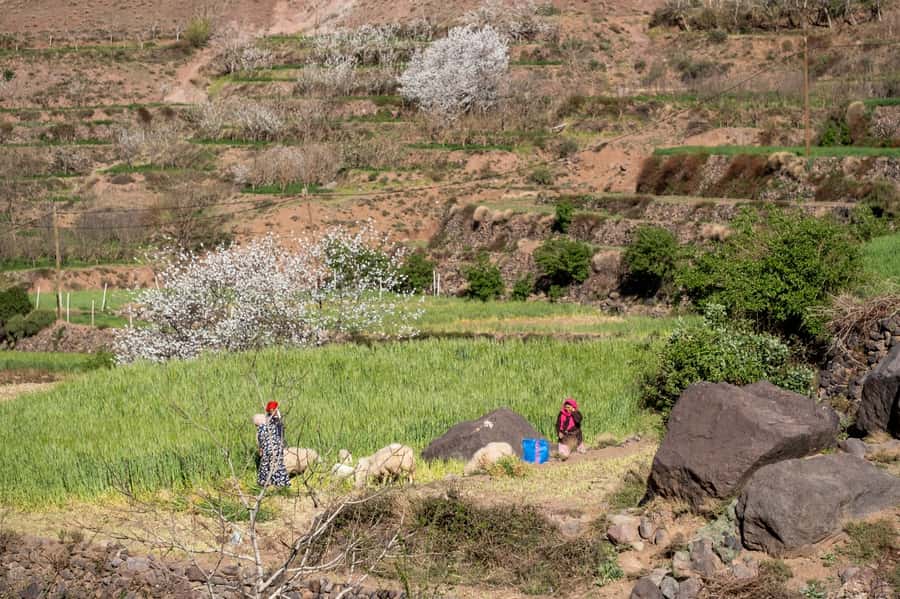
At the summit, you take your time. This is where the hike converts to memory.
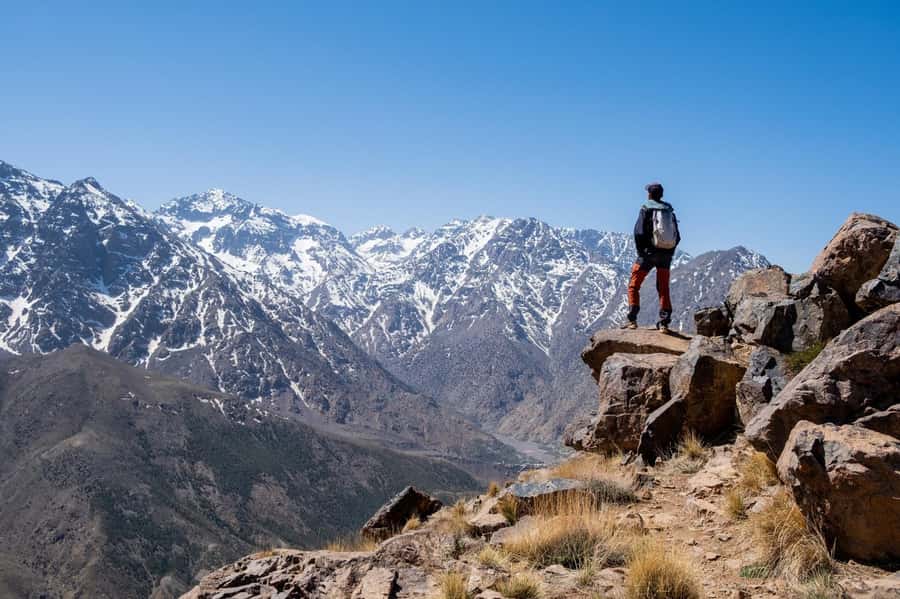
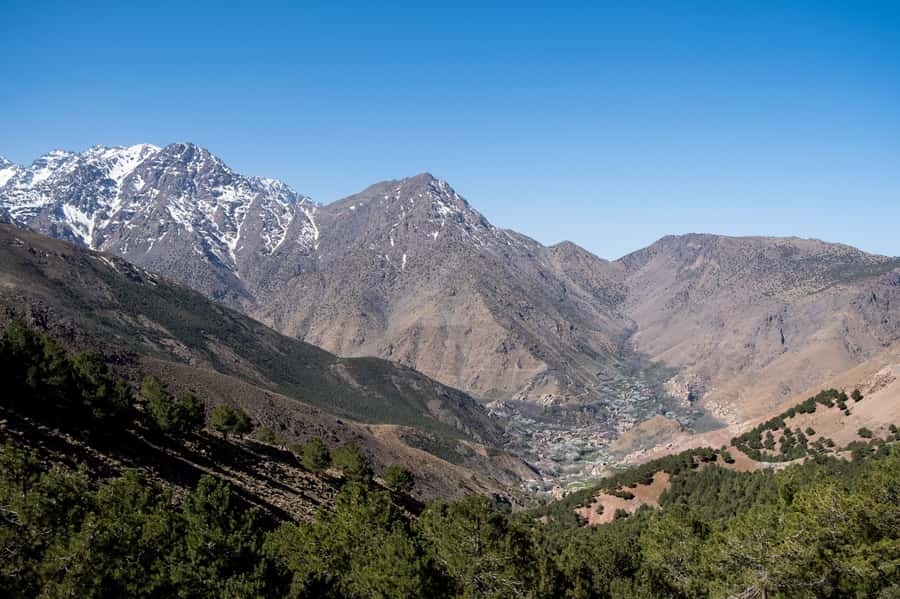
From Adrar Talamrout, you get panorama views over the Imenane Valley and toward traditional Berber villages such as Amskere and Ikkiss. And if the weather is clear, you can also marvel at Mount Toubkal’s massive profile from a distance. Toubkal is 4,167m high, so it dominates the overall Atlas picture even when you’re not climbing it directly.
One thing I like about this summit is that it’s not only about sight lines. It’s also about the feeling of standing at the right height for the Atlas to look like it has layers. Your view connects valleys, settlements, and mountain ridges in one wide frame.
If clouds move in or it’s snowing, the views can change fast. In those moments, the day still works because you’re up high, moving through a quiet mountain environment, and surrounded by weather-driven drama.
Tea, lunch, and the descent back to Imlil
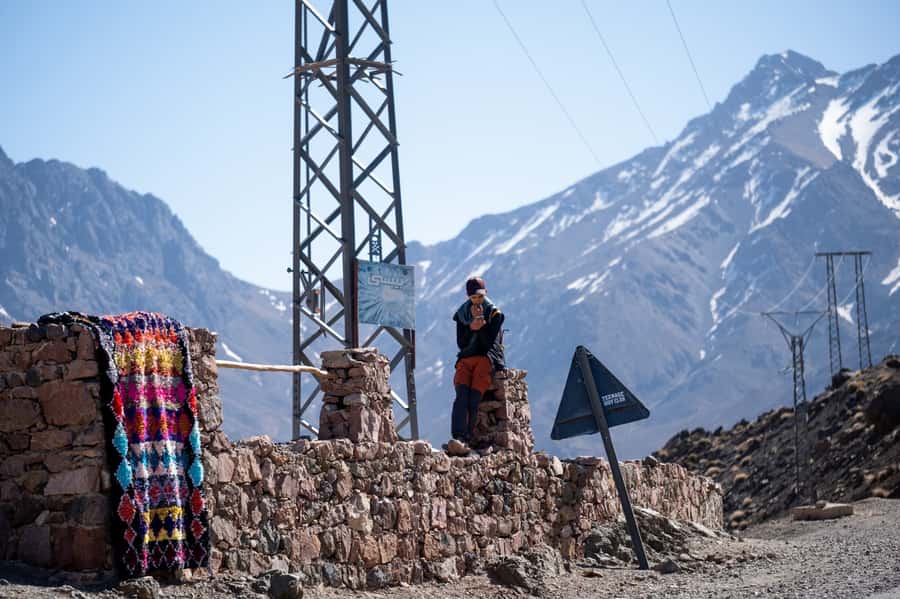
The descent starts after your summit time. This is often the part people underestimate. Going down is when loose stones, wet patches, and steep grades can stress your knees and ankles. It’s not just about endurance; it’s about balance and controlled steps.
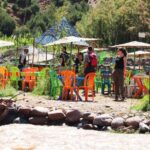
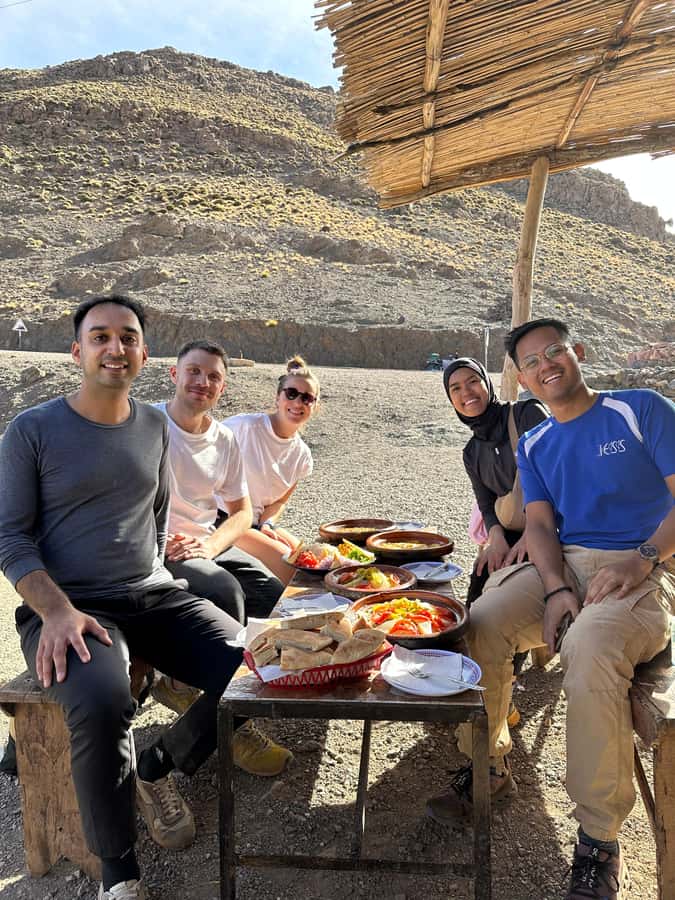
You’ll also enjoy lunch during the return. The meal is Moroccan-style and often described as tagine-based, plus sides like salad and rice. People have mentioned vegetarian options and added treats (like mandarins) depending on the day and what’s served. I’d still bring a small snack stash, because appetites vary and lunch can be great one day and just okay another.
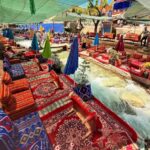
Moroccan mint tea is a consistent comfort on this route, and it helps you reset during the climb and again on the way back. The tea breaks also make the day feel like a mountain outing instead of a nonstop fitness session.
On the drive back to Marrakesh, you’ll have that satisfied, legs-tired calm. Many people find that the combination of pickup convenience and guided pacing makes the whole day feel low-stress once you’re back in the van.
Price and value: what $45 buys on a guided summit day
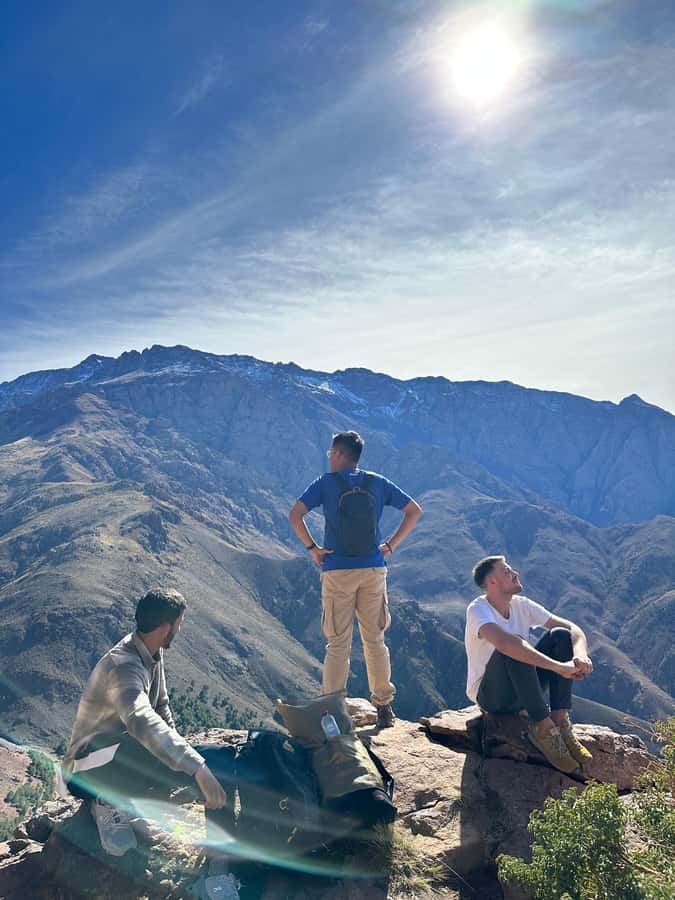
At $45 per person, this is strong value for a guided Atlas hike from Marrakech. You’re paying for more than transportation. You get an experienced local guide, air-conditioned transfers, a structured route with key stops, Moroccan mint tea, and a lunch break.
The math that matters is time and planning. Doing this on your own means sorting transport, a guide, and route navigation. Here, all of that is handled for you, and the day is built around an actual trek with a summit target.
One realistic value note: the cost reflects a shared group experience rather than private guiding. That’s a good deal if you’re flexible on pacing. If you want total control of speed and stops, you might prefer a private option (not mentioned here), but for most people, the group format helps keep things organized.
Who should book this hike (and who should skip it)
This hike is best for people who want an active day outdoors and are comfortable with a continuous ascent and descent. You should also be okay with the idea that moderate still means effort—especially during the steeper segments and on the return down.
It’s not suitable for pregnant women, people with back problems, or people with respiratory issues. If any of those apply, skip this one and choose a gentler alternative.
If you’re a first-time hiker, you can still do it, but go in prepared. The route is described as challenging by some, and people who weren’t used to hiking with snow or loose footing have had a harder time on the climb or descent.
If you love nature plus local context, this fits well. You’ll hike through pine forest, look over the Imenane Valley, and pass through Berber villages along the route—so the day isn’t only about fitness.
Packing list that actually helps on this route
Don’t show up thinking sneakers are fine. The best investment you can make is grip-focused hiking shoes. If you forget yours, you can rent footwear in Imlil, but plan to get the fit and traction right before the climb begins.
Bring:
- Hiking shoes with grips (or rent in Imlil)
- Sunglasses
- Rain gear (weather changes fast in the mountains)
- A daypack you can carry comfortably
For many people, trekking poles are also useful, especially on the descent. Some guides can lend poles, and people have mentioned the help that poles provide on steep or slippery sections.
Layering is also smart. Early starts can feel cold, then you warm up while hiking under sun. In winter conditions, you may want to think about traction if ice or snow is present.
Should you book the Marrakech to Talamrout summit day hike?
Book it if you want:
- A guided Atlas day hike from Marrakesh with a clear summit goal
- Panoramic views toward Toubkal and the Imenane Valley
- A day structured around tea, lunch, and breaks
- A real trek experience, not a short, flat walk
Skip it if:
- You need a low-impact outing
- You have any of the listed medical limitations (pregnancy, back problems, respiratory issues)
- You don’t want to deal with steep, loose, or slippery sections on the descent
If you’re the type who likes to work for the view, this hike is an excellent way to trade city time for mountain quiet without going through the hassle of planning logistics.
FAQ
How long is the Atlas Mountains Talamrout day hike?
The experience is a full day, about 7 hours including time on the trail and the driving.
What’s the highest point you reach?
You hike to the summit of Adrar Talamrout at about 2,600m.
Where do you start the hike?
You start from the village of Imlil, at about 1,740m.
How much elevation do you gain and lose?
The hike includes nearly 900m of ascent and descent overall.
Is hotel pickup and drop-off included?
Yes. Hotel pickup and drop-off are included, with details shared by WhatsApp the day before.
What’s included in the price?
A guide, hotel pickup and drop-off, transportation in an air-conditioned car, lunch, and Moroccan mint tea.
Do I need hiking equipment?
Equipment is not included. You can rent hiking shoes in Imlil, and the hike is easier with proper footwear.
What languages are the guides?
English, French, and Spanish.
What should I bring?
Sunglasses, hiking shoes, rain gear, and a daypack.
Who shouldn’t do this hike?
It’s not suitable for pregnant women, people with back problems, or people with respiratory issues.
Is cancellation free?
You can cancel up to 24 hours in advance for a full refund.