REVIEW · AGADIR
From Agadir: Sahara Desert Day Trip and Camel Ride
Book on GetYourGuide →Operated by Okeytours agadir · Bookable on GetYourGuide
One day, three worlds of Morocco. I really like how this Agadir escape blends 4×4 jeep off-road drives with Berber hospitality that includes mint tea and a real homemade lunch. You also get a dose of the south: cave fishermen at Sidi R’bat, the craft city of Tiznit, then the golden dunes for a little Mini Sahara time.
The trade-off is that the camel ride is short (about 5 minutes), so it’s more of a photo-and-fun stop than a long trek.
In This Review
- Key takeaways before you go
- A packed 9 hours from Agadir to the Mini Sahara dunes
- The real thrill: 4×4 jeep driving through Berber villages
- Sidi Bibi photo stop and Agadir moments before you head south
- Sidi R’bat Beach: the cave fishermen stop that makes the day feel real
- Tiznit, Morocco’s silver capital: more than a jewelry shopping stop
- Argan, pottery, and silver workshops: how to shop with your eyes open
- The Berber lunch and mint tea ceremony that actually anchors the day
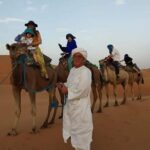
- Mini Sahara dunes and your short camel ride (about 5 minutes)
- Comfort, walking, and who should choose this tour
- Price and logistics: is $56 worth it?
- Should you book this Agadir-to-Sahara day trip?
- FAQ
- How long is the Agadir Sahara Desert Day Trip and Camel Ride?
- What does the tour include for the price?
- How long is the camel ride?
- Where do pickup and drop-off happen?
- What languages are the guides available in?
- Is there a vegetarian lunch option?
- What should I bring for the day?
- Is luggage allowed?
- Who is this tour not suitable for?
- Is walking involved?
Key takeaways before you go
- Anti-Atlas drive time that feels like an adventure, not a bus ride
- Sidi R’bat Beach with cave living for fishermen, plus walking and photos
- Tiznit’s silver medina where you can watch the city’s craft culture at street level
- Hands-on culture stops for argan, pottery, and silver workshops along the way
- Homemade Berber lunch + tea ceremony that turns the day from sightseeing into a meal worth remembering
- Mini Sahara dunes with a short camel ride and unhurried golden-sand downtime
A packed 9 hours from Agadir to the Mini Sahara dunes
This is the kind of day trip that works best when you like variety. You start in the Agadir area, then spend the day moving through mountain villages, workshop stops, a historic medina, and finally the Mini Sahara dunes. The whole rhythm is designed to keep you out of the car long enough to feel like you’re doing Morocco, not just passing through it.
Timing matters here because the best moments are scattered: one is early (the Sidi R’bat sea-and-caves stop), one is mid-afternoon (Tiznit’s silver streets and shops), and one is later (the dunes and camel photo). If you’re expecting a slow, sit-down “one place only” day, you might find this feels busy.
Still, for $56 per person, the value is strong because you’re not only paying for transport. You’re also getting a guide, multiple site visits, lunch, and a short camel ride, plus hotel or port pickup/drop-off options.
A few more Agadir tours and experiences worth a look


The real thrill: 4×4 jeep driving through Berber villages

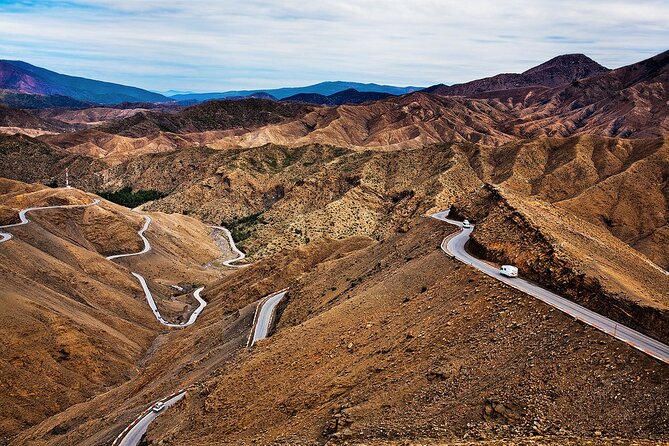
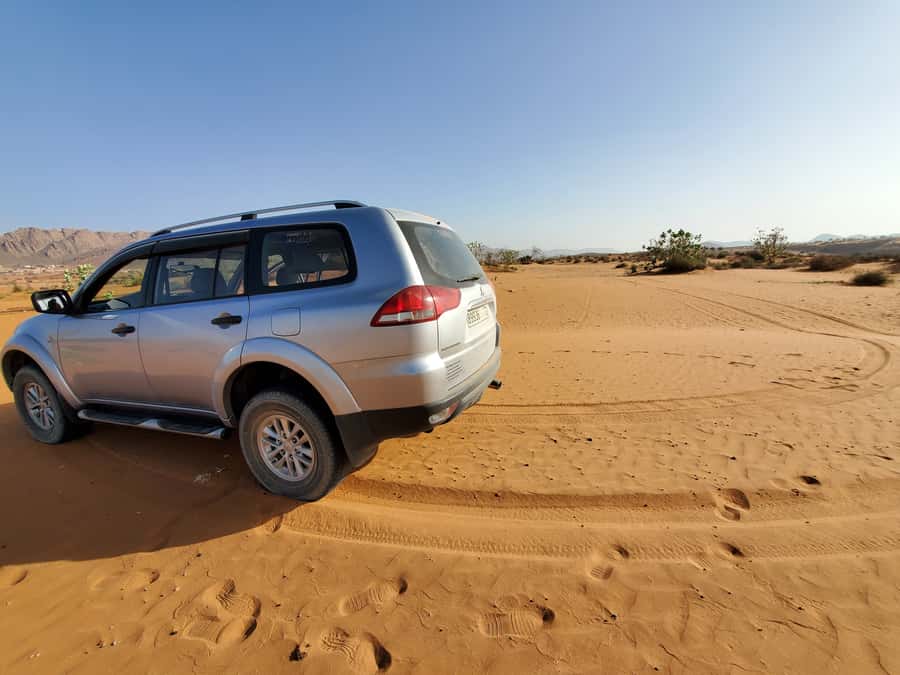
The day’s energy comes from the modern AC 4×4 ride. This isn’t just about getting from A to B. You get scenic road views on the way, plus off-road driving that adds a little jolt of fun when the route turns rough. It’s also where you see how life changes when you leave the coastline and head toward the Anti-Atlas area.
In the stories people share, the drivers and guides often make the route feel personal. Names like Lahcen, Hicham, Omar, and Mohammed show up often, and that matters because a good driver turns “sitting in the back” into “watching the landscape with purpose.” You’ll get explanations in English, French, or German, depending on your guide and group.
One practical tip: even though the vehicle is comfortable, it’s still a car day with bumps and curves. Bring the same mindset you’d use for a road trip in the mountains—keep your camera handy, but also give your eyes a break so you can enjoy the views.
Sidi Bibi photo stop and Agadir moments before you head south
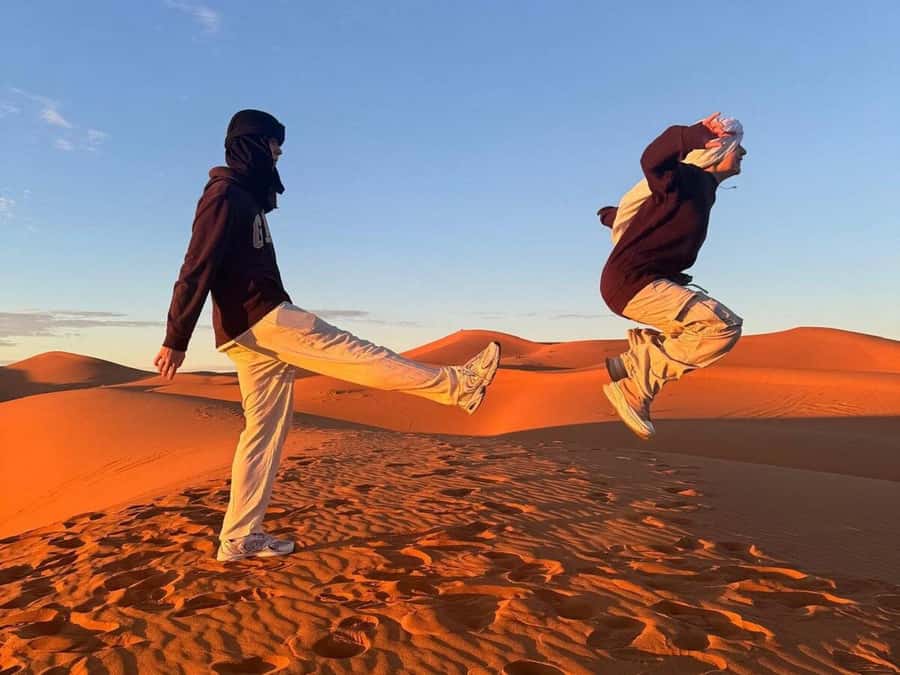
Early on, the route includes a photo stop and visit/shopping stop at Sidi-Bibi. Think of it as a quick palate-cleanser: a chance to grab photos, stretch your legs, and spot how coastal Morocco changes as you move inland.
Then there’s time with an Agadir-guided component. For me, this kind of start is useful because it helps you connect the day you’re about to have with where you’re actually starting from. Even if you don’t learn everything, it gives you context so the rest of the stops feel less random.
If you’re the type who hates rushing, plan to keep your expectations flexible. These early stops are short by design. Your guide will generally move you efficiently toward the deeper culture stops later.
Sidi R’bat Beach: the cave fishermen stop that makes the day feel real
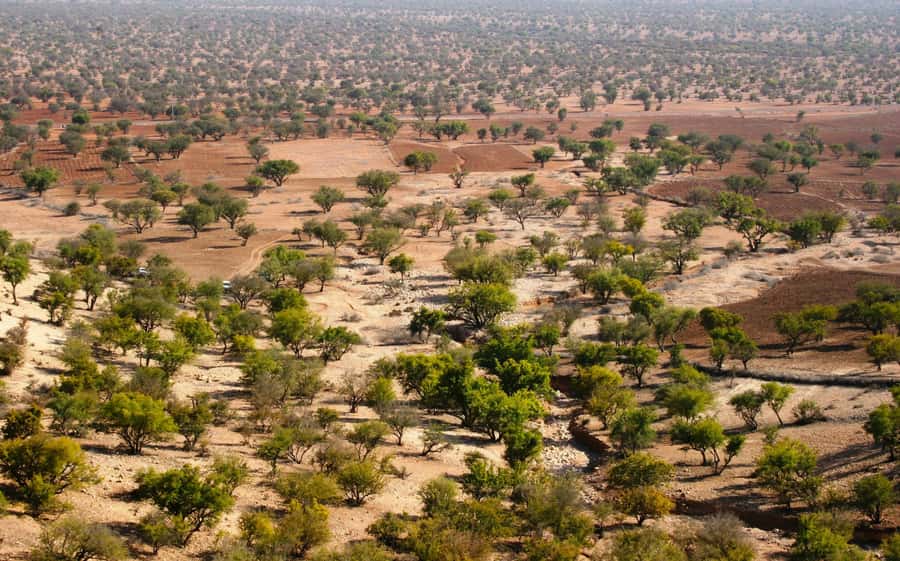
This is one of the strongest stops because it’s specific. At Sidi R’bat Beach, you get a break time plus photos, sightseeing, a walk, and some free time. The standout here is the fishing village setting: fishermen work and live in caves carved into the cliff.
That detail changes how you look at the coastline. Instead of only seeing “pretty sea views,” you see a working system—people living where the geography forces creativity. It’s also a good stop for cameras because the cave shapes and cliff views give you angles you can’t copy at a typical beach.
Wear comfortable shoes. The walking includes uneven ground, and this is the kind of stop where you’ll want to move at your pace—especially if you’re lingering for photos.
Tiznit, Morocco’s silver capital: more than a jewelry shopping stop
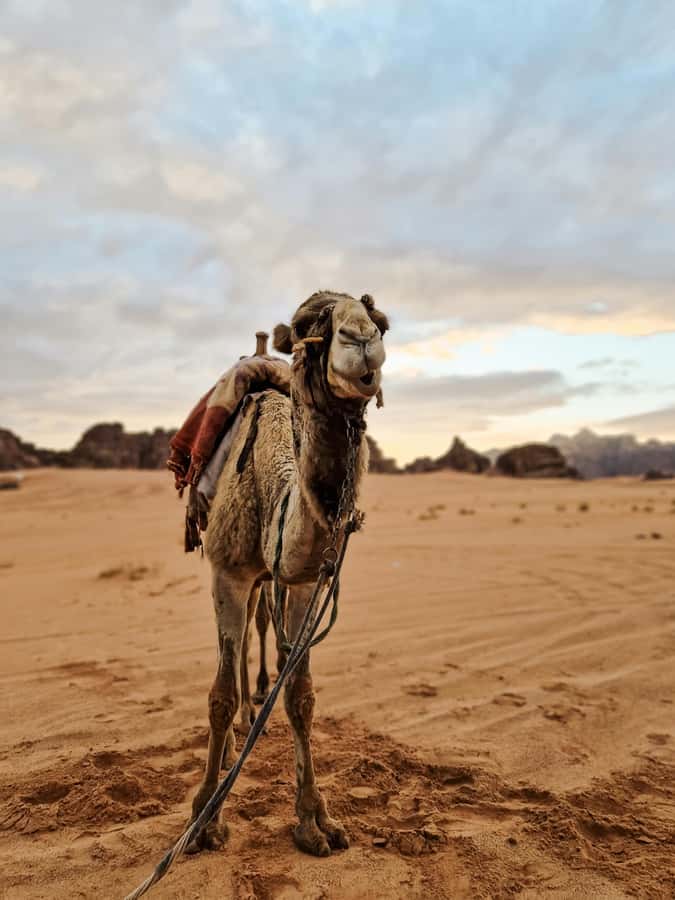
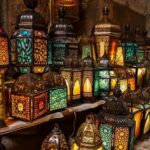
Later, you reach Tiznit, famous for silver. The medina here is the whole point: ramparts, winding streets, and lots of jewelry shops. You can stroll, browse, and soak up the historic feel of a place that’s known for craft and trade.
This stop is valuable for two reasons. First, it helps you connect your earlier workshop visits to something you can see in real storefronts. Second, it turns the day into more than “scenic stops.” You get a place where craft has a local identity and the shopping scene feels part of the city, not an optional tourist detour.
A practical way to handle medina shopping: go in curious, not pressured. You’ll have time to browse, and you can decide later what matters to you. If you’re not buying, you’re still getting the texture of everyday trade.
Also note: you’ll likely do some walking on medina streets, so it’s another reason to choose shoes you trust.



Argan, pottery, and silver workshops: how to shop with your eyes open
Some of the most praised moments come from the craft stops along the way: argan, pottery, and silver workshops. These stops matter because they give context for what you’ll see later—especially in Tiznit.
Here’s how I think about it as a traveler: workshop visits are where you can ask better questions. Instead of only seeing a product, you can start noticing the process. You’ll learn about the cooperatives and how local production works. That makes any purchase feel more connected to people and place.
These stops also break up the drive. Even if you’re not shopping, you’ll appreciate the change of pace. Watching demonstrations and seeing materials up close can be more rewarding than another viewpoint photo.
One caution: bring a “slow money” mindset. Workshop stops can tempt you into impulse buying if you’re tired. If you want something, check details, look at what’s included, and only commit when it feels right for you.
The Berber lunch and mint tea ceremony that actually anchors the day
Lunch is a major part of why this tour feels like a cultural day trip instead of a sightseeing checklist. You’ll have a homemade Berber lunch in a family home, and it often includes dishes like tagine or couscous made with fresh local ingredients.
Then you get mint tea as part of the experience. Even if you’ve had mint tea before, the ceremony-style pause gives you something important: time. It turns the day from “go, go, go” into a break where you can slow down and talk—even if conversation is limited by language.
Value check: for $56, the lunch is not a small add-on. It’s a big part of the price because it replaces a meal you’d otherwise buy separately. It also adds a level of authenticity that you can’t replicate by grabbing a snack on your own timetable.
If you prefer a vegetarian meal, that option is available. Just request it in advance so the kitchen can plan.
Mini Sahara dunes and your short camel ride (about 5 minutes)

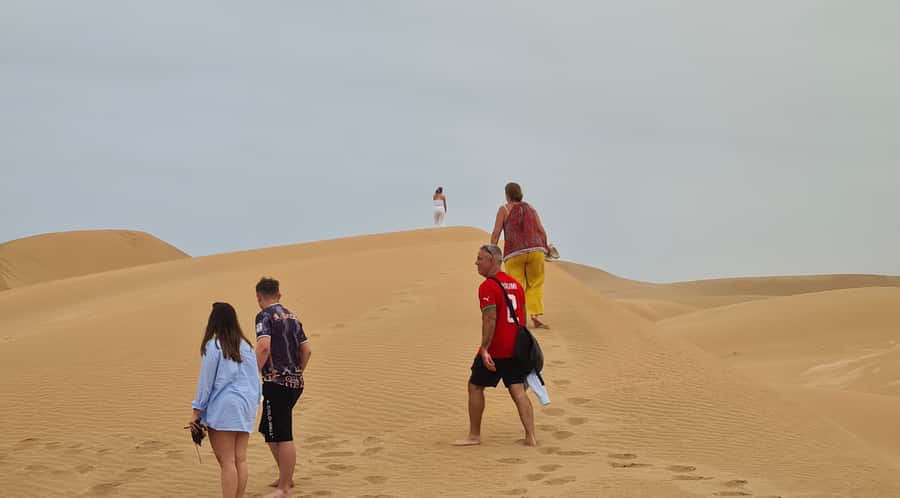
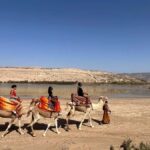
In the afternoon, you reach the Mini Sahara Desert dunes. This is where the day shifts from craft and villages to open sand and quiet. You’ll have time to relax in the golden sands, take photos, and enjoy a slower pace.
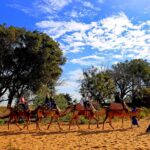
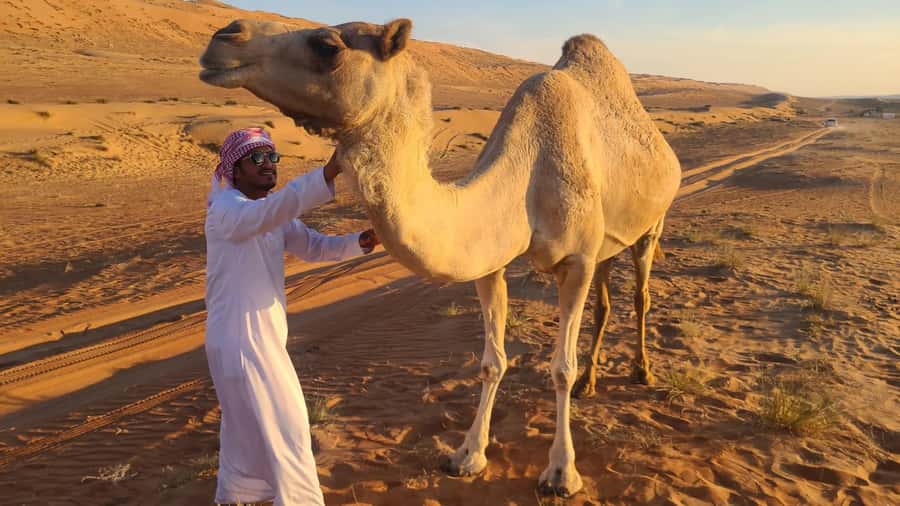
Then comes the camel ride. It’s short—about 5 minutes—and it’s designed as a fun photo opportunity, not a long trek. If what you want is hours in the desert, this won’t match that. But if you want a taste of camel life and dunes in one day, it’s a nice capstone.
Two practical notes:
- Dress for sand walking. Comfortable shoes and clothing you can move in matter.
- Protect yourself from sun. Bring sunglasses, sunscreen, and a hat. The sun can be strong even in cooler months.
Comfort, walking, and who should choose this tour
This is a full-day outing with walking on uneven ground—medina streets and sand—and it’s not suitable for wheelchair users or people with mobility impairments. Kids are welcome but need adult accompaniment.
I also suggest packing light. Large bags and luggage aren’t allowed, which helps the day move smoothly and keeps space manageable inside the vehicle.
Weather tip: bring a light jacket in November–March. Mornings and evenings can feel chilly, even when midday is fine.
If you’re someone who gets frustrated by changing surfaces (stairs, cobblestones, sand), this still may be doable, but you’ll enjoy it more if you’re comfortable taking short walking breaks and moving at your own pace.
Price and logistics: is $56 worth it?
For many Agadir-based tours, the question isn’t whether it’s “cheap.” It’s whether you’re getting enough included to make the day feel complete.
At $56 per person, you get:
- hotel or port pickup and drop-off (depending on your option)
- a modern AC 4×4 vehicle
- a driver and guide
- multiple site visits
- homemade lunch
- a short camel ride
That bundle is the main value. If you tried to recreate this yourself, you’d spend time arranging transport, paying for several separate stops, and sourcing a lunch plan. Here, the day is assembled for you and timed so you can hit the key places in one shot.
Where costs can creep up is if you buy extras (drinks and personal purchases). Plan a small budget for souvenirs or snacks so it doesn’t surprise you.
Should you book this Agadir-to-Sahara day trip?
I think you should book this if you want one efficient day that mixes driving, villages, crafts, a proper meal, and dunes—without needing to plan a whole route. It’s also a strong fit if you’re traveling with friends or family who enjoy varied stops and don’t mind walking a bit.
Skip it if your dream “Sahara” is a long camel trek or hours of pure desert time. This is more of a taste of the Mini Sahara paired with Anti-Atlas culture and Tiznit’s craft city energy.
If you go, pack for sun and sand, wear shoes you trust, and keep your shopping expectations calm. This tour is at its best when you treat it like a day of Morocco stories—camel photos included, but not as the main event.
FAQ
How long is the Agadir Sahara Desert Day Trip and Camel Ride?
It runs for 9 hours, one day.
What does the tour include for the price?
You’ll get hotel or cruise port pickup and drop-off (based on your option), homemade lunch, a modern AC 4×4 vehicle, site visits, a driver and guide, and a short camel ride.
How long is the camel ride?
The camel ride is short, about 5 minutes, mainly for a fun photo opportunity.
Where do pickup and drop-off happen?
You meet your guide outside the main entrance to the port. Pickup is also available from hotel or residence locations in Agadir, Taghazout, Tamraght, and Awrir (depending on the option). Drop-offs include Port de Commerce, Taghazout, and Agadir.
What languages are the guides available in?
The live tour guide is available in English, French, and German.
Is there a vegetarian lunch option?
Yes. A vegetarian meal option is available if you request it in advance.
What should I bring for the day?
Bring comfortable shoes, sunglasses, a sun hat, and sunscreen. A light jacket is recommended in cooler months (November–March).
Is luggage allowed?
No. Luggage or large bags are not allowed.
Who is this tour not suitable for?
It’s not suitable for people with mobility impairments or wheelchair users.
Is walking involved?
Yes. The day includes walking on uneven ground such as medina streets and the dunes.