REVIEW · MARRAKESH
Marrakech: Mosaic Workshop with Hotel Pickup and Drop-off
Book on GetYourGuide →Operated by MOROCCO TRIP · Bookable on GetYourGuide
Tiles can teach you Moroccan patterns fast. With hotel pickup and drop-off, you’re taken from your riad or hotel to a hands-on mosaic workshop where an English-speaking instructor shows you how traditional patterns come together from small pieces. It’s a rare chance to make something you can actually use as a souvenir, not just a photo.
I also like that you leave with your own mosaic masterpiece and a better grasp of what the design choices mean. One possible snag: language support can vary in practice, so don’t assume every moment will run smoothly in English only.
In This Review
- Key things to know before you start mosaics
- First Pickup, Then Pattern Time: what the Marrakech start feels like
- The 3-hour workshop flow: from cutting tiles to leaving with a piece
- Expert instruction (and the human touch): who teaches and why patience matters
- What you’ll actually learn: techniques behind Moroccan mosaic patterns
- Meaning in the details: why tiles aren’t random
- Tea, mineral water, and comfort: small breaks that keep you focused
- Getting there and back: minibus logistics that reduce Marrakesh stress
- Price and value: is $90 worth it?
- Who this workshop is perfect for
- Who should think twice
- Should you book the Marrakech Mosaic Workshop?
- FAQ
- How much does the Marrakech mosaic workshop cost, and how long is it?
- Is hotel or riad pickup and drop-off included?
- What’s included in the price?
- Are meals included?
- What languages is the instructor available in?
- What should I bring, and are there any restrictions?
- Is the workshop wheelchair accessible?
- What’s the cancellation and payment flexibility?
Key things to know before you start mosaics
- Convenient hotel/riad pickup and return so you don’t fight traffic or navigation after a long day
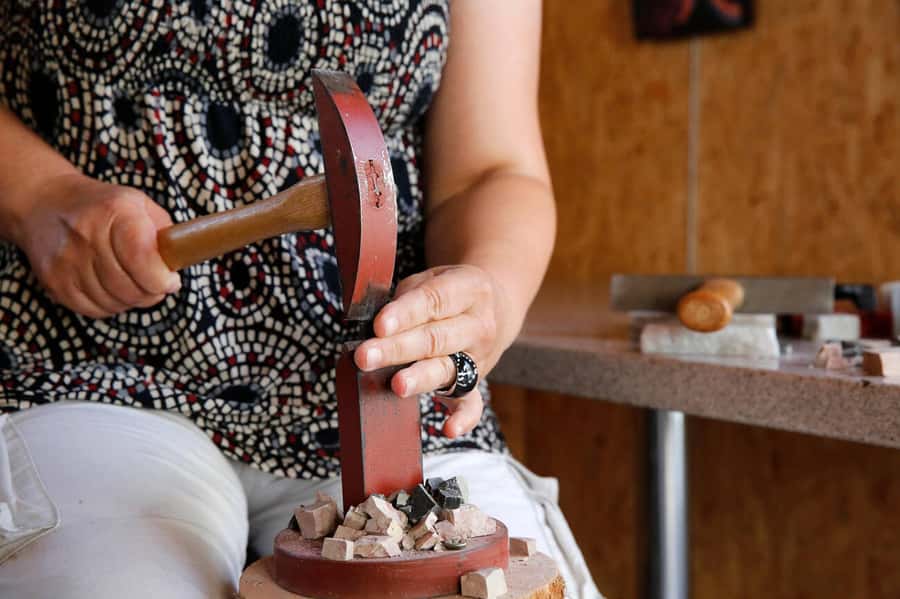
- A real instructor-led process for cutting and assembling traditional patterns
- Design meaning, with explanations of names, symbolism, and techniques as you work
- Tea and mineral water included to keep you comfortable during the 3-hour session
- Take-home results: you craft a finished mosaic piece to bring back
- Plan for language support (English, French, Spanish, Arabic are listed, but communication may still take creativity)
First Pickup, Then Pattern Time: what the Marrakech start feels like
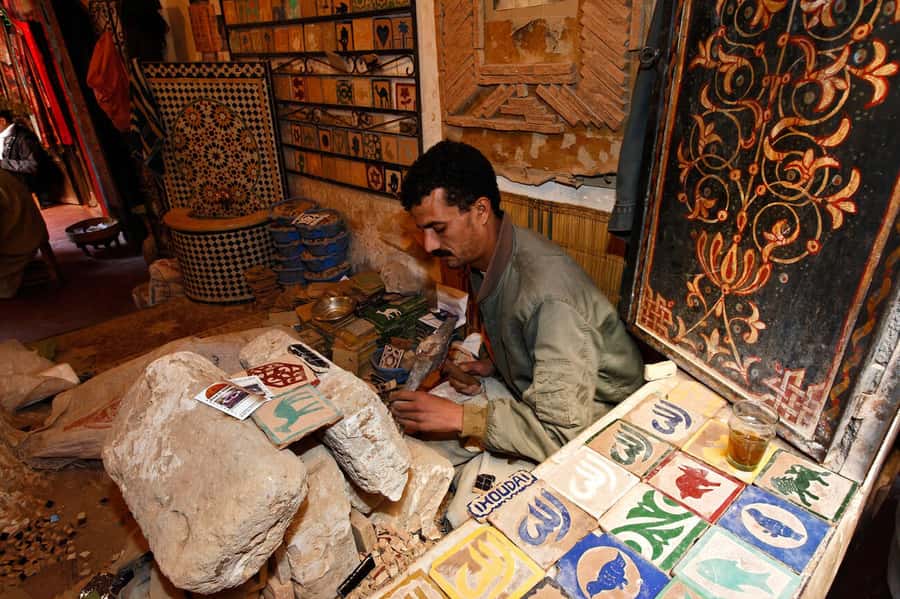
This class runs on a simple rhythm: you get collected from your accommodation, you go to the workshop with a provided driver and vehicle, and you spend the next stretch of time working at a bench with your materials.
The big practical win is hotel pickup and drop-off. Marrakesh can be chaotic in the best way, but it’s also easy to waste energy. Here, your logistics are handled by minibus or minivan, and you’re returned right where you started when the session ends. That makes the workshop fit nicely into a day that already includes markets, a garden, or a medina wander.
Pickup is offered from hotels, riads, or the nearest accessible point for vehicles in Marrakech. That’s useful if your riad is tucked into the older lanes where cars can’t go all the way. The workshop side of things, though, is different: it’s not wheelchair accessible, so you’ll want to plan around that if mobility is an issue.
A few more Marrakesh tours and experiences worth a look

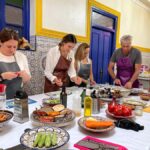

The 3-hour workshop flow: from cutting tiles to leaving with a piece
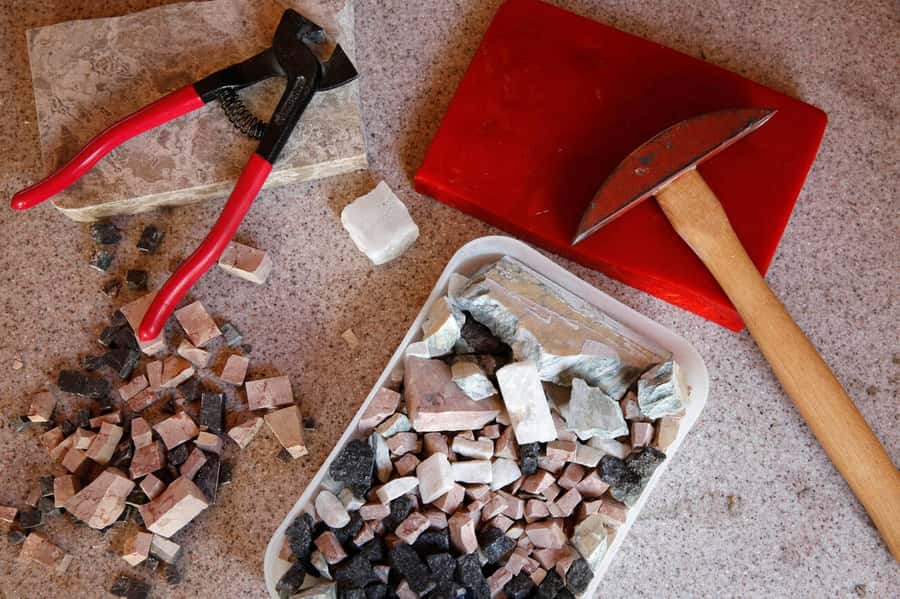
You’re looking at about 3 hours of hands-on making, not a quick demo. The session is built around three stages: learning the technique, following the pattern process, and then applying it to your own design.
First, you meet the instructor and get shown how traditional Moroccan mosaic patterns are made. You learn the hands-on side—how pieces are cut and how they’re assembled—so you’re not just repeating steps. The goal is that you understand what you’re doing as you do it.
Next comes the part that makes this feel like a real art class instead of a craft shop: explanations while you work. You’ll hear the different names associated with pieces and patterns, plus the meanings and techniques behind them. That turns your work from purely decorative into something more intentional.
Finally, you build. Let your imagination steer the design while still using the technique you’ve been taught. When the 3 hours are done, you conclude the workshop and return to your hotel with your take-home mosaic.
Expert instruction (and the human touch): who teaches and why patience matters
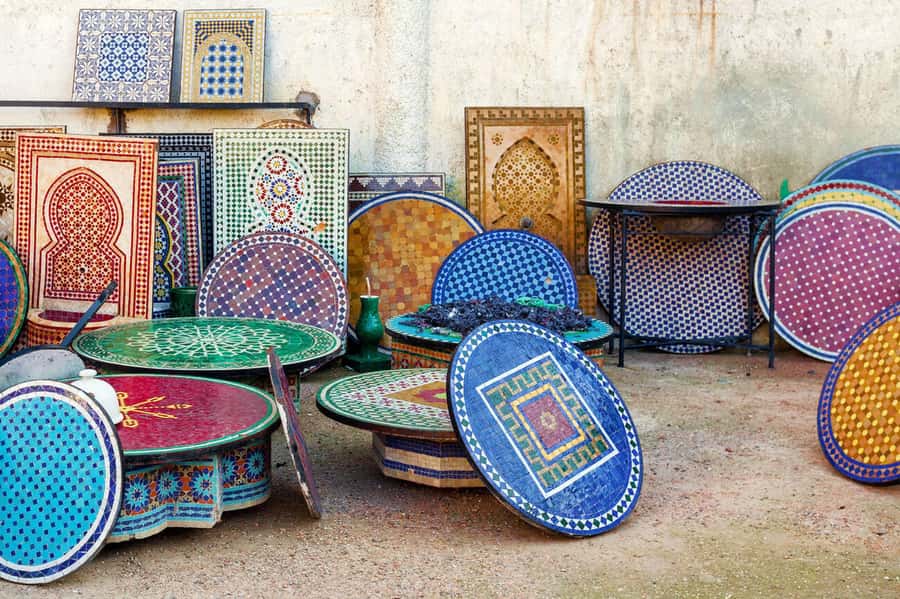
The instruction is provided in multiple languages—English, French, Spanish, and Arabic—and the workshop includes an English-speaking instructor. In practice, what really stands out is how patient and careful the teaching style can be.
One name that comes up in the experience is Ahmed. Multiple notes highlight his helpfulness and patience during the workshop, with people feeling like they learned real technique rather than just copied a template. That matters, because mosaic-making is mostly about control: small decisions about alignment, spacing, and cutting add up.
There can also be helpful support on language. One account mentions a younger lad interpreting during teaching, which is a good reminder that the workshop may use a “teach the hands first” approach. If you’re not fluent in the main language of your group, don’t panic—mosaic work is visual. Still, if English is your only comfort zone, it’s smart to enter with flexibility.
If you end up in a group where English feels limited, the safest plan is to treat the process like an art lesson, not a lecture. You’ll learn best by watching, asking, and using gestures when needed.
What you’ll actually learn: techniques behind Moroccan mosaic patterns
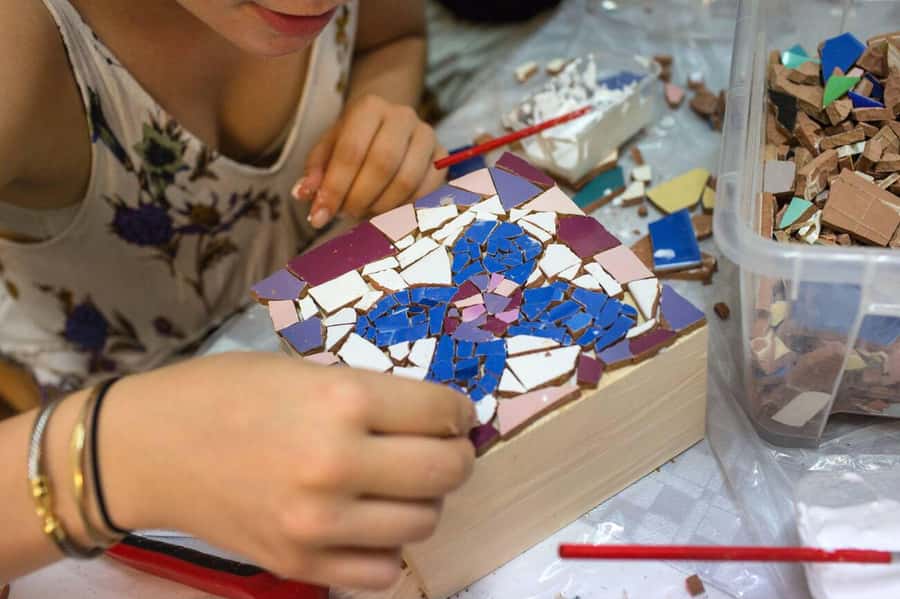
You’re not just handed pre-cut pieces and told to arrange them. The workshop includes materials and instruction focused on the core techniques—cutting and assembling traditional patterns.
That means you’ll learn how to work with the rhythm of mosaic layout: make pieces fit, place them with intention, and build sections so the pattern reads clearly. Even if your final design is simple, you’ll come away understanding the logic behind it.
Another thing the class emphasizes is that every tile has a purpose. You’ll discover how symbolism and design choices influence pattern layout. Some patterns are about visual balance, some are about directional flow, and some carry meaning tied to the tradition. The instructor’s explanations connect the “how” (technique) to the “why” (pattern logic).
This is also where the workshop becomes more than a souvenir. Once you understand the basic technique, you start recognizing patterns in Marrakesh—on walls, in décor, and in craft displays—because you know what you’re looking for.
Meaning in the details: why tiles aren’t random
The history and meaning portion isn’t just trivia. It’s tied to the design choices you’re making while you work.
During the session, you’ll hear about the history of Moroccan mosaic art and the different names, meanings, and techniques behind each piece. That’s valuable because it helps you interpret the design language rather than treating it like decorative wallpaper.
A useful way to think about it: once you know the tradition behind the patterns, you can decide how you want your own mosaic to look and feel. You’ll know what kind of arrangement matches the explanation you’re hearing. You can also ask questions as they come up, since the instruction is happening in real time at your table.





Tea, mineral water, and comfort: small breaks that keep you focused
You’ll enjoy tea and mineral water during the workshop. It sounds simple, but it helps because mosaic-making requires concentration. If you’re working with your hands for a full 3 hours, a small reset keeps your focus steady.
Comfort matters here. Wear comfortable clothes suitable for crafting. You’ll be handling materials, so think practical rather than fancy. A sun hat and sunscreen are recommended too—because even if you’re mostly indoors, you’ll likely spend time outside for pickup and walking in Marrakesh.
Camera: bring it if you want to document the process. It’s also a good idea to take a photo of your work-in-progress before you finish, since it can be helpful later when you pack it or tell the story of how you made it.
Also note the rule: no smoking. If you’re a smoker, plan breaks in advance so you’re not stressed during the session.
Getting there and back: minibus logistics that reduce Marrakesh stress
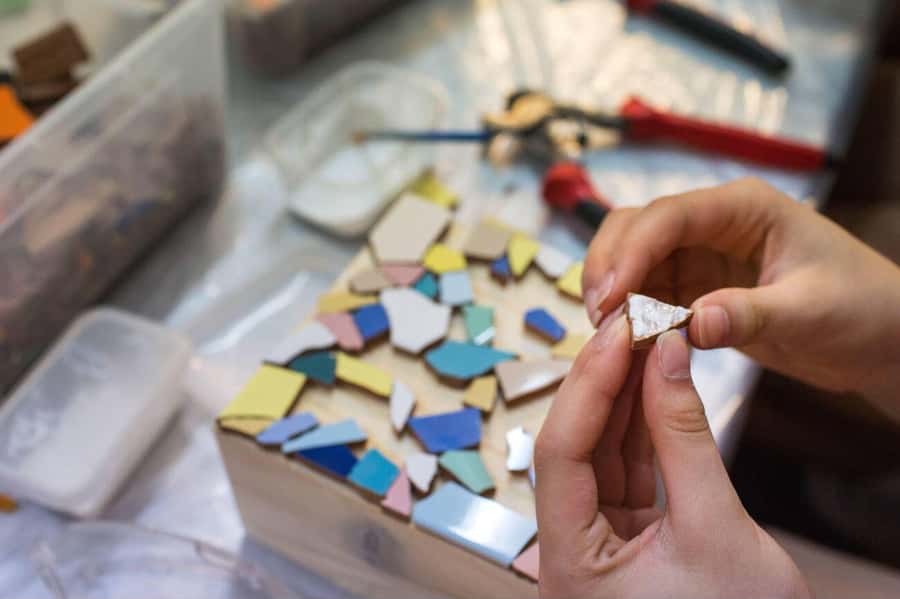
This activity includes transport by minibus or minivan, plus pickup and drop-off. That means you don’t need to figure out timing, routes, or parking in a city where traffic can be intense.
The timing is scheduled by availability, with the activity running for about 3 hours. Because exact start times can vary, you’ll want to check the available slots before you build the rest of your day. The workshop fits best when you’re not trying to stack another demanding activity immediately before or after.
For weather and schedule surprises: there are notes about drivers being attentive in heavy rains and keeping things moving. That’s the kind of behind-the-scenes comfort you want on a day when plans can get messy.
Price and value: is $90 worth it?
At $90 per person for a 3-hour class with pickup/drop-off, an instructor, materials, and refreshments, this isn’t a casual throwaway. It’s priced like a guided experience with enough structure to actually teach you something—and enough materials support that you’re not stuck buying supplies on your own.
Here’s what you’re paying for, in practical terms:
- Transport + convenience: pickup and return save time and hassle
- Instruction: you’re learning cutting and assembling, not just arranging
- Materials included: you don’t have to source workshop supplies
- A take-home piece: you leave with something you made, not just memories
- Tea and water: small perk, but also a comfort factor during a hands-on session
If your goal is a quick souvenir purchase, you could spend less. But if your goal is learning a craft process and bringing home a personal object with real effort behind it, the price starts to make sense. It’s the difference between buying a thing and making a thing.
Who this workshop is perfect for
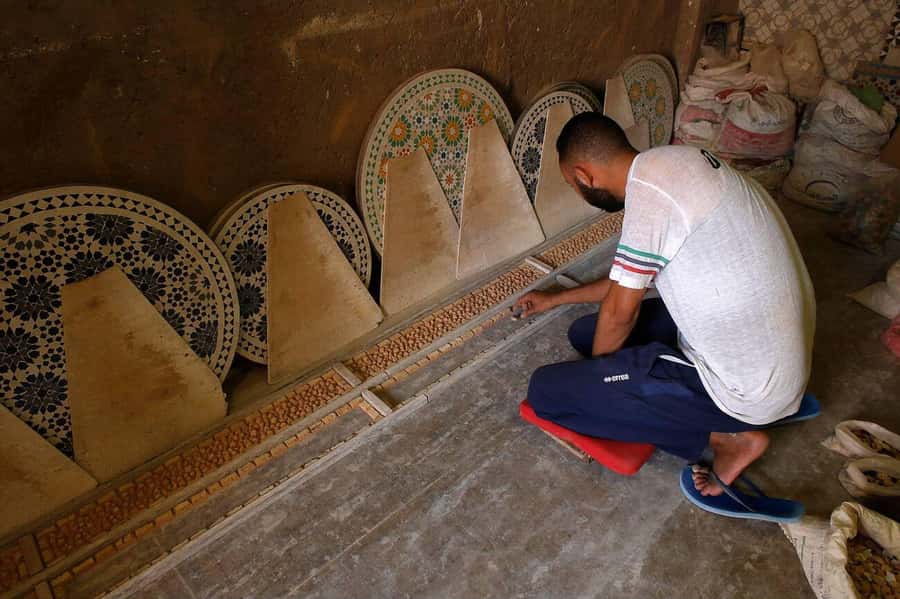
This mosaic class is a strong choice if you want a hands-on cultural activity that doesn’t require prior art skills. The technique-focused teaching makes it approachable, even if you’ve never worked with tile patterns before.
It’s also a great fit if you like activities that combine:
- A clear process (cutting and assembling)
- Story and meaning (names, symbolism, technique explanations)
- A tangible result (a mosaic you take home)
If you’re traveling with limited time in Marrakesh, the 3-hour duration is practical. You can get value from a single guided block without turning the day into a logistics marathon.
Who should think twice
If wheelchair access is important, you should skip this workshop. It’s listed as not wheelchair accessible and not suitable for wheelchair users.
Also consider language expectations. While multiple languages are listed, not every class may feel equally English-friendly in the moment. If you’re the type who needs constant verbal explanation to feel comfortable, you may want to choose a time when you can confirm the language support you need—or at least go in ready to learn visually.
Finally, plan your day around sitting and crafting. This isn’t a walk-through. If you’re looking for a mostly passive cultural stop, you might prefer a different kind of tour.
Should you book the Marrakech Mosaic Workshop?
I think it’s a smart booking if you want more than a souvenir. The combination of expert-led technique, pattern meaning, included materials, and a finished take-home mosaic makes it feel like a real craft experience rather than a quick art stop.
Book it if:
- you want hotel/riad pickup to simplify Marrakesh logistics
- you enjoy making things with your hands
- you’d like context for Moroccan mosaic patterns while you work
- you’re happy with a workshop pace built around demonstration and practice
Skip it if:
- wheelchair access matters
- you need guaranteed constant English explanation in every moment
- you want something mostly observational rather than hands-on
If your idea of a great Morocco memory is a craft you can hold, this is the kind of class that delivers.
FAQ
How much does the Marrakech mosaic workshop cost, and how long is it?
It costs $90 per person and lasts about 3 hours.
Is hotel or riad pickup and drop-off included?
Yes. Pickup and drop-off are included, with pickup available from hotels, riads, or the nearest accessible point for vehicles in Marrakech.
What’s included in the price?
The package includes hotel pickup and drop-off, transport by minibus or minivan, an English-speaking instructor, mosaic workshop materials, and tea and mineral water.
Are meals included?
No. Meals are not included.
What languages is the instructor available in?
Instruction is available in English, French, Spanish, and Arabic.
What should I bring, and are there any restrictions?
You should bring a sun hat, camera, sunscreen, and wear comfortable clothes suitable for crafting. Smoking is not allowed.
Is the workshop wheelchair accessible?
No. It’s not wheelchair accessible and is not suitable for wheelchair users. Pickup may be available to a nearest accessible point for vehicles in Marrakech.
What’s the cancellation and payment flexibility?
You can cancel up to 24 hours in advance for a full refund. You can also reserve now and pay later.