REVIEW · MARRAKESH
Zagora: 2-Day Desert Trip from Marrakech
Book on GetYourGuide →Operated by Click Excursions · Bookable on GetYourGuide
Two days from Marrakech, and you feel worlds shift. This 2-day run threads the Atlas Mountains, Zagora desert nights, and a Berber tent stay into one clear plan.
I love the pace and variety: a drive over the Tizin’tichka Pass followed by the Draa Valley with kasbahs and date palms. I also like that you get a real desert camel ride, plus dinner with Berber music.
One possible drawback: the day is long and the camp feel can vary, since some setups have tents close to the road and you might notice strong odors under the tents on certain nights.
In This Review
- Key things I’d pin to the top
- Marrakech to Zagora: the long Atlas drive that sets the tone
- Ait Ben Haddou: the adobe kasbah visit you’ll remember
- Ouarzazate and film-studio context: Kasbah Taourirt and Galoui Palace
- Draa Valley kasbahs and date palms: why this route feels different
- Zagora camel ride and desert camp night: the core of the experience
- Sunrise, stars, and the second camel ride back
- Price and logistics: is $556 per group good value?
- Shared vs private: how the group choice changes your day
- What to bring (and what to plan around)
- Who this Zagora 2-day trip is perfect for
- Should you book this 2-day Zagora Desert trip?
- FAQ
- How long is the Zagora 2-day desert trip from Marrakech?
- Where does the pickup happen?
- Is the camel ride included?
- Do you sleep in Berber tents?
- What meals are included?
- Are entrance fees included for monuments?
- What languages does the guide speak?
- What is the cancellation policy?
Key things I’d pin to the top
- Tizin’tichka Pass drive cuts through the Atlas Mountains on the way to Zagora
- Ait Ben Haddou gives you the famous adobe kasbah experience up close
- Ouarzazate stops add film-studio context with Kasbah Taourirt and the Galoui Palace area
- Camel ride (1–2 hours day 1) moves you from town to desert camp the right way
- Berber tent overnight includes half-board and nighttime entertainment around the fire
- Sunrise and stars are built into day 2, right before you head back
Marrakech to Zagora: the long Atlas drive that sets the tone
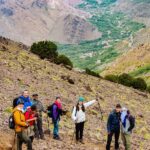
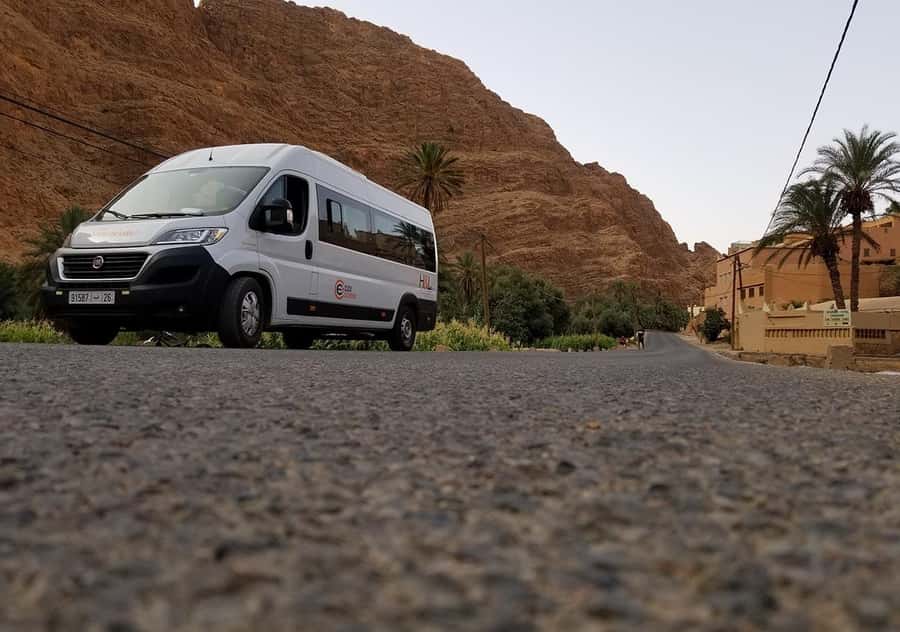
This is a true road-trip style desert excursion. You start with a morning pickup at 07:30 from your Marrakech hotel or riad. Then the day tilts upward into the Atlas Mountains, with regular stops built in for water, lunch opportunities, and restroom breaks.
What makes this part worth it is that it’s not just “getting there.” The drive routes you through small Berber villages and mountain scenery, then down toward the Draa Valley—where adobe kasbahs and date palms start showing up in a way that feels practical and lived-in, not staged. If you like seeing how people actually organize life around the land, this segment delivers.
Also, a key reality check: you’re traveling a lot in two days. Even if the schedule is efficient, it still feels like a big chunk of your time is on the vehicle. Plan your expectations accordingly—this trip is for people who want highlights packed into a short window.
A few more Marrakesh tours and experiences worth a look
Ait Ben Haddou: the adobe kasbah visit you’ll remember
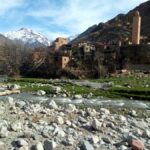
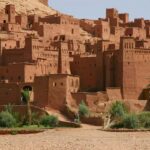
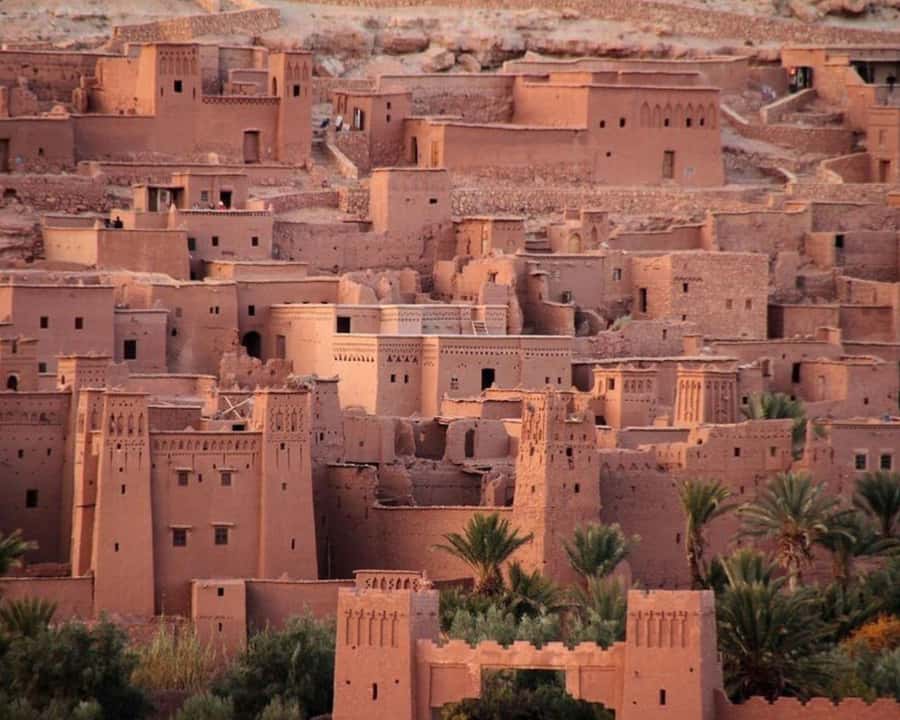
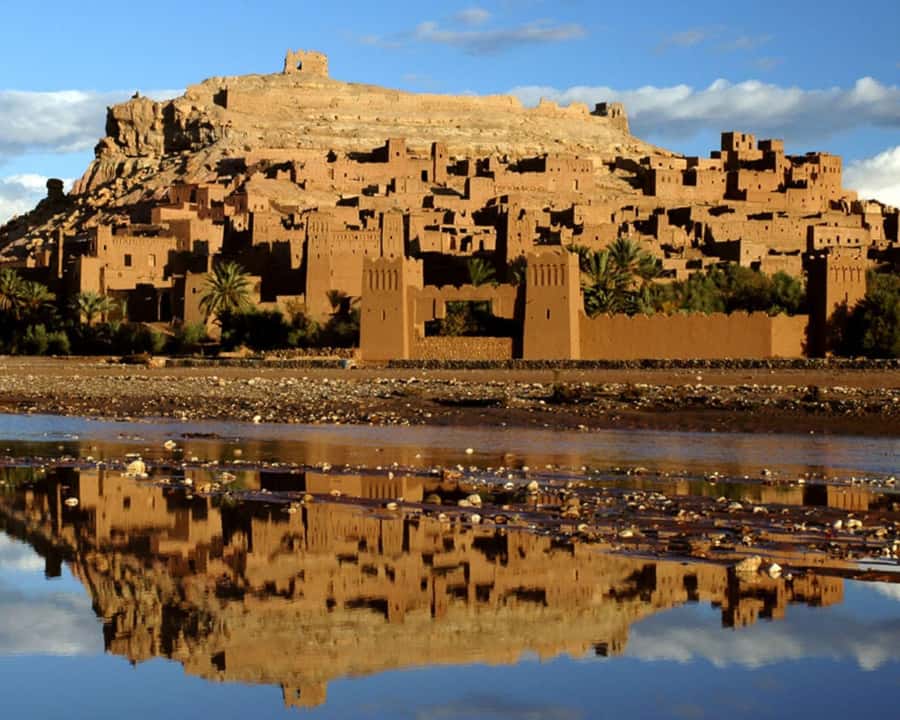
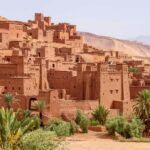
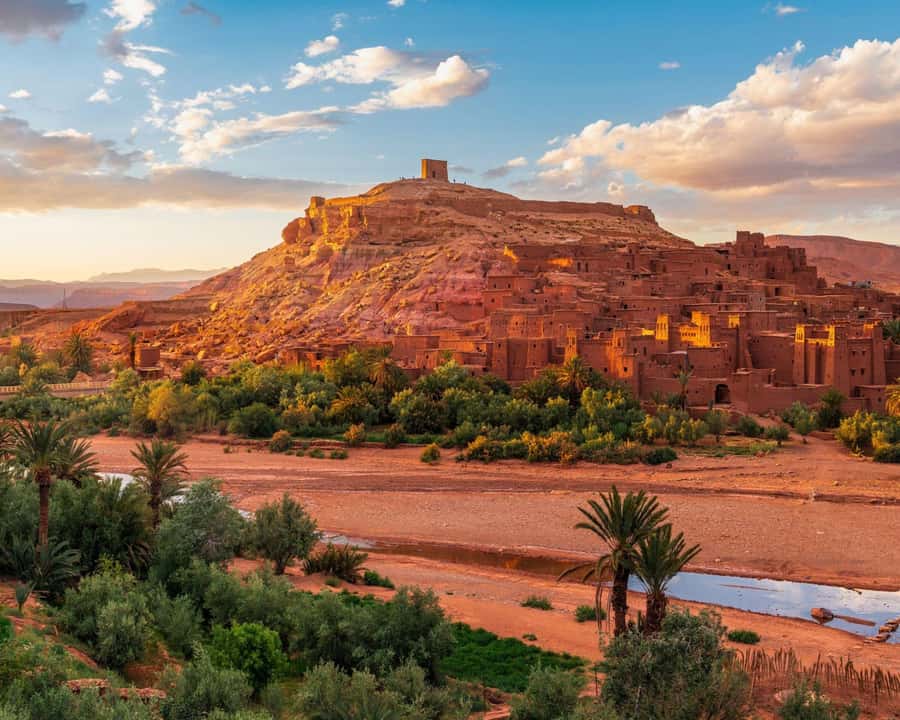
Ait Ben Haddou is the star stop on day 1. After your Atlas drive, you visit the Kasbah of Ait Ben Haddou, one of Morocco’s most famous fortress-style settlements. This place has shown up in big-budget films like Lawrence of Arabia and Cleopatra, so when you get there, you’ll quickly understand why filmmakers love it: the forms, the color, and the way the structures hug the terrain.
In practical terms, the visit is also the part that gives you time to slow down. The kasbah is made of massive adobe buildings, clustered like a living fortress. Your guide helps connect what you’re seeing—fortified walls, family sections inside the structures, and the overall layout—to the way kasbah life works across generations.
One consideration: entrances to monuments are not included. So when you’re planning your budget, assume you’ll need extra cash or card for sites along the route (Ait Ben Haddou included, since it’s a monument-style stop). It’s not a deal-breaker—just don’t let it surprise you late in the day.
Ouarzazate and film-studio context: Kasbah Taourirt and Galoui Palace
Day 2 brings you back by breaking the journey in Ouarzazate. You’ll see the city’s connection to film studios, then visit Kasbah Taourirt and the old Galoui Palace area.
This stop is valuable for two reasons. First, it helps you connect the dots between the desert-and-kasbah look and the places that helped create the “Morocco on screen” vibe. Second, it gives your eyes a change of pace after the desert sunrise and camel ride.
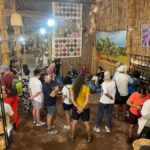
If you care about architecture and interiors, Kasbah Taourirt is the kind of site where details matter: the fort-like structure, the scale, and the sense that these buildings were designed for control and community all at once. The Galoui Palace stop adds more context to the older layers of the area.
The drawback here is simple: the day has a fixed flow. You won’t have hours and hours. You’ll get a solid look, but it won’t feel like a slow museum day. If you’re the type who hates rushing, keep that in mind.
Draa Valley kasbahs and date palms: why this route feels different
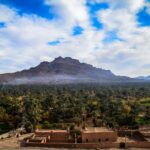
Between the mountain pass and Zagora, you pass through the Agdz and Draa valleys. This is where the tour stops feeling like a straight line and starts becoming a story of settlement patterns.
The Draa Valley section includes many kasbahs and the long palm tree oasis that’s an important source of dates. Even if you’re not a “food” traveler, this matters because it explains why cities and forts appear where they do. People built where water and agriculture made sense, then protected that investment with walls and fortress-style architecture.
Another small but useful detail: the tour mentions massive adobe structures dividing family living spaces within kasbah villages. That’s a reminder that these places weren’t built just for looks. They are part of an ongoing way of life that has continued over centuries.
Zagora camel ride and desert camp night: the core of the experience
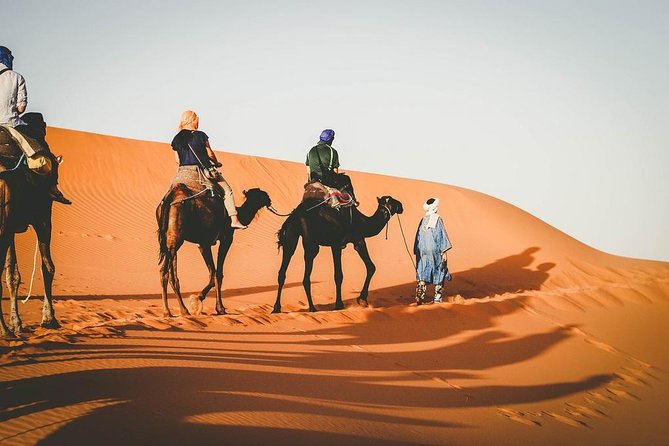
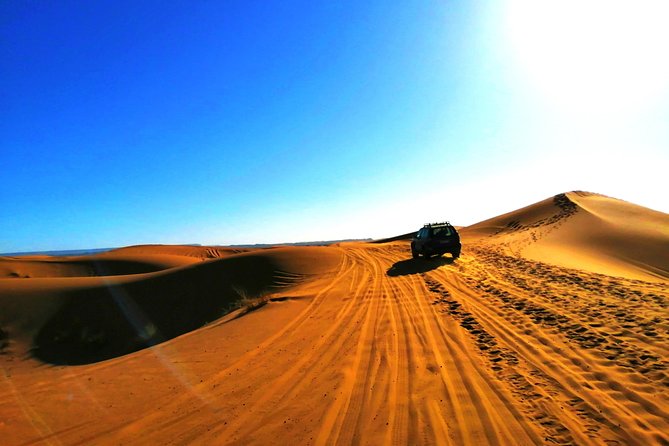
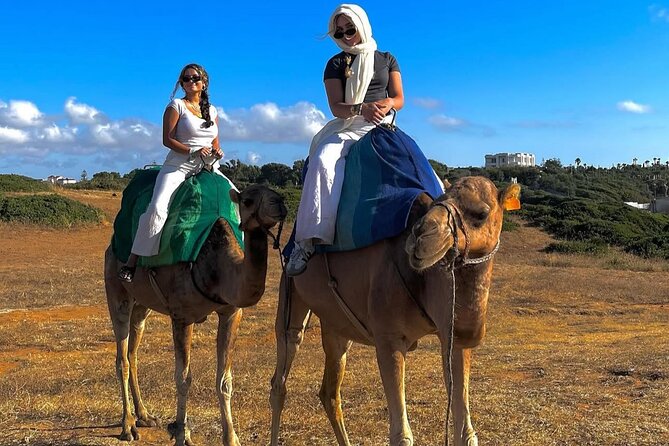
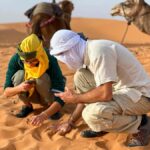
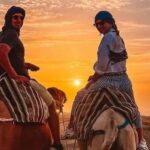
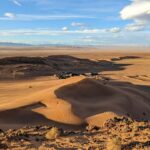
Once you reach Zagora, the day shifts into desert mode. You go for a camel ride to the camping site—listed as 1–2 hours—so you aren’t just driving past the desert. You move through it on the animals, which changes the rhythm and makes the night feel earned.
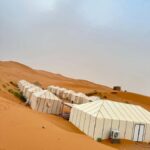
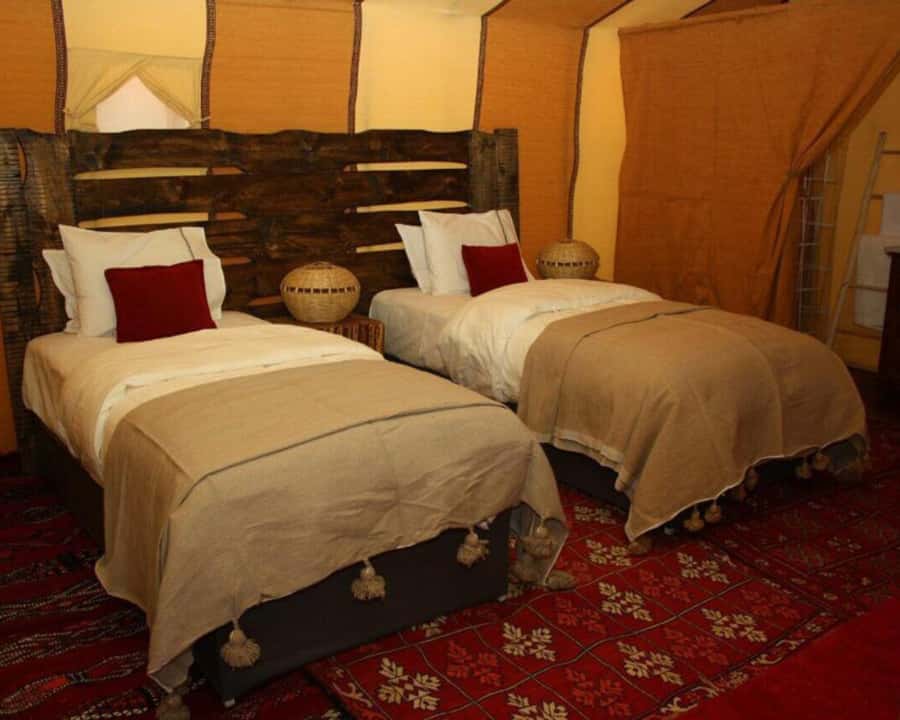
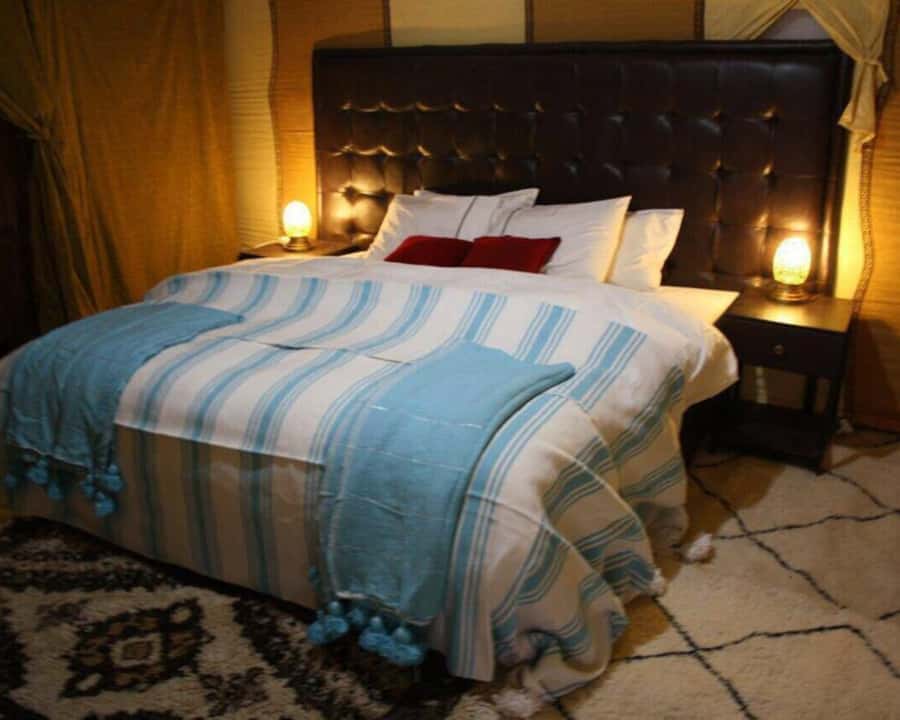
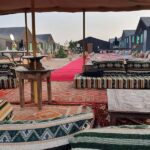
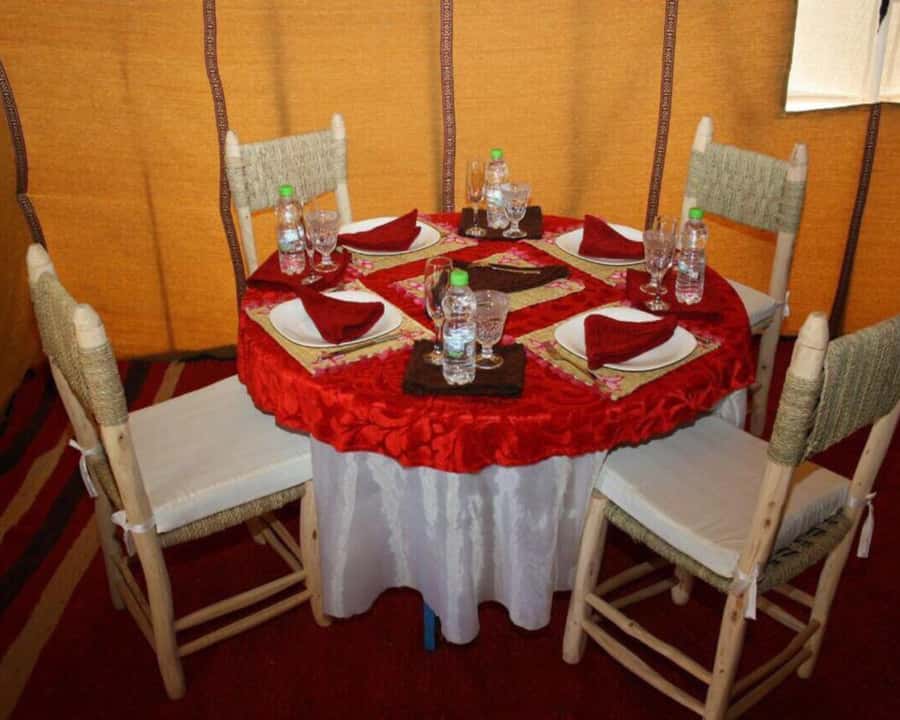
At the camp, you’ll sleep in a Berber tent and enjoy half-board (so dinner is part of the package). Dinner includes Berber music, and the atmosphere is built around a fire and evening entertainment. One extra nice touch: WiFi is included, so you can still update photos or check messages if you’re the staying-connected type.
Here’s what to watch for. Camp setup can vary. Some descriptions point to tents being close to the road on certain nights, and one mention included an odor issue under the tents from decomposing plastic. That doesn’t mean every night is like that, but it is worth taking seriously if you’re sensitive to smell or you want maximum quiet.
Music and social energy also vary. Some camps can feel more like a lively event than a silent desert night. If you’re imagining full darkness and total hush, go in knowing entertainment may be part of the plan.


Sunrise, stars, and the second camel ride back
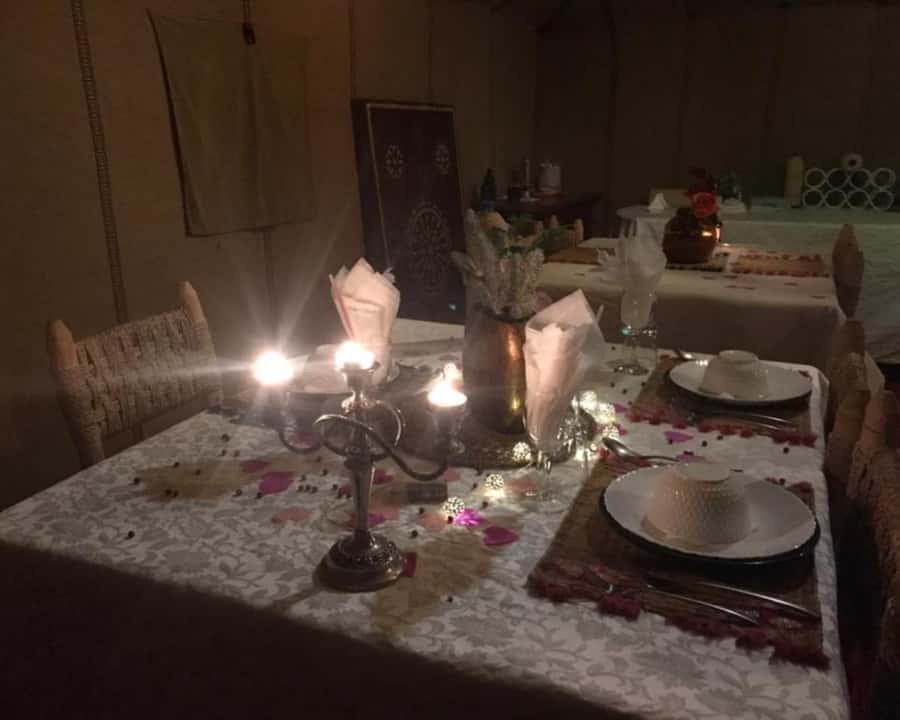
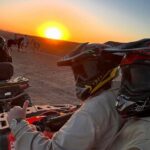
Day 2 starts early enough that you’re set up to see sunrise from the campsite. That timing is a big deal. Sunrise views over the desert feel like one of those “short and powerful” moments—fast to happen, hard to fake, and worth waking up for.
After sunrise, you’ll have the camel ride back to the starting point, then transfer to Marrakech. During the return drive, you stop again in Ouarzazate, where you visit Kasbah Taourirt and the Galoui Palace area.
This is also the day when star viewing is often a highlight. In descriptions of the evening, people talk about being shown the sky by local guides and watching falling stars from the sand. You’ll want to keep expectations realistic—clouds happen—but the camp setup is clearly designed to make stargazing part of the experience, not an afterthought.
Logistics-wise, drop-off is listed around 18:00, but arrival time to Marrakech may vary slightly due to traffic or weather, sometimes running later (the info you’re given also references arrivals closer to 20:00). I’d plan your evening in Marrakech with a little buffer.
Price and logistics: is $556 per group good value?
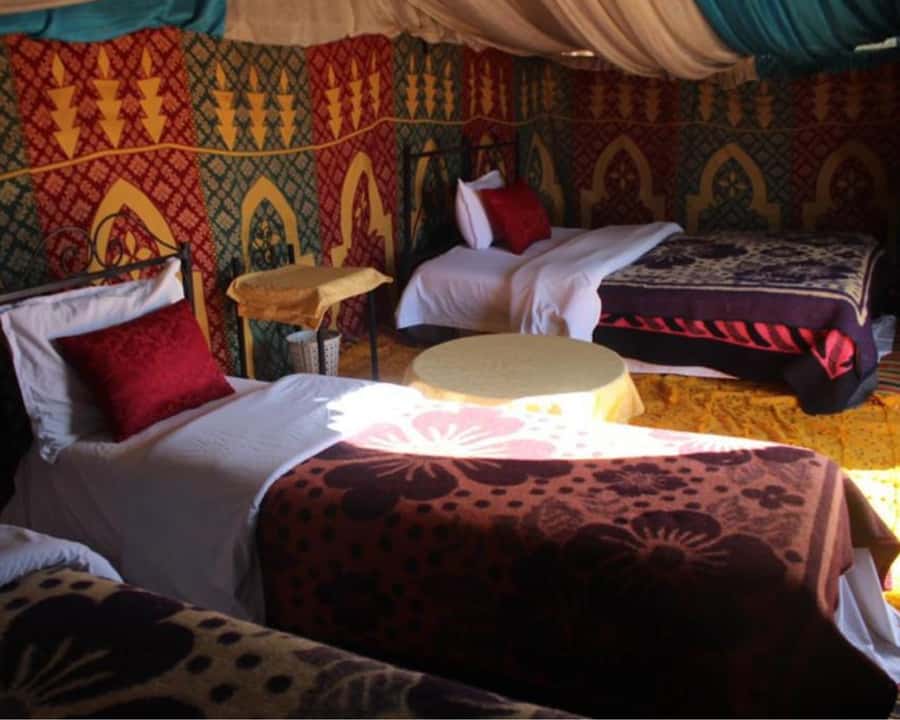
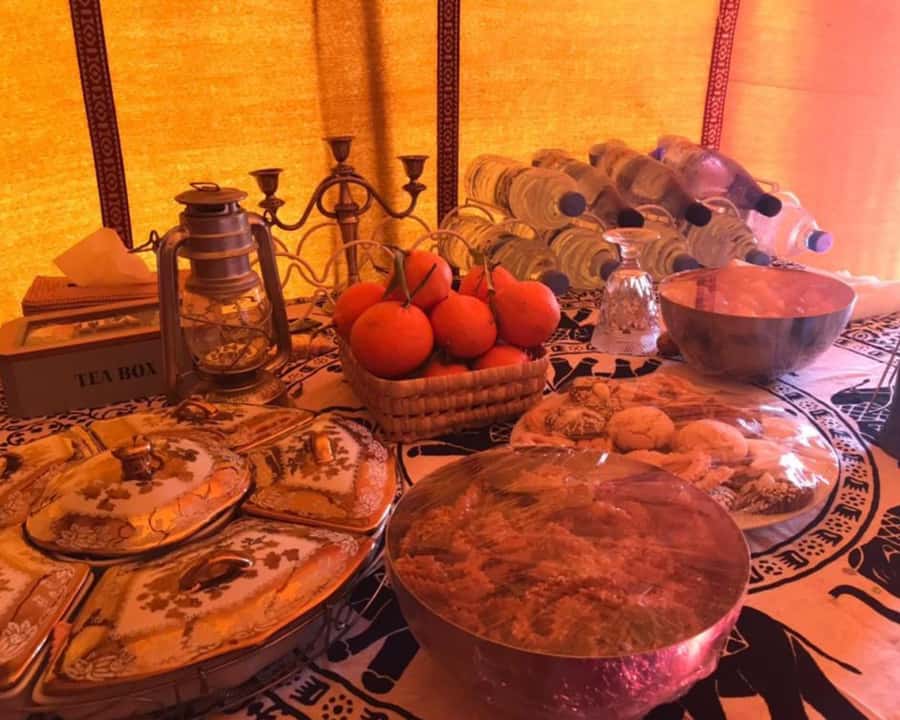
The price is $556 per group up to 2 for the full 2-day itinerary. That’s not cheap on the surface, but it’s also not “just a ticket.” You’re paying for:
- Professional transportation (with regular stops)
- Half-board while you’re in the desert camp (so you’re not hunting dinner at night)
- A camel ride in Zagora
- Wifi at camp
- A live guide with languages listed as Spanish, English, French, Arabic
For two people, the value makes more sense because the price is per group, not per person from the top line. If you’re traveling solo, it may feel more expensive, but you still get a packaged route that saves you the headache of coordinating long-distance transport across multiple stops.
Extra costs to expect: entrance fees to monuments and any other food and drinks. Since lunch stops are scheduled and you’ll be traveling most of the day, budgeting a little extra helps you stay relaxed instead of calculating every snack purchase.
Bottom line on value: this price makes sense if you want the full “drive + kasbahs + camel + night under Berber tents + sunrise” circuit without doing logistics yourself.
Shared vs private: how the group choice changes your day
You can choose between a shared or private experience. The info you’re given also labels the setup as a private group, so the key takeaway is that you can opt for less hassle and more control.
Private (or small-group) formats typically feel better on long drives like this. Stops are easier to manage, you’re less likely to feel rushed by other schedules, and the guide can adjust the pace when road conditions or timing needs a tweak.
If you go shared, you might get the same sights with a more “group tour” feel. That’s not wrong—it’s often cheaper in similar regions—but it can mean less flexibility around how long you spend at each place.
Either way, pickup is included, and if your riad or hotel isn’t accessible by car, you’re set with a nearby meeting point just a short walk away.
What to bring (and what to plan around)
This trip is sunshine-heavy early and visibility-focused late. Bring what the tour calls out:
- Sunglasses
- Sun hat
- Camera
- Sunscreen
Also, think about comfort for two days that blend vehicle time and time outdoors. You’ll want to be ready for bright mornings and long hours in transit. If you’re prone to motion discomfort, take precautions before the Atlas section.
One more practical note: you’ll likely be handling extra costs for monument entrances and any food/drinks not included. Keep that in mind so you don’t feel stuck later.
Who this Zagora 2-day trip is perfect for
This is a great fit if you want:
- A short desert experience from Marrakech (without a full week)
- The big names: Ait Ben Haddou plus Zagora desert
- A camel ride that’s long enough to feel like part of the journey
- Evening camp time with Berber music and a chance to enjoy the sky at night
It’s less ideal if you hate long road days or you’re extremely picky about camp conditions. Variations in camp setup (including how close tents are to the road and the overall vibe) can matter if you’re expecting total silence.
Should you book this 2-day Zagora Desert trip?
Yes—if your goal is a packed, highlight-driven Zagora desert getaway with the famous kasbahs and a genuine overnight in Berber tent camping. The combination of Atlas scenery, Ait Ben Haddou, Ouarzazate stops, and the camel-and-sunrise sequence is exactly the kind of itinerary that works well in two days.
I’d only hesitate if you’re sensitive to smells or you know you prefer a very quiet, low-activity camp atmosphere. If that’s you, still book—but message the operator beforehand and ask what the camp layout tends to be like on your travel dates.
FAQ
How long is the Zagora 2-day desert trip from Marrakech?
The tour runs for 2 days. You’ll be picked up in the morning on day 1 and returned to Marrakech on day 2, with drop-off listed around 18:00 and possible variation depending on traffic or weather.
Where does the pickup happen?
Pickup is included from your hotel or riad in Marrakech. If your accommodation is not accessible by car, you’ll be directed to a nearby meeting point.
Is the camel ride included?
Yes. The itinerary includes a camel ride in Zagora, with day 1 listed as about 1–2 hours.
Do you sleep in Berber tents?
Yes. You’ll spend the night in a Berber tent as part of the half-board stay.
What meals are included?
The package includes half-board accommodation in a Berber tent, which includes dinner during the desert night.
Are entrance fees included for monuments?
No. Entrance fees to the monuments are not included.
What languages does the guide speak?
The live guide is listed in Spanish, English, French, Arabic.
What is the cancellation policy?
You get free cancellation up to 24 hours in advance for a full refund.