REVIEW · MARRAKECH
Zagora Desert: 2-Day Trip from Marrakesh
Book on Viator →Operated by Maroc Expedition Travel · Bookable on Viator
A desert trip starts the second you leave Marrakesh. This 2-day Zagora excursion trades city noise for High Atlas road views and a real overnight in the desert. I love the small-group feel (max 17) because you get more time with your driver, and I like that Ait Ben Haddou is built into the schedule as a UNESCO stop. One thing to consider: if you’re hoping for an extra add-on like a Film Studios stop, confirm it clearly ahead of time, since some departures don’t hit every optional-style stop.
The heart of the experience is simple: drive high into the mountains, visit kasbahs, then ride a camel into the Sahara outskirts near Zagora and sleep under stars. The overnight camp setup is part comfort, part adventure, with dinner and a campfire drums party if weather allows. Just keep your expectations realistic: you’re on the road a good chunk of the time, and lunch isn’t included, so plan for extra spending on meals.
In This Review
- Key Points to Know Before You Go
- Crossing Morocco’s Mountains: The Drive That Sets the Tone
- A practical tip: ask your driver what the timing looks like
- Ait Ben Haddou UNESCO Stop: More Than a Pretty Kasbah
- The good and the not-so-good
- Down to Zagora: Draa Valley Roads and the Desert Edge Feeling
- Camel ride tip: manage expectations
- Overnight in a Zagora Desert Camp: Stars, Dinner, and Drums by Firelight
- What I’d do to make this night work
- Return Day Through Ouarzazate: Taourirt Kasbah and Road-Wrapped Views
- Lunch choice: Ouarzazate or Agouim
- Price and Value: Is $98.87 Worth It?
- Budget math you can do quickly
- Logistics That Actually Matter: Groups, Pacing, and Confirming Your Must-Do
- The meeting point is central
- Who This Zagora Trip Suits Best
- Should You Book This 2-Day Zagora Desert Tour from Marrakesh?
- FAQ
- How long is the Zagora desert trip from Marrakesh?
- What’s included in the price?
- Are lunches included?
- Is a local guide included at Ait Ben Haddou and Taourirt Kasbah?
- What’s the camel ride like?
- What happens if the weather isn’t good?
- How many people are on the group tour?
Key Points to Know Before You Go
- Tizi N’Tichka pass: you’ll cross the High Atlas by car with mountain scenery and village views along the way.
- UNESCO Ait Ben Haddou: a fortified kasbah visit plus lunch, not just a drive-by photo stop.
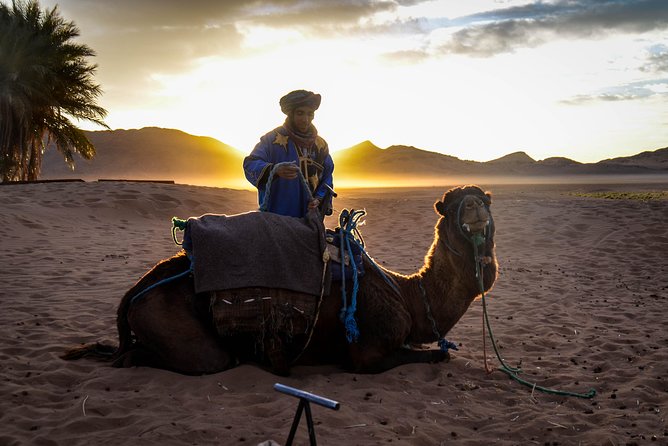
- Camel ride to the camp: about one hour into the desert of Zagora to reach your overnight camp.
- Overnight desert camp with HB: dinner and breakfast included, and camp activities depending on conditions.
- Return via Ouarzazate: you’ll stop at Taourirt Kasbah on the way back toward Marrakesh.
- Small group max 17: easier pacing than big buses, and you’re more likely to get real conversation with your driver.
Crossing Morocco’s Mountains: The Drive That Sets the Tone
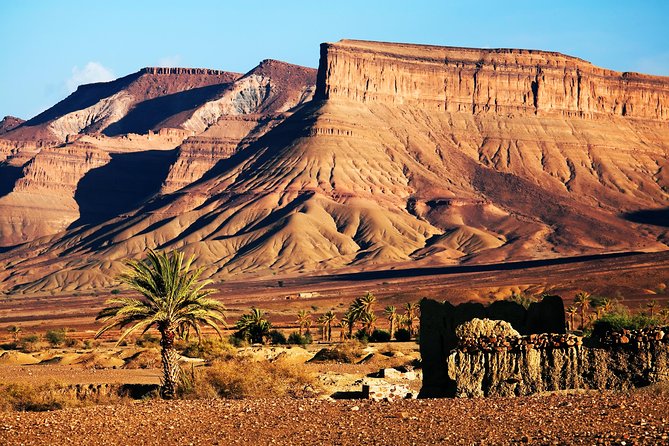
Most Zagora trips feel like they start when you hit the sand. On this one, I’d argue the real “wow” begins earlier—when you leave Marrakesh and climb into the High Atlas.
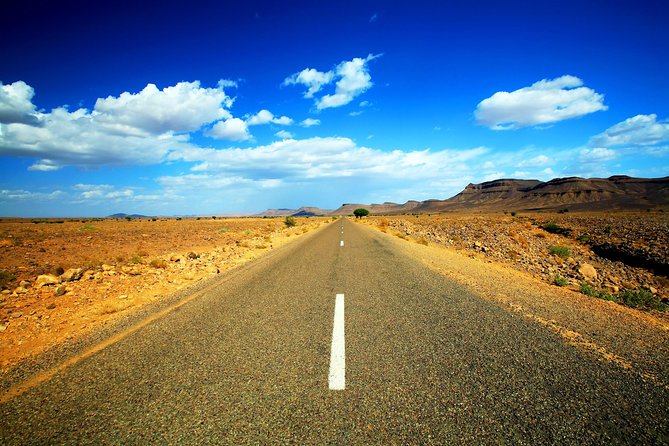
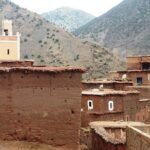
You start around 7:30am from Café de France, 72 Rue des Banques. Then comes a long drive (about 4 hours to reach Ait Ben Haddou), with multiple short breaks for pictures and stretching your legs. The route takes you over the Tizi N’Tichka pass, one of the classic ways to understand Morocco’s geography: rock, switchbacks, and small Berber villages scattered along the slopes.
This part matters because it makes the desert feel earned. By the time you’re leaving the Anti Atlas mountains and entering the Draa valley, you already understand why people settled where they did—routes, water systems, and the logic of living between mountains and desert edges. If you get motion-sick easily, go prepared. The trip is mostly road time, and it’s not a quick hop.
A few more Marrakech tours and experiences worth a look
A practical tip: ask your driver what the timing looks like
You’ll see a number of stops for breaks and photos. Your driver (English/French/Spanish speaking) can help you judge the best moments to take pictures and when to use the restroom before the next stretch. Also, if your hotel is outside the Medina, you may get hand pickup and drop-off—worth confirming during booking so you don’t end up trekking at daybreak.
Ait Ben Haddou UNESCO Stop: More Than a Pretty Kasbah
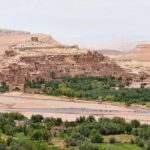
Ait Ben Haddou is one of those Morocco landmarks that hits even if you’re not a movie buff. The key is that it’s not treated as a drive-by view here—you’ll have time to visit the Kasbah of Ait-Ben-Haddou, a UNESCO World Heritage site.
The kasbah is a fortified village—basically a mudbrick defensive settlement—so walking through it gives you a strong sense of how people built for survival. It’s not just “old buildings.” It’s a whole village layout where walls and architecture reflect how life worked in the region.
You’ll also get lunch after the visit. And here’s a cost note that’s easy to miss: a local guide in Ait Ben Haddou isn’t included (about 2€). The same goes for admissions tickets—these are not included. I recommend you plan to spend a bit extra here if you want context while you walk the walls and alleys. A good guide can make the site far easier to understand.
The good and the not-so-good
The good: this is one of the best stops on the route because it’s structured time, not just a quick stop. You can slow down, look at the kasbah layout, and take photos without racing a schedule.
The consideration: if your goal is pure desert time, Ait Ben Haddou will take up part of your day. It’s worth it, but go in knowing this trip is a mix of culture, road travel, and desert night—not a straight-to-camel sprint.
Down to Zagora: Draa Valley Roads and the Desert Edge Feeling
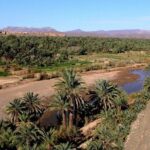
After Ait Ben Haddou, you continue toward Zagora, cutting through the Anti Atlas mountains and the Draa valley. This is the stretch where Morocco changes character in front of you. The scenery becomes more open, the colors often shift, and the road starts to feel like it’s moving you toward a different kind of time.
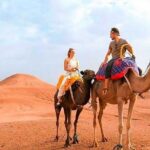
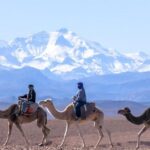
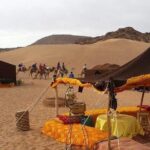
You should arrive in Zagora around 17:00. That timing is ideal because it sets up the camel experience for the softer light at day’s end. You’ll then ride camels for about one hour into the desert area until you reach your camp.
Camel rides can be surprisingly gentle if the group moves steadily, and they can also feel like a slow, rocking workout. Either way, it’s one of the experiences that makes this tour feel different from a basic overnight in a hotel outside the city.
A few more Marrakech tours and experiences worth a look
Camel ride tip: manage expectations
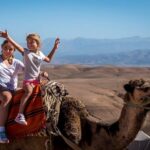
You’re riding toward the camp, not doing a long desert trek with dramatic distances. That’s a good thing if you want the experience without exhausting yourself. Still, wear closed-toe footwear and be ready for a bit of dust. And if you’re traveling with kids, the details matter: camels are for adults, while children can share the ride with their parents.
Overnight in a Zagora Desert Camp: Stars, Dinner, and Drums by Firelight
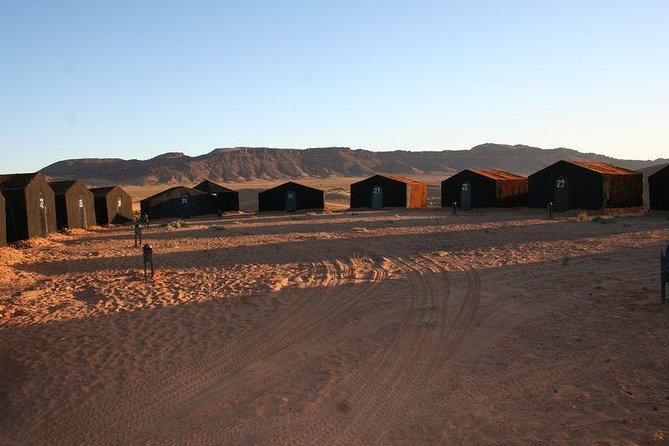
Once you reach the camp, you’re in the right mood for the main event: sleeping in the desert.
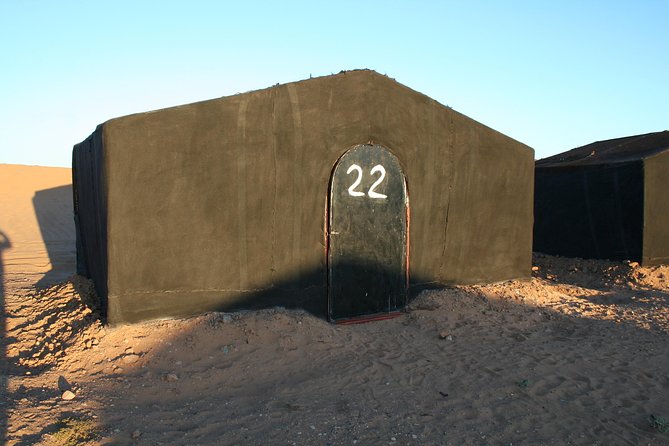
The tour includes dinner plus your overnight stay with HB (breakfast and dinner). That’s valuable because desert camps don’t always operate like restaurants where you can easily grab an extra bite later. You don’t have to think about where your next meal comes from—you can focus on the evening.
After dinner, there’s the chance of a drums party around the campfire held by local camp staff, but it’s specifically listed as weather-dependent. Even if the drums don’t happen, this is still the part of the trip you’ll likely remember: the shift from daytime bustle to quiet night, with a sky that feels enormous.
What I’d do to make this night work
Keep your phone charged before dark. When you reach camp, you’ll likely spend more time looking up than looking down. If you’re the type who likes a few “just in case” moments, bring a light layer for evening and keep your camera settings simple so you don’t miss the best sky.
Also, since the trip ends with a full return drive the next day, you’ll feel better if you treat the camp night like a reset. Eat, socialize a little, then rest.
And yes—this is the kind of tour where the driver can matter. One traveler specifically praised a charming driver named Youssef, calling him funny, engaging, and informative. I can’t guarantee every departure includes him, but it’s a good example of how the human touch can turn a standard route into something more personal.
Return Day Through Ouarzazate: Taourirt Kasbah and Road-Wrapped Views
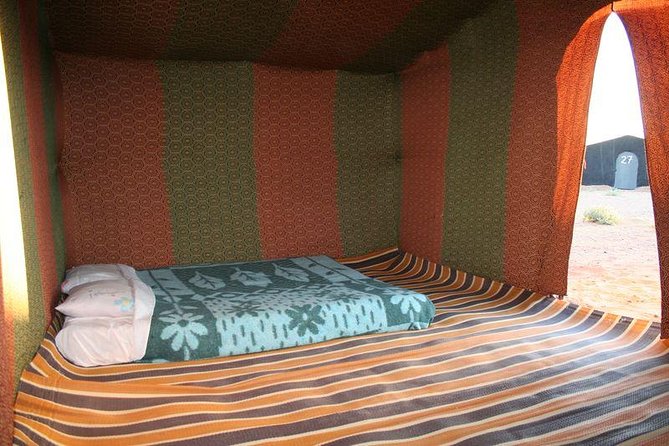
On Day 2, you start with breakfast at the camp, then head back to Marrakesh. The return route goes through Ouarzazate, with a stop at the Kasbah of Taourirt.
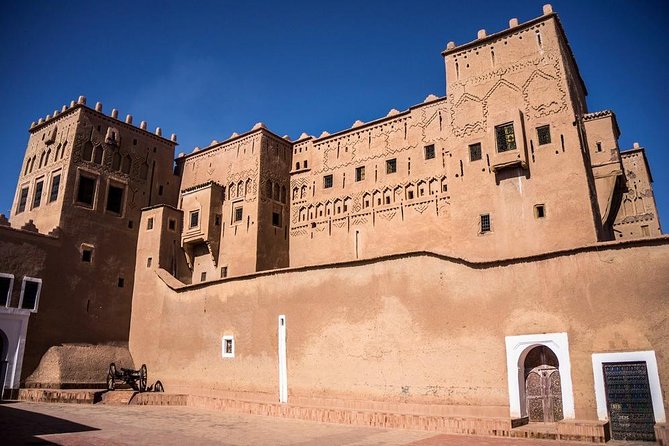
This is another place where “kasbah” isn’t just a word. Taourirt Kasbah feels different from Ait Ben Haddou because it’s another expression of the region’s architectural thinking—again tied to how people controlled space, storage, and movement within thick-walled structures.
Taourirt Kasbah includes a scheduled visit time (listed as about 40 minutes), but like Ait Ben Haddou, a local guide is not included (about 2€). If you care about understanding what you’re seeing, pay the small extra and ask questions while you walk.
Lunch choice: Ouarzazate or Agouim
Lunch isn’t included, but you do get options depending on preference: you can eat at a restaurant in Ouarzazate or in the village of Agouim. That flexibility is actually helpful. If you prefer a more straightforward restaurant meal, choose Ouarzazate. If you like the idea of breaking up the ride with a village stop, Agouim may feel more atmospheric.
From there, the drive continues through the Atlas Mountains, passing Berber villages along the way. You’re expected back in Marrakesh around 18:00, so it’s a full day, but not one that stretches late into the night.
Price and Value: Is $98.87 Worth It?
The price is listed as $98.87 per person, with the tour often booked about 20 days in advance. On paper, that sounds like a fair price range for a 2-day desert package from Marrakesh. The real question is what you get.
Here’s what’s included:
- Air-conditioned vehicle
- Breakfast and dinner (plus the overnight desert camp stay with HB)
- Fuel and tolls
- Camel riding (adults ride; kids share with parents)
- An English/French/Spanish speaking driver
- Hand pickup and drop-off if your hotel is outside the Medina
What’s not included:
- Lunches and drinks
- Local guide fees at Ait Ben Haddou and Taourirt Kasbah (about 2€ each)
- Admissions tickets
- Tips (optional)
So where does the value come from? Mainly from two things:
1) You’re not paying separately for your desert night setup and camel ride.
2) You’re also getting two kasbah stops on the route, with guided-context opportunities if you add the local guides.
Could it cost more than the base price? Yes, a bit. Local guides and admissions will add up, and lunch is on you. But you’re still spending less time planning and booking yourself—and you’re getting the whole transport chain covered, including the long drive back and forth.
Budget math you can do quickly
To estimate your total, add:
- Lunches and drinks (your choice)
- Local guide fees (about 2€ each stop)
- Any admissions you decide to purchase
If that doesn’t scare you, the package is a solid way to do Zagora without needing separate rides, lodging, and camel arrangements.
Logistics That Actually Matter: Groups, Pacing, and Confirming Your Must-Do
This trip runs with a maximum of 17 travelers, which is a big deal. A smaller group usually means fewer delays at stops and more ability to hear your driver’s explanations without shouting over a crowd.
Still, you should treat this like a structured tour with a fixed flow. The itinerary includes Ait Ben Haddou on Day 1, then the desert camp overnight, then Taourirt Kasbah and return to Marrakesh on Day 2. If your “must-do” is an extra attraction not clearly tied to these scheduled stops, you’ll want to confirm directly with the provider before you commit.
One caution that stands out from past experiences: some people have been caught off guard when a hoped-for add-on like a Film Studios stop didn’t happen even when it seemed connected to the plan. I’d handle that by asking a simple question: Which specific stops are guaranteed on my date, and what’s optional?
The meeting point is central
The start and end are the same: Café de France on Rue des Banques in Marrakech. That reduces stress at the end of Day 2 when you’re tired and just want to go home.
Who This Zagora Trip Suits Best
This is the right kind of tour if you want:
- A desert overnight with a camel ride, not just a day trip
- UNESCO-level architecture plus a cultural route through Morocco’s regions
- A small group and a driver who can explain things along the way
- Transport comfort on long road stretches (air-conditioned vehicle)
It’s also a good fit for first-timers to the Sahara region because the schedule gives you a clear “from A to B” structure. You’re not left improvising where to sleep or how to get from the city to the desert edge.
If your perfect trip is mostly chilling and very little driving, then you may find the long road time a bit much. But if you like seeing the scenery change—mountains to valley to desert—this itinerary makes sense.
Should You Book This 2-Day Zagora Desert Tour from Marrakesh?
I think you should book it if you want an efficient, well-structured route that delivers Ait Ben Haddou, a camel sunset ride into the Zagora desert area, and a real night in a camp with dinner and starry views. The price is reasonable for what’s handled for you, especially the included overnight and transport.
I’d hold off or at least double-check details if:
- You need a specific extra stop beyond Ait Ben Haddou, the desert camp, Ouarzazate, and Taourirt Kasbah
- You want a completely lunch-included package
- You’re very sensitive to spending time in a vehicle (this is a road-heavy 2 days)
If you’re flexible and you like the idea of combining culture and desert atmosphere, this one is an easy “yes” for most first-time Morocco desert travelers.
FAQ
How long is the Zagora desert trip from Marrakesh?
It runs for about 2 days, with an early start on Day 1 and an expected return to Marrakech around 18:00 on Day 2.
What’s included in the price?
The tour includes air-conditioned transport, breakfast and dinner (overnight desert camp with HB), fuel and tolls, a driver who speaks English/French/Spanish, camel riding, and hand pickup/drop-off if your hotel is outside the Medina.
Are lunches included?
No. Lunches and drinks are not included.
Is a local guide included at Ait Ben Haddou and Taourirt Kasbah?
No. Local guide fees are listed separately for both sites (about 2€ each).
What’s the camel ride like?
You’ll ride camels for about one hour into the desert area near Zagora to reach the camp. Adults ride, and children can share the ride with their parents.
What happens if the weather isn’t good?
This experience requires good weather. If it’s canceled due to poor weather, you’ll be offered a different date or a full refund.
How many people are on the group tour?
The maximum group size is 17 travelers.