REVIEW · MARRAKECH
Marrakech Jewish Heritage and souks Tour
Book on Viator →Operated by Morocco Private Expert · Bookable on Viator
Jewish Marrakech hides in plain alleyways. This half-day private walk through the Mellah makes the stories feel real, especially around places like the Lazama Synagogue courtyard and the Miaara Jewish cemetery. I like that you get both meaning and movement: Jewish heritage sites first, then Marrakech market life with a guide who can translate what you’re seeing. One thing to plan for: admissions are not included for every religious site on the route.
You’ll start at Bab Agnaou and finish near Jemaa el-Fnaa, usually with about four hours total. The pace is walking-heavy, but the route can be adjusted for your group’s needs, including mobility concerns. And yes, your day still stays yours after the tour.
For $95 per person, it’s a value play if you want more than “see a couple buildings.” You get a guide plus fees and taxes, but lunch and souvenirs are on your own, and you may have small extra costs for specific stops.
In This Review
- Key things to know before you go
- Why the Mellah Works So Well in One Half-Day
- From Bab Agnaou Into the Mellah Lanes
- Lazama Synagogue Courtyard: Tilework and Exhibitions
- Salat al-azamat Synagogue: A Live Example of Adaptation
- Miaara Jewish Cemetery: More Than Dates on Stone
- Jemaa el-Fnaa Orientation and Workshops: Where Market Life Starts
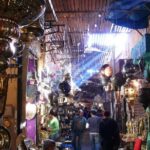
- Souk Semmarine: Practical Shopping Without Getting Lost
- Customization in a Private Tour: How You Get Control of the Day
- Price and Value: What $95 Buys You (and What It Doesn’t)
- Tips to Make the Walk Comfortable and Respectful
- Who Should Book This Marrakech Jewish Heritage and Souks Tour
- Should You Book This Tour?
- FAQ
- How long is the Marrakech Jewish Heritage and souks tour?
- Where does the tour start and end?
- How much does it cost?
- Is this tour private?
- Are admissions included for all stops?
- What’s included in the price?
- What if the weather is bad?
Key things to know before you go
- A private, customizable half-day that fits what your group cares about
- Lazama Synagogue and Mellah lanes with a tiled courtyard and exhibitions
- Salat al-azamat details including the women’s gallery area (admission not included)
- Miaara Jewish cemetery context in a spot that’s more than 500 years old
- Souk time that helps you shop smart, especially around Semmarine
Why the Mellah Works So Well in One Half-Day
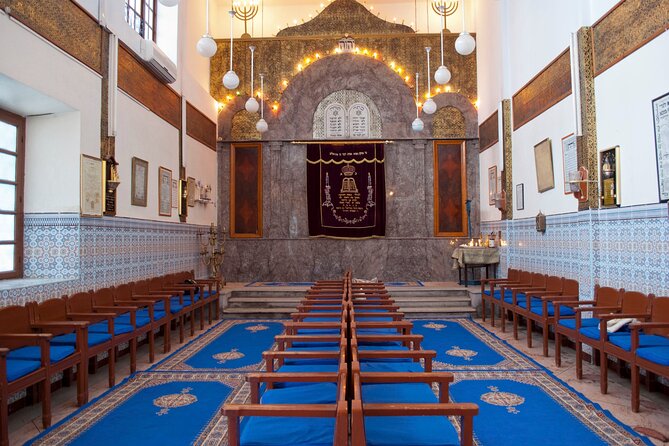
Marrakech’s Jewish quarter, the Mellah, is one of those places where the past shows up in everyday street life. You’re not just looking at landmarks. You’re also walking the lanes where community life, trade, and architecture all overlap.
This tour is built to make that connection fast. In a few hours, you move from synagogue courtyards and cemetery ground to the kind of souk browsing that helps you understand what people did day to day. It’s a good match for travelers who like context, not just photos.
The private format matters more than you might think. It’s easier to ask questions when you’re not being swept along with a crowd. And if your group wants more spice talk, more craft workshops, or extra time in the lanes, your guide can steer things.
You can also read our reviews of more historical tours in Marrakech
From Bab Agnaou Into the Mellah Lanes
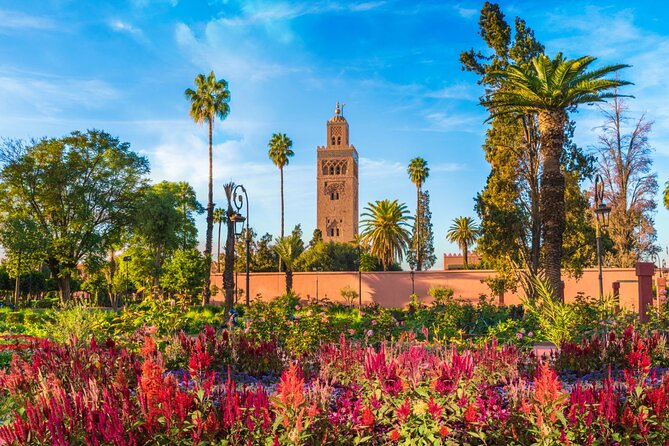
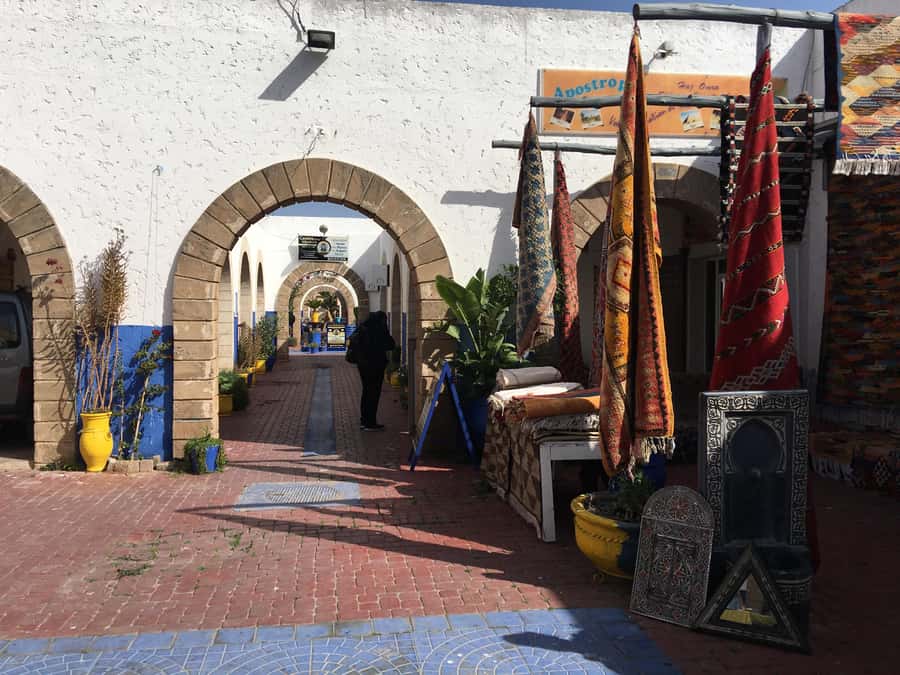
Your tour starts at Bab Agnaou, a classic entry point that gets you orientated fast. From there you work your way into the Mellah area’s small lanes, where buildings and courtyards tell part of the story before you even reach the main sites.
This is also where Marrakech smells start doing their job. You’ll pass through areas connected to daily commerce, including fruit and meat selling nearby. If you’re the type who likes to connect history with what people actually bought and used, you’ll get a lot out of this stretch.
You’ll also notice how the neighborhood blends old and new. The area has European-style cafes mixed with Moroccan restaurants serving grilled meats and tajines. That mix helps you picture how community life didn’t stop with centuries-old events.
Practical note: expect close walking and turns. Marrakech lanes can get crowded, and some surfaces are uneven. Good shoes help more than good intentions.
Lazama Synagogue Courtyard: Tilework and Exhibitions
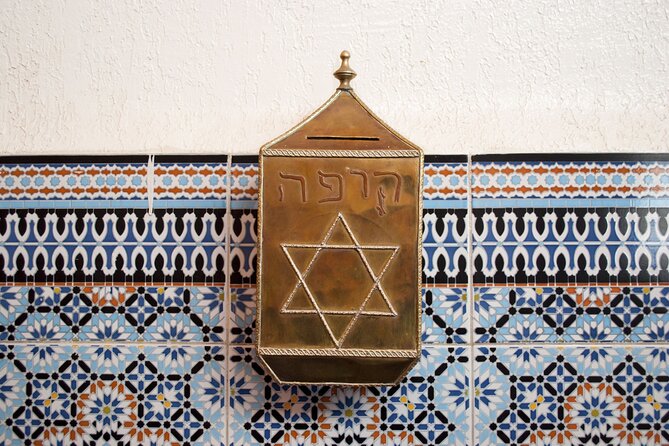
One of the standout stops is the Lazama Synagogue area, known for its tiled courtyard and its exhibitions on Jewish life. This is the kind of place where architecture becomes a teaching tool, because you can see how sacred space was shaped by local design.
Admission is listed as free for this stop, so you can spend your time inside without worrying about another ticket step. The courtyard setup also gives you a breather from the street. It’s peaceful in a way that makes the rest of the tour feel more grounded.
What I like about including this stop is simple: it sets the tone early. After you’ve seen courtyard design and learned what the synagogue represented, everything else you’ll see in the Mellah makes more sense. You stop thinking of the sites as separate and start seeing them as connected parts of one neighborhood story.
Salat al-azamat Synagogue: A Live Example of Adaptation
Next comes Salat al-azamat, a synagogue built around 1492 to serve the Jewish community in Marrakech. The tour points out how the building followed traditional synagogue architecture ideas, including a layout centered on a courtyard.
This stop is more technical, in the best way. You’ll hear about a recent renovation that changed some of the physical features, including the addition of an erzat nachim, a women’s gallery area, added to the eastern wall. The tour also notes that a wooden arch element was replaced with a marble arch bordering the eastern wall.
Admission is not included for this stop. That’s worth planning for so you don’t get surprised at the door. Still, if you care about architecture and how buildings evolve over time, this is one of the most interesting parts of the route.
Miaara Jewish Cemetery: More Than Dates on Stone
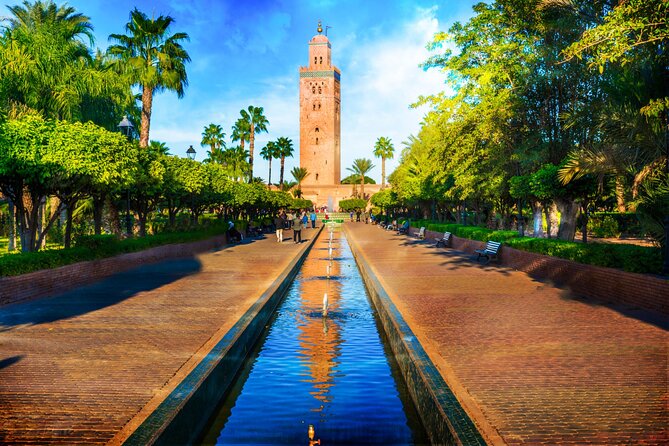
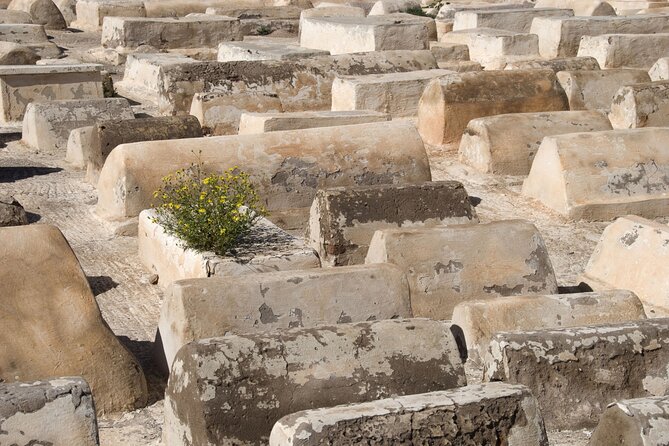
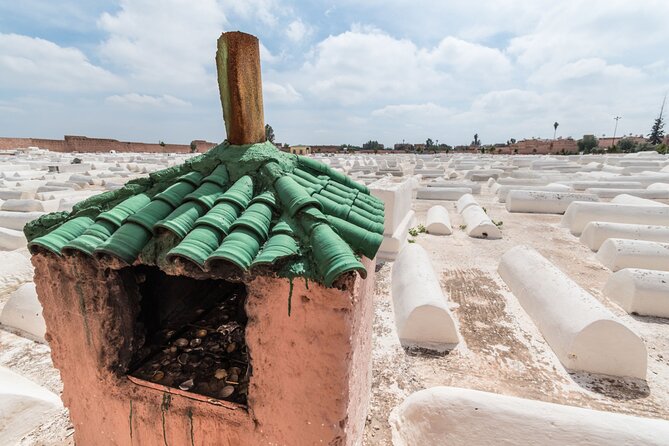
The Miaara Jewish cemetery is one of those stops that slows you down, even if your feet are ready to move. It’s located in the Mellah neighborhood and is described as more than 500 years old.
The graves here vary in size and are described as having a fairly basic appearance. You’ll also hear about how many graves date from several centuries to more recent times. The tour highlights that on one side are anonymous graves tied to epidemics that hit the city, leading to hurried burials.
There’s an important sensitivity angle to this stop. This is not a place to rush for a quick selfie. Take your time, lower your voice, and treat the space like what it is: a record of people, not just stones.
From a tour-value standpoint, I like that the cemetery stop stays focused and doesn’t feel padded. It adds weight to the rest of the tour, because you come out of the cemetery understanding that the Mellah story isn’t only about buildings and ceremonies.




Jemaa el-Fnaa Orientation and Workshops: Where Market Life Starts
After the Mellah sites, you shift toward the market engine room around Jemaa el-Fnaa. You get a quick introduction as your accredited guide walks you through different souks and markets.
This is where the tour becomes useful if you’re also planning to roam Marrakech later. You learn what to look for and how workshops fit into the market web. The tour specifically mentions seeing craft workshops such as leather, blacksmithing, and woodwork, along with other trades.
Even if you don’t buy anything, this part helps you decode what you’re seeing. Marrakech souks can feel like a maze at first. A guide cuts that feeling down by showing how areas specialize.
Souk Semmarine: Practical Shopping Without Getting Lost
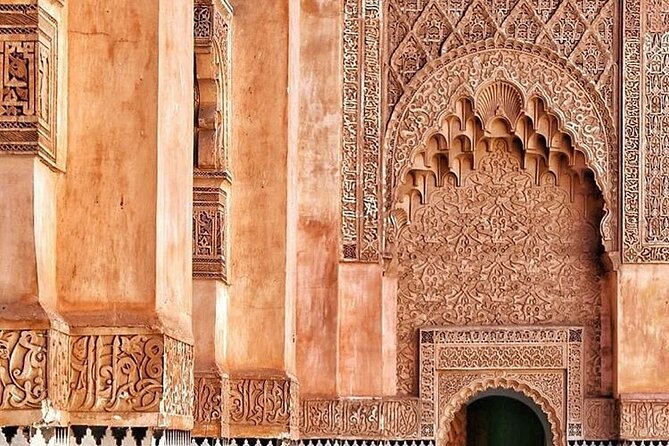
Souk Semmarine is where the tour leans more into the Marrakech you’ll remember after you leave. You get around two hours here, with your guide helping you navigate the confusing lanes and identify good quality handicrafts if shopping is on your agenda.
If you’ve ever been surrounded by stalls where everything looks the same from a distance, you’ll appreciate this. The guide’s job here is to help you look closer and choose better. That can mean better materials, better workmanship, or simply avoiding items that don’t match what you think you’re buying.
If shopping isn’t your thing, Semmarine still gives you value. You can treat it as a guided street lesson in crafts and local production, not just a buying mission. Either way, you come away with a more realistic sense of how handicrafts connect to neighborhoods like the Mellah.
Customization in a Private Tour: How You Get Control of the Day
This is a private experience for your group, and that changes how the tour feels. Instead of watching a script, you can steer it. The tour description invites you to customize based on your interests, which is perfect if your group has mixed tastes.
In practice, that customization matters in two big ways.
First, you can spend extra time where you care. If Jewish heritage architecture is your priority, you’ll want more time around the synagogue stops. If you love spices and market ingredients, you’ll want more attention on the spice souk and herbal shops.
Second, you can slow down if you need to. One review noted that a guide reorganized the tour around mobility issues and built in rest time. That’s a good sign that the guide isn’t just about moving forward; they’re thinking about how your group experiences the route.
Bring up your needs early in the walk. A quick heads-up about pace and comfort helps your guide adjust without making it awkward.
Price and Value: What $95 Buys You (and What It Doesn’t)
At $95 per person for about four hours, this tour sits in the affordable-to-mid range for Marrakech private guiding. The big value move is that the guide service and all fees and taxes are included.
The part that may cost extra is admissions for certain stops. Specifically, Salat al-azamat lists admission as not included, and the Miaara cemetery also lists admission as not included. Mellah time is listed as free for the first stop, and other walking segments are also listed as free.
So your budget math looks like this: you’re paying mainly for the guide, the structured route, and access where it’s included. Then you might pay a smaller add-on for the synagogue and cemetery admissions.
Also plan for the obvious. Lunch and souvenirs are not included. That’s fair, since Marrakech markets are part of the fun. Just don’t let hunger hijack the day before you get to the souks.
If you want a private, story-led Jewish heritage walk plus market orientation in one go, this price starts to feel more reasonable. If you only want one synagogue and a quick look around, you might consider a shorter option. But for most people, this hits the sweet spot.
Tips to Make the Walk Comfortable and Respectful
This route is all about walking. You’ll do well with practical prep.
Start with shoes that can handle uneven stone and lane edges. Even on a short tour, Marrakech feet rack up time fast.
Bring a light layer. Depending on the season, mornings can feel cool and then turn warm quickly.
For the heritage sites, be ready for a quieter tone. Synagogue areas and a cemetery demand respect, and your guide will set the right pace. Keep your phone use modest, especially near burial grounds.
For shopping, decide in your own mind before you enter Semmarine. Are you window shopping, or are you buying? That keeps the experience fun instead of stressful.
And if your group loves food and ingredients, keep an eye out for the spice side of the Mellah. The route references herbs and spices and even mentions visiting an herbalist during the Mellah market area. If that sounds like your style, say so early so your guide can steer you there.
Who Should Book This Marrakech Jewish Heritage and Souks Tour
I think this tour fits best if you want three things in one half-day:
- Jewish heritage context beyond a quick exterior look
- Real-world Marrakech market orientation, not just generic souk wandering
- A flexible format where you can adjust pace and interests
It’s especially good for travelers who like guides that can connect architecture, everyday commerce, and personal stories. The guide names shared in standout feedback include Chachi, Noura, Ismail, and Saïd, and the common theme is clear: people felt they saw sites they would’ve missed without help.
If your group is shopping-focused, Semmarine will be a highlight. If your group is history-focused, the Lazama and synagogue/cemetery stops do the heavy lifting.
If your group wants almost no walking, you might find this tour requires too much movement. But if you can handle a guided pace and plan rest time, it can work well even with mobility considerations, since the guide is shown adjusting the schedule.
Should You Book This Tour?
Yes, if you want a guided Jewish heritage experience in Marrakech that also helps you understand the souks as part of daily life, not just as scenery. The strengths here are the mix of meaningful stops and practical market guidance, plus the private format that lets you tailor the pace.
I’d think twice only if you’re trying to minimize extra admissions costs at the door or if your group doesn’t want to walk through the Mellah lanes. The itinerary is built around walking and a couple of admission-required religious stops, so the day isn’t purely free-site browsing.
In plain terms: if you’re the type who wants to leave Marrakech feeling you understood more than you photographed, this is a smart half-day use of time.
FAQ
How long is the Marrakech Jewish Heritage and souks tour?
The tour runs for about 4 hours total, roughly a half day.
Where does the tour start and end?
It starts at Bab Agnaou, Marrakech 40000, Morocco, and ends near Jemaa el-Fnaa in Marrakech 40000, Morocco.
How much does it cost?
The price is $95.00 per person.
Is this tour private?
Yes. It is described as a private experience, meaning only your group participates.
Are admissions included for all stops?
Not all of them. Mellah-related parts are listed as free, but admission is not included for Salat al-azamat and Miaara Jewish Cemetery.
What’s included in the price?
The tour includes the guide service and all fees and taxes.
What if the weather is bad?
The experience requires good weather. If it’s canceled due to poor weather, you’ll be offered a different date or a full refund.
If you tell me your travel month and what your group wants most (architecture, stories, shopping, or spice markets), I can suggest how to prioritize the stops.