REVIEW · MARRAKESH
Marrakech: Babouch Making Workshop in the Medina
Book on GetYourGuide →Operated by Ateliers d'Ailleurs · Bookable on GetYourGuide
Turn leather into your own Marrakech souvenir. In Youssef’s Medina leather workshop, you’ll cut, stitch, and finish real babouch slippers you can take home.
I like that the session is truly hands-on, with step-by-step guidance that covers how leather is prepared and worked. I also like that it stays relaxed for the medina, with mint tea and a homemade pastry, plus translation support from guides like Khaoula or Yasmine when needed.
One thing to watch: the meeting point near Jamaa el Fna can be confusing to find at first, so plan a quick check on where you’re standing by the Post Maroc building.
In This Review
- Key highlights worth planning around
- Why Make Babouch in the Medina Instead of Buying Them?
- Finding the Workshop: Jamaa el Fna to the Post Maroc Meeting Spot
- Meet Youssef: A Real Craftsman in His Leather Studio
- The Babouch-Making Flow: Cutting, Gluing, Hammering, Stitching
- Leather + Time: Why the Workshop Feels Calm (Even in the Souks)
- Tea Break and Snacks: A Small Pause That Makes the Whole Thing Better
- Your Finished Babouches: Fit, Custom Touches, and Taking Them Home
- Price and Value: Is $81 USD Worth 4 Hours?
- Who This Workshop Suits Best in Marrakech
- Should You Book This Babouch Workshop?
- FAQ
- How long is the Marrakech babouch-making workshop?
- Where do we meet in Marrakech?
- What will I take home at the end?
- What’s included in the price?
- How much does it cost?
- What languages are available during the workshop?
Key highlights worth planning around
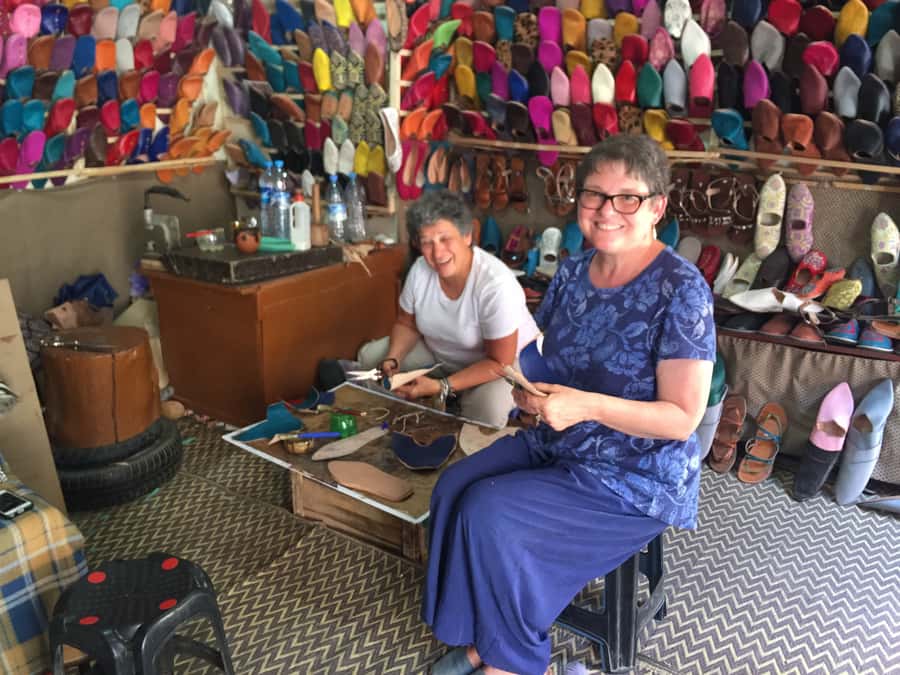
- Hands-on babouch making with Youssef in a real workshop, not a demo.
- You create your own pair with guidance on cutting, assembling, and stitching.
- Guides handle translation and navigation through the souks maze.
- Mint tea and homemade pastry break up the work with a calm pause.
- Photos emailed after the session, so you don’t lose the memories.
- Private group feel (often more personal, even if you’re just you two).
Why Make Babouch in the Medina Instead of Buying Them?
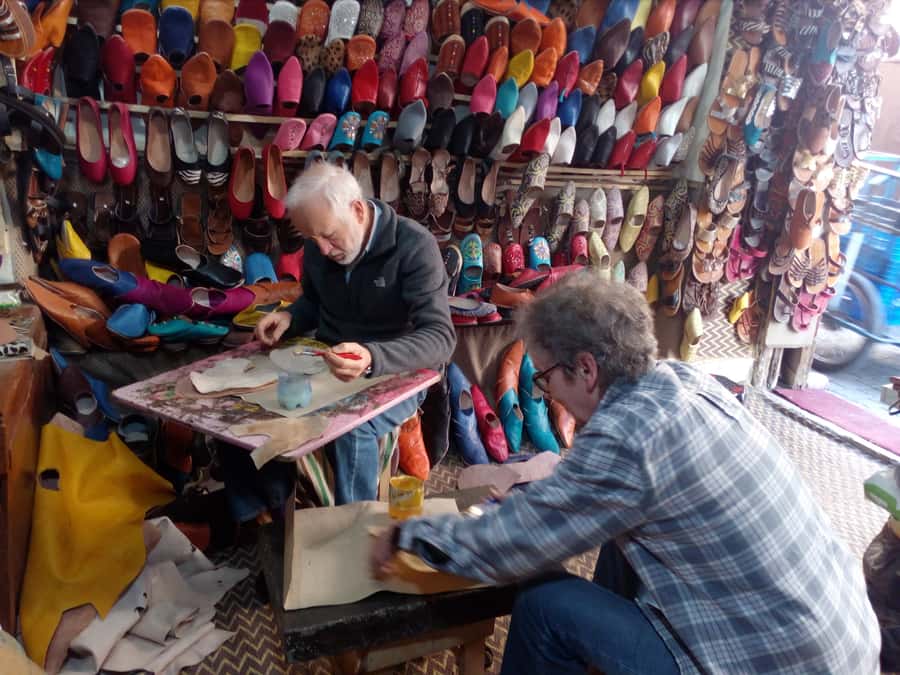
Marrakech is full of leather shoes for sale, and yes, you can absolutely buy a sweet pair and move on. But making babouch in the Medina has a different payoff. You’re not just shopping for an object; you’re learning why the slipper looks the way it does and how a craftsman turns leather into something usable.
The best part is the immediacy. You spend time working your pair with the tools and materials in front of you, then you leave with a finished souvenir that took real effort to produce. I think that’s why this kind of workshop feels like a stronger memory than another market bag.
A few more Marrakesh tours and experiences worth a look

Finding the Workshop: Jamaa el Fna to the Post Maroc Meeting Spot
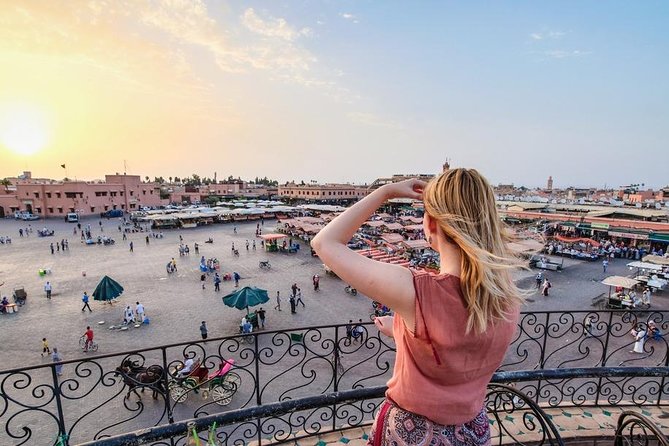
The meeting point is in front of the post office at Jamaa el Fna Square, by the Post Maroc building. In theory, that’s clear. In practice, the square is loud, busy, and full of signage that looks similar when you’re navigating for the first time.
A practical tip: use your phone to zoom in on the Post Maroc storefront, then stand with the guide’s instructions in view. Some people get turned around because the workshop text points to a nearby street name variation, so your safest strategy is to orient yourself to the Post Maroc entrance and the sign area right there.
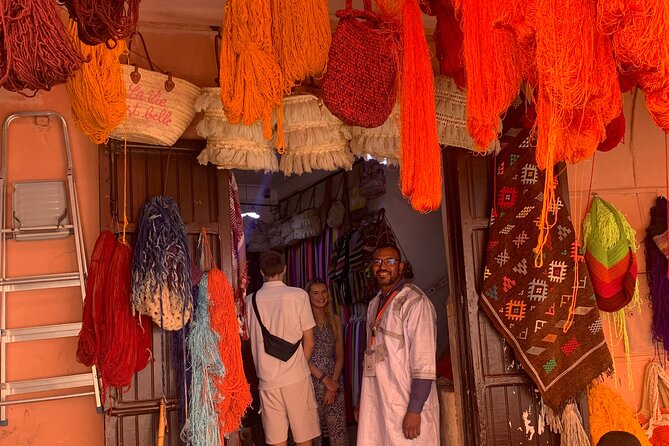
Once you’re with your guide, the walk into the souks matters. It’s not just travel time—it’s part of how they keep you from getting lost. You’ll move past the densest stalls and into the area where the workshop actually makes sense, away from the loudest shopping chaos.
Meet Youssef: A Real Craftsman in His Leather Studio
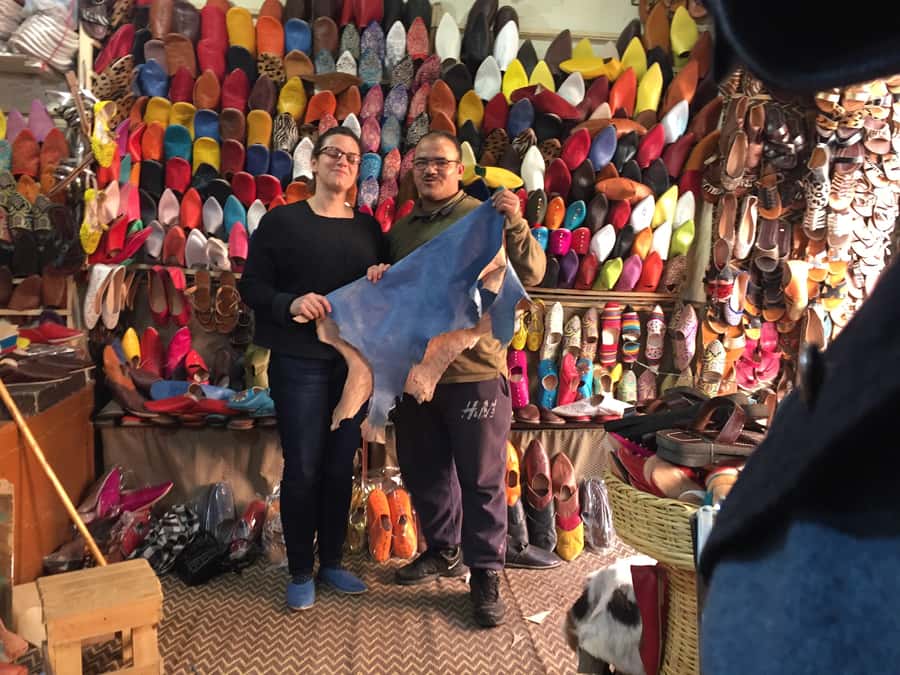
You meet Youssef, a leatherworker who works from a studio in the Medina. This is the core of the value: the time is spent with the person making the product, not with someone reading a script.
During the workshop, you learn about the world of leather and how it’s prepared to be worked. That background may sound abstract until you start cutting and assembling. Then it clicks—leather isn’t just leather. It behaves differently, takes shapes differently, and needs careful handling to become a clean, comfortable babouch.
Translation is also part of how the workshop works smoothly. Guides such as Khaoula, Yasmine, and Ouiam have shown up in past sessions to help with English-French-Arabic communication. Even when the craftsperson can communicate, the presence of a guide keeps things flowing and prevents misunderstandings mid-step.
The Babouch-Making Flow: Cutting, Gluing, Hammering, Stitching
The workshop runs about 3.5 hours of making, with a total duration of around 4 hours once you include meeting and walking. Your session has a clear rhythm, and it’s designed so you’re not stuck staring at leather while someone else does the work.
Here’s what you can expect in the main making blocks:
1) Choosing your basics
You’ll select the style details and a color, and you get your size fitted. This matters because babouch fit is not random. One person in the past class mentioned adjustments were made quickly when someone has smaller feet, which is the kind of detail you want if you actually plan to wear the slippers.
2) Templates and pattern work
You’ll use templates to draw and mark out what you need on the leather. Several steps rely on getting these shapes right before you commit to cutting.
3) Cutting and assembling
After the marking phase, you cut out your pieces. Then comes assembly—gluing and shaping parts together. One thing I like about this workshop format is that you’re never guessing what happens next. You see the logic in the process as you move along.
4) Hammering and stitching
Stitching takes attention. In past sessions, the stitching speed impressed people, but the key detail is that it’s not just fast—it’s guided, with adjustments when needed. By the time you’re finishing, you’ve basically seen how the slipper becomes a slipper, not just a bunch of leather cutouts.
5) Finishing steps
You end with the completed look and feel of a babouch you can take home. The finishing phase is where your pair stops looking like a craft project and starts looking like something you’d put on.
The tools and materials are provided for your work, and you’ll have instructors and helpers on hand while you go through each step. That’s a big deal for value, because you’re not paying to watch. You’re paying to make.
Leather + Time: Why the Workshop Feels Calm (Even in the Souks)
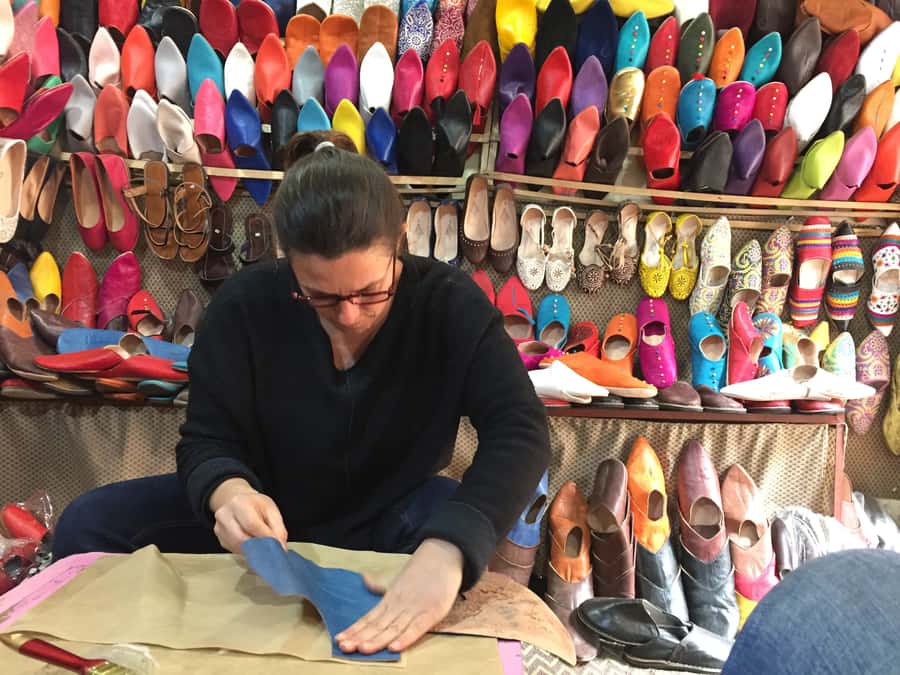
Marrakech’s Medina can be intense. Even the best-planned day can feel like you’re being pulled in ten directions. This workshop provides a rare pocket of quiet.
Because the focus is on the craft—pattern drawing, cutting, gluing, hammering, and stitching—the pace slows down in a good way. One past participant described it as relaxing concentration, and that matches the overall vibe: you’re busy, but you’re not getting yanked around by sellers.
You’ll also take a break. There’s mint tea and a homemade pastry during the session, plus water available. This isn’t just a nice add-on. It helps you recover between steps so you can keep your hands steady for the next stage.






Tea Break and Snacks: A Small Pause That Makes the Whole Thing Better
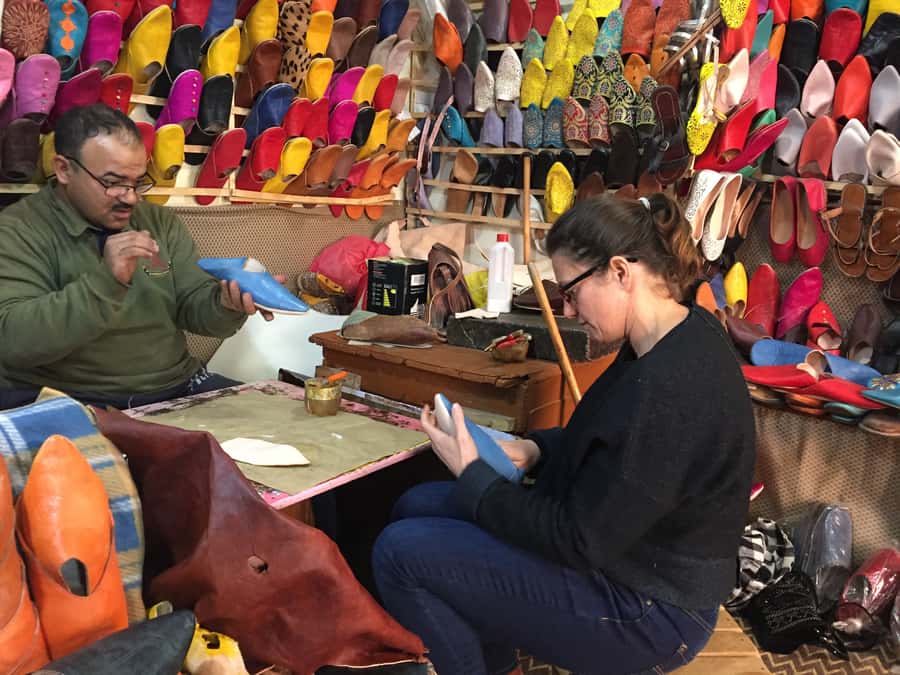
The tea break is simple but well placed. You’re halfway through the making process, and then you get something warm, sweet, and familiar—mint tea, plus local snack options.
I like this because it makes the workshop feel Moroccan in a practical way. This isn’t tea as decoration. It’s part of the working rhythm—people pause, talk, and reset.
You’ll also get chances to chat, ask questions, and learn in a less rushed moment. Some sessions include extra friendliness beyond the core class, like being helped with small practical shopping requests after the workshop. That’s not guaranteed, but it reflects how guides often support you beyond just walking you to the door.
Your Finished Babouches: Fit, Custom Touches, and Taking Them Home
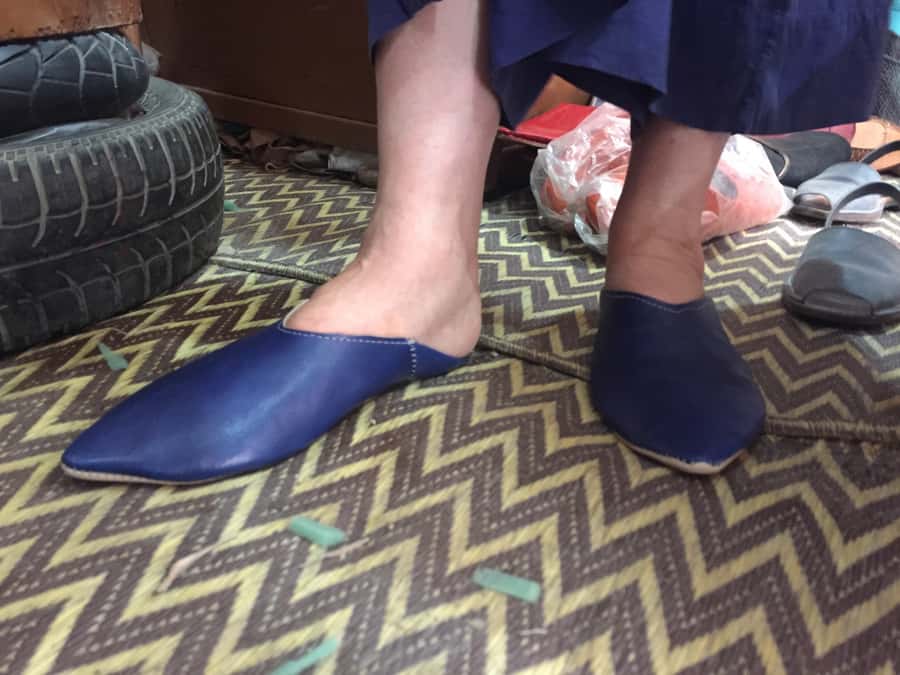
At the end, you take home your own pair of babouch slippers. This is the biggest “tangible” takeaway, and it’s also where the workshop justifies itself.
When you make them, you’re involved in the choices and the fit. Past sessions mention choosing size and color, and artisans adjusting details so the slippers fit properly—down to differences for smaller feet. That kind of attention is harder to get when you’re just buying off a rack.
You also get photographs emailed after the session. It’s a small inclusion, but it helps a lot. You can focus on the work during the session instead of trying to document every second, then you have the memories waiting later.
One more point: handmaking takes time. That’s why participants often come away with more respect for the craft itself. When you spend hours going from leather pieces to stitched slippers, you naturally understand how much effort goes into what you’d otherwise treat as a simple souvenir.
Price and Value: Is $81 USD Worth 4 Hours?
At $81 per person, you’re paying for a full, guided craft experience: instructor time, translation support, tools and raw materials, snacks and tea, water, and the finished pair you can take home.
If you’re comparing this to buying babouch at a shop, the price sounds higher. But the workshop isn’t just selling a product—it’s selling instruction and personalization. When you make the slippers yourself, you reduce the typical souvenir pain points: wrong fit, wrong style, and zero understanding of what you bought.
It’s also a more ethical-feeling purchase in a practical sense. Your money goes directly into a working artisan environment where you can see the craftsmanship in motion. Plus, private group time tends to mean more attention per person than large group workshops.
If your goal is strictly to maximize time sightseeing in Marrakech, this may feel like a detour. But if your goal is a memorable, hands-on Marrakech moment, the value equation often comes out in favor of making.
Who This Workshop Suits Best in Marrakech
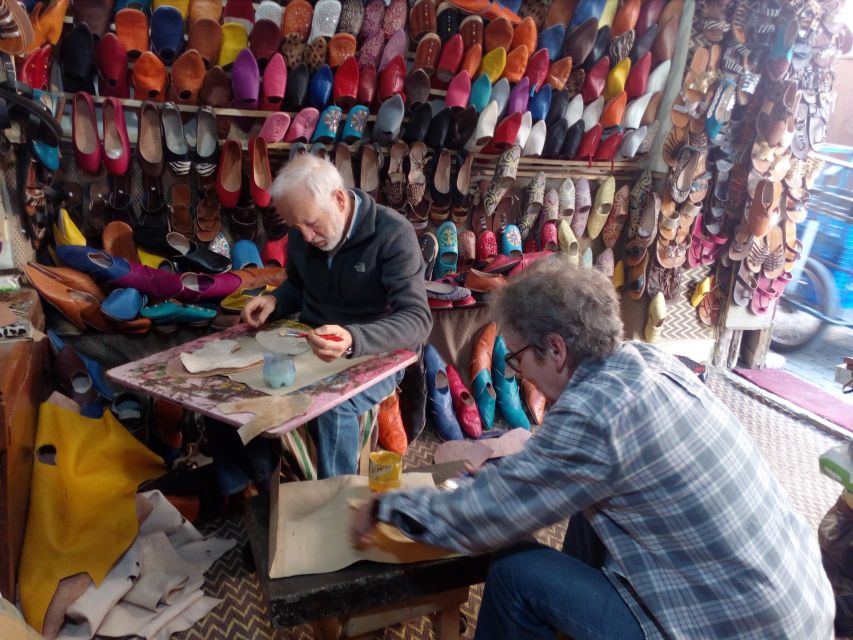
This is a strong fit for people who want a break from the usual Medina shopping loop. It’s also a good match if you like learning through doing—cutting, assembling, and stitching with real guidance.
It’s been done with younger participants too, including sessions where families brought kids and still had a smooth experience. And because the workshop is wheelchair accessible and runs as a private group, it can work well for visitors who want more control and less crowd pressure.
Language support is built in: the instructor speaks English, French, and Arabic, and guides can help with translation throughout. That matters when you’re trying to follow instructions for steps like cutting and stitching.
Where it might not fit: if you dislike hands-on activities or you want minimal walking and maximum sightseeing during your medina time, you might find the process and souk navigation more than you bargained for. Still, once you’re with the guide, the workshop itself stays focused and organized.
Should You Book This Babouch Workshop?
I’d book this if you want a Marrakech souvenir with a story you can actually explain. The combination of hands-on leatherwork, personal fit adjustments, mint tea and pastry, and the fact that you leave with a real pair makes it one of the clearer “do this” experiences in the Medina.
Skip it if your travel style is all about quick wins and you don’t enjoy craft tasks. Also, plan your meeting point orientation in advance. When you arrive at Jamaa el Fna, take a moment to locate the Post Maroc area with your phone so you start the workshop stress-free.
If you want a calm, practical break from the souk maze while still getting something deeply Moroccan, this babouch workshop is exactly that. The finished slippers aren’t just cute. They prove you made something with your hands in the middle of Marrakech.
FAQ
How long is the Marrakech babouch-making workshop?
The workshop lasts about 4 hours total, with about 3.5 hours spent learning leatherwork and making your slippers.
Where do we meet in Marrakech?
You meet in front of the post office in Jamaa el Fna Square (near the Post Maroc building).
What will I take home at the end?
You’ll take home a pair of babouch slippers that you make during the workshop.
What’s included in the price?
The experience includes the babouch-making workshop, snacks, water, a tea break, photographs taken during the session (emailed afterward), and the pair of babouch you make.
How much does it cost?
It costs $81 per person.
What languages are available during the workshop?
The instructor and support are available in English, French, and Arabic.