REVIEW · MARRAKESH
Marrakech: 3-Day High Atlas Mountains and Three Valleys Trek
Book on GetYourGuide →Operated by Atlas Mountains Day Trips from Marrakech · Bookable on GetYourGuide
Three days, three valleys, pure mountain air. This trek from Marrakech walks you over high passes like Tizi n’Tamaterte (2300m) and Tizi Mazik (2500m), with stops at Berber villages and a day-3 hit of waterfalls in Toubkal National Park. I love the small-group feel with guides like Abdul keeping a steady pace, and I love how the food is handled (often by cooks such as Ibrahim) so nobody’s scrambling for snacks. The one catch: your beds are guesthouse-simple, so plan on a liner and some chilly night air.
You’re also not just walking from point A to point B. Day 1 and Day 3 both include a proper “look around” moment at major passes, and Day 2 layers in extra crossings like Oudit Pass (2200m) plus village walking that feels lived-in, not staged.
For logistics, the operator keeps it tidy: hotel pickup and drop-off in Marrakech, AC transport, and a local guide in English or French. Still, the trip is outdoorsy and rustic, so you’ll want the right shoes and realistic expectations about showers and bedding.
In This Review
- Key Things You’ll Care About Most
- Marrakech to the High Atlas: What This Trek Really Delivers
- Day 1: Imlil to Tizi n’Tamaterte and Tachdirt Guesthouse
- Day 2: Aguersiwal, Oudit Pass (2200m), and Ait Aissa
- Day 3: Waterfalls in Toubkal National Park, Tizi Mazik (2500m), Back to Imlil
- Guides, Mules, and Meals: Why People Trust This Operator
- Toughness Level: How Moderate Does Moderate Really Mean?
- Where You’ll Stay: Rustic Guesthouses and Gites That Feel Real
- Price and What You Get for $227
- What to Pack: Shoes, Layers, and a Few Comfort Fixes
- Who This Trek Fits (and Who Should Skip It)
- Should You Book This 3-Day High Atlas and Three Valleys Trek?
- FAQ
- How long is the Marrakech High Atlas and Three Valleys trek?
- What is the price per person?
- How do you get between Marrakech and the start of the trek?
- Is the trek guided?
- How big is the group?
- What is included in the tour price?
- What is not included?
- How many hours do you hike each day?
- Do you have showers during the trip?
- What should I bring?
Key Things You’ll Care About Most
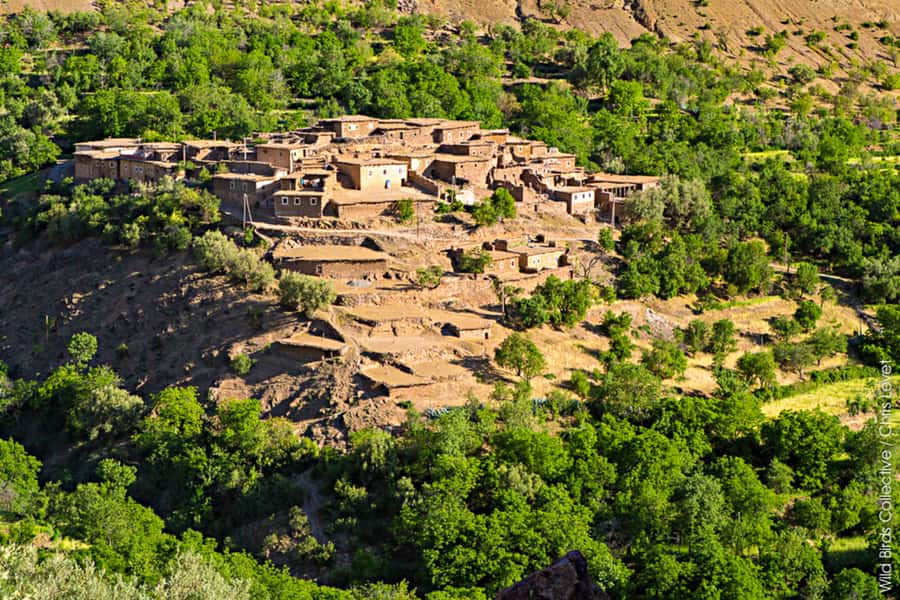
- High passes with real elevation: up to 2500m, with lunch breaks at key viewpoints
- Food is part of the experience: filling meals on schedule, with some dietary requests accommodated
- Mules carry luggage: you walk, and your bag mostly follows, which keeps the hike enjoyable
- Guesthouses and gites feel local: comfy enough for a trek, but bring a liner for peace of mind
- Day 3 includes Toubkal National Park waterfalls: a nature payoff before the return to Imlil
Marrakech to the High Atlas: What This Trek Really Delivers
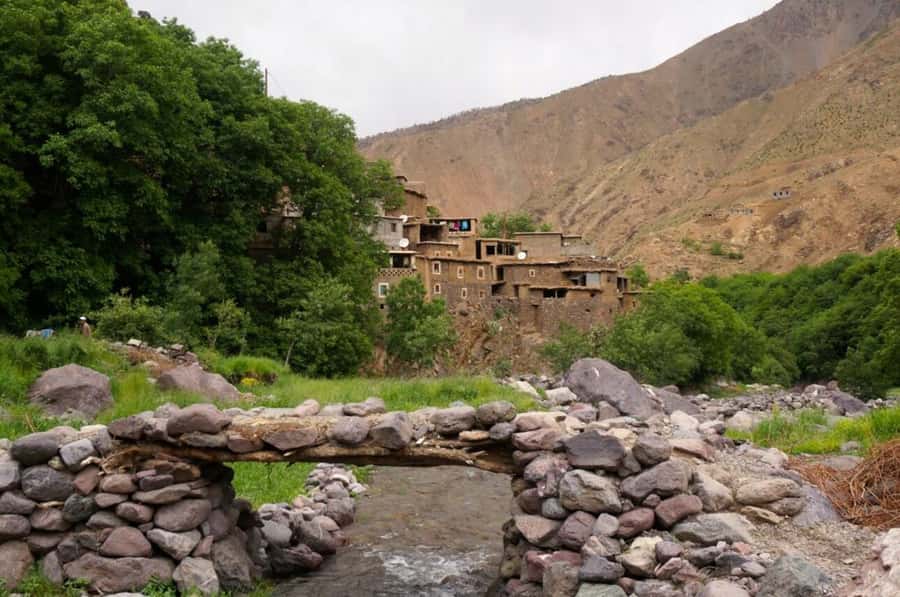
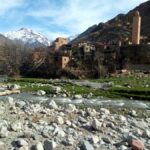
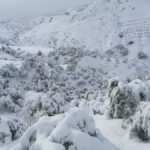
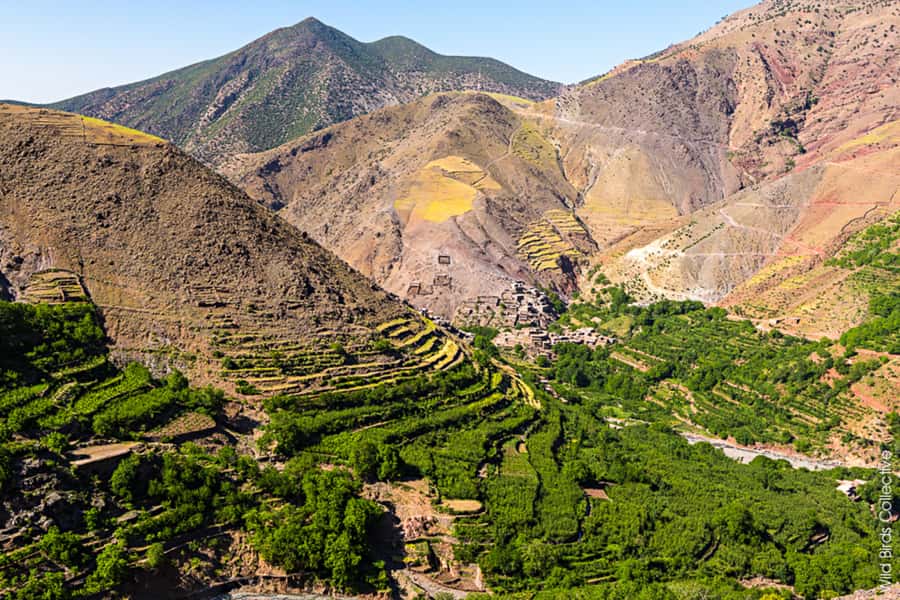
This is the kind of Morocco trek that changes your day-to-day rhythm fast. In the city, you move on a schedule; in the Atlas, the mountains set the pace. You’ll spend three days threading through mountain villages, crossing passes, and collecting views that feel earned because they come after steady uphill sections.
The strongest value here is how much is handled for you. You get a local guide, mule support for luggage, and all meals during the trek (three lunches, two dinners, three breakfasts). That matters because it turns the hike into a smooth travel day instead of a constant planning job.
The second big value is the balance between walking and breaks. Most days land around 5 to 6 hours of trekking, with pass-top lunch time that doubles as a viewpoint moment. It’s not a race; it’s a “work your legs, then enjoy the view” style of route.
You can also read our reviews of more hiking tours in Marrakesh
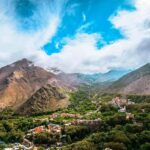
Day 1: Imlil to Tizi n’Tamaterte and Tachdirt Guesthouse
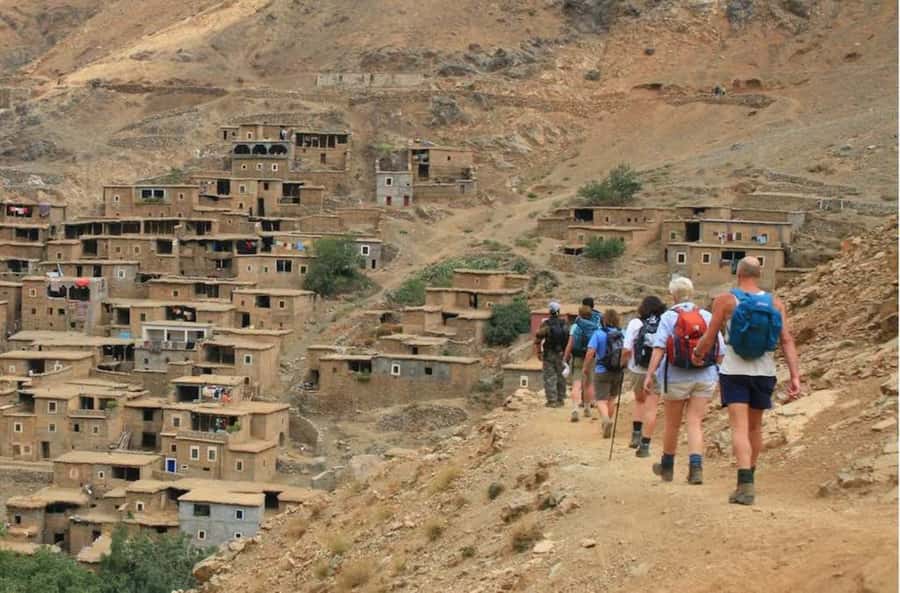
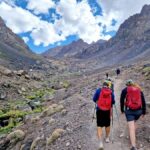
Day 1 starts in Imlil Valley at 1740m, then you climb toward Tizi n’Tamaterte at 2300m. Expect roughly 5 to 6 hours of moderate hiking. The ascent is the point: you get your first big “Atlas air” payoff as the terrain lifts and the valley world shrinks below you.
At the top, you’ll stop for lunch with a view. This is one of those smart trek design choices: it breaks up the hardest part of the day and gives you time to reset before continuing downhill.
After that, you head toward Tachdirt or Tinghourine for the overnight. The stay is a guesthouse—comfortable in the practical sense, but not trying to be a hotel. In colder months, bring layers and plan for cozy blankets rather than a perfectly regulated indoor climate.
Day 2: Aguersiwal, Oudit Pass (2200m), and Ait Aissa
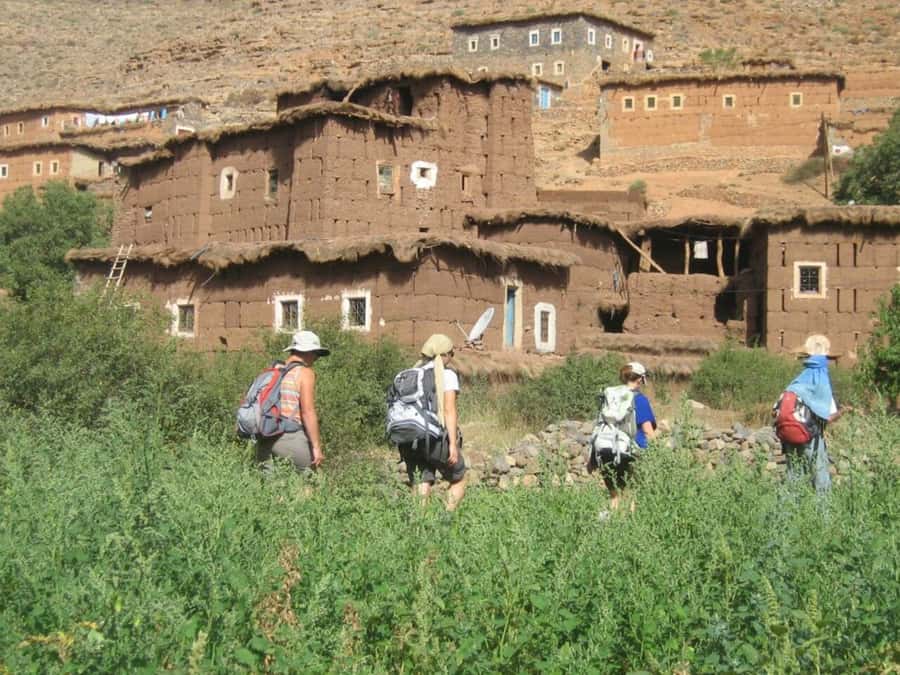
Day 2 keeps the momentum with another 5 to 6 hours on trails and village paths. You’ll walk from Tachdirt Village to Aguersiwal Pass (2100m), then continue toward Matat and Ait Aissa.
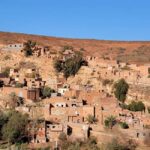
A highlight here is the variety of terrain and the sense of moving through working mountain communities. This is not just “walk beside a village.” You’re going through narrow village corridors and crossing the landscapes that link homes, fields, and trails.
You’ll also hit Oudit Pass (2200m), which adds another viewpoint moment and keeps the day from feeling repetitive. And when you reach Ait Aissa, there’s a steam shower available—handy after rocky downhill sections. Even if you don’t use it, it’s a nice reminder that the trek is set up with real recovery in mind.
The gite overnight is rustic. That’s part of the authenticity, but it’s also why a sleeping liner helps. Some travelers said guesthouse bedding can lack sheets, so you’ll stay warmer and more comfortable if you come prepared.
Day 3: Waterfalls in Toubkal National Park, Tizi Mazik (2500m), Back to Imlil
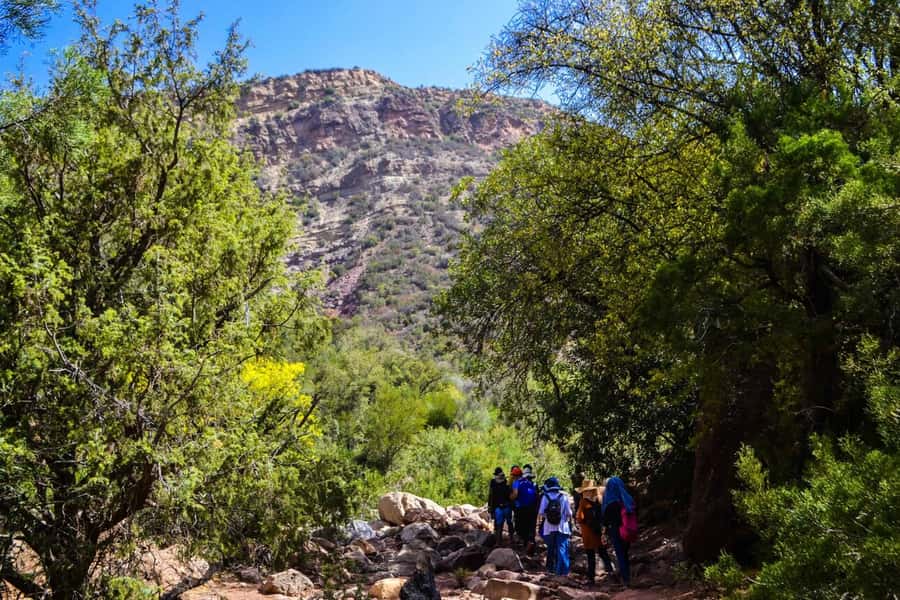
Day 3 is the “nature payoff” day. After a start in the Ait Aissa area, you’ll go for about 6 hours total walking time, with several major stops.
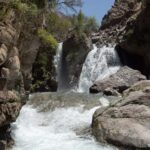
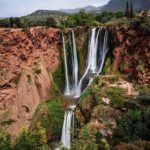
First: waterfalls in Toubkal National Park. This is your chance to step out of “pass and village” mode and into a scene defined by water and power—exactly the kind of break your legs appreciate halfway through a trek day.
Then you continue to the Mzik pass (about 2500m). That’s the highest point on this route, so you’ll feel it. The reward is the big panorama over the Ait Mizan valley—one of those moments where you stop talking and just look.
You’ll have lunch in Mzzik, then begin the descent back toward Imlil. The final reward is simpler: walking downhill into a place where your muscles aren’t fighting for survival anymore, followed by the transfer back to Marrakech.
Guides, Mules, and Meals: Why People Trust This Operator
This trek stands or falls on how the team runs it. The good news is that the setup here is designed to reduce stress: you have a local guide, plus a muleteer and mules carrying luggage, plus a cook handling meals.
That matters because your attention stays where it should: on the trail, the views, and the cultural context around you. When the mule support is working well, you’re not spending energy managing your pack all day. You just walk.
The food is consistently a highlight. Many people specifically praised the meals as plentiful and excellent, including traditional Moroccan dishes. There’s also evidence the cooking staff can handle special needs—one traveler described accommodations for food allergies using fresh ingredients and spices.
One small practical note: the trek doesn’t feel like it encourages snacking constantly. Lunch and dinner come on schedule, so packing a few snack items is optional rather than mandatory. If you’re the type who likes to nibble between tea stops, bring something small, but don’t build the whole trek around it.
A few more Marrakesh tours and experiences worth a look
Toughness Level: How Moderate Does Moderate Really Mean?
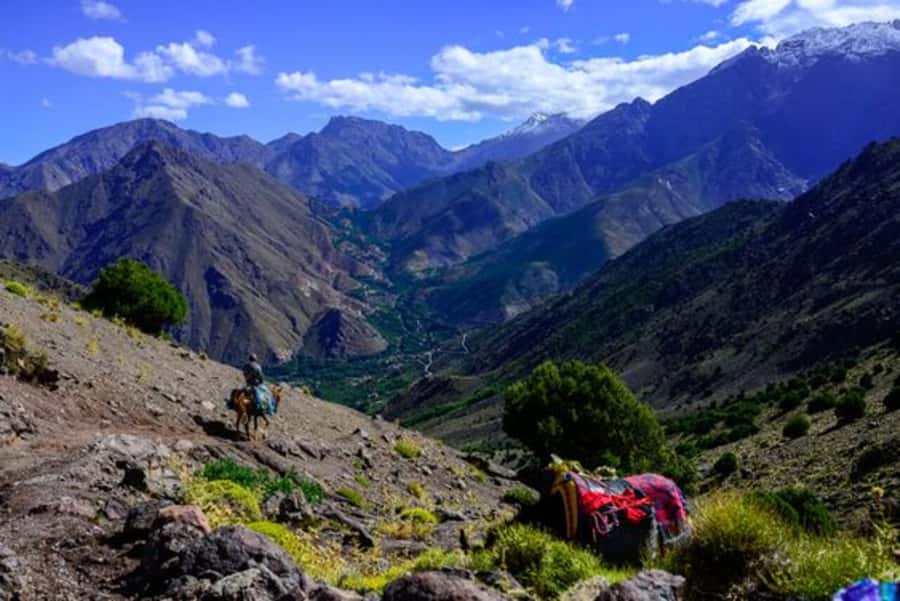
The schedule lists this as a moderate trek, and the timing supports that: about 5–6 hours on Days 1 and 2, and about 6 hours on Day 3. You’ll be working at altitude, with repeated climbs to passes around 2100m to 2500m.
What makes it feel tougher than flat hiking isn’t only the distance. It’s also the mix of steep sections and rocky footpaths, especially on the downhill legs. Several hikers stressed that good footwear isn’t optional here. Trainers can work for some people on some routes, but boots or proper trail shoes make a huge difference when the ground gets uneven.
Also plan for weather swings. Reviews mention cold evenings in winter months and chilly nights overall. If you’re thinking it’s just a warm-weather mountain walk, you’ll want to rethink that.
Where You’ll Stay: Rustic Guesthouses and Gites That Feel Real
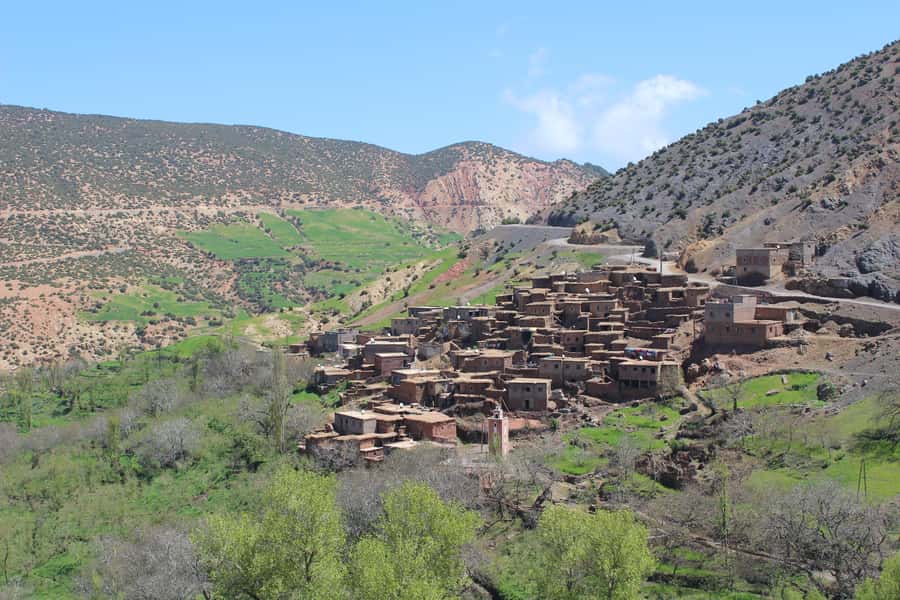
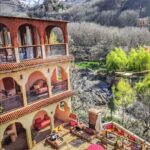
You’re sleeping in guesthouses and gites in mountain villages, not hotels. The advantage is clear: you’re close to local life, and you’re not rushing back to the city every night. The trade-off is comfort level—expect basic rooms, blankets (not always sheets), and the kind of showers that can range from cool to steamy depending on where you are and the time of year.
If you want an easy upgrade, bring a simple sheet liner and a warm layer for bedtime. A number of travelers used this exact trick to make evenings more comfortable, especially when temperatures drop.
There’s also a benefit to the rustic setup: it’s a break from screens. One practical note from travelers—there’s often no internet access. Bring a book, a deck of cards, or just a blank stare for the stars.
Price and What You Get for $227
At $227 per person for 3 days, you’re paying for more than walking time. You’re buying a bundle: hotel pickup and drop-off, AC transport, a local guide, muleteer and mules, 2 nights of accommodation, and all meals during the trek.
That’s the value story. Even if you could DIY parts of the route, you’d still need a guide, coordination, and food planning. Here, the logistics are already smoothed out, so your “cost” becomes less about decision fatigue and more about actually enjoying the hike.
What’s not included is also simple: mineral water and soft drinks. Tea and bottled water may be available along the route, but don’t assume free access to everything. If you’re picky about hydration, plan to buy water as needed during the trek.
What to Pack: Shoes, Layers, and a Few Comfort Fixes
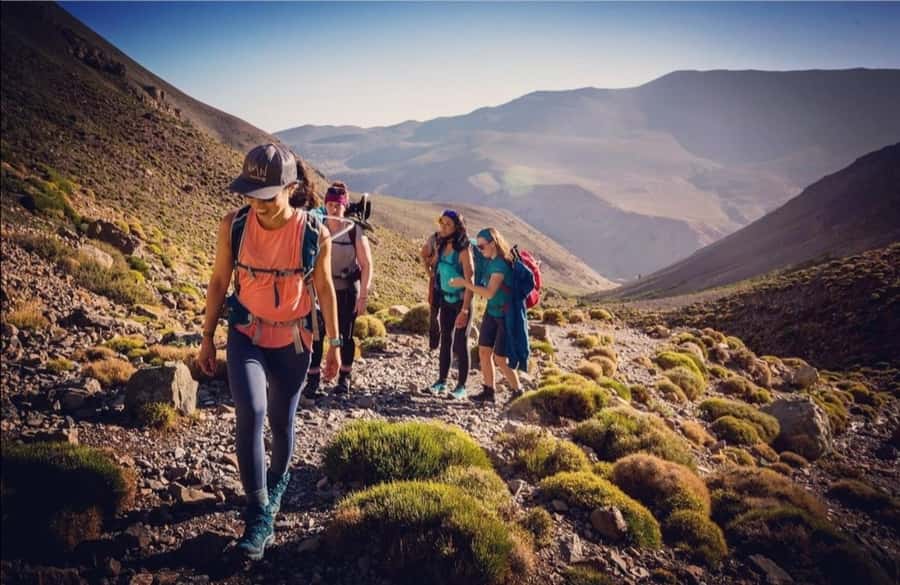
You’ve got to match what the route demands: passes, rocky trails, and cold nights. Start with comfortable shoes that handle downhill scrambles. Add layers because mountain weather can shift.
From the provided packing list, bring:
- Passport or ID card
- Comfortable shoes
- Towel
- Sunscreen, hat, sunglasses
Then add the “small but important” items that help in real life:
- A sleeping bag liner (many guesthouses don’t always have sheets)
- A warm extra layer for cold evenings
- A small roll of toilet paper if you’re the type who dislikes surprises (some toilets in remote areas may not have it)
Also, if you’re traveling in cooler months, travelers recommended baby wipes to cover times when full shower comfort isn’t guaranteed and hot water is limited.
Who This Trek Fits (and Who Should Skip It)
This is a great fit if you want a proper High Atlas experience with villages, passes, and nature highlights, and you’re comfortable hiking for a few hours a day. It also works well for couples and solo travelers who like a small-group dynamic.
It is not suitable if you’re pregnant, using a wheelchair, or have heart problems. The route includes altitude and uneven, sometimes steep terrain, so it’s better to choose a different kind of Morocco day trip if those factors apply.
If you’re afraid of heights, this won’t necessarily be terrifying, but you should be ready for exposed viewpoints and steep descents. If you’re unsure, tell your guide your comfort level early so pace and stops can match your needs.
Should You Book This 3-Day High Atlas and Three Valleys Trek?
Book it if you want three days where the day-to-day feels genuinely mountain-focused, with passes (up to 2500m), village walking, and a standout nature moment in Toubkal National Park. The price works because meals, guide time, mule support, and transport are all built in. If you care about food, this is a strong sign too—there’s clear consistency in how well meals are handled.
Skip it if you need hotel-grade bedding, predictable shower conditions, or an easy stroll. This is a hike with rustic nights, rocky patches, and cold evenings at certain times of the year.
If you’re the kind of traveler who likes to trade Wi-Fi for starry skies and walk for views you can’t get from a bus window, this is a very solid call.
FAQ
How long is the Marrakech High Atlas and Three Valleys trek?
It lasts 3 days.
What is the price per person?
The price listed is $227 per person.
How do you get between Marrakech and the start of the trek?
The package includes hotel pickup and drop-off plus air-conditioned transport from and back to Marrakech.
Is the trek guided?
Yes. A local guide is included, with live guidance available in English and French.
How big is the group?
The group is limited to 10 participants.
What is included in the tour price?
Included items are hotel pickup/drop-off, AC transport, local guide, muleteer and mules to carry luggage, 2 nights of accommodation, and all meals during the trek (3 lunches, 2 dinners, 3 breakfasts).
What is not included?
Mineral water and soft drinks are not included.
How many hours do you hike each day?
Day 1 and Day 2 are around 5–6 hours of trekking, and Day 3 is around 6 hours.
Do you have showers during the trip?
You stay in village guesthouses/gites, and there is a steam shower available during the Day 2 stop at Ait Aissa.
What should I bring?
Bring your passport or ID card, comfortable shoes, a towel, sunscreen, a hat, and sunglasses.