REVIEW · MARRAKESH
Marrakech: Ourika Valley Trip with Waterfall Hike
Book on GetYourGuide →Operated by Click Excursions · Bookable on GetYourGuide
One day in the Atlas Mountains beats a week stuck in traffic. This Ourika Valley trip mixes Berber culture stops with a real waterfall hike (plus time to cool off), all starting with hotel pickup from Marrakech. It is also the kind of outing where the small details matter: you’ll see how families live up in the valley, then you’ll walk to Setti Fatma with a local guide who keeps the group moving.
I especially like how the day is paced around what you actually want: photo stops and a market option on Monday or Thursday, then the waterfall leg where you can choose the hike or a calmer riverside break. The main catch is simple: the hike involves uneven, sometimes slippery ground, so it is not a great match for anyone with mobility limitations or for people who struggle with steady uphill walking.
In This Review
- Key points you should know before you go
- Leaving Marrakech for the Ourika Valley: the drive, the views, and the vibe
- Berber villages and the Monday/Thursday souk stop
- The women’s argan co-operative: what you learn (and what you support)
- Setti Fatma waterfall hike: how long it is and how to plan your effort
- Berber house, craft stops, and the little moments between highlights
- Lunch by the river: comfort, cost, and why this part matters
- Price and value: why $14 can still feel like a full day
- What to pack (and what to do about uneven trails)
- Who should book this Ourika Valley waterfall trip
- Should you book it or skip it?
- FAQ
- FAQ
- What is the price for this Marrakech to Ourika Valley trip?
- Is lunch included?
- How long is the waterfall hike?
- Do I have to hike to the waterfall?
- Are there any market stops, and when do they happen?
- What’s included in the tour price?
- What should I bring for the day?
- Are strollers or baby carriages allowed?
- Is the tour suitable for elderly travelers or people with mobility issues?
- What languages are available during the tour?
Key points you should know before you go
- Hotel pickup plus an air-conditioned minibus with Wi-Fi makes the Atlas run feel less like a chore
- Souk timing is specific: the traditional market visit is Monday and Thursday only
- Women’s argan co-operative includes hands-on understanding of how products get made, from cosmetics to Amlou
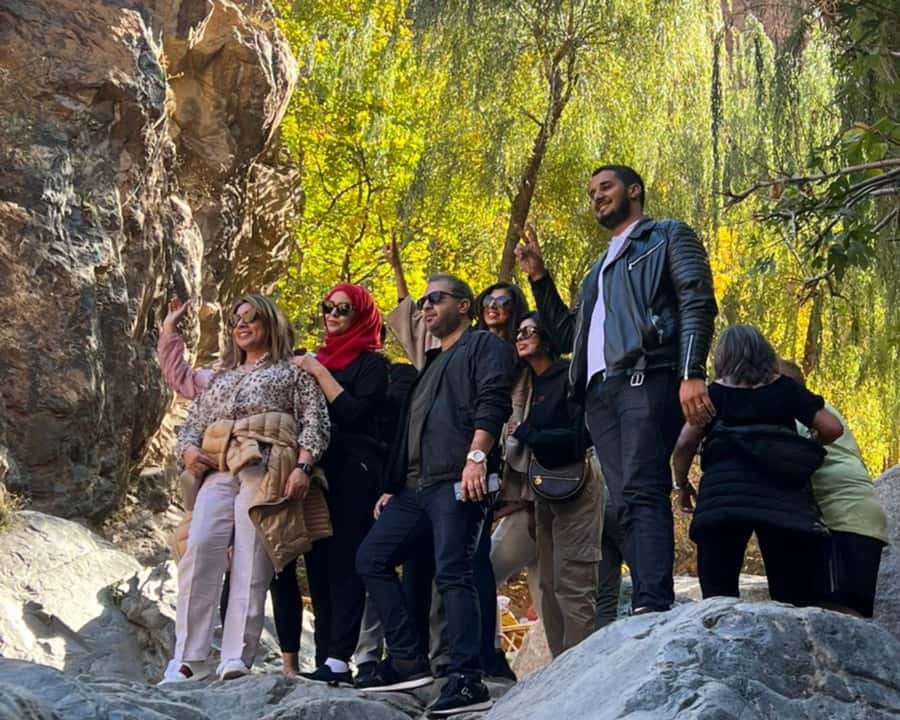
- Setti Fatma waterfall is the star: you get a guided hike of about one hour, with river time built in
- Lunch timing is by the river (meal cost not included), and it can be a big part of the day’s comfort
Leaving Marrakech for the Ourika Valley: the drive, the views, and the vibe
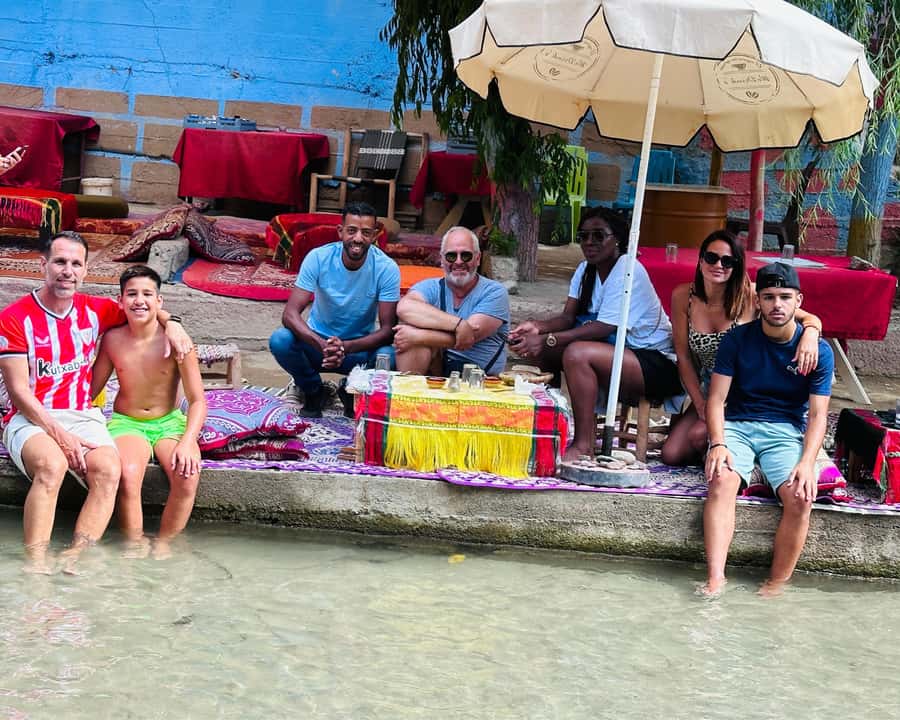
This is a full-day trip built around one simple idea: get out of Marrakech, head into the High Atlas foothills, and let the scenery and local life do the work. Your day usually begins with hotel pickup and drop-off, so you skip the hassle of organizing transport on your own. You travel in an air-conditioned minibus with Wi-Fi, and there’s a driver and an accompanist looking after the timing.
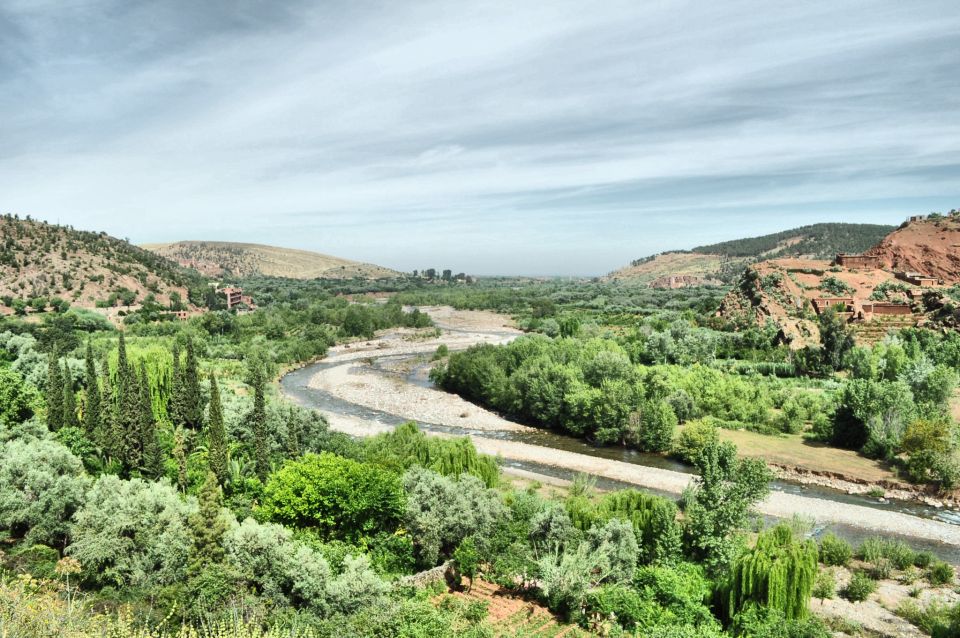
Once you’re rolling, the Ourika Valley drive becomes part of the experience. You’re not just passing through; you’re watching how the hillsides shape everything: where homes sit, how paths connect, and how everyday life follows the land. Guides on these trips often explain what you’re seeing as you go, and you may hear names like Said, Simo, Hicham, Anouar, or Abdul connected to that clear, structured guidance.
A quick reality check: even with A/C included, mountain days can still feel warm. If you’re going in peak summer heat, plan for sun management (hat, sunscreen, water). In general, the comfort level is good, but expect the route to feel very “outside” once you start getting out of the van.
You can also read our reviews of more hiking tours in Marrakesh
Berber villages and the Monday/Thursday souk stop
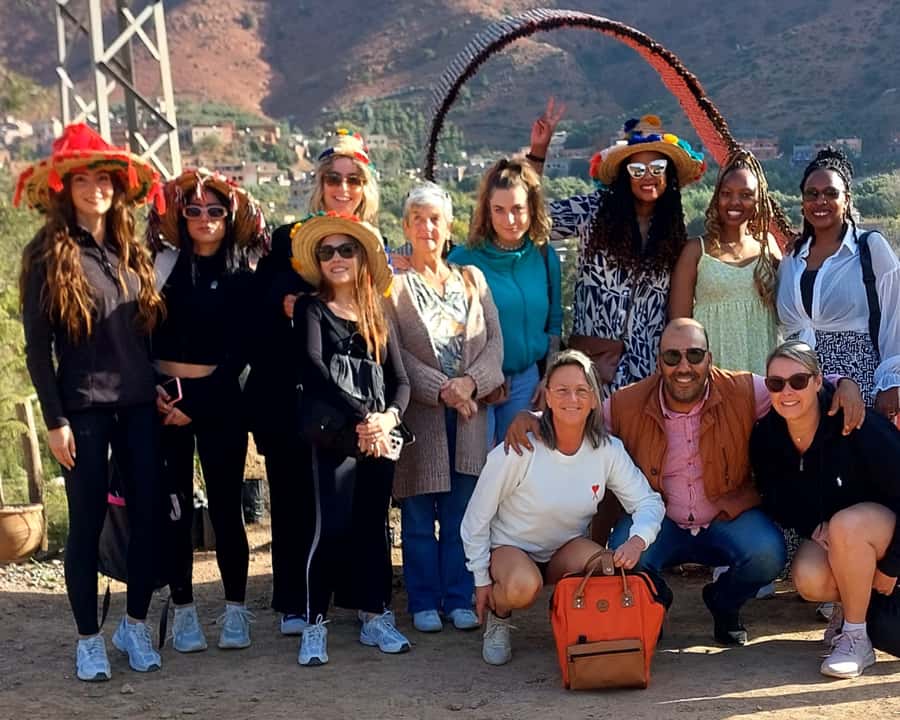
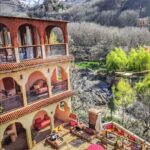
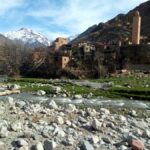
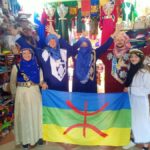
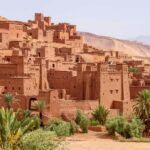
One of the best parts of the day is the cultural side, and it does not feel staged. You’re taken through areas where Amazigh (Berber) homes cling to the hillsides, and you get a look at traditional life in the valley rather than just a quick viewpoint. This is where the trip earns its meaning: you see how communities live close to what they grow and make, not just what they sell to tourists.
Then comes the market option, and it is worth paying attention to the calendar. The tour includes a typical Berber market (sou k) only on Monday and Thursday. If your dates line up, that souk stop is a strong reason to book, because it gives you a direct snapshot of daily buying habits: food, household essentials, and the rhythm of a real valley day.
If you are visiting on a different day, you still get cultural stops, but the souk component may not be available. That timing detail matters more than people expect, because a market visit is one of the easiest ways to understand local life fast.
The women’s argan co-operative: what you learn (and what you support)
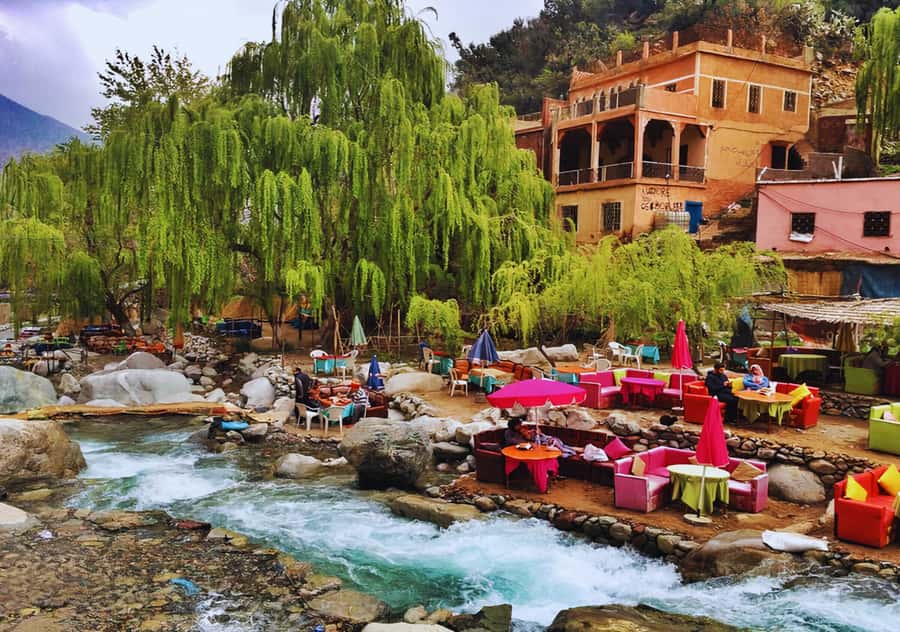
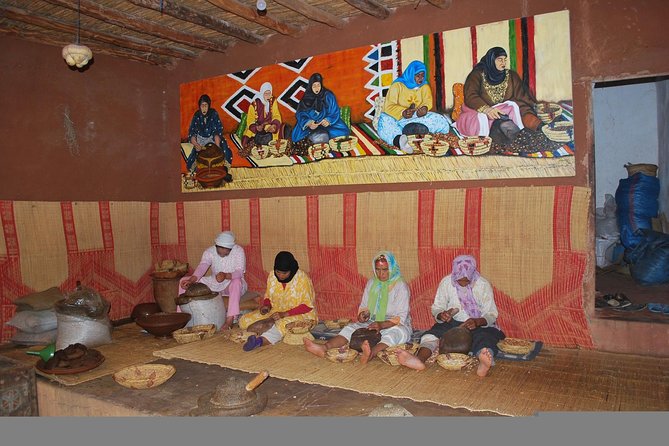
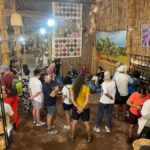
The women’s argan oil co-operative stop is not just a shop-and-figure-it-out stop. It’s set up to explain the work behind the products and why argan matters in this region.
Here’s what I’d call the practical takeaway: you get to see how argan oil production connects to family income and local employment, because it is run by a women’s group. You’ll also see a range of products, from cosmetics to foods, including the famous Amlou, sometimes described as a Berber-style nut spread. Even if you do not buy anything, the value is in understanding the process and the purpose.
This is also where good guiding makes a difference. On days with guides like Hafid, Walid, or Yassine, the co-operative visit tends to come with clear explanations and time for questions, so you feel like you’re learning rather than just touring. A co-operative visit can also help you avoid the common trap of buying tourist souvenirs without context—here, you can make purchases with better understanding of what you’re supporting.
Setti Fatma waterfall hike: how long it is and how to plan your effort
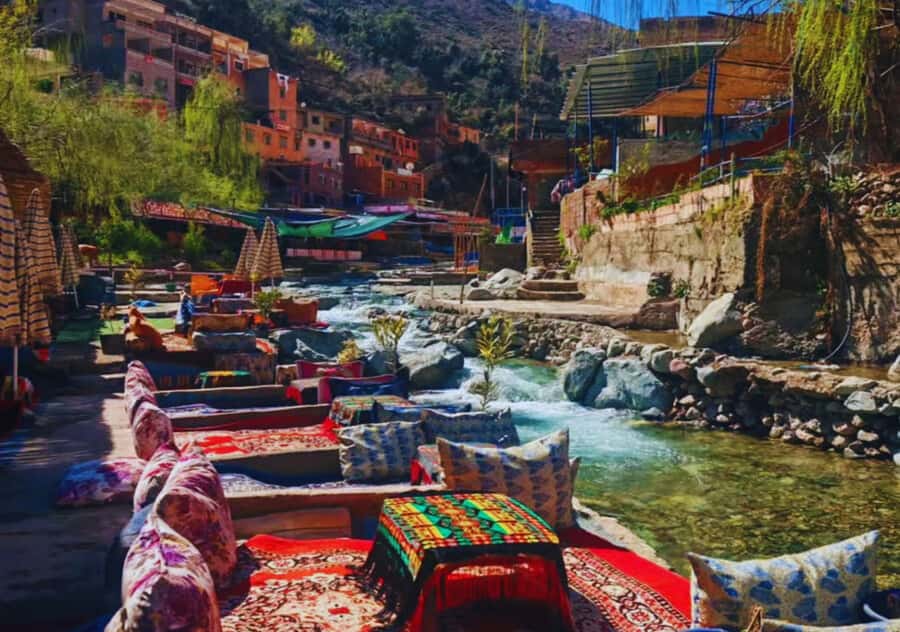
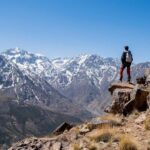
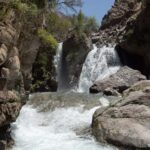
Setti Fatma is the heart of the trip. You reach the village area, then you have a guided path to the waterfall. The hike itself is about one hour, and you get the option to go at that pace with a local hiking guide.
What I like here is the built-in reality check: the route is outdoors, and it can be uneven. Some parts of the trail can be slick, especially if weather shifts. Guides such as Hussain, Hassaum, or other mountain guides are often mentioned for pacing the group and giving support when footing gets tricky. That matters because you’re not just “walking,” you’re hiking in terrain.
Also, you should know you’re not locked into the hike. If you prefer less walking, there’s a riverside option for relaxing while others head up. Once you’re at the falls, you’ll get time to take in the scenery and cool off in the waterfall area. Many people end the day feeling like that dip time is the payoff.
Weather can play games with mountain plans. Even when conditions are rough—rain, heat, or clouds—the trip is designed around having a guide who knows the trail and keeps things organized. Still, you should come prepared for wet patches and sudden cool-downs. That means good shoes and a hat that actually stays on in wind.
Berber house, craft stops, and the little moments between highlights
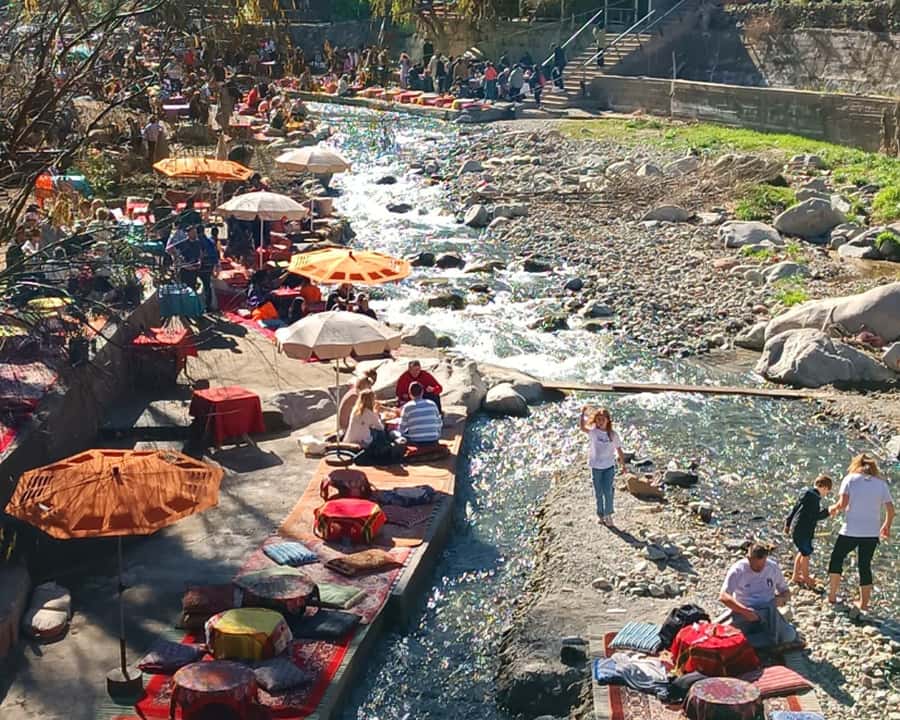
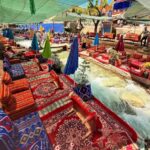
Between the big-ticket moments, you usually get smaller stops that add texture. The trip commonly includes a look at a traditional Berber home, which helps you see how people live day to day. A home visit is also one of the fastest ways to shift from “Morocco as an image” to “Morocco as daily routine.”
Some days also include additional craft-related stops. In the feedback you’ll see mentions of pottery manufacturing and similar small workshops along the way. If that happens on your day, treat it as extra value: you get a chance to understand techniques and materials, not just where things are made.
The best part of these in-between stops is that they break up the long drive. You’re not stuck in a schedule where the only thing you do is watch the van roll forward. Even short stops can add up to a feeling of variety.



Lunch by the river: comfort, cost, and why this part matters
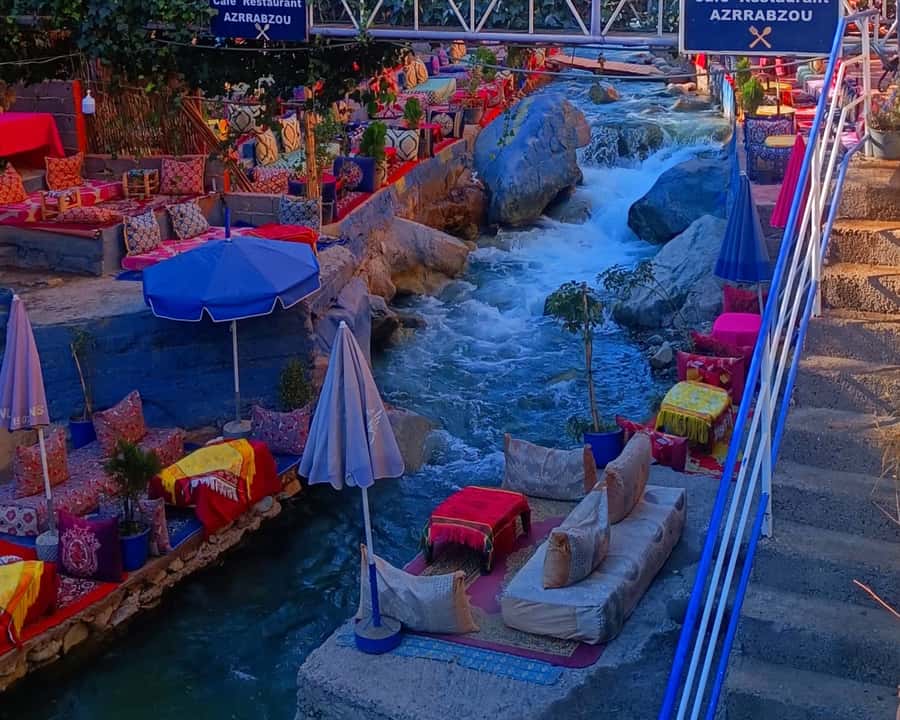
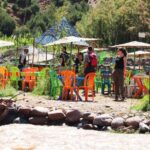
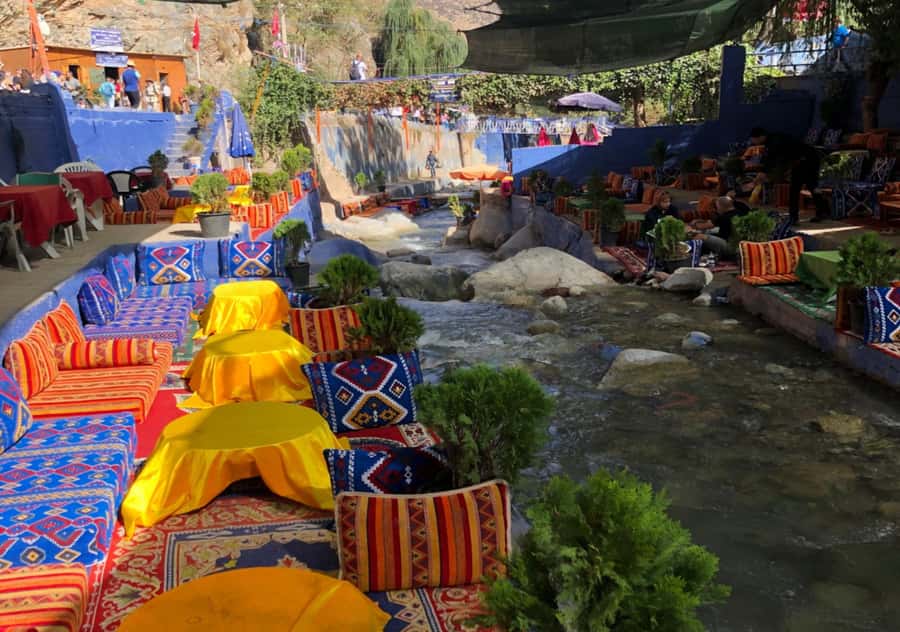
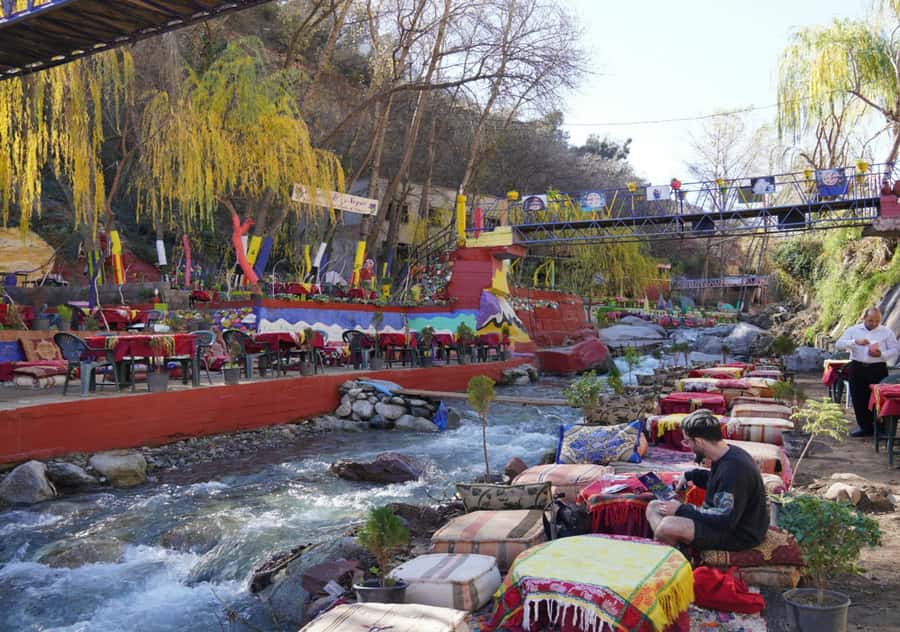
Lunch is not included in the price, but the day usually ends with a meal near the river after the waterfall time. The lunch spot is a big part of why the day does not feel rushed, because you’re shifting gears from hiking effort to simple recovery.
In some cases, the menu is described as set-course dining, with one commonly cited figure being about 120dh for three courses. Prices can vary depending on the restaurant and the season, so use that as a ballpark, not a promise. Still, the vibe is consistent: you sit by the water, eat something filling, and cool down after the walk.
If you want to spend less time thinking and more time enjoying, this is the right approach. Skip the hunt for lunch on your own in the mountains and let the trip handle it.
Price and value: why $14 can still feel like a full day
Let’s talk value plainly. At $14 per person, this trip is priced low for what you’re getting: round-trip transport, hotel pickup/drop-off, A/C minibus with Wi-Fi, a driver and accompanist, a women’s argan co-operative visit, and a local hiking guide for the waterfall portion.
What makes that low price believable is the structure. You’re not paying for only scenery. You’re paying for the parts that are hard to DIY at the same quality: coordinating transport out to the valley, managing timing between stops, and making sure the waterfall hike has a guide on the ground.
The only value-related warning I’d give: bring realistic expectations about the “extras.” Lunch costs extra, and you should plan your day around that one main meal. Also, for some people the A/C in the van may feel less than perfect during hot parts of the day, so comfort depends on the weather.
Overall, though, this is one of those trips where the price makes sense because it bundles the essentials: transport, guiding, and the waterfall payoff.
What to pack (and what to do about uneven trails)
This is one of those trips where packing well can make the difference between fun and frustration.
Bring:
- Comfortable shoes with grip for uneven, sometimes slippery paths
- Sunglasses
- Sun hat
- Sunscreen
In practice, I’d treat shoes as the most important item. If your footwear is more for walking on flat sidewalks, you might regret it halfway up the trail.
Also note the rules:
- No baby strollers, handcarts, or baby carriages are allowed.
And if you’re planning for health and ability, take the hike seriously. Hiking is not recommended for elderly people or those with mobility issues due to uneven terrain and the physical effort needed. The good news is you’re not forced to hike; the riverside option exists, but you still need to be comfortable with the overall day structure.
Who should book this Ourika Valley waterfall trip
This trip is a great fit if:
- you want a day trip from Marrakech that feels more local than a big bus tour
- you enjoy cultural stops that connect to real livelihoods, like the women’s argan co-operative
- you want the waterfall experience with local hiking guidance rather than figuring out trail logistics on your own
It may not be ideal if:
- you cannot do a moderate uphill hike on uneven ground
- you need a lot of free time for shopping because the day has structured stops and set timing
- you’re sensitive to heat and the van comfort might not fully solve hot-weather comfort
If you’re traveling with teens or active adults, it often lands in the sweet spot: enough walking to feel like an adventure, enough guidance to keep it safe and organized.
Should you book it or skip it?
If your goal is to get a real Atlas Mountains day—Berber village life, argan co-operative insight, and Setti Fatma waterfalls—then booking makes sense, especially at this price. The guided hike and the meal by the river help the day feel like a complete experience, not just a collection of stops.
Before you book, double-check your walking comfort. If the idea of uneven terrain worries you, choose the riverside option and go for the views, photos, and river time. If you can handle it, you’ll likely feel like the hike is the payoff that justifies the trip.
FAQ
FAQ
What is the price for this Marrakech to Ourika Valley trip?
The price listed is $14 per person.
Is lunch included?
No. Lunch is not included. After the waterfall time, you’ll have a meal by the river at your own cost.
How long is the waterfall hike?
The hike to the waterfall is described as about one hour, led by a local hiking guide.
Do I have to hike to the waterfall?
No. If you prefer not to hike, you can spend time by the riverside instead.
Are there any market stops, and when do they happen?
Yes. A typical Berber market visit is available on Monday and Thursday only.
What’s included in the tour price?
Included items are hotel pickup and drop-off, transportation in an air-conditioned minibus with Wi-Fi, a driver/accompanist, a visit to a women’s argan co-operative, and a local hiking guide.
What should I bring for the day?
Bring comfortable shoes, sunglasses, sun hat, and sunscreen.
Are strollers or baby carriages allowed?
No. Baby strollers, handcarts, and baby carriages are not allowed.
Is the tour suitable for elderly travelers or people with mobility issues?
The hike is not recommended for elderly individuals or those with mobility issues because the terrain is uneven and the walk requires physical effort. The riverside option exists if you do not hike.
What languages are available during the tour?
Languages listed are Spanish, English, French, and Arabic.