REVIEW · MARRAKECH
From Marrakech to Merzouga Private 4 Days Luxury Desert Tour
Book on Viator →Operated by Sahara Feeling · Bookable on Viator
The desert is calling, and this route delivers. In four days you cross the High Atlas, sleep in riads, then ride camels into Erg Chebbi for a luxury camp night under the stars.
I like the private setup with pickup, which keeps the day’s rhythm comfortable. I also love how the route strings together big-name places like Ait Benhaddou with slower, local stops where you can actually breathe.
One consideration: this is a lot of time on the road in a short window, so you’ll want to be fine with long drives and a packed day schedule.
In This Review
- Key highlights you should know
- Marrakech to the High Atlas: Tizi-n-Tichka pass day-one energy
- The Ait Benhaddou check: worth your time
- Skoura’s Kasbahs and Kasbah Amridil: 1000 Kasbahs, one strong reason to stop
- A quick reality check
- Dades Valley and the gorge run: roses, tea service, and a proper night off
- Dades gorges: do the short walk, not the marathon
- Todra Gorge to Merzouga: cliffs, Qauah wells, then Erg Chebbi dunes
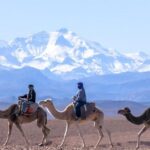
- The dromedary ride: sunset + a rhythm you can feel
- One thing to plan for
- Desert sunrise, Rissani souqs, and the Draa Valley date-palms day
- Tamnougalt and Agdz: oasis walks that break the driving spell
- Ouarzazate on the return: UNESCO kasbahs and Film Studios
- Getting back to Marrakech
- Price and value for a private Marrakech to Merzouga luxury desert tour
- The main trade-off
- Guides make the difference: reliability and smart stop choices
- Should you book this Marrakech to Merzouga private desert tour?
- FAQ
- How long is the Marrakech to Merzouga private desert tour?
- What is the price per person?
- What time does the tour start?
- Is pickup offered?
- Is this a private tour?
- Do you ride camels and visit Erg Chebbi?
- What kind of accommodations are included?
- What happens if I cancel?
Key highlights you should know
- High Atlas Tizi-n-Tichka pass views at about 2,260 meters with Berber villages and grazing animals
- Ait Benhaddou UNESCO kasbah stop for lunch and Ksar exploring (ticket listed as free)
- Skoura Valley and Kasbah Amridil in the 1000 kasbahs region with mud-brick stronghold context
- Todra Gorge + Erfoud/Qauah wells for quick, scenic breaks before the desert switch
- Erg Chebbi camel sunset and luxury camp with mint tea ritual, dinner, music, and star gazing
- Draa Valley date palms and oasis walks plus an overnight riad on the return arc
Marrakech to the High Atlas: Tizi-n-Tichka pass day-one energy
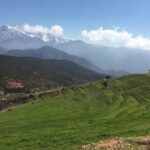
This tour starts the way Morocco road trips should: early, focused, and full of sharp changes in scenery. You’ll head out from Marrakech toward the High Atlas Mountains via the historic Tizi-n-Tichka pass, reaching about 2,260 meters. That altitude matters. When you crest the pass, the world can suddenly feel bigger and quieter.
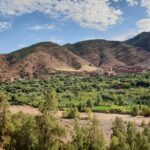
Along the climb, you pass oak woods, walnut groves, and traditional Berber villages. You may also see roaming goats and sheep in open pasture areas. It’s the kind of in-between scenery that’s easy to skip on a fast bus trip, but on a private driver plan you get a chance to actually take it in without feeling rushed.
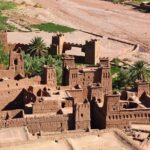
Then comes lunch at Ait Ben Haddou. The Ksar stop is listed as an hour, and admission for the Ksar portion is shown as free. Ait Benhaddou is UNESCO-protected and has been used as a filming location for major titles like Lawrence of Arabia, Jesus of Nazareth, and The Gladiator. Even if you’ve never seen the movies, you’ll recognize what film crews love: tight mud-brick geometry, dramatic walls, and a fortress-town that still feels lived-in rather than staged.
You can also read our reviews of more private tours in Marrakech

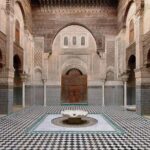

The Ait Benhaddou check: worth your time
The Ksar is why the stop exists. You’re looking at fortified architecture made from stone and mud brick, built to handle heat, wind, and time. If you like photography, this is one of the better stops for texture—walls, shadows, and doorways all give you something to work with.
The only drawback is timing. Lunch + Ksar can feel like a “quick hit” if you want hours and hours to wander, so keep your expectations realistic for a 4-day route that also has the desert.
Skoura’s Kasbahs and Kasbah Amridil: 1000 Kasbahs, one strong reason to stop
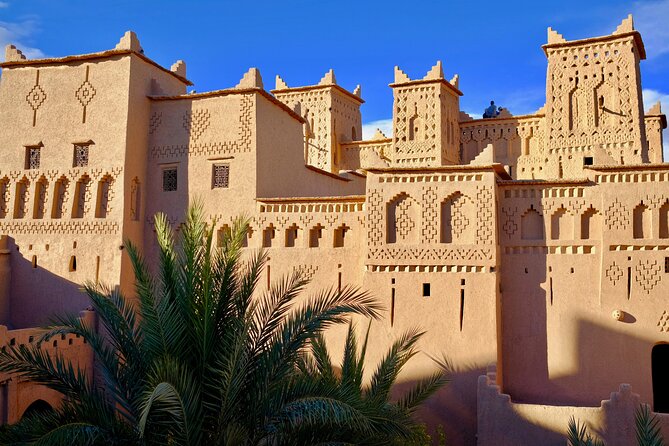
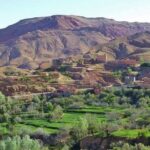
After Ait Benhaddou, you push into the Skoura area and the broader region often called the Valley of 1000 Kasbahs. Kasbahs are essentially strongholds—mud-brick buildings that helped families and traders stay safe while doing business. The tour frames it well: the road may be paved today, but centuries ago it was more like a trader’s corridor, connecting people and supplies.
Your Skoura stop includes a visit to Kasbah Amridil, listed as about an hour with admission shown as free. This matters because Skoura isn’t just about views; it’s about understanding how architecture evolved for survival and social life.
What I like here is the practical angle. Instead of only seeing a postcard kasbah from the outside, you get a structured visit that helps you read the place: thick walls, compact forms, and spaces shaped for climate.
A quick reality check
The “1000 Kasbahs” phrase can make you expect a full theme-park circuit. You won’t get that many in four days. You’ll get a focused sampling—enough to understand the style and appreciate how the valley functioned.
Dades Valley and the gorge run: roses, tea service, and a proper night off
Day-one continues with the drive through Skoura and Kelaa M’Gouna, an area known for roses and handcrafted daggers. Then you move into the Dades Valley, arriving at the Dades Gorges area. The schedule has about a ten-hour day component here, and you end the day in a Moroccan riad bed-and-breakfast setup.
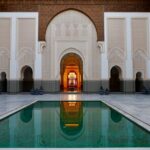
This is one of the tour’s biggest quality-of-life wins. A riad stay with tea service and a full dinner means you’re not just transported from highlight to highlight—you’re actually fed and hosted in a setting that feels like Moroccan life, not a hotel checkbox.
When people talk about luxury desert tours, they sometimes forget the “middle” matters. Dades is that middle. It gives you a break from constant driving and gives your body a place to reset before the bigger desert night.
A few more Marrakech tours and experiences worth a look
Dades gorges: do the short walk, not the marathon
Your time in the gorge zone is for breathing and photos, not for tackling a huge hike (the schedule doesn’t suggest a long trek). If you enjoy viewpoints, bring comfortable shoes for uneven paths and be ready for some stairs.
One possible drawback: after a big mountain driving day, you might feel gorge viewing is quick. The fix is simple: prioritize where you want the best photo angle and don’t try to cover everything.
Todra Gorge to Merzouga: cliffs, Qauah wells, then Erg Chebbi dunes
Day two is the switch from mountains to desert edges. You start with Todra Gorge, where you’ll have a short 30-minute window. The cliffs there rise high—gray and pink tones can look almost unreal when the light hits them—and even a brief stop can feel dramatic because the space narrows quickly.
Then you drive toward Erfoud for lunch. This part of the itinerary is smart because it adds a local detail that isn’t just “look at sand.” Erfoud is tied to ancient irrigation features: Qauah wells, described as horizontal wells used to irrigate the desert for centuries. If you like learning how people made life work in harsh conditions, this is one of those stops that adds meaning.
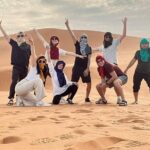
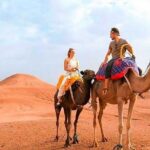
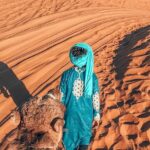
After lunch you head toward Merzouga and the Erg Chebbi dunes. These dunes are described as pink and constantly changing, with heights reaching around 160 meters. That’s why the camel ride is central to the experience: riding rather than just driving lets you feel the pace of sand travel and gives you time to watch dune shapes shift as you move.
The dromedary ride: sunset + a rhythm you can feel
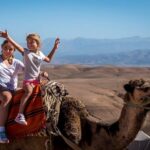
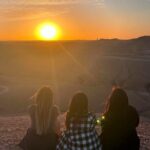
The schedule highlights a sunset experience on a dromedary through Erg Chebbi dunes. This is one of those moments that tends to land for people who expected only photos. The light at sunset changes the dunes fast, and being on the animal slows the whole experience down in a good way.
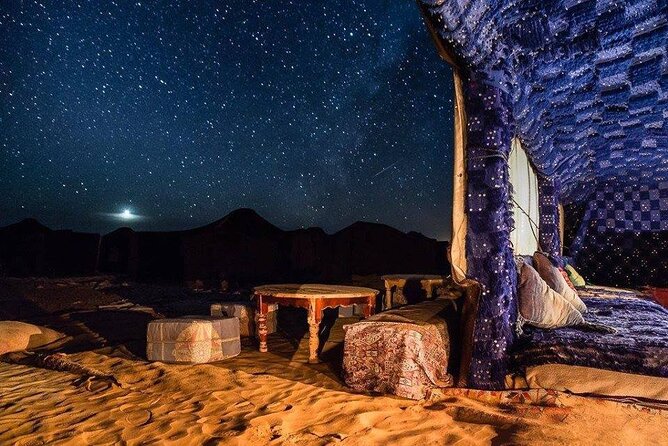
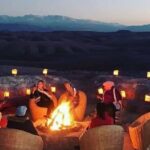
You finish the day in a luxury desert camp with first-class Berber hospitality. The camp experience includes a mint tea ritual, dinner, music, and star gazing in the desert sky. That combination is what makes the camp more than a bed—it becomes an evening story you’re part of.
One thing to plan for
Camel rides and desert nights usually mean you’ll want layers. Even if you’re not chasing cold weather, the temperature can shift between day and night. Wear shoes you can handle in sand and keep essentials easy to reach.
Desert sunrise, Rissani souqs, and the Draa Valley date-palms day
Day three begins with a desert sunrise. That’s not just an extra photo moment. A sunrise means a different soundscape, different light, and a calmer rhythm than the sunset rush. It’s also a gentle way to transition out of camp-mode.
Then you head to Rissani, described as an ancient mountain city known for the Ali Cherif Mausoleum and vibrant souqs. Even with a short stop, markets can be more useful than monuments here. You can see daily life, the rhythms of trading, and the practical side of local culture.
From there you stop in Nkob for lunch. After lunch, you enter the Draa Valley, famous for date palms. The tour mentions harvest timing between September and December, with date palms feeding a local economy that shows up right along the road. If you pass by stalls, you’ll likely see dates sold in many forms, and the valley’s scale makes the abundance feel believable rather than salesy.
Tamnougalt and Agdz: oasis walks that break the driving spell
The route includes Tamnougalt, described as one of the oldest kasbahs (a walled city or castle). Then you continue to Agdz for a walk in the oasis area, before another Moroccan riad bed-and-breakfast night with tea service and full dinner.
This part is valuable because it restores greenery to your mental map of Morocco. The Draa Valley oasis walk is a chance to stretch your legs in palm shade and picture how these settlements functioned as living corridors.
A possible drawback here is that oasis time depends on what energy you have after earlier stops. If you’re serious about the walk, wear sun-protective clothes and plan a slow pace. Don’t rush just to check the box.
Ouarzazate on the return: UNESCO kasbahs and Film Studios
Day four is the unwind day. You start with breakfast and a walk in a local oasis area, then you head through the Atlas Mountains toward Ouarzazate.
Ouarzazate is a fortified kasbah city area with UNESCO recognition dating to 1987. Film history is part of the appeal too. Ait Benhaddou is mentioned again in relation to famous movies, and for Ouarzazate itself, the tour includes a stop for lunch plus a tour to Kasbah Taorit and the Film Studios.
This is a good fit if you like seeing how landscapes get reused. Film studios can feel a little touristy in some destinations, but here the connection is clear: Morocco’s fortified architecture and dramatic settings have been used repeatedly because they photograph well and feel authentic at the same time.
Getting back to Marrakech
After lunch and the studio and kasbah visits, you make your way back to Marrakech on the same day. That means day four isn’t a lazy stroll day. It’s more like a final highlight cluster before you return to your real base city.
If you prefer slow travel, plan one “buffer evening” back in Marrakech. You’ll likely want a quiet meal, not more sightseeing.
Price and value for a private Marrakech to Merzouga luxury desert tour
At about $627.43 per person for roughly four days, this tour is not trying to be the cheapest way to reach the desert. The price makes sense when you account for what’s bundled.
Here’s what you’re paying for, based on the provided details:
- A private experience (only your group participates) with pickup offered
- Multi-day driving across the High Atlas, kasbah regions, gorges, desert area, and back via Ouarzazate
- Multiple nights in Moroccan riads with tea service and full dinner (bed-and-breakfast is included)
- One night in a luxury desert camp with mint tea, dinner, music, and star gazing
- Dromedary desert time tied to sunset in Erg Chebbi
- Ticket-related stops shown as free for certain parts (like Ait Benhaddou and Kasbah Amridil)
So the value question isn’t only the total price. It’s also how much effort the plan removes from you. A private driver itinerary like this can save you decision fatigue: where to stay, how to get between sites, and how to time the desert experience.
The main trade-off
The trade-off is time on the road. You’re trading slower pacing for a fuller route. If you dislike long drives, you may feel you spend more hours in a car than you hoped.
Guides make the difference: reliability and smart stop choices
One of the best things about this kind of private tour is that a good driver can turn set stops into better moments. In the feedback tied to this experience, names like Ibrahim Amzil, Ali, and Mustafa come up with themes of careful driving, helpful guidance, and reliable timing.
What you should look for, even when booking, is how the company handles real-life choices: where to pause for photos, where coffee stops happen, and how they connect you with quality local guides at attractions. Even if the route is fixed, the in-the-moment handling changes the feel.
If you want that personal touch, don’t be shy about asking your driver to suggest what’s worth your limited time inside each stop.
Should you book this Marrakech to Merzouga private desert tour?
Book it if you want a comfort-first route with a real desert night. The combination of gorges, kasbah towns, and a luxury camp with mint tea and star gazing is built for first-timers and for people who want the desert experience without stressful logistics.
Skip it (or consider a shorter version) if you strongly prefer slow travel. This itinerary packs a lot into four days, and the driving time is part of the deal.
If you do book, I’d recommend three small moves: wear shoes that handle uneven paths, keep a light layer for desert evenings, and treat the riad dinners as part of the experience, not an afterthought.
FAQ
How long is the Marrakech to Merzouga private desert tour?
The tour is listed as 4 days (approximately).
What is the price per person?
The price is $627.43 per person.
What time does the tour start?
The start time is 8:30 am.
Is pickup offered?
Yes, pickup is offered.
Is this a private tour?
Yes. It is a private tour/activity, and only your group will participate.
Do you ride camels and visit Erg Chebbi?
Yes. You’ll take a dromedary ride and enjoy the sunset in the dunes of Erg Chebbi.
What kind of accommodations are included?
You’ll stay in Moroccan riads bed and breakfast with tea service and full dinner, and you’ll also spend a night in a luxury desert camp.
What happens if I cancel?
Free cancellation is available. You can cancel up to 24 hours in advance for a full refund.