REVIEW · MARRAKECH
Moroccan Desert 3-Day Luxury Tour from Marrakech
Book on Viator →Operated by Camel Safaries - Day Tours · Bookable on Viator
If you want the Sahara without the stress, this route is for you. It pairs big-name sights like Aït Benhaddou with the kind of night you remember, including a camel trek into Erg Chebbi dunes.
I especially like how the trip mixes famous stops with real daily moments, like pausing for mint tea and seeing how people live along the Atlas corridor. The main thing to weigh is the time behind the wheel: day 3 can run 9–10 hours back to Marrakech, and weather can add delays over mountain passes.
In This Review
- Key moments I’d put on your radar
- Marrakech to Aït Benhaddou: Rose Valley, Kasbahs, and real road time
- Ouarzazate country and Atlas Studios: where film meets the desert road
- Todra Gorges to Erg Chebbi: the camel trek part you actually came for
- The Berber bivouac camp: “luxury” that’s still honest out there
- The scarf ritual: useful, but choose your comfort level
- Marrakech return day: long drive, smart stops, and how to cope
- Price and value: what $450 covers, and what you’ll still pay for
- Best-fit travelers: who this tour suits (and who should adjust)
- A realistic heads-up: weather and road delays can happen
- Should you book this Marrakech to Sahara luxury tour?
- FAQ
- What time does the tour start and where is the meeting point?
- Is pickup offered?
- How many travelers are on the tour?
- How long is the camel trek in Erg Chebbi?
- What meals are included?
- Is a vegetarian option available?
- Do I need a small bag for the bivouac night?
- How long is the drive back to Marrakech on day 3?
- Is free cancellation available?
Key moments I’d put on your radar
- Aït Benhaddou Kasbah + High Atlas viewpoints make the first day feel like more than a drive
- Todra Gorges stop before you head into Erg Chebbi adds a dramatic break from the road
- About 1 hour camel trek to a Berber tent camp, with time to watch sunset and stars
- Nomadic bivouac vibe with meals included (breakfasts and dinners) keeps the logistics simple
- Small group cap (15 people) helps it feel more personal than a cattle-truck tour
Marrakech to Aït Benhaddou: Rose Valley, Kasbahs, and real road time
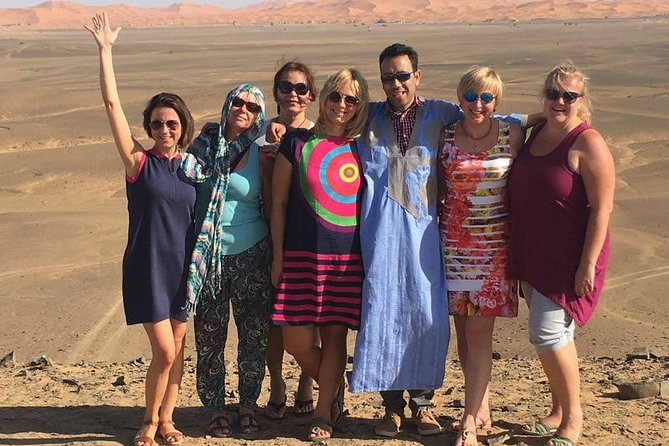
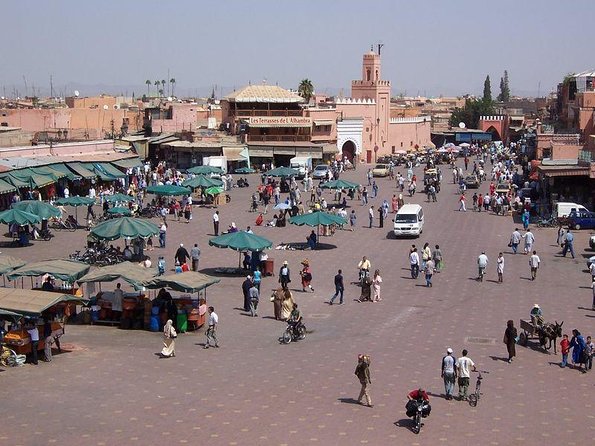
Your day starts in Marrakech at the Hôtel Restaurant Café de France, near Jemaa el-Fna (8:00am). From there, you’ll cross the High Atlas with an air-conditioned vehicle and a driver who’s used to Moroccan roads, roundabouts, and sudden slowdowns. Expect a lot of scenery and lots of photo stops, but also enough driving that you’ll want to pack a small snack and keep water handy.
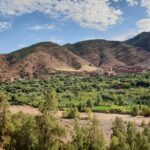
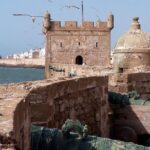
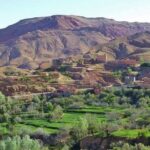
One of the best early rewards is the Vallee Des Roses stop. Even if you’re not there for flower season, it’s a nice stretch of “out of the city” calm before you hit the bigger landmarks. Then comes the star of the first day: the kasbah area at Aït Benhaddou. This UNESCO-style complex is the kind of place where the buildings look like they’ve been part of the desert story forever, with earthen architecture that photographs well from multiple angles.
What I like about this opening is that it sets expectations. You’re not rushing straight to the dunes. You’re seeing why filmmakers, traders, and locals have been using this corridor for centuries: the roads, the kasbahs, and the sense that the world changes as altitude drops.
A small caution: day 1 still eats time. If your tolerance for long drives is low, keep your expectations realistic. This is a “see a lot” tour, not a “stretch your legs in town” tour.
A few more Marrakech tours and experiences worth a look
Ouarzazate country and Atlas Studios: where film meets the desert road
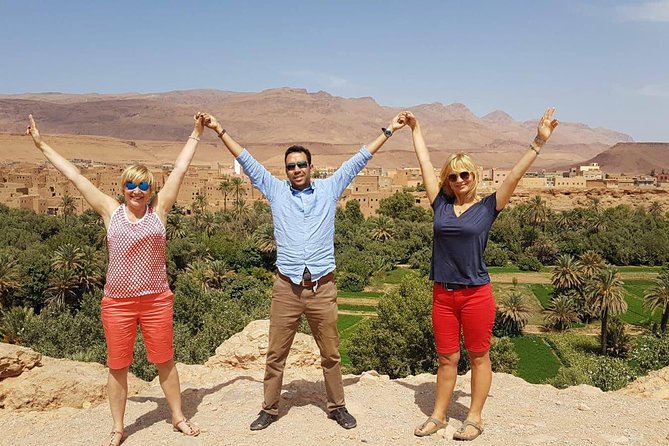
This style of 3-day itinerary is built around a practical route south and back. Along the way, you’ll pass through the Ouarzazate area and the film-world stop at Atlas Studios. It’s one of those detours that can be either fascinating or mildly skippable, depending on your interest.
If you like cinema trivia and set design, you’ll probably enjoy it for the way it connects modern production with this region’s dramatic textures. If you’re mainly chasing the dunes, think of Atlas Studios as a bonus window—worth a look, but not the core reason to book.
In real-life pacing, you’ll also get chances to stretch, use clean rest stops when available, and switch from “cities and monuments” mode to “mountain road” mode. One plus from the best-run departures is that your guide keeps the trip moving while still making time for breaks.
And yes, those “breaks” matter here. Morocco is long, and the route changes character quickly. You don’t want to spend the Sahara day thinking you’re already exhausted from earlier hours in the vehicle.
Todra Gorges to Erg Chebbi: the camel trek part you actually came for
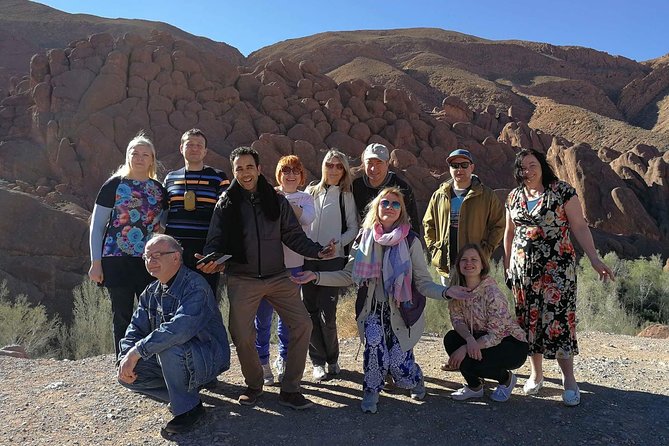
Day 2 is where the trip stops feeling like sightseeing and starts feeling like an expedition. You’ll first reach Todra Gorges, a narrow canyon area that makes an easy reset after hours on the road. The gorge stop is short enough to stay efficient, but it gives you a real sense of scale and rock texture before the dunes.
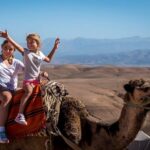
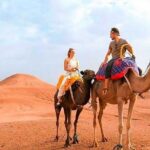
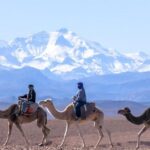
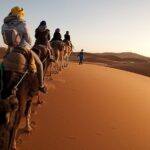
Then it’s time to prepare for your 1 hour camel trek into the Erg Chebbi area and your overnight bivouac in a traditional Berber tent. That camel ride is the emotional center of this tour. It’s also the part where you’ll feel the physical reality of travel: sitting upright while the animal walks means you’ll notice your legs and your balance. You don’t need to be a fitness expert, but you should go in with the mindset that it’s work, not a stroll.
A practical tip: bring warm socks and plan for cold early hours in the desert. People often underestimate how quickly temperatures drop once the sun sinks. Also consider gloves for the camel portion if you’re prone to discomfort from repeated gripping and bouncing—this came up clearly in traveler advice.
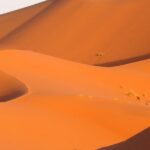
What I love here is how the trek doesn’t just drop you into a static “photo moment.” You move across the sand on an animal that locals have used for work for generations. It gives the dunes a scale you can’t get from a viewpoint alone.
The Berber bivouac camp: “luxury” that’s still honest out there
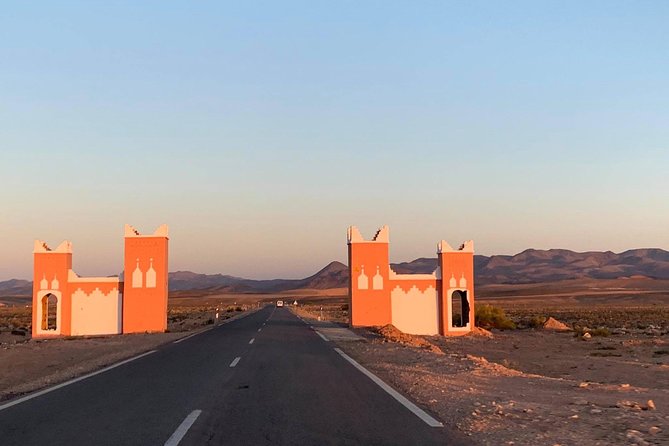
The overnight is where the word luxury makes sense without turning the desert into a hotel. You’re in a Berber tent bivouac setting, with dinner included and breakfast the next morning. That matters because the desert has a way of turning “we’ll figure it out” into chaos. Having meals covered lets you focus on the experience instead of budgeting your time and energy.
The camp setup gives you enough structure to relax: the day ends, you eat, and you settle in as the night takes over. In the best descriptions, the atmosphere includes music and singing around the campfire. You might even hear people chatting late as the desert cools down.
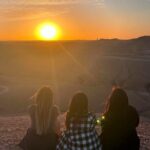
Then there’s the sky. This is one of those travel moments that sounds dramatic until you see it. The stargazing advice isn’t fluff. When the dunes go dark, visibility improves fast, and you’ll understand why so many desert nights become story nights. If you want to maximize this, keep your phone flashlight use modest and give your eyes a few minutes to adjust.
A note for expectations: you’re not booking a spa weekend. It’s comfortable for a camp setting, but you’ll still have desert conditions. You should be fine if you pack for warm layers, a small bag for what you’ll need overnight, and a bit of patience for simple logistics.
The scarf ritual: useful, but choose your comfort level
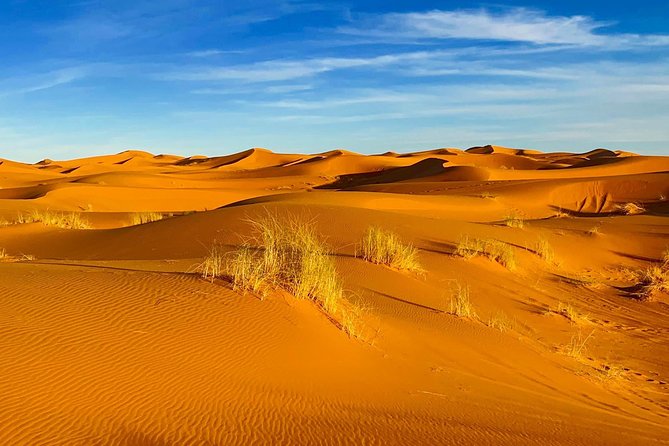
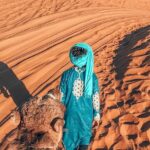
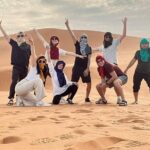
One included item is a scarf, handed to you as part of the desert setup. Many people enjoy it as part of the visual tradition. Still, if you’re sensitive to staged photos or feel awkward getting dressed up for someone else’s camera plan, prepare yourself mentally.
This part is easy to adjust. If you don’t feel like posing, you can stay friendly and let it pass. You’re there for the dunes and the night sky, not for becoming a walking souvenir.
A few more Marrakech tours and experiences worth a look
Marrakech return day: long drive, smart stops, and how to cope
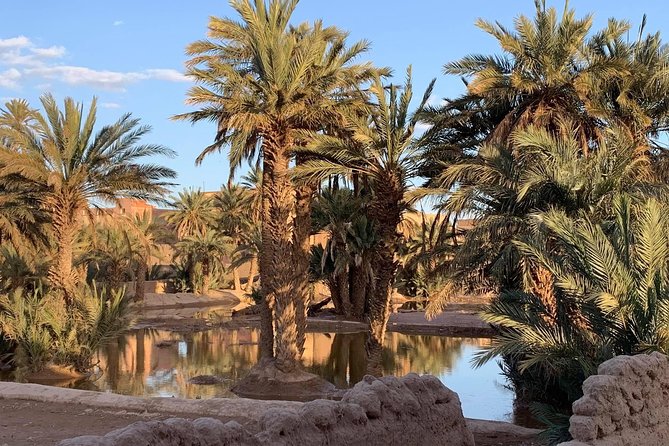
Day 3 is a return route through the Atlas region back to Marrakech. The driving time is listed at about 9–10 hours with stops, which is no small detail. This is the day you’ll want to treat like a “get home safely” day, not a “maximize every minute” day.
The good news is that the trip doesn’t leave you stranded without breaks. There are stops along the way where you can reset, take photos, and handle basic needs. One of the best aspects of this tour format is that you don’t need to negotiate transport across long distances by yourself. You’re riding with a driver who knows the rhythms of the route.
There’s also a stop back at Jemaa el-Fna when you arrive, so you end your trip with a familiar anchor. It helps the day feel complete instead of like a highway-only finale.
Big practical warning: keep some snacks and plan for comfort. If you’re prone to motion sickness, consider sitting where you feel most stable in the vehicle and take any travel medicine you normally use. People who do best on this day think ahead.
Price and value: what $450 covers, and what you’ll still pay for
At $450 per person, this tour isn’t cheap, but it’s also not trying to be “just a bus to the desert.” You’re paying for the hard parts: the long-distance transport from Marrakech and back, the guided coordination, and two nights of accommodation in the desert-side tent camp and the first-night lodging.
Included items that genuinely affect value:
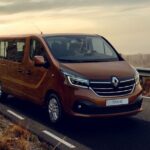
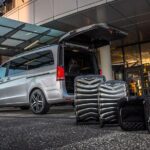
- Driver/guide and an air-conditioned vehicle
- Two breakfasts and two dinners
- Scarf
- Organized desert camp logistics and transport to/from the dune area
Not included:
- Lunches and beverages
Here’s how I’d think about the value in plain terms: if you were doing this independently, you’d have to solve transport, timing, lodging, and meals. That’s exactly what this format handles for you. So the price makes more sense when you treat it as a complete package, not a la carte sightseeing.
One more detail: the group size cap at 15 people can improve the experience. It’s harder for a small group to feel chaotic, and it’s easier for your guide to actually manage pace and questions.
Best-fit travelers: who this tour suits (and who should adjust)
This tour fits best if you:
- Want the Sahara + camel + bivouac experience without planning every step
- Like a route that covers major sights efficiently, from kasbahs to gorges to dunes
- Enjoy small-group energy, with time to ask questions rather than chasing a crowd
It may not be ideal if you:
- Want a relaxed pace with minimal driving
- Get grumpy when a day is mostly road, especially day 3
- Hate temperature swings and physically active camel riding
If you fall into the second category, consider either adding extra days in the area or choosing a different desert style that doesn’t require the same long return push.
A realistic heads-up: weather and road delays can happen
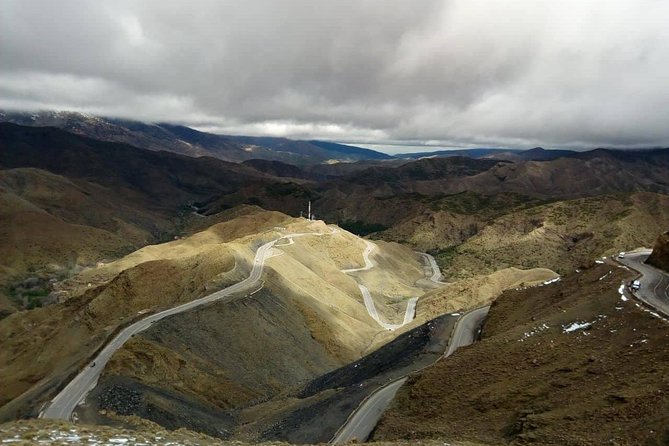
One thing I appreciate about the best-run desert tours is that they stay honest about variability. The southern route crosses mountain passes, and when snow or closures hit, driving time can change. In those situations, you might spend longer on the road and lose some scheduled time at certain stops.
You can’t control mountain weather. What you can control is your mindset: pack patience, keep plans flexible, and understand that the desert trip depends on safe road access.
Should you book this Marrakech to Sahara luxury tour?
I’d book it if your goal is a classic Sahara itinerary with the core ingredients: Aït Benhaddou, Todra Gorges, Erg Chebbi camel trek, and an overnight in a Berber-style tent camp with meals handled. The small group size, the included breakfasts/dinners, and the way the route is structured around real desert logistics make it a practical value.
I’d pause if you’re extremely time-sensitive, dislike long drives, or want a fully hands-off day with no physical discomfort from camel riding. Day 3 alone is a major time commitment.
If you do book, bring warm layers, keep your overnight essentials in a small bag for the camel, and be ready for a sky that will steal your attention the moment it gets dark.
FAQ
What time does the tour start and where is the meeting point?
It starts at 8:00am at Hôtel Restaurant Café de France, J2G7+G2G Jamaa el-Fnna, Rue des Banques, Marrakech 40000, Morocco.
Is pickup offered?
Yes, pickup is offered.
How many travelers are on the tour?
The tour has a maximum of 15 travelers.
How long is the camel trek in Erg Chebbi?
The desert camel trek is listed at about 1 hour.
What meals are included?
The tour includes 2 dinners and 2 breakfasts. Lunches and beverages are not included.
Is a vegetarian option available?
Yes. A vegetarian option is available if you request it at booking.
Do I need a small bag for the bivouac night?
Yes. A small bag/backpack with your belongings for the bivouac overnight is suggested, since it will be carried on the camel. Extra luggage can travel with you on tour and is stored and secured at the hotel near the desert.
How long is the drive back to Marrakech on day 3?
Day 3 includes a vehicle drive back to Marrakech of about 9–10 hours with stops.
Is free cancellation available?
Yes. You can cancel up to 24 hours in advance for a full refund.