REVIEW · MARRAKECH
3 days from Marrakech to Merzouga Desert with Luxury Camp
Book on Viator →Operated by Marruecos Alla Vamos · Bookable on Viator
A desert trip can change your mood fast. This one runs from Marrakech over the High Atlas (via Tizi n’Tichka), then down through kasbah country to the Merzouga dunes for two desert nights. You also get two culture stops that are quick but meaningful: an Argan oil cooperative and the famous Ait Ben Haddou kasbah.
What I like most is how much variety you pack into just 3 days: Todra Gorge with its dramatic rock walls, plus the camel caravan into camp at the dunes. And the desert portion isn’t only pretty photos—there’s time for a dune climb at sunset, a Berber festival in camp, and even sandboarding. The main thing to watch is simple: you spend a lot of the trip in the car, especially on day 1 and the return drive on day 3.
In This Review
- Key highlights you’ll actually use
- From Marrakech at 7:30 to the High Atlas pass: the day starts strong
- Argan oil cooperative and Ait Ben Haddou: culture with practical purpose
- Argan oil cooperative: see the process, not just the product
- Ait Ben Haddou kasbah: movie-famous, still worth the walk
- Day 2 from Dades to Todra, then camel caravan into Merzouga
- Dades area: gorge-road energy
- Todra Gorge: the big vertical walls (about 300 m)
- Merzouga dunes and the one-hour camel caravan
- Luxury camp in Merzouga: sunset tea, Berber festival, sandboarding
- Sunset on a large dune
- Berber festival in the desert
- Sandboarding: the activity that makes the dunes real
- Day 3 sunrise and the long return: Anti-Atlas and Valley of Roses
- Return by camel or 4×4
- Back toward Marrakech via Anti-Atlas and Valley of Roses
- Price and value: what $174.47 covers (and what it doesn’t)
- Who should book this tour—and who should skip it
- Should you book this 3-day luxury camp trip?
- FAQ
- FAQ
- What is the duration of this tour?
- Where does the tour start and end?
- What time do you leave Marrakech?
- Do I get meals included?
- Is the transport air-conditioned?
- What desert activities are included?
- What languages is the tour offered in?
- How many people are in the group?
- Can I cancel for a full refund?
Key highlights you’ll actually use
- Tizi n’Tichka Pass (~2,260 m): panoramic mountain views early on, which helps the long drive feel less boring.
- Argan oil cooperative visit: see how production works and hear why locals value argan for skin and health.
- Ait Ben Haddou kasbah: a major movie-famous setting with time for lunch in the town.
- Dades and Todra gorges: you get both the winding gorge-road feel and the big vertical Todra walls (about 300 m).
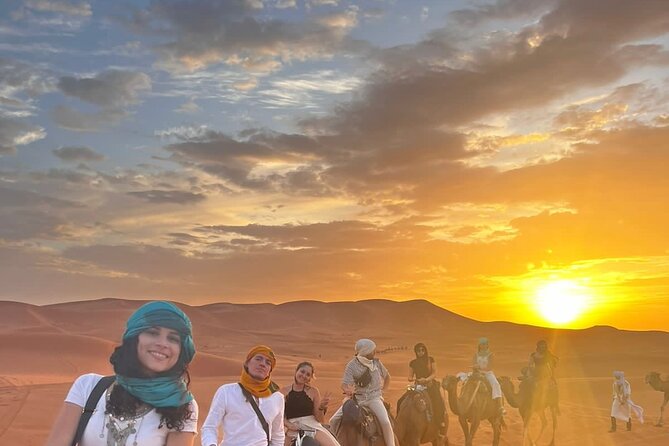
- Merzouga luxury camp moments: camel caravan to your camp, plus sunset tea and an included Berber night.
- Early sunrise on the dunes: wake-up timing is early, but that’s the point—then you breakfast and head back.
From Marrakech at 7:30 to the High Atlas pass: the day starts strong
You begin at the Hotel Ali, Rue Moulay Ismail in central Marrakech at 7:30. From the start, the trip is designed to get you out of the city and into scenery quickly. You’ll head toward the High Atlas Mountains, with stops that are all about views from higher elevations.
The big landmark on day 1 is the drive over Tizi n’Tichka pass, around 2,260 meters above sea level. This is one of those Moroccan road moments where the drive feels like a moving viewpoint. If you’re sensitive to motion sickness, take that seriously here—this is a mountain route, and the schedule is tight enough that you probably won’t have time to stop every time you want to stretch.
You’ll also want to think ahead for timing. Leaving early means you’ll get the mountain air and light before the day warms up and crowds shift. It’s a good match for the style of this tour: compact sightseeing stops mixed with real travel time.
A few more Marrakech tours and experiences worth a look
Argan oil cooperative and Ait Ben Haddou: culture with practical purpose
After the first stretch in the mountains, the tour pauses for two stops that many people remember for totally different reasons.
Argan oil cooperative: see the process, not just the product
You’ll visit an Argan oil cooperative where you learn how argan oil is produced. The focus isn’t only marketing; it’s the step-by-step process and the benefits people associate with argan oil. For me, this is valuable because it gives context for a product you’ll see everywhere in Morocco. It also helps you separate what’s practical from what’s pure souvenir.
Tip: if you’re planning to buy argan oil, use this stop as your reality-check. Ask questions about how it’s made, not just how it’s marketed. Even if you don’t buy, you’ll leave with better judgment the next time you see the bottles.
Ait Ben Haddou kasbah: movie-famous, still worth the walk
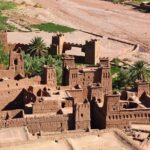
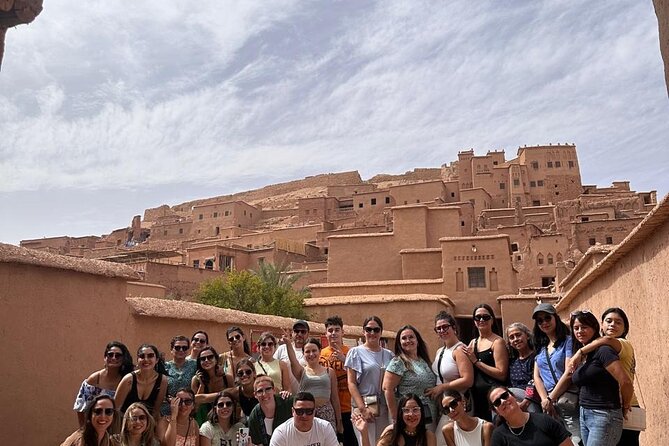
Next comes Ait Ben Haddou, the famous kasbah setting where major films were shot. You’ll have time to visit the kasbah and also get lunch in the town before continuing.
The best way to enjoy Ait Ben Haddou is to slow down for a few minutes and look at the kasbah itself as architecture—mud-brick textures, layers of walls, and that strong sense of a place built for defense and daily living. Even if you’ve never watched the movies, the setting is still striking.
A possible drawback: stops like this can feel short if you expected a long, guided deep exploration. This is a transportation-heavy itinerary, so you’ll want to go into it ready to appreciate what you can in the time given.
Day 2 from Dades to Todra, then camel caravan into Merzouga
Day 2 is the “scenery and rock” day. It starts with breakfast at your hotel, then you continue south on a road dotted with kasbahs that feel different from one another as you travel.
A few more Marrakech tours and experiences worth a look

Dades area: gorge-road energy
The itinerary points you toward the Dades Gorges, described as one of the strong points of the south. You won’t just drive past—there are stops along the way. The payoff of this approach is that you get a mix of viewpoints and roadside life rather than only highway scenery.
This is also where you can notice how the region’s character changes as you go deeper: roads, building styles, and the feel of the villages shift over relatively short distances. It’s one of the best “you are moving through real Morocco” parts of the route.
Todra Gorge: the big vertical walls (about 300 m)
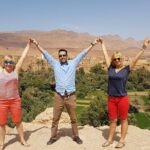
Then you reach Todra Gorge. Here you’ll see the Todra River bed carved into vertical walls of enormous proportions, around 300 meters tall. The tour includes lunch at the site, which is practical—you can eat without losing a bunch of time tracking down food later.
If you like dramatic places, this stop is a high-impact one. The gorge walls make the light change fast, and the scale feels bigger than it sounds. Also, Todra is known as a climber’s paradise, which adds a different energy to the area if you spot equipment and activity.
Merzouga dunes and the one-hour camel caravan
After Todra, you continue toward Merzouga and the dunes. The itinerary then switches gears: you leave the road and enter the desert experience.
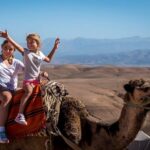
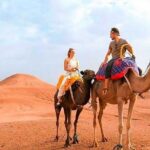
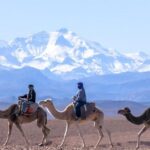
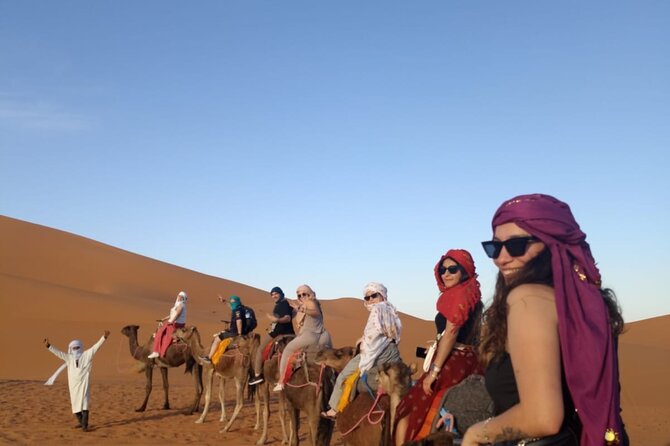
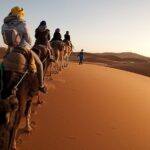
You’ll ride a dromedary (camel) caravan—about one hour—to reach your camp (the itinerary also notes that you may return by camel or 4×4 later). This caravan is the moment where the tour becomes more than driving.
A real consideration: camel rides are fun, but they’re not smooth transportation. It’s best if you’re comfortable sitting and staying steady. If you have back issues or stiff joints, consider whether you’d rather choose the 4×4 option at the return stage (when offered).
Luxury camp in Merzouga: sunset tea, Berber festival, sandboarding
When you arrive in the dunes area, you reach Haimas camp—the style is camp living, but this option is labeled luxury, and the itinerary includes activities that raise the experience beyond basic desert sleep.
Sunset on a large dune
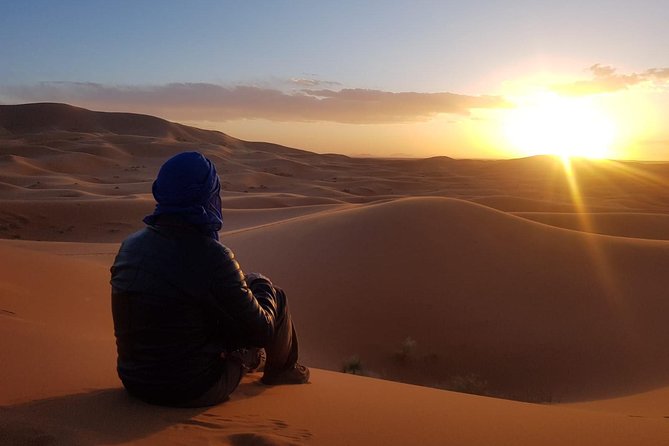
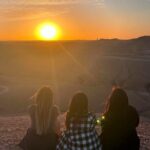
Right after arrival, the schedule calls for climbing a large dune to watch sunset. Then you get tea in the dunes. This is the classic desert rhythm: movement, pause, then sky changes color.
The value here is not only the view. It’s the break from seats and schedules. Even if sunset is over quickly, it gives your body a chance to slow down and your brain a chance to stop fighting the long driving day.
Berber festival in the desert
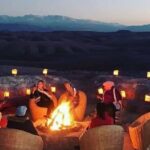
An included Berber festival in the desert means you should plan on an evening program with music and cultural performances. Even if you’ve seen similar things elsewhere, having it built into the camp schedule means you’re not scrambling for entertainment after a long day.
One more practical note: evenings in the desert can feel cooler than you expect. Bring layers you can manage easily, so you’re comfortable during the show and afterward.
Sandboarding: the activity that makes the dunes real
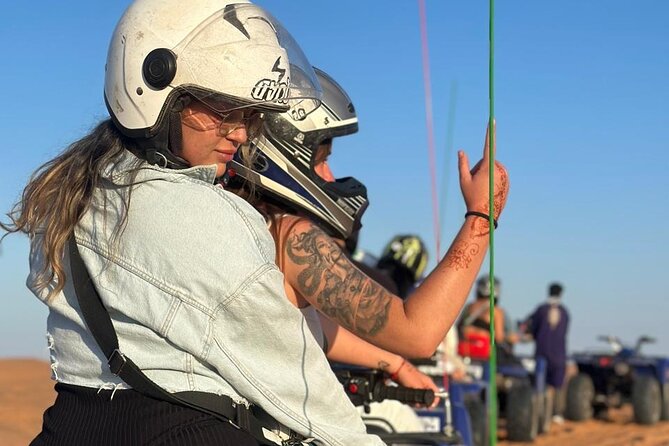
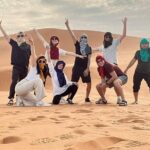
You also get sandboarding included. This is a big deal for most people because it turns “looking at dunes” into “playing on dunes.” If you’re an active traveler, you’ll probably love this part because it’s the easiest way to feel how steep the dunes are.
If you’re new to it, don’t overthink. Wear what you can slide safely in, keep your balance, and treat it like controlled fun, not a stunt show.
Day 3 sunrise and the long return: Anti-Atlas and Valley of Roses
The itinerary wakes you before dawn so you can see the sunrise from the large dune. After that, you’ll have breakfast at the camp and then return to the road.
This part of the trip is very schedule-dependent. Early wake-ups are a trade: the sunrise is usually the best payoff of the morning, but you’ll feel it later if you’re not used to starting days early.
Return by camel or 4×4
You’ll return either by camel or 4×4 (the itinerary gives both options). If you’ve already decided you prefer comfort over authenticity, 4×4 often feels like an easier way to recover. If you still want to keep the desert vibe going, the camel option is a nice continuity.
Back toward Marrakech via Anti-Atlas and Valley of Roses
After leaving the dunes, you’ll cross the Anti-Atlas and pass through Valley of Roses. The itinerary also includes lunch at a restaurant before continuing back over the High Atlas mountains.
The big thing to remember on day 3 is that the car time doesn’t magically disappear. This is still a return journey to Marrakech, ending back at the meeting point at about 7:30 p.m. It’s a full day, so plan to use stops wisely: drink water, change positions when you can, and don’t try to cram “one more photo” every time the bus slows.
Price and value: what $174.47 covers (and what it doesn’t)
At about $174.47 per person for roughly 3 days and 2 nights, this tour price is really buying you four things:
- Transport with air-conditioning, including the long-distance driving between Marrakech and the Merzouga desert zone.
- Desert activities that typically cost extra when booked separately: camel caravan, sandboarding, and the Berber festival at camp.
- Meals included on the main days: breakfasts (2) and dinners (2).
- A structured route with key sights: Tizi n’Tichka, Argan cooperative, Ait Ben Haddou, Dades, and Todra.
What’s not included is drinks and lunches. That matters because lunch can eat into your daily budget if you don’t plan ahead. The workaround is easy: expect to buy lunch along the route, and bring a little cash or a card that works reliably.
Also, the trip is marketed as a group tour with a maximum of 18 travelers. In a vehicle over multiple days, that size usually keeps things from feeling like a huge herd. If you prefer smaller groups and smoother logistics, this cap is a real plus.
Who should book this tour—and who should skip it
This is a great fit if you want a classic “Marrakech to Merzouga” route without the stress of planning each segment yourself. It’s also a good match if you care about variety: mountains, kasbahs, gorges, and then the dunes with activities.
Book it if:
- You enjoy day trips that are packed but organized.
- You’re excited by desert fun like sandboarding and a camp evening.
- You’re comfortable with long road hours and want the payback of seeing several big sights in a short time.
Skip it (or choose a different pace) if:
- You hate car time and prefer slower travel with fewer transfers.
- You need a very flexible schedule or lots of free time.
- You’re sensitive to early mornings; day 3 starts before dawn for sunrise.
Should you book this 3-day luxury camp trip?
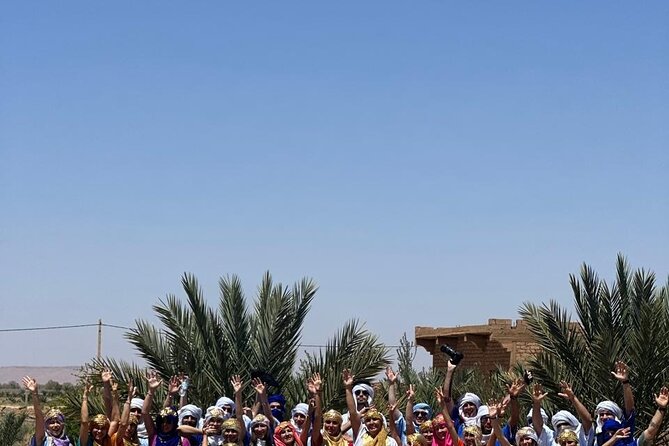
If you want a solid, structured desert experience with real activities—not just a hotel room and a quick ride—this tour is a strong option. You get a lot of Moroccan variety in 3 days, and the desert side includes the parts that usually make people happiest: camel time to camp, sunset on the dunes, sandboarding, and a Berber night.
My main caution is about expectations. This is not a relaxed, slow trip. The days include significant driving, and if you’re the type who gets restless in transit, you’ll feel it. Still, if you can roll with that trade and focus on the major stops, the itinerary hits the highlights that many people come for.
FAQ
FAQ
What is the duration of this tour?
It’s listed as 3 days (about 3 days total) with 2 nights in the desert camp.
Where does the tour start and end?
It starts at Hôtel Ali, Rue Moulay Ismail, Marrakech 40000, Morocco. It ends back at the same meeting point.
What time do you leave Marrakech?
The day 1 departure is at 7:30.
Do I get meals included?
Yes. The tour includes 2 breakfasts and 2 dinners. Lunches are not included.
Is the transport air-conditioned?
Yes. Transportation is provided with air conditioning.
What desert activities are included?
You’ll have a dromedary ride, sandboarding, and a Berber festival in the desert.
What languages is the tour offered in?
The tour is offered in Spanish or English.
How many people are in the group?
The tour has a maximum of 18 travelers.
Can I cancel for a full refund?
Yes, you can cancel up to 24 hours in advance for a full refund. If you cancel less than 24 hours before the start time, the amount paid isn’t refunded.