REVIEW · MARRAKESH
From Marrakech to Fes 4-Day Merzouga Sahara Desert Adventure
Book on GetYourGuide →Operated by Desert Family Tour · Bookable on GetYourGuide
Four days later, you’ll remember the stars first. This Marrakech to Fes Sahara adventure trades city chaos for Tizi-n-Tichka road views, UNESCO kasbah wandering at Ait Ben Haddou, and a night in a Berber tent near Erg Chebbi. It’s a classic “see Morocco by daylight, feel Morocco at night” route.
I love the big, cinematic moments: the high pass crossing above the Atlas and the guided stroll through Ait Ben Haddou’s fortified streets. The trade-off is simple: you’re on the road a lot, with long scenic driving days and early starts, so this is more road-trip than laid-back weekend.
In This Review
- Quick Highlights Before You Go
- Marrakech to Fes: What This Trip Really Feels Like
- Day 1: Atlas Mountains, Ait Ben Haddou, and the Road Toward Dades
- Crossing the Atlas toward Tizi-n-Tichka
- UNESCO Ait Ben Haddou: Fortified, Film-Friendly, and Best With a Guide
- Ending in Dades Valley
- Day 2: Dades Valley and Monkey Fingers (1–2 Hours That Counts)
- Monkey Fingers hike: short, guided, and worth the shoes
- Overnight back in Dades
- Day 3: Todra Gorges, Berber Villages, and the Long Road to Merzouga
- Scenic towns and craft stops
- Todra Gorges: the canyon walk that changes your sense of scale
- Arriving toward the dunes and starting your camel trek
- If you’re considering a camel alternative
- Day 4: Sunrise on Erg Chebbi and the Scenic Return to Fes
- Ziz Valley and Errachidia: palms where you least expect them
- Ifrane and Azrou: forests and macaques
- Arrive in Fes
- Price and Value: What $306 Covers (and What It Doesn’t)
- Comfort, Walking, and Who This Tour Fits Best
- The small group factor
- Guide Quality: Names You Might Hear, Skills You’ll Appreciate
- What to Bring So Days Feel Easier
- Should You Book This Marrakech to Fes Desert Adventure?
- FAQ
- How many days is the Marrakech to Fes Sahara adventure?
- Where does the tour start and end?
- Is the camel trek included?
- What walking is included during the trip?
- Are meals like lunch included?
- Is sandboarding included in the Sahara?
- Is the tour suitable for everyone?
- Can I cancel for a full refund?
Quick Highlights Before You Go
- Cross Tizi-n-Tichka on the highest road in North Africa for big panoramic stops and photo breaks
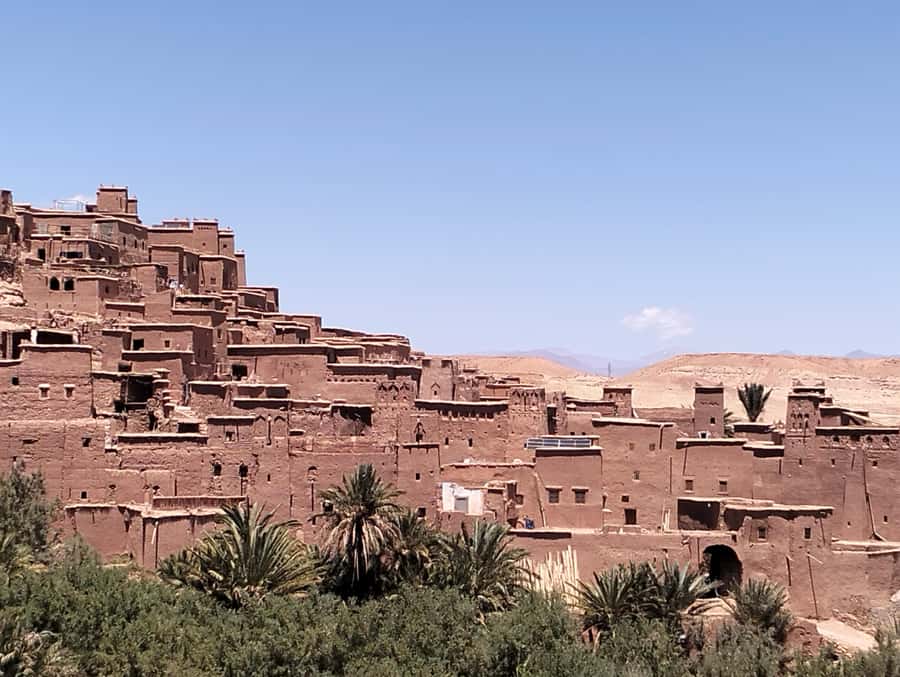
- Walk Ait Ben Haddou with a local guide at a UNESCO World Heritage site tied to major film epics
- Hike Monkey Fingers in Dades Valley with a 1–2 hour guided walk in a dramatic canyon-meets-valley setting
- Camel trek at Erg Chebbi for sunset and sunrise, plus dinner, breakfast, and drum music in a desert camp
- Todara Gorges walk with a guide, plus cooperative stops where you can see regional crafts firsthand
- Small group set-up (up to 17) with an English-speaking driver-guide and air-conditioned transport
Marrakech to Fes: What This Trip Really Feels Like
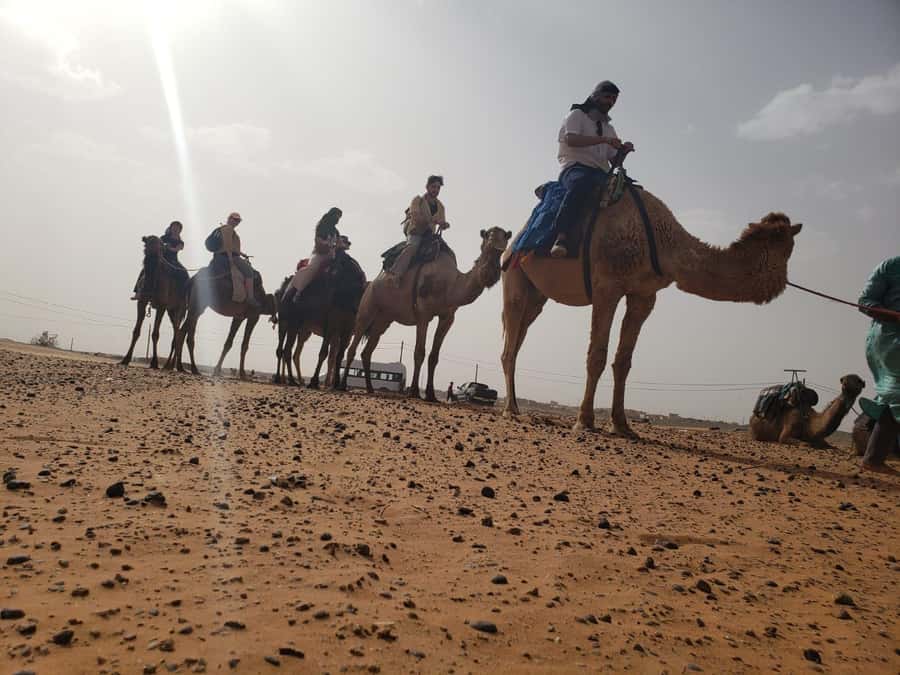
This is a “connect the dots” journey through Morocco’s western mountains and into the Sahara. You start in Marrakech, trade it for Atlas villages and fortified kasbahs, then finish in Fes with the Middle Atlas road again. The payoff is that the trip doesn’t treat the desert as a side stop—it’s the main event, with a real night under the sky.
The pace is steady but not slow. You’ll likely spend most days driving between regions, with built-in pauses to stretch, take photos, and walk at the stops that matter. If you like seeing how geography changes—from mountain valleys to palm-lined deserts to dune seas—this route makes sense. If you’re only looking for a single big day of desert, you might feel the travel time.
You also get a practical mix of included experiences: guided walks (Dades and Todra), guided time in the kasbah area, and the camel trek plus desert camp meals. Lunches are not included, so you’ll want cash and a plan for midday stops.
A few more Marrakesh tours and experiences worth a look

Day 1: Atlas Mountains, Ait Ben Haddou, and the Road Toward Dades
Your day starts early with pickup from your Marrakech accommodation or the closest car-accessible meeting point. From there, you’ll begin climbing and changing landscapes fast. The “Atlas shift” is one of my favorite parts of Morocco road trips because the scenery doesn’t slowly evolve—it flips.
Crossing the Atlas toward Tizi-n-Tichka
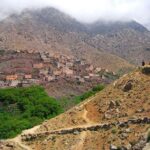
This is where the trip’s tempo sets itself. You’ll stop for photos and coffee, and you’ll see Berber villages along the way. The famous highlight is crossing Tizi-n-Tichka, listed as the highest road in North Africa. Even when you’ve seen photos online, being up there changes how you understand the route. The mountains feel bigger than they do from the bottom.
My practical tip: wear layers. Morning can feel cool, and high passes can swing fast.
UNESCO Ait Ben Haddou: Fortified, Film-Friendly, and Best With a Guide
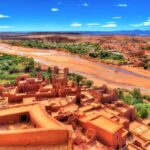
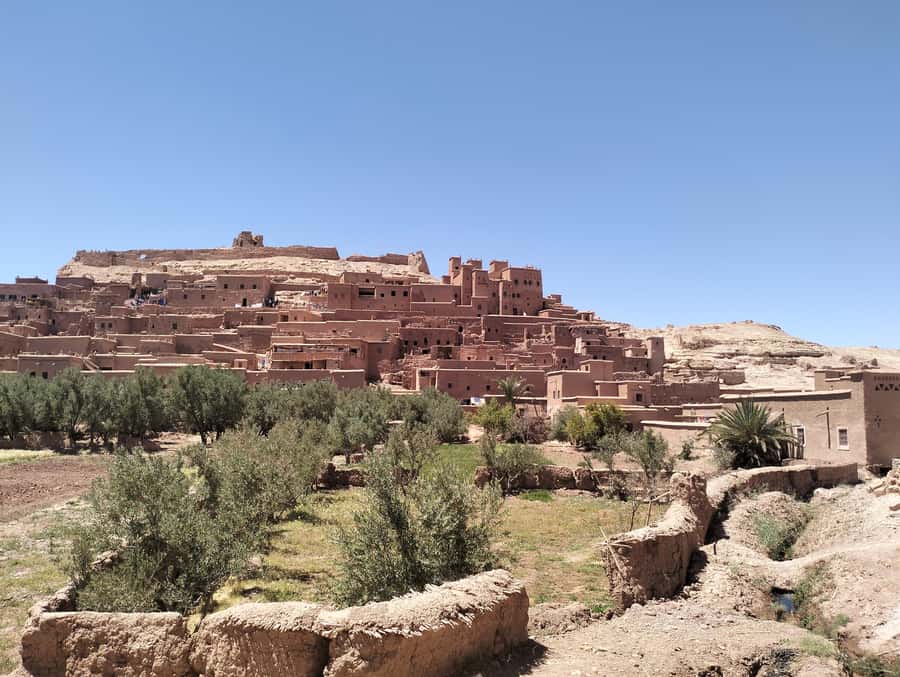
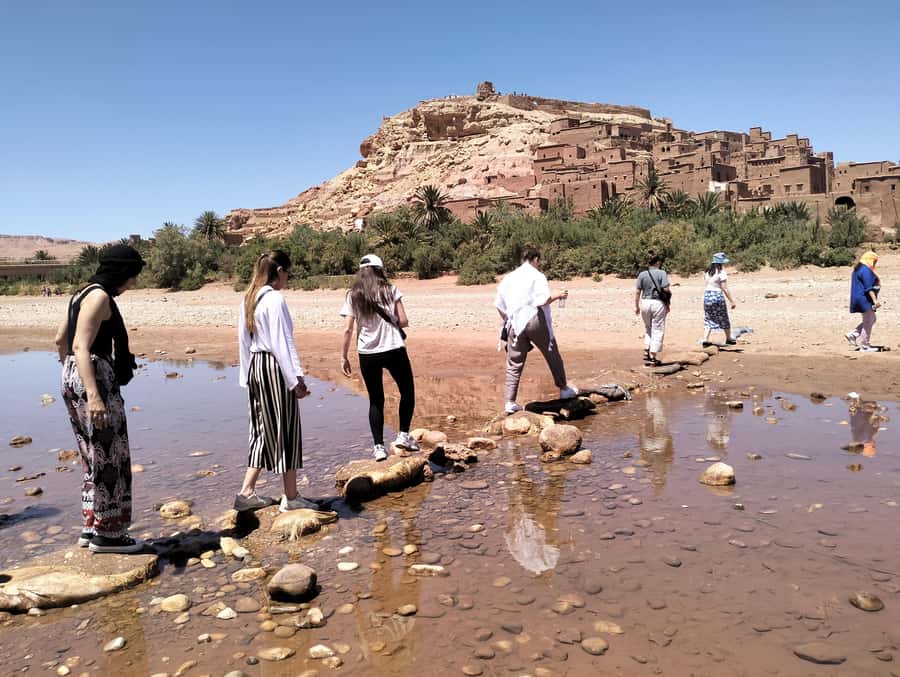
Next comes Kasbah Ait Ben Haddou, a UNESCO World Heritage site and a setting for major Hollywood epics like Lawrence of Arabia and Gladiator. But the real value isn’t that it was filmed there. It’s that this place was built to survive—thick walls, tight passages, and the kind of layout that makes you walk slower without meaning to.
You’ll explore the village with a local guide (the program notes a small local guide fee). This is also a good moment to ask basic questions: how life worked here, why fortifications were necessary, and how the area fits into Moroccan desert trade routes. Even if you only catch part of the story, the physical layout does the teaching.
Ending in Dades Valley
After lunch, you continue toward Dades Valley via Ouarzazate and through Kalaa Mgouna along the way. Dinner and breakfast are included at your hotel (options include Kasbah Safari Rose or similar). Dades is where the trip shifts from monumental sites to moodier canyon scenery.
Possible drawback for Day 1: it’s long. You’re doing high-pass driving plus a major UNESCO stop, then still arriving in Dades. Pack patience for the transitions.


Day 2: Dades Valley and Monkey Fingers (1–2 Hours That Counts)
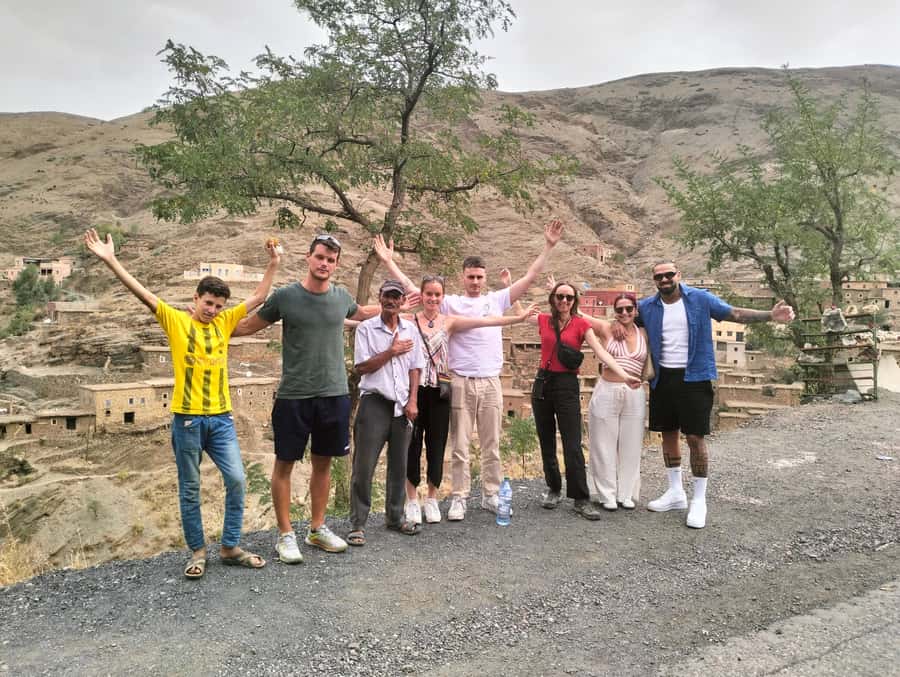
Day 2 is your walking day that doesn’t feel like punishment. After breakfast, you head into the Dades Valley for a guided walk in the area known for the Monkey Fingers rock formations.
Monkey Fingers hike: short, guided, and worth the shoes
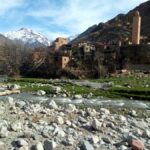
The walk is typically about 1–2 hours, and it’s guided. You’ll be in the heart of the Dades Valley where lush valleys meet harsher mountain shapes. The rock formation name is very literal—these “fingers” look like they could have been sculpted. In person, you notice how the rock catches light at different angles, and how quickly the valley’s mood changes.
Comfortable walking shoes matter here. If your feet get cranky early, you’ll rush later, and the formations deserve slow viewing.
Practical tip: take a small water bottle. The walk is not long, but the sun can be honest.
Overnight back in Dades
You’ll spend the night again at the hotel (Kasbah Safari Rose or similar). Dinner and breakfast are part of the included plan. This matters because it helps you keep the desert evening on schedule the next day.
Day 3: Todra Gorges, Berber Villages, and the Long Road to Merzouga
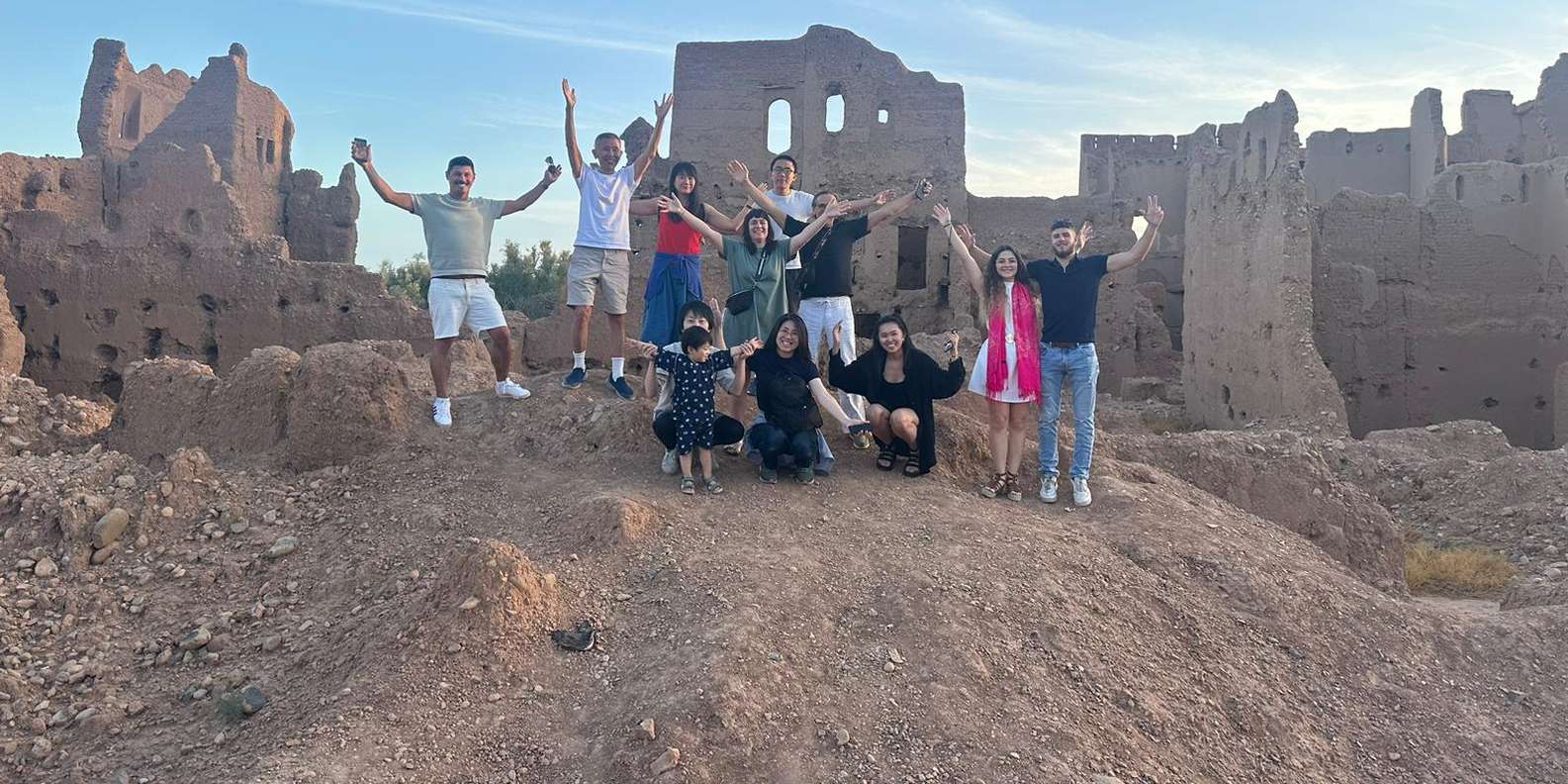
Day 3 is the “route to the dunes” day. You’ll head out after breakfast toward Erg Chebbi in Merzouga, and along the way you’ll see a ribbon of towns, valleys, and village life that makes the Sahara feel less like a distant fantasy and more like the next stage of the same journey.
Scenic towns and craft stops
The drive passes through Tinghir, Tinjdad, and Erfoud. You’ll also stop to explore a traditional local cooperative to learn about regional crafts and products. This is one of those stops that can either feel like a quick photo stop or a meaningful “how people earn a living here” pause—your guide’s questions and explanations make the difference.
If you’re the type who likes practical souvenirs, this is often where you can find goods that connect to what you’re learning, not just what you’re buying.
Todra Gorges: the canyon walk that changes your sense of scale
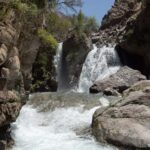
Then you reach Todra Gorges. You’ll get a walk through the canyon with a local guide. This is the moment where the Moroccan terrain turns dramatic in a different way than the Atlas. The walls can feel close, and the gorge creates its own light and echo.
My advice: step slowly. The best views are often off to the side, and the canyon changes with every turn.
Arriving toward the dunes and starting your camel trek
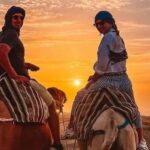
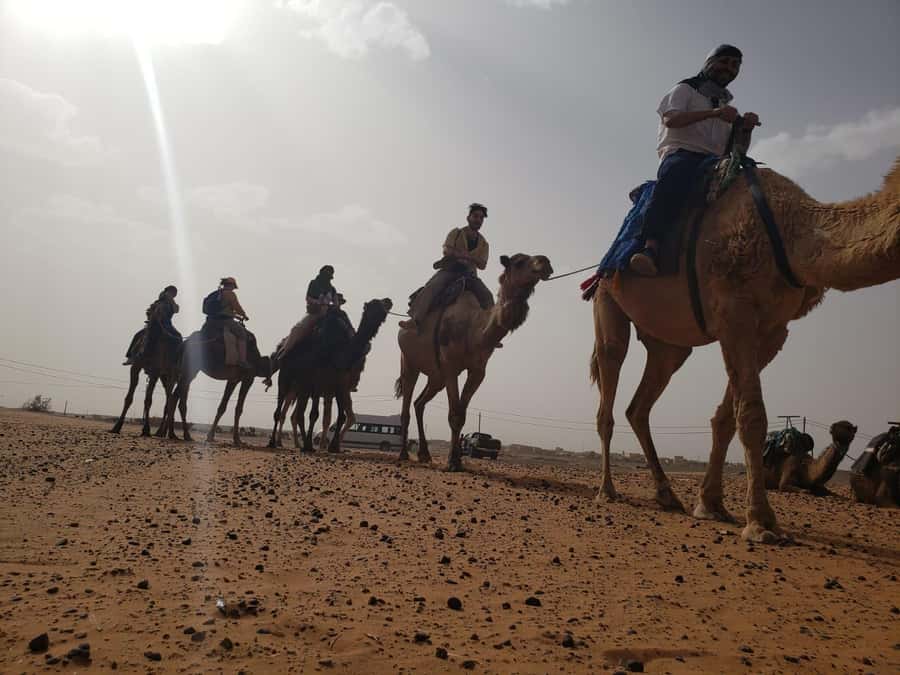
After that, you continue toward Merzouga. When you arrive, you relax and prepare for your camel trek. Then comes the included camel ride across the dunes of Erg Chebbi, reaching the desert camp in time for sunset.
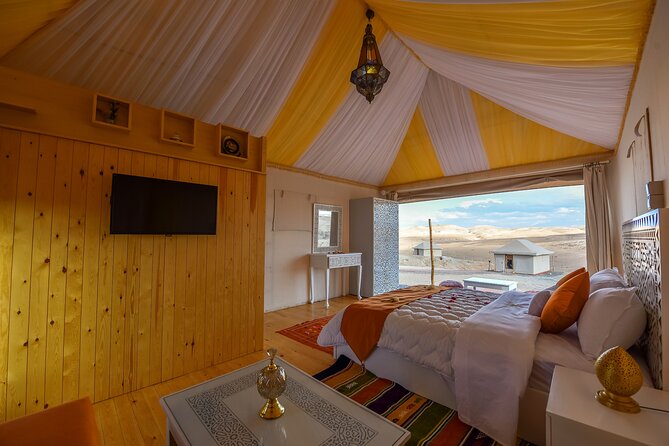
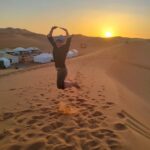
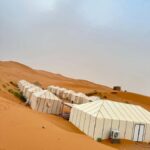
At sunset, the whole experience clicks into place. The dunes turn warmer, shadows stretch longer, and the quiet gets real. Dinner with traditional drum music follows, and you sleep in Berber nomad tents beneath a sky full of stars. Breakfast is included the next morning.
A practical heads-up: desert night temperatures can drop. The trip’s info specifically flags warm clothing for winter. Even in shoulder seasons, bring layers.
If you’re considering a camel alternative
The tour notes that a 4×4 transfer can be arranged as an alternative to the camel trek. If camels aren’t ideal for you, ask early through the booking channel.
Day 4: Sunrise on Erg Chebbi and the Scenic Return to Fes
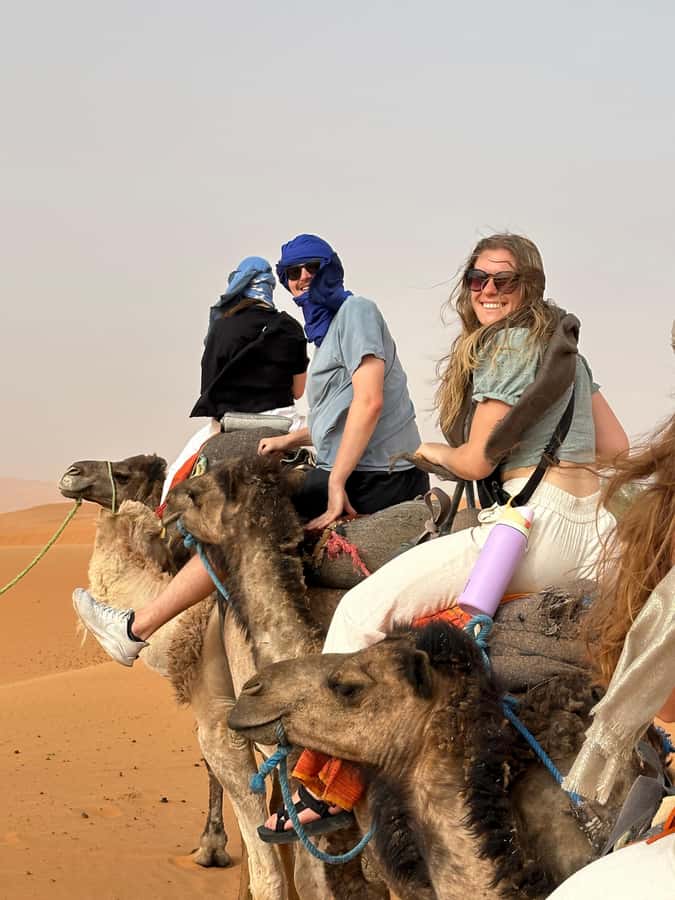
Wake early for sunrise over the dunes. It’s one of those “short and simple” moments that people remember for years. Then you ride your camel back to Merzouga, where your driver is waiting, and the trip turns north toward Fes.
Ziz Valley and Errachidia: palms where you least expect them
You pass through the Ziz Valley, a lush stretch compared with what you just left. You also stop in Errachidia, known for palm oases and desert scenery. It’s a good reminder that this part of Morocco isn’t only sand and silence.
Ifrane and Azrou: forests and macaques
You travel through the Middle Atlas via Ifrane, then stop in Azrou to see the Barbary macaques. This is a different kind of wildlife viewing—close enough to notice behavior, but not set up like an enclosure show. Bring a little patience and keep your distance.
Arrive in Fes
You reach Fes in the evening. By then, you’ll likely feel the contrast: the desert days slow your brain down, and the city brings it back fast. If you can, plan something easy for your first night in Fes—something that lets you decompress.
Price and Value: What $306 Covers (and What It Doesn’t)
At about $306 per person for 4 days, this trip is priced like a serious road journey, not a “one-day desert show.” The value comes from what’s bundled:
- Pickup and drop-off in Marrakech and Fes (or nearby accessible points)
- Air-conditioned transport and an English-speaking driver-guide
- 2 nights in Dades Valley with dinner and breakfast
- 1 night in a Sahara desert camp with dinner and breakfast
- Camel trek in Erg Chebbi with sunset and sunrise
- Guided walking in Dades Valley (Monkey Fingers) and Todra Gorges
- Traditional Berber music at camp
- Sandboarding in the Sahara dunes (subject to availability)
What isn’t covered is also important:
- Entrance fees
- Lunches and soft drinks
- Any private expenses
- A small note about local guide fees (the details listed show 2€, plus small amounts tied to specific village/walk moments)
So for value, think of this as paying for transportation plus lodging plus the desert experience. If you tried to DIY the same route, you’d spend a lot on separate bookings, and you’d lose the built-in guide support that helps you move efficiently between stops.
Comfort, Walking, and Who This Tour Fits Best
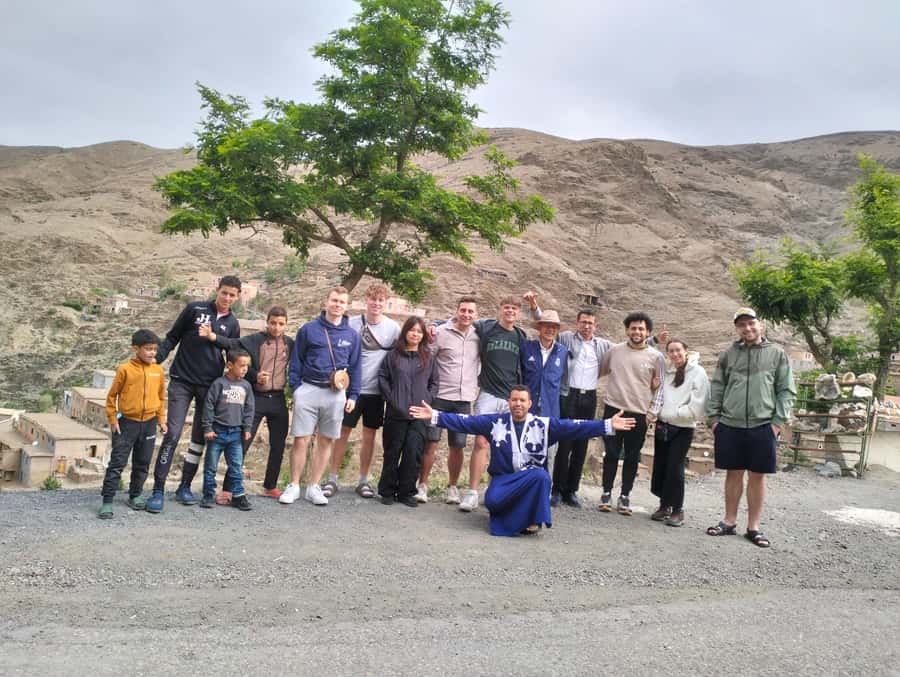
This is a practical fit for people who can handle a busy itinerary and don’t mind long scenic drives. The walking is moderate: Monkey Fingers is about 1–2 hours, and Todra Gorges includes a canyon walk. You’ll want decent shoes and a willingness to pause for photos.
The trip is also not listed as suitable for:
- Pregnant women
- People with mobility impairments
That’s not to be dramatic. It’s about the reality of the route and the walking involved.
On the comfort side, hotels and the desert camp can be standard or luxury depending on the option you choose. What you can count on is that meals labeled as included (dinners and breakfasts) are built into the schedule so you’re not constantly hunting for food.
The small group factor
The tour is limited to 17 participants, and that matters more than people think. You get easier movement at stops, fewer delays when you’re waiting for everyone to regroup, and the driver-guide can actually manage the flow.
Guide Quality: Names You Might Hear, Skills You’ll Appreciate
The driver-guide experience can make or break a tour like this. On past departures, English-speaking guides have included people such as Faisan, Ali Couscous, Omar, and Hicham. The common thread is clear communication and attention to how the group is doing.
I like when a guide checks in on comfort, helps set expectations for what comes next, and keeps the story going so you understand what you’re seeing—not just where you’re standing. If you care about that, you’ll probably feel good about this format.
What to Bring So Days Feel Easier
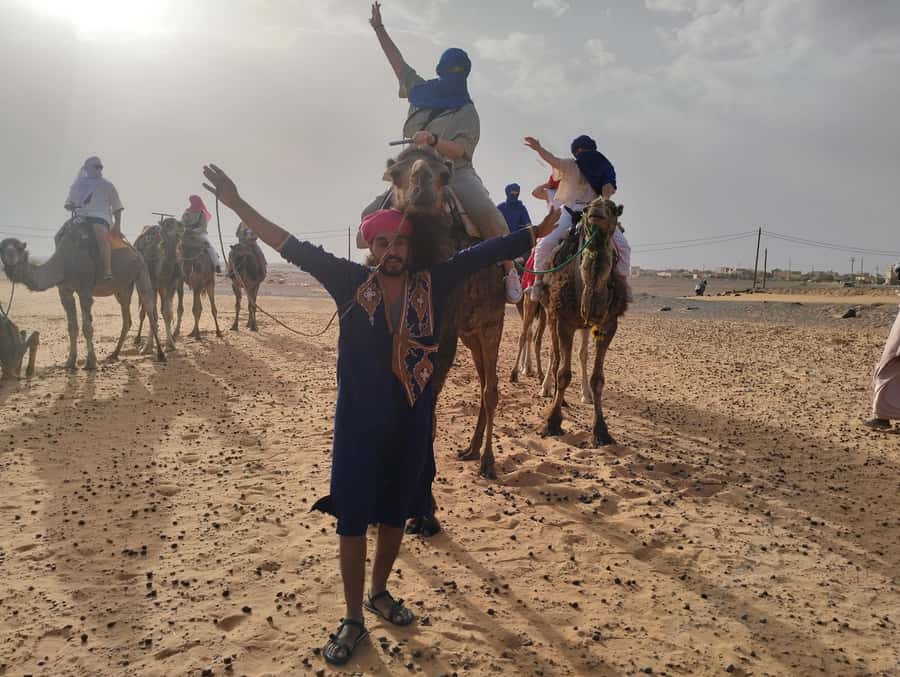
This is Morocco, and the weather can surprise you from mountains to dunes.
Bring:
- Warm layers for desert nights (the trip info specifically calls this out)
- Comfortable walking shoes for the Monkey Fingers hike
- A small daypack for water and a light jacket
- Cash for lunches, entrance fees, and any local guide add-ons
- Sunglasses and sunscreen for long daylight driving and dune time
Also, keep luggage sensible. The tour allows luggage, but you’ll be happier with a pack you can manage without turning it into a daily chore.
Should You Book This Marrakech to Fes Desert Adventure?
I’d book it if you want a real Sahara night with a camel trek, plus a meaningful day-to-day route through Morocco’s mountains and key sights. The mix—Tizi-n-Tichka, Ait Ben Haddou, Monkey Fingers, Todra Gorges, and Erg Chebbi—is strong, and a lot is included in one price.
I wouldn’t book it if you hate driving days or you want long free time in each location. This tour moves. You’re trading flexibility for a structured route that hits the highlights without requiring you to coordinate transport between regions.
If you want an efficient, guided, small-group way to do Marrakech to Fes with the desert in the middle, this is one of the cleaner choices.
FAQ
How many days is the Marrakech to Fes Sahara adventure?
It’s a 4-day trip with 3 nights: two nights in Dades Valley and one night in a Sahara desert camp near Merzouga.
Where does the tour start and end?
The tour starts in Marrakech and ends in Fes. Pickup and drop-off are included at your accommodation or the closest car-accessible meeting point.
Is the camel trek included?
Yes. The tour includes a camel trek in the Merzouga Desert (Erg Chebbi) with sunset and sunrise, plus overnighting in a Berber tent camp.
What walking is included during the trip?
There are guided walks including the Monkey Fingers in Dades Valley (about 1–2 hours) and a walk through Todra Gorges with a local guide.
Are meals like lunch included?
Dinner and breakfast are included for the accommodations in Dades Valley and at the desert camp. Lunches and soft drinks are not included.
Is sandboarding included in the Sahara?
Sandboarding is included subject to availability.
Is the tour suitable for everyone?
The tour is not suitable for pregnant women or people with mobility impairments, based on the activity and route details provided.
Can I cancel for a full refund?
Yes. There is free cancellation up to 24 hours in advance for a full refund.