REVIEW · MARRAKESH
From Marrakech to Agadir : 4-Day Sahara Desert Tour
Book on GetYourGuide →Operated by Desert Family Tour · Bookable on GetYourGuide
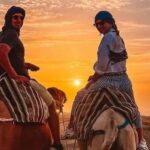
Camel sunset in the Sahara feels real. This 4-day route strings together Morocco’s big sights with a true desert night, starting with the High Atlas crossing and ending with an Agadir arrival. I especially like how the days are paced for photos and short breaks, not just nonstop driving.
What I love most is the switch from mountains to sand: Aït Ben Haddou in the daytime, then Erg Chebbi dunes at sunset and sunrise. I also like the hands-on moments—camel riding, a canyon walk, and the Monkey Fingers hike—so the trip doesn’t feel like you only sit in a van.
One consideration: it’s a long-driving itinerary with early starts and full days, so if you’re sensitive to motion or heat, plan for slower mornings and bring water and sunscreen.
In This Review
- Key highlights worth planning for
- The route that actually makes sense: Marrakech to Agadir in four days
- Crossing the High Atlas and Tizi n’Tichka Pass the right way
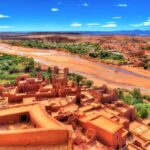
- Aït Ben Haddou Kasbah: UNESCO time with a practical walking plan
- Ouarzazate and the Valley of Roses: what these stops add (and what they don’t)
- Todra Gorges and the road towns that feel alive
- Merzouga and Erg Chebbi: sunset camel trek you’ll actually feel
- Dinner under stars: what the desert camp really means
- Sunrise in the Sahara and the return to Merzouga
- Monkey Fingers in Dades Valley: a short hike with big personality
- Getting back to Agadir without the travel headache
- Price and value: is $302 per person a fair deal
- Who this tour fits best, and who should skip it
- How guides and timing can affect your experience
- Should you book this Marrakech to Agadir Sahara tour?
- FAQ
- What’s included in the price of the 4-day tour?
- Are meals like lunch and drinks included?
- Do I need to pay for local guides at Aït Ben Haddou and Todra Gorges?
- When do I ride camels, and where do I sleep afterward?
- Is sandboarding part of the tour?
- What should I bring and what clothing is not allowed?
- How does the transfer back to Agadir work on the final day?
- Who shouldn’t take this tour?
Key highlights worth planning for
- Tizi n’Tichka Pass views across the High Atlas at about 2,260 m
- Aït Ben Haddou Kasbah with a local guide option and famous movie locations nearby
- Todra Gorges walk with towering canyon walls and a guided route
- Erg Chebbi sunset camel trek followed by Berber music and dinner
- Monkey Fingers hike in Dades Valley, usually a 1–2 hour guided outing
- Comfortable stops plus included meals on the road, not just door-to-door transport
The route that actually makes sense: Marrakech to Agadir in four days
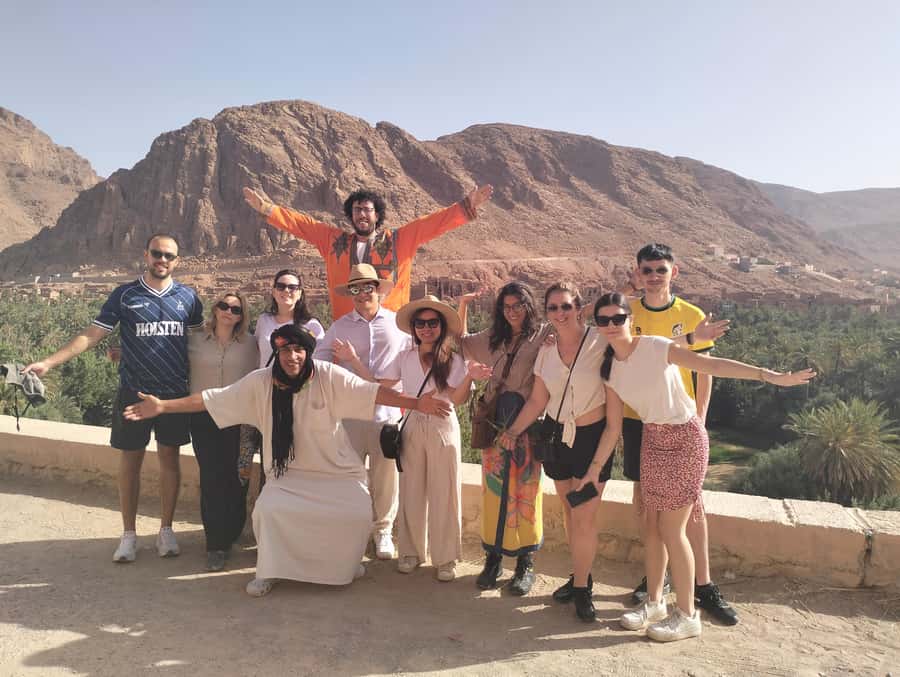
If you’re short on time but still want a real sweep of southern Morocco, this tour does a lot right. You go from Marrakech up into the High Atlas area, hit a UNESCO star in Aït Ben Haddou, then move through dramatic canyons into Erg Chebbi. The finale is a return toward Agadir, so you don’t have to backtrack the whole way.
The value is in the mix. Morocco’s desert trips often either go super-fast or feel too loose. Here, you get structured driving days with built-in stops, plus the parts that require time and presence—like the desert camp night and short hikes.
Also, the pace matches the kind of sights you’re seeing. Kasbah streets and canyon walls reward walking. Dunes reward timing. A schedule that supports sunrise/sunset is the difference between a good photo and a moment you remember.
A few more Marrakesh tours and experiences worth a look

Crossing the High Atlas and Tizi n’Tichka Pass the right way
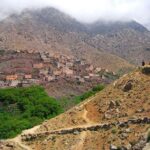
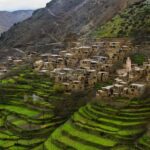
Day one is your major elevation day, and it sets the tone fast. You leave Marrakech early, then head east through Berber villages where you’ll often see daily life from the road—small stands, layered terracing, and homes that hug the terrain. You’ll stop for photos and quick breaks so you can stretch and get your bearings.
Then comes the star pass: Tizi n’Tichka Pass at about 2,260 m. This is one of those drives where you don’t just pass through scenery—you get sweeping mountain views and changing light as you climb. If you want a strong first day, this is it.
A heads-up for comfort: it’s still a drive, and the tour notes long driving days. Dress in layers, keep your water handy, and don’t plan to do heavy sightseeing before you leave Marrakech.
Aït Ben Haddou Kasbah: UNESCO time with a practical walking plan
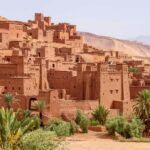
Aït Ben Haddou is the kind of place where the best experience is slow walking and a local explanation. You arrive after crossing the Atlas region, then explore the kasbah with a guide option. The local guide fee is listed as 2€ per person, so if you want context (and fewer guesswork moments), budget for it.
What makes Aït Ben Haddou special isn’t just the age. It’s the way the kasbah form is built to fit the terrain—tight lanes, fortified edges, and that classic fortified-village silhouette you see in photos. It also carries a movie legacy nearby, with filming locations associated with well-known films such as Gladiator, Lawrence of Arabia, and Kingdom of Heaven.
Practical tip: if you’re taking photos, plan to wear comfortable shoes even if you think you’ll only walk “a little.” Kasbah streets can be uneven, and you’ll likely want to wander into viewpoints.
If you’re traveling with limited time, Aït Ben Haddou delivers more than a quick stop. You get a guided-style visit without the trip turning into an all-day museum detour.
Ouarzazate and the Valley of Roses: what these stops add (and what they don’t)
After Aït Ben Haddou, the day continues through the Ouarzazate area, and then you pass places like Kelaat M’Gouna and the Valley of Roses before heading toward Dades Valley (or Tinghir depending on timing).
These stops are not about deep museum experiences; they’re about pacing and scenery. You’ll have chances for photo breaks and to absorb the shifting environment as you travel south.
The real reason this matters: it’s how you transition from kasbah gravity to canyon territory. By the time you reach Dades, you’ve built the mental path—mountains, fortified settlement, then toward the dramatic rock formations that come next.
You’ll finish day one late afternoon with dinner and an overnight stay at a comfortable hotel or riad (the tour lists Kasbah Safari Rose Dades as the first night option, or similar). One included comfort here: access to the swimming pool at Kasbah Safari Rose (or similar), which can be a lifesaver after long driving.
Todra Gorges and the road towns that feel alive
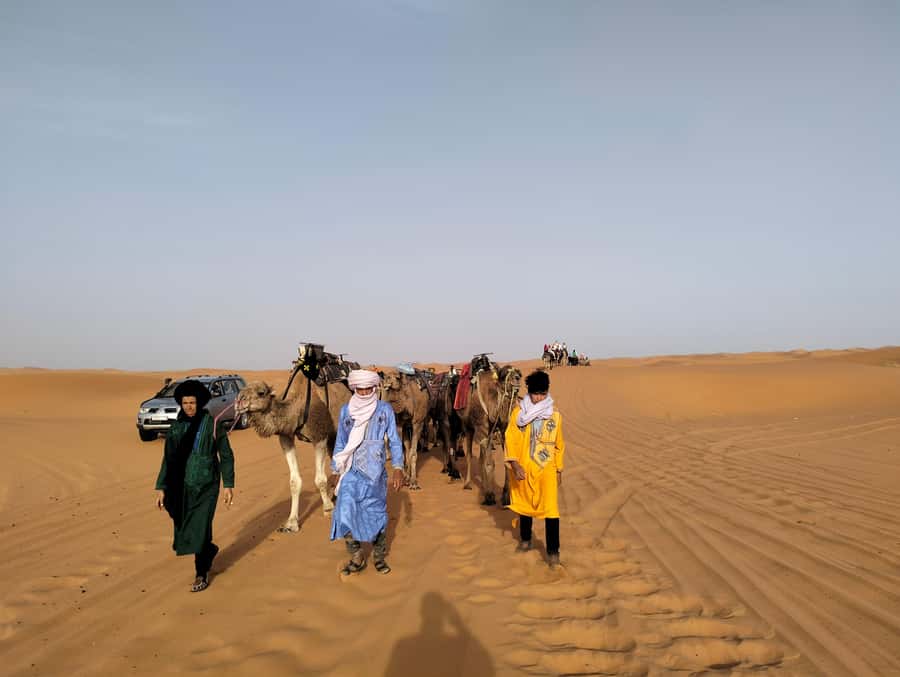
Day two shifts you toward the Sahara, but it doesn’t do it in a straight line. You pass through Tinghir, Tinjdad, and Erfoud, and those towns keep the journey grounded in real Morocco rather than a straight highway to dunes.
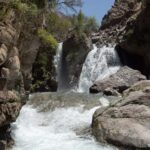
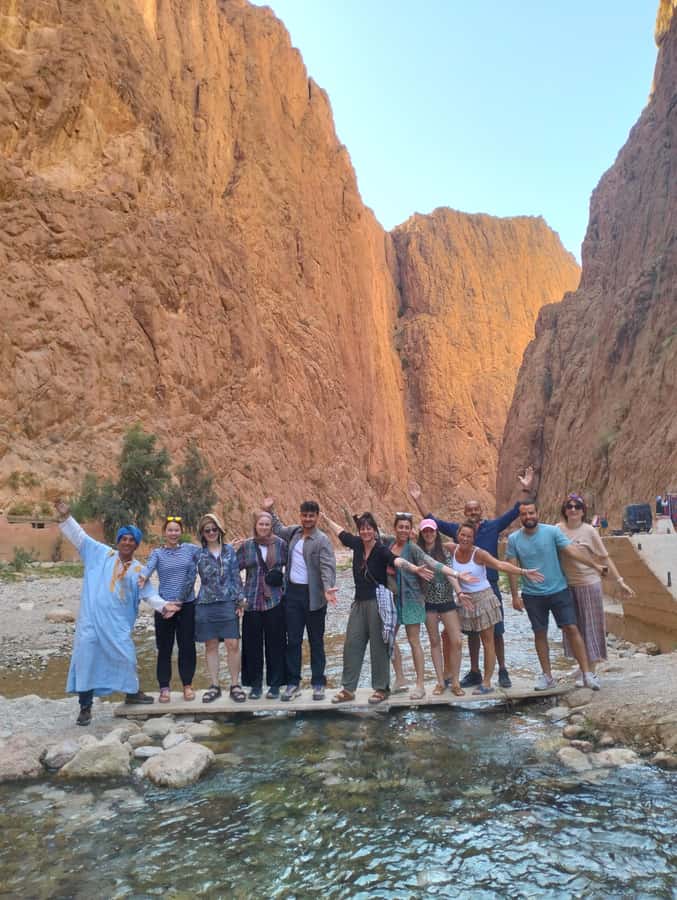
The highlight stop is Todra Gorges. Expect tall, tight canyon walls that make the walk feel enclosed even when the sky is visible. You’ll also have the option of a local guide for the gorge walk, and again the idea is simple: it’s easier to appreciate what you’re seeing when someone can point out the details and manage the route.
What I like here is the contrast. You go from mountain road days to a canyon that’s all about scale and texture. It’s a good moment to slow down, take fewer photos, and just walk. That’s where the gorges turn from scenery into a memory.


Merzouga and Erg Chebbi: sunset camel trek you’ll actually feel
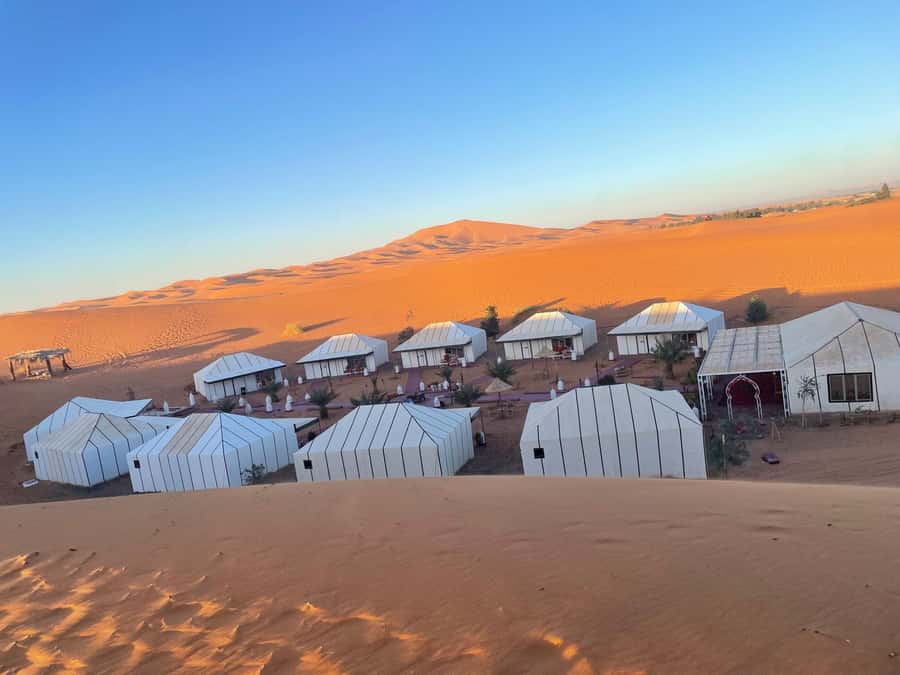
The tour reaches Merzouga at the edge of the dunes—Erg Chebbi—and this is where your planning pays off. Before your camel trek, there’s a stop at a traditional cooperative, which gives you a chance to see local craft and products. It’s not a long workshop day, but it’s enough to connect the region’s economy to the landscape you’re heading into.
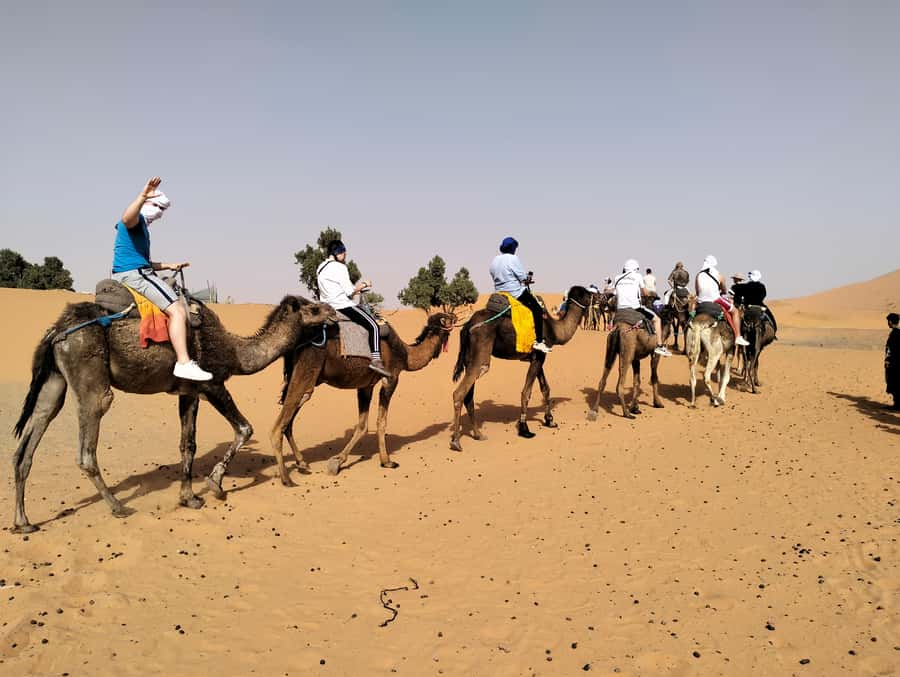
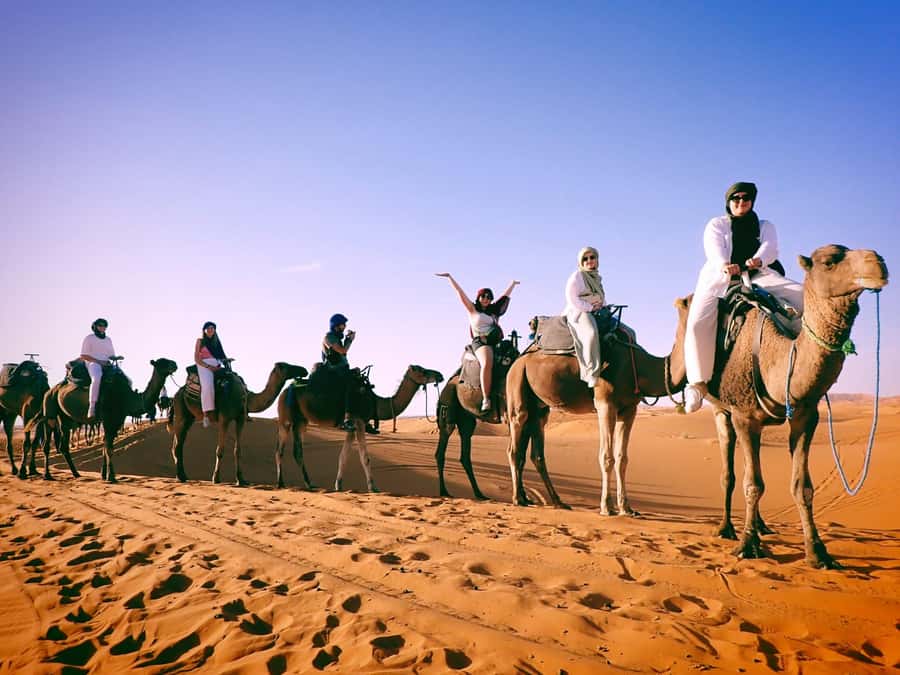
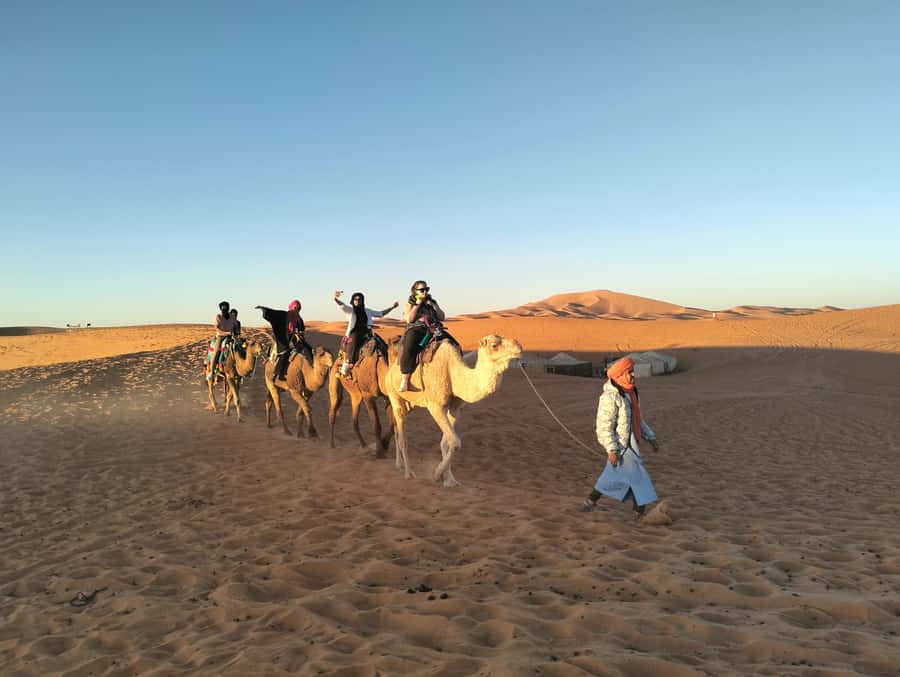
Then you switch modes. You pack a small overnight bag (the rest of your luggage stays in the vehicle), and you get ready for the camel trek. The tour includes one camel per person, and the ride is described as suitable for most fitness levels.
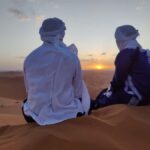
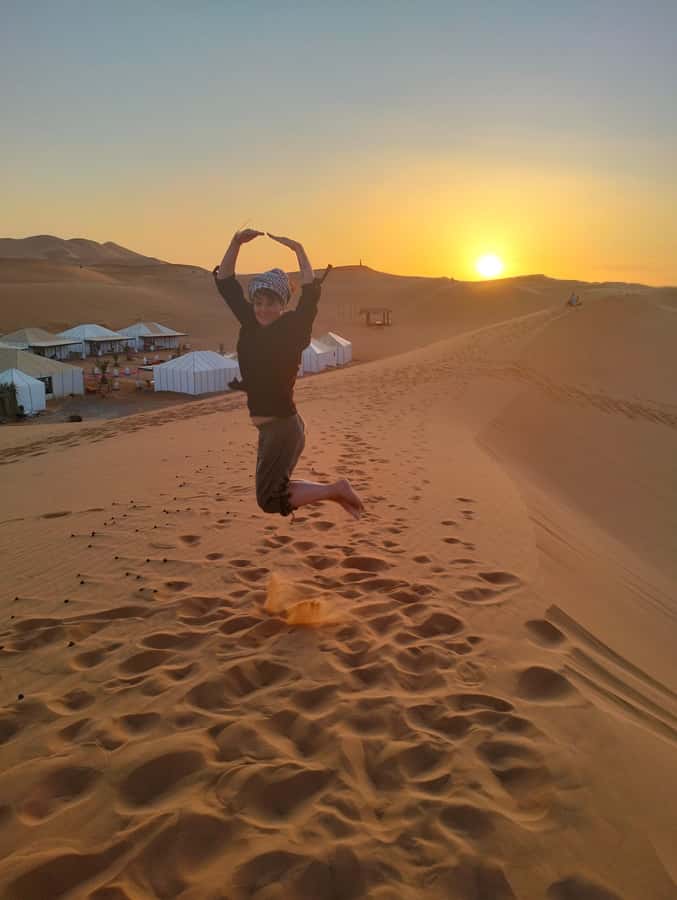
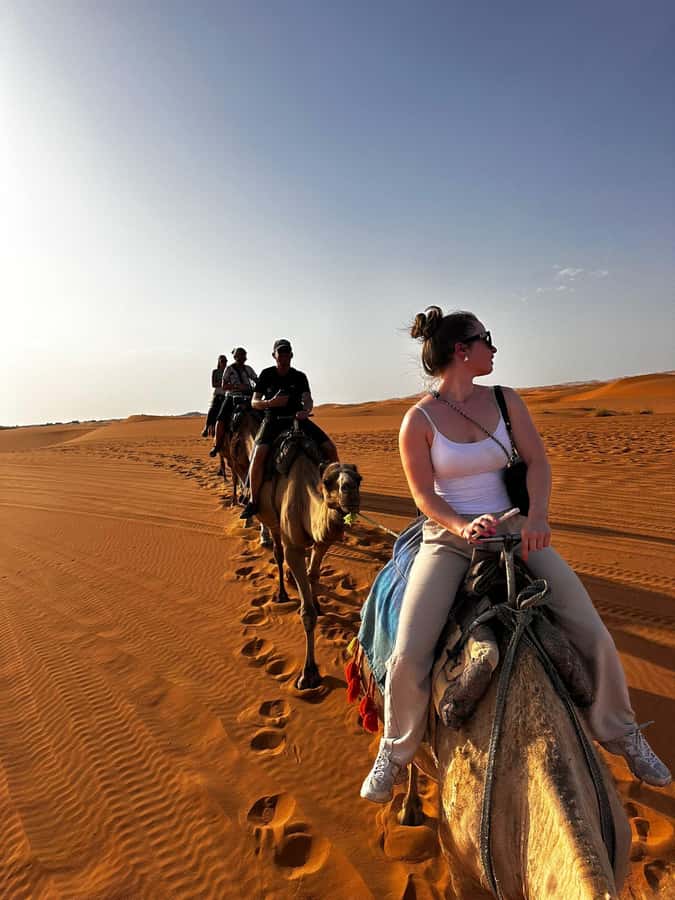
Sunset is the payoff. You’ll camel into the dunes, then walk near the top of the sand to watch the light change. From the booking comments I’ve gathered over time, the sunset timing is often protected even when heat creates scheduling pressure. In other words, you’re not just rolling the dice on the sky—you’re aiming for that window.
One note I’d take seriously: the camel portion can feel longer than you’d guess. Some people report a ride lasting closer to an hour depending on conditions and pacing. So plan mentally for a real experience, not a quick photo moment, and bring a warm layer for the evening air.
Dinner under stars: what the desert camp really means
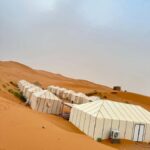
Night in the desert is where this trip separates itself from “desert-adjacent” tours. You stay in nomad-style tents, with dinner and breakfast included. The included camp experience also includes Berber drum music around the fire.
This is more than entertainment. A good desert camp night gives you:
- a break from car time
- a clear sense of place
- a sky you can’t recreate in a hotel
The tour doesn’t promise a luxury resort setup, and it doesn’t need to. The value is the location and the routine. You’ll have dinner, then settle in with the sounds and the night air.
If you’re picky about sleeping conditions, do what you can to get comfortable: pack the small essentials (sunscreen and a hat for the day help you avoid misery later), and expect that nights can feel chilly after a hot day.
Sunrise in the Sahara and the return to Merzouga
Day three starts early with a sunrise over the dunes. You’ll wake up to that quiet, then enjoy breakfast before heading back.
Camel return is included, and you’ll transfer out after that, moving toward Tinghir and back through the Dades Valley area. This is one of the most natural ways to structure a desert day: sunrise makes it feel complete, and the return keeps you from feeling rushed back into a car before the experience settles.
Also, sunrise day gives you a second lighting moment. Your photos will look different, your mind will feel different, and the dunes stop being only “scenery” and start feeling like a place.
Monkey Fingers in Dades Valley: a short hike with big personality
In the afternoon, you get a guided hike to the Monkey Fingers rock formations. The tour places this in Dades Valley, and the hike time is listed as about 1–2 hours, suitable for all levels.
This part is worth your attention because it breaks up the long driving with something active but not exhausting. You’ll walk through narrow canyon-like sections and sculpted rock formations, with green trails and arid rock contrast where that vegetation exists. The guide option is available for about €3 per person.
Practical hiking advice: wear proper shoes. Even if the hike isn’t long, the ground can be uneven, and you’ll want traction.
This is also a good “reset” day. By now, your trip has mountain roads, fortified village walks, canyon scale, dunes, and camp time. Monkey Fingers adds variety without requiring a half-day trek.
Dinner and overnight on day three are at Kasbah Safari Rose Khmis Dades (or similar), with dinner and breakfast included again.
Getting back to Agadir without the travel headache
Day four is the return leg. You leave the Dades Valley area and travel toward Ouarzazate, then continue to Agadir, arriving in the afternoon/evening.
The small-group logistics are helpful: for groups of less than 5, the tour notes a taxi transfer from Ouarzazate to Agadir for flexibility with timing. Larger groups continue by minibus.
So if you care about a smoother end to the trip—less waiting, more control over timing—that group-size detail matters. Either way, you end with Agadir rather than returning to Marrakech.
Price and value: is $302 per person a fair deal
At $302 per person for a 4-day tour, you’re paying for more than a bus ride. The included items stack up in a way that’s hard to replicate yourself efficiently.
Here’s what you’re getting with the price (as listed):
- pickup from your Marrakech accommodation or closest accessible point
- comfortable transportation with an English or French speaking driver
- 3 nights total, including two “Kasbah Safari Rose” stays and one Merzouga desert camp night
- dinner and breakfast included for each of the three nights
- camel ride (one per person)
- sandboarding in Merzouga if available
- scenic stops and photo opportunities
- towels at accommodations
- access to the pool at the Kasbah Safari Rose (or similar)
What’s not included is also important:
- lunches and drinks
- local guides at Aït Ben Haddou and Todra Gorges (not required, but the tour flags guide fees of 2€ per person)
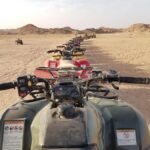
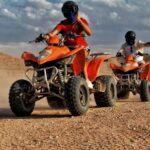
- optional activities like ATV/quad rides
So the value logic is this: you’re buying guided structure plus the core paid experiences (desert camp night and camel ride), while you only “top up” for meals you’d eat anyway (lunch) and optional site guides.
If you’d otherwise try to book Marrakech → desert → return on your own, you’d likely spend time coordinating multiple parts. This tour gives you the time-saving structure and keeps you moving with a driver.
Who this tour fits best, and who should skip it
This is a great fit if you want a packed but not frantic taste of southern Morocco—Atlas passes, UNESCO kasbah, canyon walking, and a real desert night—all without planning each handoff yourself.
It may not be your best match if:
- you need a low-drive itinerary (this is built on long driving days)
- you’re very sensitive to heat or early starts (one booking noted timing adjustments for temperature)
- you have medical concerns listed by the tour, including heart problems
- you have mobility limitations, or you’re pregnant (the tour states it’s not suitable)
Also note the clothing rule: shorts aren’t allowed. I’d pack long, breathable pants or light layers so you’re comfortable in desert and canyon areas.
How guides and timing can affect your experience
A good desert trip lives or dies on the driver. The feedback you get around this route often centers on smooth communication and safe driving.
Some bookings mention guides by name like Hassan and Haddu/Haddou, with people praising the friendliness and the stories shared along the drive. You can also take comfort from the fact that some guides are proactive about the day’s conditions—for example, one booking described a postponement to protect against extreme heat and still catch a beautiful sunset.
That means you shouldn’t obsess over exact minute-by-minute timing. When heat or conditions shift, the goal is still to deliver the core moments: gorge walk, desert arrival, and sunset/sunrise.
Should you book this Marrakech to Agadir Sahara tour?
I’d book it if you want a true four-day circuit that delivers the big names—High Atlas, Aït Ben Haddou, Todra Gorges, Erg Chebbi, and Monkey Fingers—with most of the heavy lifting handled for you. At $302, the included desert night, camel ride, and guided walking segments make it feel like a solid value rather than just “transport with a photo stop.”
I wouldn’t book it if you hate long driving days, you can’t manage early starts, or you’re looking for a fully luxury sleeping setup. This is an outdoors-and-sights trip first, comfort second.
If you book, do yourself a favor and pack well for heat and walking: sunglasses, a sun hat, sunscreen, hiking shoes, and a small overnight bag for the camel night.
FAQ
What’s included in the price of the 4-day tour?
You pay $302 per person, and the price includes pickup in Marrakech (or the nearest accessible meeting point), comfortable transportation, an English or French speaking driver, three nights (including one desert camp night), camel ride (one per person), and dinner and breakfast at each overnight stay. It also includes towels, scenic photo stops, and pool access at Kasbah Safari Rose (or similar). Sandboarding is included if available.
Are meals like lunch and drinks included?
No. Lunches and drinks are not included. Dinner and breakfast are included with the overnight stays.
Do I need to pay for local guides at Aït Ben Haddou and Todra Gorges?
Local guides are not included. The tour lists a local guide fee of about 2€ per person for sites such as Aït Ben Haddou and Todra Gorges.
When do I ride camels, and where do I sleep afterward?
You ride camels in Merzouga on the way to your desert camp, and you sleep in nomad-style tents beneath the stars. Dinner and breakfast are included for that desert camp night.
Is sandboarding part of the tour?
Yes, sandboarding in Merzouga is included if available, depending on conditions.
What should I bring and what clothing is not allowed?
Bring sunglasses, a sun hat, a camera, hiking shoes, and sunscreen. Shorts aren’t allowed.
How does the transfer back to Agadir work on the final day?
You travel from Dades Valley toward Ouarzazate, then continue to Agadir. For groups under 5 people, the tour arranges a taxi transfer from Ouarzazate to Agadir with flexible timing. Larger groups use a minibus.
Who shouldn’t take this tour?
The tour data says it’s not suitable for pregnant women, people with mobility impairments, or people with heart problems.