REVIEW · MARRAKESH
From Marrakech: 2-Day Zagora Desert Tour With Luxury Camp
Book on GetYourGuide →Operated by Come With Us Tour · Bookable on GetYourGuide
Camel tracks fade into starlight. This 2-day ride out of Marrakech trades city bustle for camel sunset dunes and the famous Ait Ben Haddou kasbah along the way.
I like how the route strings together Morocco’s big “wow” moments without feeling rushed: a drive over the High Atlas (including a photo stop at Tizi n’Tichka, 2260 m), UNESCO sights at Ait Ben Haddou, and then real Sahara time in Zagora with a luxury Berber camp. One thing to keep in mind: some key stops may require extra paid entry or a local guide, and the level of on-the-ground explaining can vary depending on the driver-guide you get.
In This Review
- Quick take: what matters most on this Zagora tour
- The big picture: a 2-night-feeling trip with only 2 days
- Day 1 from Marrakech: High Atlas pass, Ait Ben Haddou, and Ouarzazate film stops
- The Draa Valley drive and Agdez palm groves: the calm before the sand
- Arriving at Tinfou camp: what’s included for comfort (and what you’ll feel)
- Camel riding in Zagora Tinfou: sunset timing and what to expect
- Sandboarding: fun when the day’s pacing makes sense
- Day 2: sunrise dunes, breakfast, and Tamgroute’s Quranic library and pottery workshops
- The return to Marrakech: High Atlas again, but with a different mood
- Price and value: is $94 per person a smart deal?
- What I really liked (and why it works for most people)
- Possible drawbacks to plan for (so your trip stays smooth)
- Who this tour suits best
- What to bring (this is where people win or lose the comfort game)
- Should you book this Zagora Desert Tour from Marrakech?
- FAQ
- Is lunch included on this tour?
- What activities are included in the Zagora desert part?
- What camp comforts are included for the night?
- Do I need a local guide for Ait Ben Haddou?
- Are vegetarian or vegan meals available?
- What should I bring for the desert night?
Quick take: what matters most on this Zagora tour
- Tizi n’Tichka (2260 m) photo stop for big mountain views early in the day
- Ait Ben Haddou UNESCO kasbah time with sightseeing and lunch on Day 1
- Zagora Tinfou sunset camel trekking plus sandboarding and camp dinner under the stars
- Tamgroute Quranic library and pottery village on the return trip
- Private warm shower & toilet + Wi-Fi at camp (real comfort for a desert night)
- Bring cash for optional/paid site stops along the route
The big picture: a 2-night-feeling trip with only 2 days
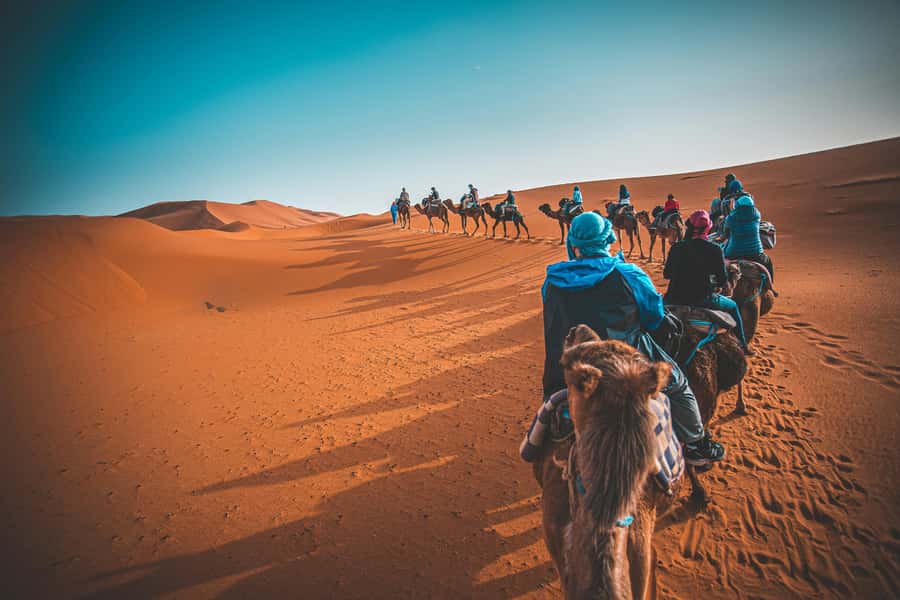
If your Marrakech days feel too “checklist,” this tour is a nice fix. You get long road views, famous architecture, and then the dramatic part: sleeping in a desert camp where the night actually feels different. The timing is built around sunrise and sunset camel riding, not just a quick photo and off you go.
The other thing I appreciate is the mix. You’re not only chasing dunes—you also see the kasbah at Ait Ben Haddou, film-set stops in Ouarzazate, and Tamgroute’s older-world craft and manuscripts. Even if you’ve seen photos, you still get the full sense of place: mountains first, then palms, then sand.
A few more Marrakesh tours and experiences worth a look
Day 1 from Marrakech: High Atlas pass, Ait Ben Haddou, and Ouarzazate film stops
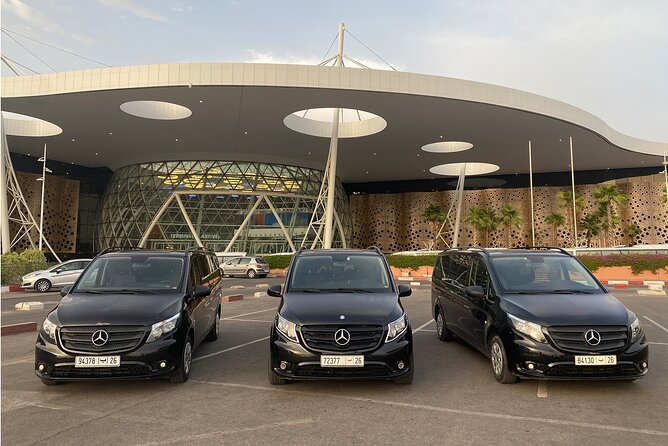
Day 1 starts with hotel/Riad pickup in Marrakech, with the exact pickup point and time confirmed the day before (they tell you where to meet, since some riads aren’t reachable by car). Then you head toward the High Atlas and the Tichka pass for a break and photo stop at 2260 m. It’s a quick stop, but it’s one of those moments that gives your brain a new altitude—cold air, sharp light, and wide mountain views.
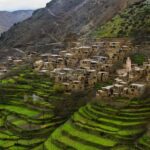
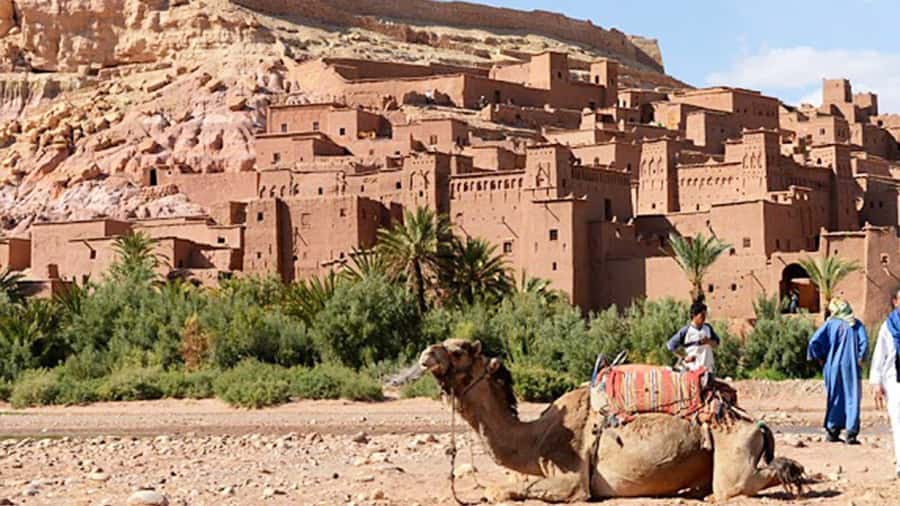
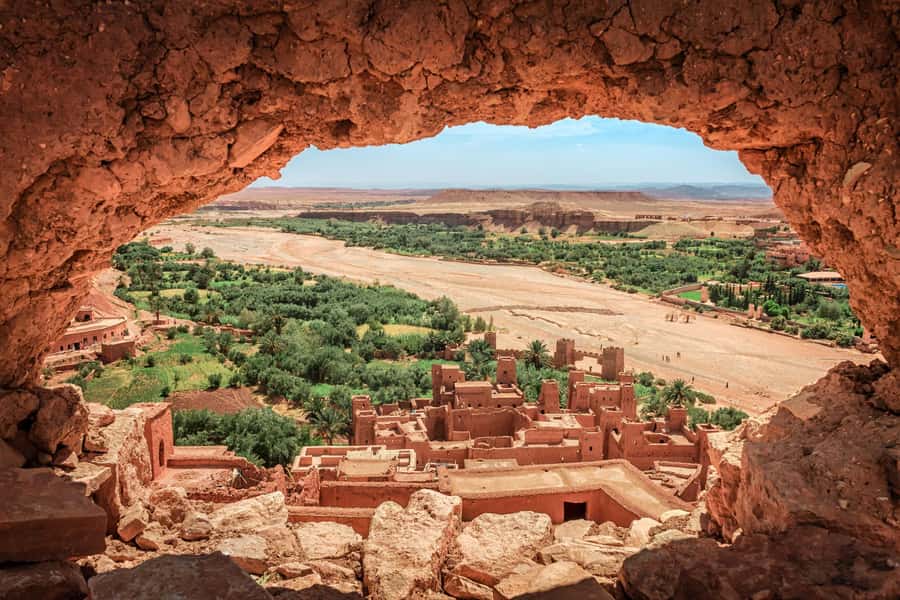
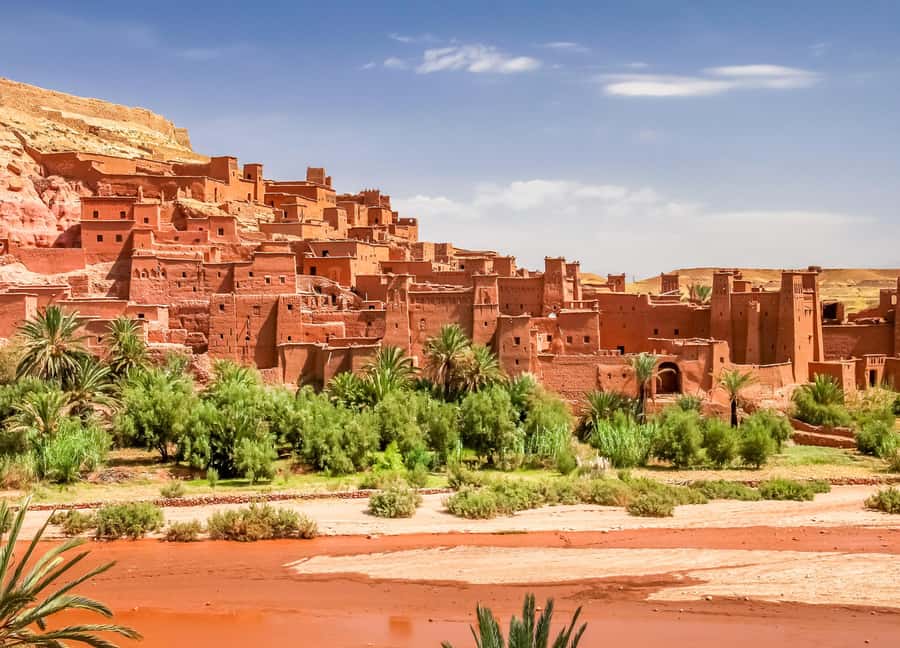
Next up is Ait Ben Haddou, the UNESCO-listed kasbah famous for its labyrinth lanes and fortified village layout. You’ll get time for sightseeing and lunch. What I like about this stop is that it’s not just a single monument; it’s a whole protected story of how people built defensible communities in harsh terrain. Also, if you love movies, you’ll understand why this place gets used again and again.
After that, you continue to Ouarzazate, often described as a gateway to the desert. You’ll make photo stops at:
- Taourirt Kasbah
- Atlas Film Studios (many Hollywood blockbusters were filmed here)
These are typically short stops—great for photos and context, but not a deep museum-style experience. Plan for it as a visual break while the bigger goal (Zagora dunes and camp) stays ahead.
The Draa Valley drive and Agdez palm groves: the calm before the sand
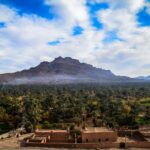
The road doesn’t jump straight from kasbah to desert. You travel through the Draa Valley, with a stop around Agdez. This is where the scenery shifts: you’re moving through areas known for palm groves and desert edges, and it helps you understand why people settled and farmed where they did.
If you’re the kind of traveler who likes to watch the environment change, this stretch is a good “slow down” phase. The van is air-conditioned, but you’ll still want windows time for the color shift—stone to palms to sand-toned distance.
Arriving at Tinfou camp: what’s included for comfort (and what you’ll feel)
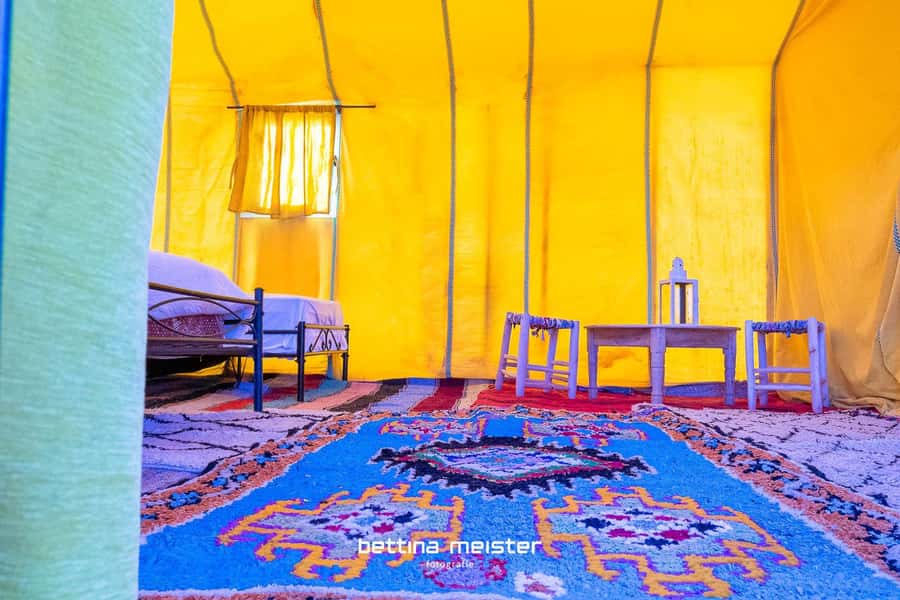
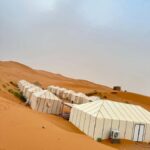
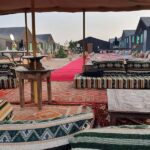
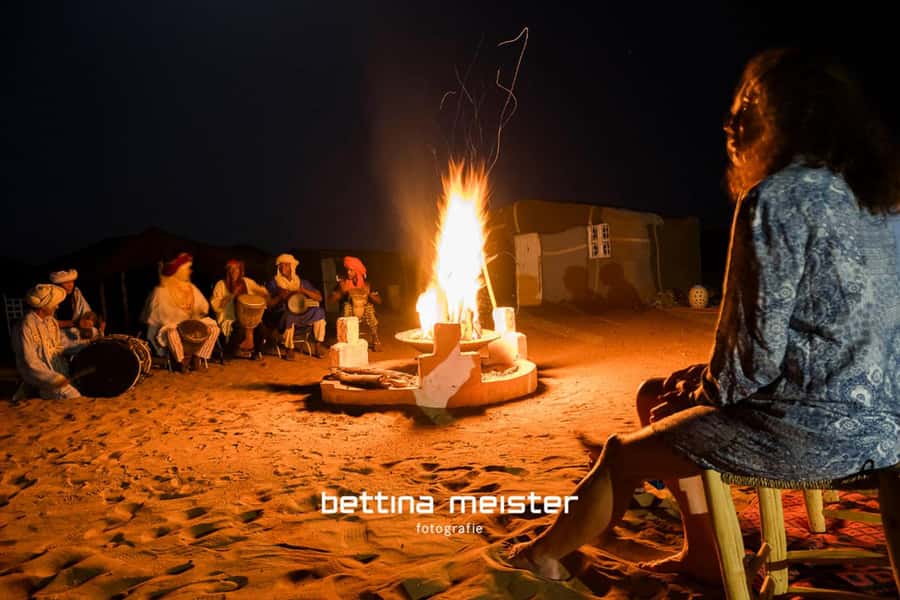
By evening you reach Zagora Tinfou, and the camp part of the trip turns on. You get:
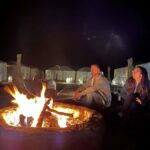
- A traditional Moroccan dinner under the stars
- Freshly prepared breakfast the next morning
- A private warm shower & toilet
- Wi-Fi at camp
That combination matters more than it sounds. Desert tours often sell “romance” but deliver rough basics. Here, the overnight setup is meant to be comfortable enough that you can actually enjoy the night sky, not just survive it.
Luggage is stored securely in the van during camping. You’ll also want to pack smart: keep your warm layers handy because mornings and nights can get cold.
Camel riding in Zagora Tinfou: sunset timing and what to expect
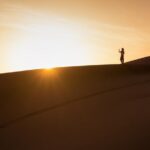
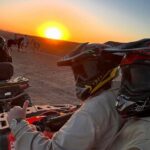
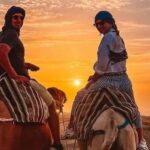
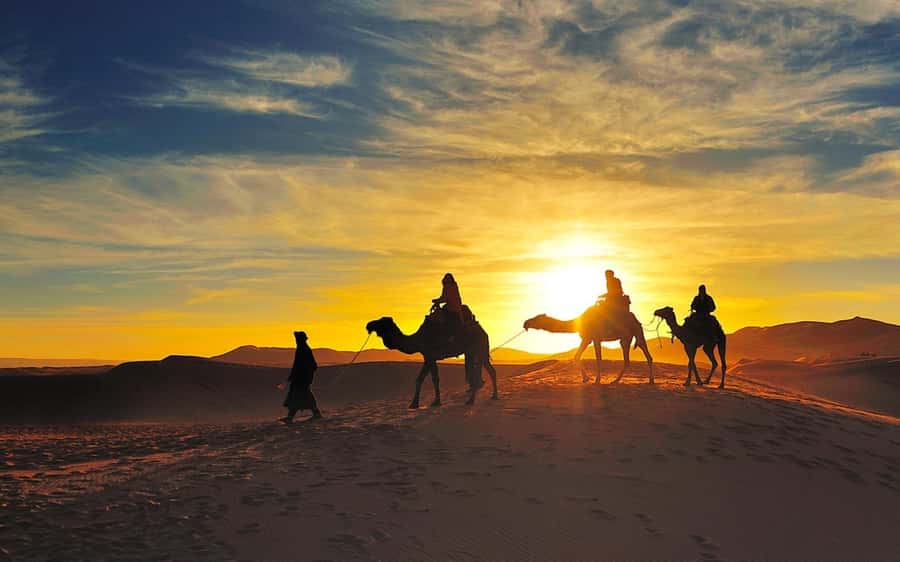
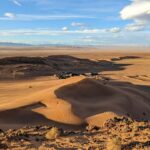
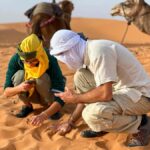
The core experience in the Sahara is the camel trekking at sunset. In Tinfou, you’ll transfer by camel to cross the dunes, watch the light change over the sand, and then return your camel before settling back at camp.
A couple practical points:
- You’re on sand, so wear shoes that can handle shifting ground.
- Sunset rides are usually shorter than people imagine, but the “golden hour” effect is the main event.
- It’s worth being mentally ready for the small logistics—moving from vehicle to camel to dunes takes time, even when it runs smoothly.
One trip detail I’m glad the itinerary includes: you do not just ride once. On Day 2, you’ll also get a camel ride during sunrise, which is when the desert looks most still and quiet.
A few more Marrakesh tours and experiences worth a look
Sandboarding: fun when the day’s pacing makes sense
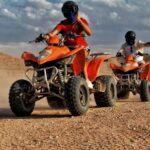
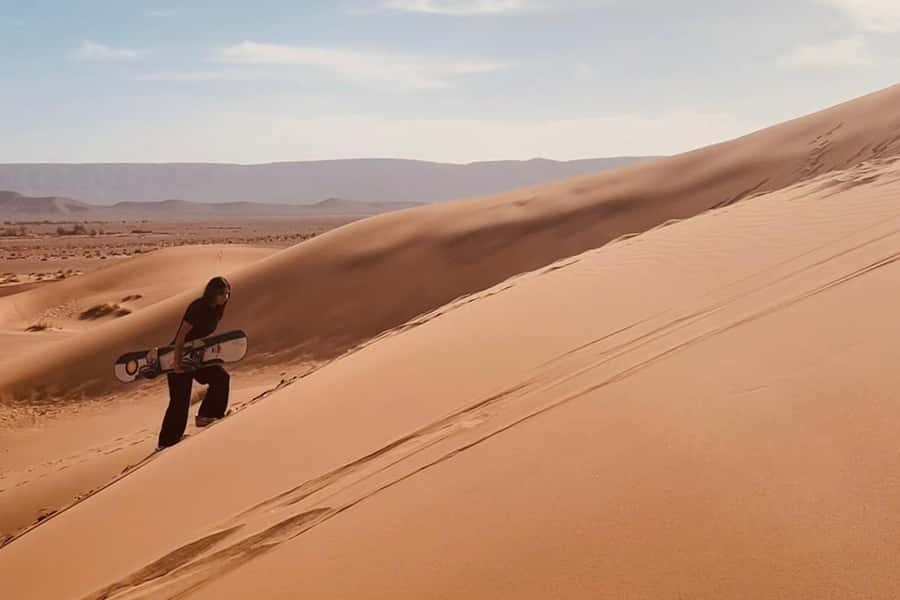
You’ll also have sandboarding included at the camp. If you’ve only seen sandboarding videos online, this will be a more grounded experience—short runs, lots of sand in your clothes, and a big smile even if you wipe out a bit.
The key is that it’s scheduled as part of the camp evening activities, not squeezed between long hours of driving. That makes it feel like play, not homework.
Day 2: sunrise dunes, breakfast, and Tamgroute’s Quranic library and pottery workshops
Day 2 starts with you waking up to the camp setting and enjoying breakfast. Then you head out for the sunrise camel ride through the sand dunes. Sunrise in the Sahara tends to feel like a real reset—cool air, soft lighting, and fewer crowds than at peak daylight.
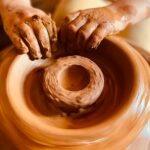
After that, you travel to Tamgroute, a historic village known for its ancient Quranic library and pottery village workshops. This is one of those stops that adds meaning beyond scenery. The library is described as housing centuries-old manuscripts, which gives you a different angle on Morocco: not only architecture and deserts, but knowledge and craft preserved over time.
The pottery side adds a hands-on, everyday layer. Even if you only get a short look, you’ll see the village rhythm—work, tools, and the practical side of making things by hand.
The return to Marrakech: High Atlas again, but with a different mood
On the way back, the tour passes through the High Atlas and returns you to Marrakech in the evening. By then, the mood has changed. On Day 1, you’re moving toward the unknown. On Day 2, you’re moving back with dust on your clothes and a brain full of dunes, kasbah walls, and early light.
It’s a long day in the car, but it’s balanced by the fact that you’re not spending Day 2 only traveling. You get the Tamgroute stop plus sunrise time, so you don’t feel robbed.
Price and value: is $94 per person a smart deal?
At $94 per person for 2 days, the value is mostly in three places:
- Overnight luxury Berber camp (with private warm shower & toilet)
- Camel trekking in Zagora tied to sunset and sunrise
- Transport in an air-conditioned vehicle plus driver-guide support
Add in sandboarding, dinner, breakfast, and Wi-Fi, and you’re basically paying for logistics and the desert night, not just sightseeing.
Where value can get tricky is fees and guides at specific attractions. Lunches aren’t included, and a local guide at Ait Ben Haddou isn’t included either. Also, some entry-style costs tied to kasbah/film-set experiences may be extra. That’s why I strongly recommend you bring cash. It keeps you from getting stuck in awkward moments when you’re being offered paid entry or a guide on the spot.
What I really liked (and why it works for most people)
The camp comfort feels intentional. Clean setup and real amenities (warm shower/toilet, Wi-Fi) make the night easier to enjoy. That matters because if you’re cold or uncomfortable, the desert becomes a test instead of a treat.
The combination of sites is well-chosen. You don’t just do dunes. You get UNESCO kasbah time, film-studio photo stops, and Tamgroute’s Quranic manuscripts and pottery village. That variety keeps the trip from feeling one-note.
The desert timing is the main event. Sunset camel trekking plus sunrise dunes is the kind of thing you remember. Photos look good, but the temperature shift and the silence between dunes is the real reason people book.
Possible drawbacks to plan for (so your trip stays smooth)
The biggest risk is mismatch between the description and what you actually get in the moment. One example: sometimes the driver isn’t much of a guide, so you might get fewer explanations at stops than you expected. Another issue is that some paid elements (like kasbah/film studios or library-style access) may not be automatically included, even when the itinerary highlights the sights.
Car comfort can also vary depending on the vehicle condition and how the drive is handled.
My practical advice: set your expectations to match the format. This is a road + big stops + desert camp tour, not a private, fully narrated deep-dive with long museum hours. If you want lots of background storytelling at each site, ask questions early, and if language is a concern, confirm which languages the driver-guide will use.
Who this tour suits best
This works best for:
- Couples and solo travelers who want one overnight but still want the Sahara experience
- People who enjoy long drives if the schedule includes real breaks and meaningful stops
- Travelers who want their desert night to come with comfort, not just a mattress
It may not suit you if:
- You need constant commentary at every stop
- You’re sensitive to uneven guidance or variable explanations
- You have mobility limits affecting stairs/rough terrain at kasbah areas or walking in villages
Also note the tour isn’t suitable for pregnant women, people with back problems, or those over 95.
What to bring (this is where people win or lose the comfort game)
Bring:
- Passport or ID card
- Comfortable shoes
- Sunglasses and sun hat
- Camera
- Sunscreen
- Comfortable clothes
- Cash
If you’re traveling in winter, warm blankets are provided, but it’s smart to pack warm sleeping clothes too, since temperatures can drop to 0°C.
And remember: pets aren’t allowed, and smoking isn’t allowed in the vehicle.
Should you book this Zagora Desert Tour from Marrakech?
I’d book it if you want a simple, high-impact Morocco route: mountains to UNESCO kasbah walls, then the Sahara with camel rides timed for sunset and sunrise, plus a camp night with real comforts.
I wouldn’t book it blindly if you’re the type who needs every attraction explained in detail, or if you hate the idea of being asked for extra paid entry or a local guide. In that case, you’ll still enjoy the scenery, but plan ahead for cash and keep expectations clear about what’s included.
If you want the best version of this trip, come ready to ask questions on the road and treat the paid stops as a normal part of visiting major sites in Morocco.
FAQ
Is lunch included on this tour?
Lunches are not included. You’ll have lunch time at Ait Ben Haddou on Day 1, but it isn’t listed as included.
What activities are included in the Zagora desert part?
You’ll have camel trekking (including sunset in the dunes and another camel ride at sunrise), sandboarding, and camp activities with dinner and breakfast included.
What camp comforts are included for the night?
The overnight stay includes a luxury Berber desert camp, plus private warm shower & toilet and Wi-Fi.
Do I need a local guide for Ait Ben Haddou?
A local guide at Ait Ben Haddou is not included. So if you want guided commentary there, you may need to arrange that separately.
Are vegetarian or vegan meals available?
Yes. Vegetarian and vegan options are available.
What should I bring for the desert night?
Bring comfortable shoes, sunglasses, a sun hat, sunscreen, a camera, cash, and your passport or ID card. In winter, temperatures can drop, so bring warm sleeping clothes even if blankets are provided.