REVIEW · MARRAKESH
From Marrakech: 2-Day Berber experience Atlas Mountains
Book on GetYourGuide →Operated by ATLAS VERTICAL TRAVEL · Bookable on GetYourGuide
Atlas views start fast, then slow down.
This 2-day Berber experience takes you from Marrakech into the Atlas foothills for camel time on the Kik Plateau and a hands-on cooking class that begins with market shopping. I also like that you sleep in a local guesthouse and spend real time in small villages around Imlil. The main drawback to weigh is the trade-off for comfort: expect a fair amount of car time, and the day includes walking.
Day 1 is about introductions: tea pauses, a camel ride, buying ingredients in Asni, then lunch and stories in the valley before you cook and eat where locals do. Day 2 is more active: a mule-and-walk day toward the forest near Tizi Mzik, with lunch prepared outdoors and a return to Marrakech by mid-afternoon.
In This Review
- Key things that make this trip worth your attention
- Atlas views without the big mountain commitment
- Marrakech to Kik Plateau: mint tea and 40 minutes of camel time
- The Asni market stop: where your cooking class really starts
- Lunch in the Imlil area and a short village walk that feels real
- Cooking class dinner: how the menu turns into a shared meal
- Day 2 in the forest near Tizi Mzik: mule ride plus hike lunch
- Guesthouse night in the Imlil valley: local living, with real-world bathroom notes
- What you actually eat (and what you should budget for)
- Price and what you get for $35
- Comfort checklist: shoes, layers, and how to handle the walking
- Guides and language: what helps you feel at home
- Who should book this two-day Berber experience?
- Should you book this 2-day Atlas trip from Marrakech?
- FAQ
- How long is the Atlas Mountains Berber experience from Marrakech?
- What activities are included across the two days?
- Is pickup included from Marrakech?
- What meals are included, and are drinks included?
- What languages is the guide available in?
- What should I bring for the hike and activities?
- Is the tour suitable for people with mobility impairments?
- What’s the cancellation policy?
Key things that make this trip worth your attention
- Camel ride around 40 minutes plus a mint tea pause that gives you a breather before you head deeper into the foothills.
- Market-to-cooking: you buy vegetables in Asni, and the cooking menu is decided after that.
- Village walking time in the Imlil area, including meeting people and looking at agricultural fields.
- Mule + hike to Tizi Mzik forest with a lunch prepared in nature.
- Overnight in a guesthouse so the trip doesn’t feel like a day trip stitched together from stops.
Atlas views without the big mountain commitment
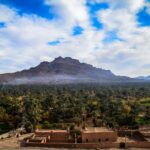
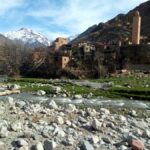
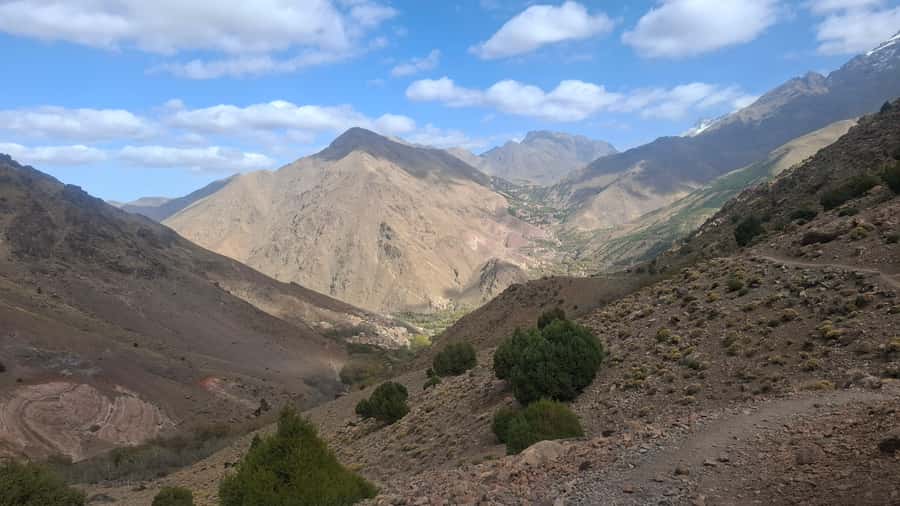
If you want Atlas scenery but you don’t want a full-on multi-day trek, this is a smart fit. You get a dramatic change of pace: Marrakech energy in the morning, then wide Atlas views and smaller village life by the afternoon.
The itinerary is designed around a very practical rhythm. You drive out early, do activities in the morning and early afternoon, then settle into the valley for the guesthouse night. That pacing is exactly why this can feel more personal than bus-only tours.
One consideration: you’ll spend meaningful time in the car. Even when the driver stops for photos or short breaks, it still eats hours. If you know you get antsy in vehicles, bring a bit of patience—and something to keep yourself comfortable for the ride.
A few more Marrakesh tours and experiences worth a look
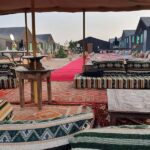
Marrakech to Kik Plateau: mint tea and 40 minutes of camel time
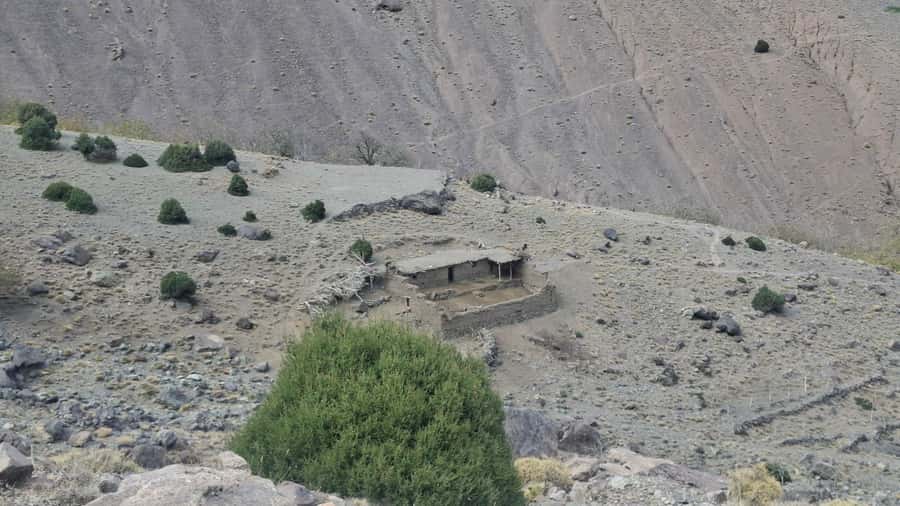
On Day 1, you leave Marrakech around 10:00. That start time matters because it gives you daylight for the mountain approach, plus enough time to do a proper activity before lunch.
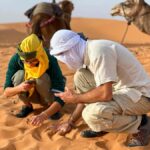
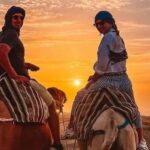
The first real moment is the Kik Plateau area. You’ll stop for a mint tea pause, then take a camel ride for about 40 minutes. It’s not a quick photo-op. You actually ride, slow down, and look around from higher ground.
A lot of the value here is in how the stop is paced. The tea pause is simple, but it turns the transition into something you can enjoy rather than just endure. And the camel ride is long enough to feel like an experience—not just a tacked-on bonus.
The Asni market stop: where your cooking class really starts
After the camel ride, you head toward the village area of Asni for shopping. The point of this stop is not shopping as a souvenir hunt. You’re buying vegetables and cooking needs for the class.
Here’s why I think that matters: when a meal starts with market picking, you understand what you’re eating. Tagine isn’t just a label. You see how ingredients come together, and you can connect flavors to what you saw and bought.
In the same flow, you head up to the Imlil valley. The tour then shifts from outdoors to village life: lunch, a short walk around the area, and time to meet locals and hear stories.
Lunch in the Imlil area and a short village walk that feels real
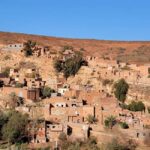
Once you arrive at the local house in the Imlil area, lunch comes next. Then there’s a short walk to visit the village, plus time to meet locals, hear stories, and explore nearby agricultural fields.
This is the part that turns the trip from activities into context. Instead of only moving between scenic points, you get to see how people live with the valley around them—fields, routines, and the way villages work at human scale.
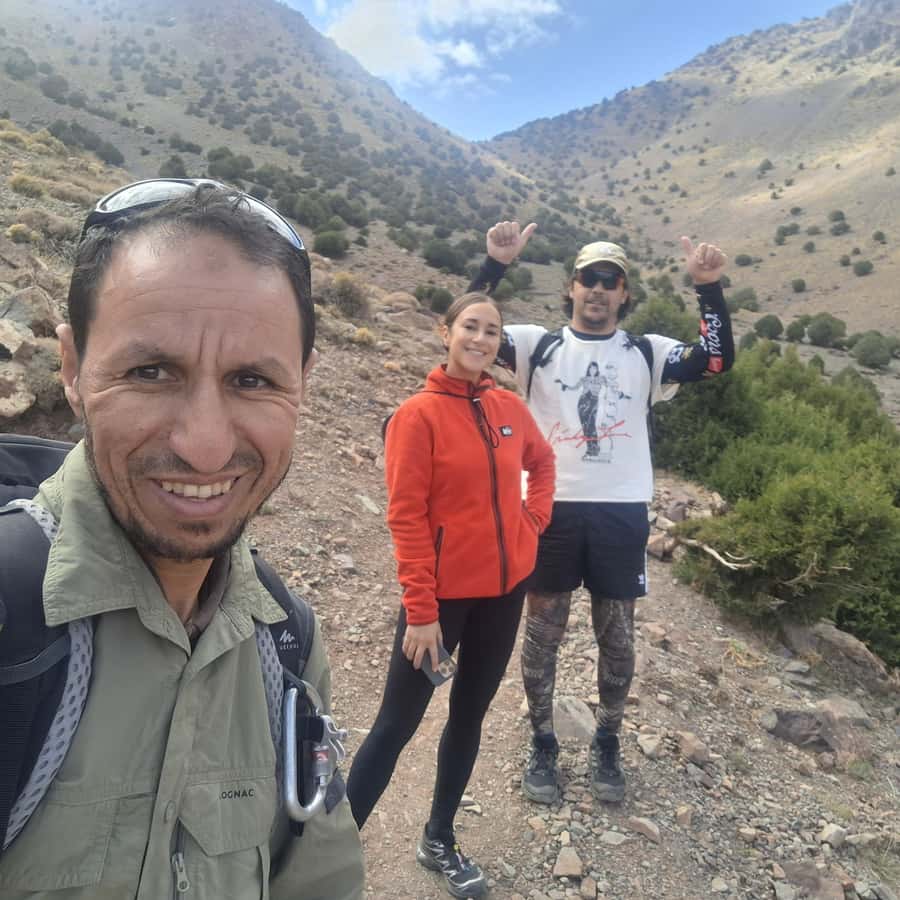
It’s also where good guides make a noticeable difference. One guide named Abdull is specifically praised for leading the way and sharing facts about village culture. Another guide, Mohammed, is mentioned for being especially welcoming and thoughtful, including taking visitors into family connections and helping them connect to everyday life.
If you’re the type who likes to ask questions and watch how daily life works, this village time is a real highlight.
Cooking class dinner: how the menu turns into a shared meal
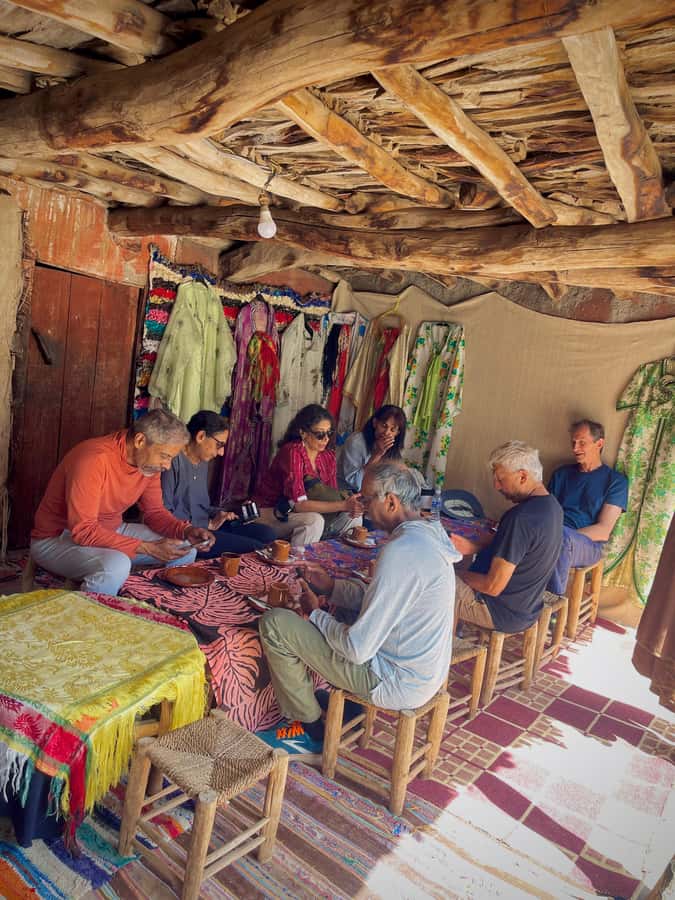
After you return to the guesthouse, you start your cooking class. The menu is already decided in the market, which means the work has a goal and timing that actually fits the day.
You’ll cook, then eat—your dinner is part of the included experience. For many people, the best part isn’t only the cooking. It’s eating what you helped make, after you’ve bought ingredients yourself and walked through the village setting where the meal belongs.
Food quality is also one of the strongest themes in the feedback. Some people loved the traditional meal prepared for lunch and dinners, and others singled out tagine and bread as standouts, even if one day’s salad mix wasn’t everyone’s favorite.
One more bonus you might find on your day: a guide named Mohammed has been praised for picking fresh fruit from trees for visitors to eat. That kind of small, personal touch is hard to replicate on a rigid group tour, and it’s the sort of thing that makes the whole day feel warmer.
Day 2 in the forest near Tizi Mzik: mule ride plus hike lunch
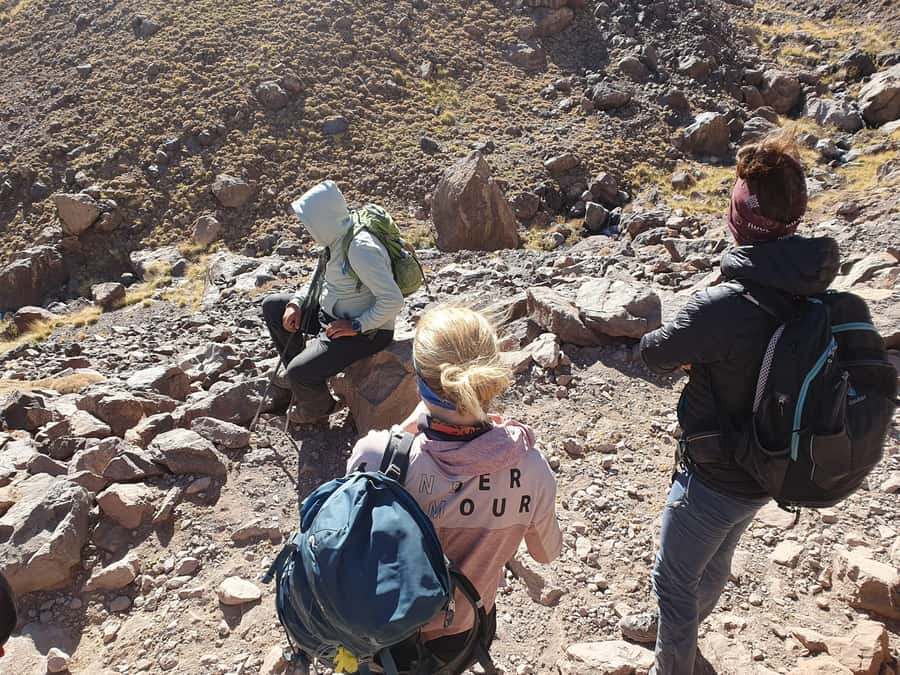
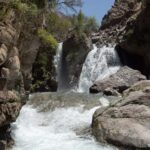
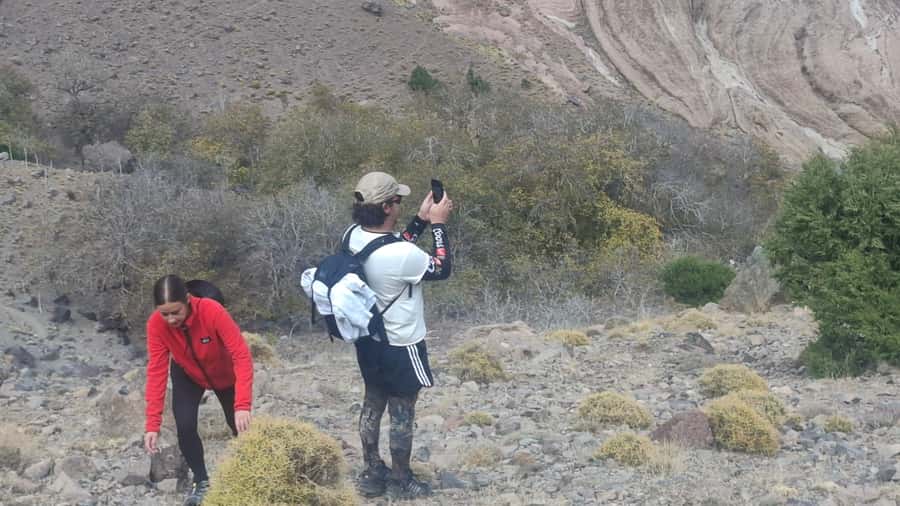
Day 2 starts after breakfast, with an active plan. You go out for a mix of mule ride and hike to the forest area near Tizi Mzik.
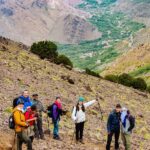
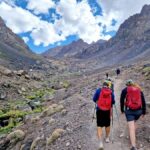
The hike is described as about 3 hours total each way, so you should plan for real walking. This is not stroller-friendly, not even casual-shoe-friendly for most people. If your legs feel shaky after a day trip, skip this or bring trekking-ready shoes and take the pace slowly.
Your lunch is prepared outside by the chef in nature. This is where the trip earns its “worth it” feeling. Lunch tastes better when you’re moving, working up an appetite, and changing altitude in fresh air.
When you finish, you return to Imlil by around 15:00, then drive back to Marrakech. That timing keeps the second day from dragging too late, which helps if you’ve got evening plans back in the city.
Guesthouse night in the Imlil valley: local living, with real-world bathroom notes
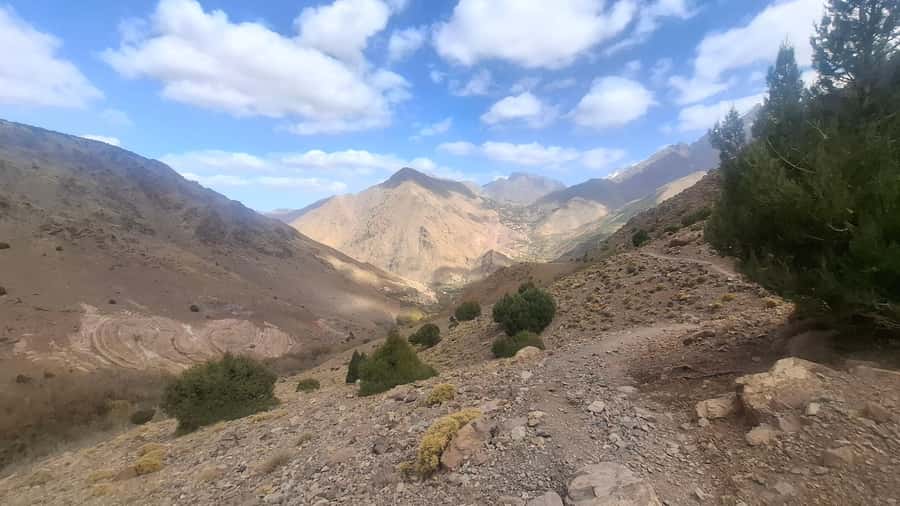
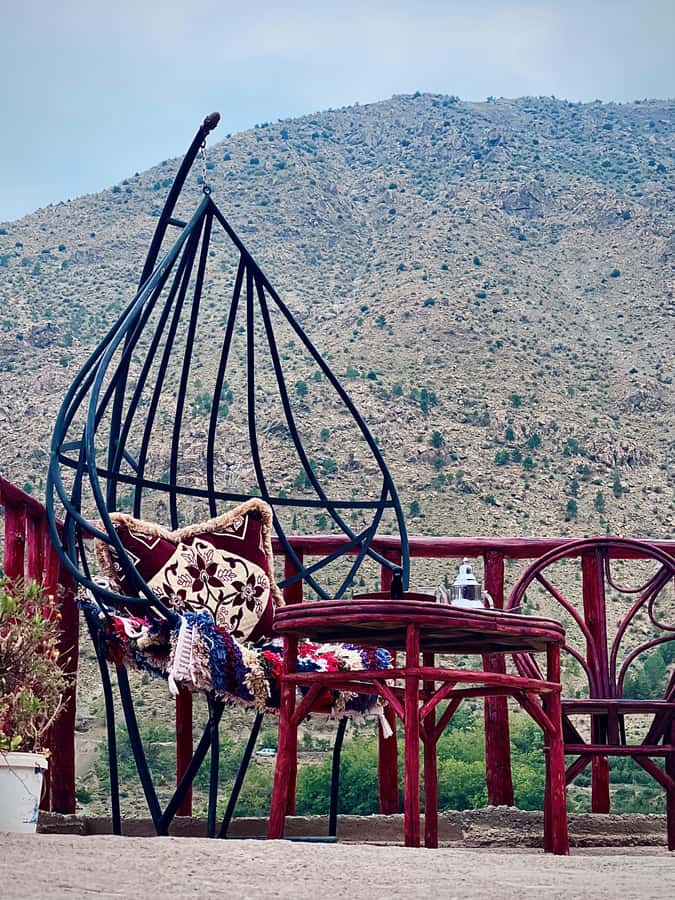
Overnight is included in a guesthouse. That’s a key part of the value. You’re not only commuting and eating out. You get to reset in a local setting and experience the valley after the day activity settles down.
That said, it’s important to keep expectations grounded. One review notes that the bathroom and restroom setup was different from what they expected—still not a disaster, just not perfect. That’s a normal reality of smaller village accommodations, and it’s worth planning for.
Bring a bit of flexibility. Pack flip-flops if you prefer something easy for walking around. And bring a change of clothes for the next day, especially if you get sweaty on the hike.
What you actually eat (and what you should budget for)
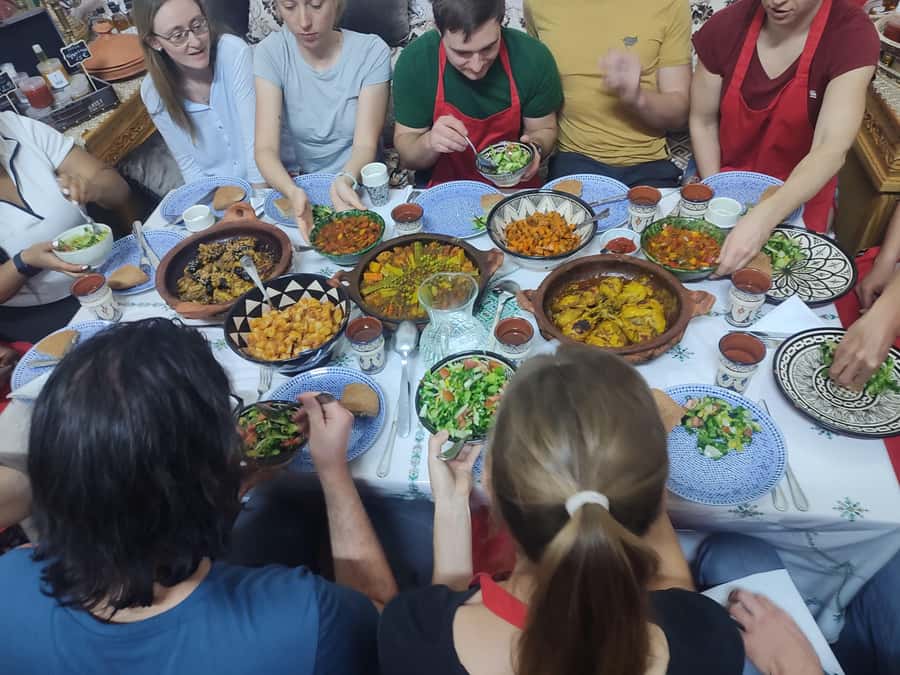
Meals are mostly covered. The included list states 1 breakfast, 2 lunches, and 1 dinner, plus the camel ride.
Drinks are not included, so plan to buy water and any other beverages yourself. In mountain areas, hydration matters more than you think, especially on the hike day.
Food themes from the feedback are encouraging: traditional flavors score high, and tagine and bread show up as favorites. If you’re picky, you might want to be ready for at least one meal component you don’t love—one person wasn’t a fan of a salad mix, but still rated the rest of the meal well.
Also, several guides are praised for making the meal part of the relationship, not just the calories. That includes sharing food with warmth and building small moments around eating—like fruit or conversational introductions.
Price and what you get for $35
At $35 per person, the value is mostly about what’s bundled. This price includes private transportation, an overnight guesthouse stay, meals (breakfast, two lunches, dinner), and a camel ride.
That’s a lot to pack into two days. If you tried to replicate it on your own, you’d likely spend far more just getting transport between Marrakech, Imlil, and the surrounding areas—plus you’d still need to coordinate lodging and meals.
One point to verify with the operator before you pay (and it’s worth doing): the included list explicitly mentions a camel ride, while the itinerary mentions a mule experience on Day 2. The mule outing is part of the experience plan, but the inclusion list doesn’t spell it out the same way. A quick message asking whether the mule ride is included at no extra cost will keep you confident.
For most people, the real “value win” is this: you’re not just buying views. You’re buying transport + food + sleep + guided activities in a way that feels structured and local.
Comfort checklist: shoes, layers, and how to handle the walking
Bring comfortable shoes first. Then think about the hike: bring hiking shoes if you have them. The tour also recommends trekking gear and a daypack, which tells you the Day 2 walk is meant to be taken seriously.
You’ll also want a change of clothes. Between the camel ride, village time, and the hike day, you’ll likely work up sweat even if the weather is mild.
Flip-flops are useful for guesthouse downtime. A lot of people like having something easy for the evening after you return from the mountain air.
And if you’re planning to attend with someone who has mobility limitations, note that the tour is not suitable for people with mobility impairments. The walking and active elements aren’t framed as adjustable.
Guides and language: what helps you feel at home
This tour runs with a live guide in English, French, or Spanish. That matters because village visits and cooking make the most sense when you can understand what you’re seeing.
Two names show up in the feedback often enough to be worth remembering. Abdull is praised for facts about village culture and leading the way. Mohammed is praised for kindness and for making the day special through welcoming details—like food and thoughtful care.
Even if you don’t speak Arabic, having a guide who can explain daily life beats trying to piece together meaning from photos alone.
Who should book this two-day Berber experience?
I’d point this toward you if:
- you want Atlas views and village life, not just a drive-by tour
- you like active afternoons (camel and mule, then a hike)
- you enjoy food experiences that start at the market
- you want one overnight in the mountains without committing to a long trek
I’d be cautious if:
- you hate car rides and prefer shorter transfers
- you’re not comfortable with a longer hike on Day 2
- you need easy access and minimal walking
For couples, friends, and solo travelers, the mix of structured activities and village time is a good blend. The option for private or small groups also helps you move at a human pace.
Should you book this 2-day Atlas trip from Marrakech?
If your ideal Atlas day includes camel time, cooking with market ingredients, village storytelling, and a forest hike for lunch—book it. This trip is built for travelers who want both scenery and contact with everyday mountain life.
Before you lock it in, do two quick checks:
- ask whether the mule ride is included at the same price as listed (the camel is clearly included, but mule wording isn’t identical)
- plan for the walking and bring real shoes for Day 2
If you’re comfortable with that, you’ll likely feel like you got much more than a scenic outing. You’ll leave with a meal you helped make, a night in a village setting, and a second day in the trees near Tizi Mzik that’s more memorable than another photo stop.
FAQ
How long is the Atlas Mountains Berber experience from Marrakech?
It lasts 2 days.
What activities are included across the two days?
You’ll do a camel ride, plus the itinerary includes a market stop, village time in the Imlil area, a cooking class, and a Day 2 experience with mule ride and hiking toward the forest near Tizi Mzik.
Is pickup included from Marrakech?
Yes. Pickup included from your address in Marrakech city.
What meals are included, and are drinks included?
The tour includes 1 breakfast, 2 lunches, and 1 dinner. Drinks are not included.
What languages is the guide available in?
The live guide is available in English, French, and Spanish.
What should I bring for the hike and activities?
Bring comfortable shoes, a change of clothes, hiking shoes, flip-flops, a daypack, and trekking gear.
Is the tour suitable for people with mobility impairments?
No. It is not suitable for people with mobility impairments.
What’s the cancellation policy?
It offers free cancellation up to 24 hours in advance for a full refund.