REVIEW · FES
Fez: Guided Walking Tour of the Historic Medina
Book on GetYourGuide →Operated by CASACADO VOYAGEURS · Bookable on GetYourGuide
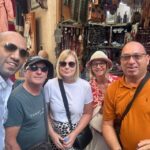
Fez’s Medina can feel like a puzzle. This guided walk turns it into a story you can follow, with stops at famous madrasas plus the working parts of the city. I especially liked Abdul’s family-based explanations of what I was seeing, because history here comes with real-life context.
Two highlights for me: the look-and-smell reality of the traditional tanneries, and the chance to watch crafts happening in workshops rather than just viewing finished souvenirs. When you see the process, you shop differently.
One consideration: this is a walking tour with narrow lanes and lots of steps, so the day isn’t easy on your feet. The route also isn’t suitable for mobility impairments.
In This Review
- Key moments worth planning for
- Meeting at Bab Guisa and getting your bearings fast
- Bou Inania Madrasa: the architecture lesson you’ll remember
- Al-Attarine Madrasa and the feel of Fez’s craft culture
- Tanneries: the sensory stop that makes the tour real
- Souks and shopping: browsing with a plan
- The Moroccan lunch stop that actually changes your day
- Artisan workshops: what you’re paying for (and why it costs)
- What the tour feels like in real time (it may run longer)
- Who should book this Fez walk, and who should skip it
- Value for $22: what you’re really buying
- Should you book this guided Medina tour?
- FAQ
- Where is the meeting point for the tour?
- How long is the Fez guided walking tour?
- What languages are available for the live guide?
- What is included in the price?
- Is hotel pickup and drop-off included?
- Is lunch included?
- What should I bring?
- Are there any restrictions on what to wear or bring?
- FAQ
- Is this tour suitable for people with mobility impairments?
- What’s the cancellation policy?
- Can I reserve and pay later?
Key moments worth planning for
- Bab Guisa start point: meet at the arch, with your guide in uniform or holding a sign
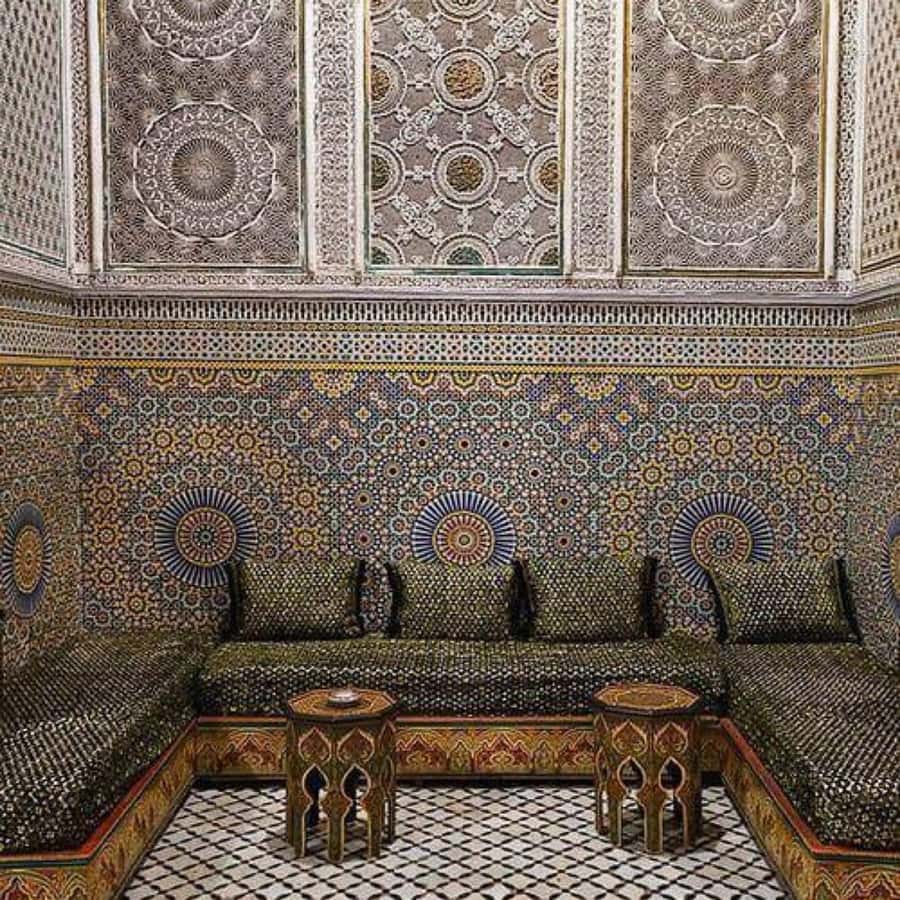
- Madrasas first: Bou Inania Madrasa and Al-Attarine Madrasa set the tone for Fez
- Tanneries in the real lanes: traditional leather processing you can actually observe
- Souk time with guidance: you can browse and shop without getting lost
- Moroccan lunch stop: a sit-down break in the middle of the maze
- Workshops you can understand: artisan visits make pricing and materials make sense
Meeting at Bab Guisa and getting your bearings fast
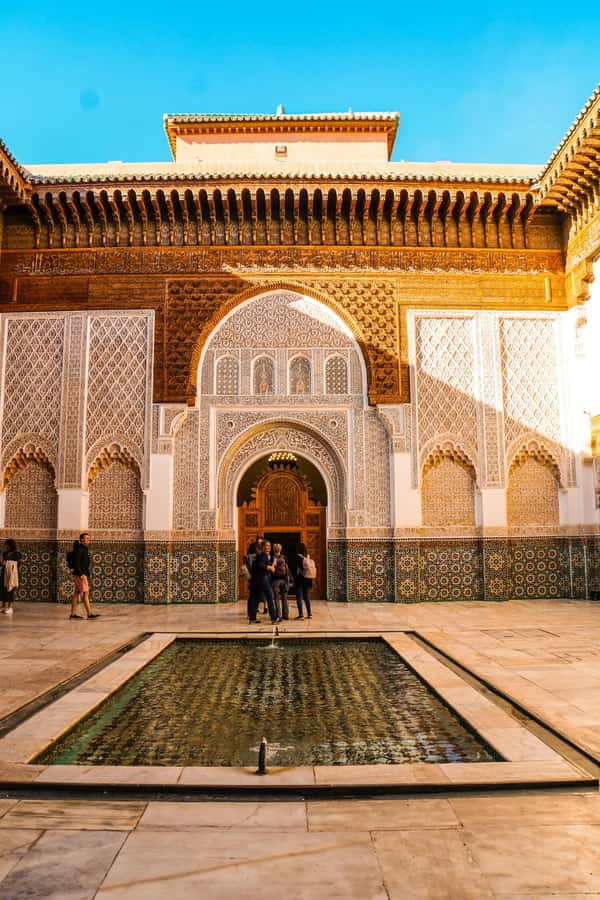
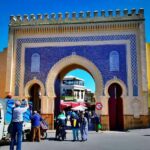
You start at Bab Guisa, at the arch. Look for your guide wearing a uniform or holding the activity provider’s logo sign. Once you’re together, you’ll get a quick briefing on the plan so the Medina doesn’t feel like a random walk.
This matters more than it sounds. Fez’s Old Medina is famous for being confusing even when you have a map. A good guide doesn’t just point at sights; they teach you how to read the neighborhood—where activity clusters, where quiet pockets exist, and what to expect around the next corner.
Practical tip: be ready to walk immediately after meeting. If you’re late or still wrestling with directions, the whole group loses momentum. Start with comfortable shoes and keep your phone charged so you can take pictures (and still check where you are).
You can also read our reviews of more walking tours in Fes
Bou Inania Madrasa: the architecture lesson you’ll remember
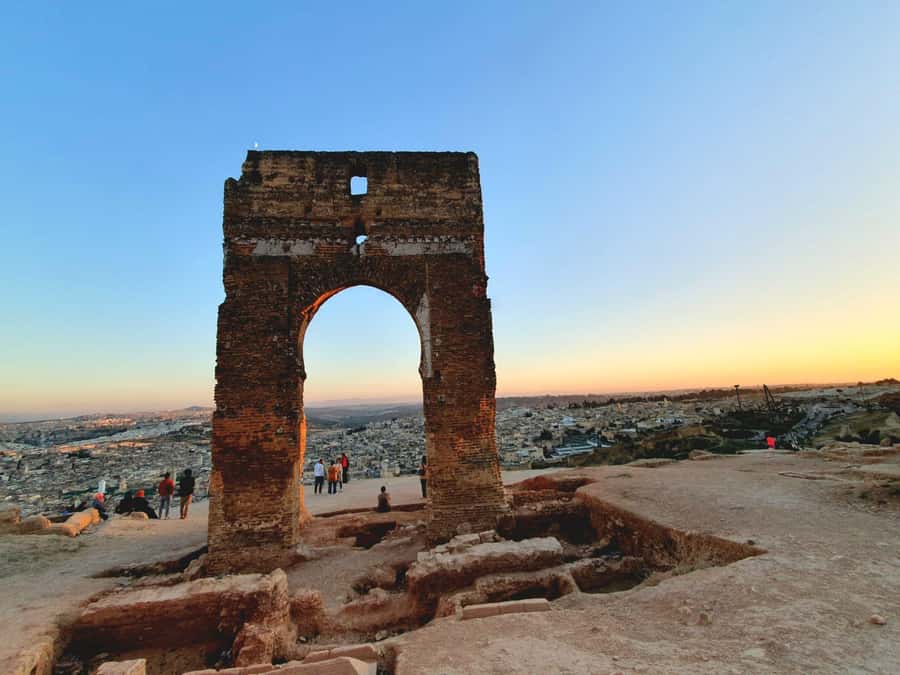
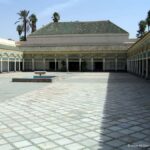
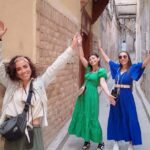
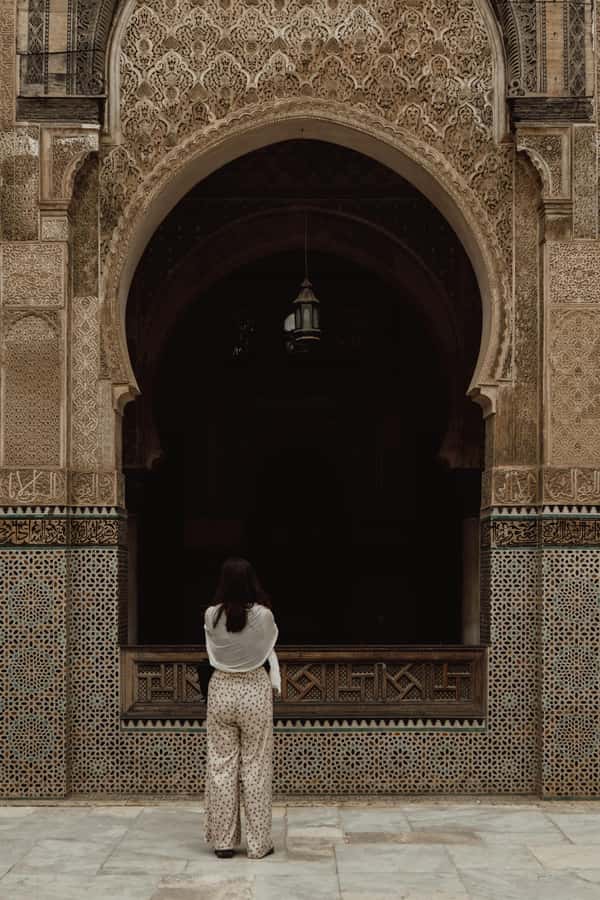
One of the first major stops is Bou Inania Madrasa. This is where the tour gives you more than a photo op. You’ll get the background on the building and why it’s considered important in Fez’s historical setting.
Madrasas are more than pretty courtyards. Even without getting technical, you’ll understand how education, religion, and city life were built into the fabric of the Medina. In Fez, design isn’t decoration—it’s function and meaning.
What I liked: the tour doesn’t treat monuments like isolated islands. It connects what you’re seeing to the city’s rhythm, so the next lane you walk through feels less random.
Al-Attarine Madrasa and the feel of Fez’s craft culture
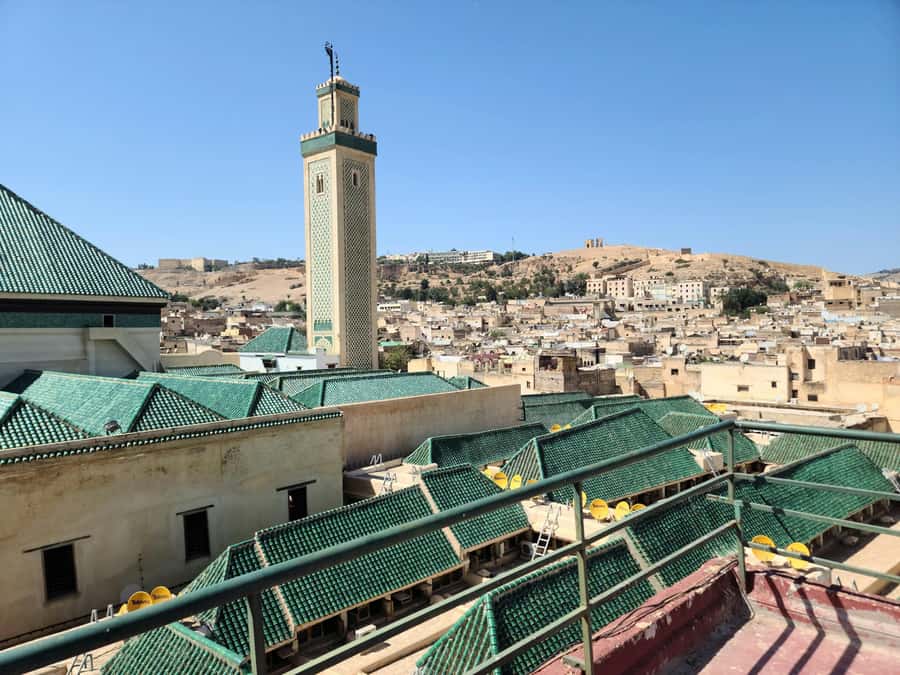
After Bou Inania, the tour continues to Al-Attarine Madrasa. Like the first site, you’ll spend time appreciating the architecture and hearing the story behind it. In my experience, this second madrasa stop helps you “see the patterns”—how different parts of the Medina reflect the same cultural priorities.
From a practical viewpoint, this portion also acts like a warm-up. You’re still walking, but the landmarks give your brain something to anchor to. Then later—when the route shifts toward workshops and markets—you’ll feel more confident navigating.
A small reality check: madrasas can mean crowds depending on the day. Your guide’s job is to keep the flow moving while you get the explanations.
Tanneries: the sensory stop that makes the tour real
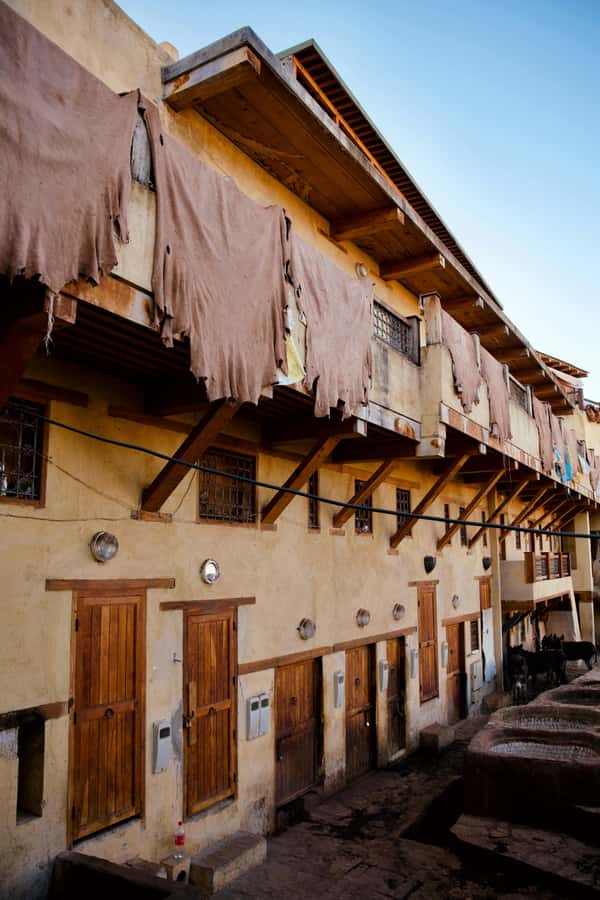
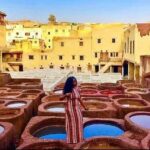
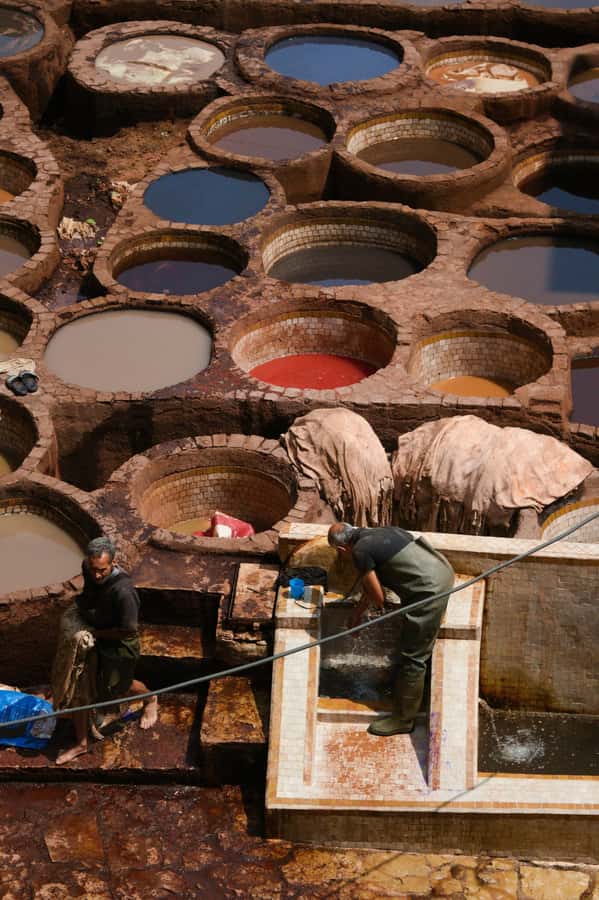
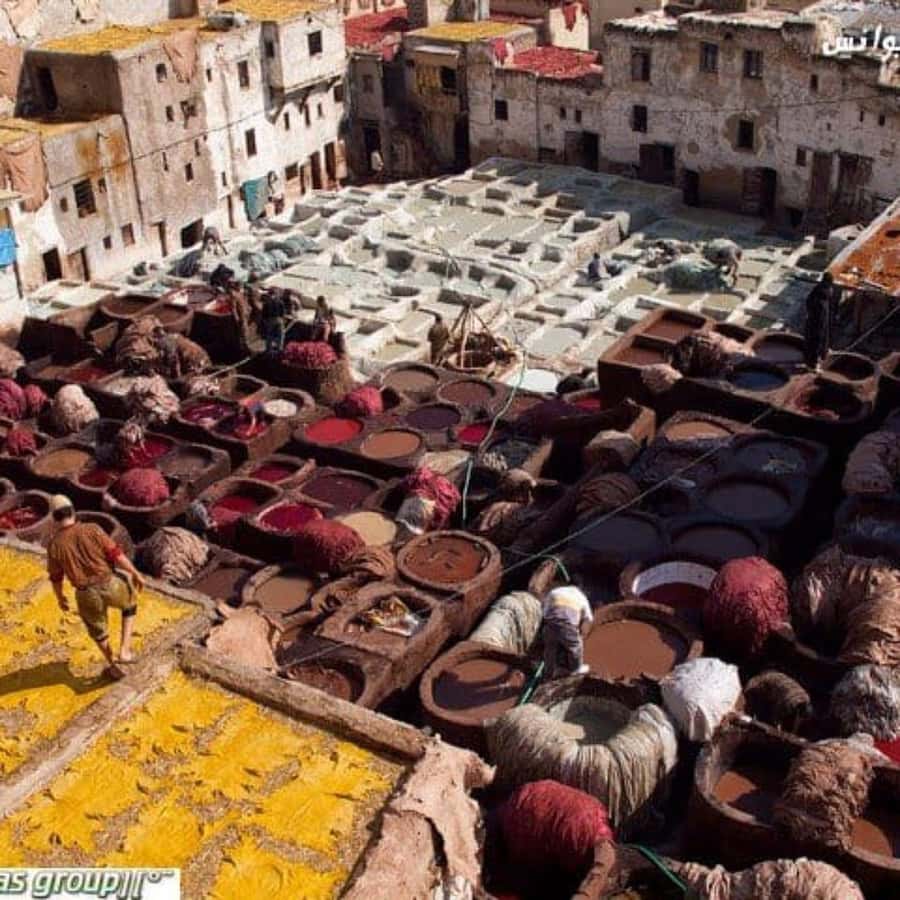
Next comes one of the most memorable parts: traditional tanneries where leather has been processed for centuries. You’ll see techniques that have been passed down through generations, and you’ll get context for how the process works and why this craft mattered to Fez’s economy.
Even if you’ve seen leather explained before, the difference here is scale and repetition. It’s not a single demonstration—it’s a working system. You’ll get to witness how the work happens in the spaces where locals actually do business.
Be honest with yourself: this stop can be intense for senses. Expect strong smells and lots of visual activity. Bring a nose-ready attitude, and keep your camera handy, because the process is full of detail.
Souks and shopping: browsing with a plan
After the tanneries, you’ll move through the souks—the lanes where daily shopping happens. This is where your guide helps you avoid the biggest tourism mistake: wandering too long without knowing what you’re looking at.
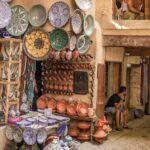
You’ll be able to mingle, observe, and buy souvenirs if you want. Many people end up surprised by this portion because it’s not only about buying. Your guide helps you understand what you’re seeing—materials, tools, and the difference between mass-produced items and pieces made by artisans.
If you plan to shop, do it smart:
- Ask questions first about what something is made from and how it’s made
- Save the major purchases for later in the day, when you’ve seen more workshops and can compare
Also, keep an eye on time. You’ll have free time at the end to wander again and shop, but it’s best not to lock into a purchase too early unless you’re sure.
You can also read our reviews of more guided tours in Fes


The Moroccan lunch stop that actually changes your day
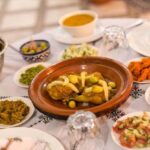
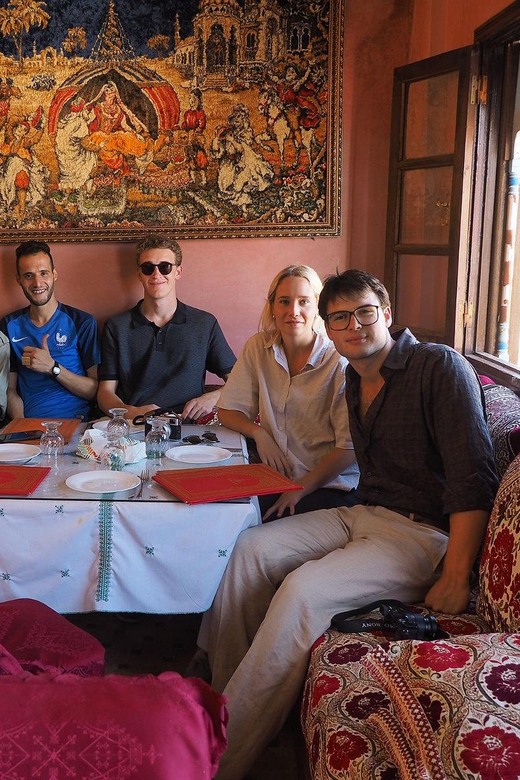
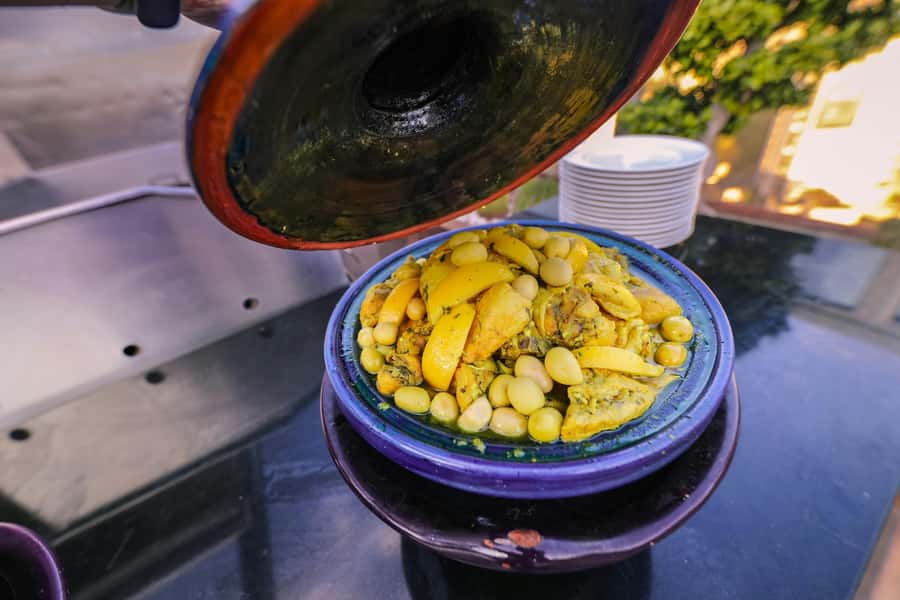
Mid-tour, there’s a break for Moroccan lunch at a local restaurant. This isn’t just a pause for food—it’s a reset for your energy. After walking, looking, and learning for hours, sitting down makes the rest of the Medina feel more doable.
One helpful detail: in practice, this tour often includes street food tastings along the way (you may get small samples), but the day still includes a dedicated lunch stop. Either way, you’re not left guessing where to eat.
What I’d recommend: hydrate before you’re hungry. In Fez’s Old Medina, you’ll lose track of time quickly, and heat + walking can sneak up on you.
Artisan workshops: what you’re paying for (and why it costs)
After lunch, you visit an artisan workshop area where skilled artists make traditional handicrafts. The big value here is understanding the work. When you watch hands repeat careful motions for hours, you stop thinking of craft as just decoration.
In the field, I found this part especially convincing because it shifts the conversation from price to process. You’ll see the labor behind items, and that makes bargaining feel less like arguing and more like negotiating with context.
From what I gathered through guide-led moments (particularly with Abdul), these visits also tend to be relationships, not random store stops. That matters because you’re more likely to get real explanations instead of a scripted sales pitch.
What the tour feels like in real time (it may run longer)
The advertised duration is 4 hours, but the day’s rhythm is driven by walking pace, questions, and how long you want to linger. In real-world terms, I’d plan for extra time unless you’re willing to rush photos, explanations, and browsing.
This is why the tour works best as a “main event” day. Don’t schedule tight plans right after. If you need to get back to your hotel quickly, give yourself a buffer and don’t underestimate how long it takes to reorient in the maze.
Also, the walk includes uneven ground and steps. Even if you feel fine at the start, your legs might feel it later—especially in warmer months. Comfortable shoes aren’t optional here; they’re the whole point.
Who should book this Fez walk, and who should skip it
This tour is best if you want more than monument-hopping. You’ll get history plus hands-on craft understanding: madrasas, tanneries, souks, lunch, and workshop time.
You’ll likely enjoy it most if:
- You like guided context that makes the Medina easier to navigate
- You’re interested in crafts and how items are actually made
- You want a structured walk but still want time to browse
Skip it if:
- You have mobility challenges that make stairs and narrow lanes hard
- You hate strong smells (the tannery stop is a major factor)
- You want a quiet, minimal-walking experience
Value for $22: what you’re really buying
At $22 per person for a roughly half-day guided experience, this feels like good value if you want three things covered in one go: key historic architecture, the working craft side of Fez, and a meal.
The included parts are straightforward: a tour guide, a walking tour, plus visits to workshops. Hotel pickup and drop-off are not included, so you’ll need to handle getting to Bab Guisa on your own.
In exchange, you’re not just paying for someone to walk with you. You’re paying for:
- Direction and pacing through the Medina
- Explanations you’d struggle to piece together alone
- Access to workshop areas and real conversations about materials and making
If you’re the type who spends hours stuck trying to decide what to see next, this tour can be a shortcut to confidence.
Should you book this guided Medina tour?
If this is your first day in Fez (or your first time in a major labyrinth like this), I think it’s a strong choice. The route hits the big “why this place matters” anchors—madrasas and craft work—then gives you enough souk time to turn learning into shopping without getting overwhelmed.
I’d book it if you want a guide who can connect architecture, daily life, and craftsmanship, and who makes the walk feel organized. The day is active, sometimes longer than the headline time, and not built for mobility limits—but for most able walkers, it’s a smart, high-value way to understand Old Fez.
FAQ
Where is the meeting point for the tour?
The tour meets at the arch at Bab Guisa. Look for the guide in a uniform or holding a sign with the activity provider’s logo.
How long is the Fez guided walking tour?
The duration is listed as 4 hours.
What languages are available for the live guide?
The guide offers English, French, and Spanish.
What is included in the price?
Included items are the tour guide, a walking tour, and workshop visits.
Is hotel pickup and drop-off included?
No. Hotel pickup and drop-off are not included.
Is lunch included?
Yes. The experience includes Moroccan lunch at a local restaurant.
What should I bring?
Bring comfortable shoes, a sun hat, an umbrella, camera, sunscreen, a charged smartphone, and a passport or ID card (a copy is accepted).
Are there any restrictions on what to wear or bring?
Avoid luggage or large bags and sleeveless shirts.
FAQ
Is this tour suitable for people with mobility impairments?
No. It is not suitable for people with mobility impairments.
What’s the cancellation policy?
There is free cancellation up to 24 hours in advance for a full refund.
Can I reserve and pay later?
Yes. It offers reserve now & pay later, so you can book and pay nothing today.