REVIEW · FES
From Fez: Middle Atlas and Monkey Forest Day Trip
Book on GetYourGuide →Operated by Sami trip · Bookable on GetYourGuide
One day can change how you see Morocco. This Middle Atlas outing strings together Berber life in a cave and Barbary macaques in cedar trees, plus the shock of Ifrane’s French-style streets after the earthy villages around Fez. I especially liked how guides like Youssef and Abdul set the tone early, with clear explanations and a relaxed pace that makes the day feel like a conversation, not a checklist.
The main thing to watch is the add-ons and timing. The cave entrance has a small fee (and lunch isn’t included), so bring a bit of cash and don’t plan on a big sit-down meal being covered.
In This Review
- Key Points To Know Before You Go
- Fez To Immouzar: The Ride Sets the Mood
- Immouzar Cave Homes And Cave Tea With a Berber Family
- Cave fee and what it means for your budget
- Ain Vital Viewpoints: Quick Photos, Real Elevation
- Ifrane National Park: Cedar Forests And Barbary Macaques
- Feeding macaques: possible, not guaranteed
- Endangered species context
- Ifrane Town: French-Inspired Streets, Stone Lion, and Campus Life
- Al Akhawaine University stop
- Azrou At 4,100 Feet: Berber Traditions You Can Actually See
- Why Azrou works on a one-day trip
- Lunch In the Middle: Plan Around It
- The Tea Cave and the Human Part of the Trip
- Price and Value: Why About $22 Can Still Feel Worth It
- Comfort, Timing, and Who This Tour Fits Best
- You’ll likely enjoy this if:
- You might want to skip or adjust if:
- Should You Book This Fez To Middle Atlas Monkey Forest Trip?
- FAQ
- How long is the trip?
- Where does the tour start?
- What’s included in the price?
- Is the cave entrance fee included?
- Is lunch included?
- What languages are offered?
- Is there free cancellation?
- Is this tour wheelchair accessible?
Key Points To Know Before You Go
- Hotel pickup in Fez means you skip the hassle of sorting transport on day one
- Berber cave tea with a local family gives you more than a photo stop
- Ifrane National Park cedars are the setting for endangered Barbary macaques
- French-era Ifrane details, including the big stone lion and campus sights
- Azrou at 4,100 feet adds real village texture, from flocks to trades like carpentry
- Optional money moves: cave entrance fee (€2 per person) and lunch cost extra
Fez To Immouzar: The Ride Sets the Mood
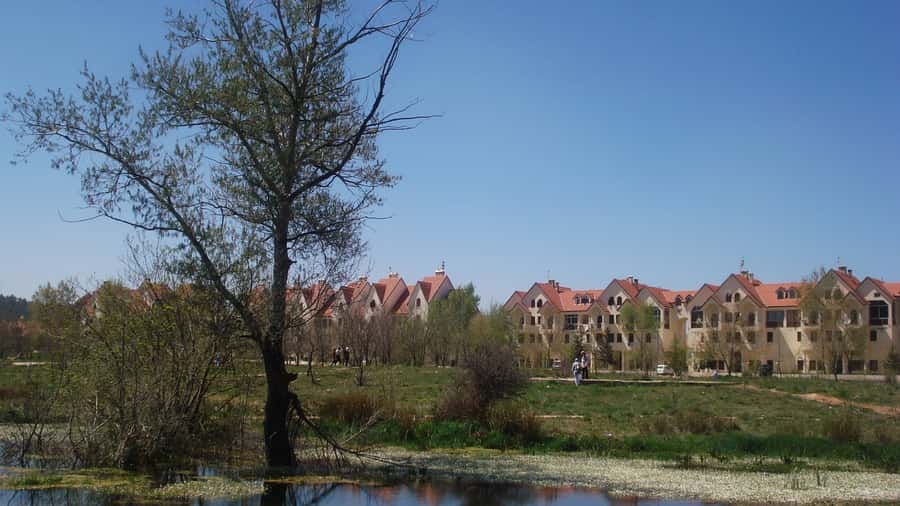
The day starts with pickup from your Fez hotel, then you’re off in an air-conditioned vehicle headed toward the Middle Atlas. That ride matters more than it sounds. The mountains start changing the air and the light long before you reach the forest, so you’ll feel like you’re already leaving the city behind.
Your first real cultural stop is Immouzar, a town known for its September Apple Festival. Even if you’re not traveling during that month, I like how the guide frames local traditions here, so later village moments in Azrou and the Berber cave tea feel connected instead of random.
A few more Fes tours and experiences worth a look
Immouzar Cave Homes And Cave Tea With a Berber Family
One of my favorite parts of this trip is the chance to step into a traditional cave-house setting and share tea the local way. This is the “slow moment” on an otherwise busy day, and it’s also the part most people remember.
You’ll see cave homes used by Berber communities in the area, and then you’ll get served Moroccan tea in a family setting. It’s simple, but it’s also a culture lesson: hospitality is the point, and the conversation usually runs on whatever you’re curious about, from daily life to local customs.
Cave fee and what it means for your budget
The cave entrance fee is not included, listed at €2 per person. For a tour priced around $22, that’s still reasonable, but it’s one of those small “surprise” costs you should plan for so you don’t start the day feeling nickel-and-dimed.
Ain Vital Viewpoints: Quick Photos, Real Elevation
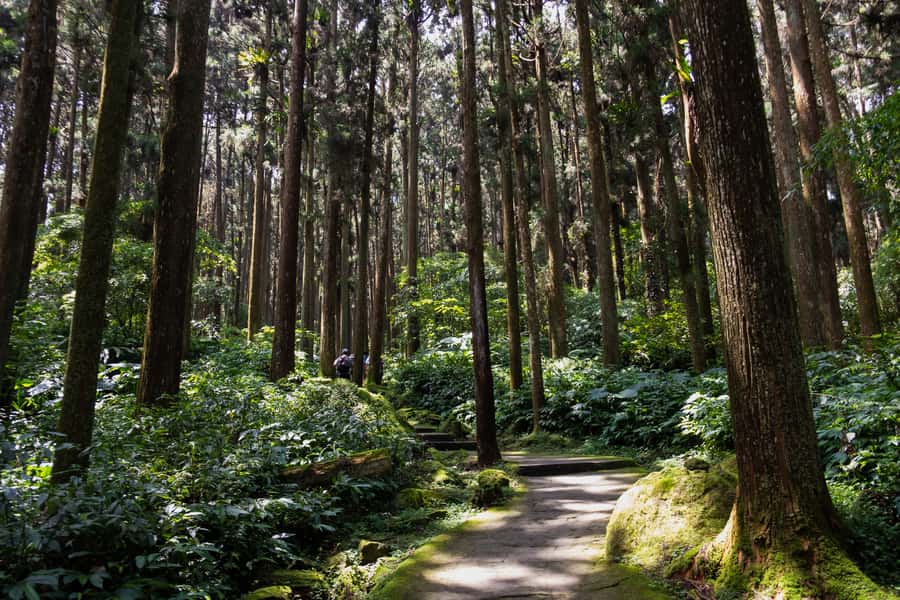
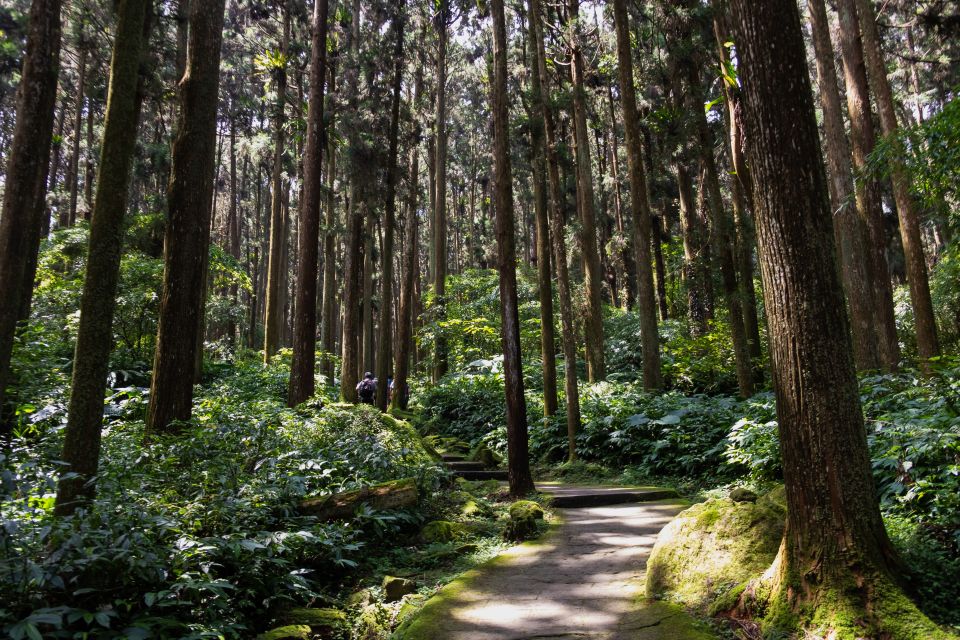
Before Ifrane, the tour makes time for a scenic stop at Ain Vital. This is less about history and more about getting that Middle Atlas feeling—open hills, crisp air, and viewpoints that make you understand why people slow down here.
It’s also a practical break in the day. If your legs have been stiff from the car, this stop gives you a chance to stretch and grab photos without forcing it. Don’t overthink it: if the sky is clear, your camera will thank you.
Ifrane National Park: Cedar Forests And Barbary Macaques
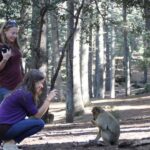
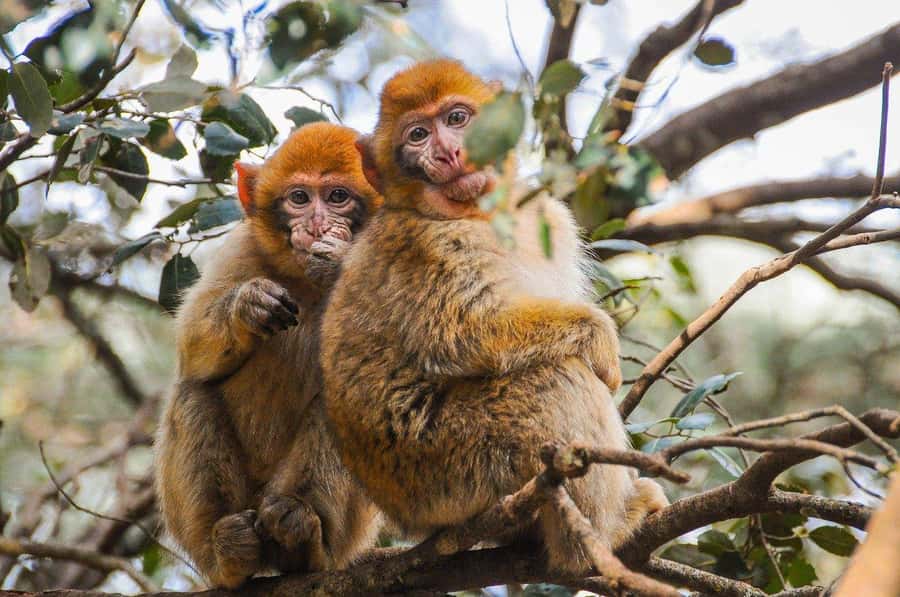
Then comes the main wildlife moment: Ifrane National Park and the cedar forest where you can spot Barbary macaques. This is where the trip earns its name. The apes aren’t just far-off “look with binoculars” wildlife; you’re walking in their environment, usually close enough for a genuinely memorable encounter.
I like that the guides explain what you’re seeing before you reach the trees. That means less guesswork on your part and fewer chances to do the wrong thing around wildlife.
Feeding macaques: possible, not guaranteed
Some guides may point out vendors where you can buy nuts and feed the monkeys. If that option is available and local rules allow it, it can turn a good sighting into a fun one. Still, keep your expectations flexible—wildlife behavior changes by day, and not every moment will look the same.
Endangered species context
The Barbary macaque is endangered, and the cedar forest setting is part of why this area matters. Even if you’re not a conservation nerd, it gives weight to what could otherwise be “just cute animals in trees.”
Ifrane Town: French-Inspired Streets, Stone Lion, and Campus Life
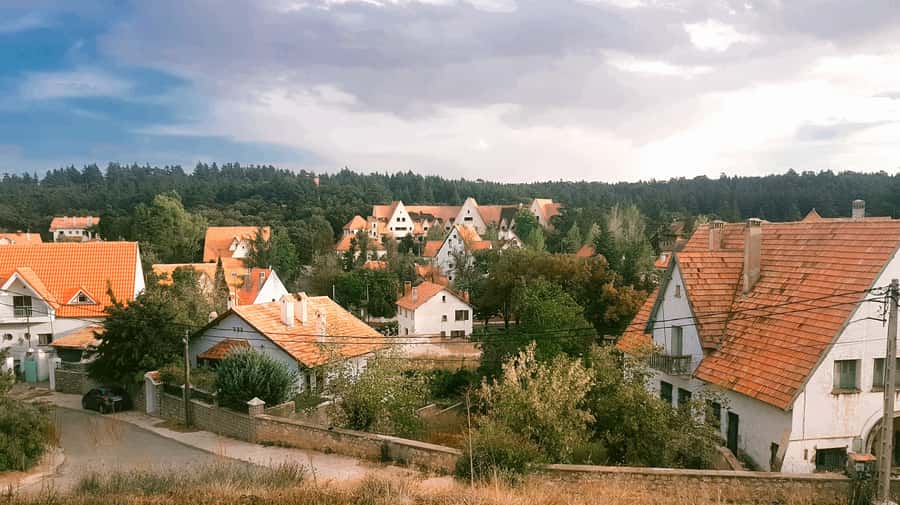
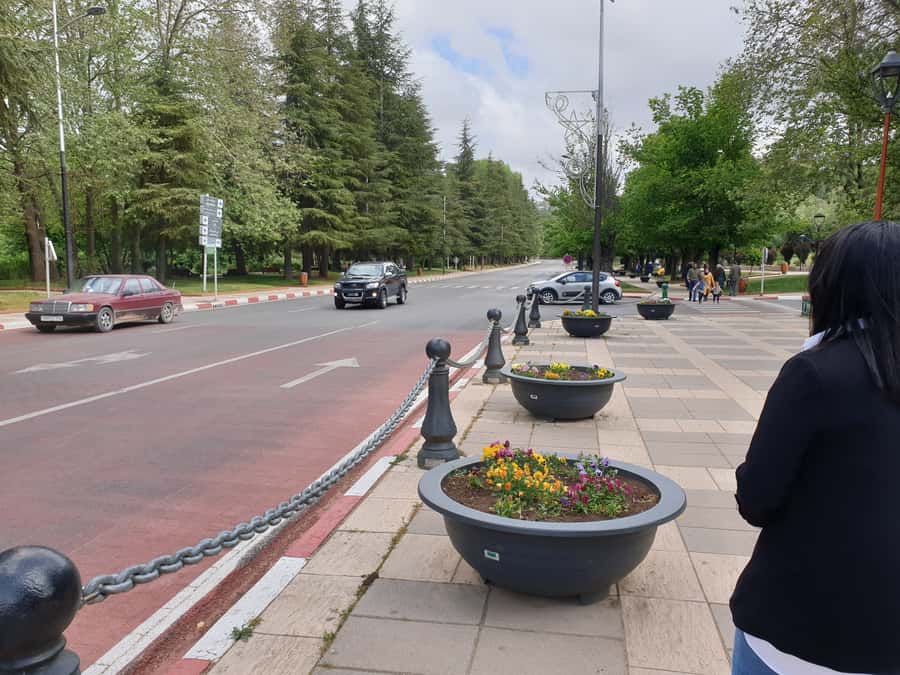
After the forest, the tour shifts gears back into town, with Ifrane as the standout “culture switch.” Ifrane was founded in 1930 by French immigrants, and you’ll feel that influence right away through the buildings and street vibe.
You’ll also see the massive stone lion in town. It sounds like a random landmark until you’re standing in front of it—then it works as a real marker of why Ifrane feels like a mountain town with a different identity than the villages around Fez.
Al Akhawaine University stop
The tour includes time to explore the area around Al Akhawaine University. It’s not about turning this into a classroom visit. It’s more about seeing how people actually live and study in a place that looks like a European-style mountain resort from a distance.
A nice bonus: you usually get some walking time through alleys with French-inspired architecture. It’s a chance to slow down, see details, and compare the feel of Ifrane to the Berber villages you saw earlier.
Azrou At 4,100 Feet: Berber Traditions You Can Actually See
Next up is Azrou, set at about 4,100 feet in the Middle Atlas. This stop gives the day balance. After monkeys and French-style architecture, Azrou feels grounded and human-scale.
Azrou is a traditional Berber village, and the tour typically focuses on daily life: you may see traditional houses and watch men walking with their flocks. The tour also points out local trades, including carpentry and flour-related work like grinding.
Why Azrou works on a one-day trip
If you only visited Ifrane and the national park, you’d miss the “how people live here” angle. Azrou fills that gap. It’s also a good reminder that you’re not just visiting scenery. You’re passing through communities with rhythms that existed long before day-trippers arrived.
Lunch In the Middle: Plan Around It
Lunch is not included. You’ll stop for lunch after leaving the park, and the meal is arranged through a local spot selected by the operator.
This can be a plus or a minus depending on your style. I like it because it keeps the afternoon from turning into frantic searching. But you should budget extra and be ready for Moroccan lunch timing, which may not match what you’re used to at home.
If you’re picky about food, choose a simple plan: confirm with your guide what dishes are available, and don’t wait until you’re seated to ask questions.
The Tea Cave and the Human Part of the Trip
A lot of tours promise culture. This one tries to deliver it at two different levels: the public scenery (Ifrane, cedar forest) and the private hospitality moment (the Berber family tea).
The tea cave is where guides often shine. People doing this day trip talk about guides who explain things clearly, then step back so you can interact naturally. Guides like Othman, Said, and Tariq are repeatedly described as friendly, informative, and good at adjusting the day so people feel comfortable.
That adjustment is important. Weather can change how wildlife behaves in the cedar forest, and sometimes a cave stop can be altered for safety reasons. A good guide is the difference between a “well, that happened” day and a “they handled it for us” day.
Price and Value: Why About $22 Can Still Feel Worth It
At around $22 per person, the value here is in what you get for the price and what’s handled for you. You’re paying for pickup and drop-off in Fez, a driver, and entry fees to attractions (with the cave entrance listed separately).
Here’s what you’re effectively buying:
- Transport comfort out of Fez and back, including air-conditioned time in the car
- Entry fees to the main stops, so you’re not doing paperwork mid-day
- A guide who can translate what you’re seeing into something meaningful
The main extra costs are the cave entrance fee (€2 per person) and lunch (not included). When I price that in, the trip still looks fair for a full-day run that covers both wildlife and human culture, without you needing to drive or figure out logistics.
Comfort, Timing, and Who This Tour Fits Best
This is a one-day outing, so it packs a lot into a set route. The good news: the day is structured around stops that change your brain state—village homes, mountain town architecture, cedar forest wildlife, then back to village life.
You’ll likely enjoy this if:
- you want wildlife plus culture in the same day
- you like short guided explanations, then time to look around
- you’re okay with a full schedule and a lunch stop you pay for
You might want to skip or adjust if:
- you hate wildlife encounters and prefer museums only
- you get grumpy when a schedule is driven by animals and weather
- you’re not comfortable with extra small fees like the cave entrance
From what I see in the way guides run the day—safe driving is a repeated theme—the ride itself is usually calm and professional. Still, you’ll be on the road for a day, so bring patience and water.
Should You Book This Fez To Middle Atlas Monkey Forest Trip?
Yes, if you want a day that feels like Morocco outside the medina. The mix is the real selling point: Berber cave tea, Azrou village life, and Barbary macaques in cedar trees, all wrapped around Ifrane’s distinctive French-era mountain vibe.
Book it if you value a guide who’s willing to make the day work, not just recite facts. The strongest signal here is guide quality—people consistently mention guides by name, highlight safe driving, and praise the humor and thoughtfulness that makes the experience feel human.
I’d hesitate only if you’re trying to do this on a shoestring with no room for lunch and the cave fee. Otherwise, this is a solid one-day way to see the Middle Atlas without turning your trip into a DIY spreadsheet.
FAQ
How long is the trip?
It’s a 1-day excursion.
Where does the tour start?
You get pickup and drop-off from your hotel in Fez.
What’s included in the price?
Included items are hotel pickup and drop-off, the driver, entry fees to attractions (except the cave), and water.
Is the cave entrance fee included?
No. The cave entrance fee is €2 per person and it’s not included.
Is lunch included?
No. Lunch is not included.
What languages are offered?
The driver can speak English, French, Spanish, Icelandic, and Italian.
Is there free cancellation?
Yes. Free cancellation is available up to 24 hours in advance for a full refund.
Is this tour wheelchair accessible?
Yes. The tour is listed as wheelchair accessible.