REVIEW · FES
Fez Medina: Local Cultural Highlights Guided Tour
Book on GetYourGuide →Operated by Sami trip · Bookable on GetYourGuide
One wrong turn in Fes can turn into an hour. That’s why I like this guided format: you get the medina’s big sights and the smaller craft stops that explain how the city actually works.
In This Review
- What I Like: Crafts You Can Watch, History You Can Read
- One Thing to Consider: The Day Runs Long in Tight Streets
- Key Highlights You’ll Care About
- How This Tour Gets You Through the Medina Without Losing the Plot
- Pick-Up and Your Mid-Morning Start: Why Timing Helps
- Place Seffarine Metalworkers: Watching Craft Before You Shop
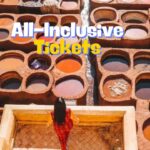
- Tanneries and the University Connection: Culture With a Timeline
- Attarine Souk, Medersa, and Nejjarine Square: Where the Details Matter
- The Carpentry Museum in a Caravanserai: A Clever Detour
- South Tower and the City Walls: The View Break You’ll Thank Yourself For
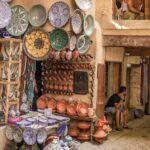
- Ceramics Factory Stop: The Blue-and-White Story Behind Fassi Pottery
- Dar El Makhzen and Bab Boujloud: Ending With Power and Symbol
- Price and Value at Around $17: What Makes It Feel Worth It
- Who This Tour Fits Best (and Who Might Want a Different Style)
- Practical Tips to Get the Most From Your Day
- Should You Book This Fez Medina Tour?
- FAQ
- How long is the tour?
- Where does the tour start and end?
- What does the tour include besides the guide?
- Is lunch included?
- Are entrance fees included?
- What languages are available?
- Is this a private group tour?
- Is it wheelchair accessible?
- What cancellation options do I have?
- Can I reserve now and pay later?
What I Like: Crafts You Can Watch, History You Can Read
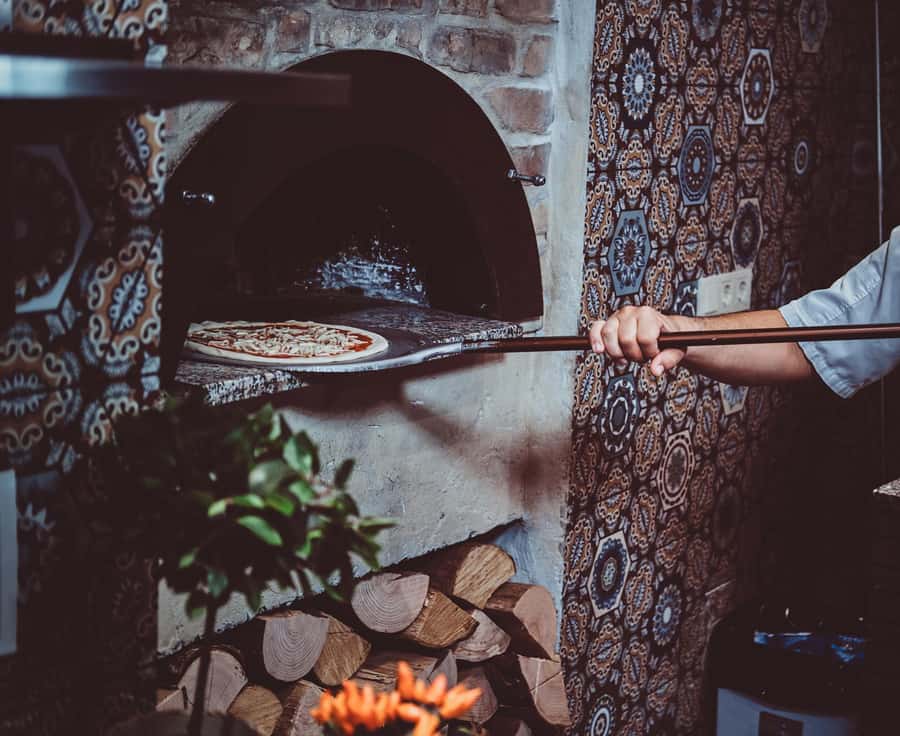
I love the hands-on, real-work stops. At Place Seffarine, you can see metalworkers shaping copper, brass, and pewter, and later a ceramics factory turns traditional blue-and-white pottery into something you understand, not just something you buy. I also like how the tour includes major cultural anchors like Al Quarawiyyine University, so the religion-and-learning side of Fes doesn’t feel like random landmarks.
One Thing to Consider: The Day Runs Long in Tight Streets
This is a long day of walking in a dense pedestrian area, and the route can feel like a lot if you’re hoping for lots of “sit down” time. If you hate crowds or have a low tolerance for getting your bearings in narrow lanes, plan your pace—and talk to your guide about what you want to prioritize.
You can also read our reviews of more guided tours in Fes
Key Highlights You’ll Care About
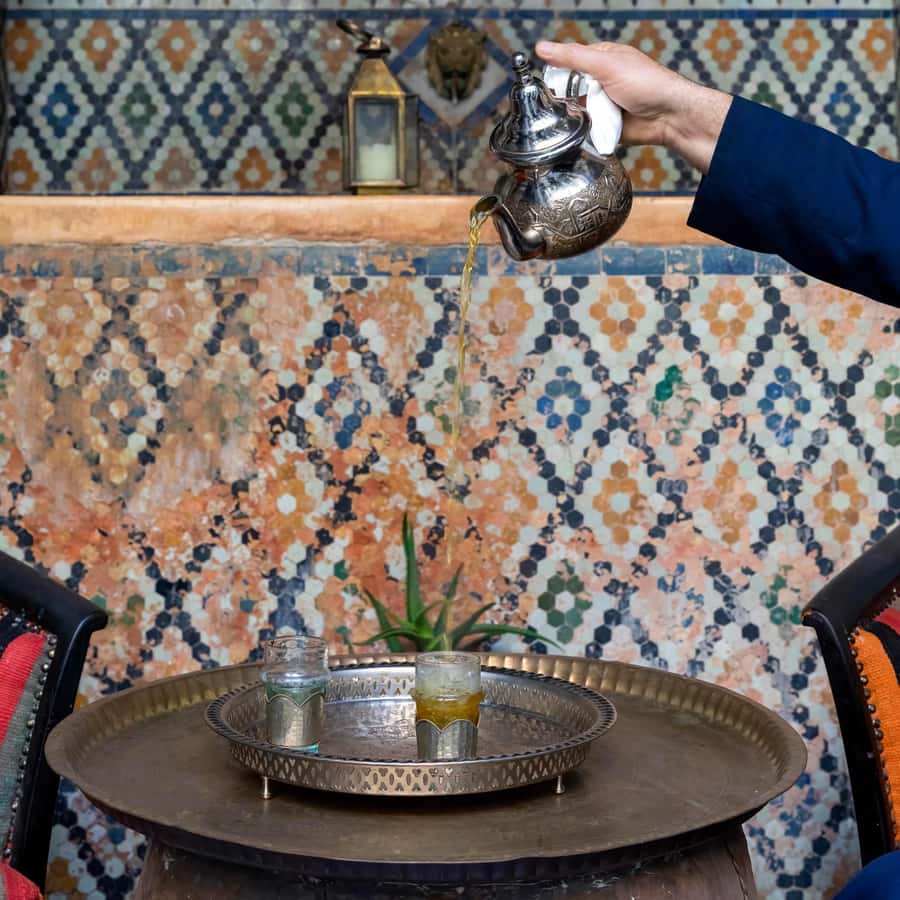
- Place Seffarine metalwork: watch copper, brass, and pewter get made, not just displayed
- Al Quarawiyyine University: see why Fes matters in Islamic culture, with a restored site you can actually appreciate
- Tanneries + historic quarters: get a guided route through places that would be hard to interpret alone
- South Tower panoramic views: a calmer moment to look out over the old town and surroundings
- Dar El Makhzen bronze doors + Bab Boujloud: finish with the palace symbolism and the blue/green gateway colors of Fez and Islam
- Private-group feel: your guide can adjust timing and shop stops to how you want the day to feel
How This Tour Gets You Through the Medina Without Losing the Plot
Fes medina is not a place where you “accidentally” learn things. It’s a tight network of alleys, crafts, schools, and small courtyards that only makes sense once someone points out what you’re looking at. This tour is built for exactly that: you start mid-morning, then spend the day moving from one high-meaning stop to the next, with a guide doing the translation work—cultural and practical.
You’ll be walking in the medina’s massive pedestrian zone, then switching to a comfortable car for a few key viewpoint and perimeter segments. That blend matters. Pure walking can be exhausting. Pure driving can leave you with a hit list but no context. This tour tries to balance both.
Also, the private-group format is a quiet advantage. Even when you’re surrounded by people, your interaction with the guide stays personal. In real life, that means it’s easier to ask questions like: What does this place do? Who uses it? Why is this built this way?
Pick-Up and Your Mid-Morning Start: Why Timing Helps
You’ll get picked up from your hotel mid-morning and dropped back at the end of the day. That’s not just convenience. In Fes, starting at the right time changes the whole feel of the day—less chaos, more momentum, and enough daylight for the panoramic stops.
Guides often vary by language and style, but the common thread is clear instruction and practical flow. In past trips, guides like Youssef were praised for speaking clear English and steering people away from overpriced knockoffs. Others—Reda, Mahmoud, and Nadjib—were praised for adapting the day on the spot, including flexible pacing and tailoring shop time. That flexibility can matter more than you think, because medina days are partly about staying comfortable while the city does what it does.
Place Seffarine Metalworkers: Watching Craft Before You Shop
One of the best ways to enjoy the souks is to understand craft first. Place Seffarine is a perfect starter because you see artisans at work making objects from copper, brass, and pewter. It’s easy to walk past metal goods later and guess wrong about what’s involved. Here, you watch the making, and suddenly the objects have logic.
This is also where you learn a smart shopping trick: don’t shop to fill a bag. Shop to match what you saw. If you like the weight or finish of something, you’re more likely to recognize quality because you’ve watched the process that produces it.
A note from real experiences: some guides are especially good at keeping you in the realm of authentic cooperatives rather than fast-profit stands. Youssef, for example, was specifically praised for taking people to cooperatives and helping avoid knockoffs, with no hard sell pressure. That’s exactly the difference between feeling like you visited shops and feeling like you met makers.


Tanneries and the University Connection: Culture With a Timeline
The next jump in the day is big: you’ll pass through the medina’s world-famous tanneries and then visit Al Quarawiyyine University. This pairing works because Fes isn’t only about beauty. It’s about systems—religious education, skilled labor, and a city built around both.
Al Quarawiyyine University is described as the oldest in the world, and the guide will help you understand its role in Islamic culture. What you’ll likely appreciate most is the “why” behind the place. Without context, a historic institution can feel like a museum stop. With context, it becomes a living explanation of how knowledge and society connect.
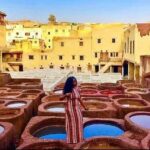
On the tanneries side, go in with your expectations set. This isn’t a gentle stroll where you hold your breath and move on. You’re seeing an industry that shaped the city’s economy and routines for generations. A guide helps you not just look, but interpret what you’re seeing.
Attarine Souk, Medersa, and Nejjarine Square: Where the Details Matter
After the university anchor, the day keeps turning through core neighborhoods and landmark squares.
You’ll visit the Attarine souk, which is one of those places that feels like sensory overload at first—then starts to make sense once you know what to look for. Don’t rush your eyes. Souks in Fes are organized around trades, so even if you don’t buy anything, you’ll learn the city’s logic by noticing where similar goods cluster.
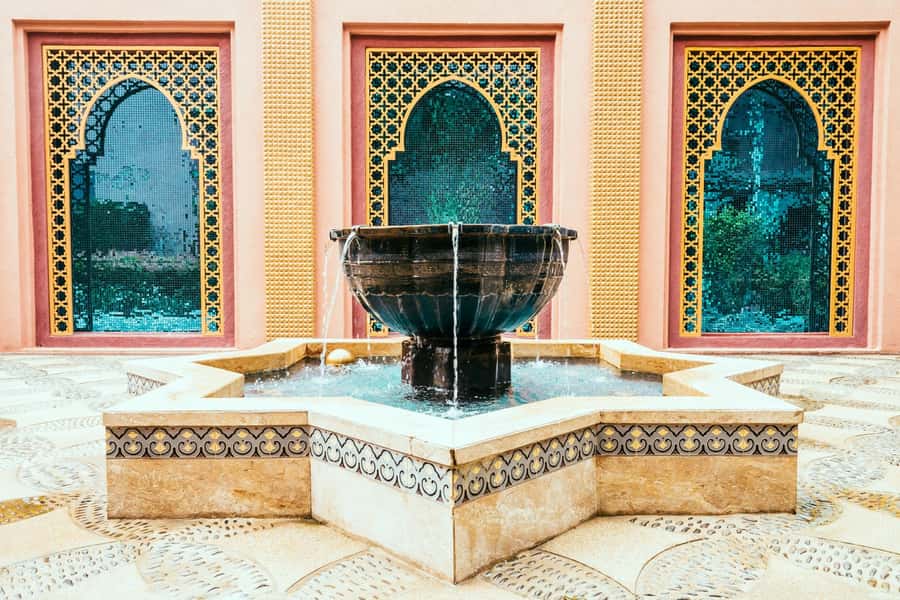
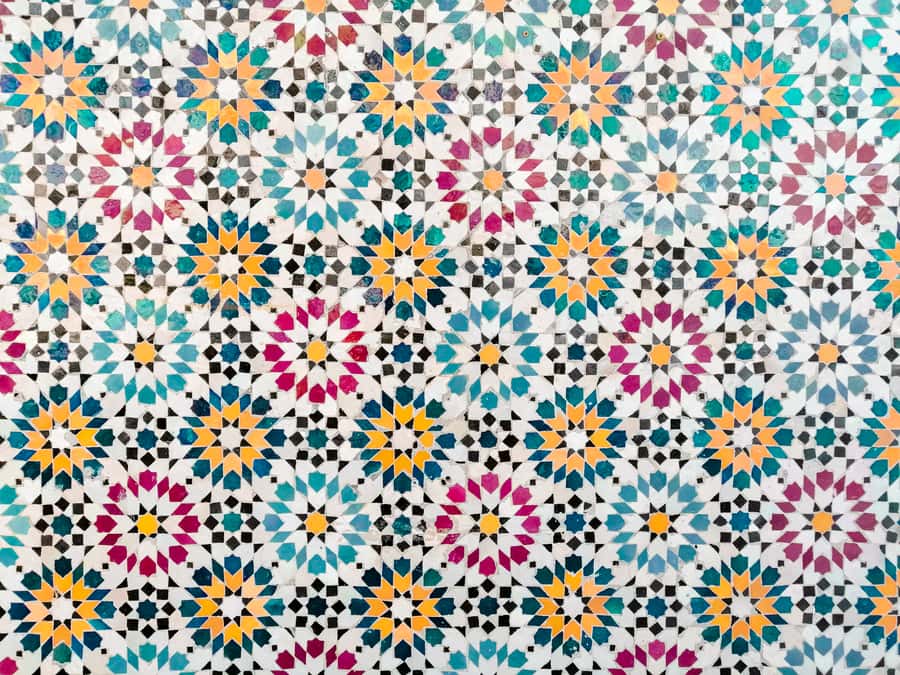
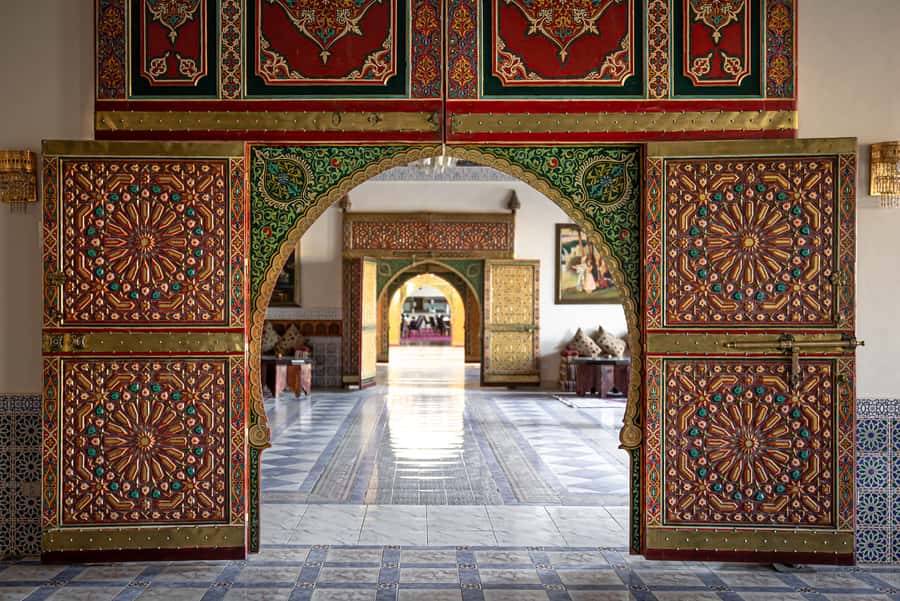
Next comes the Medersa (a decorated religious school) and then Nejjarine square, known for its mosaic work and a public fountain. These are the stops that help you see that Fes style isn’t just decoration. It’s craftsmanship used as communication—teaching, welcoming, marking identity.
If you’re the type who likes to photograph architecture, this is your stretch. Use the gaps between crowded lanes to pause. A guide’s job here is to point you to the “right angle,” so you don’t waste the best moments wrestling your way through people.
The Carpentry Museum in a Caravanserai: A Clever Detour
One of the more satisfying parts of this tour is the stop at a carpentry museum housed in a historic caravanserai. Caravanserais were built for trade routes—places where people and goods moved through. Finding a carpentry-focused museum inside one is a clever contrast.
You’ll come away thinking less like a shopper and more like a student of how travel, commerce, and craft all shaped the city. If you’re tired of only seeing religious sites and want one cultural stop that’s more hands-on, this works well.
South Tower and the City Walls: The View Break You’ll Thank Yourself For
At some point, Fes turns from “look at everything” into “I need space.” That’s when the tour shifts by car to the ancient city walls area and you’ll explore ramparts and gates that lead up to the South Tower.
The payoff is a panoramic view of the old town and its surroundings. This isn’t just pretty scenery. It’s orientation. You finally understand how the medina sits in relation to the rest of the city, and how the walls shaped movement, safety, and urban design.
Guides have a habit of pointing out little things you’d miss if you were on your own: where streets channel, how the city layers, and what parts are older fabric versus later expansion. If you remember one viewpoint, make it this one.
Ceramics Factory Stop: The Blue-and-White Story Behind Fassi Pottery
The next craft stop is a ceramics factory, with artisans making traditional blue and white Fassi pottery, plus other colorful designs. This is valuable because ceramics in Fes isn’t random. Pattern, style, and technique tie back to local tradition and trade demands.
If you’re tempted to buy souvenirs, this is a smart moment to slow down. You’ll likely be able to tell the difference between mass-produced lookalikes and pieces that show consistent work. Even if you don’t buy, it gives you a mental “decoder ring” for what you’ll see in the medina after.
Dar El Makhzen and Bab Boujloud: Ending With Power and Symbol
You’ll finish with two of the most visually dramatic cultural symbols.
First is Dar El Makhzen, the royal palace of Fez, known for seven massive bronze doors. Even if you don’t fully connect to palace history, you can still appreciate the craftsmanship and intention behind the scale. Bronze doors aren’t subtle. They’re a statement.
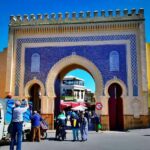
Then you’ll head to Bab Boujloud, the main gate of the medina, decorated in blue for Fez and green for Islam. The color scheme isn’t decoration for decoration’s sake. It’s identity you can read at a glance—an easy final note to remember even when the rest of the day felt like information overload.
You’ll get a short drive back to your accommodation, closing the day with less stress than a late, solo return through the medina.
Price and Value at Around $17: What Makes It Feel Worth It
At about $17 per person for a full day, the value comes from three things:
- You’re paying for navigation and interpretation
Fes medina is big and confusing. A guide reduces wasted time and helps you see meaning, not just sights.
- You’re getting craft access, not only street photos
Stops like Place Seffarine and the ceramics factory are the kind of experiences that turn souvenirs from impulse buys into informed choices.
- You get a guided structure plus comfort breaks
You’ll do most of the day on foot, but you also get car transfers for the perimeter and viewpoint segments.
Lunch is a stop at a traditional restaurant, but lunch cost isn’t included. Entrance fees to museums and attractions aren’t included either. So you should budget a bit extra for meals and ticketed sites. Still, considering what you see in one day, it generally feels like a fair deal.
Who This Tour Fits Best (and Who Might Want a Different Style)
This tour fits you best if you:
- want a one-day plan that hits major UNESCO-era medina highlights plus craft stops
- like learning the story behind what you see (religion, education, trade, and workmanship)
- prefer private-group pacing over a huge cattle-track group
It might feel too full if you:
- want long, relaxed breaks between stops
- hate shopping pressure scenes—some craft stops sell items, and even if guides typically manage it well, the environment is still sales-adjacent
- get frustrated when a day’s details run late due to real-world timing changes (this has happened for some people when parts of the drive segment didn’t occur as described)
Practical Tips to Get the Most From Your Day
A few things will make the experience smoother.
- Wear comfortable shoes. You’ll spend a lot of time inside the medina’s pedestrian zone.
- Tell your guide what you want most. If you care about crafts, say so early. If you want more viewpoints, say it before you’re deep in the alley maze.
- Use craft stops as buying windows. If you plan to shop, it’s smarter to decide while you remember what you saw being made.
- Ask for clarity when timing feels off. One common complaint was confusion about how much time should be in the medina versus the car segment. If you ask, guides can usually adjust the plan.
Guides like Abdul Razak and Abdul were praised for showing places beyond the obvious tourist corridor and guiding people to more local food and everyday-life stops. That’s the benefit of speaking up early: you shape the day.
Should You Book This Fez Medina Tour?
If you want a fast, well-structured way to understand Fez Medina without wandering for hours with no context, this is a strong bet. The best parts are the craft observation stops (metalwork and ceramics) and the cultural anchors (Al Quarawiyyine, medersas, and the palace-and-gate finish).
I’d book it if you’re okay with a full day and you’d rather pay for guidance than gamble on self-guided interpretation. Skip it only if you’re looking for a short, low-walking experience or you want strictly museum-style visits with lots of seating.
FAQ
How long is the tour?
It lasts 1 day, designed as a full-day exploration.
Where does the tour start and end?
You’re picked up from your hotel mid-morning and dropped back at your accommodation at the end of the day.
What does the tour include besides the guide?
It includes comfortable transportation throughout the day and an expert local guide who provides commentary.
Is lunch included?
Lunch is included as a stop at a traditional restaurant, but the lunch cost is not included.
Are entrance fees included?
Entrance fees to museums and attractions are not included.
What languages are available?
The live tour guide is available in French, English, and Italian.
Is this a private group tour?
Yes, it’s a private group.
Is it wheelchair accessible?
Yes, the tour is listed as wheelchair accessible.
What cancellation options do I have?
Free cancellation is available up to 24 hours in advance for a full refund.
Can I reserve now and pay later?
Yes. You can reserve now and pay later, keeping your travel plans flexible.