REVIEW · CASABLANCA
10-days Private tour in Morocco: Sahara Desert + Imperial Cities
Book on Viator →Operated by Siroco Tours · Bookable on Viator
A private loop through Morocco’s big moments. This 10-day trip blends Imperial Cities sightseeing with an overnight Sahara camp, guided by Hassan and driven by Achmed. You get the comfort of a private, air-conditioned vehicle plus enough freedom to breathe, not just check boxes.
Here’s what I like most: you’ll do the classic “big cities” (Casablanca, Rabat, Fez, Marrakech) with real context, then you’ll switch gears to Merzouga’s dunes with camel time and a desert-night camp. One drawback to plan for: museum and monument entrances are not included, so your per-day spending can creep up once you start adding sights.
In This Review
- Quick hits before you go
- Casablanca to Rabat: starting with icons and the ease of a private car
- A quick style note
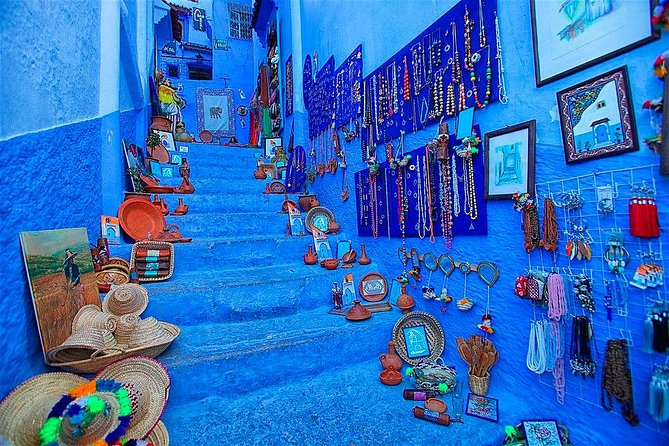
- Chefchaouen: the blue city stays calm when the schedule is realistic
- Fez with a dedicated medina guide: where details matter (and time is the secret)
- Dinner with choices
- Volubilis and Meknes: Roman scale and royal ambition in the same day
- The trade-off
- Atlas forests, the Ziz Valley, and the fossil stop that changes how you see the desert
- Merzouga and the dunes: coming in for sunset, leaving with new scale
- Khamlia: Gnawa music in the middle of nowhere
- Overnight in the Sahara: luxury tent comfort meets real desert time
- Comfort note
- Todra Gorges and the Dadès Valley: narrow rock walls and a slower finish
- Ouarzazate, Ait Ben Haddou, and kasbah country: the route where time feels physical
- Marrakech’s night comes early
- Marrakech with a historian and real “room to wander”
- Timing matters
- Price and logistics: what you pay for, what you should budget for
- Should you book this Sahara + Imperial Cities tour?
- FAQ
- Are flights included in the price?
- Is the Sahara Desert overnight included?
- Do I get a camel ride?
- How many meals are included?
- Is pickup available?
- Are museum and monument entrance fees included?
- Is this tour truly private?
- Can I add a hot-air balloon in Marrakech?
- What kind of transport do I use during the trip?
Quick hits before you go
- A guide built for history and street-level reality: Hassan runs the show and helps you understand what you’re seeing, not just where to stand for photos
- Sahara overnight, not a day trip: the luxury desert tent stay makes Merzouga feel like an actual journey, not a detour
- Camel ride plus time for dunes at golden hour: you get the sunset rhythm and the cool morning light too
- Food choices stay flexible: 3 included dinners, with many meals left open for you to pick your vibe
- A real mix of Morocco settings: Atlantic city life, blue-medina charm, Atlas forests, kasbah country, and Marrakech energy
Casablanca to Rabat: starting with icons and the ease of a private car
Your trip kicks off in Casablanca, and the pacing is immediately practical: you arrive, your guide greets you, and you’re on the move without playing airport-taxi roulette. Casablanca can feel like a launch pad in guidebooks, but it works well here because you start with a true landmark—the Hassan II Mosque.
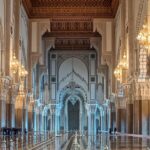
Even if you’re not planning a deep religious study, it’s worth it. The Hassan II Mosque is rare because non-Muslims can visit, and your guide explains what you’re looking at and how traditions shape the space. Expect a guided experience that helps you connect the building to Morocco’s modern identity.
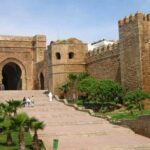
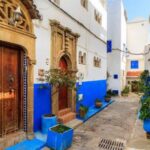
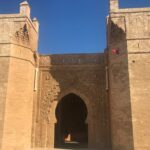
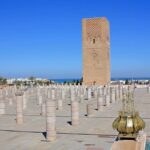
Then you’ll roam Rabat’s royal-era vibe: broad avenues, green spaces, and the city’s monumental layers. You’ll see the Hassan Tower area and the Mausoleum of Mohammed V, plus the Kasbah des Oudaias fortress complex. The fortress gardens are a nice pace-break—orange trees, white-and-blue quarters, and a calmer feel after big-city sights.
You can also read our reviews of more private tours in Casablanca
A quick style note
This tour works best if you like having someone handle the “why” while you handle the “when.” Private transport means you won’t waste hours waiting in line for shared timing.
Chefchaouen: the blue city stays calm when the schedule is realistic
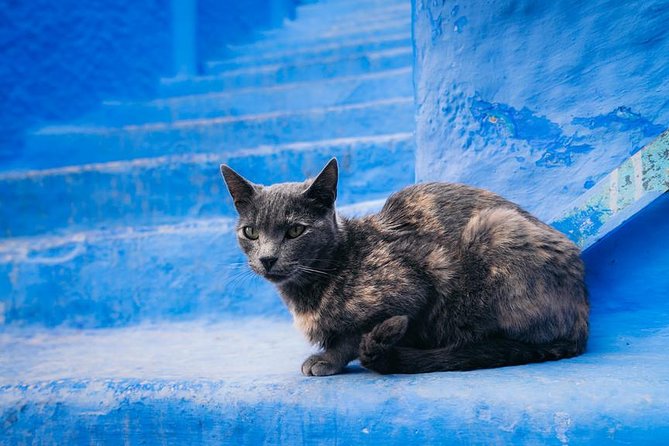
Chefchaouen is the kind of place people fall for fast, and the best version of it is the slow one. You’ll get a long enough block to actually wander—this isn’t one of those stop-while-you-still-have jet lag moments.
The big draw is the medina’s color and order: streets that feel orderly rather than chaotic. You’ll start around Hamman Square, then drift through the small lanes at a pace you can control. You’ll also get a taste of local life through handicrafts and goat’s cheese—two things that matter because they’re not just souvenirs, they’re part of the local economy.
One practical consideration: Chefchaouen is popular. You can still make it feel personal if you go in with a plan for breaks—shade, a drink, then another loop. A private tour gives you that freedom.
Fez with a dedicated medina guide: where details matter (and time is the secret)
Fez is the city you either rush and hate… or slow down and remember. This plan leans toward the second option by giving you a dedicated private guide for the medina.
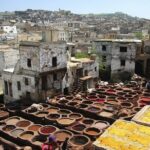
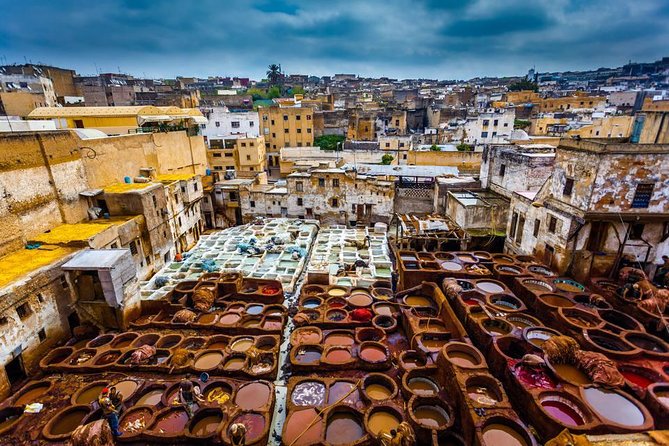
The medina is huge—thousands of streets—and it’s also a place where context changes everything. You’ll see key religious and educational sites, plus sections tied to Jewish community history. You’ll also get time for palaces and major craft areas, not just a “look at the gates” glance.
A standout part of this day is the way it’s structured for comprehension. Your guide is focused specifically on Fez, which helps you avoid the most common Fez problem: walking in circles without knowing what you’re circling around. When someone tells you how spaces function—where education happened, how communities organized themselves—it turns the streets into a story you can follow.
Dinner with choices
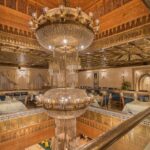
For dinner, you’ll get a suggestion for the Clock Café, known for creative menu items like a camel hamburger alongside more standard Moroccan dishes. It’s also described as having cultural programming like storytelling, calligraphy workshops, and cinema nights—handy if you want a break from the medina heat while still staying in the Moroccan rhythm.
Volubilis and Meknes: Roman scale and royal ambition in the same day
On the way toward Fez, you stop for Volubilis—Roman ruins that are among the best-preserved you’ll find outside Europe. It’s a meaningful stop because it changes the timeline. Morocco didn’t just become Morocco in one period; it layered civilizations over centuries. Volubilis gives you a “before Morocco was Morocco” perspective, which makes later sights in Fez and Marrakech feel less random.
Next, Meknes gives you the “Versailles of the Maghreb” nickname for a reason—Sultan Moulay Ismail’s ambition shaped what you see. You’ll get guided time around the city’s main points, with stories and legends that help connect architecture to power.
The trade-off
These kinds of days are packed. If you tend to get tired of constant driving and constant sights, build in your own micro-breaks—water, a short sit, and a quick reset between monuments. Private pacing helps, but it won’t remove the basic reality of a 10-day route.
Atlas forests, the Ziz Valley, and the fossil stop that changes how you see the desert
After Fez, the route shifts into nature and in-between spaces—exactly where Morocco surprises you.
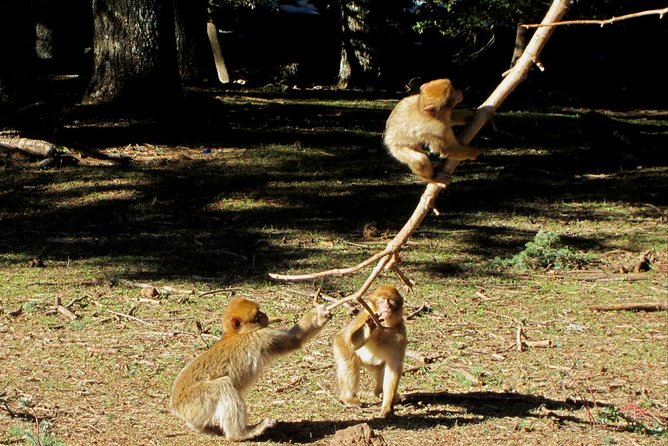
You’ll head toward the cedar forests near Azrou and Ifrane. This is one of those stops where you don’t need to be a serious hiker to appreciate the atmosphere: clear air, calm surroundings, and the smell of native trees. You might spot monkeys depending on timing, since the area is known for that kind of wildlife encounter.
Then you’ll pass through the Midelt region and get views of mountain terrain that feels like Morocco turning its face toward the Sahara corridor. The Ziz Valley follows, and this is where the trip starts acting like a slow movie: fertile stretches, date-growing landscapes, and a quieter feel away from the biggest tour circuits.
On the way to Erfoud, there’s a fossil workshop stop. You’ll learn how ancient marine life ended up here, with fossil findings tied to the idea that the Sahara’s soil was once beneath an ocean floor. If you like hands-on breaks—something visual you can take away—this is a great detour.
Merzouga and the dunes: coming in for sunset, leaving with new scale
Merzouga is where the desert stops being an idea and becomes the main character.
You’ll arrive in the region with a welcome in the form of traditional Moroccan tea. Then the schedule gives you two key things most people forget to prioritize: time in the dunes for photography and time for the actual “desert rhythm” (sunset, then a later nighttime experience).
You’ll have options for desert activities. Depending on what you choose, you might do things like quad-bike riding in the dunes, scavenger hunts, or a cuisine workshop. You’ll also visit Rissani, described as the historic trading capital of Tafilete, with an active market and souk culture—plus the donkey market element if that’s your kind of cultural detail.
Khamlia: Gnawa music in the middle of nowhere
The tour also includes Khamlia, a nomadic peoples’ depot where the Gnawa people live. You’ll get music, lifestyle, and tradition as part of the day’s desert-side cultural programming. This matters because it prevents the Sahara from becoming only scenery. You see how people live—and how sound and tradition move across the sand.
Overnight in the Sahara: luxury tent comfort meets real desert time
This is the part that makes the whole tour feel worth it.
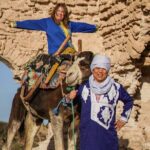
You’ll ride camels through the desert for about an hour, and the plan includes stops for oases and dunes around Merzouga. Then you’ll watch the sunset from a dune, followed by a night under the stars from the desert camp.
That overnight is the difference between “see the Sahara” and “be in the Sahara.” The lighting changes everything. Late afternoon turns the sand into a range of colors for photos, but early morning is when the desert feels most quiet and real—when the cold air arrives and the sand looks sharper.
Comfort note
Your stay includes a luxury tent in the desert camp, plus 4-star hotels/riads elsewhere. So you’re not roughing it, but you are still sleeping in the desert. If you want adventure without giving up basic comfort, this is a strong match.
Todra Gorges and the Dadès Valley: narrow rock walls and a slower finish
After the dunes, Morocco switches back to drama in a different form.
You’ll head toward Todra Gorge, where the cliffs reach around 600 meters high and the gorge narrows to about 10 meters in places. That scale is hard to appreciate from photos. Standing there, you feel the walls closing in around you. It’s a sharp contrast to open desert, which means it resets your brain.
Then the day continues to Boumalne Dades in the Dadès Valley. The idea here is peace: birds, green valley scenery, and a calmer evening rhythm. The timing works well because you’ve already had your big-ticket desert moment—you’re not trying to squeeze everything into one day.
Ouarzazate, Ait Ben Haddou, and kasbah country: the route where time feels physical
As you go deeper toward Marrakech, the drive follows the Route of the One Thousand Kasbahs. You’ll pass through traditional village areas such as Skoura and El Kelaa des M’Gouna—known as the City of the Roses.
In Ouarzazate, you’ll see fortress-style architecture and kasbah walls, including the Taouirt Kasba area. Then you’ll reach Ait Ben Haddou, a UNESCO-listed location and a major filming set in productions like Gladiator and Game of Thrones.
This is one of those stops where you can enjoy it in two ways:
- As a visual place with texture—mud-brick structures, layered fortifications, dramatic light
- As a location you recognize from movies, without letting that fact replace the real-world beauty
The tour gives you guided time so you can understand why caravans needed these defenses and how the route shaped the settlements. That context helps you see the buildings as systems, not just scenery.
Marrakech’s night comes early
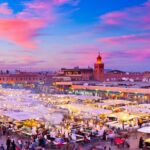
You’ll end a day with dinner around the Jamaa el Fna square, where smells, music, and street-cuisine energy mix side by side. You’ll get a practical push toward Moroccan street food—tagine and couscous choices, teas, and Moroccan prices rather than tourist-inflated ones.
Marrakech with a historian and real “room to wander”
Marrakech can be intense, but this plan tries to keep it fun instead of exhausting.
You’ll start with a day that includes a city tour led by a dedicated historian/guide focused only on Marrakech. That helps you get the right order and avoid the most common Marrakech trap: focusing on pretty spots without understanding what they meant.
Key sights include:
- Bahia Palace, with its lush courtyards and decorated rooms
- Ben Youssef Medersa, an Islamic faculty turned museum with detailed interior architecture
- Koutoubia Mosque, the most photographed Marrakech monument
- Jardin Majorelle, the botanical garden associated with Jacques Majorelle and later Yves Saint Laurent and Pierre Bergé
- Yves Saint Laurent Museum, inside a building that mixes modern design with traditional touches
Timing matters
Your tour also leaves room for optional choices. You may have time for last shopping in the souks, and you can optionally do a hot-air balloon in the morning (if you’re up for it).
If you like to balance “must-see” with “meandering,” this Marrakech setup is a good fit. You’ll have guided anchors plus personal time to follow your own curiosity.
Price and logistics: what you pay for, what you should budget for
$2,954.46 per person is not a bargain, but it’s also not just “a ticket and a bus.” You’re paying for a private guide, private transportation, accommodation across multiple regions, and that key desert overnight in a luxury tent.
Here’s where the value shows up:
- Private format means fewer dead moments. You’re not waiting for other groups to finish browsing.
- Lodging is handled for you (4-star hotels/riads plus the desert tent), which saves planning stress.
- Breakfasts are included (9 of them), and 3 dinners are included, so you don’t have to map every single meal.
- You get camel ride time and desert dune experiences built into the schedule.
Here’s what can add cost after booking:
- Flights are not included.
- Entrance fees for museums and monuments are not included. That matters because Morocco’s biggest sights often require paid access. Your budget should assume additional spending once you hit places like palaces, medersas, and major monuments.
One more practical angle: this tour is popular enough that it’s booked about 75 days in advance on average. If you’re traveling in peak seasons, consider planning sooner rather than later.
Should you book this Sahara + Imperial Cities tour?
Book it if you want a guided, private circuit that connects Imperial Cities with the Sahara in a way that feels paced. The standout parts for me are the Sahara overnight (luxury tent plus dunes and camel time) and the Fez medina experience with a guide dedicated to the city. If you like structure but still want freedom to roam, the mix of guided time and breathing room is a strong match.
Skip it (or at least rethink) if you hate planning for entrance fees and optional activities. Since museums and monuments aren’t included, your total trip cost will rise once you start adding tickets. Also, this route is busy by design. If you prefer very slow travel with fewer transfers, you may feel the schedule more than someone who enjoys a “see a lot” pace.
If you tell me your travel month and whether you’d rather hike less or eat more slowly, I can suggest the best parts to prioritize on this kind of route.
FAQ
Are flights included in the price?
No. Flights are not included. The tour starts in Casablanca and ends at the airport, and you’ll need to arrange your own air travel.
Is the Sahara Desert overnight included?
Yes. The itinerary includes an overnight in the Sahara Desert area at a luxury tent camp near Merzouga.
Do I get a camel ride?
Yes. A camel ride in the desert is included, with about an hour ride mentioned in the plan.
How many meals are included?
Breakfast is included for 9 mornings, and dinner is included for 3 evenings. Many other meals are left for you to buy.
Is pickup available?
Pickup is offered, and the starting point for day 1 can be adjusted based on your needs.
Are museum and monument entrance fees included?
No. Entrance fees for museums and monuments are not included, including major sites mentioned across the route.
Is this tour truly private?
Yes. It’s described as a private tour/activity, meaning only your group participates.
Can I add a hot-air balloon in Marrakech?
There may be time in the morning for an optional hot-air balloon over Marrakech. Any related entrance or activity costs are not listed as included.
What kind of transport do I use during the trip?
You’ll travel in an air-conditioned vehicle with private transportation throughout the tour.