REVIEW · FES
Fes City Tour: Discover the Medina’s Treasures
Book on GetYourGuide →Operated by Fes Marrakech Trekking Tours · Bookable on GetYourGuide
Fes feels like a living puzzle. This guided Medina walk helps you make sense of the streets, landmarks, and crafts in a way you can actually enjoy. You’ll get key sights without playing constant guesswork.
I love two things most: the chance to see historic medersas and fountains up close, and the time at Chouara Tanneries watching leather production the traditional way. Those moments turn Fes from postcard scenery into something you can understand.
One thing to keep in mind: some versions lean more toward craft stops than pure history, so if you want deep cultural context only, ask your guide to keep it focused.
In This Review
- Key things you’ll notice on this tour
- Why the Medina feels easier when you have a plan
- Price and time: what $7 buys you in real comfort
- How the tour starts: your riad pickup and your guide’s style
- Entering the UNESCO Medina: Al Quaraouiyine and the learning landmarks
- Nejjarine Fountain and medersas: why these stops feel different
- The Andalusian Mosque: know the entry rule before you plan photos
- Souks and spice lanes: Souk Attarine and the market rhythm
- Bab Boujloud: the green-and-blue tilework moment you can’t miss
- Chouara Tanneries: watching leather production the traditional way
- Lunch on your own: keep it simple and don’t lose the afternoon
- Mellah and Ibn Danan Synagogue: one more layer of Fes
- Royal palace gates and the Borj Nord or Borj Sud finish
- What craft stops can teach you beyond souvenirs
- Who this tour suits best
- Should you book it?
- FAQ
- Where does the tour start?
- How long is the tour?
- What’s included in the price?
- What is not included?
- Will I be able to enter the Andalusian Mosque?
- What are the main places the tour covers?
- What languages are available for the guide?
Key things you’ll notice on this tour
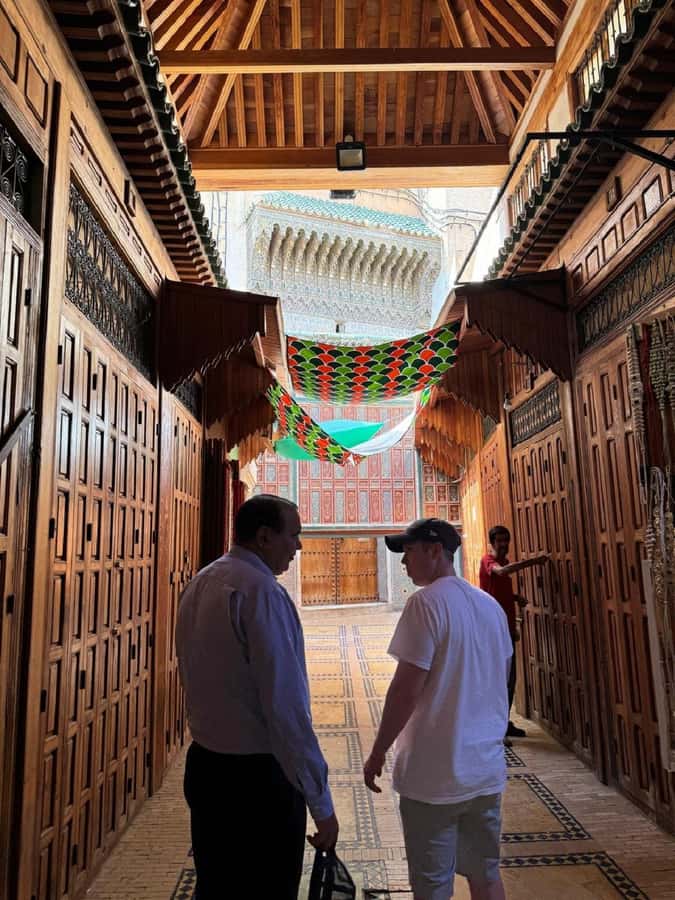
- Fes Medina in a guided route through UNESCO-listed lanes, souks, and landmarks
- Stop-and-explain moments at Koranic schools, fountains, and historic sites
- Chouara Tanneries viewing of traditional leather production methods
- Bab Boujloud and Souk Attarine for street life and classic Fes tilework and markets
- Mellah and Ibn Danan Synagogue to understand another layer of Fes history
- Panoramic finish at Borj Nord or Borj Sud over the Medina
Why the Medina feels easier when you have a plan
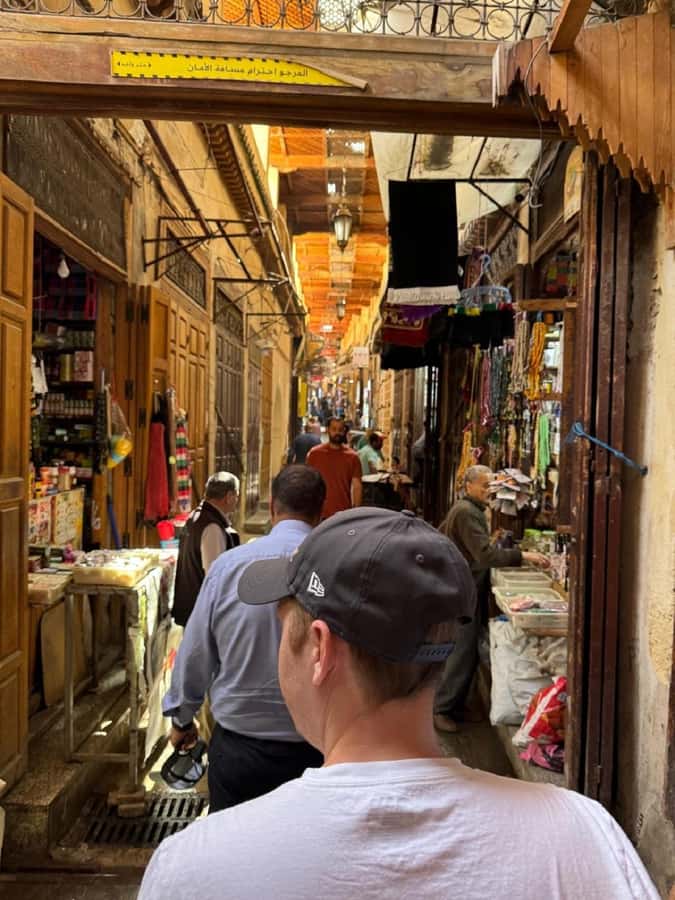
Fes’ Medina is one of those places where the streets can make you feel either inspired or irritated. The difference is usually structure. With a guide leading the way, you spend more time looking up, reading details, and noticing patterns, and less time bouncing in circles.
The best part is that the tour moves through the Medina like a guided “story line.” You don’t just see random sites. You follow a route that connects religious learning (like the Koranic schools), daily life (souks and markets), and craft traditions (especially leather). Even if you’re not a history buff, you’ll come away with a clearer sense of how this city works.
You can also read our reviews of more city tours in Fes
Price and time: what $7 buys you in real comfort
At $7 per person and 3 to 6 hours, this is one of those deals that can be either brilliant or disappointing, depending on expectations. The value here is that you’re not paying for a museum-style lecture. You’re paying for time with a local who can interpret what you’re seeing, plus a comfortable car and professional driver.
That car piece matters more than you might think. In the Medina, you’ll be walking for most of the experience, but the transport can help you cover key viewpoints and palace-area finishes without wasting your day on long detours.
Timing is flexible based on the option you choose. If you take the longer version, you’re more likely to hit extra “end-of-day” highlights by car, including the royal palace gates area and the higher viewpoint finishes at Borj Nord or Borj Sud.
How the tour starts: your riad pickup and your guide’s style
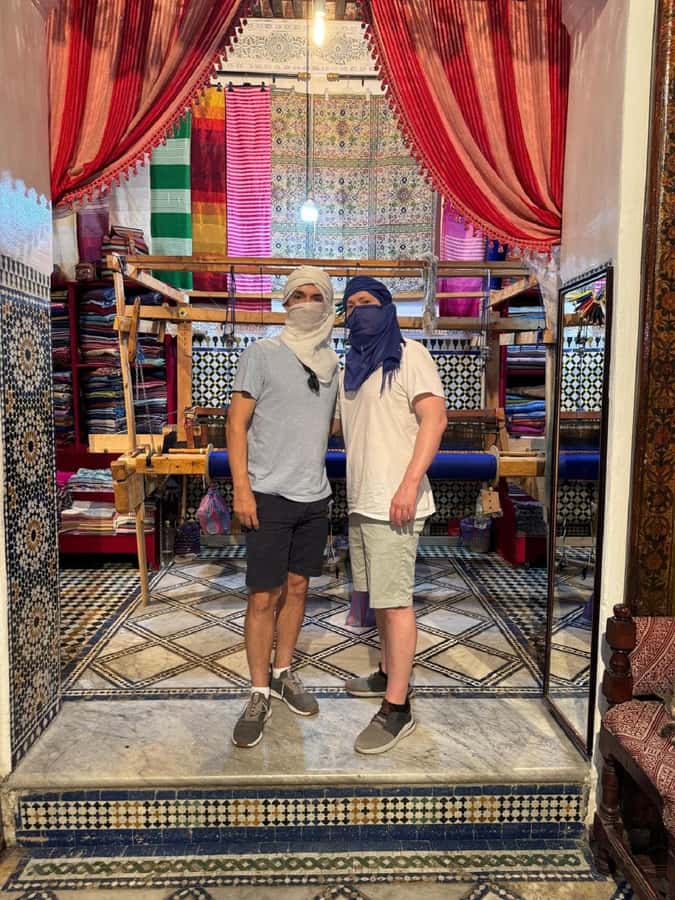
You’ll meet your guide at your riad in Fes if pickup is optional, and the meeting point can vary depending on the option booked. This is practical. In a place where addresses can be tricky, meeting inside your lodging zone keeps the start smooth.
The guides linked to this experience are praised for showing up on time and staying respectful. Names that come up often include Kamal and Jamal, both described as enthusiastic and attentive. That matters because a good guide in Fes isn’t just naming sights. They help you read what you see—why a fountain is positioned where it is, why an alley feels different near a school, or what to notice at a tannery besides the smell.
You can also expect the tour to run in English, French, Spanish, or Arabic, which is a big deal when you want context, not just photos.
Entering the UNESCO Medina: Al Quaraouiyine and the learning landmarks
Your route begins inside the Medina, which is one of the largest walled cities in the world and a UNESCO World Heritage Site. That UNESCO label can sound abstract until you’re walking those lanes with someone who points out why the area matters.
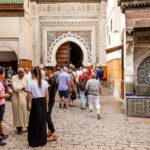
One early highlight is the exterior of Al Quaraouiyine Mosque and University. You don’t enter this area on the tour as described, but seeing the exterior is still useful: you’ll understand how major religious learning spaces anchor the Medina’s layout. If you’re the type who likes to photograph doors, arches, and architectural rhythm, this stop gives you plenty to work with.
You’ll also spend time around ancient Koranic schools and landmarks like the Nejjarine Fountain and the historic medersas. These aren’t just pretty backdrops. They show you that education and daily movement are part of the same city engine.
Practical note: plan for walking. Fes rewards patience, not speed.
Nejjarine Fountain and medersas: why these stops feel different
Fountains in Fes aren’t just decorative. They connect to water culture, neighborhood life, and the way public spaces work in older cities. When you pause at Nejjarine Fountain, you can actually take in the structure instead of treating it as a quick photo stop.
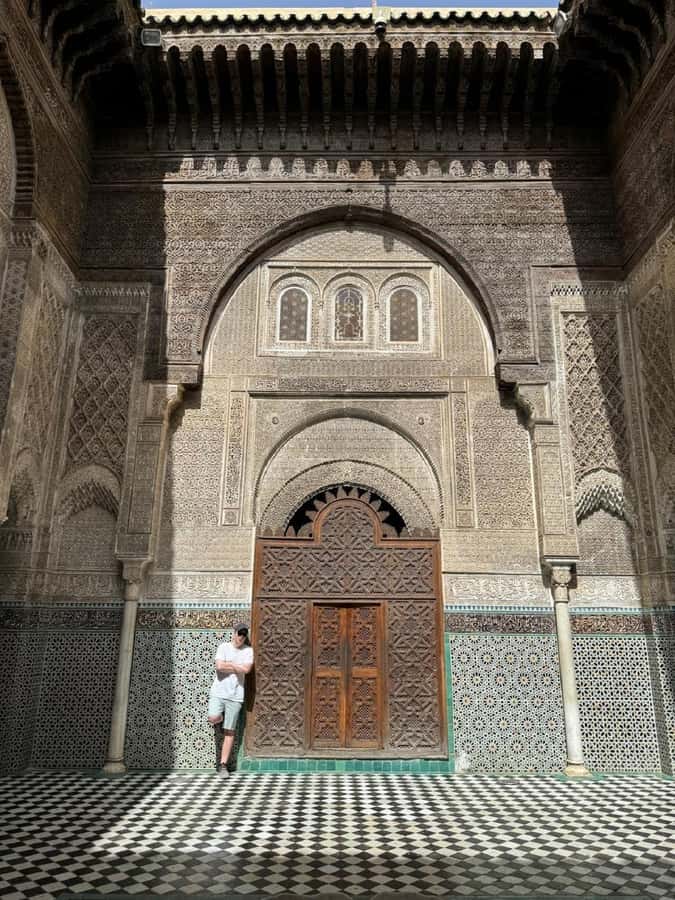
The historic medersas add another layer. Even if you’re not reading Arabic, you can see patterns: carved details, architectural balance, and the feeling that these buildings were designed for repeated use by students and teachers. It’s the kind of sight that makes you slow down without anyone having to force it.

The Andalusian Mosque: know the entry rule before you plan photos
One must-know item: the Andalusian Mosque is listed with an important access rule—non-Muslims cannot enter. That changes your expectations for this stop. You should plan to view it from outside rather than expect interior access.
If you’re traveling with mixed religious backgrounds, this is where a guide really helps. A good guide will keep you respectful, timed correctly, and focused on what you can see—architecture, exterior details, and the way the building relates to the street.
Souks and spice lanes: Souk Attarine and the market rhythm
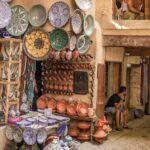
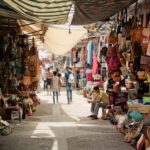
After you’ve handled the formal landmarks, the tour shifts into daily life. You’ll walk through narrow streets with stalls selling items like fresh fruit, spices, Berber carpets, and Moroccan handicrafts. This is where the Medina starts to feel less like a monument and more like a working neighborhood.
A standout is Souk Attarine. The name alone hints at scent and trade—this is the kind of market where you’ll notice people moving goods around and shopkeepers calling out. Even if you don’t buy anything, you’ll see how Fes creates value through craft and ingredients.
And yes, you may get offered things. That’s normal. What you should aim for is learning to distinguish browsing from a hard sell. If your guide is attentive, you’ll spend more time understanding materials and less time in a pressure loop.
Bab Boujloud: the green-and-blue tilework moment you can’t miss
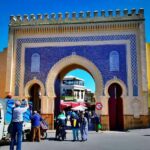
As you move through the Medina, you’ll pass through Bab Boujloud, known for its distinctive green and blue tilework. This is one of those points where the city’s artistry goes from “interesting details” to “this is why people travel here.”
Even if you’re tired, it’s worth pausing. Bab Boujloud gives you orientation too—after hours of alley turns, it helps your brain anchor where you are.
Pro tip: if you like clean photos, go earlier in the day when crowds are lighter. Your guide can time the walk to help with that.
Chouara Tanneries: watching leather production the traditional way
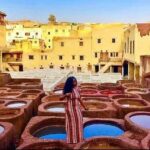
The tour’s signature craft stop is the Chouara Tanneries. You’ll observe traditional leather production methods that have remained unchanged for centuries.
This is the part people remember. Not because it’s comfortable—tanneries aren’t exactly a spa—but because you see process. You’ll understand that leather work here isn’t a quick “make and sell” action. It’s layered steps, skilled labor, and a system that relies on time and tradition.
Two practical considerations:
- Expect strong smells. I’d plan your visit with a light day and clothes you don’t mind getting dusty.
- Take your time at the viewing points. If you rush, you’ll only see activity. If you linger, you’ll start noticing how tasks line up.
This stop is also a good check for your guide’s usefulness. A guide who can explain what you’re seeing makes the experience feel like learning, not just gawking.
Lunch on your own: keep it simple and don’t lose the afternoon
After the craft and market sequence, there’s a break for lunch at your own expense. That’s good because it lets you choose what fits your taste and energy level. It’s also where you can control your pace.
My advice: don’t turn lunch into a long detour. You’ll want enough time to reach the next neighborhoods while the light is still good for walking and viewpoints.
If you feel unsure about where to eat, ask your guide for practical options near the route you’re returning to.
Mellah and Ibn Danan Synagogue: one more layer of Fes
Then comes a crucial pivot. You’ll explore the Mellah (Jewish Quarter) and visit the 17th-century Ibn Danan Synagogue.
This is one of those sections that broadens your understanding of Fes beyond the Medina’s general “market and mosque” image. The Mellah adds historical depth—showing that the city held different communities, and that those communities left architecture and meaning behind.
The synagogue stop is especially important because it’s a specific anchored landmark, not just a vague neighborhood walkthrough. A guide who explains context helps you connect the dots between building, time period, and what life likely looked like around it.
If you’re the type who likes respectful visits with clear guidance, this part tends to land well.
Royal palace gates and the Borj Nord or Borj Sud finish
Toward the end, you’ll see the Royal Palace gates. You’re not described as going inside the palace area, but seeing the gates is still a solid “power and place” marker. It tells you where the city’s authority sits relative to everyday life.
Finally, the tour ends at Borj Nord or Borj Sud, where you can enjoy panoramic views over the Medina. This viewpoint finish is not a random add-on. It helps you make sense of everything you walked through earlier—the medersas, souks, and alley structure all snap into a bigger picture.
Even if you’re not into photos, viewpoints help your brain map the city. And after 3 to 6 hours of narrow streets, that matters.
What craft stops can teach you beyond souvenirs
A big reason people love this tour is that it’s not only about “look, photo, move on.” The craft angle can go deeper than you expect. In some versions, you might also spend time with artisan-style stops connected to:
- Weaving and embroidery
- Carpets
- Argan oil extraction and processing
- Wood and metal engraving
- Pottery and ceramics
- Plus, of course, leather
Not every version will hit every craft in the same way because itinerary differs by the option chosen. But the underlying value is consistent: you get a sense of how skills are passed along and how materials become products people use and sell.
Just keep your expectations realistic. This isn’t a hands-on workshop where you take tools home. It’s closer to observing and learning, with the option to buy if you want.
Who this tour suits best
This tour is a good fit if you:
- Want a guided route through the Medina without drowning in turns.
- Like seeing both landmarks and everyday commerce.
- Appreciate craft traditions, especially leather work.
- Prefer small-group or private pacing rather than large bus tourism.
It’s also a solid choice if you’re visiting Fes for a short stay. A half-day-ish option can still cover a lot, but the longer window generally gives you more time for the viewpoint finish and the broader arc of the route.
If you’re traveling with someone who gets overwhelmed by crowds, the guide’s pacing can help. If you’re traveling with a “must-see everything” mindset, ask your guide how the option you booked maps to the day’s final viewpoint and palace gates.
Should you book it?
I’d book this tour if your goal is maximum clarity in limited time: the Medina’s key landmarks, the Mellah visit with Ibn Danan Synagogue, and the Chouara Tanneries viewing in one organized flow. The price is low enough that the big risk isn’t cost—it’s mismatched expectations.
Book with confidence if you care about guided interpretation and you’re open to seeing craft activity as part of the cultural story. Consider a different approach if you want a purely history-only walk with no shopping pressure at all. In that case, message your priorities to the guide early and ask them to emphasize context, not sales.
If you want Fes to make sense fast, this is the kind of tour that helps you do it.
FAQ
Where does the tour start?
You meet your guide in Fes, and the meeting point may vary depending on the option you book. Pickup at your riad is optional, and the guide can meet you there.
How long is the tour?
It runs for 3 to 6 hours, depending on the option you choose and availability.
What’s included in the price?
The tour includes a local guide, a comfortable car, and a professional driver.
What is not included?
Entrance fees, food and drinks, and tips are not included.
Will I be able to enter the Andalusian Mosque?
No. Non-Muslims cannot enter the Andalusian Mosque. You can still view it as part of the route.
What are the main places the tour covers?
You’ll see landmarks such as the exterior of Al Quaraouiyine Mosque and University, the Nejjarine Fountain and historic medersas, Chouara Tanneries, Souk Attarine, Bab Boujloud, the Mellah including Ibn Danan Synagogue, the Royal Palace gates, and a viewpoint finish at Borj Nord or Borj Sud.
What languages are available for the guide?
The live tour guide is available in English, French, Spanish, and Arabic.