REVIEW · FES
From Fez: 2-Days Desert Tour to Marrakech via Merzouga
Book on GetYourGuide →Operated by El Ouarti Voyagistes-Tourisme · Bookable on GetYourGuide
Merzouga’s dunes feel different at every hour, and this trip times it well. You’ll go from Fez across Morocco’s Atlas country, then land in the Sahara for a camel trek and an overnight stay in a luxury desert camp.
I especially loved how the long drive is broken up with smart stops. Ifrane gives you cedar forests and a chance to see the Barbary monkeys, and the scenery keeps shifting instead of feeling like one endless road.
My second favorite is the desert pacing: you ride at sunset and again for sunrise, then sleep in a camp with private-tent comforts. The only real drawback is that the transfers can be long (often 7–9 hours each way), lunch is not included, and you should expect extra days-and-heat planning—plus you’ll want to double-check you’re on the right bus.
In This Review
- Key highlights worth your attention
- Why this Fez to Marrakech Sahara route feels like good value
- Day 1: The Fez pickup and the Middle Atlas reality check in Ifrane
- Midelt, Ziz Valley, and Erfoud: how the route keeps the long drive from dragging
- Merzouga arrival: luggage storage and the camel trek intro
- Sunset camelback to camp: dinner under the stars and a Berber fire-pit show
- Day 2: Sunrise dunes and the early wake-up that makes it worth it
- Merzouga to Marrakech: a long road with breaks that keep you sane
- Price and logistics: does $113 really cover the right stuff?
- Practical tips that make a desert tour feel smooth
- Who should book this tour (and who should skip it)
- Should you book it?
- FAQ
- What is the duration of the tour?
- How do the camel rides work on this trip?
- Is lunch included?
- What does the desert camp include?
- What languages are available with the driver?
- Is hotel pickup included?
Key highlights worth your attention
- Camel trekking twice: a camel ride at sunset to the camp, plus an early-morning ride at sunrise
- Ifrane stop with Barbary monkey viewing: cedar forest area and a classic Middle Atlas moment
- Ziz Valley scenery and Erfoud break: the route changes fast, so the drive stays interesting
- Luxury desert camp basics that matter: spacious tents and private bathroom setups
- Berber folklore by a fire pit: evening entertainment outdoors under the sky
- Lunch is on you: you’ll pay for lunch separately during the day
Why this Fez to Marrakech Sahara route feels like good value
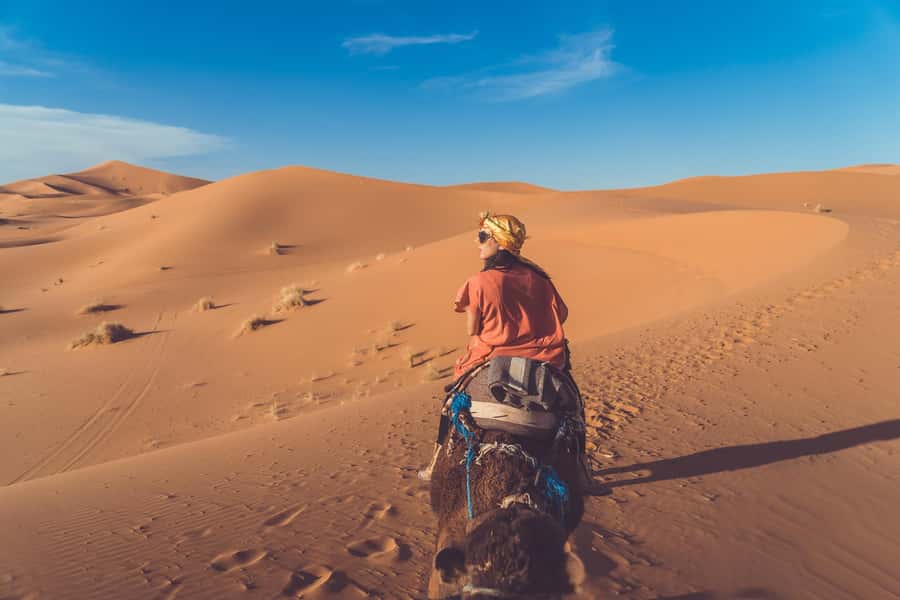
At $113 per person for two days, you’re not paying just for the dunes. You’re paying for transportation, a professional driver, your overnight camp, and both camel-ride moments that people actually travel for.
The real value here is the structure. You don’t just get driven to sand and back. You get a full Day 1 ride into the Merzouga area, an evening in camp, and a Day 2 start that’s timed for the dunes at first light.
If you want a short, high-impact Morocco desert taste without switching hotels, this is built for you. It’s also a solid choice if you like the idea of Morocco’s interior towns as part of the journey, not just the destination.
A few more Fes tours and experiences worth a look
Day 1: The Fez pickup and the Middle Atlas reality check in Ifrane
Your day starts with pickup from your hotel or riad, and you should plan to be ready about 10 minutes early in the lobby. From there, you point your car toward the Middle Atlas Mountains, where the vibe changes quickly.
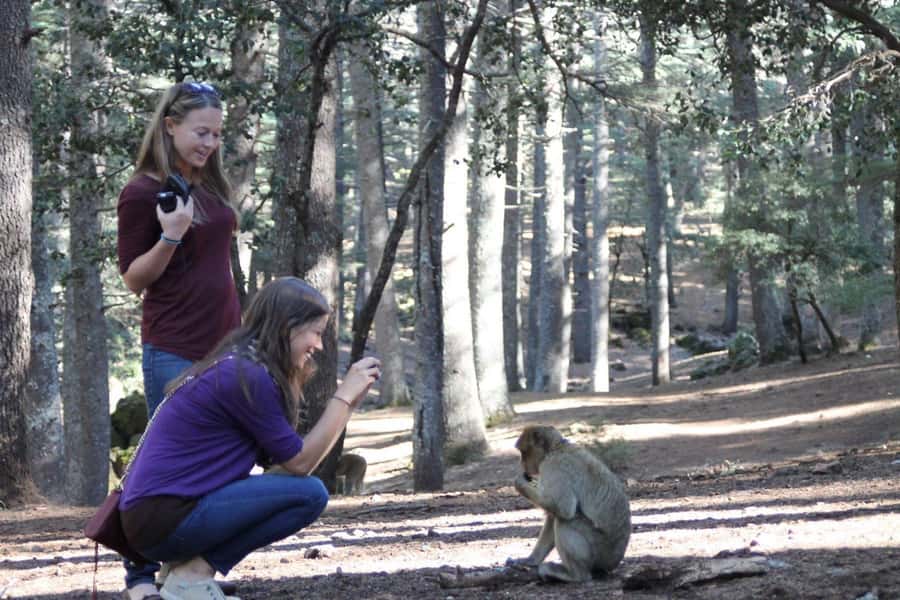
The first major stop is Ifrane—a town with an alpine-style feel, plus cedar forests nearby. It’s known for Barbary monkey sightings, and on this route you may also have time to observe and feed them, depending on local conditions.
I like this stop because it resets your expectations. You start in a city setting, then you roll into cooler, greener Morocco for a bit before heading south. Even if you’re mostly there for the Sahara, this is a nice mental on-ramp.
What to consider: Ifrane is a stop, not a full sightseeing day. If you’re hoping for long museum time or guided walking tours, you may find the schedule tight.
Midelt, Ziz Valley, and Erfoud: how the route keeps the long drive from dragging
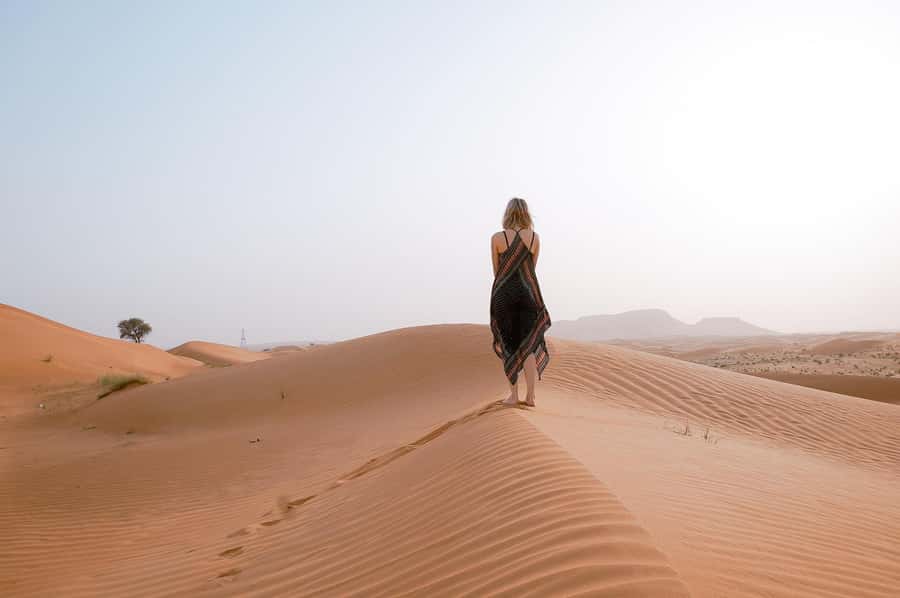
Next comes Midelt, where you’ll usually take a lunch break. After that, the drive pushes through the Ziz Valley, which is one of those stretches that makes the trip feel like more than a transfer.
Then there’s a stop around Erfoud before you reach Merzouga. Erfoud is often a practical waypoint, but it also helps you feel like you’re truly crossing Morocco instead of simply watching the road slide by.
A useful detail from real on-the-ground experience: the road stops tend to include free, clean toilets with soap and tissue when breaks happen. That’s not glamorous, but it makes a big difference on a long day.
Practical drawback: the drive can still be lengthy. Some people report around 7–9 hours of driving each direction, even with breaks, so bring patience and plan your comfort ahead of time.
Merzouga arrival: luggage storage and the camel trek intro
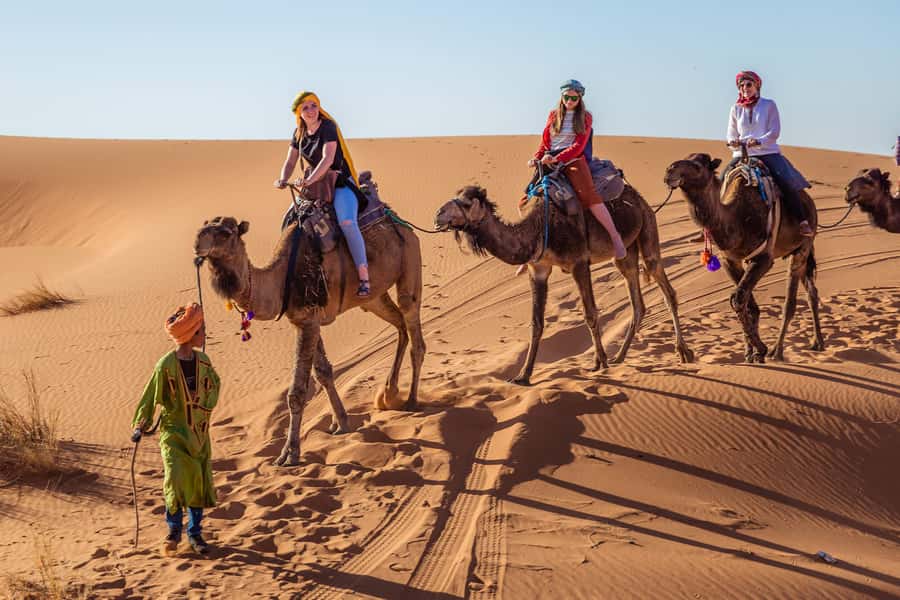
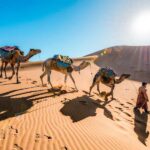
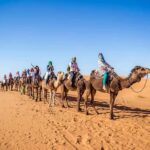
When you reach Merzouga, you transfer to your accommodation area to store your luggage. Then the camels are lined up for your first trekking segment—around 45 minutes, depending on the camp route and conditions.
This part is where you shift from vehicle travel into desert travel. The camel ride is short enough to feel adventurous rather than exhausting, but long enough that you can actually start picturing the dunes you’ll be sleeping under.
One detail that helps: your luggage typically travels separately, often by vehicle (like a jeep), so you’re not stuck hauling everything on the camel trek. That keeps you lighter and makes the ride feel smoother.
What to watch: the desert experience starts fast. If you’re sensitive to sudden temperature changes, plan for it. The desert mornings can be chilly even when afternoons feel warm.
Sunset camelback to camp: dinner under the stars and a Berber fire-pit show
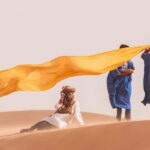
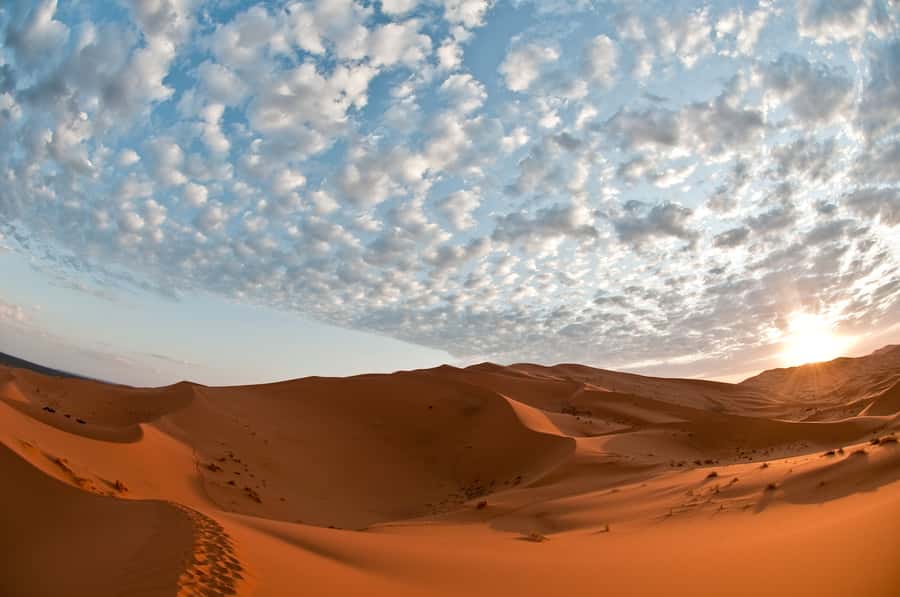
Your sunset timing is one of the best parts of the whole itinerary. Riding into camp as the light drops gives you that classic Sahara mood—golden sand, long shadows, and a sky that suddenly seems bigger.
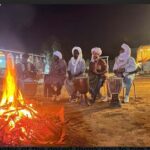
Dinner happens at the desert camp with a Berber folklore show around a fire pit. This is not just background entertainment. It’s the social centerpiece of the night, and it gives you context for what people do in desert life—music, storytelling-style performance, and a warm gathering atmosphere.
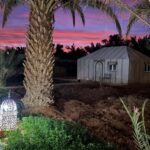
The camp setup is where this tour aims at comfort. Tents are described as spacious and well kept, and you’ll find private bathroom setups in the camp style. One comfort note from experience: showers may not be hot-hot, so think practical rather than spa-level.
Consideration: if you’re expecting a resort experience with lots of amenities, adjust your expectations. This is desert luxury: it’s comfortable for the setting, not a city hotel.
Day 2: Sunrise dunes and the early wake-up that makes it worth it
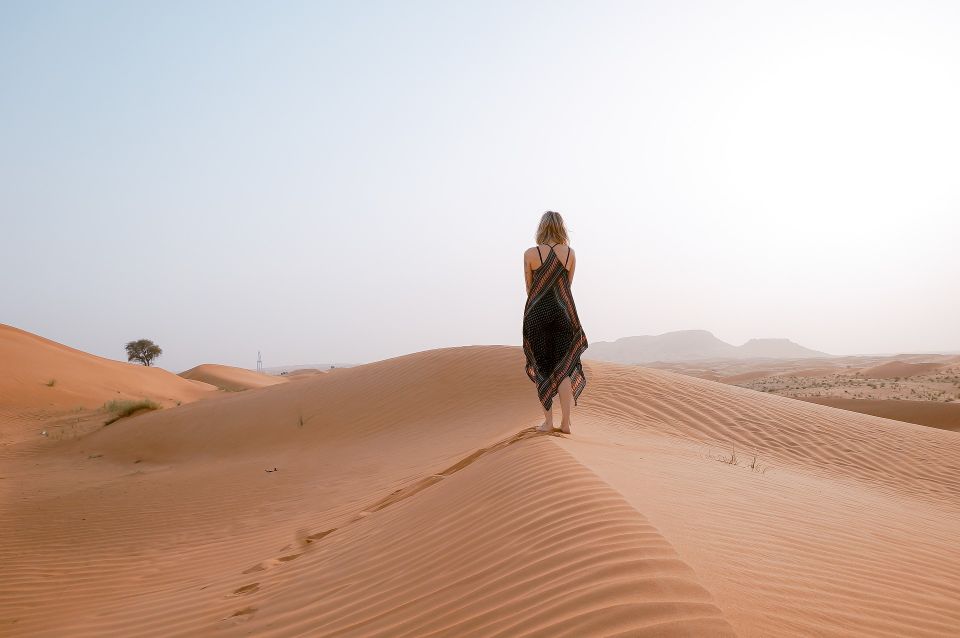
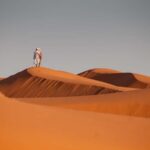
Day 2 begins with an early wake-up for sunrise on the dunes. This is the moment most people remember, because it changes the desert from a daytime view into something quieter and more dramatic.
After sunrise viewing, you transfer onward. Then you’ll make the way back toward Marrakech, with a stop for lunch along the route.
Why I like this schedule: it doesn’t waste your time late in the day. The early start means you trade sleep for the kind of light you can’t fake later. If you hate mornings, set your expectations now. If you can handle an early rise, you’ll get a payoff.
What to prepare for: mornings in the desert can feel cooler than you think. Bring layers so you’re not stuck shivering during sunrise waiting time.
Merzouga to Marrakech: a long road with breaks that keep you sane
The ride back toward Marrakech is the other half of the deal. You’ll travel by car with stops, and you should expect the day to be long.
Lunch isn’t included, so you’ll pay at restaurants during the route. One practical data point from experience: buffet-style lunches are around 120 DH per person (reported as about 12€), though costs can vary with the stop.
If you want an easy tip, it’s this: treat the return day like a travel day, not a sightseeing day. Keep an eye on hydration, snack lightly if needed, and expect you’ll feel road-tired by the time you reach Marrakech.
Price and logistics: does $113 really cover the right stuff?
Let’s look at what’s included versus what you’ll pay yourself.
Included:
- Air-conditioned transportation
- Professional driver (English and French)
- Merzouga breakfast and dinner
- Night in a luxury desert camp
- Camel rides for sunset and sunrise
Not included:
- Lunch
- Personal items
- A local guide
For many budgets, the $113 price feels fair because it bundles the big-ticket items: the overnight camp and the two camel moments. If you tried to book transportation alone from Fez to Merzouga and then add an overnight camp separately, you’d likely pay more in practice.
Where value can feel uneven: lunch is your extra cost, and the route time is real. If you hate long travel days, the price won’t matter much because your energy will be the limiting factor.
Practical tips that make a desert tour feel smooth
A good desert tour is half logistics and half comfort choices. Here’s how to set yourself up.
Bring water and plan small breaks. The schedule includes stops along the way, but desert days still make you feel dehydrated faster than expected.
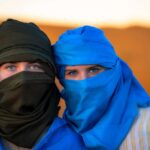
Pack sun protection and a scarf. You’ll want sunscreen and something to cover your neck and face during windier dune moments. One runner-up tip from experience: don’t assume you’ll love buying a scarf last minute.
Wear a seatbelt. On Morocco’s roads, you may hit checkpoints, and people have been reminded to keep seatbelts on. It’s not just safety—it helps you avoid hassle.
Expect a cold-to-warm temperature swing. Desert mornings can feel sharp, then you’ll heat up later. Layers solve most problems.
And one last sanity check: double-check that you’re getting into the correct bus/vehicle before you roll out. One unlucky traveler reported being left stranded due to a wrong bus assignment, so verify the tour name and vehicle details at pickup.
Who should book this tour (and who should skip it)
This is a great fit if you want:
- A 2-day Sahara experience without overplanning
- A real desert night with camp dinner and a Berber fire-pit show
- Camel riding timed for sunset and sunrise
- A road-trip taste of Morocco’s interior towns en route
It may be less ideal if you:
- Can’t handle long car days and early wake-ups
- Need lunch included in every meal
- Want a deep, slow, guide-led exploration of each town on the route
One helpful note on the driver experience: drivers named Imad14, Pedro, and Tarek show up in past experiences, and the service quality tends to be a key part of what works. You’ll be in French or English with the driver, which helps when you want quick answers along the way.
Should you book it?
If your goal is a fast, meaningful Sahara taste from Fez to Marrakech, I’d book it. The combination of overnight desert camp, camel trekking at sunset and sunrise, and a scheduled return day keeps the trip focused.
Choose this tour if you’re comfortable with the trade-offs: long transfers, lunch costs on your own, and desert conditions that aren’t spa-level. If you can do the early morning and pack for sun and wind, you’ll get the kind of memories that don’t fade quickly.
FAQ
What is the duration of the tour?
The tour lasts 2 days.
How do the camel rides work on this trip?
You’ll do camel rides at sunset and again at sunrise. The sunset camel trekking segment is described as around 45 minutes.
Is lunch included?
No. Lunch is not included, and you’ll stop for lunch during the drive.
What does the desert camp include?
Your package includes breakfast and dinner in Merzouga, plus one night at a luxury desert camp.
What languages are available with the driver?
The driver speaks English and French.
Is hotel pickup included?
Yes. Pickup is included, and you should wait in the hotel lobby about 10 minutes before the scheduled time.