REVIEW · FES
From Fez: Middle Atlas Ifran and Forest of Monkeys Day Trip
Book on GetYourGuide →Operated by Morocco Memorable Travel · Bookable on GetYourGuide
Blue-white Ifrane meets wild monkeys in one day. This Middle Atlas day trip blends Ifrane’s mountain-town charm with a real wildlife moment in the cedar forest. I love the stop where you sip Moroccan tea in a traditional cave home, and I like that you actually go where the Barbary macaques live. The main drawback to plan around: parts of the day can feel sales-heavy, with extra shopping pressure at some stops, so you’ll want to keep your expectations grounded.
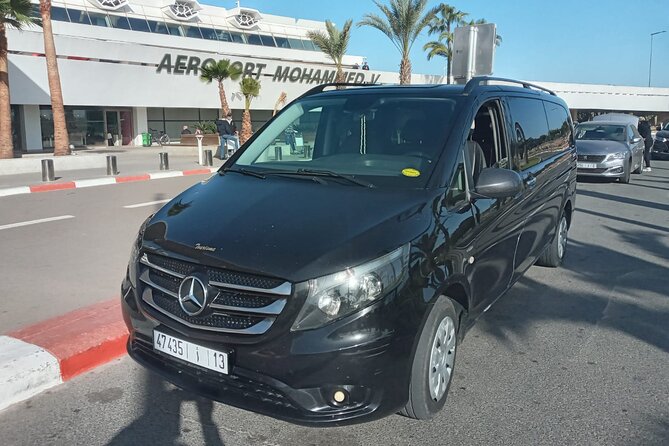
A big part of whether the day feels smooth comes down to the driver. Names that came up in past feedback include Houssam, Ayman, and Ahmed, with notes about calm driving and good English (Ahmed, in particular). You’ll get an air-conditioned ride and a structured route, which helps when you’re going from Fez out into the mountains for one day.
At about $22 for a 9-hour loop, the value is solid if you want culture + nature, not a long leisurely pace. Lunch isn’t included, and the cave entrance can be an extra small cost, so budget a bit beyond the ticket price and you’ll have a much easier day.
In This Review
- Key points before you go
- Why this Ifrane and Forest of Monkeys route works from Fez
- The morning drive: Ain Vital viewpoints and the Fez-to-Ifrane change of pace
- Ifrane: stone lion photos, French-inspired streets, and mountain-town calm
- Ifrane National Park and the cedar-forest moment for Barbary macaques
- Azrou at 4,100 feet: Berber village routines you can actually see
- The cave-house tea: Berber tradition in a cave home setting
- Photo breaks, the “secret stop,” and time on the road
- Price and value: what $22 includes, and what to budget for
- Who this day trip suits best (and who should skip it)
- Should you book this Ifrane and Forest of Monkeys day trip?
- FAQ
- How long is the trip from Fez?
- What’s included in the price?
- Is lunch included?
- Do I need to pay extra for the cave?
- Will I be able to see Barbary macaques?
- Do I get a guide?
- Is the tour wheelchair accessible, and who shouldn’t book?
Key points before you go
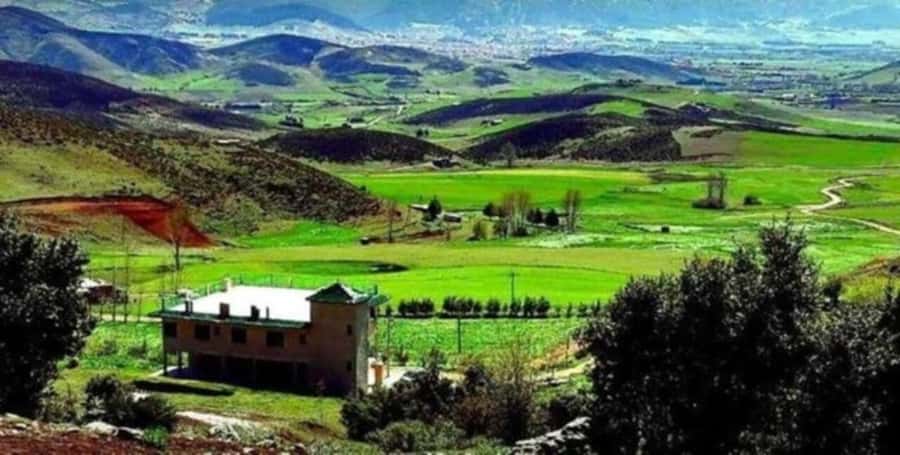
- A real shot at Barbary macaques in Ifrane National Park’s cedar trees
- Ifrane’s “French mountain town” feel, plus the famous stone lion photo stop
- Azrou at altitude (~4,100 feet) with Berber village scenes and workshop-like crafts
- Cave-house Moroccan tea, with cave entry not always bundled
- Multiple photo breaks like Ain Vital—great for quick panoramic shots
- Driver quality matters, and several named drivers were praised for being calm and helpful
Why this Ifrane and Forest of Monkeys route works from Fez
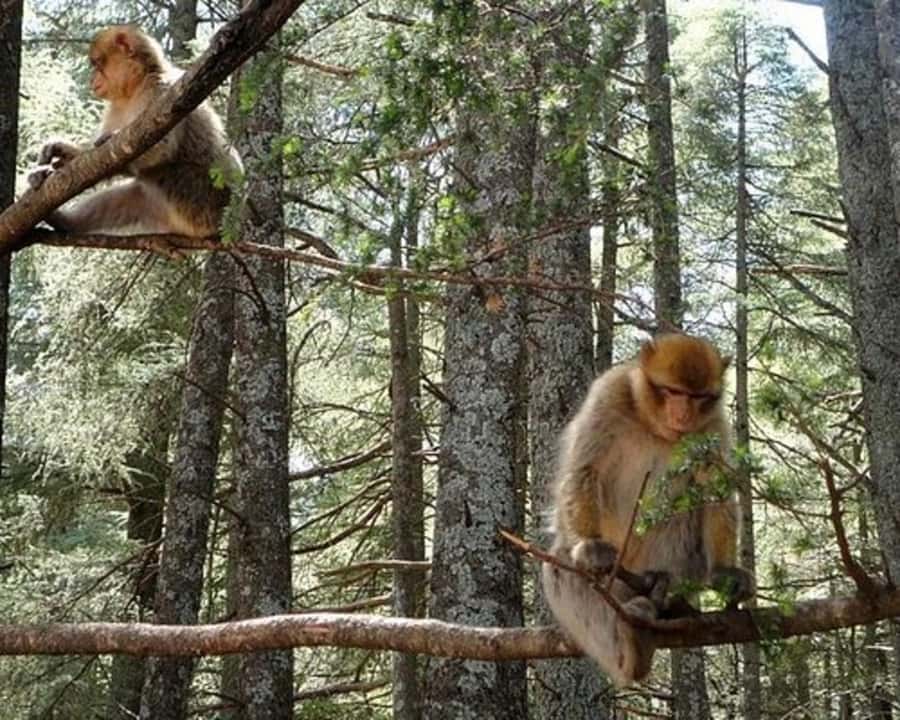
This is one of those day trips where the logistics are the hardest part—getting from Fez into the Middle Atlas mountains without spending your whole day figuring out transport. The trip is built around a simple formula: pick up in Fez, drive through scenic viewpoints, then stack three “wow” moments—Ifrane, Barbary macaques, and Berber village life—before driving you back.
Ifrane is the oddball in the best way. Founded in 1930 by French immigrants, it feels like you’ve stepped into a European-style mountain town. That contrast matters because it sets your brain up for the next act: you’re not just touring scenery. You’re heading from an orderly-looking town into cedar forest where endangered Barbary macaques roam among the trees.
Then there’s the culture piece. The day isn’t only about animals and photos. You also spend time with a Berber family in a traditional cave house and drink Moroccan tea. It’s the kind of stop that changes the tone of the day from sightseeing to people-watching with context.
One more point I like: it’s not presented as a “hard adventure.” It’s a manageable day (about 9 hours) with breaks and free time at key stops, so you’re not stuck constantly moving.
A few more Fes tours and experiences worth a look
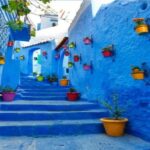
The morning drive: Ain Vital viewpoints and the Fez-to-Ifrane change of pace

Your day starts with pickup from your hotel/riad in Fez. The ride is air-conditioned, and you’ll travel comfortably toward the Middle Atlas. Once you’re moving, the route quickly gives you those “we’re really leaving the city” moments.
A key early stop is Ain Vital, where you can admire scenic hills and grab photos. This is the kind of photo break that makes a difference later. When you get to Ifrane and then the cedar forest, you’ll appreciate the contrast more because you’ve already been “warmed up” by the mountain views.
You’ll also hear about local life along the way, including Immouzar’s September apple festival and the area’s cave homes. That helps you understand why the Berber cave-house scenes later in the day aren’t random tourist sets—they’re part of how people live in the region.
Practical tip: wear shoes that handle uneven ground and short walks. Even when you don’t plan “hiking,” the stops are outdoors and you may move around more than you expect for photos.
Ifrane: stone lion photos, French-inspired streets, and mountain-town calm
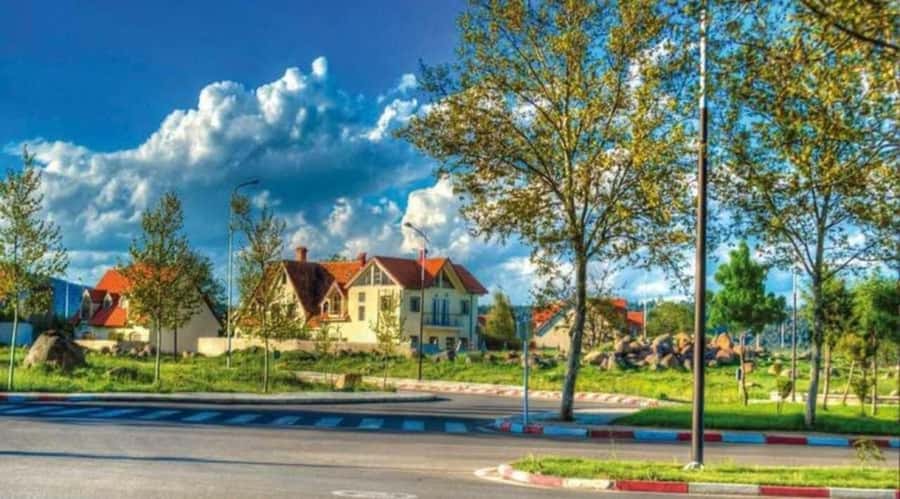
Ifrane is the break in mood that makes the rest of the day hit harder. You’ll have time to explore the town, and it’s laid out in a way that’s easy to wander for a bit.
Here’s what you’re likely to notice fast:
- French-inspired architecture in the alleyways
- A massive stone lion that’s impossible to miss
- Streets that feel cleaner and more orderly than the old-city vibe you’re used to in Fez
Ifrane itself was founded in 1930 by French immigrants, and it shows in the layout and style. The town’s structure gives you easy walking and quick photo moments without needing navigation skills.
One consideration: Ifrane isn’t everyone’s favorite part. If you’re expecting a rugged “wow” landscape moment, you might find it more charming than dramatic. If you go in thinking of it as a calm intermission—then it works nicely.
After Ifrane, the day shifts gears to the cedar forest experience, which is where your time becomes more about wildlife and less about town wandering.
Ifrane National Park and the cedar-forest moment for Barbary macaques
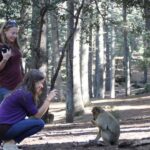
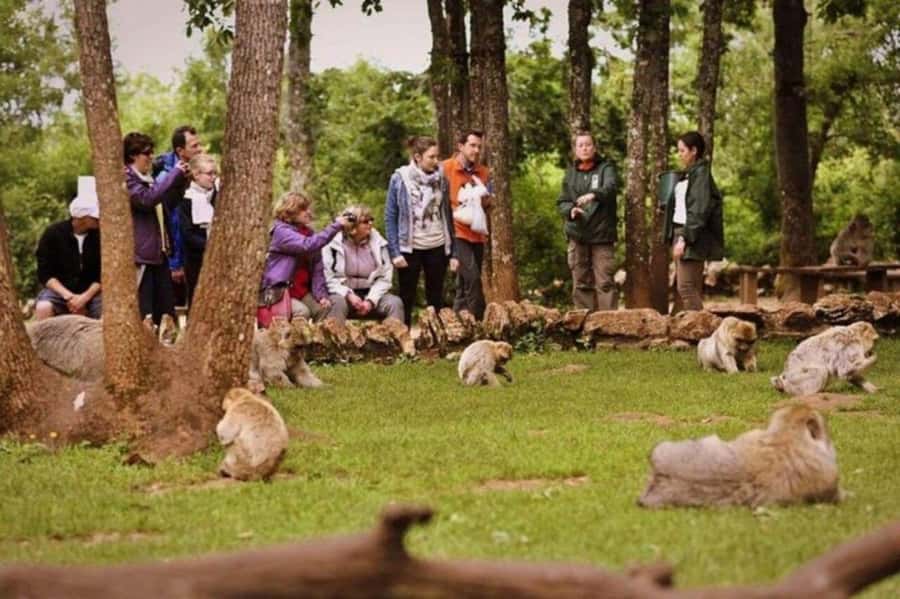
This is the core of the tour for most people, and for good reason: you go into Ifrane National Park to see Barbary macaques in the cedar trees. The park stop includes time for breaks and time on site (about 80 minutes), so you’re not rushed through a quick peek.
A couple of details help you make the most of this part:
- You’ll want to keep your camera ready, because macaques are active and can pop up quickly in the trees.
- Bring your patience for a “watch and wait” rhythm. Cedar forest sightings rarely feel like a theme park.
- You’ll get more out of it if you focus on behavior—how they move, climb, and interact—rather than expecting perfect “standing still” photos.
The tour also notes an advantage: you skip the line through a separate entrance. That’s helpful when schedules are tight and you’re competing with other groups.
Now the honest caveat: in some mountain-park situations, vendors can become pushy. One bad experience shared in the provided details describes getting swarmed by people selling peanuts for the monkeys. You can’t always control that, but you can protect your enjoyment: keep moving with your group, avoid lingering too long at one “feeding spot,” and if you’re not interested in purchases, you can still watch from a respectful distance.
Azrou at 4,100 feet: Berber village routines you can actually see
After the park, you’ll have a lunch stop that’s not included, then you head to Azrou. This is a Berber village sitting around 4,100 feet, and it’s one of the most interesting parts of the Middle Atlas because it feels lived-in rather than staged.
Azrou gives you a “morning-in-a-village” feel. You’ll see:
- Traditional houses and the way the community is arranged
- Berber men walking with flocks
- People grinding flour and going about trades
- Skills highlighted especially through carpentry
You also get a solid chunk of time to explore (about 1.5 hours with breaks and free time). That matters. In a short stop, you’d just take photos. With this length, you can look longer, notice details, and get a better sense of how routines connect.
What to watch for: some itineraries build in food stops in ways that can feel pushy. The provided information includes a note about being strongly encouraged to eat at a restaurant in Azrou. If you don’t want that, plan ahead with a snack and small cash for lunch, and don’t let hunger decide your purchases for you.
Also, if your focus is nature and animals, Azrou can feel less “exciting” than the macaque forest. Ifrane and the cedar trees are your big wildlife hits. Azrou is your cultural stitch that ties it together.

The cave-house tea: Berber tradition in a cave home setting
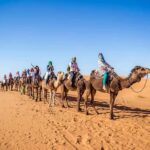
One of the most meaningful stops on this kind of trip is the cave-house visit. The experience includes time with a Berber family in a traditional cave house to enjoy Moroccan tea and learn about Berber culture and traditions.
This is also where the small fee question can pop up. Entry to the cave is listed as excluded, with Gaves Entrance (2 euro) not included. That means you might want to carry a little extra cash just in case the cave portion costs separately from the rest of the visit.
Why this stop is valuable: you’re not just seeing a building. You’re sitting for tea, which naturally slows things down. Even if your conversations are limited by language, you’ll still pick up the rhythms—how hospitality works, how the family organizes the space, and how everyday life looks inside a home form that’s common to the region.
One practical tip: this is a “take your time” moment. If you’re tired from the drive, this tea stop can be a nice reset instead of just another photo stop.
Photo breaks, the “secret stop,” and time on the road
Between major sites, you’ll hit a couple of short stops for photos and sightseeing—like the Ain Vital hills earlier and a secret stop later (again: photo stop plus time to look around). There’s also an Imouzzer Kandar stop, with visit time and free time (about 1 hour).
These in-between pauses can be great for:
- Getting postcard-style viewpoints
- Stretching your legs
- Breaking up long stretches of mountain driving
But they can also be where a day trip can go sideways if the pacing feels like it’s designed more for sales than for scenery. The provided information includes examples of merchants becoming unpleasant when purchases weren’t made at a viewpoint stop. You can’t guarantee how every roadside stop will feel, but you can protect your mood by keeping your spending plan clear and mentally marking the stops as quick photo moments, not shopping opportunities.
Also, note the route includes more than one “meeting/transfer” style handoff. One shared experience describes waiting for an extended time at a meeting point and then switching to another pickup grouping. That doesn’t mean it happens to everyone, but it does mean you should build in some extra slack mentally if your day is time sensitive.
Price and value: what $22 includes, and what to budget for
The price is listed at $22 per person for a 9-hour trip from Fez. That’s relatively low for a whole-day Middle Atlas route, especially since hotel/riad pickup and drop-off are included along with water and entry fees (except the cave).
What’s not included:
- Lunch
- Guide (the tour lists a driver in included items, and guide isn’t included)
- Cave/Gaves Entrance fee (2 euro)
- Food and drinks
So the value question is really: do you want a guided cultural explanation, or are you okay with a driver-led, schedule-based day? If you want lots of deep talking, you might feel like you’re doing more “watching than learning,” especially since guide isn’t included.
My practical recommendation for getting good value out of this trip:
- Bring cash for lunch and small extras.
- Carry a little for the cave entrance if it’s requested.
- If animals and nature are your priority, focus your energy on Ifrane National Park rather than trying to turn every stop into a must-see.
Who this day trip suits best (and who should skip it)
This trip is a good match if you want:
- A one-day Middle Atlas sampler from Fez
- A real wildlife stop aimed at Barbary macaques
- Easy walking and short viewing windows, not a long hike
- Cultural contact via Berber tea in a cave home
It may be less ideal if:
- You dislike sales pressure or “buy this” roadside energy
- You need a very calm, no-surprises schedule (some pickup confusion and extra-feeling stops show up in the provided details)
- You’re extremely sensitive to driving style changes. One shared account describes driving as more than sporty, so if you’re prone to motion discomfort, take that seriously and ask about driving pace before booking.
Age note: it’s listed as not suitable for people over 95 years, so keep that boundary in mind.
Should you book this Ifrane and Forest of Monkeys day trip?
I’d book it if you’re the type of traveler who loves a packed-but-manageable day and you’re mainly here for Ifrane + Barbary macaques + Berber village moments. The structure makes sense, and when the driver is good (and names like Houssam, Ayman, and Ahmed came up for that reason), the day feels smoother.
I’d think twice if you’re allergic to shopping pressure or you want total control over what stops cost. In that case, go in with a plan: bring lunch money, carry small cash for the cave entrance, and treat viewpoints and stops as quick photo breaks rather than shopping opportunities.
If you do book: wear comfortable shoes, keep your schedule expectations flexible, and spend your highest attention in Ifrane National Park. That’s where this day trip earns its keep.
FAQ
How long is the trip from Fez?
The day trip lasts about 9 hours.
What’s included in the price?
Hotel/riad pickup and drop-off are included, along with entry fees to attractions (except the cave), water, and a driver.
Is lunch included?
No. Lunch is not included, and you’ll have a lunch stop on the route.
Do I need to pay extra for the cave?
Cave-related entrance is not included, and the information lists Gaves Entrance as 2 euro.
Will I be able to see Barbary macaques?
Yes. The itinerary includes a stop at Ifrane National Park where you can see Barbary macaques in the cedar trees.
Do I get a guide?
A guide is not listed as included (the driver is included). The language and guidance level can vary depending on the operator and driver.
Is the tour wheelchair accessible, and who shouldn’t book?
The tour is listed as wheelchair accessible. It’s also listed as not suitable for people over 95 years.