REVIEW · MARRAKECH
4 Days,Trip Desert From Marrakech to Merzouga
Book on Viator →Operated by Visitar Marrakech · Bookable on Viator
Four days in Morocco can feel like a time machine. This private Marrakech to Merzouga route flips from souk chaos to Atlas mountain roads, then lands on Erg Chebbi dunes for sunrise and a desert-camp night.
I especially like how the trip mixes showpiece sights with “wait, what is that?” stops. You get Ait Ben Haddou and Tamnougalt, plus practical detours like the Atlas Film Studios photo stop and the fossil workshop in Erfoud.
The main tradeoff is the pace. You’ll be in the car a lot, and lunches and drinks aren’t included, so you’ll want cash for meals and a good attitude for early starts.
In This Review
- Key things to know before you go
- Marrakech to Merzouga: the smart way to “do Morocco” in four days
- Price and value: what $334.50 gets you (and what it doesn’t)
- The pickup and the comfort factor in Marrakech
- Day 1: Marrakech to Ait Ben Haddou, then Ouarzazate kasbah views
- Ait Ben Haddou: the kasbah you came for
- Atlas Film Studios + Taourirt panoramic view
- Day 2: Dades Valley panoramas, Todra Gorge hiking, and Erfoud fossils
- The Dades Valley view stop: quick but worth it
- Todra Gorges: hike with your feet, not just your camera
- Erfoud fossil craft workshop + Erg Chebbi dunes
- Day 3: Merzouga sunrise on the dune and the Tamnougalt kasbah in palm groves
- Rissani souk time: a quick taste of daily life
- Alnif trilobites + N’kob lunch stop
- Kasbah of Tamnougalt: desert detour with palm-grove calm
- Day 4: Taourirt and Telouet kasbahs on the way back to Marrakech
- Kasbah of Telouet: another strong kasbah moment
- Sahara camp and camel trek: comfort level and what to pack
- Who this tour is best for (and who should rethink it)
- Should you book this 4-day desert trip from Marrakech?
- FAQ
- What time does the tour start in Marrakech?
- Is this tour private?
- What meals are included?
- Do I get a night in the desert camp and camel riding?
- What are the main places you visit on the way to Merzouga?
- Is free cancellation available?
Key things to know before you go
- Private transportation: you travel on your own schedule instead of waiting around with strangers.
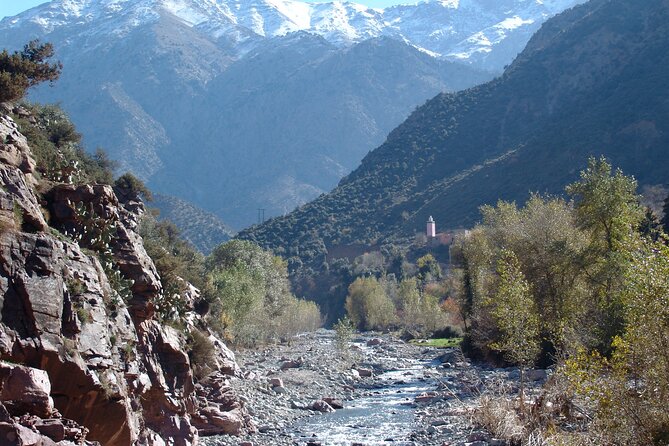
- High Atlas road views: the Tizi N’tichka area road trip is the kind of scenery you remember later.
- Ait Ben Haddou + Taourirt + Telouet: kasbahs are the thread that ties the route together.
- Todra Gorges hike: you’re not only watching Morocco—you’re walking in it.
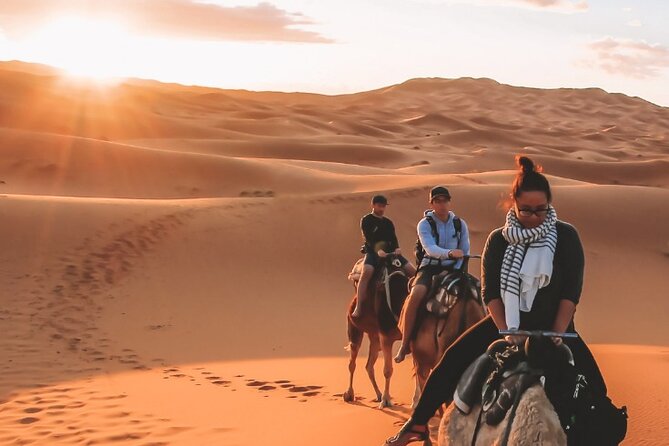
- Erg Chebbi sunrise + camel ride: the desert morning is the payoff for all the driving.
- Palm-grove kasbah at Tamnougalt: it breaks up the desert focus with something softer and greener.
Marrakech to Merzouga: the smart way to “do Morocco” in four days
If your Morocco window is short, this kind of 4-day Sahara run is one of the most efficient ways to get variety. You start in Marrakech, then work your way across the Atlas region, through gorge country, and finally into the dunes around Merzouga.
What makes this route especially appealing is that it’s not only about the desert. You’re also seeing historic kasbahs, canyon scenery, and a couple of small cultural stops that add texture to the drive.
Just keep your expectations realistic: it’s “packed” in the good way, but it’s not a slow, lounging style trip. If you want Morocco as a series of long, relaxed afternoons, consider adding extra nights. If you want the highlights with solid comfort, this fits.
A few more Marrakech tours and experiences worth a look
Price and value: what $334.50 gets you (and what it doesn’t)
The listed price is $334.50 per person for about four days. For a route that includes private transportation plus multiple included meals (3 breakfasts and 3 dinners), it’s more than just a bus-and-souvenir stopover.
Here’s the value math in plain terms:
- You’re paying for time saved: getting from Marrakech to Merzouga and back is not easy without a plan.
- You’re paying for logistics handled: pickup, driving, and the major sight stops are covered.
- You’re also paying for the desert experience itself: the ride and the desert-night component is a core part of the trip.
What’s not included matters for budgeting:
- Lunches and drinks are on you.
- Tips and personal expenses are also not included.
- Air flights obviously aren’t part of the price.
If you’re traveling with a group of two, four days is often the sweet spot for cost vs. value. Solo travelers can still come out fine, but you’ll want to plan your meals so you don’t burn through your budget on day-to-day lunch stops.
The pickup and the comfort factor in Marrakech
The trip starts at 8:30 am with hotel pickup in Marrakech. That matters more than it sounds—starting your day already in a car (instead of navigating meeting points) lowers stress on a city that’s full of lanes and surprises.
Because this is described as a private tour, you should expect fewer delays and less “everyone stay together” friction. The driving is the backbone of this experience, so private transport is what makes it feel smooth instead of frantic.
One small practical note: the tour uses mobile tickets, which usually means less paperwork and less time spent hunting for confirmations.
Day 1: Marrakech to Ait Ben Haddou, then Ouarzazate kasbah views
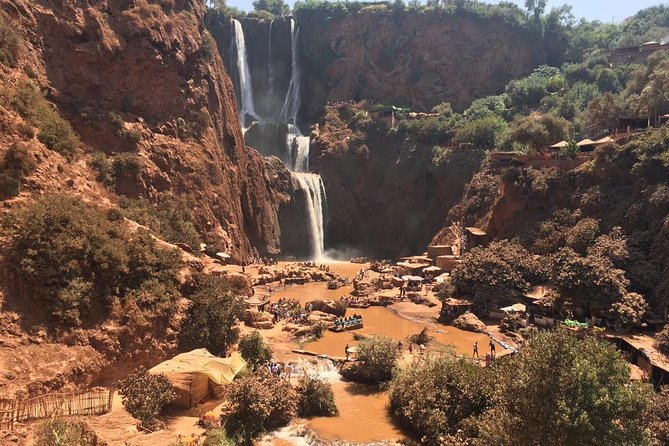
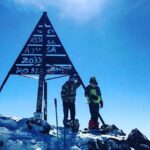
Day 1 is your “big switch” day. You leave Marrakech and head toward the High Atlas road route, including a pass area around 2260 meters. Even if you’ve been in Morocco before, that altitude change usually feels real fast—air cools, viewpoints open up, and the road becomes the story.
Ait Ben Haddou: the kasbah you came for
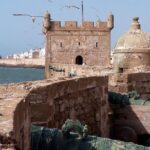
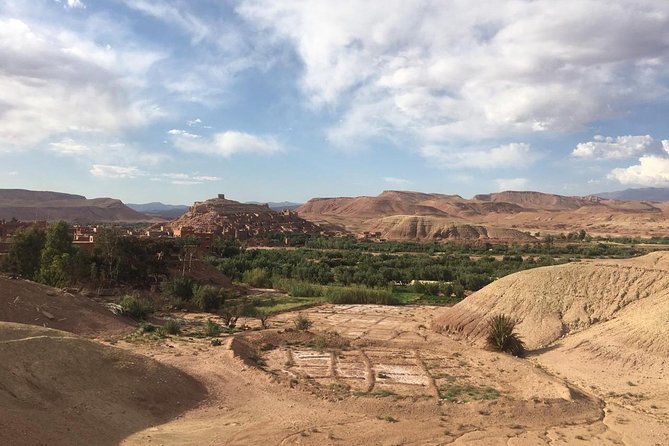
The star stop is Ait Ben Haddou, a historic kasbah complex known for its dramatic setting and movie-set fame. In practical terms, it’s a place where you can understand why filmmakers keep returning. The walls, the texture of the buildings, and the way the town sits against the backdrop make it easy to grasp Morocco’s deep timeline.
You also get lunch at a local restaurant near the route. Lunch isn’t included in the price, but this is one of those times where the schedule works in your favor: you’re not stuck guessing where to eat.


Atlas Film Studios + Taourirt panoramic view
Later, you make a photo stop near the Atlas Film Studios, which is a fun “only in Morocco” kind of moment—modern movie-making sitting right next to ancient architecture and road dust.
Then you reach Ouarzazate for a panoramic view of the Kasbah of Taourirt. You don’t need to be a history buff to appreciate this—panoramas like this help you connect the dots between kasbahs, geography, and how people built for defense and daily life.
You end the day with dinner and an overnight stay in Kalaa M’gouna or Boumalne du Dades, depending on the route timing.
Day 2: Dades Valley panoramas, Todra Gorge hiking, and Erfoud fossils
Day 2 is when the trip shifts from kasbah-heavy to scenery-heavy. The route rolls through Boumalne du Dades with a panoramic stop over the Dades Valley, then continues toward Todra Gorges via areas including Imider and Tineghir.
The Dades Valley view stop: quick but worth it
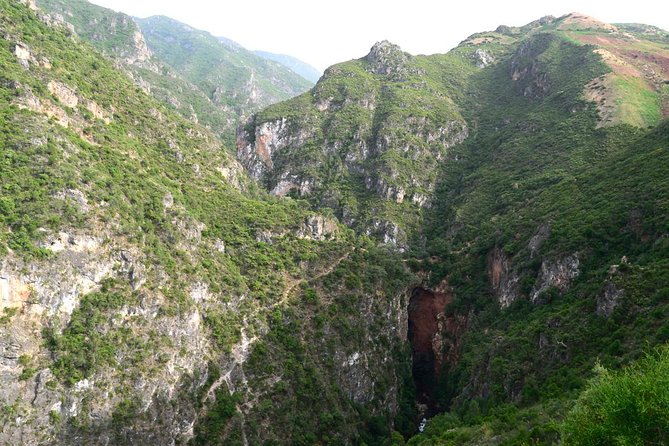
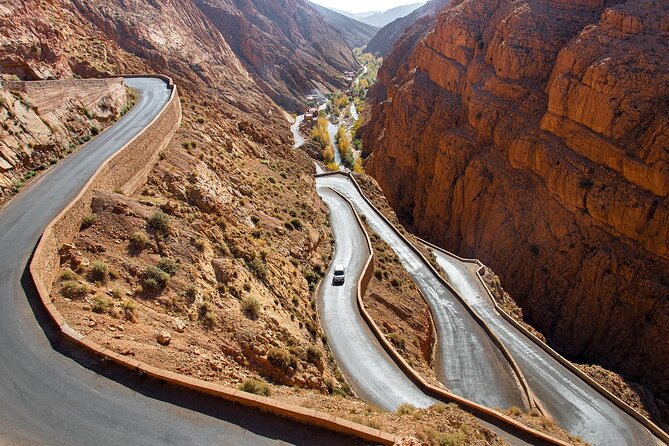
The panoramic stop isn’t long, but it gives you context. The Dades region looks like layered time—canyons, curves, and side valleys—so even a short photo break helps you understand why Moroccans describe these places with pride.
Todra Gorges: hike with your feet, not just your camera
At Todra Gorges, you’re set up to enjoy the canyon views while hiking on foot. This is a key difference between “seeing” and “experiencing.” The gorge walls create a natural frame, and walking inside the canyon changes the scale. It’s also a great stretch break after a day of road time.
Wear shoes with grip. The trip keeps things moving, so you’ll want comfort more than style here.
Erfoud fossil craft workshop + Erg Chebbi dunes
After Todra, the drive continues toward Erfoud, where you visit a local fossil craft workshop. Even if fossils aren’t your main interest, it adds a local industry angle—something practical tied to the region’s geology.
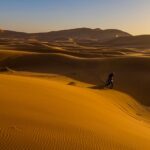
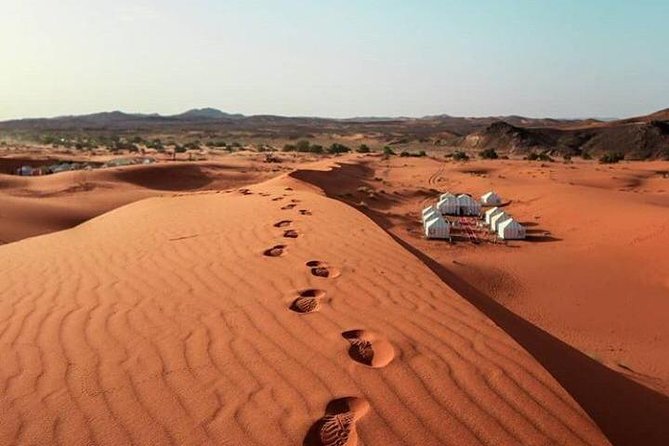
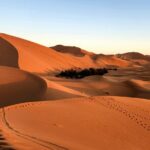
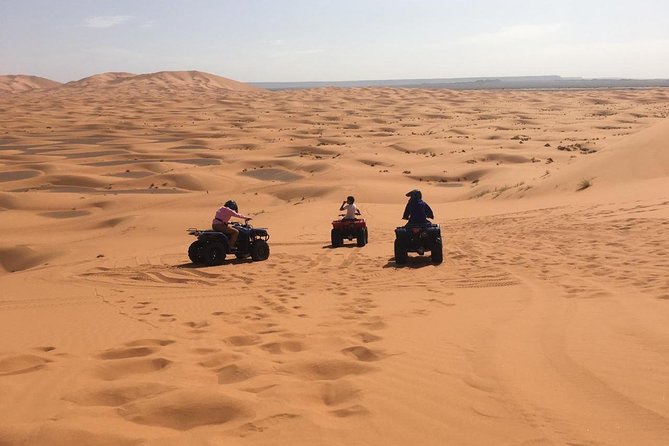
Then you reach Erg Chebbi, also called the Merzouga dunes, and arrive at your hotel. This is the point where the desert stops being an idea and starts feeling like a place you’re going to sleep inside.
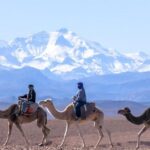
The day ends with dinner and overnight at the area hotel, followed by a camel trek component into the desert-camp experience.
Day 3: Merzouga sunrise on the dune and the Tamnougalt kasbah in palm groves
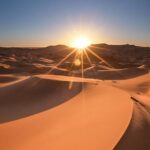
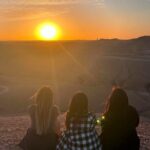
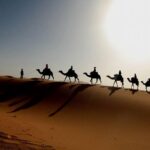
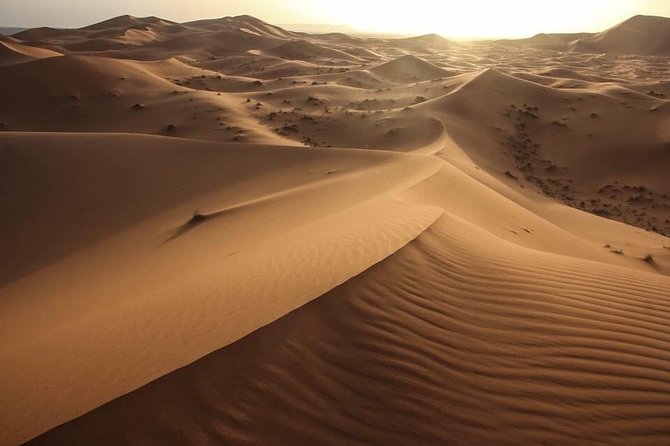
Day 3 is your desert payoff day, and it starts early. You wake up to watch sunrise from the top of the dune in the Merzouga Sahara Desert. This is the moment most people picture when they dream about Morocco’s Sahara—and it’s also the reason the earlier driving makes sense.
After sunrise, you have breakfast, then ride your camel back to the hotel and shower (because yes, you’ll want that after desert mornings).
Rissani souk time: a quick taste of daily life
Later, you drive back toward Ouarzazate via Rissani. You’ll have time to investigate the souk of Rissani, which is useful because it shifts the desert back into the context of real people and real commerce.
It won’t replace Marrakech for intensity, but it gives you a different pace: smaller, more local, and easier to wander without getting totally overwhelmed.
Alnif trilobites + N’kob lunch stop
The route includes Alnif, described as home of trilobite. That lines up with the earlier fossil stop in Erfoud—this isn’t random tourism, it’s a regional theme.
You also stop for lunch in N’kob, which helps break up the return drive with a real meal break.
Kasbah of Tamnougalt: desert detour with palm-grove calm
The final major cultural stop before heading back over mountains is the Kasbah of Tamnougalt, located in the palm groves of the Daraa Valley. This is one of the best “breather” points on the route because it’s not only stone and sand. You get greenery and a gentler visual rhythm.
After that, you cross the Ait Saoun Mountains to reach Ouarzazate for dinner and overnight.
Day 4: Taourirt and Telouet kasbahs on the way back to Marrakech
Day 4 is the return trip, but it doesn’t feel like a straight highway day. You start with breakfast in Ouarzazate, then revisit Kasbah of Taourirt with time to enjoy it again at a more relaxed pace.
Next comes a photo stop near the village, plus lunch at a local restaurant in the village area. Since lunches aren’t included, this is one of those moments where you’ll decide what kind of meal you want—simple and fast, or a more sit-down experience.
Kasbah of Telouet: another strong kasbah moment
In the afternoon, you visit Kasbah of Telouet, then you drive back to Marrakech through the High Atlas, again passing the Tizi N’tichka pass (around 2260 m). This return route is often when you really notice the road geography—how the mountains shape travel and how Morocco’s interior connects.
When you arrive in Marrakech, you’re dropped off at your accommodation.
Sahara camp and camel trek: comfort level and what to pack
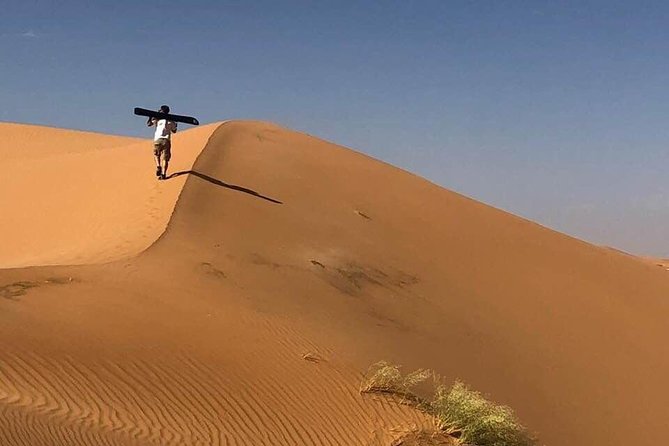
This tour’s desert highlight is the combination of Erg Chebbi dunes plus a night in a desert camp. The exact camp setup isn’t spelled out in the core details, but at least some visitors have described it as feeling more like glamping than rough camping, including a report of a camp with a fully plumbed bathroom.
Still, don’t assume it’s a hotel. The desert is the desert. Nights can feel cool, mornings can be chilly, and dust is part of the deal.
For what you can control, pack for temperature swings and movement:
- Layers for early mornings on the dune
- A light jacket (even if Marrakech felt warm)
- Sunscreen and a hat for the camel and dune time
- Good walking shoes for Todra Gorge hiking
- A small bag to keep essentials close during camel transfers
If you’re sensitive to motion, the driving days are long. Bring water, a snack you can handle, and a playlist. It turns a grind into a journey.
Who this tour is best for (and who should rethink it)
This trip is a good match if:
- You want a Marrakech to Sahara shortcut without arranging multiple transfers.
- You like mixing the big-name stops (Ait Ben Haddou, desert dunes) with less famous stops (film studio photo stop, fossil workshop).
- You don’t mind early mornings and long driving days for the payoff.
You might want to rethink it if:
- You hate long car days and would rather slow down across fewer places.
- You strongly prefer meals to be included end-to-end (since lunches and drinks aren’t included).
- You’re not comfortable with a camel trek or canyon walking.
Should you book this 4-day desert trip from Marrakech?
I’d book it if your goal is a high-impact Morocco route: kasbahs, gorges, and real Sahara time—all in a tight schedule. The pricing makes sense for a private setup with private transportation and multiple included meals, and the desert morning component (sunrise on the dune) is the kind of moment you won’t forget.
What tips the decision toward booking is the balance of famous and functional stops. You’re not only chasing photos—you’re also getting hands-on moments like the Todra Gorge hike, the souks, and the fossil workshop.
Just go in with the right mindset. This is a tour built around roads and big daily movement. If that fits how you like to travel, this is a smart way to reach Merzouga and turn four days into a proper Morocco story.
FAQ
What time does the tour start in Marrakech?
The pickup start time is 8:30 am in Marrakech.
Is this tour private?
Yes. It’s described as a private tour/activity, meaning only your group participates.
What meals are included?
The tour includes 3 breakfasts and 3 dinners. Lunches are not included.
Do I get a night in the desert camp and camel riding?
Yes. The highlights include a night in a desert camp and you’ll have camel trek time in the Merzouga area.
What are the main places you visit on the way to Merzouga?
You travel from Marrakech toward the Sahara and include stops at places such as Ait Ben Haddou, Ouarzazate (including Taourirt), Todra Gorges, Erfoud (fossil workshop), and the Erg Chebbi/Merzouga dunes, plus Tamnougalt on the return.
Is free cancellation available?
Yes. You can cancel for a full refund if you cancel at least 24 hours in advance of the experience start time.