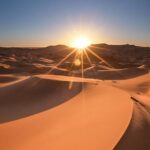
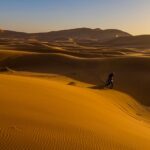
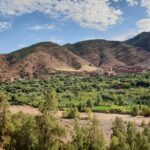
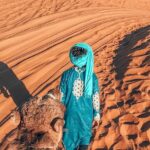
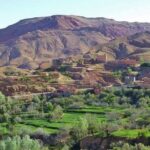
Atlas mountains fade into Sahara silence. This 4-day route from Marrakech to Merzouga mixes big mountain roads, UNESCO-listed kasbahs, and that classic desert night where you sleep under nomad-style wool tents. I also like that it feels built around early mornings and real time outside, not just quick photo stops.
Two things I really like: the way the journey is paced so you get stops with context (High Atlas viewpoints, Ait Ben Haddou, and the palm-grove towns), and the desert experience that includes camel rides at sunset and sunrise. In the reviews, the care and know-how of guides/drivers like Rachid, Ali, Ari, and Yusuf comes up again and again, especially for making the long drives feel smooth and safe.
One consideration: you spend a lot of time in the vehicle across long road days, and lunch plus drinks are not included (and Ait Ben Haddou has a small entry fee listed at €3). If you hate early starts or prefer flexible pacing, this one may feel like a lot.
In This Review
- Key highlights worth knowing
- Entering Morocco’s High Atlas: the Marrakech to Ouarzazate pace
- Ait Ben Haddou to Dades Gorges: rose valleys and movie-set realism
- Todra Gorge to Merzouga: from kasbah roads to Erg Chebbi
- Camel sunrise at camp: what that first light really does
- Down the Draa Valley to Agdz oasis: palm groves that change your pace
- Back toward Marrakech: Tourirt kasbah, cinema studios, and Telouet valley
- Price and what you’re really paying for: value of a 4-day desert circuit
- Who this tour suits best (and who should think twice)
- Should you book this Marrakech to Merzouga tour?
- FAQ
- How long is the Marrakech desert tour?
- What is included in the price?
- Is pickup from Marrakech included?
- Where do I sleep during the desert night?
- Are meals like lunch and drinks included?
- Do I need to pay any entrance fees?
- Can I get a full refund if I cancel?
Key highlights worth knowing
- Real desert time, not just a quick ride with a night under tent-camp stars in Merzouga
- High Atlas views plus kasbah history including Ait Ben Haddou and Ouarzazate’s film-world stops
- Todra Gorge walking break for fresh air and a change from driving
- Camel sunrise and sunset built into the plan, both included
- Drivers praised for safety and calm logistics (names like Rachid, Ali, Ari, Yusuf show up in standout reviews)
- Meals and lodging handled for 3 nights with 3 breakfasts and 3 dinners included
Entering Morocco’s High Atlas: the Marrakech to Ouarzazate pace
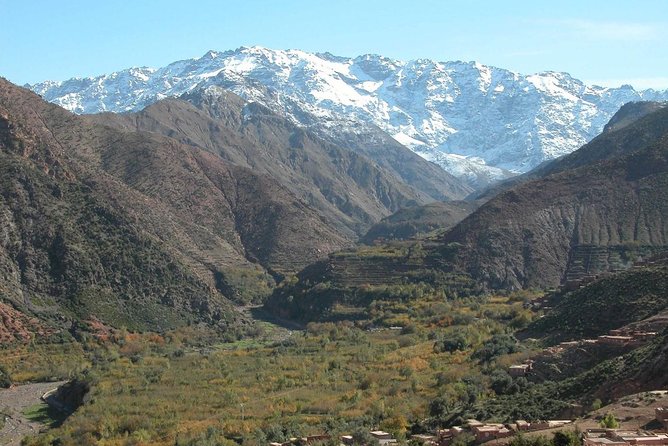
The trip starts with a morning pickup from Café de France in Marrakech, then points your day toward the High Atlas Mountains. Expect a scenic drive through the tizi n Tichka pass (2260 m), which is exactly the kind of road where you can keep your eyes outside and still make it to your stops without rushing. This is one of those drives that feels like it sets the tone: mountains first, then villages, then wide valleys.
Your first meaningful break is at Ait Ben Haddou, reached via narrow roads leading to the kasbah village. I like that the timing makes sense: you’re not just driving past, you’re stopping long enough to take photos and absorb the place. The kasbah itself is UNESCO-listed, and it’s famous for being used in movies like Gladiator, Lawrence of Arabia, and The Jewel of the Nile.
A quick practical note: the tour lists an admission fee for Ait Ben Haddou at €3 (not included). If you want to avoid any awkward moments at the gate, I’d budget that amount ahead of time.
A few more Marrakech tours and experiences worth a look
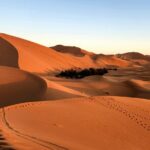
Ait Ben Haddou to Dades Gorges: rose valleys and movie-set realism
After Ait Ben Haddou, you head across Ouarzazate, which is known for film production, and you’ll see Studio Atlas. This stop is short, but it works well because it explains why so many scenes get shot here: the region’s colors and built-in dramatic scenery make easy backdrops.
From there, the route shifts into more “everyday Morocco” territory via Skoura and then Kalaa Mgouna. Kalaa Mgouna stands out for its damaskina rose harvesting, used to make rose water. Even if you’re not buying anything, I find this kind of stop useful because it gives you a break from monuments and reminds you the scenery is tied to livelihoods.
Then comes the drive along the valley of Dades, where you reach Dades Gorges for your first overnight. The included stay is at Riad Gabsi De Dades (or similar), so you’re not sleeping somewhere generic and far from the action. One drawback of this day is simple: it’s a long travel arc, and the value is in the stops, not in feeling rested the whole time.
Todra Gorge to Merzouga: from kasbah roads to Erg Chebbi
Day 2 changes the mood. Todra Gorge is your first stop, known as the road of the Thousand Kasbah. You’ll ride through a string of villages, then reach Tinghir. From there you’ll take a walk around Todgha Gorge (the plan includes a 20-minute walk), followed by breakfast at the hotel.
What I like about Todra Gorge is that it gives your eyes a different kind of dramatic. Instead of open desert or mountain passes, you’re in a rock corridor where the air feels different and the scale hits fast. It’s also a good mental reset before the desert.
After that, you push toward Merzouga and Erg Chebbi. The route runs via Tinjdad to Erfoud, where fossils are mentioned, and you’ll also visit an underground water system tied to oasis irrigation. That detail matters: it helps you understand how people made desert edges livable, long before tour tents and camera drones.
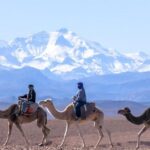
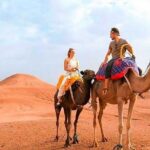
Then you reach Merzouga through Rissani (where the Alaouite Dynasty originated, according to the route description). Next step is the switch from car to camel: you’ll ride with friendly camels to your camp for the night. The camp is listed as Sahara Star Camp (or similar), with dinner and included entertainment like music. You’ll eat chicken tajine, settle in, then spend time looking at stars and enjoying the silence of the Sahara. If you’re the type who wants the desert to feel like a real night, not a spectacle, this is the heart of the trip.
Camel sunrise at camp: what that first light really does
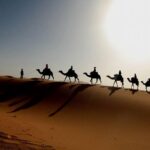
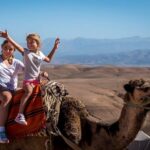
Day 3 is where the desert experience becomes personal. You wake up early for camel sunrise rides, then return for breakfast at the camp. This sunrise timing is a big part of why this tour works: it flips you from tourist mode into slow, quiet observation.
After breakfast, you drive across Tafilalet and reach the Bougafer massif area, then continue to Alnif and Tazzarine. This portion of the route is about moving through regions that feel less staged than the kasbah sites. Lunch is included, and the plan then continues toward N’kob and along the Draa Valley to Agdz oasis.
You end the day with dinner and an overnight in a guest house in the palm grove, listed as Dar Amazir (or similar). I like this switch: after tent-camp night, you come back to a settled oasis setting. It’s still desert-adjacent, but it feels more rooted.
One practical thing to keep in mind: this is a full day of driving plus activities, with a stated duration around 5 hours. So you’ll want to treat the camel ride and the walking breaks as your stretch time, not as a side event.
Down the Draa Valley to Agdz oasis: palm groves that change your pace
The Draa Valley portion doesn’t get as much marketing as the desert camps, but I think it’s one of the most useful parts for your overall understanding of the region. You’re not only seeing sand; you’re seeing how water, agriculture, and palms shape a whole corridor of life.
When the route reaches Agdz oasis, it’s a natural stopping point because it connects the desert edge with daily scenery: palm rows, oasis rhythms, and the kind of quiet where you can actually talk without competing with road noise. The included guest house stay in the palm grove area (Dar Amazir or similar) also means you’re sleeping where the scenery isn’t just outside your window—it’s part of the atmosphere of the night.
If you’re traveling with people who want a balance between “big wow” and “slow real,” the Draa Valley is the compromise that makes everyone happy. It also helps you avoid the feeling that the trip is only about chasing the next photo location.
Back toward Marrakech: Tourirt kasbah, cinema studios, and Telouet valley
By Day 4, you’re heading back north toward Ouarzazate and then Marrakech. After breakfast, you visit the Kasbah of Tourirt, described as a beautiful 17th-century Glaoui kasbah. This is a good final-history stop because it shifts away from Merzouga’s desert story and connects you to the power structures that shaped the region.
You’ll also take pictures at the Studio of Cinema. Since you already saw Studio Atlas earlier, this isn’t a brand-new “wow” moment so much as a reminder of how much Ouarzazate leans on film production and the way it uses local scenery as a stage.
Then the route turns scenic: Telouet valley, farms along Ounila valley, and back over tizi n Tichka. Expect a longer driving day (around 8 hours), with drop-off at your hotel or the nearest end-of-service point in Marrakech (near Hôtel Tazi). This is not the day to plan extra sightseeing right after you arrive unless your schedule is flexible.
Price and what you’re really paying for: value of a 4-day desert circuit
At $766.68 per person, this tour is priced as a mid-range, all-in “road + camp” experience. What makes it feel reasonable is that you’re not just buying transportation—you’re getting 3 nights’ lodging across different settings (Dades riad, Merzouga desert camp, and an oasis guest house), plus 3 breakfasts and 3 dinners.
On top of that, camel rides for both sunset and sunrise are included (one camel each). In most desert tours, that’s the expensive part people forget to add up. Here, it’s built into the package.
You do pay a couple of extras: lunch and drinks are not included, and Ait Ben Haddou has a €3 admission fee listed. Those small add-ons aren’t shocking, but they’re real costs, so I’d keep some spending cash or a card ready just in case.
The biggest “hidden value” is the logistics comfort: a vehicle with a professional licensed driver (fuel included) and pickup included means you’re not navigating the region yourself on a tight timeline. For many people, that alone is worth a lot.
Who this tour suits best (and who should think twice)
This tour is a strong match if you want a structured 4-day route that covers a lot of Morocco without needing to plan every turn. It also fits well if you like guides who talk—your time in the car isn’t just spent staring out the window, and the reviews highlight people like Rachid, Ali, Ari, and Yusuf for humor, safety focus, and strong communication.
It’s also a good fit for couples or small groups who want a private setup. The tour is private, meaning you don’t have to coordinate your pace with strangers.
Think twice if you hate long driving days or early starts. The plan includes sunrise timing and multiple road legs (with day 4 around 8 hours driving). And since lunch and drinks are excluded, you’ll want to be okay budgeting those meals on the fly.
Should you book this Marrakech to Merzouga tour?
I’d book it if you want the classic Morocco combo: High Atlas passes, kasbah stops, Todra Gorge, and then the real desert night in Merzouga with camel rides at sunset and sunrise. The value is in the full package—lodging across three different environments, meals handled, and a professional driver taking you between regions where public transport would be a hassle.
I would skip or swap tours if you’re looking for an ultra-relaxed pace with lots of downtime. This is a drive-heavy itinerary with early mornings, and the payoff is the sequence of places, not slow wandering.
If you’re the type who likes a plan that hits the big sights without feeling rushed at each stop, this one is a solid choice.
FAQ
How long is the Marrakech desert tour?
The tour is 4 days (approx.) with 3 nights.
What is included in the price?
It includes 3 nights of accommodations (Riad Gabsi De DADES or similar, Sahara Star Camp or similar, and Dar Amazir or similar), camel rides for both sunset and sunrise (1 camel each), a comfortable vehicle with a professional licensed driver (fuel included), plus 3 breakfasts and 3 dinners.
Is pickup from Marrakech included?
Pickup is offered. The meeting point listed is Hôtel Restaurant Café de France in Marrakech, and the tour ends at or near Hôtel Tazi in Marrakech.
Where do I sleep during the desert night?
You’ll spend the night in Merzouga in a nomad traditional wool tent at Sahara Star Camp (or similar).
Are meals like lunch and drinks included?
Lunch and drinks are not included. Breakfast and dinner are included during the tour.
Do I need to pay any entrance fees?
Ait Ben Haddou has an admission fee listed at €3, and it is not included. Other stated admissions in the plan are listed as free.
Can I get a full refund if I cancel?
Yes. There is free cancellation, and you can cancel up to 24 hours in advance for a full refund. If you cancel less than 24 hours before the start time, it is not refunded.