REVIEW · MARRAKECH
4 days Marrakech to Merzouga Desert
Book on Viator →Operated by Open Travel - Day Tours · Bookable on Viator
Camel silence, then desert thunder.
This 4-day route from Marrakech to Merzouga strings together Atlas passes, UNESCO ruins, deep canyon walks, and an overnight in a traditional Berber camp. Two things I especially like are the big, cinematic variety—Ait Ben Haddou, Dades Gorges, Todra, and the dunes—packed into a tight schedule.
I also like the way the desert portion is built around timing. You get a sunset camel ride at Erg Chebbi, then a night in a desert camp where music and storytelling happen by the fire, followed by a sunrise start the next morning.
One possible drawback: it’s a long on-the-road trip with early departures and stretches of driving that can feel intense. If you like to linger slowly in one place, you might feel a bit rushed.
In This Review
- Key highlights worth planning around
- High Atlas road trip: Tizi n’Tichka to Ait Ben Haddou
- Ouarzazate + Skoura pauses: why the route matters
- Dades Gorges into the canyon country: first big-time scenery
- Todgha canyon trek: what 300m-high cliffs really means
- Erg Chebbi sunset camel ride: the moment you came for
- Sunrise, showers, and moving on: Merzouga to Ouarzazate
- Return to Marrakech via Telouet and Kasbah el Glaoui
- Price and value: does $869.23 make sense for 4 days?
- The guide/driving factor: where the trip can rise or fall
- What to expect each day (without surprises)
- Who this Marrakech to Merzouga tour fits best
- Should you book this 4-day desert circuit?
- FAQ
- How long is the Marrakech to Merzouga Desert tour?
- What time does the tour start, and is pickup offered?
- Is this tour private or shared?
- What meals are included, and is lunch included?
- Is a camel ride included in the Erg Chebbi portion?
- Do you do any hiking or trekking on the route?
- Which UNESCO or heritage sites are included?
- What happens if the desert trip can’t run due to weather?
- Can I cancel for a full refund?
Key highlights worth planning around
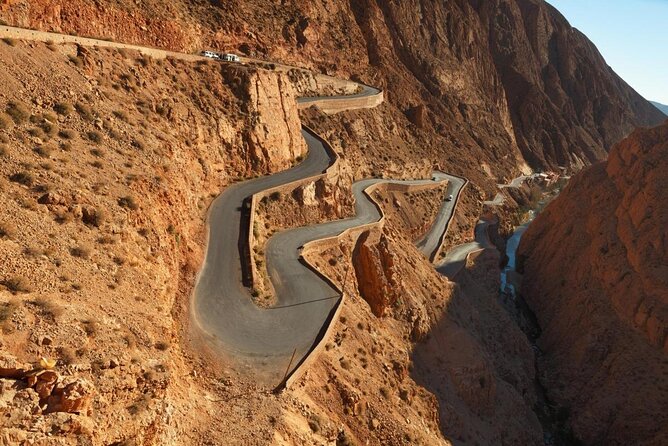
- High Atlas crossing via Tizi n’Tichka at about 2260m for dramatic mountain road views
- UNESCO Ait Ben Haddou and movie-set style fortified ksars (Kasbahs)
- Dades and Todra canyons including a trek along Todgha’s towering canyon walls (about 300m high)
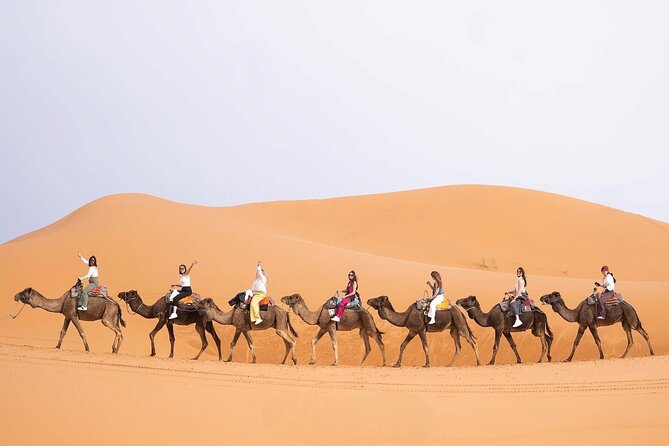
- Erg Chebbi camel ride (1h30) timed for sunset across the golden sands
- Berber camp night with nomadic tent setup, star-filled desert atmosphere, and campfire music
- Return through Draa Valley with palm-lined scenery and stops in southern Moroccan towns
High Atlas road trip: Tizi n’Tichka to Ait Ben Haddou
Day one starts with an 8:00 am departure from Marrakech and heads toward the High Atlas. The key driver is the road over Tizi n’Tichka (about 2260m). It’s the kind of ascent where the scenery keeps changing—mountain villages, valleys, then harsher high-country stretches—so even before you reach the main sights, the drive feels like part of the show.
Next up is Ait Ben Haddou, a UNESCO-listed fortified village (ksar) known for its Kasbahs. This place is famous for having served as a natural film location, so you’ll see why so many productions like its “stuck-in-time” look. After lunch, you continue onward toward Dades via Ouarzazate, stopping in Skoura’s palm grove and the Valley of Roses along the way.
Practical note: day one can feel like “drive + look + drive” rather than a relaxed sightseeing stroll. Still, it’s a smart way to cover distance efficiently without sacrificing the signature stop.
A few more Marrakech tours and experiences worth a look
Ouarzazate + Skoura pauses: why the route matters
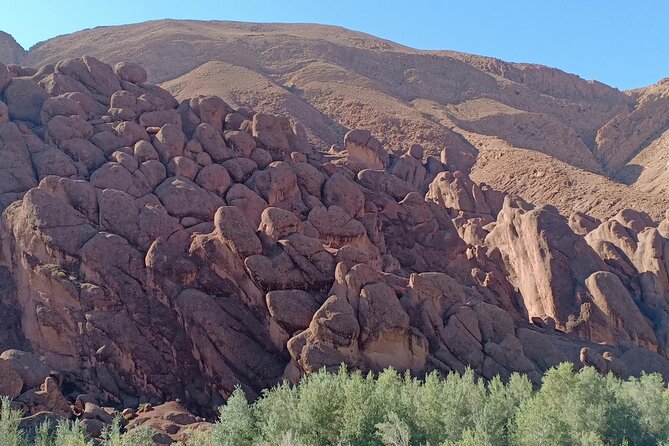
You’re not just being transported from Marrakech to the desert—you’re being fed a sequence of landscapes and cultures that explain how Morocco moves across regions. The stop in Ouarzazate gives you a real sense of southern Moroccan rhythm, and the Skoura palm groves add a softer, greener contrast right before the canyon country.
The Valley of Roses stop is another classic “change of gear” moment. Even if you don’t spend hours walking there, it’s useful because it breaks up the long drive and gives you a chance to reset.
This is also where a good guide/driver makes a difference. In the real-world operation of this circuit, names like Abdelrahim, Jamal, Djamal, and others come up in connection with smooth driving and helpful explanations about Moroccan customs and history. If your driver takes time for context and photo stops, the day feels less like a checklist and more like a coherent journey.
Dades Gorges into the canyon country: first big-time scenery
You reach the Dades Gorges area as part of the first night. The gorge country is a major reason this trip sells so well: it’s dramatic but not as far-flung as the deep Sahara, so you get that “real Morocco outdoors” feeling early.
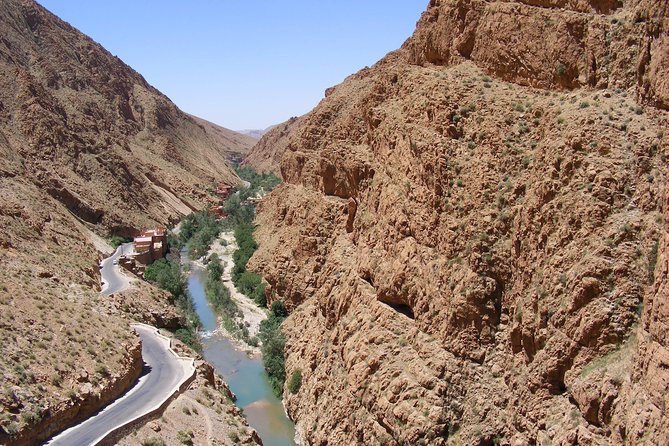
On this route, Dades works like an appetizer for the bigger canyon experience coming next. The stone shapes, the winding roads, and the cliff-side villages make the later canyon trek at Todgha feel earned rather than sudden.
If you’re the type who likes viewpoints, the Dades region is where you’ll probably find your photos coming out more often. If you prefer indoor museums, the rhythm here might feel outdoors-heavy.
Todgha canyon trek: what 300m-high cliffs really means
Day two gets busy, and it starts with breakfast before you move on toward Merzouga. The driving route includes what’s sometimes called the road of 1000 kasbahs, passing colorful Berber villages and heading toward Tineghir with its palm grove.
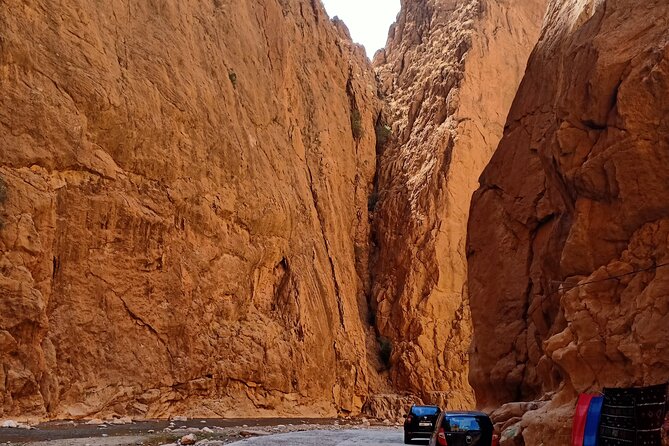
Then you hit Todra Gorge (often spelled Todgha/Todghda on itineraries). Here’s the highlight: you do a trek along canyon walls that are about 300 meters high. That scale matters. Even if you keep the pace calm, you’re walking in a narrow, towering canyon environment, and the walls do a lot to shape light and sound. It’s also one of the few moments on the trip that feels like “activity,” not just driving and arriving.
This trip lists a moderate physical fitness level requirement. If you can manage a canyon walk without rushing and you’re comfortable on uneven paths, you should be fine.
Erg Chebbi sunset camel ride: the moment you came for
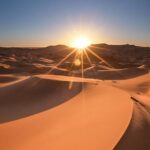
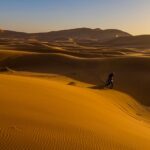
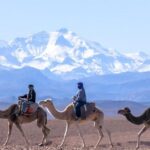
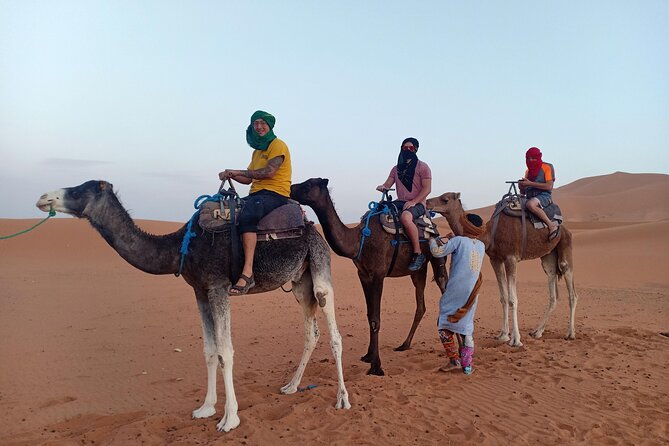
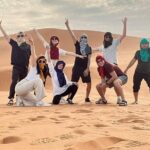
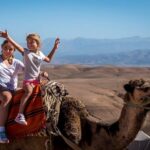
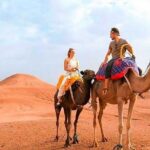
By late day, you arrive in the Erg Chebbi area near Merzouga. Then the desert gives you the classic payoff: the camel ride lasts about 1h30 and is timed for sunset. The ride crosses the dunes toward the camp area in the oasis, watching the light change across the sand.
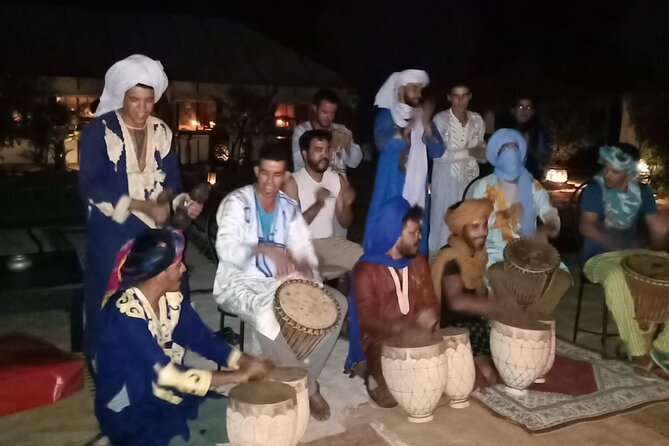
You’re not only riding—you’re also participating in the desert’s social side. The plan includes time to play drums with camel drivers, which is the kind of experience that often turns a scenic activity into a memory. If you like human contact and stories (rather than just photos), this is a strong point of the program.
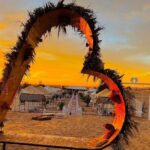
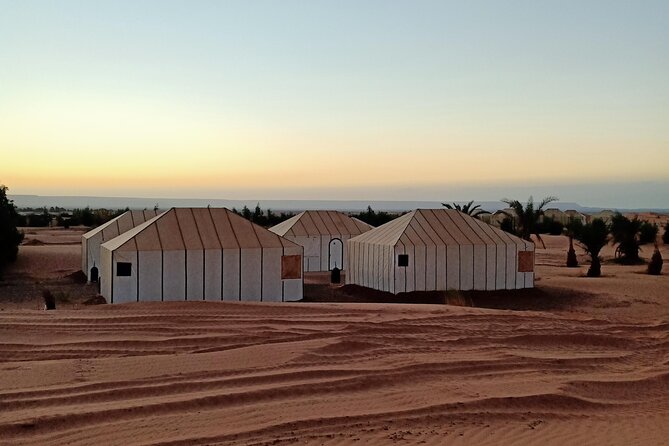
For sleep: the night is spent in a traditional Berber camp. The format includes bivouac-style accommodation with nomadic tents, with an option to sleep outside under the stars. After that, there’s Moroccan hospitality around the campfire, with music and storytelling.
This is also where you’ll notice how the trip balances “comfort” with authenticity. You’re not in a hotel room, but it’s organized. It feels like a desert night with structure, not a chaotic improvisation.
Sunrise, showers, and moving on: Merzouga to Ouarzazate
Day three starts early: you wake up to climb the dunes for sunrise. Then you pack up camels and trek back to the duneline area. From there, you shower and have breakfast at the hotel—an important reset after the sand and nighttime camp.
Once you’re back on the road, you drive to Ouarzazate via Rissani. The plan includes stopping for traditional souks, described as among the largest in southern Morocco. That stop is practical: it’s a chance to stretch, buy small items, and see day-to-day trade rhythms in the region.
Then you continue through the Draa Valley, described as having millions of palm trees. Even if you’re not doing long walks, that palm-lined stretch helps the trip “cool down” from desert intensity and return you gradually to a more settled landscape.
In the evening, you check into a hotel in Ouarzazate. Day three is the “recover and reframe” day—less trek, more drive, with a meaningful cultural stop.
Return to Marrakech via Telouet and Kasbah el Glaoui
Day four is your final push back to Marrakech. The route includes a transfer to Ait Ben Haddou for another visit to the World Heritage site, then you continue to Marrakech.
Along the way, you detour to Telouet to see the Kasbah el Glaoui. Telouet also helps you connect the dots on southern Moroccan power and fortifications—especially since you’ve already seen Ait Ben Haddou earlier. The High Atlas crossing on this last leg completes the circuit you started on day one.
This final day is shorter on the schedule (compared to the full driving days), but it still feels like travel. If you want time in Marrakech afterward to do shopping or a relaxed dinner, this is a decent landing point—assuming you’re okay with the early parts of the day.
Price and value: does $869.23 make sense for 4 days?
At $869.23 per person, this trip isn’t cheap, but it does hit several of the expensive-to-operate boxes: private transportation, multiple multi-region drives, a camel ride (1h30), and an overnight in the desert camp. It also includes 3 dinners and 3 breakfasts, which matters because lunch is listed as not included.
So the value question is really: can you enjoy your time knowing you won’t be constantly deciding meal logistics? With dinners and breakfasts included, you get more predictable daily rhythm—especially useful on long driving days.
Also, this tour is often booked about 51 days in advance. That timing suggests it’s a popular “desert circuit” window, so if you’re traveling in peak season, booking earlier can help you lock in a spot.
One more thing: the tour lists private transportation and says it’s private for your group, while also mentioning group discounts. I treat that as a sign the operator may offer different pricing structures depending on how many people you have. If you’re traveling with friends or family, it’s worth asking how the price changes with party size.
The guide/driving factor: where the trip can rise or fall
A desert circuit lives or dies on driving professionalism and pacing. This itinerary includes long stretches of road, plus canyon walking and desert timing, so you want someone who can read the day and keep things moving.
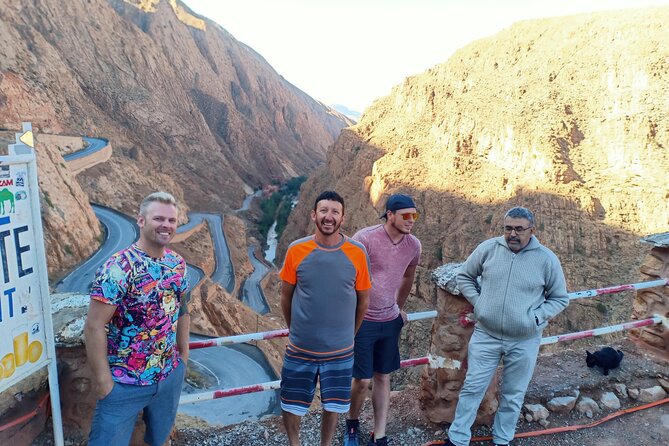
In the operation behind this tour, drivers/guides with names like Abdelrahim, Jamal, Djamal, Abdou, and Adhil show up as examples of what you might hope for: calm, attentive driving; punctuality; explanations about Morocco’s customs and history; and the habit of taking time for photos without turning the day into chaos. If your driver is flexible and communicative, the whole trip feels smoother.
The upside of a private format is that you’re not competing with a crowded bus schedule. Your stops are easier to coordinate, and your pace is more adjustable to your group.
What to expect each day (without surprises)
Here’s the best way to mentally map the rhythm:
- Day 1: Marrakech morning departure → Atlas crossing → Ait Ben Haddou → scenic stops en route → Dades for the first night.
- Day 2: breakfast → canyon road to Tineghir and Todgha → trek in the gorge → arrive at Erg Chebbi → sunset camel ride → Berber camp night with drums and campfire hospitality.
- Day 3: early dunes sunrise → shower + breakfast → Rissani and souks → drive through Draa Valley → hotel in Ouarzazate.
- Day 4: Ait Ben Haddou revisit → Marrakech arrival → detour for Telouet and Kasbah el Glaoui → High Atlas crossing back.
If you like clear structure and strong daily sequencing, this format works well. If you hate early starts, plan to adjust your expectations for morning energy.
Who this Marrakech to Merzouga tour fits best
This one is a good fit if you want a classic Marrakech-to-desert circuit that covers the big UNESCO + canyon + dunes moments in one trip.
You’ll probably enjoy it most if you:
- like scenery changes every few hours (mountains → kasbahs → gorges → dunes)
- want an organized camel ride and camp night without planning the logistics yourself
- are okay with moderate walking in a canyon setting
It’s less ideal if you’re traveling only for lounging in one spot, because the trip is built for movement and variety.
Should you book this 4-day desert circuit?
If you want Morocco’s “greatest hits” in a single run—Tizi n’Tichka, Ait Ben Haddou, Dades, Todgha, Erg Chebbi, and a Berber camp night—I think this is a solid booking. The inclusion of private transport plus 3 dinners and 3 breakfasts also makes it easier to enjoy the ride without constant planning.
My main caution is simple: be honest about your tolerance for long drives and early starts. If that sounds fine, you’ll get what you came for—plus the kind of human desert moments (like the drum time) that turn photos into stories.
FAQ
How long is the Marrakech to Merzouga Desert tour?
It runs for 4 days (approx.) starting from Marrakech.
What time does the tour start, and is pickup offered?
The start time is 8:00 am, and pickup is offered.
Is this tour private or shared?
This is listed as private transportation and a private tour/activity, meaning only your group participates.
What meals are included, and is lunch included?
The tour includes 3 dinners and 3 breakfasts. Lunch is not included.
Is a camel ride included in the Erg Chebbi portion?
Yes. At Erg Chebbi, you take a camel ride for about 1h30 minutes, watching the sunset.
Do you do any hiking or trekking on the route?
Yes. You do a trek along Todgha Gorge, with canyon walls described as about 300 meters high. The tour notes a moderate physical fitness level.
Which UNESCO or heritage sites are included?
The tour includes Ait Ben Haddou, listed as a World Heritage Site, and it also includes a detour to Kasbah el Glaoui in Telouet.
What happens if the desert trip can’t run due to weather?
The tour notes that it requires good weather. If it’s canceled due to poor weather, you’ll be offered a different date or a full refund.
Can I cancel for a full refund?
Yes. You can cancel up to 24 hours in advance for a full refund.