REVIEW · MARRAKECH
4 Days Desert Tours from Marrakech to Merzouga
Book on Viator →Operated by Desert Stars tours · Bookable on Viator
From Marrakech to dunes, the scenery keeps changing. This 4-day Marrakech to Merzouga desert trip strings together High Atlas passes, kasbah towns, and a real desert overnight that ends with Erg Chebbi sunset camel riding. I also love the “cinema route” feel of stops like Telouet and Ait Ben Haddou, where the scenery turns into something you’d swear you’ve seen in a movie.
The second thing I like: the way the days move in big, satisfying chunks. You start with mountains and valleys, then you shift into river country and adobe villages, and finally you land in the dunes for a night under stars. One drawback to plan for is pacing: expect long road days and a couple of meals that are not included, so you’ll want to budget for lunch.
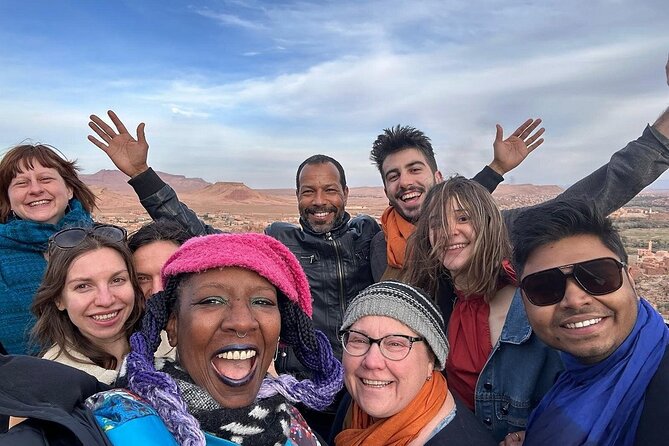
With max 15 travelers, the trip feels small enough to stay relaxed, not like a cattle car. If you get a guide such as Said (a name that shows up often), you’ll likely get clear explanations and a friendly, attentive vibe. Just know you’re sharing the cost with other people, so it’s best for groups of friends who don’t mind traveling side-by-side for four days.
In This Review
- Key things worth noting before you go
- A classic Morocco loop: High Atlas to the Sahara dunes
- Day 1: Tizi n’Tichka pass, Telouet Kasbah, and Ait Ben Haddou
- Day 2: Drâa Valley adobes to Merzouga and a two-hour camel trek
- Day 3: Sunrise return, shower time, and Todra plus Dades Gorge
- Day 4: Rose Valley, Skoura oases, Taourirt Kasbah, and back to Marrakech
- Sunset and star-camp details: what the night is really like
- Price and value: is $470.47 worth it for 4 days?
- Group size, comfort, and the driver/guide factor
- Who this tour suits best (and who should skip it)
- Should you book this Marrakech to Merzouga desert tour?
- FAQ
- What’s included in the tour price?
- How long is the tour from Marrakech to Merzouga?
- What time does the tour start in Marrakech?
- Is pickup offered?
- How big is the group?
- Can I cancel for a full refund?
Key things worth noting before you go
- Erg Chebbi camel ride is the highlight: plan on a 2-hour ride through the dunes, plus a sunrise moment later.
- UNESCO Ait Ben Haddou stops are real stops: not just a quick photo pull-off.
- Drâa Valley is the in-between magic: adobe kasbahs, Berber villages, and long-river scenery.
- Two styles of sleeping: hotel nights first, then an overnight in a Berber-style desert camp.
- Meals included, lunches not: breakfasts and dinners are covered, but lunch is on you each day.
A classic Morocco loop: High Atlas to the Sahara dunes
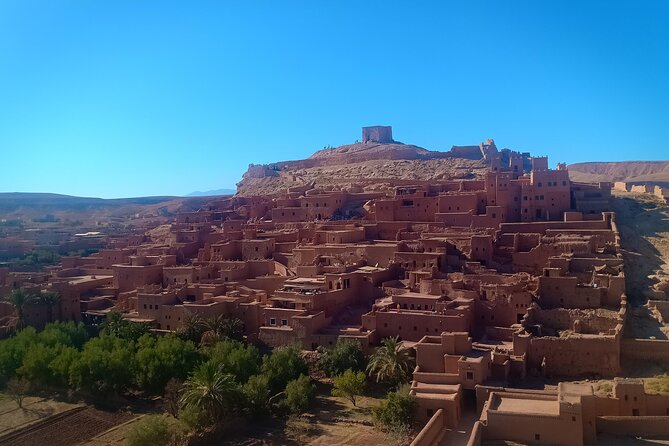
This tour is built for people who want the “big sweep” of Morocco in a short time. You’ll move across very different regions without needing to plan routes yourself. That means lots of changing scenery, frequent stops, and a steady rhythm that keeps the trip from dragging.
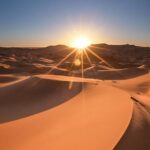
What makes it work (and why it’s so popular) is the sequence. You start with mountain roads over the Tizi n’Tichka pass area, then you drop into valleys and oasis country, and you finish in Saharan dunes at Erg Chebbi. By day two and three, the desert stops start to feel like the whole point of the trip.
Also, the group size matters here. With up to 15 people, you usually get the benefits of a guided plan while still having space to breathe. You’re not fighting crowds just to get back onto the vehicle.
A few more Marrakech tours and experiences worth a look
Day 1: Tizi n’Tichka pass, Telouet Kasbah, and Ait Ben Haddou
Plan for an early start. Meeting begins around 7:00am, and the first drive from Marrakech is typically in the 8:00am zone. Then you’ll spend about two hours heading toward the High Atlas area, with stops for photos along the way.
One of my favorite kinds of stops on this kind of route is the “between places” moment. Here, that happens around Telouet. You’ll visit Telouet and its ancient 17th-century kasbah, which gives you a quick feel for how power and trade worked in this part of Morocco long before modern roads existed.
Then comes Ait Ben Haddou, a UNESCO World Heritage site. You’re there for a proper visit of the kasbah area, which dates back around the 11th century. This is the kind of place where your brain goes into photo-mode, but it’s also worth slowing down just long enough to look at the structure and the layout.
Another stop that’s fun if you like film locations is the Atlas Studio visit. It’s a great contrast to the ancient kasbahs because it connects this scenery to modern storytelling. You end the day in Ouarzazate for the night, so you’re not trying to cram desert sleep into day one.
Day 2: Drâa Valley adobes to Merzouga and a two-hour camel trek
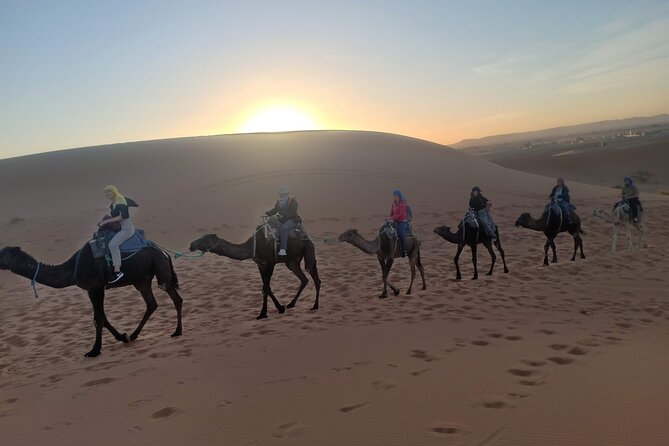
After breakfast, the day starts with a drive toward Merzouga, around 9:00am. The route follows the Drâa River and takes about two hours along it, with stops at adobe kasbahs and Berber villages.
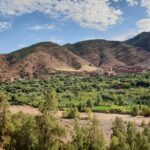
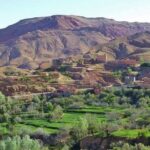
The Drâa Valley part matters because it’s not just “getting there.” It’s the green-to-arid transition you’re looking for. You see how water and settlement shaped the valley, and that makes the dunes feel even more dramatic when they finally arrive.
Lunch is planned around Alnif. Since lunches are not included in the tour price, you’ll want to bring a budget for this meal. The good news is that you’re already on a schedule, so you’re not stuck figuring out what to eat on the road.
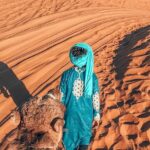
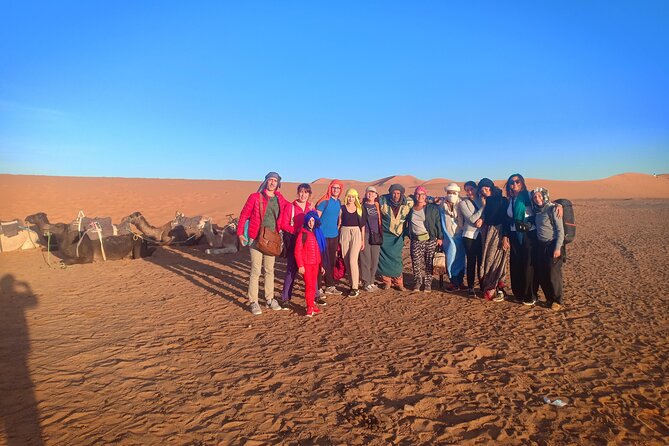
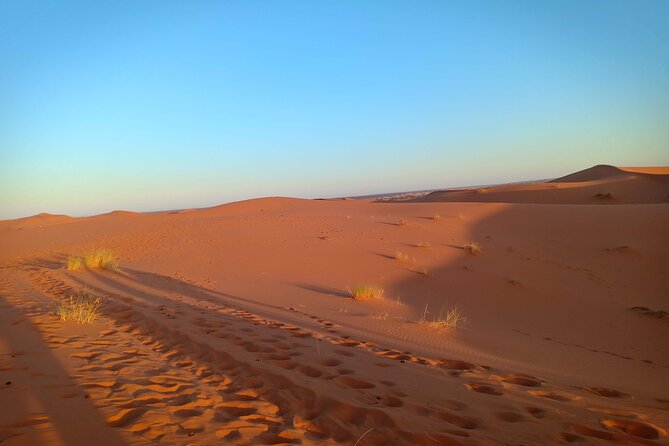
Then the desert arrives. You’ll stop near the great dunes of Erg Chebbi and go from lookout points into sand time. There’s also a visit related to the Gnawa community (listed as black Gnoua people), which adds cultural context to the dunes beyond just photos.
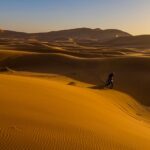
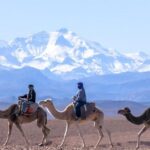
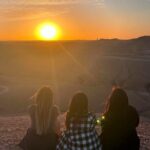
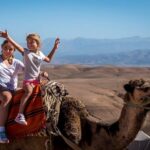
The main event is the camel ride. You get about a 2-hour camel ride through the dunes, timed for sunset. When it’s done well, this is where the trip turns from “sights” into memory. You finish the day with an overnight under a Berber-style tent in Merzouga.
Day 3: Sunrise return, shower time, and Todra plus Dades Gorge
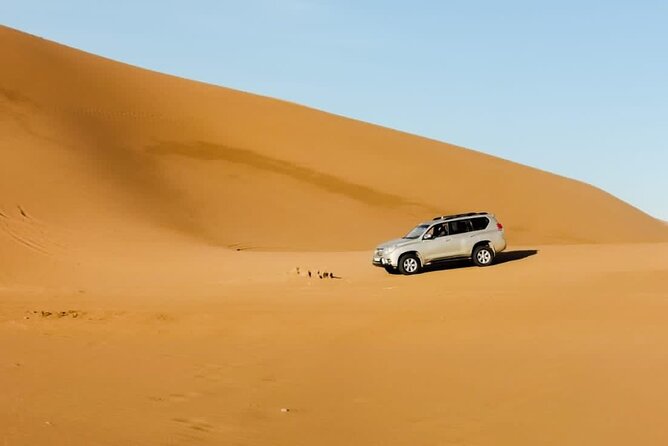
This day starts with sunrise in the desert zone. After the sunrise, you’ll enjoy breakfast, then ride the camels back. The timing is the reason this day is so loved: you get both sunset and sunrise experiences, which you won’t get from a quick desert day trip.
Once you return, you’ll have time to shower before you head out. That shower stop is more important than you might think. Sand clings, and a quick wash makes the next long day of sightseeing much easier.
Then you drive toward Todra Gorges. The route goes through the Todra valley, and you stop along the way in the Dades Valley area. You’ll pass the Monkey Fingers valley and reach the Dades Gorge for the kind of rock scenery that makes you stop taking pictures and just stare.
Lunch is included as a stop on the plan, but remember: meals are covered as breakfasts and dinners, while lunches are not listed as included. In practice, you’ll likely pay for that midday meal during the stop. You’ll finish with another overnight in a hotel.
If you’re the type who likes variety, day three is your reward. You get dunes, then mountains and rock gorges, and you feel like you’ve moved through Morocco’s different “moods” instead of repeating the same scenery all day.
Day 4: Rose Valley, Skoura oases, Taourirt Kasbah, and back to Marrakech
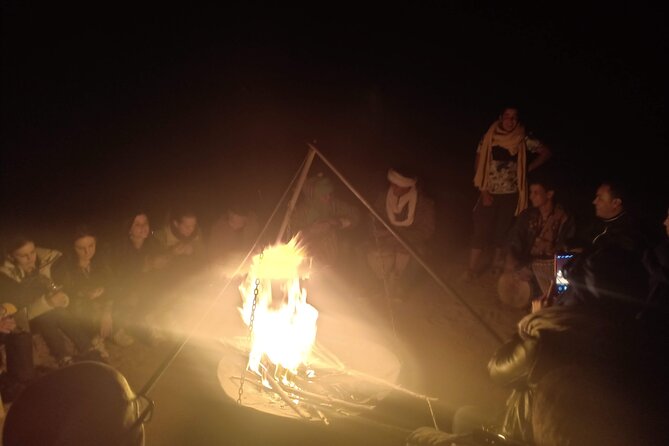
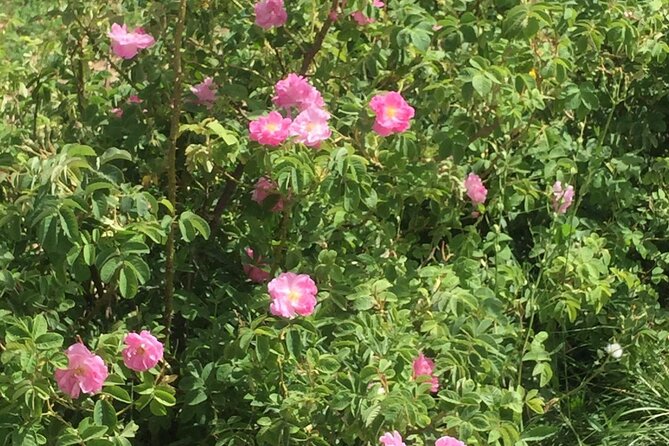
On the final morning, you’ll do breakfast and depart around 9:00am. The return route is scenic and packed with stops, including the Thousand Kasbahs route and the Rose Valley.
One reason this last day feels satisfying is that it gives you a clear contrast from the sand. You’ll stop at Skoura oases and see an authentic 17th-century kasbah there. Skoura’s oasis setting helps your eyes reset after the desert, and it also shows how life concentrates around water.
Then comes Taourirt kasbah, described as the former residence of the Glaoui. This kind of visit is useful because it puts people in the story of the kasbahs. Instead of seeing buildings only as “old walls,” you get a clue about who lived there and why.
Lunch is planned in Ouarzazate, then you drive back toward Marrakech via the Tizi n’Tichka pass area, with photo stops along the way. You’ll be on the road for about four hours at the end, and the day closes back in Marrakech after another day of moving around.
Sunset and star-camp details: what the night is really like
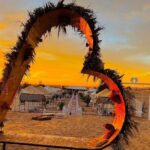
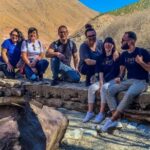
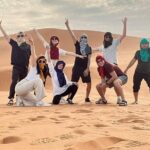
The desert night is the soul of this tour. You’ll sleep in a Berber desert camp under the stars after your camel ride and sunset timing. That means the experience isn’t just “a photo stop near dunes.” It’s a real overnight, which changes the whole feel of the trip.
Dinner is included on the tour. That’s a practical benefit because it avoids you needing to hunt for food after a long day of travel and sand. Breakfast and dinner being included also makes it easier to plan your budget since the main variable cost is lunch.
One thing to be ready for: desert temperatures can swing. The data doesn’t spell out clothing advice, so I’ll keep this practical rather than pretending I know your exact weather. Bring layers, and don’t assume you’ll be comfortable in just one thin outfit after sunset.
Also, be respectful at the camp. These desert camps are someone’s work and someone’s home base. If you’re curious about life out there, ask questions politely and stick to the guidance from your driver and camp staff.
Price and value: is $470.47 worth it for 4 days?
The price is $470.47 per person, and it’s often booked about 15 days in advance. That timing matters because the best tours fill up, especially in the high season. If you want your preferred departure, I’d treat two weeks ahead as a safe target.
So what are you actually getting for the money? You’re getting guided transportation between Marrakech, Ouarzazate, and the Merzouga desert area, plus three breakfasts and three dinners. You also get guided experiences at major stops like Ait Ben Haddou and the route through valleys and oases.
Lunches are not included, and a local guide is also listed as not included. Translation: you’ll want to carry spending money for lunch each day, and don’t assume the tour price covers every possible on-the-ground guiding service at every stop.
Value-wise, this is a good deal for people who want a structured route without the stress of arranging drivers, hotel rooms, and the desert camp separately. If you were to book each piece individually, the admin work alone would eat a lot of time. Here, the plan is already assembled.
Group size, comfort, and the driver/guide factor
The cap is 15 travelers, which tends to make logistics smoother and the vibe friendlier. You also won’t feel like you’re constantly squeezed into a gap for photos. With a small group, the vehicle rides can feel like part of the trip instead of a chore.
Pickup is offered, and you get a mobile ticket. Those sound small, but they matter when you’re dealing with early departures and multiple stops. You’ll also notice the tour includes a mix of hotels and the desert camp, so you’re not doing all four nights in one setting.
A name that comes up often is Said, mentioned as friendly and attentive. That lines up with what you want on a road trip like this: someone who keeps the day moving, answers questions clearly, and handles the practical stuff without turning it into drama.
The other practical win is the “route variety.” You’re not only driving and then sleeping. You stop at kasbahs, valleys, oases, gorges, and dunes, which is why the days don’t feel like they repeat.
Who this tour suits best (and who should skip it)
This fits you if you want the Sahara experience with structure. You’re getting camel time, a desert camp overnight, and a full day-to-day sweep of Morocco’s mountain-to-desert transition.
It also suits you if you enjoy guided stops rather than wandering solo. You’ll see major sights like Ait Ben Haddou and Taourirt kasbah without trying to coordinate transport between them.
You might want to skip or at least reconsider if you hate long driving days. The days are built around road time, including about 8 hours on multiple days. And if you have a tight budget for meals, plan for lunches since they’re not included.
Should you book this Marrakech to Merzouga desert tour?
Yes, I think you should book it if your goal is a classic Morocco desert route in four days, with a real overnight in the dunes. The combination of Erg Chebbi camel riding, star-camp sleep, and major kasbah stops is exactly the kind of itinerary that feels worth doing once.
Book it if you’re comfortable sharing the experience with a small group and you can roll with early mornings and travel days. Skip it if you want a slower pace with more free time for your own plans, or if you’re hoping lunch is fully covered.
If you do book, I’d focus your prep on one thing: plan for temperature swings and keep lunch money handy. Everything else is handled by the tour plan and the Desert Stars team, including pickup and the core meals.
FAQ
What’s included in the tour price?
The tour includes breakfast (3) and dinner (3). Lunches are not included, and a local guide is not included.
How long is the tour from Marrakech to Merzouga?
It’s listed as approximately 4 days.
What time does the tour start in Marrakech?
The start time is 7:00am, with the first pickup from Marrakech typically at 8:00am on day one.
Is pickup offered?
Yes, pickup is offered.
How big is the group?
The tour has a maximum of 15 travelers.
Can I cancel for a full refund?
Yes. You can cancel up to 24 hours in advance for a full refund. Canceling less than 24 hours before the start time does not get a refund.