REVIEW · MARRAKECH
4 Day Trip All inclusive Sahara Desert Tour From Marrakech
Book on Viator →Operated by Merzouga Dunes · Bookable on Viator
Sahara nights start on day one. This 4-day private trip from Marrakech strings together Atlas passes, kasbah stops, Todgha gorges, palm groves, and the Merzouga dunes. You’ll sleep one night in a Berber camp with sunset and sunrise, and you won’t spend time hunting for transport or figuring out routes.
I also like how the English-speaking driver approach keeps the long road days organized and calm. The main catch is the time in the car. You’ll cover a lot of ground, and some entrance tickets (like the kasbahs and Atlas Studios) are not included.
In This Review
- Key takeaways before you go
- Marrakech to the Atlas: the start that sets the tone
- Aït Benhaddou and the Kasbah Route: where movies meet real roads
- Todgha Gorges, palm groves, and fossils: day 2’s “variety pack”
- Merzouga dunes: what you’re really buying with camel ride and camp
- Early morning return and the Anti-Atlas switch-up on day 3
- Taourirt Kasbah and Atlas Film Studio: a fitting finish in Ouarzazate
- Price and value: is $456.63 a fair deal for 4 days?
- Who this Sahara tour suits best (and who should rethink it)
- Should you book this 4-Day Sahara Tour from Marrakech?
- FAQ
- What time is pickup for this tour?
- Is this tour private?
- What’s included for meals?
- Do I get a camel ride to the desert camp?
- Are entrance fees included for the kasbahs and film studios?
- What happens if weather affects the desert experience?
- What’s the cancellation deadline for a full refund?
Key takeaways before you go
- Private for your group: it’s just you and your friends or family, not a mixed crowd.
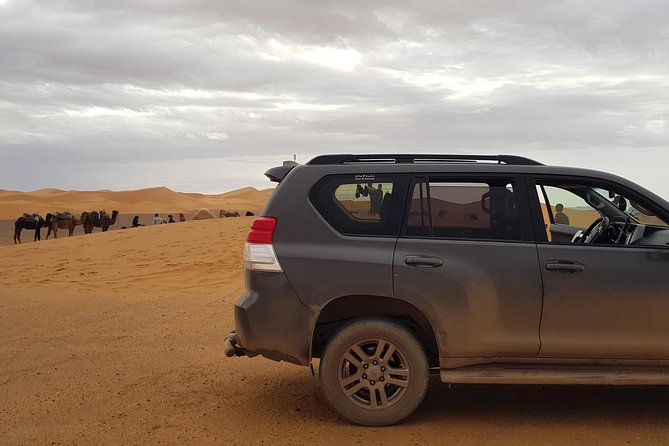
- Transport is handled: a Jeep 4×4 or minivan with fuel and turnpikes covered.
- Desert night feels complete: camel ride plus a camp stay with sunset and sunrise.
- Meals remove stress: 3 breakfasts and 3 dinners are included (lunches and drinks are not).
- Big sights, but extra tickets: Aït Benhaddou and Atlas Studios have entrances not included.
- Driver support matters on long days: guides like Rachid, Mohammed, Hassan, Absou, and Youneff are specifically praised for friendly help and good explanations.
Marrakech to the Atlas: the start that sets the tone
This tour works because it doesn’t jump straight to sand. Day 1 builds momentum with real Morocco road travel—Atlas Mountains, kasbah scenery, and valley towns—so the desert feels like a payoff, not a jump cut.
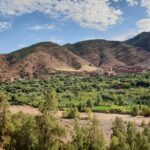
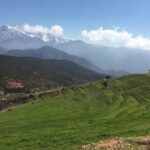
You start at 8:00 am, with pickup from your hotel, riad, airport, or other meeting point. In other words, you’re not wrestling taxis at the start. Once you’re on the road, you’ll cross the Atlas via Tizi n’Tichka, listed at about 2,260 meters. That’s the kind of climb where the air feels different and the views start doing their job.
Two things I like here for value:
1) The driver does the heavy lifting. English-speaking helps a lot when you want clear context, not just directions.
2) You get organized stops. The day includes planned breaks at major places, so you’re not waiting for luck to show up.
One practical note: day 1 is long and physical in the normal travel sense—lots of hours rolling through mountain terrain. If you’re the type who gets cranky after sitting too long, pack a comfort kit (water, sun protection, and something to snack on since lunches are not included).
A few more Marrakech tours and experiences worth a look
Aït Benhaddou and the Kasbah Route: where movies meet real roads
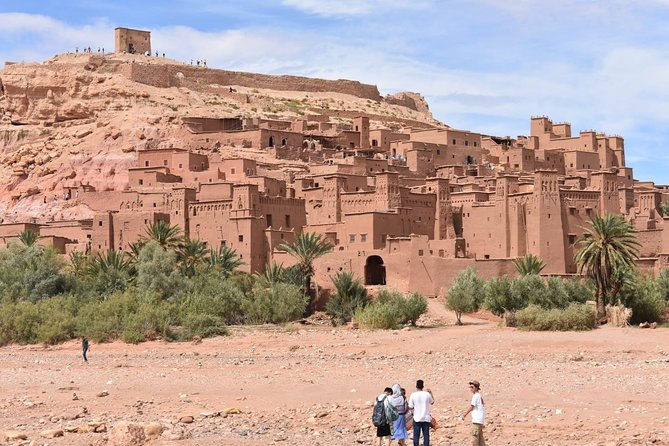
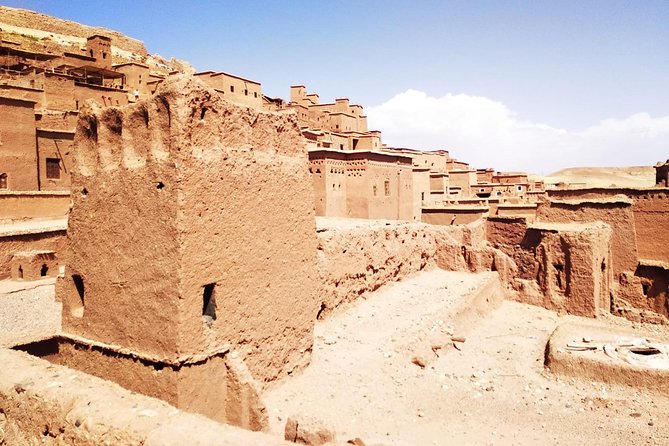
The headline stop on day 1 is Ksar of Aït Benhaddou. It’s a fortified kasbah that’s been used as a backdrop for major films, and you’ll see why when you’re standing in/near the structure. The place is photogenic, sure—but more importantly, it gives you a sense of how communities defended themselves and controlled movement through the region.
After the visit, you’ll travel the Route of the Thousand Kasbahs toward Skoura. You stop around Amridil Kasbah to explore, then continue to Kelaat M’Gouna (the Valley of the Roses capital). The roses may not be blooming when you’re there (this varies), but the point is the route takes you through small-town Morocco instead of only big stops.
Finally, you drive into the Dadès Gorges area to overnight. This matters because it positions you for day 2, when you’ll start stacking dramatic natural sights back-to-back.
Drawback to consider: you may want to budget for entrance fees. Aït Benhaddou is explicitly marked as not included, and the same theme continues later with other sights.
Todgha Gorges, palm groves, and fossils: day 2’s “variety pack”
Day 2 is where the trip gets more textured. After breakfast, you head toward the Dadès Valley and pass through Todgha Gorges. You stay there until lunchtime, which is a smart timing choice: you get enough time to walk around and take photos without the pressure of constant motion.
Todgha gorges also feel good because they’re not just about one angle. If you stand in a few spots, you’ll notice how tight rock walls shape light and sound. That’s the kind of detail that makes desert travel feel earned.
Then comes a route through Jorf palm grove—noted for date production—followed by Erfoud, known for fossils. This is a great day for people who don’t want only “big view, next big view.” The stops add small, specific Morocco details. You’re seeing how people live with the land, even as the landscape changes.
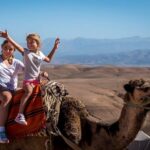
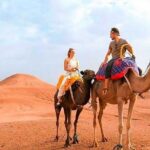
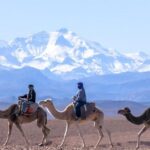
The moment you’ve been waiting for: when you arrive in Merzouga, you swap motor transport for camels. The camel ride is included, and it’s not a gimmick here—it’s how you transition from road Morocco to Sahara Morocco.
Expect a noticeable change in rhythm. On the vehicle, you’re watching the world slide by. On camels, the pace is slower, and the desert silence shows up fast.
Merzouga dunes: what you’re really buying with camel ride and camp
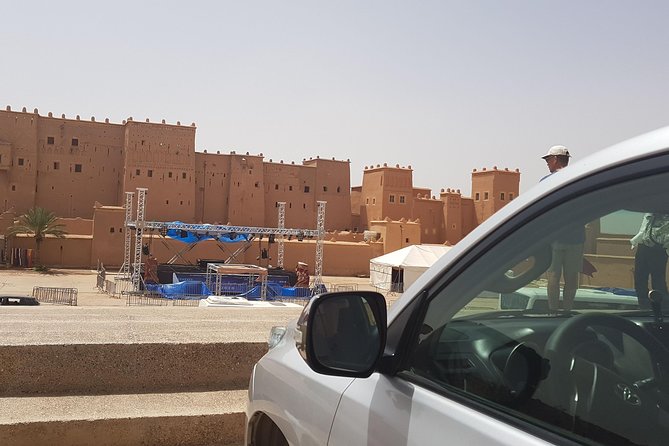
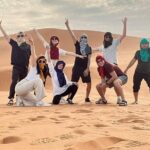
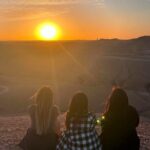
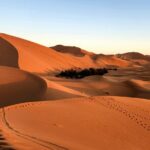
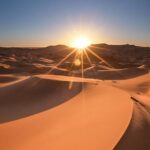
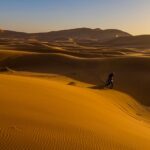
The camel ride takes you to your desert camp area, where the big emotional win is the sunset and sunrise timing. These are the moments you can’t really replicate on your own easily, especially if you’re doing it without a driver, camp contacts, and local coordination.
Once you’re in camp, you’ll enjoy one of the most authentic-feeling parts of Morocco travel: a desert evening built around calm and food. Dinner is included, and the included dinner plus the night setting does a lot for value because you’re not paying extra for logistics when you’re tired.
For comfort planning, think about what desert nights do to expectations:
- Nights can feel chilly compared to daytime.
- You might not have long lighting hours in camp, so bring a small headlamp/flashlight if you have one.
- Shower availability can vary. Your day 3 timing notes that before you head out again, you return to a hotel to shower and eat breakfast, and that depending on camp type, breakfast and shower can be before the camel ride.
So, the camp isn’t just a photo op. It’s the infrastructure that lets you experience the desert’s light changes without having to guess your way through it.
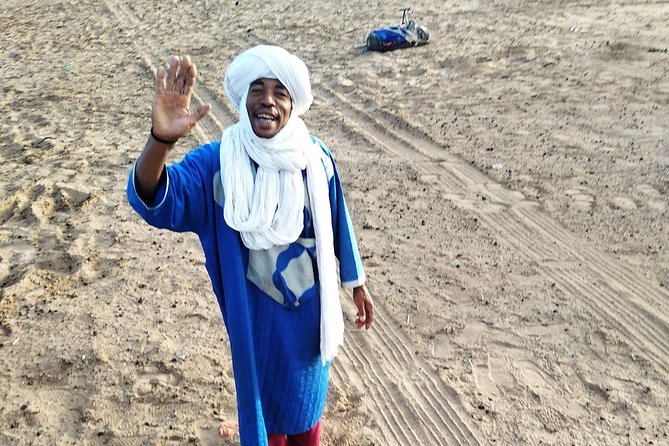
A big compliment that shows up in the feedback: guides are praised for being warm, attentive, and not pushy. Names that come up include Hassan and Absou, and you’ll often feel this in how calmly they handle the ride timing and explanations.
Early morning return and the Anti-Atlas switch-up on day 3
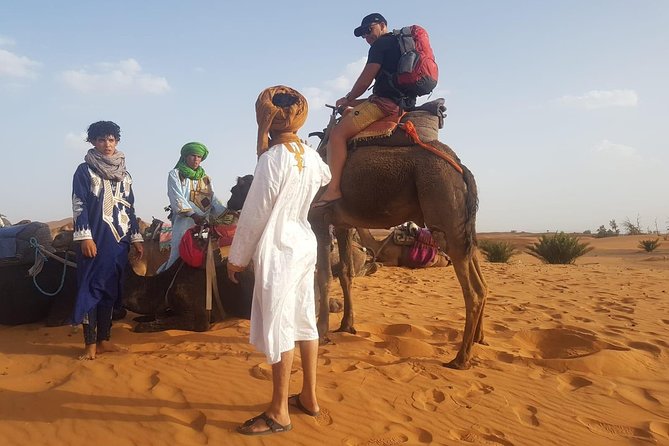
Day 3 starts with sunrise calm, then you’re back on camels again to head back toward a vehicle/hotel for shower and breakfast. This is a key design point of the tour: it gives you a true early start to catch the desert light, then it also gives you a reset. That shower and breakfast step matters if you want to enjoy the second half of the drive without feeling grimy and drained.
After that, the route shifts. You head back toward Ouarzazate via a different way than day 1. You’ll pass through Tafilat, the village of Rissini (noted for being connected to the Alawi Dynasty origins), then Alnif. From there, you travel along roads that cut across the Anti-Atlas range and stop at places like Tazarine, described as an important Berber village. You also pass N’kob, then continue toward the Draa Valley.
What I like about this day is the variety of Morocco that shows up between deserts. It’s not only rock and sand. It’s villages, mountain roads, and a sense that you’re going around the country in big loops rather than bouncing back and forth.
Practical drawback: day 3 is another long driving day. One review noted about 8 to 9 hours of driving daily on a similar multi-day desert experience. So if your back hates car seats, plan for that. Bring layers. Use breaks when you can.
A few more Marrakech tours and experiences worth a look
Taourirt Kasbah and Atlas Film Studio: a fitting finish in Ouarzazate
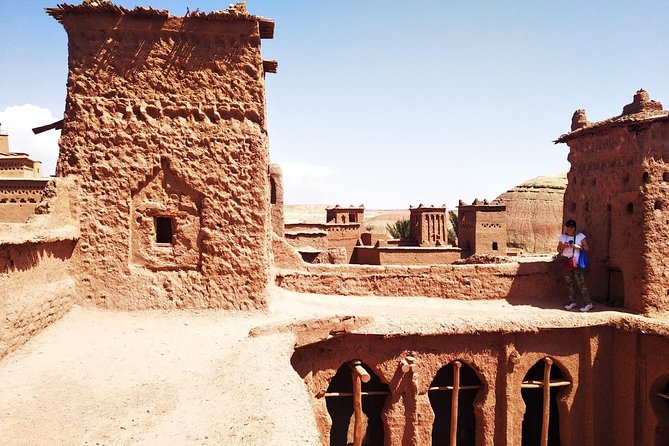
After breakfast, you get a final cultural hit around Ouarzazate before dropping back to Marrakech in the early afternoon.
The stops listed here are Taourirt Kasbah and Atlas Film Studios. Atlas Film Studios is described as the most important in Africa. Whether you’re a film fan or not, this makes the day feel like it has a clear narrative ending: from fortified kasbahs used in cinema to the studio spaces built for it.
This is also where you’ll notice the tour’s “what’s included vs. not included” pattern. Entrance tickets for these sites are marked as not included, so expect to pay some extras if you want full access.
I like this ending because it avoids the feeling that you’re rushing back to the city right after the desert night. You get daylight sightseeing, then you return to Marrakech with time still left in your afternoon.
Price and value: is $456.63 a fair deal for 4 days?
At $456.63 per person for a 4-day private tour, the price can look “high” until you count what it covers. In this case, you’re not just buying transport.
You’re also getting:
- Round-trip pickup from Marrakech and transport by Jeep 4×4 or minivan
- Fuel and turnpikes
- Camel ride
- Desert sunset and sunrise
- 3 breakfasts and 3 dinners
- Accommodation for multiple nights (including one night in a Berber camp)
That bundle matters because Morocco desert routes can become expensive fast when you start adding taxis, guides, and separate lodging bookings yourself.
What keeps it fair: the pricing feels more like paying for a controlled circuit than paying for a handful of optional activities. You don’t have to manage the timing between Atlas stops, gorges, fossils, and Merzouga.
What reduces the deal slightly: lunches and drinks are not included, and entrances for key sights are not included either. So you should budget extra for:
- Aït Benhaddou
- Taourirt Kasbah
- Atlas Film Studios
If you’re the kind of traveler who always buys add-ons, your total cost will rise. If you’re good with simple lunches during travel days, the included meals help a lot.
Who this Sahara tour suits best (and who should rethink it)
This tour fits you best if you want a “hands-off” desert trip that still includes meaningful stops along the way. You’ll likely enjoy it if:
- You like guided context and don’t want to figure out routes alone.
- You want the desert night with real timing for sunset and sunrise.
- You prefer fewer decisions: meals, transport, and accommodations are handled.
It might not fit as well if:
- You hate long car days. Even with a good driver, this is road travel plus sightseeing stops.
- You’re trying to keep costs ultra-tight, because entrances and lunches are extra.
One more personal tip: this is a private tour for your group, so you can ask the driver to adjust the pacing slightly within reason. The feedback includes praise for communication and recommendations from guides like Rachid, including help planning and hotel/activity suggestions, and that kind of flexibility can make the trip feel more tailored.
Should you book this 4-Day Sahara Tour from Marrakech?
Yes, if you want an organized Sahara experience that doesn’t feel like a rushed transfer. The Berber camp night, the camel ride, and the sunset/sunrise scheduling are exactly the kind of big items that turn a desert dream into a real, memorable trip.
Book it with your eyes open about the trade-offs: plan for long driving days and budget for entrances and lunches. If you’re okay with that, you’ll get a strong mix of Atlas mountains, kasbah culture, gorges, palm groves, fossils, and a genuine desert night—without needing to do the planning yourself.
FAQ
What time is pickup for this tour?
The start time is 8:00 am, with pickup from your hotel, riad, airport, or other meeting point.
Is this tour private?
Yes. It’s described as a private tour/activity, meaning only your group (family or friends) participates.
What’s included for meals?
The tour includes 3 breakfasts and 3 dinners. Lunches and drinks are not included.
Do I get a camel ride to the desert camp?
Yes. A camel ride is included, and the Merzouga dunes portion includes the switch from vehicles to camels.
Are entrance fees included for the kasbahs and film studios?
No. Entrance to the kasbahs and Atlas Studios is not included.
What happens if weather affects the desert experience?
This experience requires good weather. If it’s canceled due to poor weather, you’ll be offered a different date or a full refund.
What’s the cancellation deadline for a full refund?
You can cancel up to 24 hours in advance for a full refund. If you cancel less than 24 hours before the start time, you don’t get a refund.