REVIEW · MARRAKECH
3-Days Desert Tour from Marrakesh
Book on Viator →Operated by Maroc Tour Excursion · Bookable on Viator
Three days, Atlas to Sahara, zero stress. This 3-day desert tour from Marrakech is a fast-moving route through the High Atlas and southern Morocco, ending at the Sahara dunes for a night under the stars. You’ll hit Ait Ben Haddou (UNESCO-listed) and then make your way to Erg Chebbi for camel time and sunset views.
I especially love the way the trip mixes big-name sights with lived-in places, from the river walk near Tinghir to palm-lined valleys and kasbahs in the Dra’a region. I also like that the experience is designed for comfort on long days: pickup is offered, and breakfast plus dinner are included. One drawback to consider is that lunches aren’t included, so plan for extra daytime meals while you’re on the road.
In This Review
- Key highlights at a glance
- High Atlas to Ait Ben Haddou: the start that sets the pace
- Telouet’s ruins and the Atlas roads: scenic, but plan for motion
- Tinghir to Todgha Gorges: a cool, green-feeling pause
- Ziz Valley to Erfoud and Rissani: tea time before the dunes
- Camel ride (1–2 hours) and sunset on Erg Chebbi dunes
- Nomad-tent night at the foot of the dunes: dinner and stars
- Day 3 from Agdz back toward Marrakech: palm trees, kasbahs, and caravan routes
- Price and value: what you’re paying for (and what you’re not)
- Who this 3-day desert tour fits best
- Should you book this 3-day desert tour from Marrakesh?
- FAQ
- What time does the tour start?
- How long is the desert tour?
- What meals are included?
- Are entrance fees included?
- Is pickup from Marrakech included?
- Is this tour private?
- Do I need special fitness for the trip?
- What if the weather is bad?
- Recommended for you
Key highlights at a glance
- 8:00am start with hotel/riad pickup to maximize daylight from Marrakech
- Ait Ben Haddou UNESCO kasbah visit after a scenic Atlas crossing
- Todgha Gorges and Tinghir river walk for a break from desert-only scenery
- Erg Chebbi camel ride (1–2 hours) plus a spectacular dune sunset
- Nomad-tent night at the foot of the dunes with dinner included
- Dra’a Valley caravan-route drive ending at Kasbah Tamnougalte near Agdz
High Atlas to Ait Ben Haddou: the start that sets the pace
Your day usually begins at 8:00am, with pickup from your hotel or riad in Marrakech. From there, you climb toward the High Atlas Mountains, following the route past the famous Tichka pass area. It’s a long drive, but the timing matters: you get enough daylight to see the changes in terrain rather than just “arrive tired.”
The first big cultural stop is Telouet Kasbah, tied to the Glaoui family. The kasbah you’ll see today is in ruins, but that’s part of the point. It helps explain how power, wealth, and geography shaped life in southern Morocco before modern borders and roads changed everything.
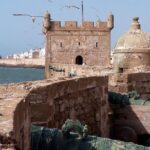
Then the journey continues toward lunch at the Ait Ben Haddou area, followed by a visit to Morocco’s most famous kasbah setting. This one is UNESCO-listed, and you can feel why so many filmmakers and storytellers keep returning here. Even if you’re not a movie buff, the place works: tight alleys, high earthen walls, and that desert-edge atmosphere.
What I’d watch for: bring a light layer for the drive. Mountain mornings and desert evenings can feel very different, even within the same day.
You can also read our reviews of more tours and experiences in Marrakech.
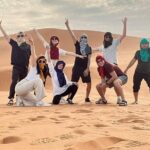
Telouet’s ruins and the Atlas roads: scenic, but plan for motion
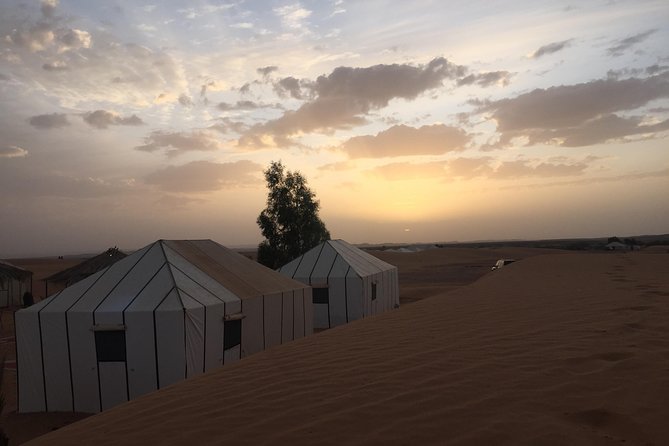
The route through the Atlas isn’t just pretty; it’s the “why” of this tour. Morocco’s south doesn’t look like Marrakech. It changes fast: altitude, vegetation, road style, and the mood of small villages. You go from city rhythm to Atlas mountain rhythm, which is exactly what makes a multi-day desert trip worth it.
Telouet Kasbah being in ruins can feel either dramatic or anticlimactic, depending on your expectations. I’d frame it like this: it’s not a polished museum stop. You’re seeing evidence of history’s ups and downs, not a fully restored showpiece.
Also, you’ll be in a vehicle for long stretches on all three days. That can be fine if you like scenery and don’t mind sitting, but it’s not the kind of trip for people who want frequent stops every hour. If you get motion sickness, plan for it before you leave Marrakech.
Tinghir to Todgha Gorges: a cool, green-feeling pause
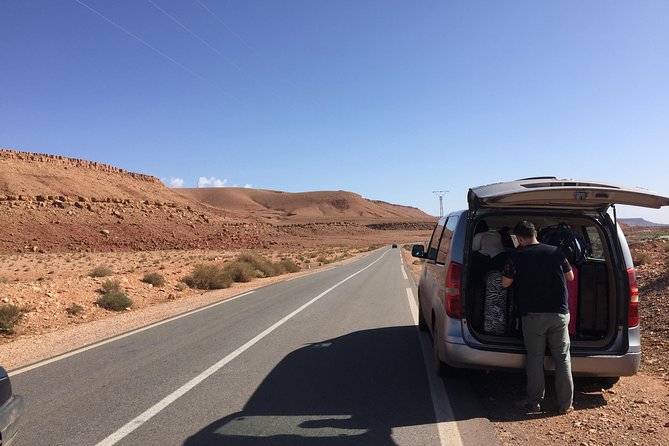
Day two shifts from Atlas edges to the dramatic rock shaping around the Todgha gorges. Before you reach the gorges, there’s time for a walk by the river in the Tinghir area. That stop matters more than you might think. It breaks the “hot-dust-only” pattern and gives your body a chance to move before dunes.
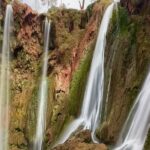
Then you continue on to the gorges, where the scenery is totally different from kasbah walls. Todgha gorges feel carved and steep, with the sense that water cut through rock long before today’s roads existed. Lunch is flexible: it may be served in the gorges area or later at the bivouac before the dunes, depending on timing.
Practical tip: wear grippy shoes. Even a short walk by a river or in gorges terrain can be uneven, and you’ll want stable footing when the day becomes more desert-focused.
Ziz Valley to Erfoud and Rissani: tea time before the dunes
As you drive toward Erg Chebbi, you pass through the Ziz Valley and the towns of Erfoud and Rissani. These aren’t just points on a map. This route is one of those “this is how people travel” corridors, and it helps the desert feel connected to real life instead of appearing from nowhere.
Rissani is also where the king’s family originates, which adds a sense of deeper local context to the stop. You’re not just chasing famous dunes; you’re moving through areas tied to regional identity.
In the afternoon, you’ll get a welcoming glass of tea, then head out for camel riding. This tea moment is small, but it’s a good reset. It signals you’re transitioning from vehicle travel into slower desert time—listening, watching, and feeling the pace change.
Camel ride (1–2 hours) and sunset on Erg Chebbi dunes
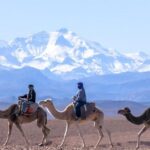
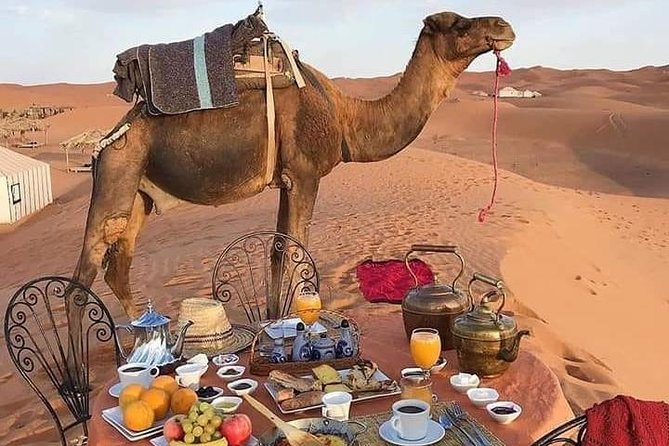
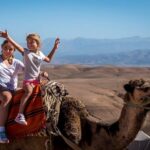
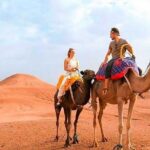
Your camel ride is between one and two hours, and it’s positioned so you can enjoy the sunset from the top of the dunes. Erg Chebbi dunes can rise roughly 250 meters, which is why the sunset here has that dramatic scale. The light doesn’t just color the sand; it changes how the dunes look in three dimensions.
Camel riding duration varies by how your group moves and how the staff times the ride to the sunset. If you’re hoping for maximum riding time, I’d still treat the ride as part of the experience, not a “ride as fast as possible” activity. Slow desert time is the whole point.
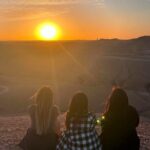
What you’ll likely remember most: the contrast between the bright day and the long, shadowy evening. Desert sunsets can look similar on Instagram, but up close they hit differently because you’re standing right on the sand where the light lands.
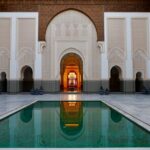
Nomad-tent night at the foot of the dunes: dinner and stars
After sunset, the tour includes dinner and your night in a nomad tent at the foot of the dunes. This is one of the most praised parts of the trip, because it’s simple and direct: you’re close to where the desert breathes, not in a hotel that pretends it’s in the dunes.
One standout detail from guest feedback is how the night sky can look when you’re away from city lights. Stars become visible in bulk, and the atmosphere feels calm instead of scheduled.
Dinner is included here (and breakfast is included on the following morning), which improves value. Still, don’t treat this meal like a fine-dining restaurant stop. Think hearty, desert-appropriate food and an evening built around storytelling and relaxation.
Pack for comfort: even if daytime is warm, desert nights can cool down fast. Bring something that you can wear for sitting outside.
Day 3 from Agdz back toward Marrakech: palm trees, kasbahs, and caravan routes
On the third day, you may have the option to catch sunrise early, when dune colors shift and shadows stretch across the sand. If you’re the type who likes quiet mornings, this part can feel like a gift. If you’re not, it’s still worth knowing the option exists before you assume the day is purely driving.
Then the route turns west to the Dra’a Valley, with the drive running through the Saghro mountains. You pass through villages such as Tazzarine (featured in the film Babel) and N’Qob. Lunch happens overlooking the mountains, which makes the long drive feel less repetitive.
As you reach Tanasikht, the scenery changes again: the Dra’a Valley is known for large palm trees and ancient kasbahs. Then you travel along a track tied to an ancient caravan route, heading toward Agdez.
The final kasbah highlight is Kasbah Tamnougalte, described as the oldest kasbah in the valley. After that, you’re driven back to Marrakech for drop-off at your accommodation.
Why this ending works: it finishes with something softer than pure desert. Palms and earthen architecture bring the story full circle—this isn’t just a dune overnight, it’s a wider south-Morocco journey.
Price and value: what you’re paying for (and what you’re not)
At $464.58 per person for about 3 days, this tour sits in a mid-range zone for Morocco desert experiences. The main reason it can still feel like good value is what’s included and how the days are structured.
Included basics:
- 2 breakfasts
- 2 dinners
- Admission for Ait Ben Haddou is included (Day 1)
- Day 2 includes a camel ride and the desert-camp night experience (with admission marked as free in the provided details)
- Pickup is offered, and the tour is private (your group only)
Not included:
- Lunches (so you’ll budget for day meals)
- Personal expenses
- Tips
So the value equation is simple: you’re paying for the long driving plan, the desert night, and the key cultural blocks with meals that keep you from hunting food all day. If you’re the type who likes to eat on the go and not fuss with planning, that inclusion helps. If you prefer restaurant lunches every day, you’ll still have that freedom, but you’ll need to add the cost.
Who this 3-day desert tour fits best
This is a strong match if you want a classic Morocco route without having to plan every transfer yourself. It also works well for people who like cultural variety: kasbahs, gorges, valleys, and then the Sahara night.
It’s especially good if you value having a guide and driver who can keep things moving and adjust to your pace. In the feedback I’ve seen around this experience, guides like Karim and drivers like Mustapha/Mustafa come up as friendly and easy to work with, including offering practical advice about meals when asked.
You might want to skip or rethink if you dislike long road days. The route is packed with scenery stops, but the core of the trip is still driving between regions.
Should you book this 3-day desert tour from Marrakesh?
Book it if you want an efficient route that reaches the Sahara from Marrakech in a reasonable number of days, while still giving you Todgha gorges, kasbah culture, and Dra’a Valley palms. The included breakfasts and dinners reduce stress, and the Erg Chebbi sunset + camel ride combo is exactly the kind of moment desert tours are built for.
Skip it (or choose a different style) if you’re extremely sensitive to time in a car, since the days are long and lunches aren’t covered. Also, if weather becomes an issue, the experience depends on good conditions.
If you want a desert trip that feels like more than one dramatic overnight, this one has the structure.
FAQ
What time does the tour start?
The start time is 8:00am, with pickup offered from your hotel or riad in Marrakech.
How long is the desert tour?
It’s listed as about 3 days.
What meals are included?
The tour includes 2 breakfasts and 2 dinners. Lunches are not included.
Are entrance fees included?
Admission is included for Ait Ben Haddou on Day 1. For Day 2 and Day 3, the provided details mark admission as free.
Is pickup from Marrakech included?
Yes, pickup from your hotel or riad is offered.
Is this tour private?
It’s described as private, with only your group participating.
Do I need special fitness for the trip?
You should have a moderate physical fitness level.
What if the weather is bad?
The experience requires good weather. If it’s canceled due to poor weather, you’ll be offered a different date or a full refund.
Recommended for you
If you’re planning a Marrakech-to-Sahara route, you’ll usually get the best experience when you pack for temperature swings, accept that days are road-heavy, and treat the desert camp as the highlight rather than trying to fill every hour with extra stops.