REVIEW · MARRAKECH
4 Day Sahara Desert Tour From Marrakech with Night in Camp
Book on Viator →Operated by Trek Atlas Morocco · Bookable on Viator
Marrakech to the Sahara in just four days feels like time travel. This private tour loops through High Atlas passes, the famous walled ksar of Ait Benhaddou, and then drops you right into Erg Chebbi for a camel ride and a night in camp. I especially like the mix of big sights and real human moments, like camel drivers’ drumming in the dunes and time to wander local souks. The main thing to think about is simple: you’re doing a lot of driving, and the schedule is packed.
What I like most is that the route isn’t only about seeing the desert. You also get a hike at Todgha, palm-grove breaks in Tineghir, and views from the Tizi n’Tichka pass (2260m). Add included breakfasts and dinners, plus the camel ride and desert camp, and the trip feels built to run smoothly rather than cobbled together. The other consideration: lunch isn’t included, so plan for that during long travel days.
If you want a guided, no-stress way to connect Morocco’s mountain towns to the Sahara, this format works. You’ll be picked up from Marrakech with a local driver, and you’ll travel as a private group (just your group). If you’d rather take it slow, this one may feel like more movement than you want.
In This Review
- Quick hits on this 4-day Sahara circuit
- Leaving Marrakech: Tizi n’Tichka and Ait Benhaddou on Day 1
- Skoura Palms to Dades Gorges: The 1000 Kasbahs road feel on Day 2
- Todgha Gorge hike: getting your legs moving before the dunes
- Erg Chebbi at sunset: camel ride, camp night, and the drumming moment
- Dawn on the dunes, then shower and breakfast in a hotel
- Rissani souks and Draa Valley palms: the Morocco-between-destinations day
- Ouarzazate film country and Telouet: finishing with Kasbah el Glaoui
- Price and value: what $882.13 covers and what it costs you
- Who should book this Sahara tour (and who should adjust expectations)
- Should you book this 4-day Marrakech-to-desert camp tour?
- FAQ
- What time does the tour start?
- How long is the tour?
- Does the price include pickup from Marrakech?
- Is the tour private or group-based?
- What does the camel ride include?
- Where do you sleep during the trip?
- Are meals included?
- Are entrance tickets included for stops like Ait Benhaddou and Todgha?
- What’s not included besides lunch?
- Is there free cancellation?
Quick hits on this 4-day Sahara circuit
- High Atlas pass views on the route out of Marrakech, including Tizi n’Tichka (2260m)
- Ait Benhaddou and its walled ksar setting, used in film shoots
- Todgha Gorge hike with the canyon walls described at around 300 meters high
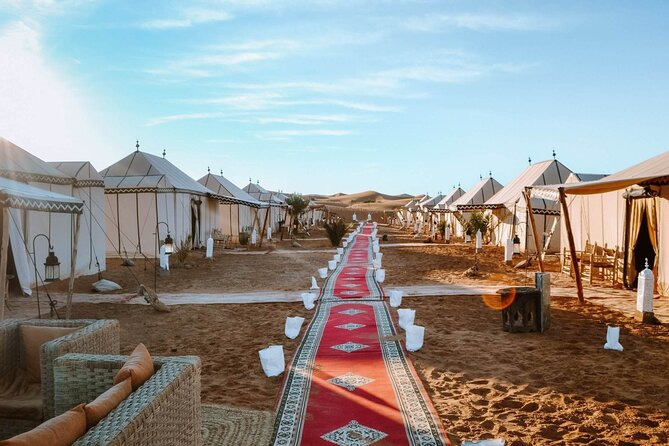
- Erg Chebbi camel ride at sunset plus a desert camp night
- Drums with the camel drivers as a memorable camp-time detail
- Dawn on the dunes and then a shower-and-breakfast rhythm in Merzouga
Leaving Marrakech: Tizi n’Tichka and Ait Benhaddou on Day 1
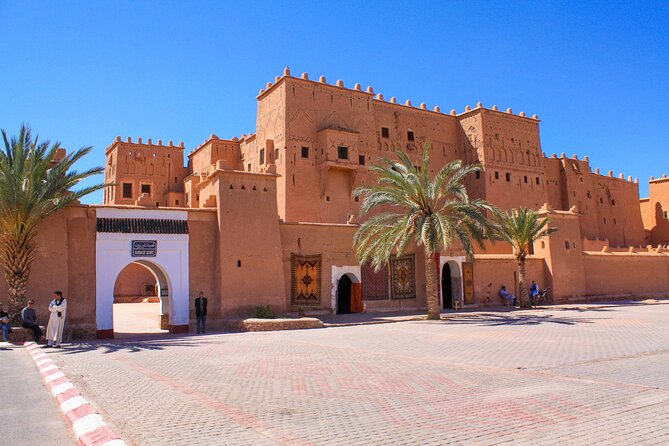
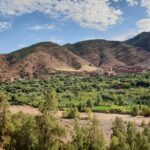
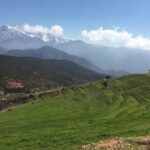
The tour starts at 9:00 am, with private transfers from Marrakech using a local driver. From the jump, you’re not just heading south—you’re crossing Morocco’s big altitude change. The route takes you over the High Atlas and through the Tizi n’Tichka pass at 2260m, so expect some dramatic switching of scenery as the morning progresses.
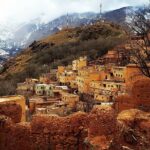
Then you hit Ait Benhaddou, the well-known walled ksar with its kasbahs. It’s a place that’s easy to understand once you’re there: clustered architecture built for defense and daily life, now famous because film crews have been drawn to it. Practically, it’s also an efficient stop—enough time to walk the area and get a sense of why it looks the way it does, without turning your day into a marathon.
After lunch, the drive continues toward Ouarzazate via Skoura’s palm grove and the Valley of Roses. This part matters because it slows the day down a little: you’re transitioning from mountain energy into something more lived-in, with agriculture and villages along the way. If you’re the kind of traveler who gets cranky without a break, this route offers multiple “reset points.”
End of Day 1 is Dades, where you sleep for your first night. This is a good setup for the next morning: you’re positioned to see Dades Gorge and Todgha without backtracking.
You can also read our reviews of more evening experiences in Marrakech
Skoura Palms to Dades Gorges: The 1000 Kasbahs road feel on Day 2
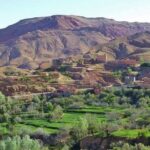
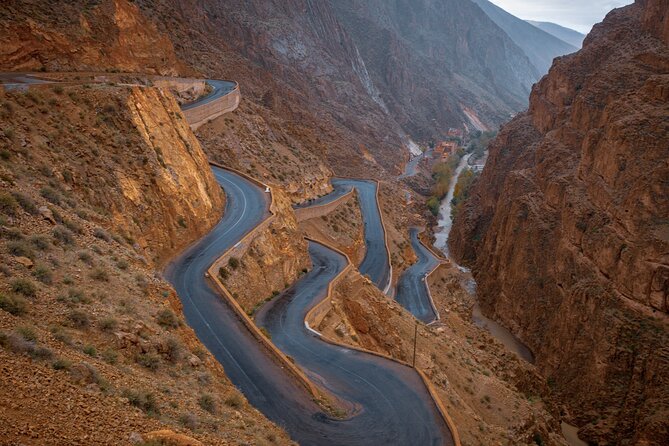
Day 2 starts with Dades Gorges and the famous road of 1000 kasbahs. That name isn’t just marketing—it’s the reality of how densely these settlements have been built across the valley over time. Driving here gives you a constant stream of stops and viewpoints, including the chance to pass by colorful Berber villages in the Dades valley.
You also roll into Tineghir, noted for its palm grove. This is another smart pause in the schedule: it breaks up the long drive with a place that looks and feels different from the mountain stretch. It’s also where you get that “Morocco is bigger than I thought” feeling. Even when you’re traveling, you’re still watching the country change.
From there, the focus shifts to Todgha Gorge. This is where the day becomes more than just sightseeing from the car. You’ll go to Todgha and take a hike along canyon walls described at around 300 meters. If you’re comfortable walking on uneven paths, you’ll enjoy it. If you don’t love hiking, you can still experience the scale of the gorge by moving at your own pace and spending more time on viewpoints.
The tradeoff is timing. Todgha is an active block inside a day that otherwise has a lot of driving. Pack water, wear shoes you trust, and don’t plan to be super energetic all day if you know your hiking pace is slower.
Todgha Gorge hike: getting your legs moving before the dunes
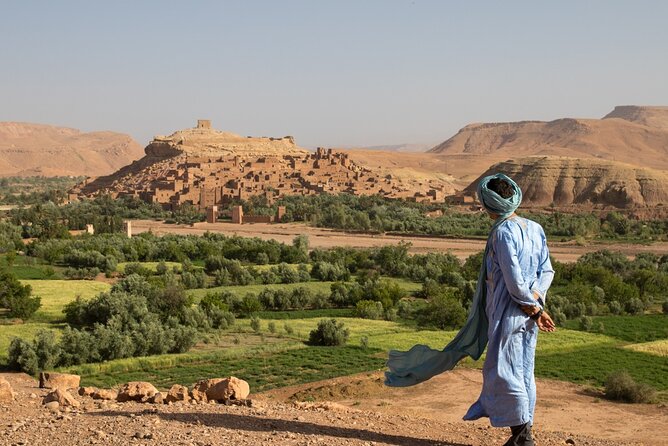
Todgha Gorge is one of those places where you feel the scale in your body, not just your eyes. The canyon walls run high, and the hike route follows the shape of the gorge, so you’re constantly adjusting your perspective as you walk. It’s not described as an extreme trek—more like a guided walk along dramatic canyon features.
Why I think it’s worth it on this specific tour: it comes right before Merzouga and the Erg Chebbi dunes. So you transition from stone and steep walls to sand and wide-open sky without a long boring gap. The contrast helps the day feel varied instead of repetitive.
A practical tip: keep your expectations realistic. You’re doing a hike, then you’ll keep moving toward the dunes, then later you’ll ride camels. This isn’t a “one activity only” day, so go into it ready for a full day with different kinds of effort.
Erg Chebbi at sunset: camel ride, camp night, and the drumming moment
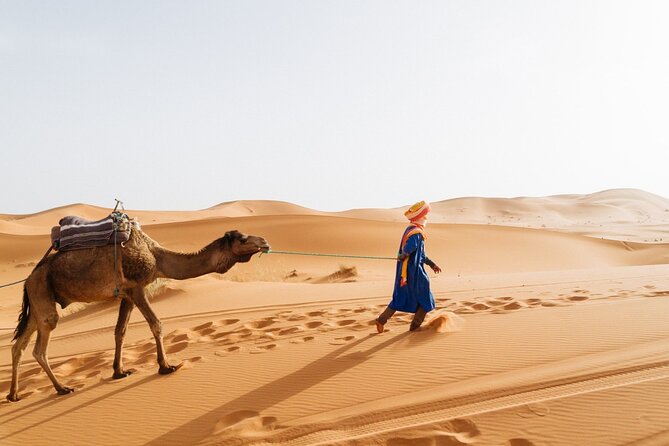
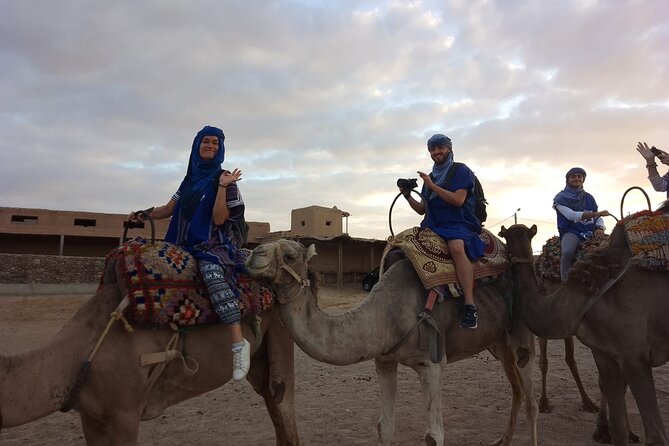
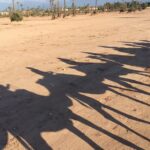
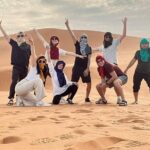
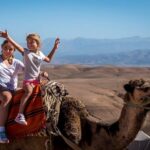
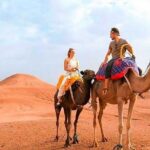
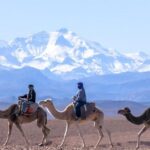
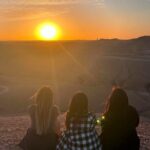
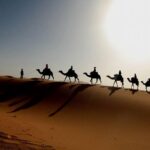
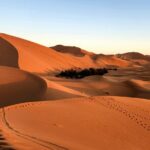
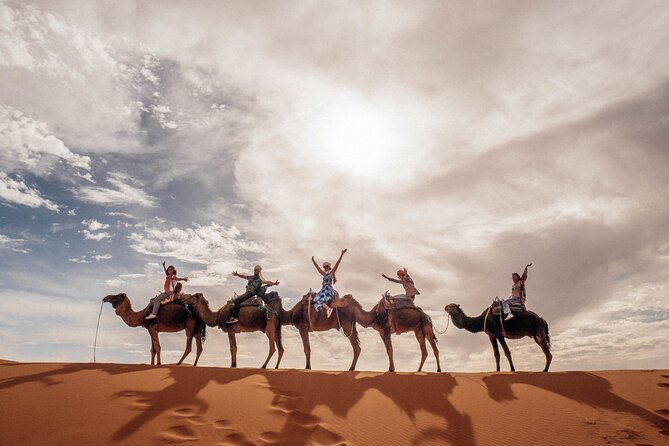
Merzouga and Erg Chebbi are the centerpiece. After lunch en route, you reach the dunes and then take a camel ride lasting about 1 hour and 30 minutes. The timing is set up around sunset, which matters because the dunes change as the light shifts. Even if you’ve seen desert photos before, the motion and scale of the dunes look different when you’re on a camel and moving through them.
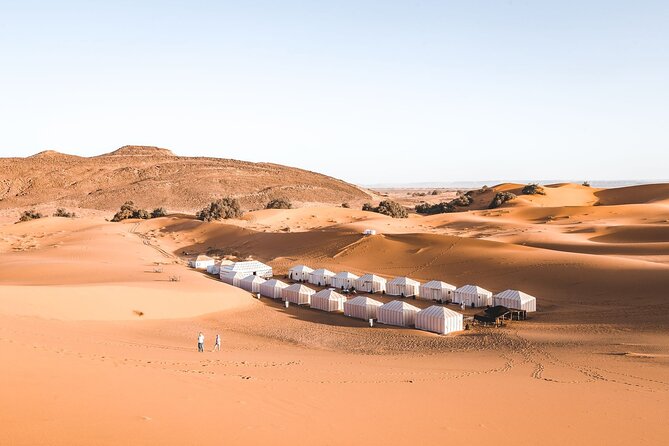
Once you arrive, you spend the night in a desert camp (bivouac). The tour description notes you can sleep either inside traditional nomadic tents or outside under the night sky. That choice can affect your comfort, so think about your preference: if you like privacy and shelter, choose the tent option when available.
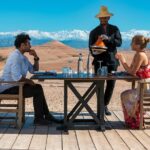
One of the most praised parts of this experience is camp-time atmosphere, especially the chance to participate in a drums game with camel drivers. That’s the kind of detail that turns the desert from a photo stop into a cultural moment. It’s also one of those small-group-feeling experiences—people are gathered, talking, and sharing music, not just checking boxes.
Back in the real world, this is also where you’ll feel the tour’s rhythm. You’re spending the night in the desert, so the day’s driving doesn’t end at sunset. It’s part of the point.
Dawn on the dunes, then shower and breakfast in a hotel
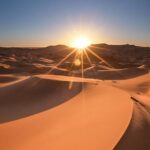
Day 3 starts early so you can see dawn from the dunes. Getting up before sunrise is never anyone’s favorite plan, but it’s also where this tour earns its name. Sunrise in the sand gives you a quieter mood than sunset—less spectacle, more stillness. If you’re the type who enjoys photographs and wide-open views, this block is a highlight.
After the dawn viewing, you’ll handle the camels again (the description mentions cleaning them off and returning to the dune line). Then you check into a hotel in Merzouga to shower and eat breakfast. This is a very practical design choice. You get the desert night experience and then a reset that helps you enjoy the rest of the route without feeling washed out.
This sequence is a good lesson for readers: the best desert trips don’t force you to stay uncomfortable forever. They give you a real meal and a proper rinse afterward, so the next travel day is more enjoyable.
A few more Marrakech tours and experiences worth a look
Rissani souks and Draa Valley palms: the Morocco-between-destinations day
After Merzouga, the route continues through Rissani, where you may stop to explore the Traditional Souks. The tour description says these souks are often regarded as extensive in southern Morocco. Even if your shopping instincts are low, souks are useful for something besides purchases: they show you how daily life is organized—how people meet, trade, and move through the day.
Then you head toward the Draa Valley, described as home to millions of palm palms. Again, even though this is a driving day, the geography matters. It feels like you’re leaving the desert’s immediate edges and entering a zone that’s sustained by water and agriculture, which changes the visual character of what you see from the road.
You arrive in Ouarzazate in the evening and check into a hotel. This is another smart pacing move. After the active start and the souks break, having a proper hotel night keeps the tour balanced instead of turning into a nonstop sequence of roughing it.
Ouarzazate film country and Telouet: finishing with Kasbah el Glaoui
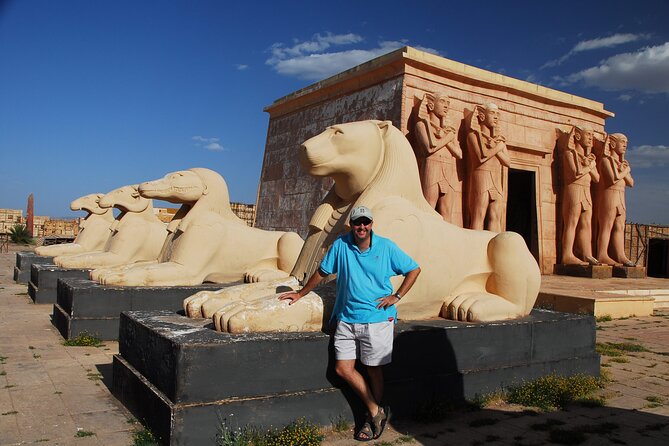
Day 4 gives you a cultural wrap-up rather than a second big hike. First is Ouarzazate, including film studios and main sights, plus a visit to a kasbah. Ouarzazate is often associated with movie sets, but on the ground it still feels like a working town—so it can be a good place to notice how tourism blends into everyday life.
Then the tour heads back toward Marrakech with a diversion to Telouet, a typical High Atlas Berber town. You also visit Kasbah el Glaoui. This is a nice “last taste” stop, because you’re not just rushing back to the city. You’re crossing the High Atlas again to finish the loop, ending in Marrakech.
If you’re the kind of traveler who likes a clean landing after a journey, this final day works well: you get sightseeing without the stress of another overnight in the desert.
Price and value: what $882.13 covers and what it costs you
At $882.13 per person for a roughly 4-day trip, the first question is simple: what are you actually paying for? Here’s the value math that matters.
You’re paying for:
- Private transfers from and back to Marrakech with a local driver
- Local desert guides
- Camel ride in the dunes
- One desert night in camp
- Nights in hotels/riads on the route
- All breakfasts and dinners (meals are included; lunches aren’t)
That’s a lot of logistics bundled together, and it’s why this price can feel fair compared with piecing together the desert segment yourself. The camel ride and desert camp alone are often the most “hard to schedule” part on your own. Add the guided stops through Ait Benhaddou, Todgha, and the drive through palm regions, and you’re basically buying route planning and local expertise.
The costs you should plan for:
- Lunches aren’t included
- Tips aren’t included
- Travel insurance isn’t included
So my advice is to treat the quoted price as your baseline, then budget for lunch and tips without guilt. If you like trying local food during long stops, you can use lunch breaks as your flexible time.
And remember the biggest “hidden cost” isn’t money—it’s time and fatigue. You should be ready for a driving-heavy itinerary with a hike and a camel ride layered in.
Who should book this Sahara tour (and who should adjust expectations)
This tour fits best if you:
- Want a guided desert night with a camel ride and camp atmosphere
- Like the mix of Morocco’s mountain scenery, kasbah towns, and desert experiences
- Prefer included meals so you don’t spend every day hunting for food
- Are comfortable with getting moving early for dawn on Day 3
It might feel like too much if you:
- Hate driving days and want fewer long transfers
- Want tons of free time in every town (this tour is structured, not slow-travel)
- Don’t enjoy hikes and prefer mostly flat, easy sightseeing
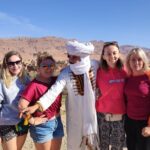
One last small note from the way guides are described in feedback: the experience is often helped by the quality of the planning and the local guidance. Names like Ahmed show up for planning, with guides such as Ibrahim for the mountain side and Abdou for the desert side. If those are the people you end up with, you’re likely to get a route that feels purposeful instead of just scenic.
Should you book this 4-day Marrakech-to-desert camp tour?
Yes, if you want a classic Morocco run that connects the High Atlas passes, Ait Benhaddou, and Todgha with Erg Chebbi in four days—without you having to manage the messy bits. It’s a strong choice for first-timers to the Sahara because the schedule includes both the big visual moments and the hands-on desert segment (camel ride, camp night, and the drumming).
No, if you’re chasing a relaxed pace. The driving is a real part of the deal here, and you’ll feel it if you prefer to linger. If you know you handle motion well and you want a full-circuit experience, this one makes a lot of sense.
FAQ
What time does the tour start?
The meeting time is 9:00 am.
How long is the tour?
It’s about 4 days.
Does the price include pickup from Marrakech?
Yes. Private transfers from and back to Marrakech with a local driver are included.
Is the tour private or group-based?
It’s a private tour/activity, and only your group will participate. Group discounts are listed as a feature.
What does the camel ride include?
You’ll do a camel ride in the Erg Chebbi dunes for about 1 hour and 30 minutes, timed to watch the sunset.
Where do you sleep during the trip?
You’ll have nights in hotels/riads and one night in a desert camp (bivouac), where you may sleep in nomadic tents or under the night sky.
Are meals included?
Yes. All breakfasts and dinners are included. Lunches are not included.
Are entrance tickets included for stops like Ait Benhaddou and Todgha?
The itinerary lists some stops with admission ticket free, but the tour data overall lists only that lunches are not included. If you want certainty for a specific stop, ask the operator before booking.
What’s not included besides lunch?
Tips and travel insurance are not included.
Is there free cancellation?
Yes. Free cancellation is offered up to 24 hours before the experience start time for a full refund.