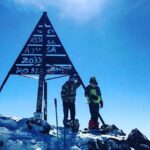
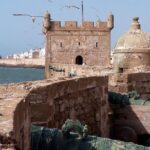
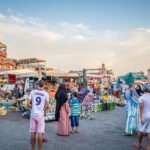
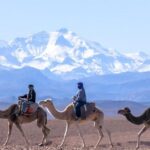
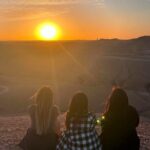
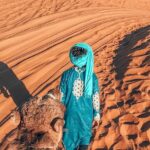
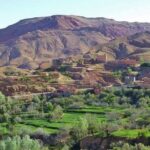
A road-trip into the Sahara beats a checklist. I love the mix of UNESCO kasbahs and real camel time on Erg Chebbi—plus you get hotel pickup in Marrakech. The main trade-off is it’s a long, sometimes bumpy ride through the High Atlas, and the desert days can be tiring.
I also like that the pacing gives you one proper night in the Dades Gorge (private room, private bath), then one night in a desert camp with dinner and music. Just know this is not a lazy tour: you’ll walk, drive a lot, and get up early for the sunrise camel trek.
In This Review
- Key highlights you will actually feel
- Why this Marrakech to Merzouga route feels like Morocco
- Crossing the High Atlas: Tizi n Tichka and the road to Ouarzazate
- Ait Benhaddou Kasbah: UNESCO that you can actually wander
- Atlas Film Studio and Taourirt Kasbah: when cinema meets real walls
- Dades Gorge overnight: private comfort after a long first day
- Todra Gorge walk: canyon drama and the red cliff under your feet
- Erg Chebbi dunes and your camel trek to camp
- Sunrise camel trek and the return ride via El Kelaa M’gouna
- Price and value: what you pay for, and what you’ll pay extra
- Who this tour suits best (and who should pick something else)
- Small logistics that can make or break your experience
- Should you book this Merzouga 3-day tour?
- FAQ
- What is the duration of this 3-day Merzouga desert trip?
- Do I get hotel pickup and where is the drop-off?
- How many meals are included?
- Is monument or attraction entry fee included?
- How long is the camel trek at the desert?
- Where do you stay overnight?
- How big is the group?
Key highlights you will actually feel
- Tizi n Tichka (2260m): dramatic mountain road views and Berber village passing scenery
- Ait Benhaddou Kasbah: UNESCO site with free admission during the stop, plus time to grab lunch in the area
- Atlas Film Studios + Taourirt Kasbah: movie-set history without needing to be a film buff
- Dades Gorge overnight hotel: private room and private bathroom, with included dinner and local entertainment
- Erg Chebbi camel trek to camp: mint tea welcome, sunset/dinner vibe, and traditional Sahara music
- Early-morning sunrise ride: a dedicated camel trek designed around the light shift on the dunes
Why this Marrakech to Merzouga route feels like Morocco
This 3-day trip works because it does not rush straight to sand. You start with the High Atlas Mountains and kasbah culture, then slowly “tilt” your days toward the Sahara. By the time you reach Erg Chebbi, it feels earned, not staged.
You also get a classic Morocco rhythm: drive and pause for views, walk through canyons, eat well, then end each day with a different mood. Day 1 is kasbahs and gorges. Day 2 is Todra canyon and the first desert night. Day 3 is sunrise and a return to Marrakech.
The route suits you if you want big scenery and iconic stops without needing to plan the logistics yourself. It’s also good for solo travelers who don’t mind sharing a ride and keeping things flexible.
A few more Marrakech tours and experiences worth a look
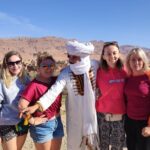
Crossing the High Atlas: Tizi n Tichka and the road to Ouarzazate
Your journey out of Marrakech heads for Ouarzazate via Tizi n Tichka, listed at about 2260m. This is one of those mountain passes where the road does the storytelling: winding turns, quick shifts in temperature, and views of Berber villages you can see as you pass through.
Why this matters: the drive is not just “transfer time.” It’s part of the experience, because the scenery changes fast. If you’re sensitive to motion, it’s smart to sit where you feel the least rocking (ask when you board).
You’ll also gain a sense of why Ouarzazate is nicknamed the Hollywood of Africa. The region’s dramatic backdrops are a natural fit for film sets, and you’ll see that theme confirmed later at the studio stop.
Practical tip: bring a light layer. Even when Marrakech is warm, mountain air can feel cooler higher up.
Ait Benhaddou Kasbah: UNESCO that you can actually wander
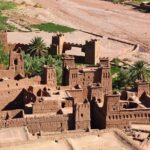
Ait Benhaddou is the kind of place where you don’t need a big lecture to get it. The kasbah is Morocco’s layered architecture in real life: earthen walls, tight lanes, and views over the valley. On this tour, you arrive for a stop that includes free admission and time to take lunch in the kasbah area.
What makes it special here is the scale and the feel of the place. It’s described as the largest kasbah in Morocco, tied to the Glaoui family’s former presence. Even if you’ve seen photos before, the texture of the buildings and the way the streets funnel you forward make it more memorable in person.
Time reality: you’ll have around 2 hours. That’s enough to walk the main lanes, take photos from a couple angles, and still eat without feeling rushed.
Atlas Film Studio and Taourirt Kasbah: when cinema meets real walls
This day also includes Atlas Film Studio, with a guided tour that runs every 20 to 40 minutes. If you enjoy movie trivia, great. If you don’t, it still works because you’re walking through sets and workshops on a real site—so the focus is on how it’s built and used, not just watching a clip.
Then you continue to Taourirt Kasbah. This stop is also tied to film history, with references to major productions and the kasbah acting as a backdrop over the years. The key detail is that parts have been carefully restored, including sections in the inner area. So instead of only seeing ruins, you also see what restoration can preserve.
If you care about photography, this is a strong combo. Kasbah textures look different in daylight versus late afternoon. You’ll likely catch better light if you pause and move slowly rather than sprinting for the next photo.
Dades Gorge overnight: private comfort after a long first day
By the time you reach Dades Gorge, you’ve already climbed into the High Atlas, visited major kasbah sites, and crossed through the Ouarzazate region. This stop is where the tour shifts from sightseeing to refueling.
You stay overnight in the heart of Dades Gorge in a hotel with:
- Private room
- Private bathroom
- Dinner included
- Additional local entertainment after dinner
This is one of the more valuable parts of the whole trip. Desert itineraries can be rough on sleep, and here you get an actual hotel night first. You also get a bundled meal, so you don’t need to hunt for food after a long day.
Reality check: the first day is long. You’ll appreciate a quiet shower, a proper meal, and a chance to sit down without moving again.
Todra Gorge walk: canyon drama and the red cliff under your feet
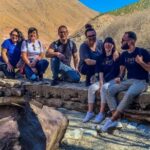
Day 2 starts with breakfast, then heads to Todra Gorge. Here you’ll walk into the canyon and see the rock formation known as monkey toes, plus the still-standing 19th-century Ait arbi Kasbah.
You then continue toward the Todra valley and the gorge area, with panoramic views of old mud Berber villages overlooking the valley. When you arrive, you walk under a red cliff described as about 300m high. If you like walking with a view that keeps changing, this is a good match.
Important detail: Todra is also associated with climbers because of the cliff face. You might see evidence of that spirit while you’re down in the gorge.
After the walking, you drive onward to Erfoud and Rissani for lunch, which sets you up for the shift into desert terrain later in the day.
Erg Chebbi dunes and your camel trek to camp
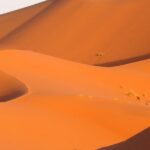
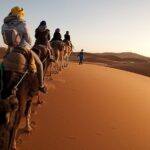
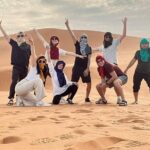
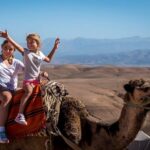
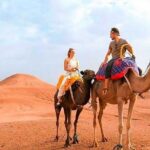
Then comes the move from canyon geology to desert dunes—Merzouga, Erg Chebbi, and that iconic sea of sand. You arrive at the village of Merzouga and are welcomed with a glass of mint tea before the camel ride to the camp.
This is where the tour earns its reputation. A camel ride through dunes isn’t only scenic—it changes how you experience distance. Moving slowly across sand turns the horizon into something you measure differently. It also makes the camp feel like a destination, not just a stop.
At the camp, you’ll have dinner included and enjoy traditional music of the Sahara. That combination—warm meal, music, and the shift of light—often becomes the emotional high point of desert trips.
What to expect from the evening: you’ll have sunset time and then settle in for the night. Desert evenings cool down fast, so wear layers you can pull on when the temperature drops.
Sunrise camel trek and the return ride via El Kelaa M’gouna
Day 3 starts early, because sunrise is the point. You wake up and take a camel trek to watch what’s described as potentially the best sunrise of your life. You then enjoy breakfast at a calmer pace before trekking back to meet your driver.
On this day, the camel trek is listed as about 3 hours. That’s a meaningful commitment, so come ready with comfortable footwear and a willingness to move slowly.
After you’re done with the dunes, the tour continues through the region by visiting El Kelaa M’gouna, where you enjoy lunch and a refreshing glass of mint tea. Then you drive back toward Marrakech via the Tizi Nticha Pass, arriving around 19h30 for drop-off in Jemaa el Fna.
This return timing is practical: you get back while there’s still evening activity. Jemaa el Fna is loud, crowded, and full of energy—use it as a meeting spot and then head toward your accommodation at your own pace.
Price and value: what you pay for, and what you’ll pay extra
At $87.14 per person for a 3-day route from Marrakech, this is priced like a value-packed circuit. You’re paying for a lot of included “in-motion” costs: pickup, long-distance driving, two breakfasts, two dinners, at least two overnights (hotel + desert camp), and camel treks.
What is not included:
- Lunches (day 1 lunch at the kasbah is mentioned, but standard inclusions list lunch as not included)
- Monument/attraction fees (specific sites are noted as free at certain stops, but the general list says fees are not included)
- You’ll likely handle any extras you want inside each stop
Here’s how to think about value: if you were to book transport from Marrakech, arrange a desert night, and add camel logistics, the cost would climb quickly. This tour bundles those moving parts and gives you iconic stops without requiring you to organize multiple separate vendors.
One more practical note: this is not a “comfort-first” tour all the way. Long days in a vehicle add up. If you know you’re sensitive to hard seats or road vibration, plan to pack a small pillow or cushion.
Who this tour suits best (and who should pick something else)
This itinerary is a strong fit if you want:
- Iconic Morocco stops in three days (Ait Benhaddou, Todra Gorge, Erg Chebbi)
- Camel trekking that is built into the schedule (not a quick photo stop)
- One hotel night with private bathroom, then one desert night
- A group format with pickup and structured timing
It may be less ideal if:
- You hate early mornings. The sunrise trek is a core feature.
- You’re expecting lots of free time. Stops are timed so you can cover several highlights.
- You need a lot of comfort during long driving hours. The route crosses mountainous roads and the desert switch happens on schedule.
Small logistics that can make or break your experience
- Bring layers. Mountain air and desert nights can get cooler than Marrakech daytime.
- Plan for “walk time.” Todra Gorge involves walking under a tall cliff, and kasbah areas involve uneven lanes.
- Expect vehicle comfort to vary. You’ll be in the car for long stretches, so pad up and don’t pack valuables in the way you’d do for a city walking day.
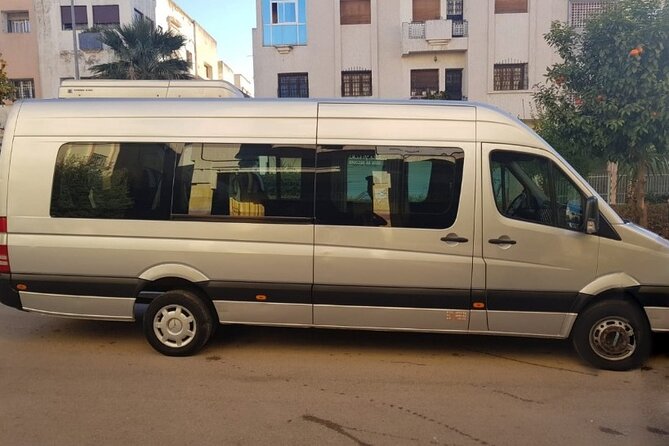
- Ask at pickup about your exact vehicle plan. The group size is listed as up to 42, and you may be split across vehicles depending on the day.
Also: monument fees are listed as not included overall, even though some stops are stated as free during the visit window. I’d keep a small cash card budget just in case you decide to enter something beyond the guided pause.
Should you book this Merzouga 3-day tour?
Yes, if you want a solid first Morocco desert experience that mixes kasbah culture, canyon walking, and a real desert camp night—with hotel pickup and return drop-off in Marrakech.
I would book it especially if you like structured days and don’t want to coordinate separate transfers on your own. The inclusion of private bathroom hotel sleep before the desert night is a big advantage for comfort.
I’d hesitate only if you’re highly comfort-sensitive during long drives or you dread early mornings. In that case, look for a different style of desert trip with more flexible pacing.
If you go, pack for sun and cold, expect lots of driving, and treat the sunrise camel trek as the main event. Everything else builds toward that moment over the dunes.
FAQ
What is the duration of this 3-day Merzouga desert trip?
It runs for about 3 days, with pickup from Marrakech and a return drop-off in Marrakech around 19h30 on the third day.
Do I get hotel pickup and where is the drop-off?
Yes, pickup is offered in Marrakech. The tour drops you off at Jemaa el Fna.
How many meals are included?
Breakfast is included twice and dinner is included twice. Lunch is not included.
Is monument or attraction entry fee included?
The tour lists monument fees as not included. Some stops are noted as free during the visit, but you should expect to pay for other entrances if you want extra access.
How long is the camel trek at the desert?
On the sunrise-focused day, the camel trek is listed as about 3 hours. You’ll also ride camels to reach the camp the previous evening.
Where do you stay overnight?
You sleep one night in a hotel in the Dades Gorge area (private room with private bathroom) and one night in a desert camp in the Merzouga/Erg Chebbi dunes area.
How big is the group?
The tour lists a maximum of 42 travelers.