REVIEW · MARRAKECH
Sahara 3days/2nights mini-circuit
Book on Viator →Operated by Great Travel Morocco · Bookable on Viator
A road trip through Morocco’s mountains and dunes sounds simple, until you’re watching the stars from a desert camp. This 3-day/2-night Sahara mini-circuit pairs big sights with real overnight time in the sand, including camel rides and an evening at camp where Mustafad and Mohammed helped set the mood with music and food. I also like that you’re not just riding to Merzouga and back—you get Tinghir/Todra and the dramatic gorges around Dades, with plenty of photo stops.
One thing to consider: this is a value tour, so don’t assume full-time guiding at every stop. The plan includes a guide in Todra, but other segments rely on the driver and short stops, and you may need to budget for extra guidance at Ait Ben Haddou. Also, the trip includes an A/C vehicle, but reliability can vary, so bring layers just in case.
In This Review
- Key highlights worth knowing before you go
- Why this Marrakech-to-Sahara mini-circuit works for value and real desert time
- Day 1: High Atlas views, Ait Ben Haddou, Ouarzazate, and Dades Gorges
- Day 2: Tinghir valleys, Todra Gorge guidance, and the Merzouga camel ride at sunset
- Day 3: 7:00 sand walk, then photo stops and a Berber meal before Marrakech
- What’s included in your $101.19, and what you should plan to pay for
- The biggest practical considerations: van comfort, real guiding, and desert packing
- Who this Sahara trip is best for
- Should you book this Marrakech to Sahara 3-day/2-night mini-circuit?
- FAQ
- How long is the Sahara mini-circuit and how many nights are included?
- Where does the tour start in Marrakech, and where does it end?
- Is pickup from hotels or riads included?
- What’s included in the price?
- Are lunches and drinks included?
- Is the Kasbah of Ait Ben Haddou guided?
- Do I get a camel ride in the desert?
- Is there a guide during the whole trip?
- Is the desert part suitable for people with limited mobility?
- What happens if weather isn’t good?
Key highlights worth knowing before you go
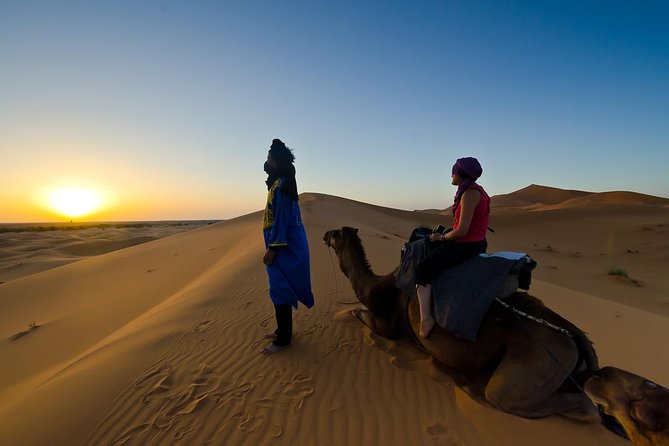
- Desert camp time is the main event, with an included camel ride and a real night under the stars.
- Mustafad and Mohammed’s camp hospitality is a standout detail that can make the night feel personal.
- Ait Ben Haddou is scheduled for a focused visit, with time for lunch and optional added guidance.
- Todra and Tinghir get a proper guided block, not just a quick photo stop.
- You’ll see a lot in three days, so expect long drives and frequent get-on/get-off moments.
- Bring warm clothes for comfort in the desert and for possible cold stretches in the van.
Why this Marrakech-to-Sahara mini-circuit works for value and real desert time
This tour hits a sweet spot for people who want the Sahara without committing to a longer multi-day scramble. You’re out of Marrakech early, you ride the Atlas route and the valley towns, and then you finally slow down for two nights—one in the dunes area—where the desert experience takes over.
What makes the trip feel worthwhile is the mix of types of scenery. Day 1 is about mountains and history: High Atlas road views, then the famous kasbah town of Ait Ben Haddou. Day 2 shifts into nature and walking-friendly geography with Tinghir and Todra gorges. Then Merzouga brings the payoff: sunset on the dunes, a camel ride to camp, and dinner plus nighttime entertainment.
For the money—listed at $101.19 per person—you’re not just paying for driving. The package includes 2 nights of accommodation, 2 breakfasts, and 2 dinners, plus camel rides to and from the camp. Even if you end up paying extra for lunch and drinks, the overall balance is good for a “starter” Sahara trip.
A few more Marrakech tours and experiences worth a look
Day 1: High Atlas views, Ait Ben Haddou, Ouarzazate, and Dades Gorges
Day 1 starts with the kind of stop Morocco does well: quick but scenic. You’ll stop at Tizi n Tichka / Touama for mountain views over the High Atlas. If you didn’t grab breakfast earlier, this stop can include a Berber breakfast option, which is handy because you’re going to be on the move.
Next comes the iconic road segment: Tizi N’Tichka road, one of the most dramatic drives between Marrakech and Ouarzazate. There’s a brief stop to see the Tizi-n-tichka summit area at about 2,260 meters. It’s short, but altitude viewpoints are one of those “do it once, remember it forever” moments.
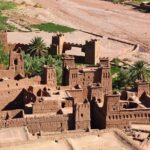
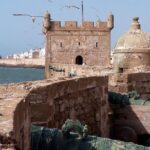
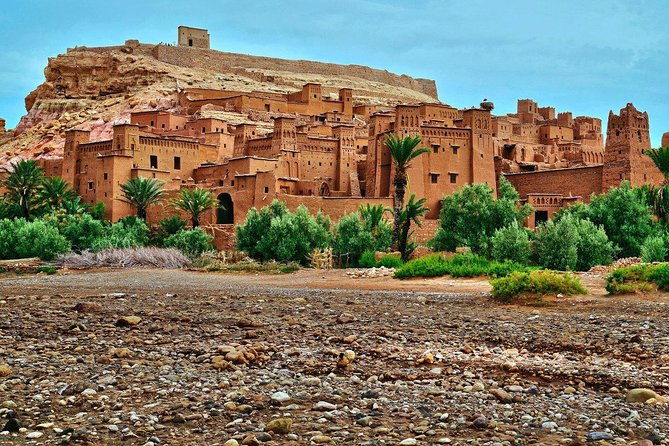
Then you reach Ait Ben Haddou, the UNESCO-listed kasbah that’s famous for being a movie location. The schedule gives you about 2.5 hours total: enough time to actually walk through the kasbah area for around 1.5 hours, plus lunch time. You should know a guide for the kasbah itself isn’t included in the package, so if you want deeper context for what you’re seeing—arrangement details, architecture, and local stories—you may have to pay for that separately.
After Ait Ben Haddou, you roll into Ouarzazate, often called the Hollywood of Africa. Your time here is built around quick cultural hits: the old medina area and the Kasbah Taourirt, plus the International Cinema Museum. This part is not meant to be a long explore day. It’s a taste, and it makes sense because the tour is trying to get you to the gorge area and settle for the night.
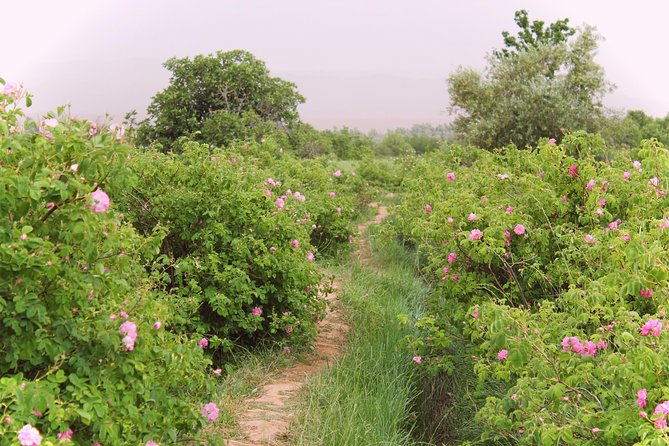
The afternoon and evening are about color and stone. You’ll stop at Vallee des Roses for photo moments—yes, things like decorative roundabouts and even a pink taxi turn up on the itinerary. Then it’s on to Dades Gorges, including a pass through Boumalne Dades and viewpoints with rock formations (including a spot described as rocks gathered at the feet of the monkeys).
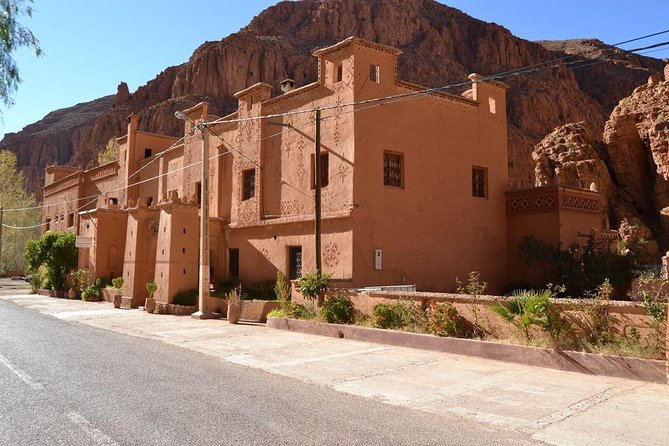
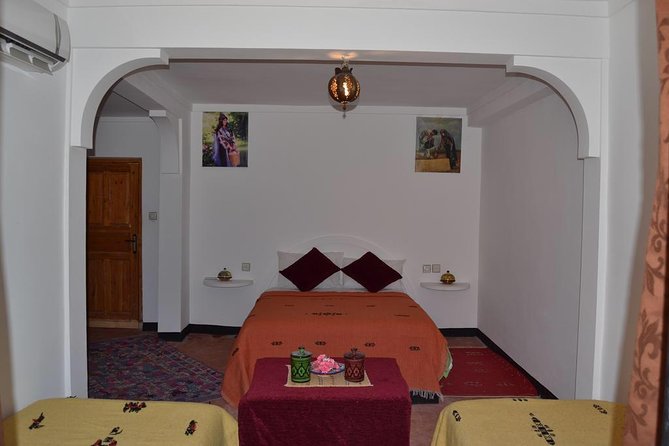
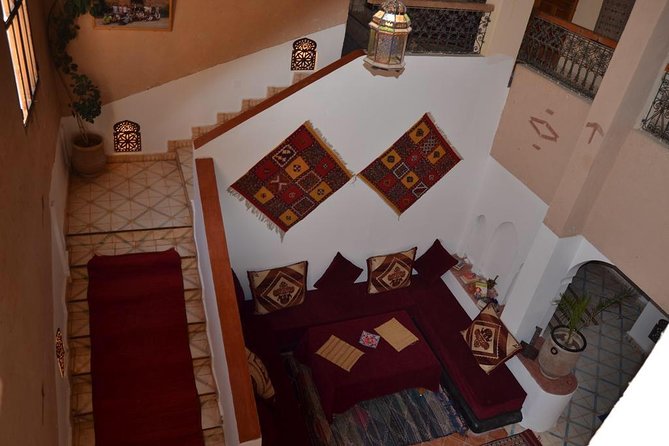
The day ends with accommodation in the Dades Straits area, in a traditional-style castle setting. Your room type is chosen depending on your preferences, which is a nice touch for a budget trip where “standard” lodging is usually the default.
Practical tip: day 1 is heavy on short stops. Wear comfortable shoes and keep water handy, because “2 hours here, 45 minutes there” adds up faster than you expect.
Day 2: Tinghir valleys, Todra Gorge guidance, and the Merzouga camel ride at sunset
Day 2 starts with Tinghir, where you get a more structured nature block: a guided tour of the Tinghir valleys for about 1.5 hours. This isn’t just driving through. The schedule is built around understanding the valley area with a guide, which makes the time feel more productive.
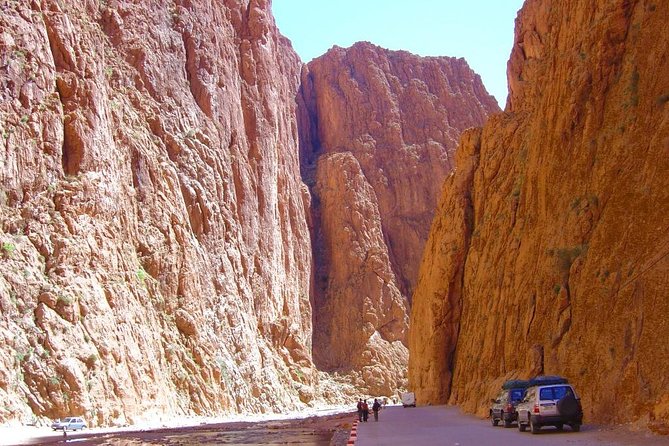
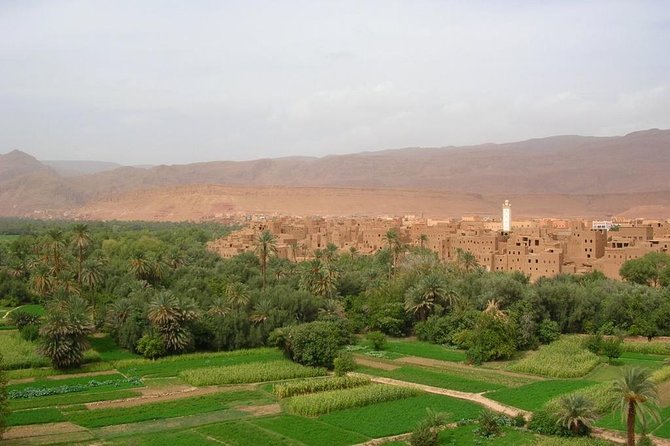
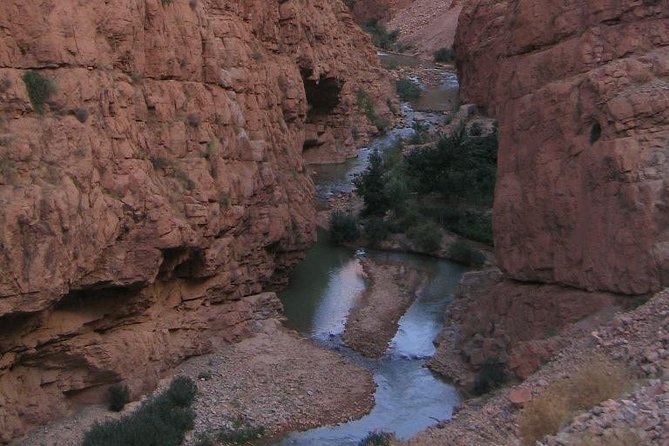
From Tinghir you move to Todra gorges, which is a key highlight of the day. The tour includes a guide specifically in Todra, so this is where you’ll likely hear the most explanations. If you like getting oriented—what to look for, how the gorge formed, how the area is used—this is the portion to lean into.
Lunch is planned in the same village area. The tour package doesn’t list lunches as included, so you should expect to cover that yourself. One benefit of the way the day is laid out is that you’re not stuck searching for food in the middle of nowhere; it’s handled as part of the flow.
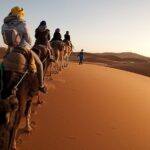
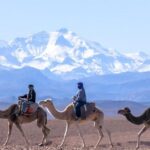
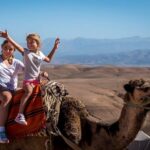
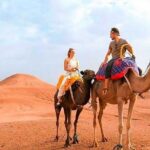
Then you head toward Merzouga, passing through areas including Tin-n-Jdad, Rissani, and Erfoud. When you finally arrive, it’s time for the experience you came for: a 45-minute dromedary ride to watch the sunset.
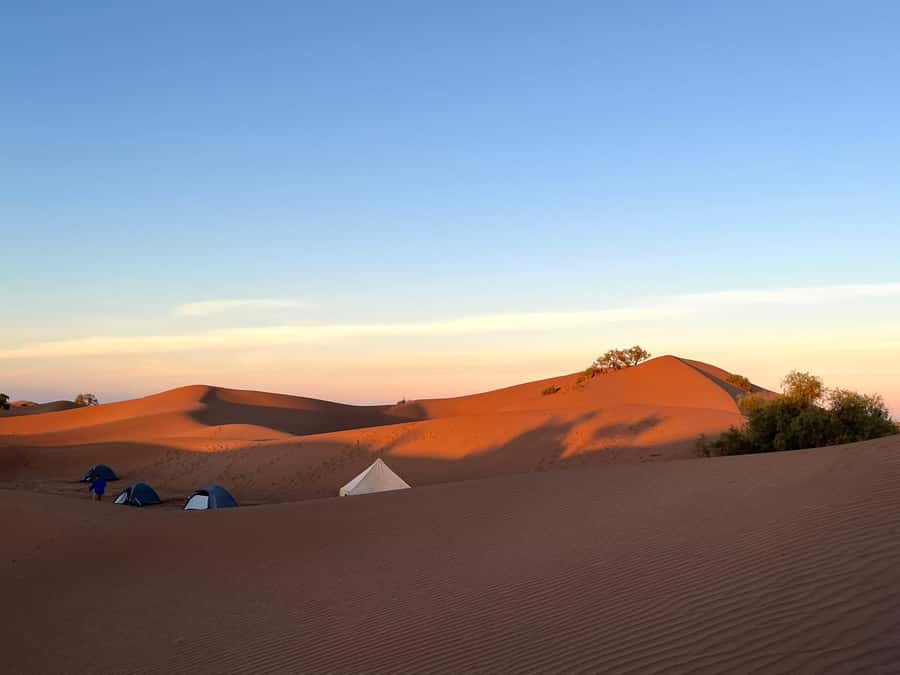
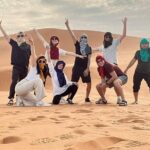
Camp in Merzouga is an overnight shift. You’ll sleep in nomad tents in the middle of the desert, and the evening is described as including folk dances and traditional music. If you want a Sahara night that feels lived-in—not just “sleep and leave”—this is the part that tends to deliver.
The star-viewing element matters too. You’re not guaranteed the sky you want every night, but with the dunes and low light conditions, you typically get a strong sense of open darkness. The plan even points you toward watching the stars before heading to bed.
And one of the best small details from the desert-camp experience is the warmth of the hosts—Mustafad and Mohammed are specifically mentioned as people who made the stay feel genuine, with music and food at night.
Day 3: 7:00 sand walk, then photo stops and a Berber meal before Marrakech
Day 3 is shorter in terms of overall touring, but it starts early. You get up at about 7:00 AM for preparing for a walk in the sand, followed by breakfast. The morning pace is intentional: walking in the dunes at first light feels different than late-day heat, and it’s the last chance to soak in the desert before the long return drive.
After breakfast, you meet your driver again and head back toward Marrakech. This is also when the tour turns into “quick photo stop” mode again, with several short stops along the way.
You’ll have a stop in Alnif for about 15 minutes for photos, then continue to Agouim, where a restaurant sits in front of a viewpoint overlooking mountainous areas and villages. The plan includes a Berber meal there, and the tone here is more about rest and atmosphere than sightseeing power.
Next comes Ait Barka, a final short pause—about 20 minutes—for a rest and possibly tea. After that, the driver drops you in Marrakech around 7:30 PM, back near your hotel or a nearby riad area (since some riad streets aren’t friendly to vehicles).
Practical note: day 3 can feel like a series of pauses while you wait for the van to fill up again. If you get car-sore easily, pack a small comfort kit: water, a layer, and something simple for motion.
What’s included in your $101.19, and what you should plan to pay for
This is where the tour’s value becomes clearer. Your included items are:
- Driver and guide in Todra, plus an A/C vehicle
- Accommodation for 2 nights
- Camel ride from and to the camp
- 2 dinners and 2 breakfasts
The not included items are:
- A guide for the Kasbah of Ait Ben Haddou
- Lunches and drinks
- Transfer to Fès (this tour doesn’t cover that)
A few stops also list admission tickets as not included (like the Ait Ben Haddou kasbah visit). That means you should assume you may pay some on-site costs even if the overall package price is tight.
The smart way to think about this budget tour:
- If you’re comfortable with quick visits and self-paced wandering at some stops, you can keep costs controlled.
- If you want more explanation at Ait Ben Haddou and you care about turning architecture into stories, you may spend a bit extra for a guide.
Also: this is a group tour capped at 18 travelers. Smaller than the big-bus crowd, but still enough people that you’ll follow the group rhythm.
The biggest practical considerations: van comfort, real guiding, and desert packing
A key theme from real-world experience is that comfort can vary. Even though the vehicle is described as A/C, at least one experience reports that the A/C/heating wasn’t working properly, leading to cold conditions in the van. The safe move is simple: bring a warm layer. Keep it light enough for the day, warm enough for evenings, and useful for any time the air feels too cold.
Guiding is another consideration. The tour includes a guide in Todra, but it does not promise constant guiding at every stop. So if you love having someone narrate every mile, you may want to treat this trip as a mix: guided at the gorge part, more driver-led elsewhere, with optional paid guidance for Ait Ben Haddou.
For desert packing, the advice that keeps popping up is warmth. The itinerary doesn’t spell out temperatures, but it does set you up for desert overnight time and early morning. Plan for:
- Layers you can remove and re-add
- Warm socks
- A hat or something for sun and wind
- A small bag you can keep with you during camel transfers and walking segments
And don’t forget the physical side. The tour says you should have moderate physical fitness. That usually means you can handle some walking in gorges, standing for viewpoints, and the basic rhythm of a multi-stop road day.
Who this Sahara trip is best for
This is a strong fit if:
- You want a budget-friendly Sahara taste from Marrakech without rushing through only one stop.
- You enjoy a mix of mountains, valleys, and a proper desert overnight.
- You’re okay with guided time focused on Todra, while other sights happen as well-paced stops.
It’s less ideal if:
- You want a fully guided, lecture-style experience every single hour.
- You’re sensitive to cold in vehicles and don’t like packing layers.
- You dislike optional add-ons for explanations at major heritage sites.
Should you book this Marrakech to Sahara 3-day/2-night mini-circuit?
I’d book it if you want the core Sahara experience—camels, dunes, and a camp night—with enough surrounding sights to make the journey feel like Morocco, not just transportation. The included camel rides, two dinners, two breakfasts, and two nights are the big reason the price feels fair.
But book with eyes open. This tour looks like a budget circuit, and that can mean:
- You may pay extra for lunch/drinks and for a Kasbah guide at Ait Ben Haddou
- Guiding is most focused in Todra, not everywhere
- Vehicle comfort can be unpredictable, so pack smart for cold
If you come prepared and you’re excited about the desert night, this itinerary can deliver exactly the kind of trip you picture—especially if you value the human side of the camp experience, including the welcome made by Mustafad and Mohammed.
FAQ
How long is the Sahara mini-circuit and how many nights are included?
The tour runs for about 3 days and includes 2 nights of accommodation.
Where does the tour start in Marrakech, and where does it end?
It starts at Station Service Ola Energy on Rue Moulay Ismail in Marrakech, and it ends back at the same meeting point area.
Is pickup from hotels or riads included?
Pickup is offered, and the drop-off is described as being at hotels or nearby riads since some riad streets aren’t reachable by vehicle.
What’s included in the price?
The included items are the driver and guide in Todra, an A/C vehicle, 2 nights accommodation, camel rides to and from the camp, plus 2 dinners and 2 breakfasts.
Are lunches and drinks included?
No. Lunches and drinks are not included.
Is the Kasbah of Ait Ben Haddou guided?
The tour does not include a guide for the Kasbah of Ait Ben Haddou.
Do I get a camel ride in the desert?
Yes. You’ll have a camel ride to the camp at sunset and a camel ride back from the camp.
Is there a guide during the whole trip?
A guide is included in Todra, but other parts of the day are primarily handled by the driver and scheduled stops.
Is the desert part suitable for people with limited mobility?
The tour asks for a moderate physical fitness level, which suggests some walking and time on your feet during gorge and viewpoint stops.
What happens if weather isn’t good?
The experience requires good weather. If canceled due to poor weather, you’ll be offered a different date or a full refund.