REVIEW · FEZ
Fes to Marrakech via Desert Tour 2 Days 1 Night
Book on Viator →Operated by 3t Travel · Bookable on Viator
Two days in Morocco can feel like a whole new planet. This Fes-to-Marrakech desert trip takes you from the Middle Atlas to Erg Chebbi dunes with camel time and an overnight Berber tent camp. If you want the desert without DIY logistics, this one is built for that.
I especially like the mix of comfort and payoff: an air-conditioned minivan for the long drives, then the real magic—mint tea, camel sunset, dinner under the stars, and waking up to desert light. You also get practical meal planning with dinner and breakfast included, which matters when you’re moving all day.
One possible drawback to keep in mind: it’s a shared group with a fixed schedule, so you’ll spend part of Day 1 and Day 2 in the vehicle and at planned stops. The upside is you avoid the headache; the tradeoff is you won’t control the pacing.
In This Review
- Key things I’d highlight before you book
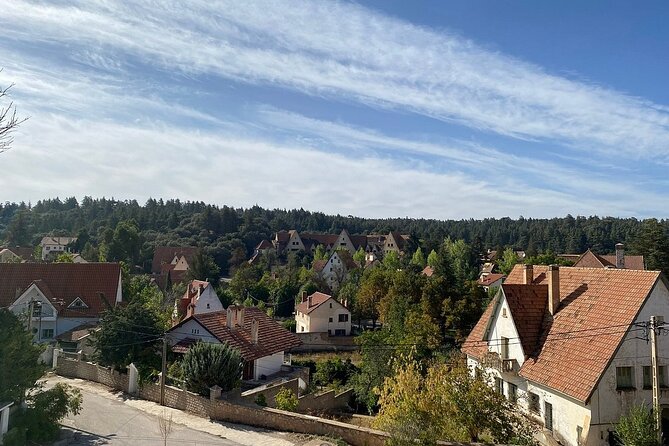
- Entering Morocco’s “two climates” fast: Fes to Ifrane and Azrou
- The Atlas descent: Midelt fossils, palm oases, and the big shift toward the Sahara
- Merzouga arrival: kasbah surroundings, mint tea, then camel sunset
- What you should pack for the camel and dunes
- Sleeping in a Berber tent at Erg Chebbi: dinner, stars, and a desert rhythm
- A note on expectations for comfort
- Sunrise near the Algerian border, then the road to Marrakech
- Price and value: what $120 gets you, and what it doesn’t
- Group size, pickup, and how to handle the schedule (without losing the fun)
- Physical comfort and fitness
- Food and drinks: what you’ll actually pay for
- Who this tour is best for (and who should rethink it)
- Should you book this Fez to Marrakech desert trip?
- FAQ
- FAQ
- What’s the duration of the trip?
- Do I get hotel pickup and drop-off?
- Is the camel ride included?
- Where do we stay overnight?
- Are meals included?
- Is there an option for vegetarian meals?
- Is this tour physically demanding?
- What’s the cancellation policy?
Key things I’d highlight before you book
- Air-conditioned transport from Fes so the Atlas drive isn’t a slog
- Cedars + monkey sightings in Azrou, plus the French-built Swiss-like feel of Ifrane
- Midelt fossil country break and palm-oasis viewpoint stops on the way south
- Camel ride at sunset into Erg Chebbi with mint tea and camp setup
- One night in a Berber-style tent, with dinner, stars, and sunrise access
Entering Morocco’s “two climates” fast: Fes to Ifrane and Azrou
Your day starts early, with pickup and a start time of 8:00 am. From there, you work your way toward the Middle Atlas. This is one of the neat parts of the route: you go from the idea of North Africa to something that feels almost European, then back toward the Sahara all in one trip.
First, you pass through Ifrane National Park and the town of Ifrane. What makes Ifrane memorable is its look. It’s known as a winter ski spot, built in a totally different style than the rest of Morocco—French influence from the 1930s, with buildings meant to resemble a Swiss village. Even if you’re not traveling in winter, the visual shock is fun.
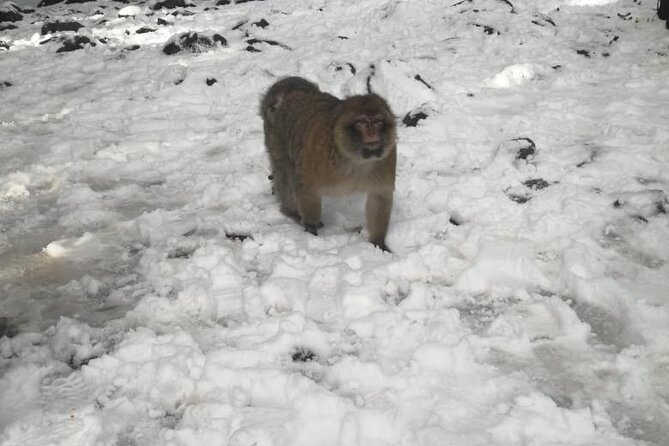
Next comes Azrou and the cedars forest. If you’re lucky (and most days you are), you’ll spot the monkeys in the trees. It’s one of those simple moments that adds a little “wow” without needing extra tickets. I like this stop because it breaks the drive into something you can actually enjoy, not just pass through.
Practical note: bring something warm-ish even in shoulder seasons. The Middle Atlas can feel cooler than Fes, and mornings can be brisk.
You can also read our reviews of more evening experiences in Fez

The Atlas descent: Midelt fossils, palm oases, and the big shift toward the Sahara
After the forest, the route turns into a descent toward the Sahara. You’ll have a scheduled lunch stop in Midelt, a town famous for fossils and rocks. The point of this break is twofold: it resets you for the long southern push and gives you a quick sense of Morocco beyond cities.
Then you continue toward Merzouga. Along the way, there’s also a panoramic viewpoint stop where you can look out toward a huge oasis of palm trees. This is the moment when the trip starts feeling like it’s becoming a desert story—not just a drive to one. If you’ve never watched the Sahara build in layers, this stop helps you understand what you’re traveling toward.
This is also where group timing matters. Your trip is shared (max 17 travelers), and you’re following a route designed to get everyone south on the same rhythm. You’ll be glad you’re not doing it alone, but be mentally ready for the day to include multiple short breaks.
Merzouga arrival: kasbah surroundings, mint tea, then camel sunset
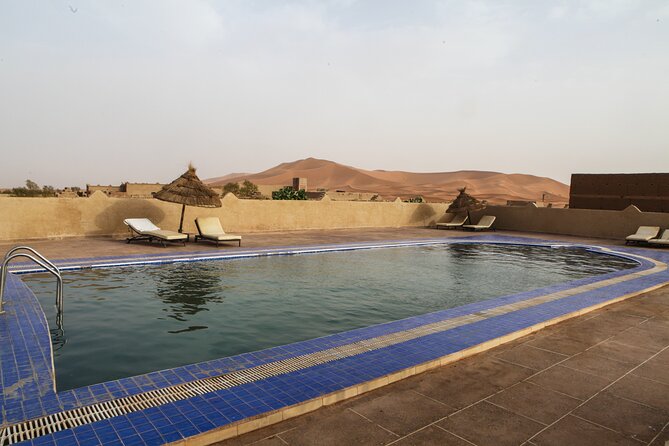
You reach Merzouga in the afternoon. The program is designed so you’re not wandering around wondering what’s next. Instead, you head to a traditional kasbah area at the foot of the Erg Chebbi dunes, then you get a bit of rest.
One detail I like here is the way the experience starts with something small but very Moroccan: mint tea. It’s not just a beverage; it’s a reset. You’ve driven all day, you’re about to swap vehicles for animals, and tea gives you a calm moment before the main event.
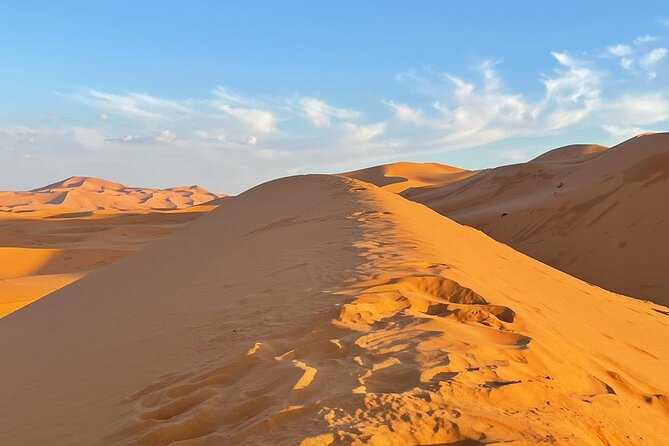
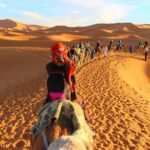
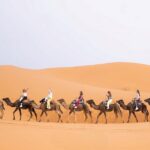
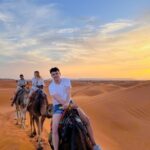
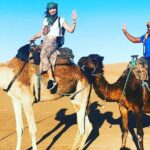
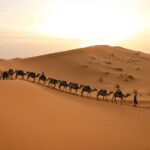
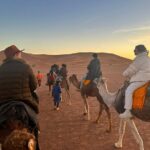
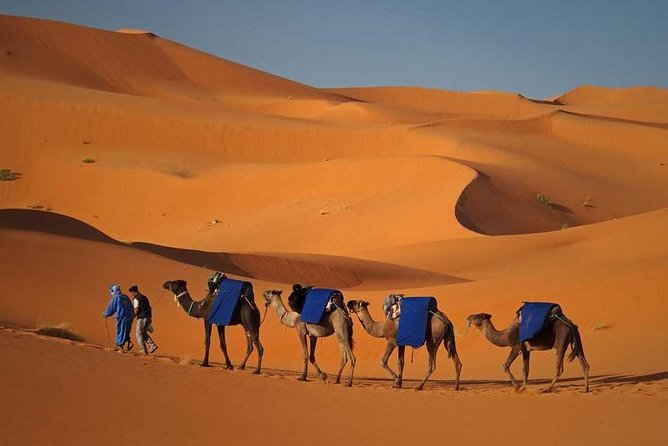
Then the camels and guide are waiting. You ride into the dunes and enjoy the sunset from horseback (well, camel-back). This part is why this tour is popular: you get the iconic image, but you’re also moving through real sand in a way that feels special.
After about an hour, you reach the desert camp where you spend the night. The camels are hobbled, and mint tea is served again at camp. That double tea moment—first at arrival, then on arrival to the camp—helps you feel like the night is organized, not just thrown together.
What you should pack for the camel and dunes
The tour doesn’t list gear, so you’ll want to plan smart:
- A scarf or buff for sand and wind
- Layers (nights in the desert can feel cold compared to daytime)
- Sunscreen and a hat for the dune walk and sunset
- Comfortable shoes for walking around camp areas
If you’re prone to back discomfort, consider bringing something soft to sit on for the camel transfer. The ride is part of the experience, but you’ll enjoy it more if you’re prepared.
Sleeping in a Berber tent at Erg Chebbi: dinner, stars, and a desert rhythm
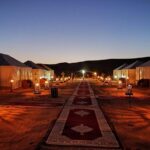
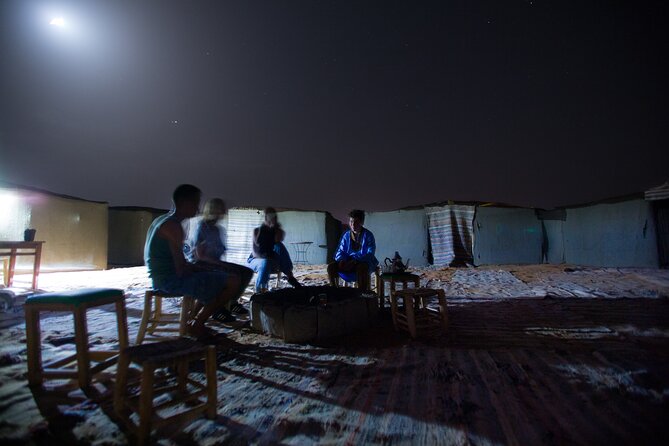
Night in Erg Chebbi is the heart of the tour. You’ll have one overnight in a Berber-style tent at the desert camp. After arrival, the evening program is built around food, sky, and rest.
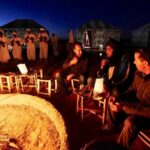
You’ll get dinner under the stars, then you spend the night in the camp. The schedule is straightforward and gives you time to just look up. This is not a “party camp” type of night; it’s more about quiet, stargazing, and letting the desert do its thing.
One thing I appreciate about this tour design is that it avoids you having to plan everything once you arrive. That’s a big deal in the desert. The guide and camp setup handle the order of events—camels, tea, dinner, sleep—so you can focus on the sensory parts: sand, sky, and that slow desert quiet.
A few more Fez tours and experiences worth a look


A note on expectations for comfort
This is a tent stay, so think basic and functional, not hotel-style comfort. The itinerary is clear about the overnight accommodation and included meals, but it doesn’t promise luxury. If your idea of a good night is warm blankets and a clean bed, you’ll probably be happier bringing your own realistic expectations.
That said, the value is strong because the tour includes what matters most: the camp night, dinner, and breakfast (handled by the operator), plus the camel transport into and out of the dunes.
Sunrise near the Algerian border, then the road to Marrakech
Day 2 starts with an early wake-up. You can get up in the morning and head out to watch the sunrise. The tour notes that the best viewing area is about 50 km from Merzouga, and that you’ll be watching from just behind the Algerian border.
Then you ride camels back to the hotel. That means you get two camel moments: one for sunset and one for sunrise-to-morning return. If camel riding is a bucket-list item for you, this tour gives you more than a token ride.
After that, the trip pivots to Marrakech. You’ll depart toward Marrakech with a few quick stops, traveling via the road of one thousand kasbahs and over the High Atlas Mountains.
This is your final “transition day.” The desert experience ends, and you return to a more classic Morocco travel pace—mountain roads, short photo stops, then arrival. The tour ends in the evening in Marrakech, so you’ll still have time to get dinner and unwind after you arrive.
Price and value: what $120 gets you, and what it doesn’t
At $120 per person for a 2-day, 1-night shared trip, you’re paying for logistics plus the expensive parts: desert transport and the camp night.
Here’s what’s included:
- Hotel pickup and drop-off near your place
- Professional driver
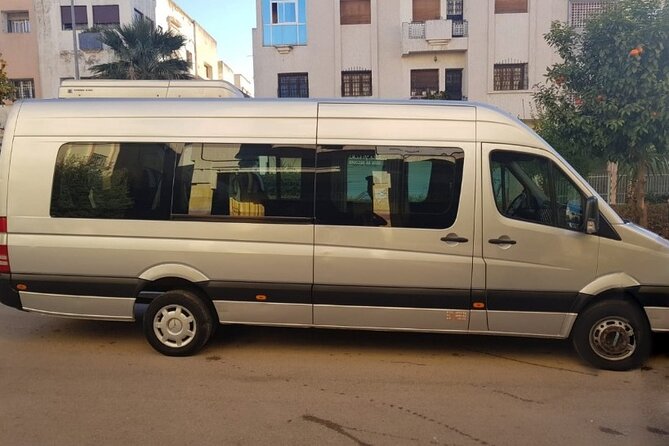
- Air-conditioned minivan/minibus transport
- Camel ride
- Overnight accommodation in the desert camp
- Dinner and breakfast
- Mobile ticket
And here’s what’s not included:
- Lunch
- Drinks
- Travel insurance
Optional sports may be available on the program, but they’re at your own cost. The important value point is that the big-ticket items are handled—camel ride, camp night, meals—so you’re not piecing together multiple vendors.
If you’re trying to DIY this route, you’d likely still spend money on transport out to the dunes, an overnight, and the camel logistics. The tour’s value is that it bundles it all, keeps the group moving, and reduces the chance of delays or misunderstandings when you arrive in Merzouga.
Group size, pickup, and how to handle the schedule (without losing the fun)
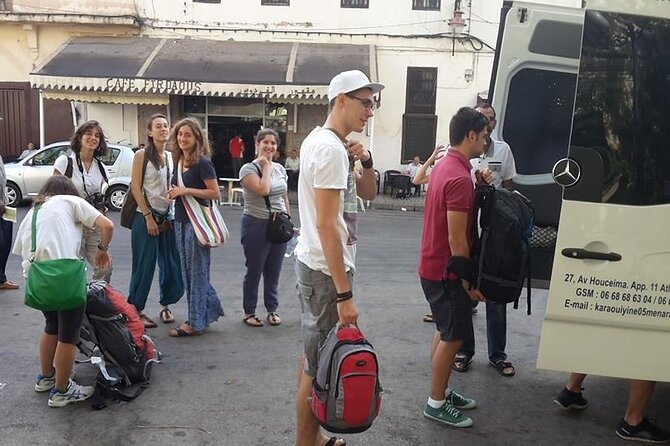
This trip runs with a maximum of 17 travelers and uses shared transport. That small-to-medium group size helps. It’s not a huge bus crowd, and it’s usually easier for the guide to manage everyone.
Your day is also designed with frequent stops:
- Ifrane / cedar forest with monkeys
- A lunch break in Midelt
- A palm-oasis viewpoint stop
- Rest time on arrival in Merzouga
- Camel ride at sunset
- Camp dinner and stargazing
- Early sunrise, then camel return
So yes, it’s not one straight shot to the dunes. But it’s also not boring. Each stop is meant to explain, visually, how Morocco changes as you go south.
Physical comfort and fitness
The tour says you should have moderate physical fitness. That likely means walking and moving around at a few points—forest paths, dune areas, and camp transitions. It doesn’t suggest anything extreme, but you’ll be happier if you can handle a day with some walking on uneven ground.
Food and drinks: what you’ll actually pay for
You get dinner and breakfast included, which takes pressure off your budget and planning. Lunch is not included, but the itinerary includes a lunch stop in Midelt, so you’ll have a place to eat during the day.
Drinks aren’t included either. That matters in two places:
- After desert time, you’ll want water
- On the road, you might want coffee or soft drinks during breaks
Bring some cash if you’re comfortable with that, but the listing doesn’t specify payment methods at each stop. The safe play is to carry cash for lunches, snacks, and drinks.
Who this tour is best for (and who should rethink it)
This is a strong fit for you if:
- You want a guided shared trip with pickup and drop-off handled
- You want the big Erg Chebbi experience (camel ride, tent camp, sunrise)
- You prefer not to juggle transport schedules in Morocco’s south
- You like a route that includes Atlas stops (Ifrane, cedars forest, and a Midelt fossil break)
It may be less ideal if:
- You hate fixed schedules and can’t handle waiting for the group
- You’re sensitive to long drives over mountain roads
- You want full control of meal timing, water, and stops
If you’re the kind of traveler who wants to linger in one place for hours, a private or DIY option might fit better. But if your goal is the desert story without the headaches, this works.
Should you book this Fez to Marrakech desert trip?
If you want a 2-day, 1-night desert experience that covers the essentials—Atlas scenery, dunes by camel, a Berber camp night, and then arrival in Marrakech—this tour is a solid choice for most people.
The best reasons to book are simple: you get transport, camel ride, camp stay, and key meals in one package. The biggest thing to watch is the schedule. You’ll trade flexibility for smooth logistics, shared-group pacing, and an operator that handles the handoffs.
If your priority is Erg Chebbi and you’re okay with a full, busy two days, book it and focus on the moments that matter: the cedar forest energy, the palm-oasis views, and that sunrise that makes the sand look like it’s glowing.
FAQ
FAQ
What’s the duration of the trip?
It’s about 2 days, with the program starting at 8:00 am and ending in Marrakech in the evening on Day 2.
Do I get hotel pickup and drop-off?
Yes. Hotel pickup and drop-off are included, with drop-off near your place.
Is the camel ride included?
Yes. Camel ride is included as part of the route into the Erg Chebbi dunes and again on Day 2 when returning.
Where do we stay overnight?
You overnight in a desert camp in a Berber-style tent in the Erg Chebbi area.
Are meals included?
Dinner and breakfast are included. Lunch and drinks are not included.
Is there an option for vegetarian meals?
Yes, a vegetarian option is available if you advise the operator at booking.
Is this tour physically demanding?
The tour suggests travelers should have a moderate physical fitness level, since you’ll move around during stops and transitions.
What’s the cancellation policy?
Free cancellation is available. You can cancel up to 24 hours in advance for a full refund, and cancellations made later than that are not refundable.