REVIEW · MARRAKECH
3 Days Desert Tour From Marrakech To Merzouga & Camel Trek
Book on Viator →Operated by Visitar Marrakech · Bookable on Viator
A desert trek starts the moment you leave Marrakech. This 3-day tour links Marrakech to Merzouga (Erg Chebbi area) with long, scenic road time, a camel ride at sunset, and a night where you sleep under the stars. You also get guided stops along the way, so the drive feels like travel, not just transportation.
What I like most is the way the trip balances big “wow” moments with comfort. I especially enjoy the sunset camel ride followed by a desert camp night, and I also appreciate that breakfast (2) and dinner (2) are included, plus you travel in an air-conditioned vehicle with pickup and drop-off from your accommodation.
The main drawback to consider is pacing. You’ll spend big chunks of time in the car (about 7 hours Day 1, 6 hours Day 2, and 9 hours Day 3), and lunches/drinks and optional visits aren’t included, so you’ll want a little extra cash for those.
In This Review
- Quick take: key things that matter
- How the 3-day route really feels (and why it works)
- Getting set up in Marrakech: pickup, vans, and finding your guide
- Boumalne Dadès on Day 1: your Atlas-to-desert transition
- Merzouga Day 2: Erg Chebbi dunes, sunset camels, and camp life
- Day 3 back to Marrakech: the return ride and what to protect your energy
- Price and value: what $116.15 really buys you
- Who should book this Marrakech to Merzouga camel trek?
- Should you book this 3-day desert tour?
- FAQ
- How long is the 3-day desert tour from Marrakech to Merzouga?
- Where do I meet the guide in Marrakech?
- What’s the route each day?
- Is camel riding included?
- Where do I sleep during the tour?
- What meals are included?
- What is not included in the tour price?
- How big is the group?
Quick take: key things that matter
- Meet-up at Jemaa el-Fna makes it easy to find your guide in Marrakech
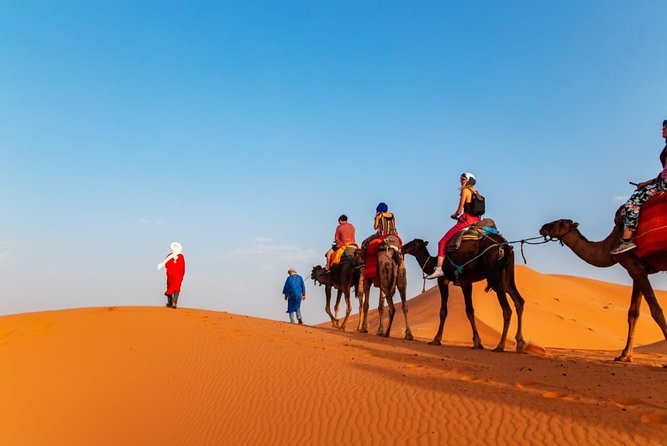
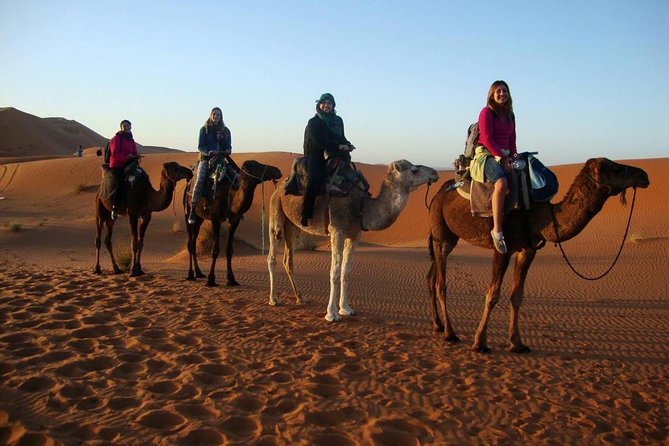
- Camel trek at sunset is the headline moment, tied to the Erg Chebbi dunes area
- Sleep under the stars with camp accommodation (food included for dinner, too)
- Comfort on the road thanks to air-conditioned transport and a professional driver
- Small group size with a maximum of 18 people keeps the day from feeling chaotic
How the 3-day route really feels (and why it works)
This is a short-and-sweet desert trip. The schedule is built around one idea: in three days, you’ll see enough of Morocco to feel like you’ve changed regions, not just visited one place.
Day 1 is the long push out of Marrakech toward Boumalne Dadès (about 7 hours). You’re not going to stroll for hours in cities all day. Instead, you’re trading speed and distance for the chance to reach the desert without turning the trip into a week-long road journey.
Day 2 is where the desert starts to take over. You move from Boumalne Dadès to Merzouga (about 6 hours), then you’re set up for the dunes experience with that classic camel ride at sunset. This timing is great because it puts the most dramatic light of the day on the sand.
Day 3 is the return (about 9 hours), and that’s the one day that can feel most “transport-heavy.” If you know you don’t love long rides, it helps to mentally treat Day 3 as the travel day and keep your energy for the desert night.
You can also read our reviews of more hiking tours in Marrakech
Getting set up in Marrakech: pickup, vans, and finding your guide
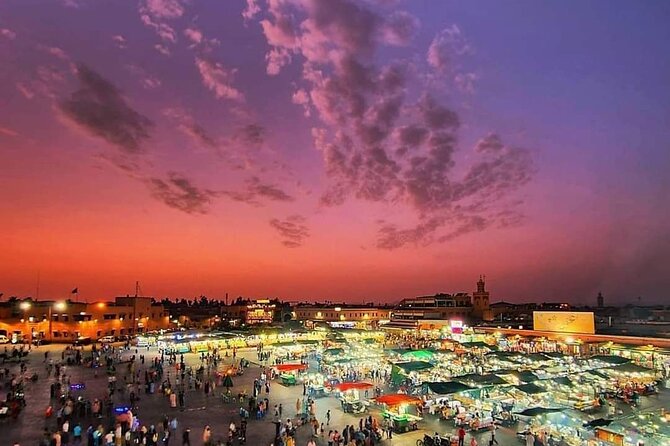
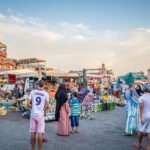
You’ll start in Marrakech, and you can plan on pickup from your accommodation. The tour also highlights meeting your guide at Jemaa el-Fna Square, which is a practical anchor point if you’re not staying right in the center.
In real terms, this is the part of the day that can make or break your mood. The trip is designed to reduce friction: air-conditioned vehicle, pickup, and drop-off back in Marrakech at the end. People also note traveling in nice sprinter vans, which usually means fewer squeaky seats and less “van volleyball” on rough roads.
Group size is capped at 18. That matters more than you might think. In a small group, you’re more likely to get help if something goes wrong (late start, confusion at a pickup point, or the occasional charging scramble for phones and cameras). It also helps explain why guides like Hami and drivers like Moha are often singled out for keeping everyone oriented and comfortable.
Boumalne Dadès on Day 1: your Atlas-to-desert transition
Day 1 takes you from Marrakech to Boumalne Dadès (about 7 hours). Think of it as the in-between day: it’s not the desert yet, but it sets the stage.
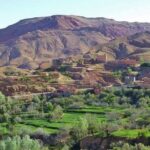
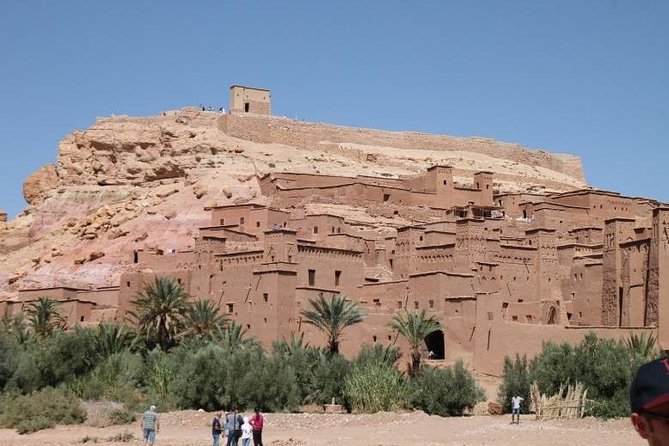
This is also where you’re likely to pick up the “Morocco beyond Marrakech” feeling. Many desert-route itineraries include a stop in the area of Ait Benhaddou and kasbah-style scenery along the way, and people specifically call out those kinds of moments as part of what made the trip memorable. Even if you only get short stops, they break the drive into smaller chapters.
Boumalne Dadès is the overnight positioning. You’re not doing a “greatest hits list” of ten towns in one day. Instead, you’re getting yourself closer to Merzouga so the next day’s dunes can happen on schedule.
Admission tickets are listed as free for the route stops. That’s useful if you were worried about surprise entry fees. The bigger budget note for Day 1 is simply this: lunches and drinks aren’t included, so you’ll want a plan for meals on the road.
Merzouga Day 2: Erg Chebbi dunes, sunset camels, and camp life
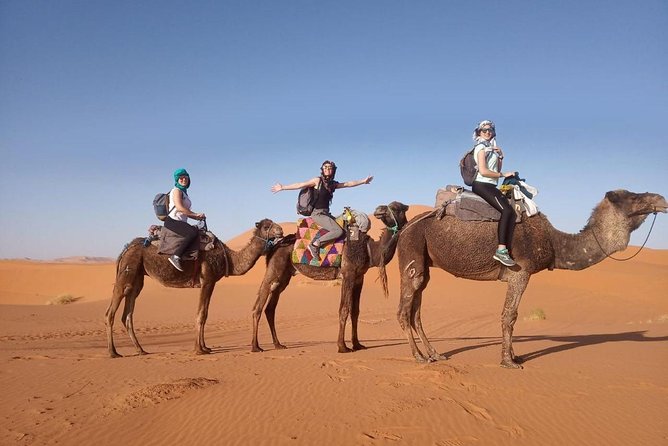
Day 2 is the reason most people book. You go from Boumalne Dadès to Merzouga (about 6 hours), then you shift into desert mode.
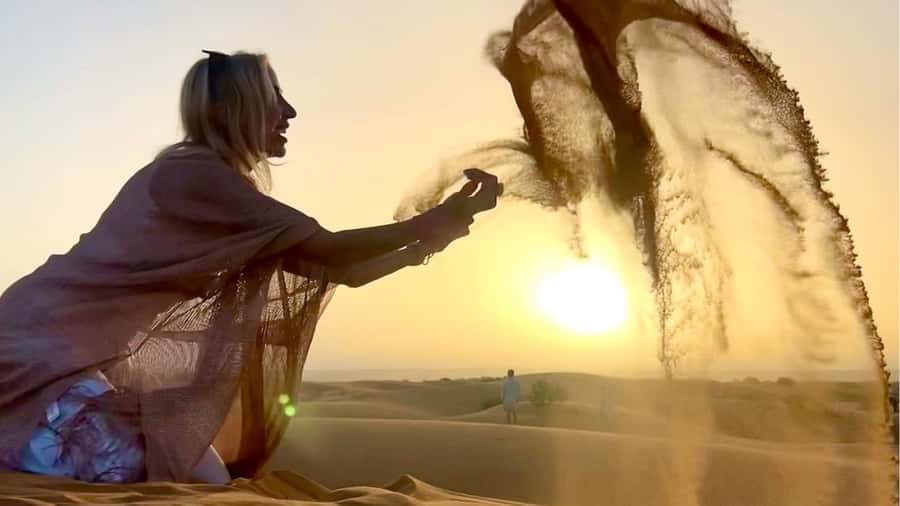
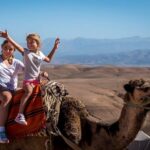
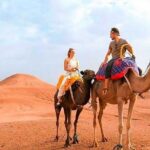
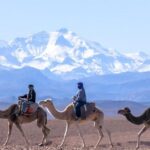
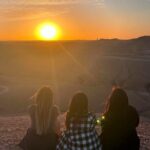
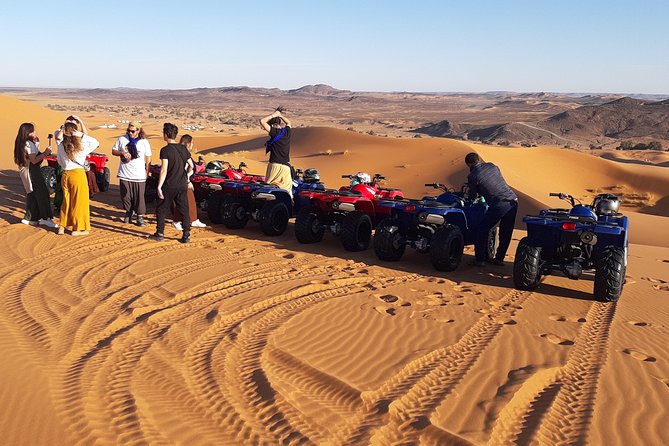
The headline experience is a camel ride at sunset. This is one of those moments that feels different from the rest of the day, because you’re moving through the dunes at the time of day when the sand color and shadows do the most work. If you care about photos, sunset is also the best light for them.
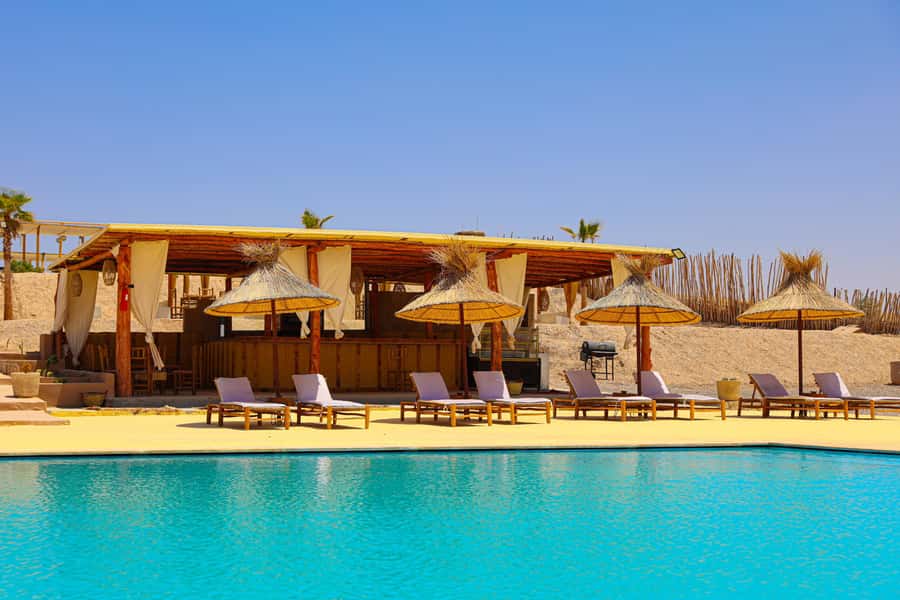
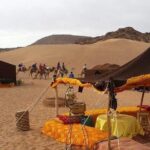
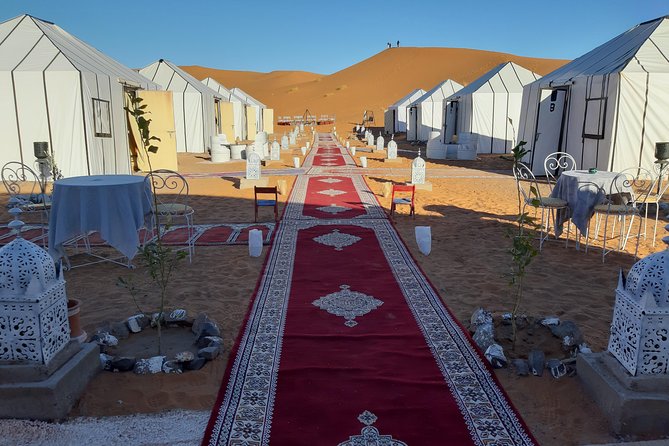
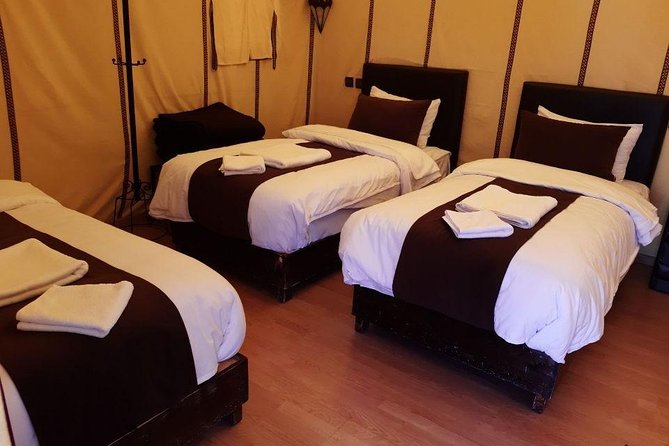
After that, you sleep in a desert camp. The camp experience is repeatedly described as comfortable, and people mention that the camp setup feels big and well organized. You also get dinner (and breakfast is included as part of the overall package), so you’re not hunting for food after a long day.
One more thing I appreciate here: dinner and breakfast are included, which lowers the stress factor. You can focus on the night sky and the camp atmosphere instead of budgeting every meal.
Also, pay attention to who you have driving and guiding. Hami comes up in the reviews as the kind of person who keeps things friendly and smooth. Moha is another name that shows up as a guide/driver who spent time showing stops along the journey. That’s a big part of why this trip earns a near-perfect recommendation rate.
Day 3 back to Marrakech: the return ride and what to protect your energy
Day 3 runs Merzouga to Marrakech (about 9 hours). This is a long day, but it’s also a clean ending. You’re not adding extra overnight plans or switching hotels again.
Here’s how to make it feel better:
- Plan for it as your travel day.
- Keep snacks/water in mind since lunches and drinks aren’t included.
- If you’re the type who wants time to rest, this is where you actually should do it.
The advantage of ending back in Marrakech is that you’re finished in one place. You won’t be dealing with a “next transfer” on arrival. For many people, that’s the difference between a trip that feels complete and one that feels like a moving carousel.
A few more Marrakech tours and experiences worth a look
Price and value: what $116.15 really buys you
At $116.15 per person, this tour isn’t trying to be a luxury desert retreat. It’s built around value: shared group experience, transportation, and the core desert moments.
What you get that makes the price feel reasonable:
- Air-conditioned vehicle and a professional driver throughout
- Pickup and drop-off from your accommodation
- Camp/hotel accommodation across the multi-day trip (the trip summary says accommodation is provided, and the camp/hotel comfort is praised)
- Breakfast (2) and dinner (2)
What you should expect to pay extra:
- Lunches and drinks
- Visits of places (the itinerary lists some admissions as free, but not everything is automatically covered)
So the value is strongest if you want a guided, low-stress desert sampler that includes the heavy lifting: getting you to Merzouga, arranging the camel ride, and handling meals and lodging. If you’re the type who wants full control of meal plans and spontaneous stops, you might prefer a private option—but that usually costs more.
Who should book this Marrakech to Merzouga camel trek?
This tour is a strong match for you if:
- You want the desert highlight in a short timeframe
- You prefer an organized route with pickup and drop-off
- You’re okay with long road days to reach the dunes
- You like a friendly group atmosphere with a cap of 18 people
It’s also a good fit if you’re traveling with a partner or friends and want the same experience together: meet at the start point, share the rides, and enjoy the sunset camel moment as a group.
If you’re extremely sensitive to time spent in a vehicle, you may find Day 1 and Day 3 tiring. In that case, consider whether you’d rather stretch it into more days or choose a trip with fewer hours of driving.
Should you book this 3-day desert tour?
If your goal is simple—see the Atlas region on the way, reach Merzouga, ride camels at sunset, and sleep under the stars—then yes, I’d book it. The combination of included transport, included breakfasts/dinners, and a camp night is exactly what keeps the trip from turning into “plan your own desert logistics.”
I’d book especially confidently if you value organization and smooth guiding, since names like Hami and Moha come up alongside comments about how they looked after everyone and helped the trip run well.
Just go in knowing two things: this is a road-trip first, desert-second schedule, and lunches/drinks and optional visits aren’t included. If that fits your style, you’re in for a very memorable Morocco chapter.
FAQ
How long is the 3-day desert tour from Marrakech to Merzouga?
The tour runs for about 3 days.
Where do I meet the guide in Marrakech?
You can meet your guide at Jemaa el-Fna Square, and pickup is also offered from your accommodation.
What’s the route each day?
Day 1 goes from Marrakech to Boumalne Dadès (about 7 hours). Day 2 goes from Boumalne Dadès to Merzouga (about 6 hours). Day 3 returns from Merzouga to Marrakech (about 9 hours).
Is camel riding included?
Yes, you’ll ride camels at sunset.
Where do I sleep during the tour?
You’ll have accommodation as part of the desert camp experience and the trip includes dinners and breakfasts. The desert night is described as sleeping under the stars.
What meals are included?
Breakfast is included twice and dinner is included twice.
What is not included in the tour price?
Lunches, drinks, and visits of places are not included.
How big is the group?
The maximum group size is 18 travelers.