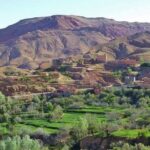
A long drive, then stars all night. That’s the rhythm of this Marrakech-to-Merzouga desert trip: you get real Sahara time plus camel trekking, with Berber music and camp food built into the nights.
I especially like how the schedule gives you both the Erg Chebbi sunset experience and a sunrise camel trek day. I also like that the tour prices food into the plan (breakfasts and dinners), so you’re not constantly hunting for meals after long travel days.
One possible drawback to consider: the days are long, and day 3 includes a return drive that can feel like a full travel day after you’ve already had your desert highlights.
In This Review
- Key things I’d plan around before you go
- How This Marrakech to Merzouga Trip Really Feels
- Entering the Dunes: Day 1 in Merzouga and Erg Chebbi
- Merzouga village time and Khamlia Gnawa culture
- Camel trek to the desert camp at sunset
- Practical note
- Day 2: Sunrise Camel Ride, Erfoud Fossils, and Todra Gorge
- Morning: the sunrise moment you’ll remember
- Afternoon: Erfoud fossil area and Todra Gorge
- Evening meal in Merzouga
- Day 3: Rissani Market Energy and Ksar Ouled Debbab Ruins
- Rissani: historic city and a lively market
- Ksar Ouled Debbab: abandoned village ruins
- Return toward Marrakech and optional sandboarding
- Food on the Route: Breakfasts, Two Dinners, and Berber Camp Meals
- What you can expect from the included meals
- Drinks and lunch: plan for them
- Getting There: Pickup, Air-Conditioned Vehicle, and Group Size
- Pickup and transport setup
- Small group comfort (up to 18)
- Price Value: Why $139.37 Can Make Sense Here
- Who Should Book This Sahara + Merzouga Tour
- Should You Book It?
- FAQ
- What does the tour include for meals?
- How many nights do you spend in the desert camp area?
- Is pickup available from Marrakech?
- Is camel trekking part of the experience?
- Does the tour include sandboarding?
- What is the cancellation policy?
Key things I’d plan around before you go
- Erg Chebbi sunset and sunrise camel rides to time your best light and photos
- Two nights in a camp setting, not just a quick stop for a photo
- Berber music and dinner under the stars for the full cultural feel
- Small group size (max 18), which usually makes it easier to manage the pace
- Optional sandboarding on the dunes, if you want a bit of adrenaline
- Driver focus on safety and comfort, with praise for friendly, careful driving
How This Marrakech to Merzouga Trip Really Feels
This kind of tour works when you’re okay with the big idea: you’re not only ticking off destinations—you’re getting a slow, staged transition from city Morocco to the edge of the Sahara. Day 1 is about arriving, settling in, and stepping into dune-country with a camel trek at sunset. Day 2 keeps the pace slower and more sensory, starting with sunrise and ending with a culture-and-scenery day. Day 3 brings you back toward Marrakech with market and ruins stops.
The biggest win here is that you’re not spending your entire time in transit. You still have two actual nights in the desert camp atmosphere, plus structured meals so the days run smoothly.
And yes, the reviews consistently underline a key theme: the trip quality often depends on how the driver and guides handle the long road. Names that show up a lot include Abdilah/Abdelilah and Abdul, praised for friendly energy and safe driving. That matters, because this is the kind of itinerary where you feel every hour in the car.
You can also read our reviews of more food & drink experiences in Marrakech

Entering the Dunes: Day 1 in Merzouga and Erg Chebbi
Day 1 is your arrival-to-wonder day. You start by getting to Merzouga, checking in to your chosen accommodation, and eating a traditional Moroccan breakfast to reset after travel. Then you shift into “Sahara mode,” with time to acclimate to the atmosphere rather than rushing straight into dunes.
What I like about this day is the balance. You get cultural context and then you get the iconic moment.
Merzouga village time and Khamlia Gnawa culture
You’ll explore Merzouga’s village streets and shops, then head to Khamlia Village. This stop is centered on Gnawa music and dance, which is not a generic performance stop. It’s one of those Morocco experiences that helps you understand that this region’s identity is carried through sound, movement, and community—long before you ever reach the sand.
This is also a good day-1 pacing choice. If you go straight from Marrakech to the dunes without any buffer, it can feel abrupt. Here, you get human-scale Morocco first.
Camel trek to the desert camp at sunset
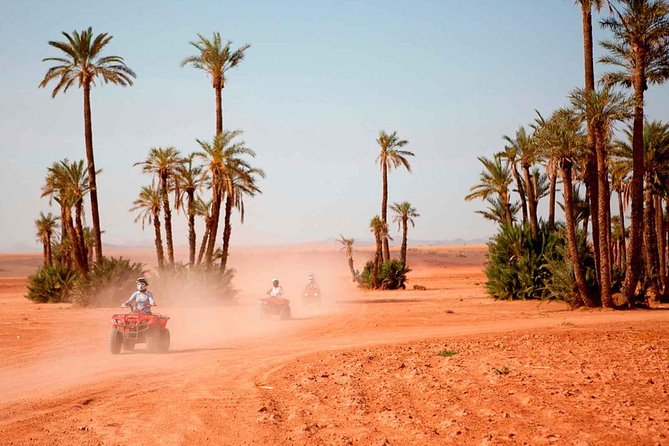
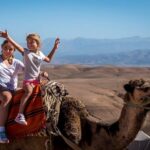
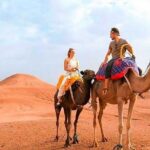
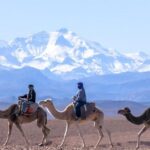
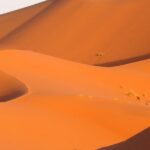
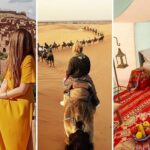
The heart of Day 1 is the camel trek into the Erg Chebbi dunes for sunset. The itinerary frames it as a breathtaking end-of-day experience, and that’s exactly how this ride tends to land emotionally: the dunes look different every minute once the light shifts, and you’ll be far enough into the Sahara that the sky feels much closer.
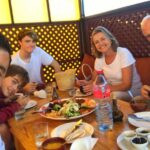
The camp dinner is part of the same package: you eat under the stars with traditional Berber music. That combination—food, music, open sky—is why two-night desert trips are worth paying for. You’re not just visiting a place; you’re spending an evening inside the setting.
Practical note
Even though it’s called a 3-day tour, Day 1 includes multiple phases: arrival, village time, a cultural music stop, then the long camel trek ride and camp evening. If you get motion-sensitive, it’s smart to plan for a full day of movement and transition.
A few more Marrakech tours and experiences worth a look


Day 2: Sunrise Camel Ride, Erfoud Fossils, and Todra Gorge
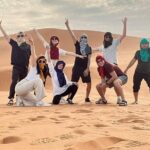
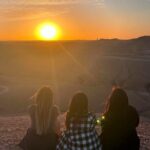
Day 2 starts early, with a sunrise view over the Sahara. Then you eat breakfast in the desert camp setting and head back toward Merzouga on a camel ride. You’re basically getting the “two light shows” that make Erg Chebbi special: sunset on the way in, sunrise on the way out.
Morning: the sunrise moment you’ll remember
The sunrise trek is the repeat that makes this trip feel complete. A lot of desert trips stop at sunset only. Here, you’re given the chance to experience dunes when they’re quieter and the colors are more subtle.
After that, the camel ride back to Merzouga keeps the flow going. It’s not a hard reset where you jump from desert to city mode instantly. You stay in the same rhythm, just turning the page.
Afternoon: Erfoud fossil area and Todra Gorge
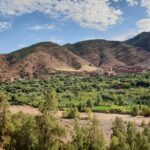
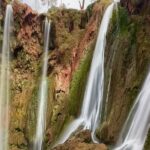
The afternoon adds variety. You’ll visit Erfoud, known for fossil-rich landscapes in the region, then continue to Todra Gorge, which is described as a stunning series of limestone river canyons.
This is a smart design. After two dune-based days, it’s easy to feel like you’re only getting sand. Here, you switch to rock and canyon scenery, which also changes how you take photos and how your body feels after camel riding.
One drawback: day 2 includes a decent amount of touring after the early start. If you don’t love long days, you might want to keep expectations flexible—there’s a “see a lot” feel built in.
Evening meal in Merzouga
Back in Merzouga, you’ll have dinner at a local restaurant with traditional Moroccan cuisine. Compared with camp food, this gives you a different flavor and a more normal dining pace. It’s the practical kind of variety that keeps the trip from feeling repetitive.
Day 3: Rissani Market Energy and Ksar Ouled Debbab Ruins
Day 3 is the “turn back toward Marrakech” day, but it doesn’t feel like a simple bus ride. You get two archaeology/culture stops before you head back.
Rissani: historic city and a lively market
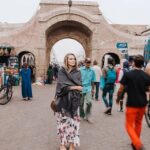
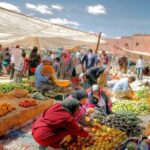
You’ll visit Rissani, known for historic architecture and a lively market. Even if you’re not shopping, markets are where you see how a place breathes. You get to watch daily rhythms—people moving, bargaining, preparing food, and living their normal day.
This stop also helps you understand the geography. Merzouga and the dunes are your dramatic end point. Rissani is the connecting thread that makes it clear you’re traveling through real communities, not only “tourist Morocco.”
Ksar Ouled Debbab: abandoned village ruins
Next comes Ksar Ouled Debbab, an abandoned village with a fascinating history. Ruins can either feel haunting or confusing, depending on context. On a trip like this, the value is in having a guide or structure around what you’re looking at so it doesn’t become just random broken walls.
Return toward Marrakech and optional sandboarding
After breakfast and stops in Rissani, you head back, with a suggested lunch break in Rissani before departure. The timing is long enough that the day is basically travel plus a couple meaningful stops. You also have an optional chance to try sandboarding on the dunes if you want one last thrill before you leave the Sahara behind.
A key consideration: if your legs are tired from camel riding and early mornings, sandboarding might feel like a bonus you’ll either love or decide to skip. Either way, it’s good that it’s framed as optional.
Food on the Route: Breakfasts, Two Dinners, and Berber Camp Meals
This tour includes breakfast (3) and dinner (2), with drinks and lunch listed as not included. That matters more than it sounds, because it shapes your stress level on long travel days.
What you can expect from the included meals
- Traditional Moroccan breakfast to start your day in Merzouga and in the desert camp rhythm
- Desert camp dinner with Berber music on Day 1
- Another dinner back in the Merzouga area on Day 2
The camp meal is the one you’ll talk about later, not because it’s fancy, but because it happens in a setting that’s hard to replicate: open sky, camp atmosphere, and music in the background.
Drinks and lunch: plan for them
Since drinks and lunch are not included, you’ll want to budget some extra cash if you rely on bottled water, sodas, or restaurant lunches. If you’re the type who likes to order freely, this is one of the few real “surprises” to budget for.
Getting There: Pickup, Air-Conditioned Vehicle, and Group Size
This is a multi-day road trip, and the practical comfort makes a difference.
Pickup and transport setup
The tour notes that pickup is offered, and you’ll ride in an air-conditioned vehicle. It also includes a mobile ticket, which is helpful if you hate printing confirmations.
You’re starting at 7:00 am, so plan your morning in Marrakech accordingly. This kind of early departure also helps you arrive in time for evening dunes on Day 1 and sunrise on Day 2.
Small group comfort (up to 18)
With a maximum group size of 18 travelers, you generally get a better experience than giant shuttles. It’s not guaranteed, but smaller groups often mean less waiting, fewer disruptions, and a more personal feel during stops.
And again, the praise for drivers like Abdilah and Abdul centers on being friendly and driving safely. That’s the kind of review detail that tells you the organizer takes the road seriously.
Price Value: Why $139.37 Can Make Sense Here
At $139.37 per person, the headline price sounds straightforward. The real question is value: are you paying for a “tour” or for a “Sahara night experience”?
Here, your included basics are doing real work:
- Two nights in a desert camp setting
- Camel trekking (not just one ride, but structured desert trekking experiences)
- Berber music and camp dinner
- Breakfasts and dinners (so you’re not paying for every meal yourself)
- Transport in an air-conditioned vehicle
When a tour includes meals and the core desert activities, the money usually goes further than a cheaper option that charges extra once you’re already committed.
The main “extra costs” you should expect are the ones explicitly not included: tips, drinks, and lunch. Also, sandboarding is listed as part of the experience, but it’s framed as optional—so if you want it, you’ll want to confirm how it’s handled in your moment-to-moment plan.
Who Should Book This Sahara + Merzouga Tour
This tour fits best if you want:
- A classic Sahara experience with both sunset and sunrise dune time
- Two desert nights, not a rushed overnight photo stop
- A structured plan that includes food and guided cultural stops like Khamlia and Gnawa music
- A group size that stays small enough to feel managed
It may not be for you if:
- You hate long travel days and early starts
- You strongly prefer spending your whole trip in one place without switching scenery
- You’re trying to keep every meal and drink totally out-of-pocket (since lunch and drinks aren’t included)
Should You Book It?
If you want the kind of desert trip where the Sahara actually takes over your schedule for two nights, I think this one is worth serious consideration. The combination of Erg Chebbi camel rides at both sunrise and sunset, Berber music, and camp meals creates a full arc, not a quick hit.
My decision rule: book it if you’re excited for the ride-to-dunes rhythm and you’re okay with a long day on the return. Skip it if you need a slow, low-activity vacation with minimal driving.
FAQ
What does the tour include for meals?
It includes breakfast (3) and dinner (2). Lunch and drinks are not included.
How many nights do you spend in the desert camp area?
The experience includes two nights camping in camp for a true Sahara desert night stay.
Is pickup available from Marrakech?
Yes, pickup is offered. The start time is 7:00 am.
Is camel trekking part of the experience?
Yes. There is camel trekking, including a camel ride into the dunes for the Sahara sunset experience and another trek back during the next day’s morning.
Does the tour include sandboarding?
Sandboarding is mentioned as part of the experience, and on day 3 it’s listed as an optional activity you can try on the dunes.
What is the cancellation policy?
You can cancel for a full refund up to 24 hours in advance of the experience start time. If you cancel less than 24 hours before, the amount paid is not refunded.