REVIEW · MARRAKESH
From Marrakech: Nature and Atlas Morocco History’s Day Trip
Book on GetYourGuide →Operated by Transportation and Tours in Morocco · Bookable on GetYourGuide
High Atlas views start right from Marrakech. One day can take you from the Almohad-era feel of the city into Berber mountain life with a Toubkal-area hike, panoramic ridgelines, rivers, and waterfalls. I love the way the route mixes mountain scenery with everyday village scenes, and I also like how the guide brings the region’s human side to the front. One drawback to plan for: the day has walking on uneven, rocky paths, so comfortable shoes matter.
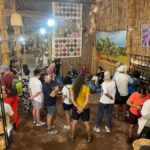
I especially liked the small, human touches—starting with an argan oil cooperative visit and breakfast, then finishing with Amazigh tea and conversation. On my ride I kept noticing how much the guides and driver (including Omar and Hakim, in the best way) treated the trip like more than a checklist: Hakim was helpful and Hakim also shared lots of background during the drive, while Omar made the walk and village stop feel grounded in real life.
If you’re short on time in Marrakech, this is a strong option because you get a full, moving day with plenty of viewpoints and a clear payoff. Just remember lunch isn’t included in the price, so budget extra for it, and bring water since the mountain air can be deceptively dry.
In This Review
- Key highlights you’ll actually care about
- From Marrakech to the Ghigaya tribe: how the day really unfolds
- Argan oil cooperative breakfast: a practical start, not a hard sell
- The drive through old tradition towns: where the photos make sense
- The Toubkal-area hike: rocky Berber villages and big ridgeline views
- Imlil waterfalls and the green valley break
- Lunch stop and Amazigh tea: where the day becomes human again
- Price and logistics: is $32 good value?
- Who this Atlas day trip fits best (and who should think twice)
- Final call: should you book this day trip?
- FAQ
- What’s included in the price?
- Is lunch included?
- What should I bring for this trip?
- What languages are available?
- Do you pick you up from your hotel in Marrakech?
- Can I cancel if plans change?
Key highlights you’ll actually care about
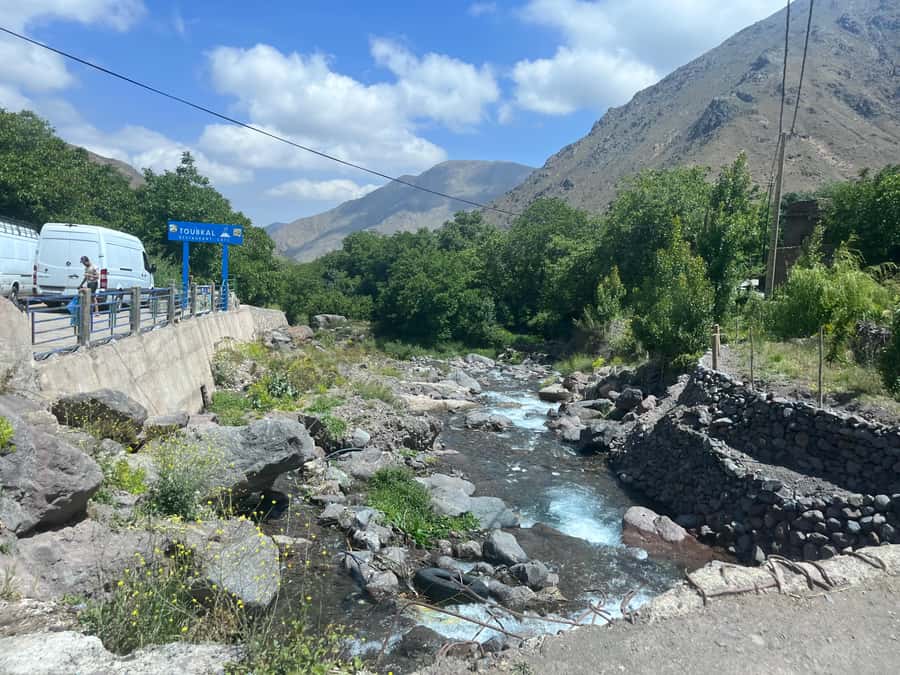
- High Atlas panoramas with big-sky photo moments during the drive and hike
- Ghigaya tribe and Berber village walking where you can see how daily life connects to the mountains
- Imlil waterfalls and river scenery for a refreshing change of pace
- Argan oil cooperative visit + breakfast early on, so you start the day with something practical
- English, French, Spanish, Arabic options with an English-speaking driver available
- Amazigh tea included during the mountain stop, not just as a tourist prop
From Marrakech to the Ghigaya tribe: how the day really unfolds
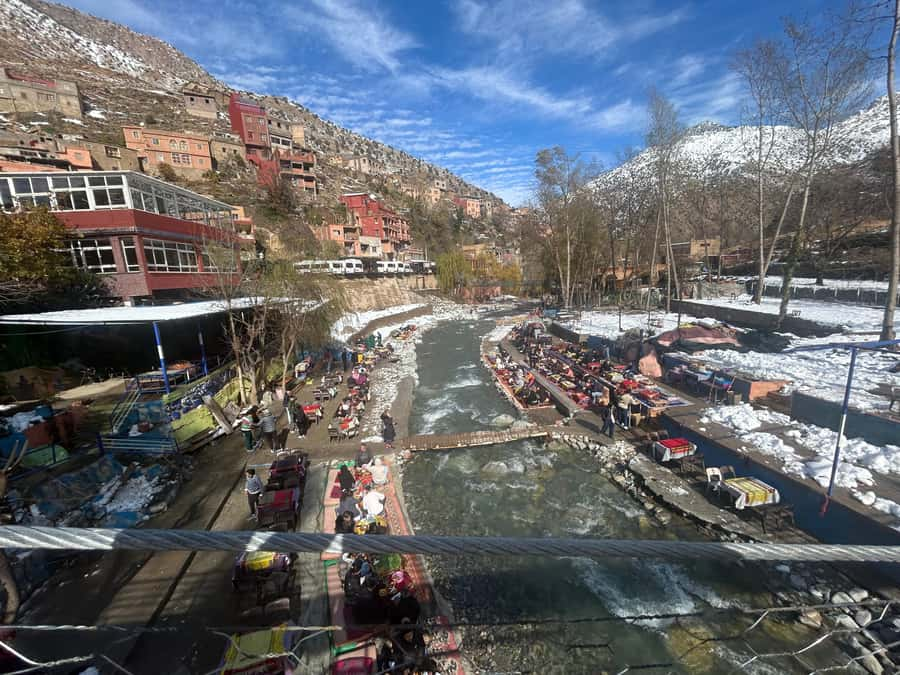
This is a classic Marrakech-to-the-mountains day trip, but it’s not just a drive and a quick photo stop. The day starts with transport from your accommodation and heads toward one of Morocco’s historically significant mountain regions—also known for welcoming the country’s first tourist delegation. That historical note matters because the area isn’t presented like a theme park. Instead, you’re guided through places where people have long lived with the rhythms of altitude, water, and seasons.
The core of the experience is the shift in pace and perspective. In Marrakech, you’re surrounded by city noise and dense streets. In the High Atlas, the air changes, the views open up, and the walk makes you pay attention. You’ll pass old tradition villages and towns along the way, so you’re not staring at only one kind of scenery. It’s a gradual move from city edges to mountain living, with enough stops to keep the day varied.
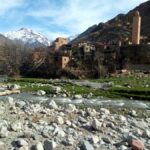
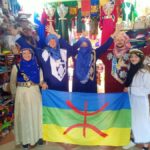
When you reach the Ghigaya area and nearby Berber villages, the tour turns more cultural than athletic. The hike is part of it, but so is the human context—what the mountains mean for work, family life, and how people preserve their way of living. I like this balance because you don’t just “see Morocco”; you understand what you’re looking at.
You can also read our reviews of more historical tours in Marrakesh
Argan oil cooperative breakfast: a practical start, not a hard sell
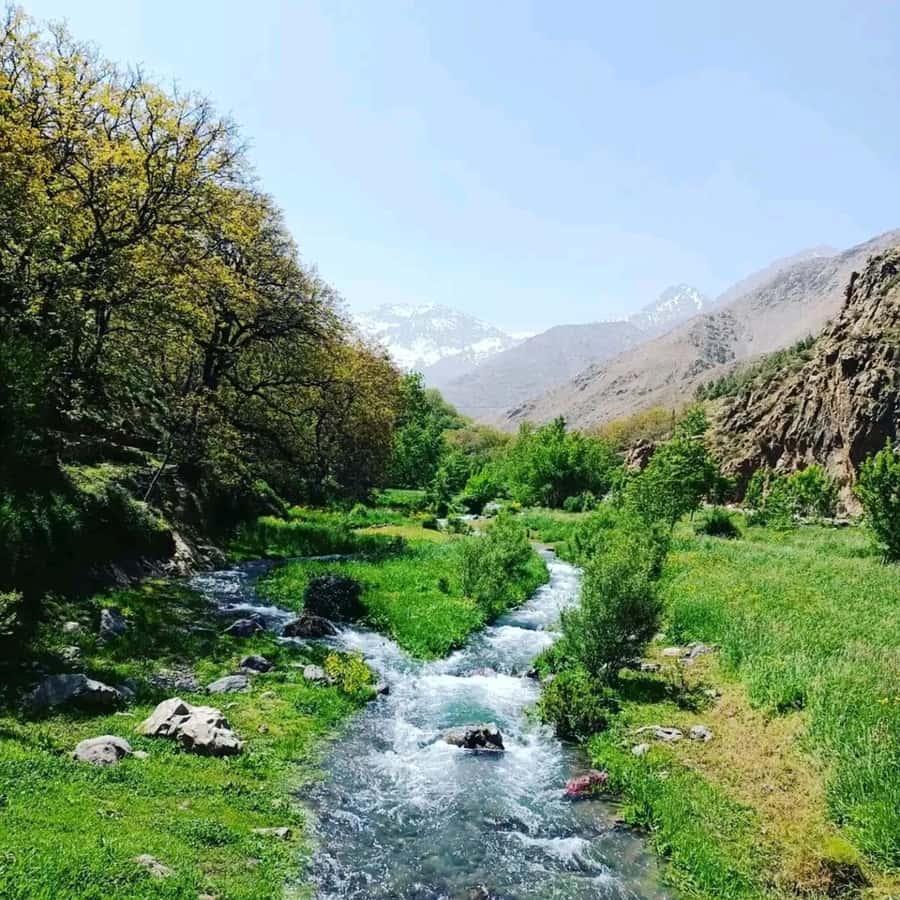
One included stop early on is a visit to an argan oil cooperative, paired with breakfast. Even if you’ve heard the argan oil story before, I think this kind of stop is worth it because you get the basics of how the product connects to local livelihoods. Argan trees aren’t a random souvenir brand here—they’re part of the landscape and the economy, especially in mountain-adjacent regions where traditional practices still matter.
The breakfast portion is also a smart move for energy. A day in the Atlas can take more out of you than expected—sun, altitude, and time in a vehicle all add up. Eating early helps you avoid that mid-morning slump that makes a rocky path feel harder than it should.
What I’d watch for: the schedule is tight enough that you’ll likely feel like the day is “in motion.” That’s not a problem, but it means you’ll want to go into this meal stop ready to eat and then continue, rather than treating it like a slow cafe break.
The drive through old tradition towns: where the photos make sense
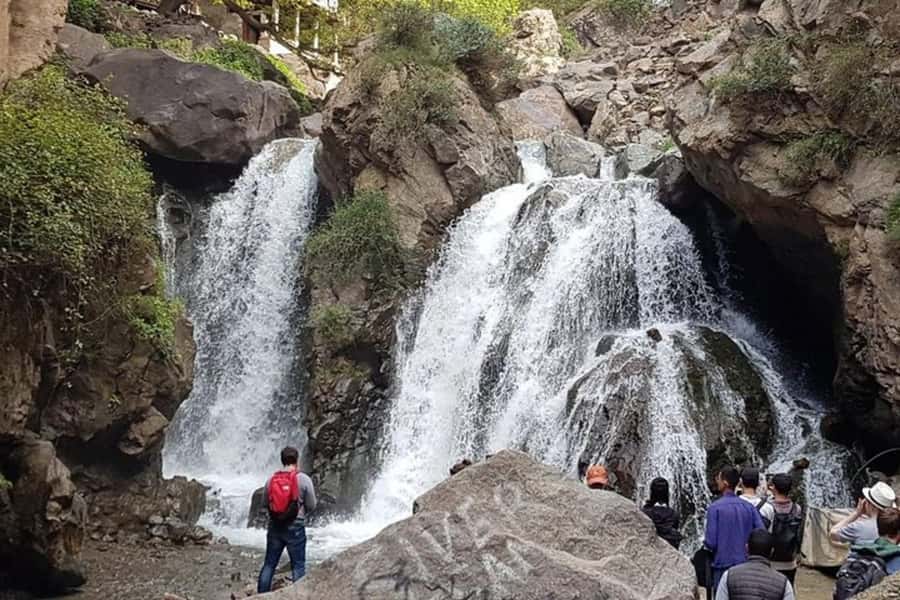
A huge part of the value in a day trip like this comes from the travel itself. You’ll ride through towns and traditional areas on the way up, and the scenery shifts fast. Expect changing colors—stone tones, terraced hints, and then wider mountain views that start to feel bigger than you planned for.
Along the route, the guide and driver add context while you’re moving. In the rides I’ve had in Morocco, this is where good guides separate themselves from okay ones: if the information arrives while you’re looking out the window, it clicks. In this case, you get a mix of history and everyday culture, and it’s paced so you’re not stuck listening while you’re also trying to watch the world pass by.
You also get panoramic views of the High Atlas mountain ranges. The key here is timing: those viewpoints are best when you’re traveling, not when you’re waiting. That’s exactly how this trip is set up—drive, look, stop when it counts, and then move toward the hike area.
The Toubkal-area hike: rocky Berber villages and big ridgeline views
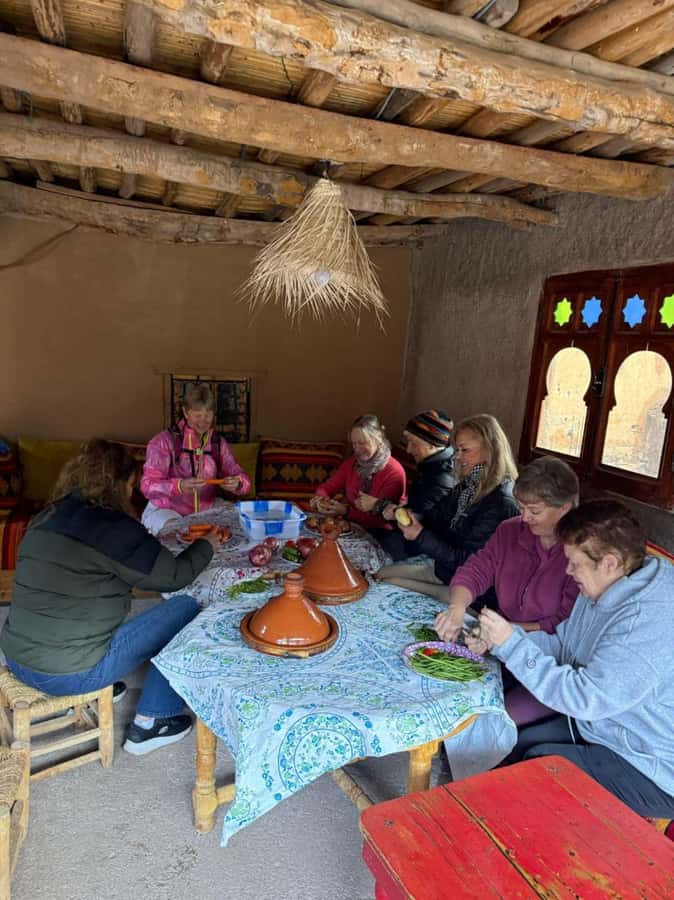
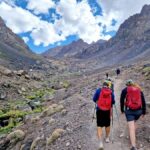
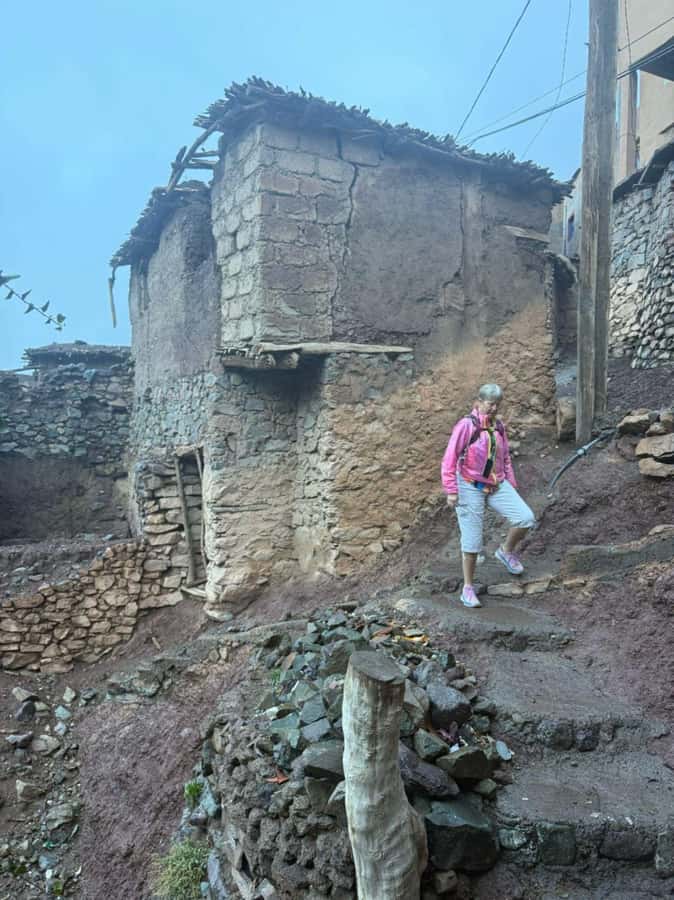
The highlight for most people is the Atlas walking part. You’ll take a hike through Toubkal-area scenery, with villages, valleys, and peaks around you. The hiking isn’t described as a technical climb, but it is in rocky mountain terrain. That means your feet do the planning: comfortable shoes aren’t optional.
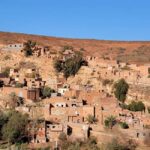
What makes this section special is the combination of physical effort and cultural contact. The trail takes you through or alongside rocky Berber villages, so you can see architecture and daily life at walking distance. This is the moment where guides like Omar tend to earn their keep. He’s the type who can point out details as you go, then explain what they mean—how people live, how culture is carried forward, and why certain practices make sense in the mountains.
You’ll also get photo opportunities that feel earned. It’s not just standing somewhere scenic and clicking. It’s moving to ridges, seeing the river or valley appear, then turning to catch a wider panorama of the range. One of the best feelings is when the viewpoint opens and suddenly you can see how the valleys connect—then you realize why the mountains are such a strong anchor for community life.
A practical consideration: the walk can feel like it starts earlier than you expect because you’re also managing transfers and getting to the trailhead. If you’re the kind of traveler who wants long, slow breaks, plan for fewer “rest whenever you want” moments.
Imlil waterfalls and the green valley break
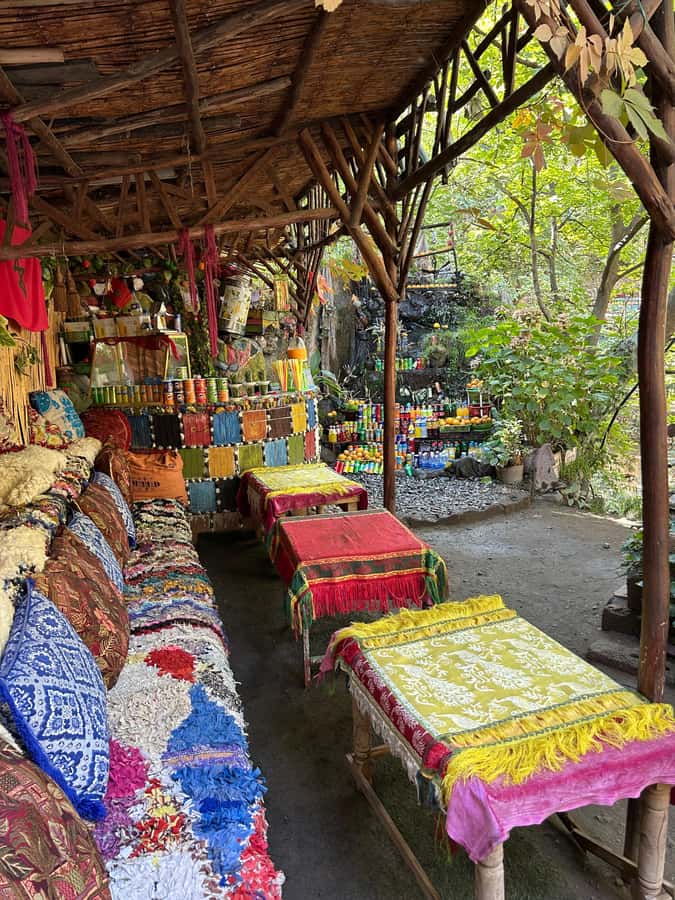
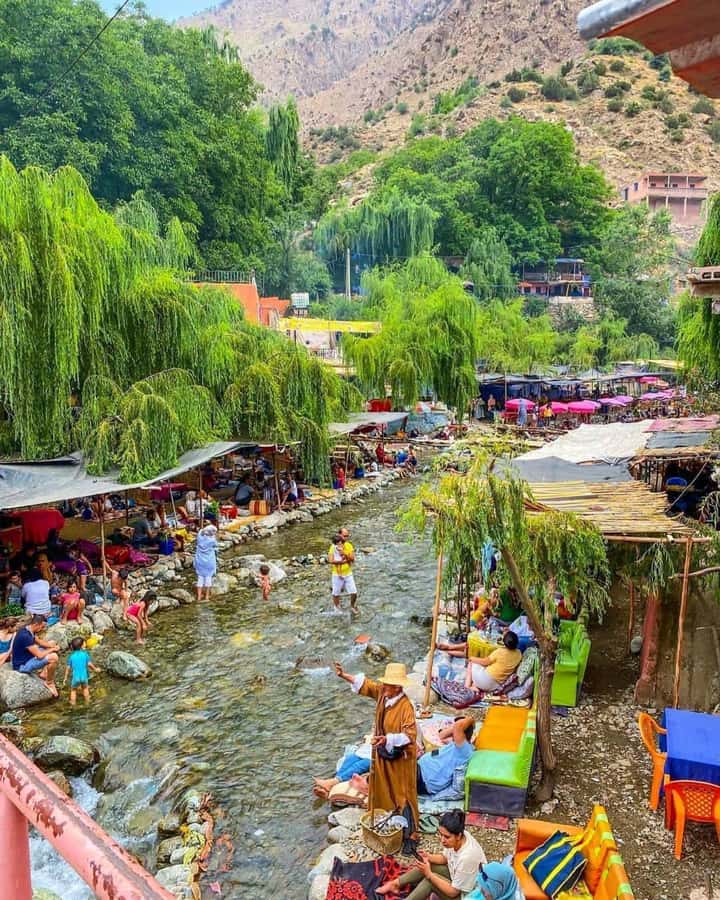
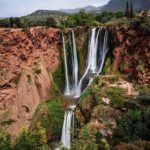
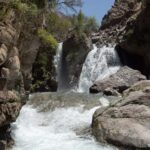
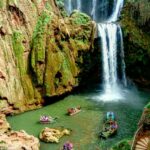
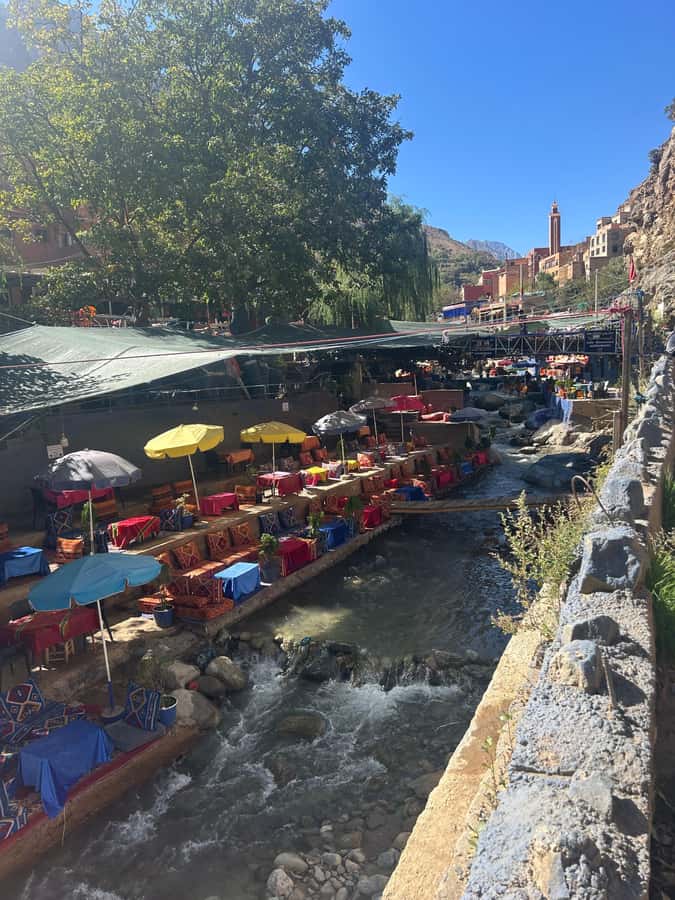
After the higher, rockier moments, you get a refreshing change of scenery in the Imlil area: green valley views, rivers, and waterfalls. This is where the day often turns from “big mountain” to “water and shade.” Depending on the season, rivers and waterfall flow can look different, but the overall impression is the same: movement of water in a place that otherwise feels rugged.
You’ll do time around the waterfalls and enjoy a ridge crossing or walk that helps you see the valley from a different angle. This is also a great section for your camera, but don’t treat it like a sprint. Waterfalls look best when you pause and let your eyes adjust—slow down, find the angle, then take your shots.
I also like that the tour keeps variety here. If you only got ridgelines and stones, the day could feel repetitive. But adding river scenes and waterfalls creates a natural rhythm: hiking, viewpoint, then a cooler sensory payoff near the water.
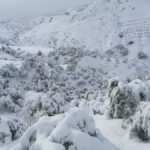
One more tip: pack water and stay mindful of footing around trails near water. Paths in rainy conditions (or after snowmelt) can be slick. The tour can’t guarantee perfect weather, so your job is to wear grippy shoes and keep your steps calm.
A few more Marrakesh tours and experiences worth a look


Lunch stop and Amazigh tea: where the day becomes human again
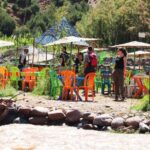
The tour culminates with a local village visit where you’ll have time for authentic lunch and a warm cup of Amazigh tea. In the morning, argan oil and breakfast set you up with something practical. By lunchtime, the focus shifts to hospitality and conversation.
Here’s the honest practical bit: lunch isn’t listed as included, so you’ll be paying at your own expense. That said, the village lunch stop is still a core part of the experience, and in practice it sounds like people typically enjoy a meal as part of the rhythm of the stop. The tea, however, is included—so you’re not walking away from the day empty-handed in the comfort category.
Tea in the mountains isn’t just a drink. It’s a reset moment. It gives you a chance to cool down, talk with the guide, and ask questions that don’t come up while you’re walking. If you want the cultural side of Morocco beyond the photos, this is where it happens.
If you’re sensitive to meal timing, plan for lunch to come after the walk. Bring patience and expect the day to move with mountain schedules rather than city ones.
Price and logistics: is $32 good value?
At $32 per person, this is priced like a budget-friendly day trip—but it doesn’t feel cheap because you’re getting multiple value blocks: round-trip transport from Marrakech accommodation, an English-speaking driver, argan cooperative visit and breakfast, and Amazigh tea.
What you should weigh is where your money goes versus what’s extra. Lunch and soft drinks aren’t included, and tipping is not included. That’s normal for a tour day, but it does mean your total spending depends on your appetite and how you handle drinks.
Still, for a day that includes:
- transport in and out of Marrakech,
- guided cultural stops,
- a hike with major scenic payoffs,
- and included tea plus breakfast,
…$32 can be good value—especially compared to the cost of arranging this kind of transportation and guide time yourself. The other quiet cost is your comfort: you’re investing a full day and time on your feet. If you’re physically up for that, the price makes sense.
Who this Atlas day trip fits best (and who should think twice)
This tour is a strong match if you want a single-day dose of High Atlas culture and nature without booking a multi-day trek. It’s also a good fit if you like history with your scenery—because you’ll learn why the region matters and you’ll see villages where traditions are still carried through daily routines.
You’ll probably enjoy it if you:
- like guided walking and want viewpoints you can actually reach,
- enjoy village life and conversation (not just seeing buildings from afar),
- want included tea and breakfast so the day feels smoother.
You might want to think twice if:
- you have very limited mobility or you struggle with uneven rocky paths,
- you want a slow, no-pressure day with lots of free time,
- you dislike paying extra for lunch since it’s not included.
If you’re coming from Marrakech, this is also ideal for first-timers who want a “taste” of the Atlas experience before deciding if you want to do a bigger trek later.
Final call: should you book this day trip?
I’d book this trip if you’re the kind of traveler who likes structure but still wants authentic moments—scenic ridges, waterfall time, and village walking with real context. The guide quality is a key part of the experience, and names like Omar and drivers like Hakim show up in the stories because they add meaning to what you’re seeing, not just directions.
If your travel style is mostly about lounge time and comfort, you may feel rushed by the combination of vehicle time plus walking. But if you want a full Atlas day with big views, village life, and included Amazigh tea, this is a solid pick.
FAQ
What’s included in the price?
The price includes transport from and back to your accommodation in Marrakech, an English-speaking driver, an argan oil cooperative visit with breakfast, and tea.
Is lunch included?
Lunch is not included in the price. You’ll have a lunch stop during the village visit, but you should expect to pay for lunch and soft drinks at your own expense.
What should I bring for this trip?
Bring comfortable shoes, a camera, and water. The walking involves uneven mountain terrain.
What languages are available?
English, French, Spanish, and Arabic are available.
Do you pick you up from your hotel in Marrakech?
Yes. The tour includes transport from and back to your accommodation in Marrakech.
Can I cancel if plans change?
You can cancel up to 24 hours in advance for a full refund.