REVIEW · MARRAKECH
3-Day Marrakech to Merzouga Desert Experience and Camel Trekking
Book on Viator →Operated by Marrakech Activities Expert · Bookable on Viator
A long drive can still feel short. This 3-day Marrakech to Merzouga trip strings together Tizi n Tichka Pass views and an honest desert night with camel trekking. What I like most is the mix of guided culture time (hello Tinghir) and the classic sunset-to-sunrise camel ride plus sandboarding. One thing to consider: it’s a big chunk of travel time over 3 days, so plan for long days and sit tight on the road.
You’ll move through Morocco’s changing scenery—from mountain passes to the Sahara—without having to organize anything beyond choosing what pace you want. I also like that the tour comes with practical basics: air-conditioned minibus transport, English/French-speaking driving support, and two breakfasts plus two dinners. If you hate early starts or you’re sensitive to hours in a van, this won’t feel gentle.
In This Review
- Key points to know before you go
- Tizi n Tichka Pass and Aït Benhaddou: the road trip highlight reel
- Tinghir and Todra Gorge with a local guide: where the day feels human
- Melaab Berber family shop: practical souvenirs and a quick outfit moment
- Merzouga: camel ride at sunset, desert camp at night, and sandboarding
- Sunrise return from the dunes and the long drive back via El Kelaa M’Gouna
- Price and what $129.58 buys you (and what it doesn’t)
- Guides and service: what to expect from the human side
- Who this tour fits best (and who should think twice)
- Should you book this Marrakech to Merzouga tour?
- FAQ
- FAQ
- What is included in this 3-day Marrakech to Merzouga experience?
- Are lunches included?
- Is there a local guide during the Tinghir portion?
- What happens in Merzouga on Day 2?
- How long is the return drive on Day 3?
- What is the cancellation policy?
Key points to know before you go
- Tizi n Tichka Pass: a high-altitude mountain route with dramatic views at about 2,260 m (7,400 ft)
- Aït Benhaddou stop: UNESCO ksar access with an optional guided visit (small extra cost)
- Tinghir with a local guide: daily life, including the Jewish quarter and historic sections
- Todra Gorge timing: a focused visit with guide support before heading to lunch
- Merzouga camel + sandboarding: sunset ride, desert camp night, then sunrise return plus sandboarding
- Group size cap (max 60): small enough to feel coordinated, big enough to stay comfortable
Tizi n Tichka Pass and Aït Benhaddou: the road trip highlight reel
Day 1 is all about getting your eyes adjusted to scale. You’ll start with Tizi n Tichka Pass, one of Morocco’s most scenic mountain passes, around 2,260 m (7,400 ft). The road climbs, the air cools, and the valleys below look smaller with every bend.
This stop is more than a quick photo stop. It’s a real “why this route matters” moment, because it sets up the contrast you’ll feel later in the Sahara. You don’t need special planning here; it’s built into the schedule with a free admission ticket listed for the stop.
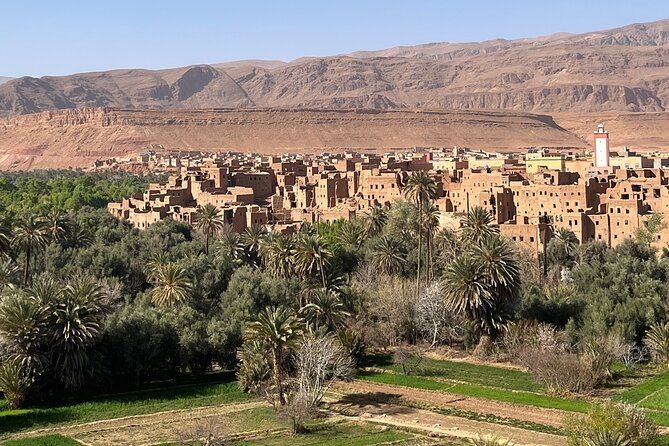
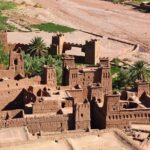
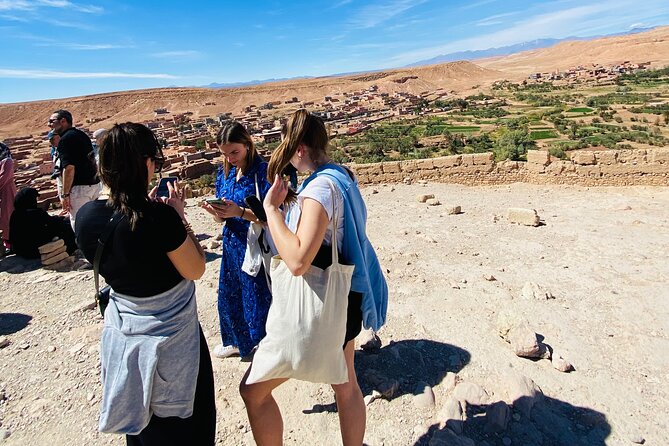
Then you head to Aït Benhaddou, a UNESCO World Heritage ksar (fortified village). This is the place you’ll recognize if you’ve watched film sets from Morocco, since it’s been used as a backdrop in major productions. The best practical advice: plan to spend about an hour on-site if you want a guided walk, since that’s the time window mentioned for the guided visit.
A guide at Aït Benhaddou isn’t included in the package. There’s an optional local guide cost listed at about 2 euros per person for groups of more than 10 people (and you may also see 2–3 euros in the overall notes). If you’re the type who likes to understand how kasbah life and architecture worked, the extra few euros can be worth it. If you just want the view and the walk, you can still enjoy the site without paying for a guide.
Finally, Day 1 rolls on through Ouarzazate and the Thousand Kasbahs Road. That stretch matters because it’s your gentle warm-up for the next days. You’re not just “going to the desert.” You’re watching Morocco transition, and that makes the desert night feel earned.
You can also read our reviews of more hiking tours in Marrakech
Tinghir and Todra Gorge with a local guide: where the day feels human
Day 2 starts with a breakfast, then it’s on to Tinghir with a local guide included. This is a key difference from many desert tours that treat culture stops like a drive-by. Here, you get around an hour with guide support to see how daily life looks on the ground.
Your guide covers the historic sections and the Jewish quarter, plus there’s time to get a feel for the area’s rhythm. The schedule also mentions a possible visit to a women’s handicraft cooperative. Even if you don’t buy anything, cooperative visits are one of the clearest ways to connect what you see with the people who make a living there.
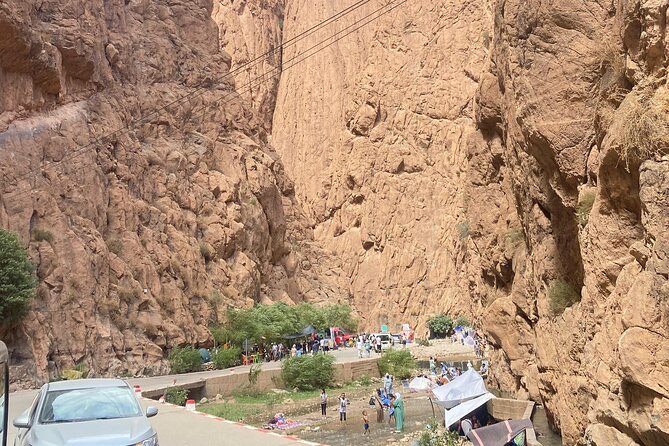
Then you move to Todra Gorge. The gorge is known for dramatic rock formations, and the timing is set to keep it focused rather than rushed. Again, you’ll have the same local guide alongside you, which helps because gorge visits go beyond “look up at rocks.” You’ll get context on what you’re seeing and why it matters locally.
After Todra Gorge, you head to Tinejdad for lunch. Lunch is not included, and the tour estimates it at about 12 euros per person. I’d treat this as your flex point: eat something filling so you’re not hungry during the afternoon stop in the Melaab area, and keep water in mind since the day adds up.
Melaab Berber family shop: practical souvenirs and a quick outfit moment
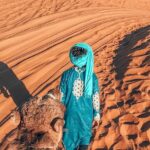
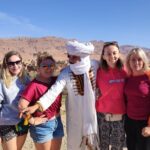
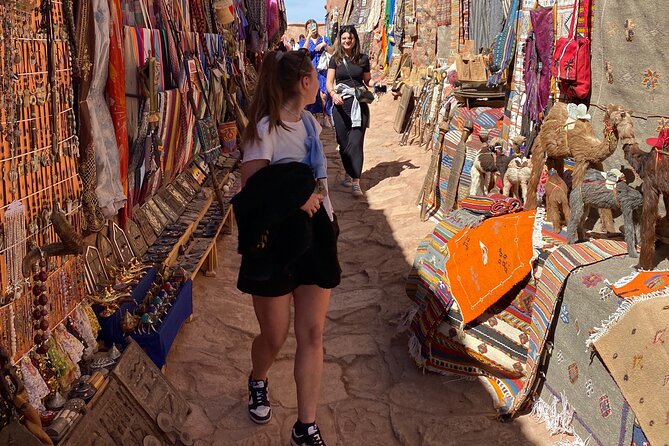
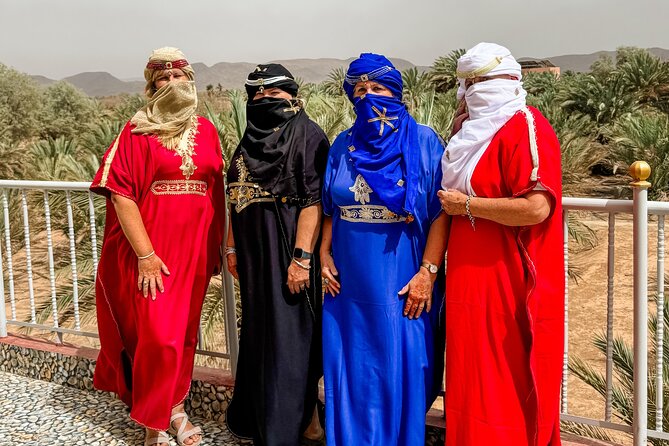
The Melaab stop is short, but it’s one of those stops that can go either way depending on your expectations. Here, you visit a Berber family shop where you can try on traditional attire and take free pictures. There’s also a chance to buy scarves that you may use for the camel ride later.
For me, this stop works best when you go in with a simple mindset: take a few photos if you want, enjoy the interaction, and buy only what feels fair to you. It’s not designed as a deep cultural lesson; it’s more of a friendly, hands-on contact point with local craftsmanship.
Also, remember that camel-ride clothing can matter. The shop’s scarves are there for a reason in desert touring—so if you’re the kind of person who gets cold at night, a scarf can be a useful add-on rather than a “buy it because you feel pressured” item.
Merzouga: camel ride at sunset, desert camp at night, and sandboarding
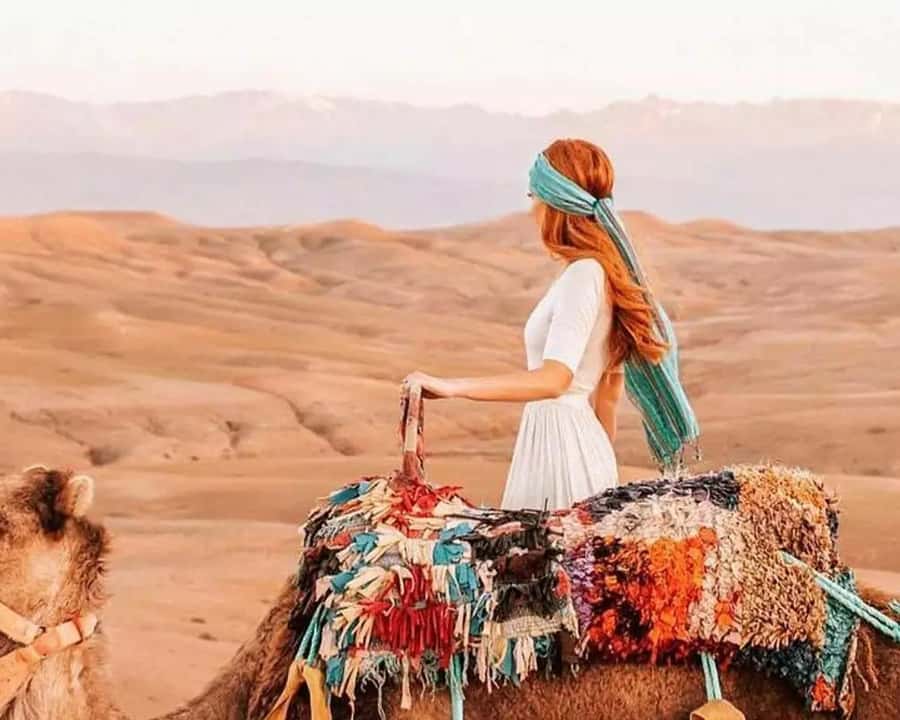
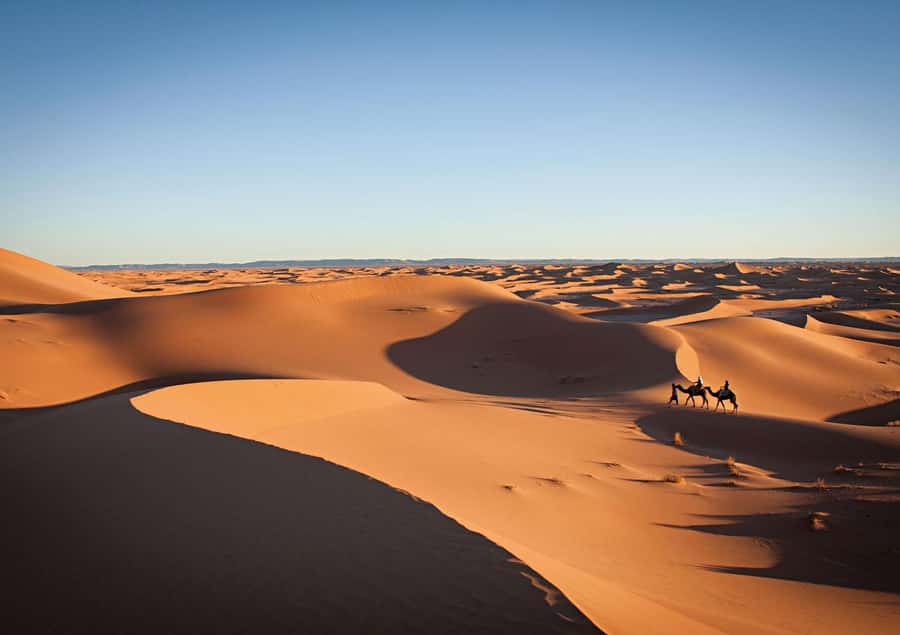
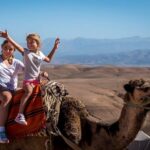
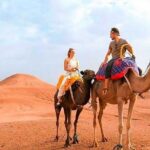
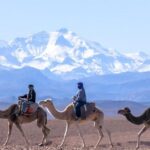
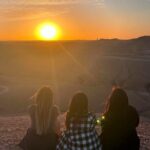
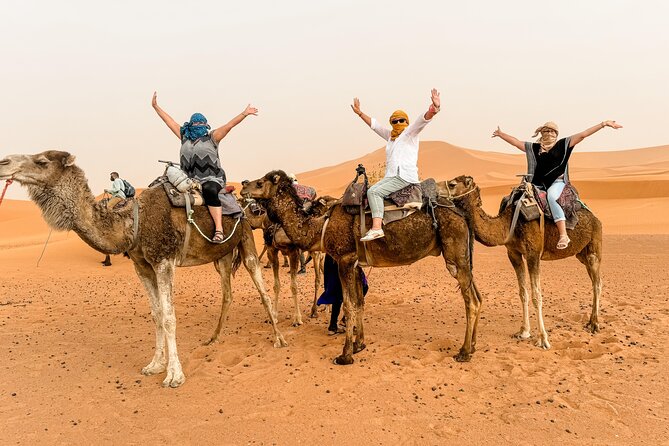
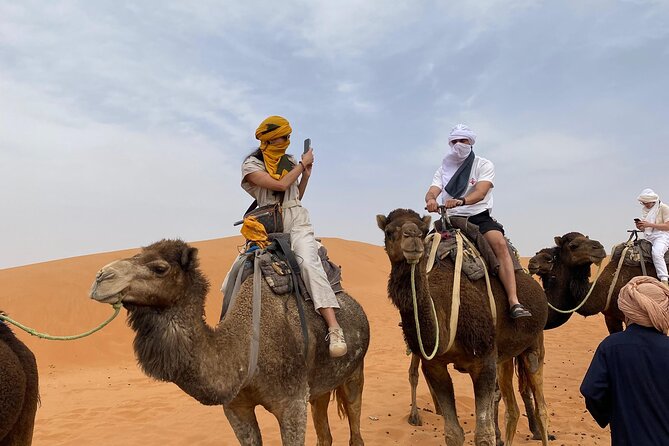
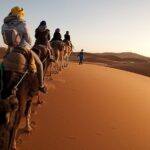
This is the heart of the trip. You arrive in Merzouga and meet your camel for the desert ride. The ride is scheduled for sunset, and the timing listed suggests about an hour across the dunes before you reach camp.
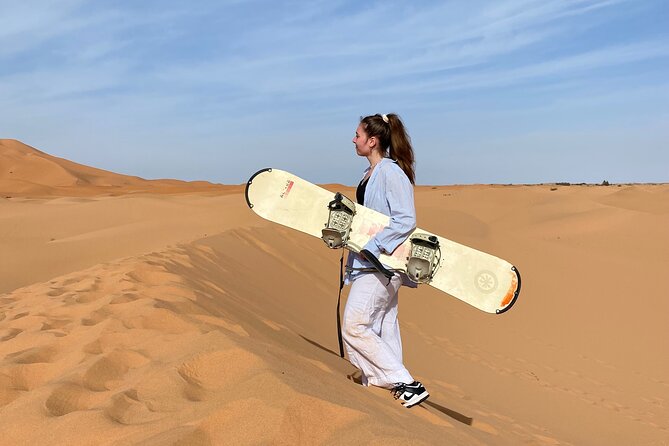
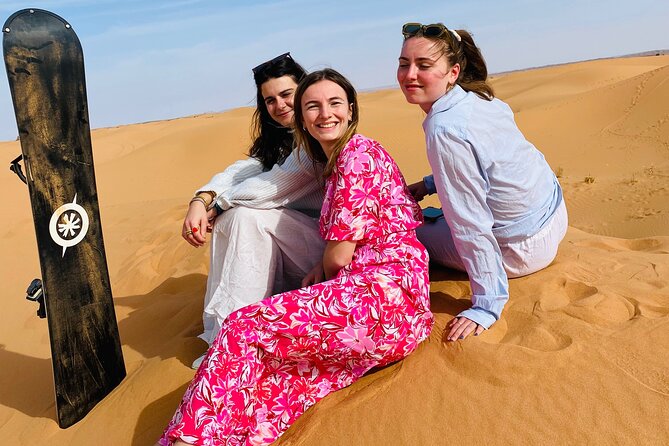
One big practical upside here: the camel ride is included at both ends of the experience—sunset and sunrise—with one camel per person. That means you’re not stuck with the logistics of getting back and forth. You also get sandboarding included, so you can swap the “watching” energy for “trying” energy.
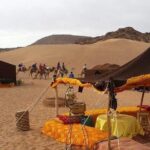
At the desert camp, the schedule calls for settling into tents, shower time, dinner, then traditional music and dancing around the campfire. This part is built for atmosphere, so go with your expectations calibrated. You won’t be in a city; you’ll be in a desert camp with a planned evening program.
The mention of shower access is important because it answers a common worry. In the desert, comfort is all about small wins, and a post-ride refresh is a big one. After dinner, the campfire moment is where the trip usually clicks for people—especially if you like seeing local performance in a casual setting.
If you’re a light sleeper, bring that mindset. Desert nights can be cooler, and camps can vary in how quiet they are. The plan is set up for a night under the stars, but your comfort still depends on basic things like sleep habits and how you pack.
Sunrise return from the dunes and the long drive back via El Kelaa M’Gouna
Day 3 starts early with breakfast, then you get back on your camels for the return ride to the meeting point. The total driving day is listed as long—about 10 hours. That’s not a small “we’ll stop for a coffee” kind of day. This is a proper road day.
The schedule includes stops along the way for rest and meals, but lunches aren’t included. That means you’ll likely pay out of pocket again for food. The tour does mention stops so you can stretch your legs, which is exactly what you want on a long route.
El Kelaa M’Gouna shows up as part of the return drive timing. Even if it’s not a major headline stop for most people, it’s a marker that your day is about getting home safely and steadily rather than packing in more activities.
Here’s what I’d plan for: expect tired legs, a full day in the car, and a “done” feeling by late afternoon or evening. If you can keep your energy up with snacks and water, the last day feels more like the final reel of the film than an exhausting chapter.
A few more Marrakech tours and experiences worth a look
Price and what $129.58 buys you (and what it doesn’t)
At $129.58 per person for a 3-day Marrakech to Merzouga experience, the value is best understood as what’s bundled rather than what’s missing.
Included that really matters:
- Two breakfasts and two dinners
- Hotel accommodation on the first night (in Tinghir or Dades)
- Desert camp accommodation on the second night
- Camel ride at sunset and sunrise (one camel per person)
- Sandboarding
- Air-conditioned minibus transport plus fuel
- An English/French-speaking driver
- A local guide in Tinghir on Day 2
What’s not included:
- Lunches (about 12 euros per person)
- Optional local guide at Aït Benhaddou (about 2–3 euros per person)
- Tips/gratuities
- Drinks
In plain terms: you’re paying for transportation across Morocco plus the two “big nights,” camel time, and a couple of guided cultural blocks. If you were to piece together a desert camp night and camel trekking on your own, you’d usually spend more than this once you add transport and meals.
The main drawback of the price value is timing. You get a packed route, so you trade extra leisure for included experiences. If you want a slow, stay-put desert stay, you may feel rushed. If you want an organized “do the route right” plan, this price can make sense.
Guides and service: what to expect from the human side
This tour heavily depends on driver skill and guide warmth. The notes you provided include multiple positive mentions of specific people, which is a good sign for a long route where safety and communication matter.
Names showing up in the feedback include Malek (guide) and Kareem (driver), with praise for patience and getting people there safely. Other praised guides and drivers include Mohammed, Said, Muha, and Ichou. The repeated theme is simple: friendly, communicative support and flexibility with the schedule when questions come up.
You also get a driver who speaks English/French, which is a practical advantage for understanding what’s going on—especially on mountain roads and during guided stops. Even when things are clearly scheduled, being able to ask questions makes the trip feel less stressful.
Who this tour fits best (and who should think twice)
This is a strong fit if you want:
- Big Morocco variety in just 3 days (Atlas mountains, ksar stop, desert camp)
- Camel trekking that happens at both sunset and sunrise
- A real local guide day in Tinghir, not just free time
- Sandboarding included, plus campfire evening entertainment
This may not be the best match if you:
- Strongly prefer short driving days
- Need lots of free time in each stop without a guide structure
- Don’t like early starts (Day 3 is early by design)
It’s also a good size for many groups. The maximum is listed as 60 travelers, so you can expect coordination without it feeling like a stadium event.
Should you book this Marrakech to Merzouga tour?
I’d recommend booking if you want the classic Morocco desert formula—mountain pass views, Aït Benhaddou, Tinghir and Todra with local guiding, then Merzouga camels with sandboarding and a proper desert camp evening. The price looks fair because so much is included: transport, two nights, meals, camel rides, and a guide block.
I’d think twice if you know you’ll struggle with long car hours or if you hate paying for lunches and drinks on the way. That’s the trade: you’re buying organization and included activities, not a slow travel pace.
If you’re flexible, curious, and ready for an active 3 days, this route can be a very good way to see Morocco from mountains to dunes without getting stuck in planning headaches.
FAQ
FAQ
What is included in this 3-day Marrakech to Merzouga experience?
The tour includes air-conditioned transportation in a minibus, fuel, a driver who speaks English/French, accommodation the first night in a hotel in Tinghir or Dades, accommodation the second night in a desert camp, camel rides for sunset and sunrise (one camel per person), sandboarding, a local guide in Tinghir on Day 2, plus breakfast twice and dinner twice.
Are lunches included?
No. Lunches are not included and cost about 12 euros per person.
Is there a local guide during the Tinghir portion?
Yes. A local guide is included for the Tinghir visit on Day 2, covering daily life and historic sections, and you may also visit a women’s handicraft cooperative.
What happens in Merzouga on Day 2?
You arrive in Merzouga, ride a camel into the desert at sunset (about an hour before reaching camp), settle into tents, shower, and then enjoy dinner plus traditional music and dancing around the campfire.
How long is the return drive on Day 3?
Day 3 is the longest day, with about a 10-hour drive back toward Marrakech, with stops for rest and meals.
What is the cancellation policy?
Cancellation is free as long as you cancel up to 24 hours in advance for a full refund. If you cancel less than 24 hours before the start time, the amount paid is not refunded.