REVIEW · MARRAKECH
Mount Toubkal Climbing
Book on Viator →Operated by Atlas Trek Explore · Bookable on Viator
Toubkal is the kind of summit that feels real. This 2-day trek goes for Jebel Toubkal (4167m) with a guide team, meals handled for you, and a route built to make the high-altitude grind more manageable. I love that it starts in Marrakech with pickup/transport and gets you organized fast, and I love the support system on the trail, including cooks and pack mules that handle the heavy lifting of food. One consideration: it’s not a gentle walk—altitude and scree will slow you down, even if you’re in decent shape.
The vibe is also more social than scary. You’ll hike in a group up into big views across the High Atlas and beyond, and it’s easy to fall into a steady rhythm (especially with guides like Abdul, Mouad, and Hamid showing up as standout names in past climbers’ accounts). The only real drawback is that the day structure involves early starts and long hiking windows, so you need to be okay with feeling tired before the rewards hit.
In This Review
- Key Points Worth Knowing Before You Go
- Entering Toubkal: What This 2-Day Climb Really Delivers
- Marrakech to the High Atlas: The Pickup, the Pace, the First Day Mood
- Day 1 in Imlil: The Early Start and the Acclimatization Views
- Day 2 Summit Day: Up the South Cirque to 4167m
- Food, Cooks, and Pack Mules: Why the Support Crew Is Part of the Value
- Price and Logistics: Does $139.37 Make Sense for This Kind of Mountain Day?
- Gear Checklist: What You’ll Need Since Equipment Isn’t Included
- Who Should Book This Toubkal Trek—and Who Should Think Twice
- My Booking Advice: When This Trek Is a Yes
- FAQ
- How long is the Mount Toubkal climb?
- What is the starting location and where do we return to?
- What does the price include?
- What is not included in the tour price?
- Do I need special climbing gear?
- What physical condition do I need?
- How big is the group?
- Is pickup available?
- Can I bring a service animal?
- What is the cancellation policy?
Key Points Worth Knowing Before You Go
- Supported trek with meal prep: cooks and pack mules help so you’re not carrying everything
- Early, high-views acclimatization on day 1: a morning push with refreshments like nuts, water, and oranges
- Summit attempt guided up the south cirque: the route includes a stream crossing above the refuge area
- English communication is a strong plus: Abdul and Mouad are specifically noted for good communication
- Smallish group size: the max is 30 travelers, which helps keep pace control workable
- Included transport from Marrakech and back: you don’t have to figure out the logistics yourself
Entering Toubkal: What This 2-Day Climb Really Delivers
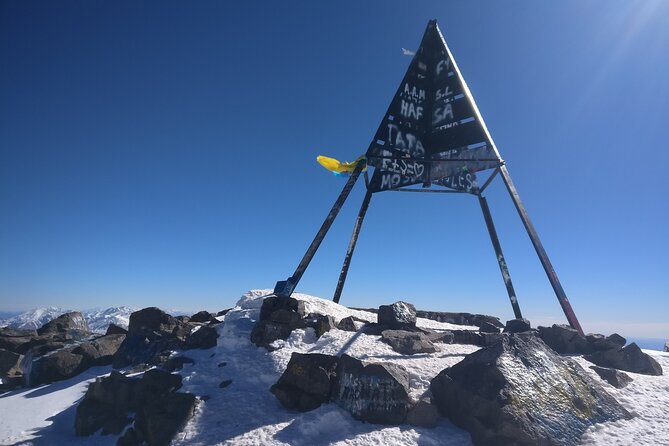
If you’ve ever looked at a map and thought North Africa needed a proper mountain day, this is it. Mount Toubkal (Jebel Toubkal) is the highest peak in North Africa, and the trek is designed for people who want the summit without needing technical gear or rope skills. It’s very much a hike-and-summit experience: your job is to keep moving, and the team’s job is to help the day run smoothly.
This kind of guided trek is also a values play. You’re paying for organization: meeting in Marrakech, getting transported to the trailhead area, having a mountain guide, and not having to run your own meal logistics. When the plan says dinner, breakfast, and lunch are included, that matters. At altitude, “figuring out food” turns into wasted energy. Here, that energy gets saved for the ascent.
You should still respect what 4167m means. Even when the walking is described as straightforward, the scree/scree-like footing and altitude can make parts of the climb feel harder than your pace would suggest at sea level.
You can also read our reviews of more tours and experiences in Marrakech.
Marrakech to the High Atlas: The Pickup, the Pace, the First Day Mood
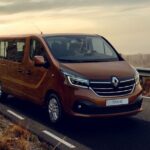
You start in Marrakech, with transport from and back included and pickup offered. The plan is set up so you can meet your guide in Marrakech and then get moving without guesswork. There’s also a mobile ticket, which is handy if you don’t want to deal with printouts.
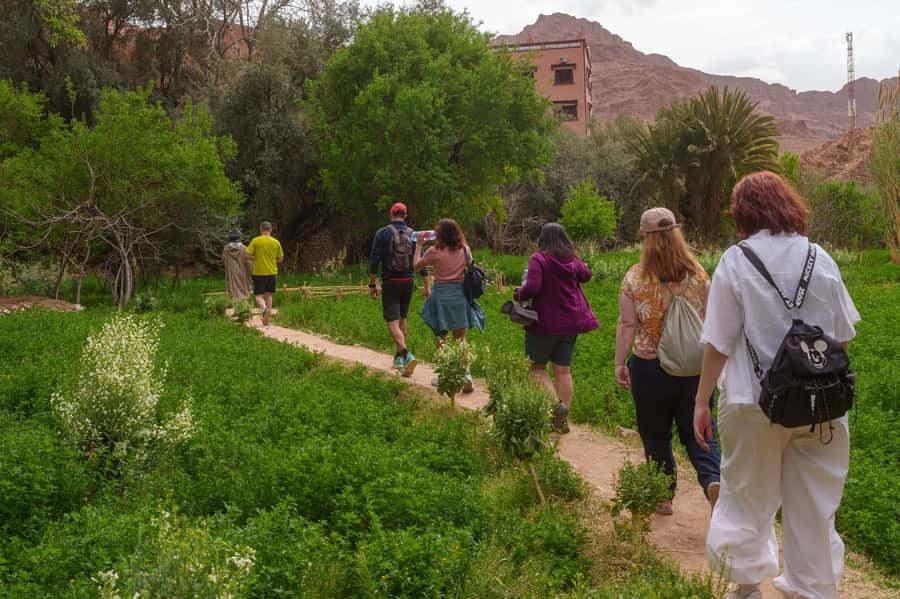
The group is capped at 30 travelers, which usually keeps things from turning into chaos. On big mountains, chaos is exhausting. The better scenario is what this trek aims for: clear guide leadership, a consistent hiking rhythm, and enough support that you can focus on breathing and foot placement.
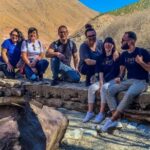
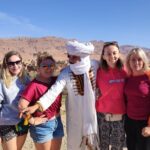
One of the best “soft” benefits here is the guide style. Multiple guide names show up as favorites for reasons that matter on Toubkal: staying friendly, keeping the group’s pace in check, and helping people as they near the summit. Abdul is repeatedly highlighted for being friendly and attentive, with support that kicks in most at the hardest moments. Mouad also gets praised for pace control and good English. If communication helps you stay calm, this is the right type of trip.
Day 1 in Imlil: The Early Start and the Acclimatization Views
Day 1 runs from Imlil, and it starts with an early plan: an around 5:00 am start after a warm-up uphill walk from the camp area. The point isn’t just to walk. It’s to get your body used to higher altitude and to experience the mountain before you commit to summit day.
The schedule gives you roughly 4 to 5 hours from the camp area up toward the 4167m summit zone, at least for an early push and viewpoint time. You then take a 30-minute break—and this is a small detail that actually makes a difference. Refreshments include nuts, water, and oranges. That’s not fancy, but it’s smart: quick fuel, hydration reminders, and something easy to eat while you’re catching your breath.
After that, you return by the same route back to basecamp. From there, you either stay another night at basecamp or continue down to Imlil, depending on how your day is staged. Either way, the intention is the same: you’re building altitude exposure and confidence without spending all your energy before the big summit push.
What to watch for on day 1:
- You’ll likely feel it faster than you expect. Cold mornings and thin air can make even “easy” hiking feel heavy.
- Your early start sets the tone for the whole trip. If you don’t sleep well, plan to treat day 1 as your training ground for pacing.
This day is where the camera comes in. The trek is sold for stunning views, and you’ll actually have time to enjoy them because you’re not doing a nonstop sprint.
Day 2 Summit Day: Up the South Cirque to 4167m
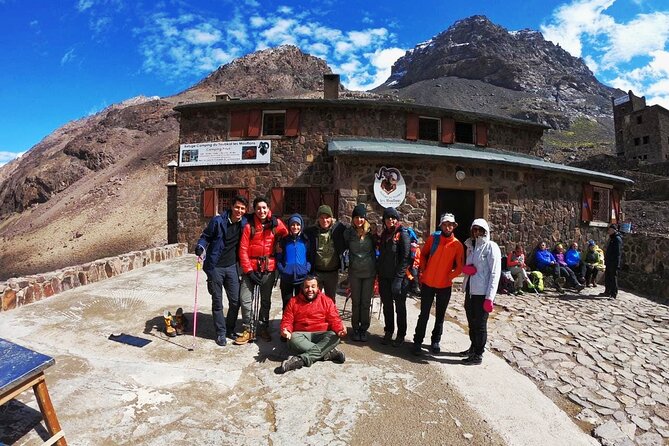
Day 2 is the summit attempt on Jebel Toubkal. The route is described as taking you up the south cirque, with a crossing of a stream above the refuge area. That stream crossing matters more than it sounds. In mountain hikes, water sections can mean slippery footing. A guide helps here by choosing the best line and keeping the group together.
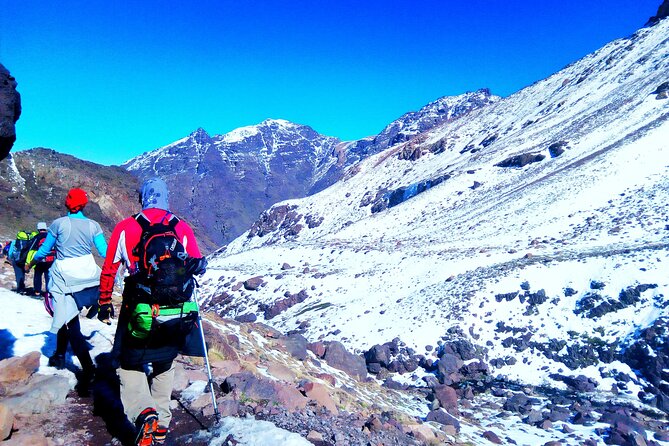
The walking is described as relatively straightforward. Then reality hits: scree and altitude make parts of the climb difficult. That’s the honest part. The summit isn’t just about fitness; it’s about how your breathing holds up during sustained effort at altitude.
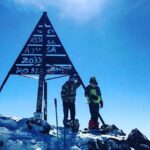
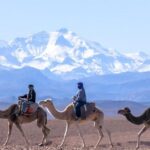
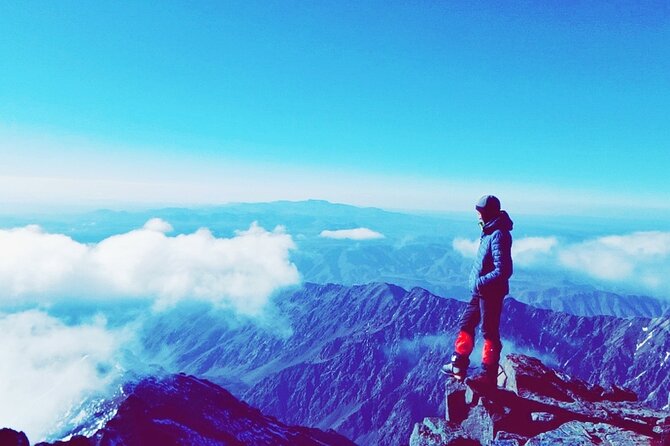
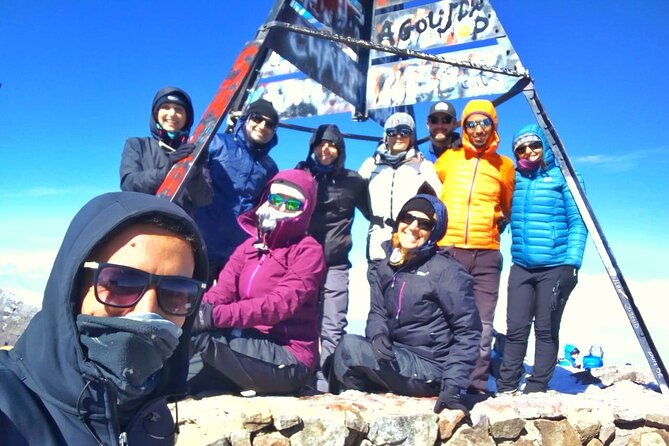
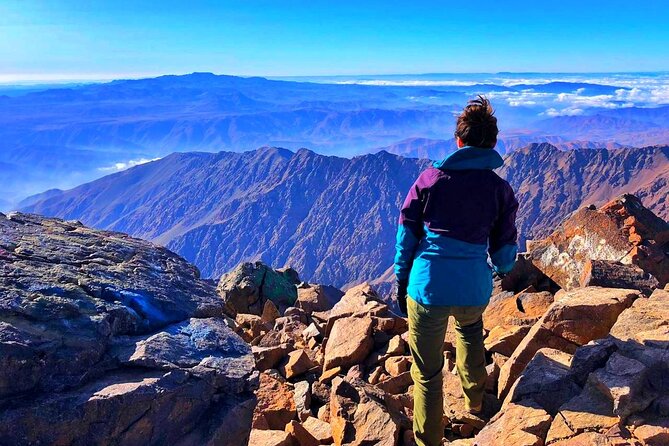
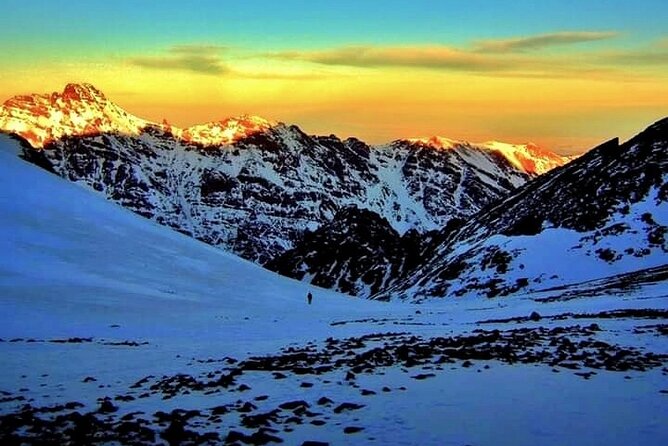
The payoff starts before you reach the top. Views along the way become the main event. When you finally stand at the summit, you get unrestricted sight in every direction. The plan specifically calls out views from the Marrakesh Plain to the High Atlas in the north, and as far south as the Anti-Atlas and the Sahara. That’s the kind of geographic range that makes photos look even better in person—thin air sharpens the sense of distance.
Then you go back down. Expect the descent to feel different: your legs may be tired, and loose ground can be tricky. Retracing the route is typical here, and a guide is useful because foot placement becomes more important when fatigue shows up.
Food, Cooks, and Pack Mules: Why the Support Crew Is Part of the Value
This trek doesn’t just have a guide. It has a whole support setup. Cooks prepare meals and hot drinks, and pack mules accompany the group to help with gear/food logistics. At the end of the trekking days, the meals are made for you, so you’re not stopping to improvise with trail snacks.
That’s a big reason the trek works in two days. Food isn’t optional. Hunger and low energy are what turn an altitude challenge into a suffering challenge. With dinner, breakfast, and lunch included (and lunch listed twice in the plan), the trip gives you regular input so you can keep moving.
One nuance from past experience narratives: mountain-hut or shared lodging meals can vary in quality. That means you should think of the included food as practical fuel, not a guaranteed gourmet spread. You can also bring extra small snacks if you’re the type who likes backup.
Comfort-wise, accommodation is included. The data doesn’t specify room details, but at least one past account referenced common-room style lodging as the sleeping setup. That’s not a dealbreaker, it’s just the reality of mountain simplicity—bring patience and sleep expectations.
Price and Logistics: Does $139.37 Make Sense for This Kind of Mountain Day?
The price is $139.37 per person for a roughly 2-day supported climb, with dinner, breakfast, lunch (twice), guide, accommodation, and transport from and back to Marrakech included. Equipment, personal expenses, and tips are not included.
On pure dollars-per-hour, it’s not the cheapest trip. But on dollars-per-organization, it’s a strong deal. You’re getting:
- A guide for navigation and pace management
- Meals handled by cooks instead of you hauling food plans
- Transport logistics covered from Marrakech
- A group structure (with a max of 30)
There’s also a sign that it’s popular: it’s commonly booked about 7 days in advance on average. That doesn’t mean it sells out instantly, but it does mean you shouldn’t wait until the last minute if you have a narrow travel window.
The real pricing question for you is this: do you want to pay to reduce stress? If yes, this is the right format. If you want to self-navigate, carry everything, and set your own schedule, you’d likely do better with a different style of trip.
Gear Checklist: What You’ll Need Since Equipment Isn’t Included
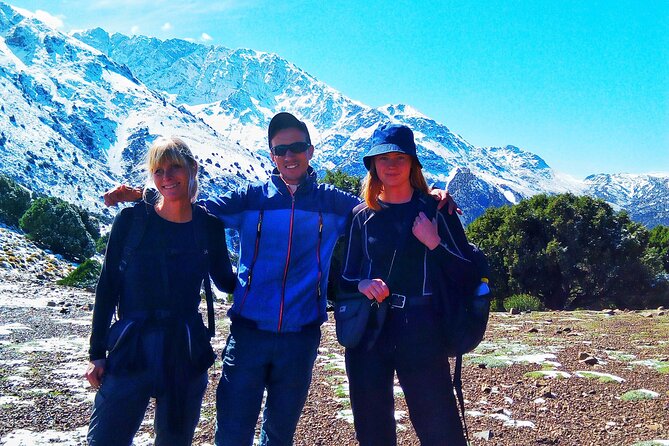
The plan states equipment isn’t included, so you need to show up ready to hike. The listing doesn’t spell out every item, so I can’t claim a full rental list or exact specs. But for a two-day summit trek at 4167m, you should plan on having the basics that protect your feet, keep you warm at early hours, and help you stay comfortable while walking long distances.
Here’s the practical approach I’d use:
- Wear boots or sturdy hiking shoes you already trust
- Bring layers for cold mornings and warm afternoons
- Pack a day snack for personal comfort (even with included meals)
- Have water capacity and plan to drink consistently during the climb
- Bring a camera. You’ll be staring at big views often enough that it feels worth it
One more small note: the itinerary mentions the early day includes refreshments like nuts, water, and oranges. That means you might not need to carry every calorie for that break, but you still need hydration and personal pacing throughout.
Who Should Book This Toubkal Trek—and Who Should Think Twice
This hike is aimed at people with moderate physical fitness and says anyone in good physical condition can do it. That’s a helpful framing. It doesn’t mean it’s easy. It means it’s doable if you can walk steadily for long stretches and handle altitude discomfort.
You’ll probably love this trek if:
- You want a supported summit day with guides and help carrying logistics
- You like group travel that still feels purposeful
- You want the view reward of Toubkal without planning every detail yourself
- You enjoy meeting people on hikes (this trip specifically highlights the chance to make a few new friends)
You might want to think twice if:
- You hate early mornings and long hiking blocks
- You’re not comfortable with thin-air effects (even without technical climbing)
- You need a very private, hotel-style comfort level. This is a mountain experience with simple lodging.
Also, service animals are allowed per the plan. If that matters for you, you can confirm specifics with the provider before you go.
My Booking Advice: When This Trek Is a Yes
If you want a serious summit on your Morocco trip, and you don’t want to turn it into a DIY logistics project, I’d say this is a yes. The best part is that it’s built around support: transportation from Marrakech, a guide leading the best route, and a team handling meals with cooks and pack mules. That’s what keeps the experience focused on the hiking, not on camp chores.
Before you book, do two quick checks:
- Be honest about your ability to hike uphill early in the morning and keep going for hours. The plan does include early starts and long walking windows.
- Make sure you can handle altitude plus scree footing. Straightforward hiking doesn’t automatically mean gentle terrain.
If you match that, you’ll likely come away feeling like you did something big, in a way that felt organized instead of stressful.
FAQ
How long is the Mount Toubkal climb?
It’s a 2-day trek (approx.).
What is the starting location and where do we return to?
The tour starts in Marrakech, Morocco and ends back at the meeting point in Marrakech.
What does the price include?
Dinner, breakfast, transport from and back to Marrakech, a mountain guide, accommodation, and lunch (listed as two lunches) are included.
What is not included in the tour price?
Equipment, personal expenses, and tips are not included.
Do I need special climbing gear?
The provided information says equipment is not included, but it also describes this as a supported trek with a guide, with the route being relatively straightforward. Bring hiking-ready gear, and confirm specifics with the provider if you’re unsure.
What physical condition do I need?
The tour asks for moderate physical fitness and notes that anyone in good physical condition can do the trek.
How big is the group?
The maximum group size is 30 travelers.
Is pickup available?
Yes, pickup is offered.
Can I bring a service animal?
Yes, service animals are allowed.
What is the cancellation policy?
Free cancellation is available if you cancel at least 24 hours in advance for a full refund. If you cancel less than 24 hours before the start time, the amount paid is not refunded.
If you want, tell me your fitness level and whether you’re going in winter or summer, and I’ll help you decide what to prioritize for gear and pacing on summit day.